12-Week Kilimanjaro Training Plan for Women
A structured 12-week Kilimanjaro training plan for women can help you build the endurance, leg strength, hiking confidence, and recovery ability needed for a multi-day trek on Mount Kilimanjaro.
You do not need to become an elite athlete, but you do need to prepare your body for several consecutive days of walking, long climbs, downhill sections, cold conditions, and a demanding summit night.
The most useful training is not about becoming fast. It is about becoming comfortable moving steadily for several hours and being able to repeat that effort on consecutive days.
This 12-week plan is designed as a practical framework for women preparing for the 7-day Machame Route used by WomenClimbKili.
Is 12 Weeks Enough to Train for Kilimanjaro?
For many women who already have a reasonable level of general fitness, 12 weeks can provide a useful focused training period.
If you are currently very inactive, significantly deconditioned, recovering from injury, or completely new to walking and exercise, you may benefit from starting earlier.
The purpose of this plan is to build gradually rather than trying to become fit in the final few weeks.
What Fitness Do You Need for Kilimanjaro?
Kilimanjaro requires a combination of:
- Walking endurance.
- Leg strength.
- Core stability.
- Cardiovascular fitness.
- Balance.
- Downhill control.
- Recovery between trekking days.
- Mental patience.
Technical climbing ability is not normally required on the standard Machame Route.
Training for Kilimanjaro Is Different From Training for Speed
A person can be very fast over a short distance and still struggle with a long multi-day trek.
Kilimanjaro is about endurance.
Your body needs to become comfortable with repeated hours of low-to-moderate intensity movement.
This is why hiking and long walking sessions should form the foundation of your preparation.
The Main Parts of Your 12-Week Training Plan
Your training should combine:
- Long walks or hikes.
- Hill training.
- Stair training.
- Cardiovascular exercise.
- Strength training.
- Mobility.
- Recovery days.
- Back-to-back hiking days.
Hiking Should Be Your Priority
If you have access to hills or trails, use them.
Nothing prepares you for hiking as effectively as hiking.
Walking on uneven terrain trains:
- Feet.
- Ankles.
- Legs.
- Balance.
- Core muscles.
- Downhill control.
What If You Live Somewhere Flat?
You can still train effectively.
Use:
- Stairs.
- Treadmill incline.
- Step machines.
- Long-distance walking.
- Strength training.
Whenever possible, still try to include some outdoor hiking before Tanzania so you become familiar with walking on uneven ground.
Strength Training for Women Climbing Kilimanjaro
Strength training helps your muscles manage repeated uphill and downhill movement.
Important areas include:
- Quadriceps.
- Hamstrings.
- Glutes.
- Calves.
- Core.
- Upper back.
Useful Strength Exercises
Your program may include:
- Squats.
- Lunges.
- Step-ups.
- Calf raises.
- Glute bridges.
- Deadlift variations.
- Planks.
- Side planks.
- Rows.
Use loads and variations appropriate to your experience level.
Why Step-Ups Are Especially Useful
Step-ups closely resemble the repeated uphill movement required during mountain trekking.
They also allow you to work each leg independently.
Start with a manageable height and progress gradually.
Do Not Ignore Downhill Training
Many climbers train hard for uphill movement and forget that Kilimanjaro also involves substantial descent.
Downhill walking places different stress on the legs, especially the quadriceps and knees.
Include controlled downhill walking whenever possible.
Core Strength Helps More Than You May Think
Your core helps stabilize your body when:
- Walking over uneven terrain.
- Using trekking poles.
- Carrying a daypack.
- Climbing steps.
- Descending.
You do not need extreme abdominal workouts. Consistent basic core work is enough.
Cardio Training for Kilimanjaro
Cardiovascular fitness helps you move efficiently during long trekking days.
Useful options include:
- Brisk walking.
- Cycling.
- Swimming.
- Jogging.
- Elliptical training.
- Stair climbing.
Choose activities you can perform consistently without causing unnecessary injury.
You Do Not Need to Become a Runner
Running can improve cardiovascular fitness, but it is not compulsory for Kilimanjaro.
If you dislike running or your joints do not tolerate it well, use lower-impact alternatives.
Long walking endurance is more directly relevant to the mountain.
Train With Your Daypack
You will carry a daypack while trekking.
During later training weeks, complete some walks wearing the same or similar pack.
This helps you test:
- Shoulder comfort.
- Back fit.
- Water access.
- Trekking pole use.
- How the pack feels over several hours.
Do Not Start With a Very Heavy Pack
Build gradually.
The goal is not to injure yourself by carrying unnecessary weight during training.
Focus on becoming comfortable with the pack you will actually use on hiking days.
Practice With Trekking Poles
If you plan to use trekking poles on Kilimanjaro, train with them beforehand.
Learn how to use them:
- Uphill.
- Downhill.
- On flat terrain.
- On uneven trails.
Week 1: Establish Your Baseline
The first week is about understanding your current fitness rather than proving anything.
A sample week:
- 2 brisk walks of 45 to 60 minutes.
- 1 moderate cardio session.
- 2 light strength sessions.
- 1 longer walk of around 90 minutes.
- 1 full recovery day.
Pay attention to how your feet, knees, hips, and back respond.
Week 2: Build Consistency
Keep a similar structure but begin extending one walking session.
- 2 walking sessions of 45 to 60 minutes.
- 1 hill, stair, or incline session.
- 2 strength sessions.
- 1 longer walk of 1.5 to 2 hours.
- 1 rest day.
Consistency matters more than extreme intensity.
Week 3: Add More Hills
Begin increasing vertical effort.
- 1 easy recovery walk.
- 1 hill or stair session.
- 2 strength sessions.
- 1 moderate cardio session.
- 1 long hike of around 2 hours.
- 1 recovery day.
Week 4: Increase Time on Your Feet
The main goal is increasing endurance.
- 2 shorter walks.
- 1 stair or hill workout.
- 2 strength sessions.
- 1 long hike of approximately 2 to 3 hours.
Start using your hiking boots regularly if you have not already done so.
Week 5: Introduce Longer Hiking
By now your body should be becoming more comfortable with regular training.
- 1 easy walk.
- 1 cardio session.
- 1 hill or stair workout.
- 2 strength sessions.
- 1 longer hike of approximately 3 hours.
Start carrying your daypack on longer walks.
Week 6: First Back-to-Back Training
Kilimanjaro requires hiking again after you have already walked the previous day.
Introduce a gentle back-to-back weekend:
- Day 1: 2 to 3 hour hike.
- Day 2: 60 to 90 minute walk.
The second day does not need to be very hard.
The purpose is learning to move on slightly tired legs.
Week 7: Build Strength and Endurance Together
- 1 recovery walk.
- 1 stair or incline session.
- 2 strength sessions.
- 1 moderate cardio session.
- 1 long hike of around 3 to 4 hours.
Continue testing your boots, socks, daypack, and trekking poles.
Week 8: Second Back-to-Back Weekend
Increase the duration slightly.
- Day 1: 3 to 4 hour hike.
- Day 2: 2 hour walk or hike.
This is useful preparation for consecutive Kilimanjaro trekking days.
Week 9: Your Strong Training Phase
Weeks 9 and 10 can be among your strongest training weeks.
- 1 easy recovery walk.
- 1 hill or stair session.
- 2 strength sessions.
- 1 moderate cardio session.
- 1 long hike of 4 to 5 hours.
Avoid suddenly increasing everything at once.
Week 10: Peak Endurance Week
This is a good time for your strongest back-to-back hiking block.
For example:
- Day 1: 4 to 6 hour hike.
- Day 2: 2 to 3 hour hike or walk.
Use the equipment you expect to use in Tanzania.
Week 11: Begin Reducing Volume
Do not try to become dramatically fitter in the final days.
Reduce training volume while keeping some movement.
- Shorter walks.
- Light strength work.
- Moderate hill training.
- One comfortable hike.
The objective is to maintain fitness while allowing your body to recover.
Week 12: Taper and Travel Preparation
Your final week should not contain your hardest workout.
Focus on:
- Light walking.
- Mobility.
- Sleep.
- Hydration.
- Equipment organization.
- Travel preparation.
You want to arrive in Tanzania rested, not exhausted from training.
Example Weekly Training Structure
| Day | Training |
|---|---|
| Monday | Rest or gentle mobility |
| Tuesday | Strength training |
| Wednesday | Brisk walk, cardio, or hills |
| Thursday | Strength and core |
| Friday | Easy walk or recovery |
| Saturday | Long hike |
| Sunday | Recovery or second hike during back-to-back weeks |
How Hard Should Training Feel?
Not every session should leave you exhausted.
Most of your Kilimanjaro preparation should be sustainable enough that you can train consistently week after week.
If every workout is extremely hard, recovery becomes difficult and injury risk can increase.
Recovery Is Part of Training
Rest is not wasted time.
Your body adapts to training during recovery.
Useful recovery habits include:
- Enough sleep.
- Balanced nutrition.
- Hydration.
- Gentle mobility.
- Rest days.
Do Not Train Through Significant Pain
Normal muscle fatigue and persistent injury pain are not the same thing.
If you repeatedly experience significant pain in your knees, hips, ankles, feet, or back, address the issue rather than simply increasing training.
Train Your Feet
Your cardiovascular system may feel strong while your feet are not yet ready for several hours of hiking.
Long walks help your feet become accustomed to:
- Hiking boots.
- Socks.
- Repeated pressure.
- Uneven terrain.
Break In Your Hiking Boots
Do not save new boots for Kilimanjaro.
Wear them during training and make sure they remain comfortable over long distances.
Test Your Hiking Socks
The wrong sock and boot combination can create friction and blisters.
Try different combinations during your training hikes rather than changing them on the mountain.
Train in Different Weather When Possible
You cannot control Kilimanjaro weather.
If conditions are safe, occasional training in rain, wind, or cooler temperatures can help you become more comfortable using your clothing and waterproof equipment.
Practice Layering
Use training walks to learn:
- When you become too warm.
- When you need another layer.
- How quickly you can access a rain jacket.
- Whether your clothing restricts movement.
Train With Your Water System
Use the bottles or hydration system you plan to bring.
You want drinking water to become an automatic part of hiking rather than something you forget for several hours.
Practice Eating During Long Hikes
Some people can eat almost anything while exercising. Others develop stomach discomfort.
Use long training days to identify snacks that work well for you.
Training Around Your Period
Women experience their menstrual cycles differently.
If your energy, cramps, or comfort change during your period, use training as an opportunity to understand what works for you.
Do not judge your entire fitness level based on one lower-energy training day.
Women With Heavy Periods or Anemia
If you have known anemia, iron deficiency, very heavy menstrual bleeding, or unexplained fatigue, seek appropriate medical advice before high-altitude trekking.
Medical preparation and fitness preparation should work together.
Training During Perimenopause
Some women may experience changes in sleep, energy, recovery, or temperature regulation during perimenopause.
Adjust training volume when necessary and prioritize consistency over forcing every session.
Women Over 40
Women over 40 can train effectively for Kilimanjaro.
Strength work becomes especially useful because maintaining muscle and joint stability supports long hiking days.
Women Over 50
Women over 50 should also prioritize strength, endurance, balance, recovery, and gradual progression.
There is no need to compare your training speed with someone in her twenties.
Women Over 60
Women over 60 may also prepare successfully depending on individual health and fitness.
Allow enough time for gradual progression and recovery.
Relevant medical concerns should be discussed with an appropriate healthcare professional.
What If You Are Starting From Zero?
If you currently do very little exercise, avoid jumping directly into the stronger weeks of this plan.
Start with:
- Regular walking.
- Basic strength exercises.
- Short stair sessions.
- Gradual increases in distance.
You may need more than 12 weeks, and that is perfectly reasonable.
What If You Already Exercise Regularly?
If you already run, cycle, attend the gym, or play sport regularly, do not assume your preparation is complete.
Add hiking-specific work.
Your body still needs practice with:
- Long hours on your feet.
- Hiking boots.
- Daypack use.
- Uneven terrain.
- Repeated hiking days.
Do You Need Altitude Training?
Most climbers do not have access to true high-altitude training before Kilimanjaro.
You can still prepare effectively by improving your endurance and arriving physically strong.
Fitness does not guarantee altitude tolerance, but it helps reduce the physical workload of the trek.
Do Not Confuse Fitness With Acclimatization
A very fit woman can still experience altitude illness.
On Kilimanjaro, continue to walk slowly, follow your guides, and report symptoms honestly regardless of how strong you feel.
Why the 7-Day Machame Route Matters
WomenClimbKili scheduled departures use the 7-day Machame Route.
Your training therefore needs to prepare you for repeated trekking days rather than one isolated hike.
The route also includes important sections such as Lava Tower, Barranco, Karanga, Barafu, Stella Point, and Uhuru Peak.
View the full itinerary on our
Women-Only Machame Route Kilimanjaro Package
.
Prepare for Barranco Wall
Barranco Wall involves scrambling and controlled movement.
Strength, balance, mobility, and confidence on uneven terrain all help.
You do not need technical rock-climbing training for the standard route.
Prepare for Summit Night
Summit night is long, cold, and at very high altitude.
Your training should help you arrive with enough endurance to continue moving when tired.
Long hikes and back-to-back training days are particularly useful for this.
Mental Training Matters Too
Not every difficult moment on Kilimanjaro is caused by weak muscles.
Sometimes you simply need patience.
Long training hikes teach you how to keep moving when:
- You are bored.
- You are tired.
- The weather changes.
- Your legs feel heavy.
- The destination still feels far away.
Do Not Make Every Training Day Comfortable
You should train safely, but some longer days should challenge you enough to build confidence.
You want to learn that feeling tired does not automatically mean you need to stop.
But Do Not Train Recklessly
There is a difference between useful discomfort and injury.
Do not ignore:
- Sharp pain.
- Repeated swelling.
- Severe joint pain.
- Chest pain.
- Fainting.
- Unusual breathlessness.
Seek appropriate professional advice if concerning symptoms develop.
The Final Two Weeks Are Not for Panic Training
If you feel underprepared two weeks before departure, doing extreme workouts every day is unlikely to solve the problem.
You are more likely to arrive tired or injured.
Trust the training you have completed and begin tapering.
Sleep Before Your Trip
Recovery during your final weeks matters.
Try to arrive in Tanzania rested rather than exhausted by work, travel, and last-minute training.
Use Your Pre-Climb Hotel Days Wisely
The WomenClimbKili climb-only program includes two hotel nights in Moshi before the mountain.
Use them to:
- Recover from your flight.
- Sleep.
- Hydrate.
- Eat normally.
- Attend the briefing.
- Complete your gear inspection.
How Fit Should You Feel Before Departure?
By the end of your training, you should ideally be comfortable:
- Walking for several hours.
- Climbing hills or stairs steadily.
- Carrying your daypack.
- Using your hiking boots.
- Walking again the day after a long hike.
You do not need to feel like a professional athlete.
Can Solo Female Travelers Follow This Plan?
Yes.
Your physical training is individual regardless of whether you travel to Tanzania alone or with friends.
Solo female travelers can reserve one place on a scheduled WomenClimbKili departure and meet the group in Moshi.
How Large Is the WomenClimbKili Group?
Scheduled departures are limited to a maximum of 12 women.
Frequently Asked Questions
Is 12 weeks enough to train for Kilimanjaro?
For many reasonably active women, 12 weeks can provide a useful focused training period. If you are starting from a very low fitness level, begin earlier.
How many days a week should I train?
A balanced plan may include four to six active days depending on your current fitness, with a mixture of hiking, strength, cardio, and easier recovery sessions.
What is the most important Kilimanjaro training?
Long hiking and walking are particularly important because they most closely resemble the physical activity you will perform on the mountain.
Do I need to run?
No. Running can improve cardiovascular fitness, but brisk walking, cycling, stairs, hiking, and other forms of cardio can also prepare you effectively.
Should I train with a backpack?
Yes. Gradually introduce your daypack during training so your shoulders and back become accustomed to it.
Should I train two days in a row?
Yes. Some back-to-back hiking days are useful because Kilimanjaro requires repeated trekking on consecutive days.
Can beginners complete this training plan?
Beginners can use the structure, but those starting from very low fitness may need a longer preparation period and should progress more gradually.
Does being fit guarantee I will summit?
No. Fitness helps with the physical demands, but altitude response, weather, health, and other factors also influence the climb.
Train for the Journey, Not Just the Summit Photo
The best Kilimanjaro preparation is not about surviving one difficult summit night.
It is about preparing your body for the entire seven-day journey.
Build walking endurance, strengthen your legs and core, practice hills and stairs, train with your equipment, include back-to-back hiking days, and give your body enough recovery.
By the time you arrive in Tanzania, your boots, backpack, trekking poles, and long walking days should already feel familiar.
Explore our
WomenClimbKili scheduled departures
or view the complete
7-Day Women-Only Machame Route Package
Share:

Social Media
Most Popular
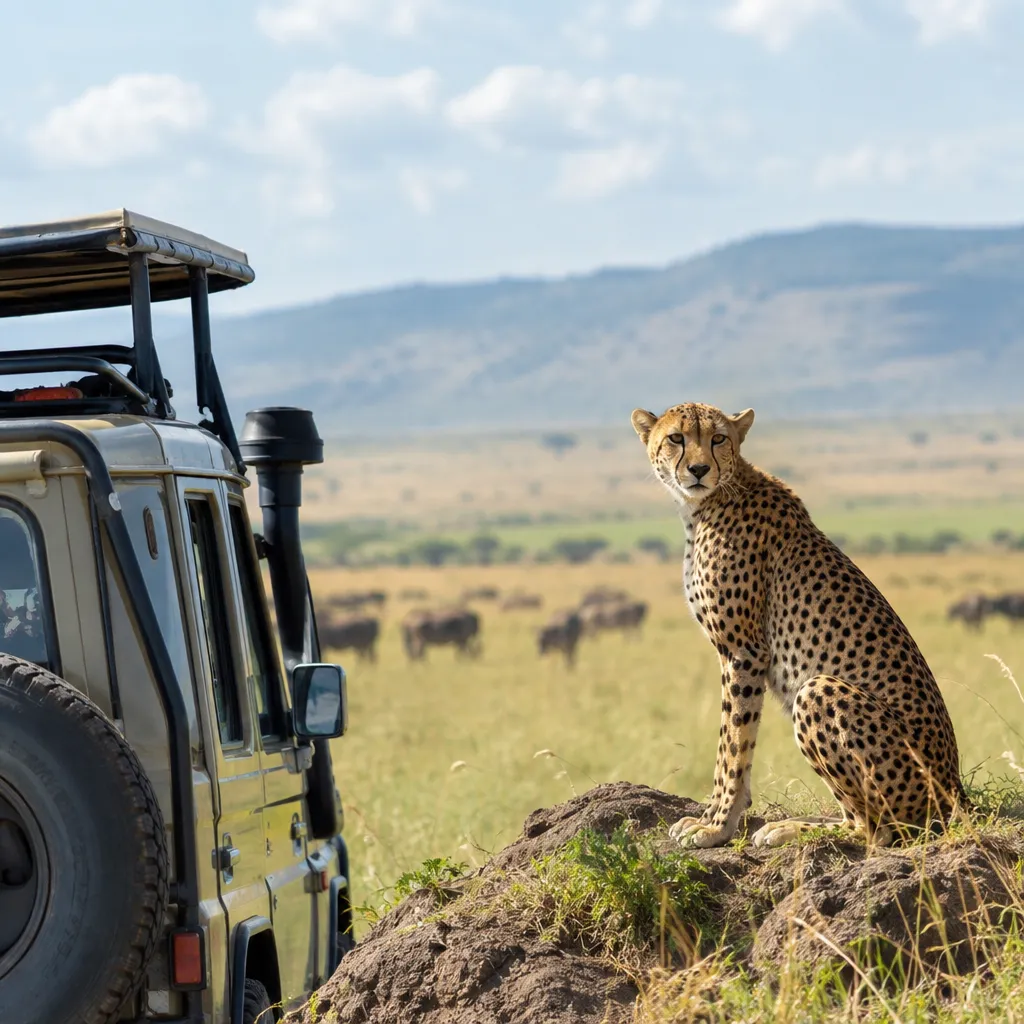
Kilimanjaro Climb + Safari Package for Women | Tanzania Guide
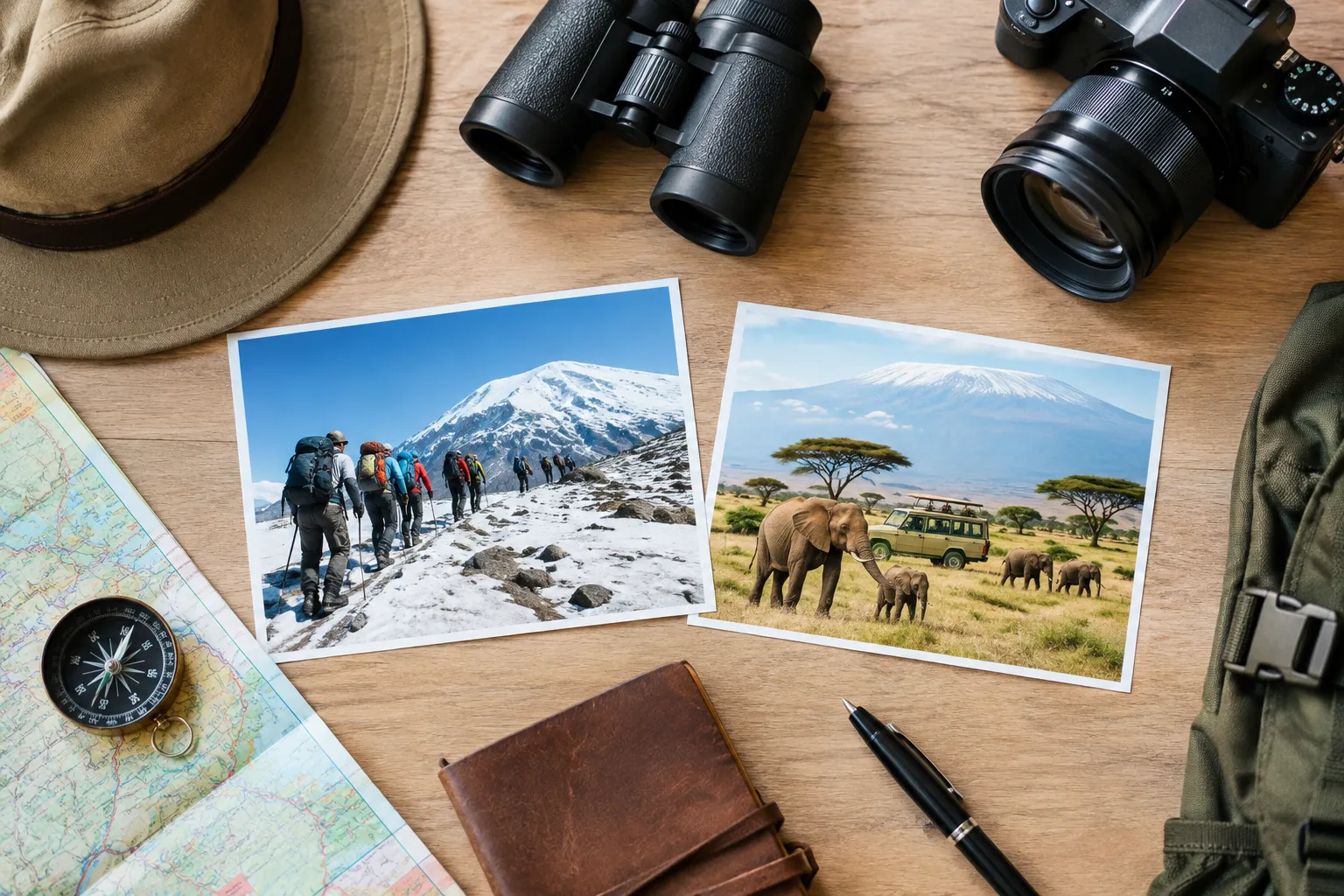
Solo Female Safari After Kilimanjaro | Tanzania Women’s Guide
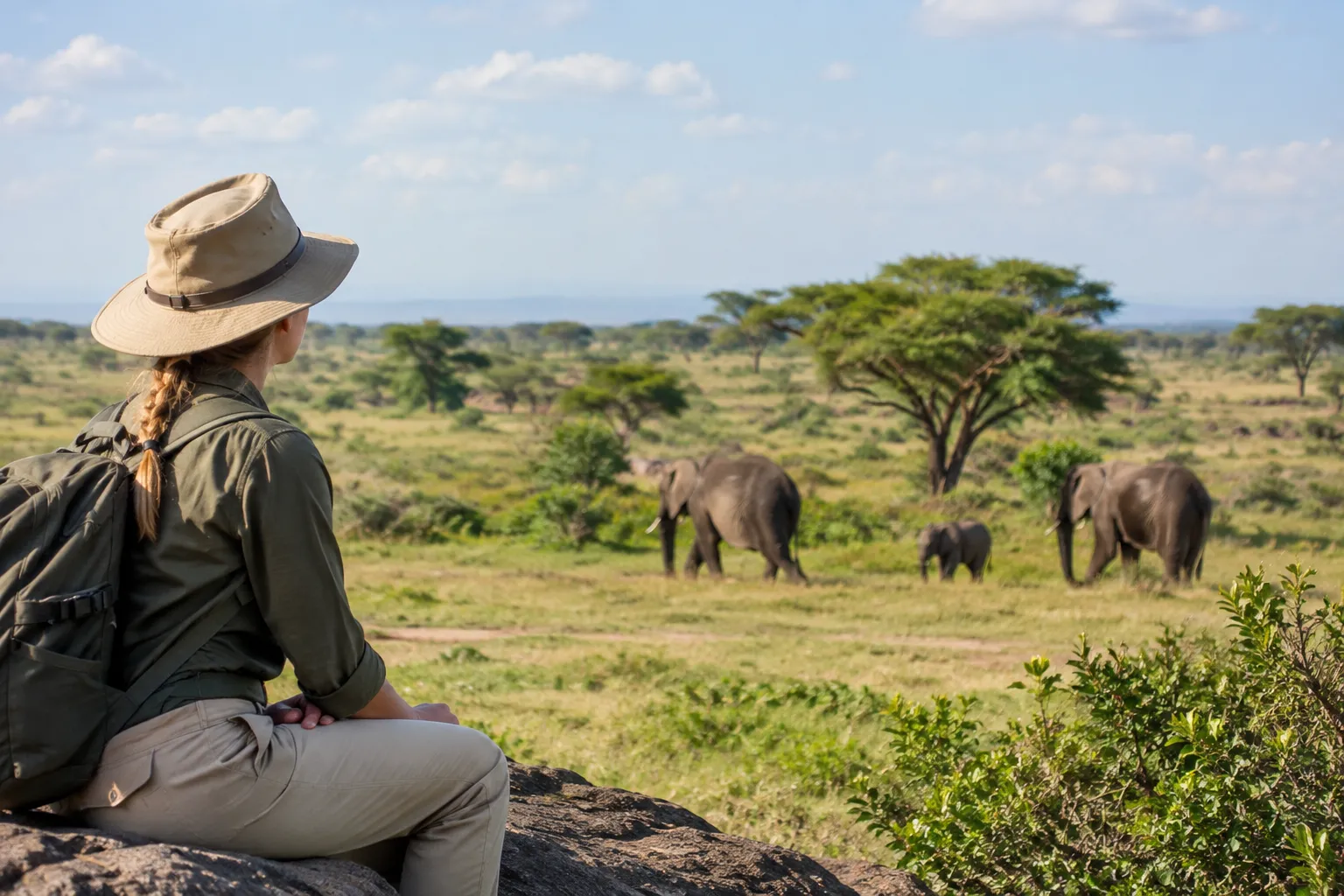
Safari vs Zanzibar After Kilimanjaro | Women’s Guide
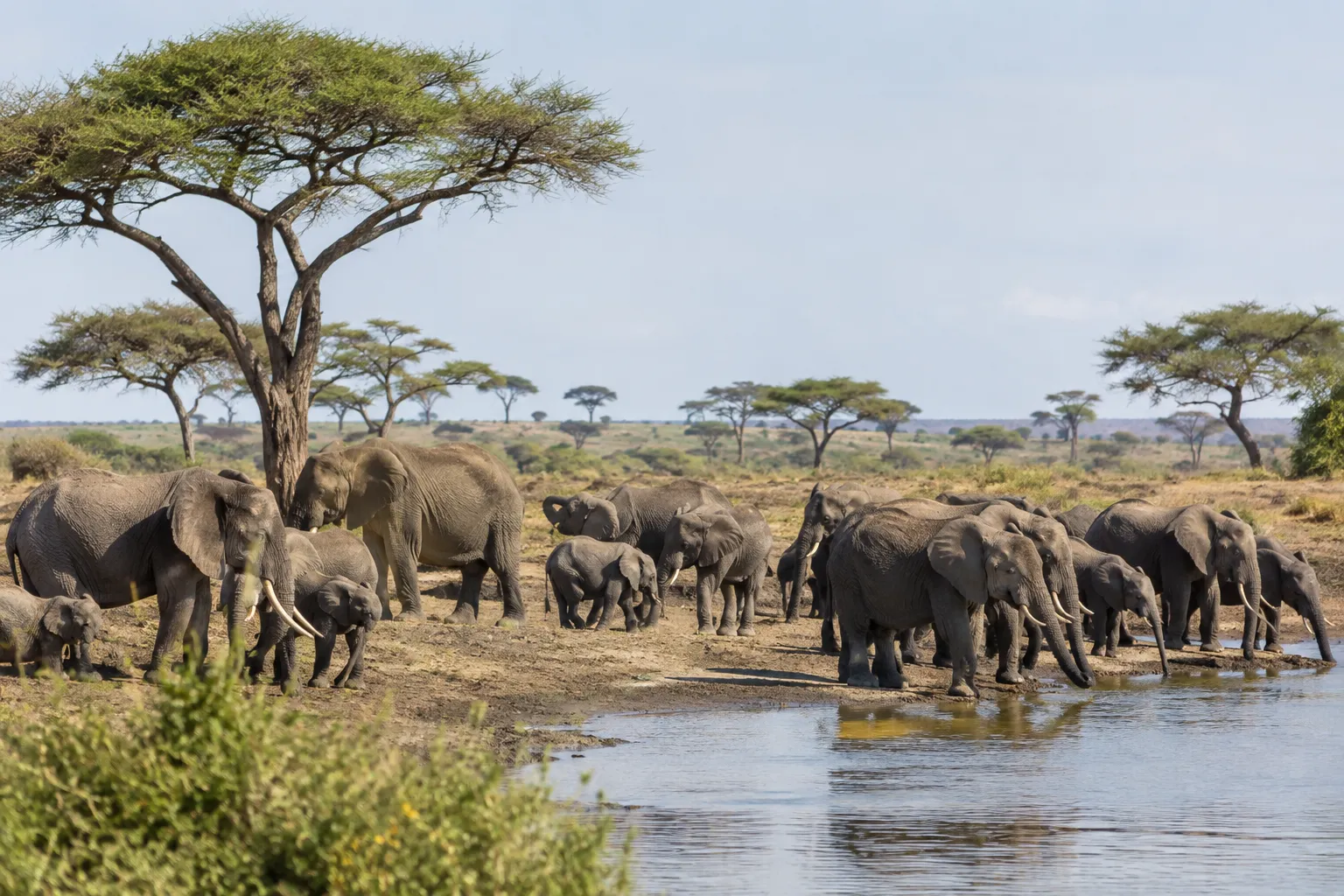
Recovery After Kilimanjaro Before Safari | Women’s Guide
Book Your Sustainable Tour
Related Posts
Kilimanjaro Climb + Safari Package for Women | Tanzania Guide
Kilimanjaro Climb + Safari Package for Women: What Is Included in the Experience? Choosing a Kilimanjaro climb safari package for women can be a practical
Solo Female Safari After Kilimanjaro | Tanzania Women’s Guide
Solo Female Safari After Kilimanjaro: What Women Should Expect Planning a solo female safari after Kilimanjaro can feel like a big decision, especially if you
Safari vs Zanzibar After Kilimanjaro | Women’s Guide
Safari vs Zanzibar After Kilimanjaro: Which Is Better for Women? Choosing between safari vs Zanzibar after Kilimanjaro for women is one of the most enjoyable
Recovery After Kilimanjaro Before Safari | Women’s Guide
Recovery After Kilimanjaro Before Safari: A Women’s Guide Understanding recovery after Kilimanjaro before safari for women can make the transition from mountain trekking to wildlife