Machame Route Kilimanjaro – Complete Climbing Guide
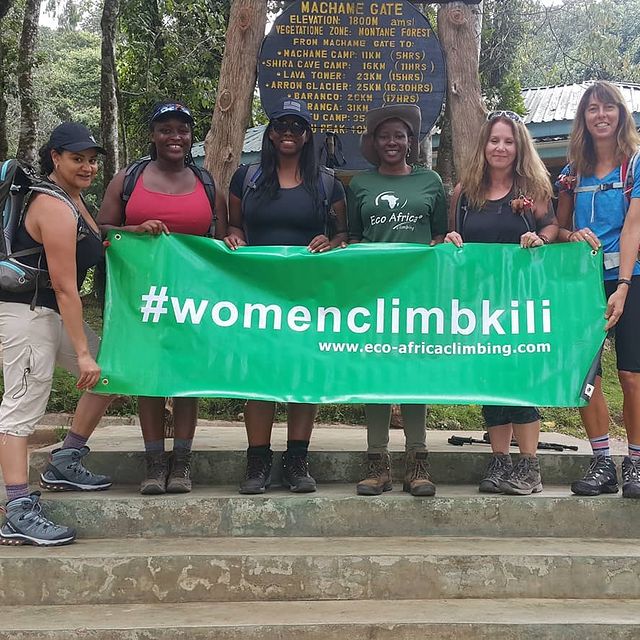 Machame Gate is where all climbers of the Machame route starting their climb.
Machame Route Kilimanjaro – Complete Climbing Guide
The Machame Route on Mount Kilimanjaro, popularly known as the Whiskey Route, is one of the most scenic and adventurous trekking routes to Uhuru Peak, the highest point in Africa at 5,895 meters (19,341 feet). Approaching Kilimanjaro from the southwestern side, the route takes climbers through lush tropical rainforest, scenic moorlands, the spectacular Shira Plateau, alpine desert landscapes, and the mountain’s dramatic summit zone.
Famous for its varied terrain, breathtaking scenery, and excellent opportunities for high-altitude trekking, the Machame Route Kilimanjaro is a popular choice among first-time climbers, experienced hikers, solo travelers, couples, and adventure enthusiasts from around the world.
At Eco-Africa Climbing, a locally based Kilimanjaro Porters Assistance Project (KPAP) Partner Company in Moshi, Tanzania, we offer three Machame climbing packages: the 6-Day Machame Route, 7-Day Machame Route, and 8-Day Machame Route for Slow Hikers.
Our special eight-day Machame itinerary is designed for travelers who prefer additional time on the mountain. It includes an overnight stay at Kosovo Camp, an option for a daytime summit ascent, and a return to Barafu Camp after reaching Uhuru Peak for additional rest before continuing the descent.
Whether you are planning to climb Kilimanjaro in 2027, 2028, 2029, or 2030, this comprehensive guide covers the Machame Route itinerary, difficulty, acclimatization, camps, climbing costs, best seasons, safety considerations, and available group and private expeditions.
Machame Route Kilimanjaro: Quick Facts
| Feature | Details |
|---|---|
| Mountain | Mount Kilimanjaro, Tanzania |
| Summit | Uhuru Peak – 5,895 m (19,341 ft) |
| Route Name | Machame Route, also called the Whiskey Route |
| Starting Point | Machame Gate, southwestern Kilimanjaro |
| Ending Point | Mweka Gate |
| Available Itineraries | 6, 7, and 8 mountain trekking days |
| Accommodation | Mountain camping tents |
| Difficulty | Challenging high-altitude trekking |
| Technical Climbing | Not normally required |
| Traditional Summit Route | Barafu Camp → Stella Point → Uhuru Peak |
| 8-Day Summit Base | Kosovo Camp, with descent to Barafu Camp after summit |
| Major Attractions | Machame Forest, Shira Plateau, Lava Tower, Barranco Wall, Karanga Valley, and Uhuru Peak |
| Typical Trekking Distance | Approximately 60–70 km, depending on the itinerary |
| Maximum Group Size | 12 climbers |
| Group Departure Policy | Guaranteed departure, even with one confirmed climber |
| Operator | Eco-Africa Climbing – KPAP Partner Company |
Although the Machame Route does not normally require technical mountaineering skills, climbers should prepare for steep hiking sections, changing mountain weather, long trekking days, and the physical effects of high altitude.
Unlike the Marangu Route, which uses mountain huts, Machame is a camping route. Climbers sleep in tents at designated campsites throughout the expedition.
Why Choose the Machame Route for Climbing Kilimanjaro?
The Machame Route is widely appreciated for its dramatic landscapes, varied terrain, and rewarding mountain experience. It combines rainforest trekking, challenging ascents, high-altitude valleys, and spectacular views of Kilimanjaro’s southern glaciers.
1. Spectacular Scenery and Diverse Landscapes
One of the greatest advantages of the Machame Route is the diversity of scenery encountered during the climb. The trek begins in lush montane rainforest, where tall trees, thick vegetation, and a humid environment create a beautiful introduction to the mountain.
As the trail ascends, the rainforest gradually gives way to heath and moorland. Climbers encounter giant heathers, volcanic ridges, and increasingly expansive views of Kilimanjaro.
After reaching the Shira Plateau, the trail continues across rocky terrain toward Lava Tower and Barranco Valley. The dramatic Barranco Wall, Karanga Valley, and views of Kibo’s southern glaciers make the upper sections particularly memorable.
The route crosses several ecological zones, giving trekkers an opportunity to witness dramatic changes in vegetation, temperature, and mountain landscapes.
2. Valuable Acclimatization Opportunities
Acclimatization is one of the most important considerations when climbing Kilimanjaro. As altitude increases, atmospheric pressure decreases, reducing the amount of oxygen available to the body.
The Machame Route provides opportunities to gain elevation during the day before descending to a lower campsite. One important example is the hike toward Lava Tower at approximately 4,600 meters, followed by descent to Barranco Camp at approximately 3,900 meters.
This follows the commonly used climb-high, sleep-low principle, which can support acclimatization when combined with appropriate pacing and sufficient time on the mountain.
However, acclimatization varies between individuals. No route, itinerary, or level of physical fitness guarantees protection against altitude sickness.
3. The Famous Barranco Wall Experience
The Barranco Wall is one of the most recognizable features of the Machame Route. Often described as a challenging section, it involves ascending steep rocky terrain using a combination of hiking and simple scrambling movements.
Although climbers may need to use their hands for balance on certain sections, the standard Barranco Wall passage is not normally a technical rock climb.
Professional mountain guides help climbers navigate the trail safely and maintain an appropriate pace.
Reaching the top rewards trekkers with impressive views of the surrounding valleys, glaciers, and southern slopes of Kilimanjaro.
4. Different Itineraries for Different Hiking Preferences
Eco-Africa Climbing offers three Machame Route itineraries to accommodate different trekking preferences and travel schedules.
- 6-Day Machame Route: A shorter, more demanding expedition for fit and well-prepared trekkers.
- 7-Day Machame Route: A balanced itinerary with additional time for acclimatization and recovery.
- 8-Day Machame Route: An extended itinerary designed for slow hikers, including Kosovo Camp and an option for a daytime summit.
Choosing the correct itinerary can significantly influence how comfortable and manageable the trekking experience feels.
6-Day vs 7-Day vs 8-Day Machame Route: Which Is Best?
Choosing between the 6-Day, 7-Day, and 8-Day Machame Route depends on your fitness, hiking experience, available travel time, acclimatization needs, and preferred summit schedule.
| Feature | 6-Day Machame | 7-Day Machame | 8-Day Machame |
|---|---|---|---|
| Mountain Duration | 6 days | 7 days | 8 days |
| Group Price Per Person | USD 2,620 | USD 2,850 | USD 3,280 |
| Trekking Pace | More demanding | Balanced | Extended itinerary for slower hikers |
| Acclimatization Time | Less time | Additional time | Extended schedule |
| Karanga Camp | Usually passed without overnight stay | Overnight stay | Overnight stay |
| Summit Base | Barafu Camp | Barafu Camp | Kosovo Camp |
| Summit Timing | Traditional night ascent | Traditional night ascent | Daytime summit option |
| After Summit | Descend toward a lower camp | Descend toward a lower camp | Return to Barafu Camp for overnight rest |
| Best Suited To | Fit, time-conscious trekkers | First-time and experienced trekkers | Slower hikers and travelers seeking a different summit schedule |
| Group Joining | Available | Available | Available |
| Private Climb | Available | Available | Available |
6-Day Machame Route – A More Demanding Kilimanjaro Adventure
The 6-Day Machame Route is the shortest Machame climbing package offered by Eco-Africa Climbing. It provides an adventurous expedition for climbers who want to experience Kilimanjaro’s southern approach within a limited number of mountain days.
The route begins at Machame Gate and continues through Machame Camp, Shira Camp, Lava Tower, and Barranco Camp before reaching the higher southern slopes.
Compared with the seven-day itinerary, the six-day version generally combines the Barranco-to-Karanga and Karanga-to-Barafu sections into one longer trekking day, rather than sleeping at Karanga Camp.
This creates a more demanding hiking schedule, particularly as climbers approach the summit zone.
Who should choose the 6-Day Machame Route? It may suit experienced hikers, physically fit travelers, and climbers who have limited vacation time. However, the shorter schedule provides less time for altitude adaptation, so climbers should carefully consider the additional acclimatization benefits of longer itineraries.
For the complete itinerary, price, inclusions, and booking arrangements, explore our 6-Day Machame Route Kilimanjaro Package.
7-Day Machame Route – Our Recommended Balanced Itinerary
The 7-Day Machame Route is one of our recommended Kilimanjaro climbing options for travelers who want a balanced combination of adventure, scenic trekking, and acclimatization time.
Unlike the six-day itinerary, the seven-day Machame schedule normally includes an overnight stay at Karanga Camp after crossing the Barranco Wall.
This separates the ascent from Barranco to Barafu into shorter trekking stages and provides an additional mountain night before the summit attempt.
On the following day, climbers continue toward Barafu Camp, where they prepare for the traditional nighttime summit ascent via Stella Point.
The seven-day schedule allows climbers to experience the full southern circuit at a more measured pace than the six-day version.
Who should choose the 7-Day Machame Route? We particularly recommend considering this itinerary for first-time Kilimanjaro climbers, solo travelers, couples, and hikers who want additional acclimatization time without choosing a longer eight-day expedition.
Explore the 7-Day Machame Route Kilimanjaro Itinerary, Prices, and Inclusions.
8-Day Machame Route – Special Itinerary for Slow Hikers
Our 8-Day Machame Route is a specially designed Kilimanjaro expedition for climbers who prefer an extended mountain itinerary, a different summit schedule, and additional time for rest during the descent.
This itinerary follows the scenic Machame approach through rainforest, Shira Plateau, Lava Tower, Barranco Wall, and Karanga Camp before continuing toward Kosovo Camp.
Unlike the standard six-day and seven-day Machame packages, which normally prepare for the summit at Barafu Camp, the eight-day itinerary includes an overnight stay at Kosovo Camp, located higher on the southern summit approach.
Climbers can choose a planned daytime summit option, subject to the agreed itinerary, park arrangements, weather conditions, and the mountain guides’ safety assessment.
Following the summit attempt, climbers descend to Barafu Camp, where they spend the night before continuing toward Mweka Camp and finally Mweka Gate on the remaining trekking days.
This differs from conventional itineraries that often require a long summit ascent followed by a substantial descent on the same day.
The additional mountain days and overnight rest after the summit can make the expedition more appealing to travelers who prefer not to rush their descent.
However, the description slow hikers does not mean that the mountain becomes easy. The eight-day itinerary still involves steep trekking, high-altitude exposure, cold weather, and a demanding summit ascent.
Who should choose the 8-Day Machame Route? This itinerary may appeal to travelers who prefer a more flexible schedule, are interested in a daytime summit option, or want additional recovery time after the summit. Good physical preparation and appropriate acclimatization remain essential.
Discover our 8-Day Machame Route for Slow Hikers – Kosovo Camp and Daytime Summit Option.
8-Day Machame: Kosovo Camp and Daytime Summit Explained
The eight-day Machame itinerary is one of Eco-Africa Climbing’s distinctive Kilimanjaro climbing options. Its main differences from the traditional Machame schedules are the overnight stay at Kosovo Camp, the available daytime summit arrangement, and the overnight return to Barafu Camp after reaching the summit.
What Is Kosovo Camp on Kilimanjaro?
Kosovo Camp is a high-altitude campsite located above the main Barafu Camp area on Kilimanjaro’s southern summit approach.
Staying at Kosovo positions climbers higher on the mountain before the summit attempt, reducing part of the climbing distance that would otherwise begin from Barafu Camp.
However, camping at a higher altitude also involves greater exposure to reduced oxygen availability. It is therefore important that climbers reach Kosovo with an appropriate acclimatization schedule and remain under the supervision of experienced mountain guides.
Our expedition team assesses climber condition, weather, and mountain circumstances before proceeding with the summit arrangements.
How Does a Daytime Summit Work?
On the standard Machame Route, climbers usually begin their summit attempt around midnight, hiking through darkness toward Stella Point before continuing to Uhuru Peak.
Our eight-day Machame itinerary offers a planned daytime ascent option for travelers who prefer to hike toward the summit in daylight.
Climbing during daylight can provide broader mountain views and a different trekking experience from a traditional nighttime departure.
Nevertheless, a daytime ascent is not automatically easier or safer. Strong sunlight, wind, changing temperatures, altitude exposure, and physical fatigue remain important factors.
The exact departure time and summit schedule must be agreed with Eco-Africa Climbing and remain subject to mountain safety decisions.
Why Return to Barafu Camp After the Summit?
On our eight-day Machame itinerary, climbers return to Barafu Camp after their summit attempt rather than continuing immediately to a much lower campsite.
This arrangement provides an opportunity to rest overnight after reaching Uhuru Peak before proceeding with the remaining descent.
However, because Barafu Camp remains at high altitude, the mountain guides may decide that an earlier descent to a lower elevation is necessary if a climber develops concerning altitude symptoms.
Safety always takes priority over the planned camping schedule.
Machame Route Itinerary: Main Trekking Stages
Although the six-day, seven-day, and eight-day Machame itineraries differ in their daily schedules and overnight camps, they share many of the same mountain landscapes and trekking sections.
Machame Gate to Machame Camp – Rainforest Trekking
The expedition begins with a transfer from Moshi toward Machame Gate on Kilimanjaro’s southwestern slopes.
Following national park registration and expedition preparation, climbers enter the lush tropical rainforest and begin ascending toward Machame Camp.
The forest contains tall trees, moss-covered branches, dense vegetation, and a humid environment that contrasts sharply with the exposed upper mountain.
This first trekking stage introduces climbers to their mountain guides, hiking pace, and daily expedition routines.
Machame Camp to Shira Camp – Entering the Moorland
From Machame Camp, the trail ascends through increasingly open terrain as the rainforest gives way to heath and moorland.
Climbers encounter volcanic ridges, rocky paths, and beautiful views of the surrounding slopes.
As the route approaches the Shira Plateau, the landscape opens dramatically, revealing the imposing summit of Kibo and the mountain’s broad volcanic terrain.
Shira Camp provides a memorable setting for enjoying the views and continuing the acclimatization process.
Shira Camp to Barranco via Lava Tower
One of the most important acclimatization stages on the Machame Route involves ascending toward Lava Tower, located at approximately 4,600 meters.
The trail crosses increasingly rocky, exposed terrain before reaching the Lava Tower area.
After spending time at higher elevation, climbers descend toward Barranco Camp at approximately 3,900 meters.
This stage allows the group to experience a higher altitude during the day while sleeping at a lower elevation.
Barranco Camp lies beneath the imposing southern slopes of Kibo and provides dramatic views toward the famous Barranco Wall.
Barranco Wall to Karanga Valley
The Barranco Wall is one of the Machame Route’s most exciting trekking sections.
The ascent involves steep rocky steps and sections where climbers may use their hands for balance.
Despite its dramatic appearance, the standard route is generally a nontechnical scramble under normal conditions.
Professional mountain guides assist the climbers and help the group negotiate the terrain at a manageable pace.
After reaching the top, trekkers continue through rocky valleys and exposed ridges toward Karanga Camp.
On our seven-day and eight-day Machame itineraries, Karanga is an important overnight stop. On the six-day itinerary, climbers normally continue onward toward Barafu without spending the night at Karanga.
Karanga to Barafu or Kosovo Camp
From Karanga, the route continues into Kilimanjaro’s alpine desert zone, where vegetation becomes sparse and the surrounding terrain is increasingly rocky.
Climbers on the traditional seven-day itinerary proceed to Barafu Camp, where they prepare for their summit attempt.
Our eight-day Machame itinerary continues to Kosovo Camp according to the agreed expedition schedule.
At these high elevations, climbers must pay careful attention to hydration, nutrition, rest, and any symptoms that could indicate altitude illness.
The mountain guides conduct health checks and provide a detailed briefing before the summit attempt.
Machame Route Summit: Barafu, Stella Point and Uhuru Peak
The final summit ascent is the most physically demanding stage of the Machame Route.
Standard six-day and seven-day itineraries normally begin from Barafu Camp during the night, while our eight-day option offers a different schedule from Kosovo Camp.
Barafu or Kosovo Camp to Stella Point
Climbers ascend through steep volcanic scree and rocky terrain toward Stella Point on Kilimanjaro’s crater rim.
Maintaining a slow, steady pace is essential because the reduced availability of oxygen makes physical exertion increasingly demanding.
The ascent can involve freezing temperatures, wind, fatigue, and changing mountain conditions.
Stella Point is located at approximately 5,756 meters above sea level.
Stella Point to Uhuru Peak
After reaching Stella Point, climbers follow the crater rim toward Uhuru Peak.
This section offers spectacular views of Kilimanjaro’s summit glaciers and volcanic landscape when visibility is favorable.
Although the gradient is generally less steep than the climb below Stella Point, the extreme altitude makes even relatively gentle walking physically demanding.
The route eventually reaches Uhuru Peak at 5,895 meters (19,341 feet), the highest point on Mount Kilimanjaro and the African continent.
Reaching the summit is never guaranteed. The mountain guides continuously assess climber wellbeing and changing conditions throughout the ascent.
Descending from the Summit
On traditional six-day and seven-day Machame itineraries, climbers normally descend from the summit toward Barafu and continue to a lower camp according to the planned schedule.
On our eight-day Machame itinerary, climbers return to Barafu Camp for an overnight rest before completing the remaining descent stages.
The final route passes through Mweka Camp and eventually Mweka Gate, where the expedition completes national park exit procedures before returning to Moshi.
How Difficult Is the Machame Route on Kilimanjaro?
The Machame Route is a challenging high-altitude trekking route. Although technical mountaineering experience is not normally required, climbers should be prepared for steep trails, rocky terrain, repeated hiking days, and the demanding summit ascent.
The route includes sustained uphill sections, the Barranco Wall scramble, and a steep climb toward the crater rim.
The cumulative effects of fatigue, reduced oxygen availability, cold temperatures, and altitude can make the experience difficult even for physically fit travelers.
Is Machame Suitable for Beginners?
Yes. Machame can be suitable for well-prepared beginners who choose an appropriate itinerary and understand the physical and altitude-related challenges.
First-time climbers should consider the seven-day option because it provides additional time for acclimatization compared with the six-day schedule.
The eight-day itinerary may also appeal to travelers who prefer an extended expedition, although the high-altitude overnight stay at Kosovo requires careful consideration.
How Fit Do You Need to Be?
Climbers should develop cardiovascular endurance, lower-body strength, hiking stamina, and confidence walking on uneven terrain.
Training activities may include hill walking, stair climbing, long-distance hiking, cycling, and strength exercises.
Where possible, practice hiking for several hours while carrying a daypack and complete longer hikes on consecutive days.
Physical fitness improves your ability to handle trekking demands, but fitness alone does not prevent altitude sickness.
Machame Route Acclimatization and Altitude Safety
Acclimatization is one of the most important considerations when choosing a Kilimanjaro climbing itinerary.
As climbers ascend to higher elevations, atmospheric pressure decreases, making less oxygen available to the body.
Symptoms of acute mountain sickness may include headaches, nausea, dizziness, fatigue, and difficulty sleeping. Serious altitude illnesses can become life-threatening if not recognized and addressed promptly.
Longer itineraries generally provide more time for acclimatization, but no schedule can completely eliminate altitude-related risks.
At Eco-Africa Climbing, our mountain guides conduct regular health assessments, including pulse oximeter monitoring, and carry emergency oxygen and first-aid equipment.
Our climbing teams include guides trained in wilderness first response and mountain safety procedures.
Climbers should immediately inform their guides about headaches, unusual breathlessness, confusion, severe fatigue, or other concerning symptoms.
Emergency oxygen is not a substitute for descent or appropriate medical treatment when serious altitude illness is suspected.
We require climbers to obtain appropriate travel insurance covering trekking up to at least 6,000 meters, emergency evacuation, and medical treatment in Tanzania.
Best Time to Climb the Machame Route
Machame can be climbed throughout the year, but weather conditions vary considerably between seasons.
January to March
January and February often provide relatively favorable trekking weather, although temperatures can be cold near the summit.
March conditions may become more variable as the longer rainy season approaches.
April and May
April and May are commonly associated with Tanzania’s long rainy season.
Rainforest sections may become muddy and slippery, and cloud cover can reduce mountain visibility.
Climbing is possible under appropriate conditions, but travelers should prepare for potentially wet and challenging weather.
June to October
June through October is one of Kilimanjaro’s popular trekking periods.
July, August, and September often attract many climbers seeking relatively dry weather.
Because Machame is a popular route, campsites and shared trails may be busy during peak trekking months.
November and December
November often experiences short rains, while December conditions vary.
Christmas and New Year periods can attract climbers interested in special holiday expeditions.
Regardless of the month, Kilimanjaro can experience rain, strong winds, freezing temperatures, and snowfall at higher elevations.
Machame Route Kilimanjaro Prices and Climbing Costs
The cost of climbing Kilimanjaro via the Machame Route depends on the expedition duration, included services, mountain-crew arrangements, park fees, equipment, and accommodation.
Longer itineraries generally cost more because they require additional national park fees, mountain meals, guide and porter wages, camping services, and logistical arrangements.
Machame Group Climb Prices
Eco-Africa Climbing offers the following Machame Route group climb prices per person.
| Machame Package | Group Price Per Person | Full Itinerary |
|---|---|---|
| 6-Day Machame Route | USD 2,620 | View 6-Day Package |
| 7-Day Machame Route | USD 2,850 | View 7-Day Package |
| 8-Day Machame – Slow Hikers | USD 3,280 | View 8-Day Package |
Prices are quoted in USD per person for the applicable group climbing arrangements. Guests should confirm the final package inclusions and available departure dates before booking.
For travelers planning Kilimanjaro climbs in 2027, 2028, 2029, or 2030, future departure prices and availability should be confirmed with Eco-Africa Climbing as operating rates and group schedules become available.
Looking for a Machame Route group departure?
Compare upcoming Kilimanjaro group dates, routes, and prices before selecting your preferred expedition.
What Is Included in a Machame Climb?
Depending on the selected climbing package, Eco-Africa Climbing’s standard services include professional mountain guides, assistant guides where appropriate, porters, cooks, national park fees, mountain camping equipment, meals during the expedition, treated drinking water, daily health monitoring, emergency oxygen, and first-aid supplies.
Our camping equipment includes quality mountain sleeping tents, foam mattresses, a dining tent with tables and chairs, and private portable toilet facilities.
Our climbing packages also specify accommodation arrangements before and after the climb, airport transfers, and other services in their individual inclusions.
International flights, visas, travel insurance, personal trekking equipment, crew tips, and other personal expenses are generally not included unless specifically stated.
Why Ethical Kilimanjaro Climbs Have Real Operating Costs
A professionally organized Kilimanjaro expedition involves significant operational expenses beyond the advertised cost of hiring a guide.
National park fees, staff wages, porter welfare, food, equipment, safety systems, and transportation all contribute to the overall price.
At Eco-Africa Climbing, responsible porter treatment is an important part of our operating philosophy.
As a KPAP Partner Company, we are committed to ethical trekking practices and fair treatment of our mountain crew.
When comparing Kilimanjaro operators, travelers should examine the actual services provided, guide experience, safety arrangements, and verifiable porter welfare standards rather than selecting a climb based solely on the lowest price.
Join a Machame Route Kilimanjaro Group Climb
Joining a scheduled Machame Route group is an excellent option for solo travelers, couples, friends, and international adventurers who want to share the Kilimanjaro experience with other climbers.
Eco-Africa Climbing organizes professionally guided small-group expeditions with a maximum of 12 climbers per departure.
Our groups welcome travelers from the USA, Canada, UK, Australia, New Zealand, Netherlands, Switzerland, Europe, and other parts of the world.
Guaranteed Group Departures – Even for One Climber
One of the advantages of joining Eco-Africa Climbing is our guaranteed group departure policy.
Once your Machame group booking is confirmed, the expedition will operate on the agreed dates even if you are the only climber booked.
You will not be charged an additional group-size fee because other travelers do not join your confirmed departure.
This policy allows solo travelers to book with greater confidence without depending on a minimum number of participants.
Can’t Find Your Preferred Machame Group Date?
If our scheduled group calendar does not include your preferred route duration or departure date, we can arrange and publish a new Machame group departure.
Simply contact our team with your preferred dates and whether you would like the six-day, seven-day, or eight-day Machame itinerary.
Once the itinerary and arrangements are confirmed, you can secure your place with a USD 300 non-refundable deposit per person.
We can then publish your group departure on our calendar so that other travelers have an opportunity to join.
Your confirmed climb remains guaranteed even if no additional climbers book.
Traveling solo or planning a Machame group climb?
Private Machame Route Kilimanjaro Climbs
Private Machame expeditions are suitable for travelers who prefer an exclusive climbing experience with additional flexibility over travel dates and group arrangements.
Eco-Africa Climbing organizes private Machame climbs for couples, families, groups of friends, hiking clubs, and organized trekking parties.
Private climbs are available on our six-day, seven-day, and eight-day Machame itineraries, subject to the arrangements confirmed for the expedition.
Guests interested in a private expedition can contact our team for a personalized quotation based on their selected itinerary, group size, and travel dates.
Machame Route vs Lemosho Route: Which Is Better?
Machame and Lemosho are two of Kilimanjaro’s most popular scenic trekking approaches.
Machame begins on the southwestern slopes and ascends through rainforest toward Machame Camp before continuing to the Shira Plateau.
Lemosho begins on the western side and usually includes a longer approach through forest and the Shira Plateau before joining the southern circuit.
Both routes commonly pass through Lava Tower, Barranco Wall, Karanga, and Barafu before the summit ascent via Stella Point.
Choose Machame if you prefer the classic southern approach, dramatic scenery, and flexible six-, seven-, or eight-day climbing options.
Choose Lemosho if you prefer a western approach, a generally quieter beginning, and itineraries that allow additional time on the Shira Plateau.
Neither route guarantees summit success. The best choice depends on your fitness, itinerary duration, altitude considerations, and personal preferences.
Explore our Complete Lemosho Route Kilimanjaro Guide.
Machame Route vs Marangu Route
Machame and Marangu offer different trekking experiences on Kilimanjaro.
The Machame Route uses camping accommodation, while Marangu is known for mountain hut accommodation.
Machame follows the southern approach with varied terrain, including Barranco Wall, while Marangu approaches the summit from the southeastern side and normally ascends via Kibo Hut and Gilman’s Point.
Machame is popular among trekkers who enjoy camping and dramatic landscapes. Marangu may appeal to travelers who prefer sleeping in huts rather than tents.
However, hut accommodation does not make Marangu an easy route. Altitude and summit demands remain significant on both routes.
Machame Route vs Northern Circuit
The Northern Circuit offers a longer and generally quieter trekking experience around Kilimanjaro’s remote northern slopes.
Machame follows the southern trekking circuit, while Northern Circuit commonly begins on the western side and travels around the northern slopes of Kibo.
At Eco-Africa Climbing, our Northern Circuit itineraries approach the summit from Kibo Hut via Gilman’s Point, unlike Machame’s southern summit approach via Stella Point.
Machame may suit travelers who prefer a shorter expedition with dramatic southern mountain scenery, while Northern Circuit can appeal to those seeking a longer route and a more extensive mountain traverse.
Read our Northern Circuit Route Kilimanjaro Guide.
Why Climb the Machame Route with Eco-Africa Climbing?
Locally Based in Moshi, Tanzania
Eco-Africa Climbing is a locally based Kilimanjaro trekking company operating from Moshi, Tanzania.
Our team coordinates mountain logistics, guides, equipment, accommodation arrangements, and expedition preparation directly with local mountain personnel.
KPAP Partner Company
Eco-Africa Climbing is a partner of the Kilimanjaro Porters Assistance Project (KPAP), an organization working to improve the treatment and working conditions of porters on Mount Kilimanjaro.
We believe ethical trekking should respect the mountain crew whose work makes every expedition possible.
Learn more about our Ethical Kilimanjaro Climbing Practices.
Experienced Mountain Guides and Safety Procedures
Our mountain expeditions are led by trained guides who monitor climber wellbeing, assess mountain conditions, and coordinate responses to altitude-related concerns.
We provide daily health monitoring, emergency oxygen, first-aid supplies, and evacuation coordination when required.
Small Groups – Maximum 12 Climbers
Our scheduled group climbs are limited to 12 participants, helping maintain a more personal expedition environment and allowing guides to provide individual attention.
Guaranteed Group Departures
Every confirmed scheduled group departure operates even with a single climber, without increasing the price because of group size.
Flexible Machame Climbing Options
We offer six-day, seven-day, and eight-day Machame itineraries, including a special extended expedition with Kosovo Camp and a daytime summit option.
Our team can also arrange new group departures for travelers whose preferred dates are not listed.
How to Prepare for Your Machame Route Expedition
Preparing for Kilimanjaro should begin well before arrival in Tanzania.
Climbers need suitable endurance, hiking fitness, appropriate clothing, reliable equipment, and an understanding of high-altitude challenges.
Training for the Machame Route
A practical training program should include long walks, hill hiking, cardiovascular conditioning, and lower-body strength exercises.
Progressively increase walking distance and elevation gain, and practice hiking on consecutive days where possible.
Walking downhill is also important because the descent from Kilimanjaro can place significant demands on the knees and leg muscles.
Machame Route Packing List
Essential personal equipment includes waterproof hiking boots, base layers, insulating clothing, a waterproof jacket and trousers, warm gloves, head protection, a headlamp, suitable sleeping equipment, and a comfortable daypack.
Temperatures can vary dramatically between the rainforest and summit zone, so layered clothing is important.
Eco-Africa Climbing provides a detailed packing list and can arrange selected rental equipment during the pre-climb briefing.
Personal Duffel Bag Allowance
The standard porter-carried personal duffel allowance is 15 kilograms per climber.
Climbers should carry essential items needed during each day’s trekking in their own daypacks.
Arrival and Pre-Climb Briefing
Most international climbers arrive through Kilimanjaro International Airport (JRO), which serves the Moshi and Arusha region.
Before the climb, our team conducts a mountain briefing that covers the itinerary, equipment checks, health procedures, guide communication, and other important expedition arrangements.
Airport transfers and pre- or post-climb hotel accommodation are provided according to the inclusions of the selected package.
Frequently Asked Questions About the Machame Route
What is the Machame Route on Kilimanjaro?
Machame is a scenic camping route approaching Kilimanjaro from the southwestern side. It is popularly known as the Whiskey Route and normally summits through Stella Point before reaching Uhuru Peak.
Why is Machame called the Whiskey Route?
The name is commonly used to distinguish Machame from the Marangu Route, sometimes called the Coca-Cola Route. It reflects Machame’s reputation for more demanding terrain, although both routes are challenging high-altitude treks.
How many days does it take to climb Machame?
Eco-Africa Climbing offers six-day, seven-day, and eight-day Machame Route itineraries.
Is 6-Day or 7-Day Machame better?
The seven-day itinerary provides additional time for acclimatization and normally includes an overnight stay at Karanga Camp. The six-day itinerary is shorter and more demanding.
What is special about the 8-Day Machame Route?
Our eight-day Machame itinerary is designed for slower hikers and travelers seeking an extended expedition. It includes Kosovo Camp, an option for a daytime summit, and an overnight return to Barafu Camp after the summit.
Is Kosovo Camp higher than Barafu Camp?
Yes. Kosovo Camp is located above the main Barafu Camp area on the southern summit approach. Sleeping at higher elevation requires careful attention to acclimatization and individual health.
Can I summit Kilimanjaro during daytime on Machame?
Yes. Eco-Africa Climbing offers a planned daytime summit option through the eight-day Machame itinerary, subject to confirmed arrangements and mountain safety conditions.
Is the Machame Route suitable for beginners?
Yes, well-prepared beginners can attempt Machame. However, the route involves steep trekking, altitude challenges, and a demanding summit day. The seven-day itinerary is often worth considering for first-time climbers.
Does Machame require technical climbing?
No technical mountaineering skills are normally required on the standard route. Some sections, particularly Barranco Wall, involve simple scrambling and careful movement over rocky terrain.
How high is Uhuru Peak?
Uhuru Peak stands at 5,895 meters (19,341 feet) above sea level.
Does the Machame Route have huts?
No. Machame is a camping route, and climbers sleep in mountain tents at designated campsites.
What is the best time to climb Machame?
January to March and June to October are popular trekking periods because they often offer relatively favorable weather conditions. However, conditions vary and no month guarantees good weather.
How much does the 6-Day Machame Route cost?
Eco-Africa Climbing’s published group join price is USD 2,620 per person.
How much does the 7-Day Machame Route cost?
Our published seven-day Machame group join price is USD 2,850 per person.
How much does the 8-Day Machame Route cost?
Our special eight-day Machame group join package costs USD 3,280 per person.
Can I join a Machame group as a solo traveler?
Yes. Solo travelers are welcome on our scheduled Machame group climbs, and there is no requirement to organize your own group.
How many climbers are in your Machame groups?
Our scheduled group departures are limited to a maximum of 12 climbers.
What if nobody else joins my group climb?
Once confirmed, your group departure remains guaranteed even if you are the only climber. No additional group-size surcharge applies.
Can I request a new Machame group departure?
Yes. If your preferred date is not listed, we can open and publish a new group departure after confirming the itinerary and receiving the required booking deposit.
How much is the booking deposit?
A USD 300 non-refundable deposit per person is required to confirm an approved group booking, subject to the applicable booking conditions.
Can I climb Machame in 2027, 2028, 2029, or 2030?
Yes. Eco-Africa Climbing welcomes advance planning inquiries for these years. Current departure schedules and prices should be checked for the selected travel dates, while future rates are confirmed when available.
Can altitude sickness occur on the Machame Route?
Yes. Altitude sickness can affect anyone regardless of age, fitness, or trekking experience. Appropriate acclimatization, health monitoring, and prompt responses to symptoms are essential.
Plan Your Machame Route Kilimanjaro Adventure
Whether you choose the challenging 6-Day Machame Route, the balanced 7-Day Machame Route, or our specialized 8-Day Machame Route for Slow Hikers with Kosovo Camp and a daytime summit option, Eco-Africa Climbing can help you select an expedition that matches your travel schedule and trekking goals.
Our small-group climbs welcome solo travelers, couples, friends, and international adventurers, while private expeditions provide additional flexibility for those who prefer an exclusive mountain experience.
With experienced local mountain guides, responsible trekking practices, a maximum group size of 12, and guaranteed group departures, we aim to deliver a well-organized Kilimanjaro climbing experience.
Explore Our Machame Route Climbing Packages
- 6-Day Machame Route – Full Itinerary and Group Price: USD 2,620
- 7-Day Machame Route – Full Itinerary and Group Price: USD 2,850
- 8-Day Machame Route – Kosovo Camp, Daytime Summit Option and Group Price: USD 3,280
- Kilimanjaro Group Climbs – Upcoming Departure Dates and Prices
Ready to climb Mount Kilimanjaro via the Machame Route?
Choose your preferred six-day, seven-day, or eight-day itinerary, compare group departure dates, and plan your Kilimanjaro adventure with Eco-Africa Climbing.