
 6 Oct 2026
 5 min read
For 2027, the most useful way to think about Tanzania travel is not as a single package but as a set of linked decisions: how to climb, where to go on safari, how much time to allow, and what an operator’s price includes. The 2027 Tanzania climb and safari travel trends worth watching are practical ones: responsible tourism, smaller groups, flexible plans and more travelers considering a climb and wildlife trip together.
2027 Tanzania climb and safari travel trends: what they mean in practice
These trends are planning signals, not guarantees about what every traveler will choose or what every operator will offer. For anyone considering a tanzania safari or planning to climb Kilimanjaro, they point to questions worth asking early: How are porters treated? What support is available on the mountain? Can the itinerary allow for arrival rest, and are safari days priced separately?
Travel adventure packages can combine activities, but the headline price alone rarely explains the full trip cost. Check what is included, then budget separately for international flights, gear, tips and any other expenses not listed. A combined itinerary may also need more days than the climb or safari alone.
2027 Tanzania climb and safari travel trends: the key factors
The core problem to understand
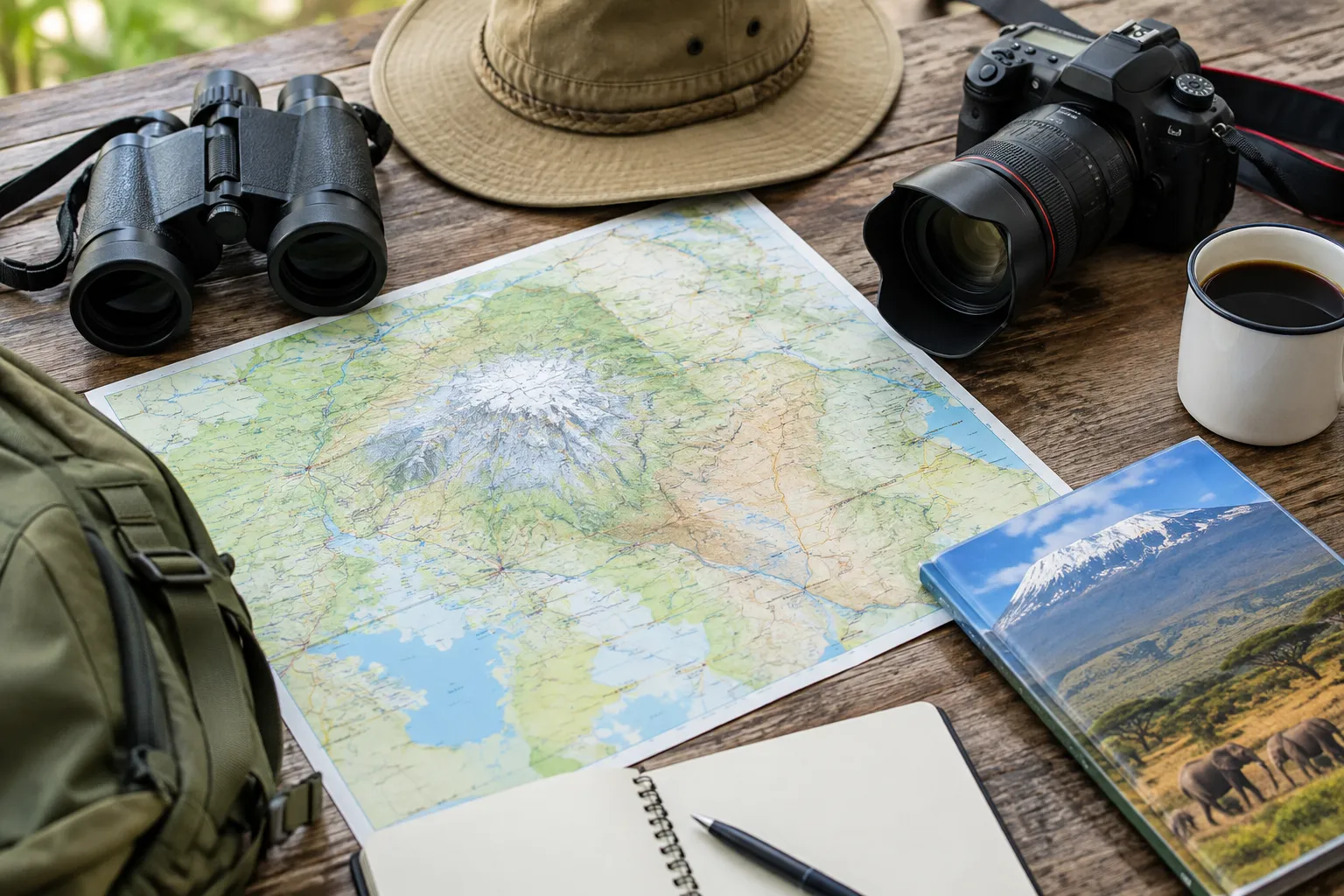
Responsible tourism is increasingly central to trip research, but general sustainability language is not enough to assess an operator. Look for specific information about porter welfare, guide standards and the company’s practices. Eco Africa Climbing is a KPAP Partner Company; travelers can also check the KPAP list and ask operators how their porter policies work in practice.
Small-group travel is another consideration, particularly for solo travelers and people deciding between a shared departure and a private climb. Ask about expected group size, whether a departure is confirmed, and what happens if plans change. Women traveling alone can also ask directly how group arrangements, communication and on-route support are handled.
No operator can promise a summit. Ask how guides monitor climbers’ health and what support is available if someone feels unwell. These details are more useful than broad assurances about safety.
The practical decision criteria
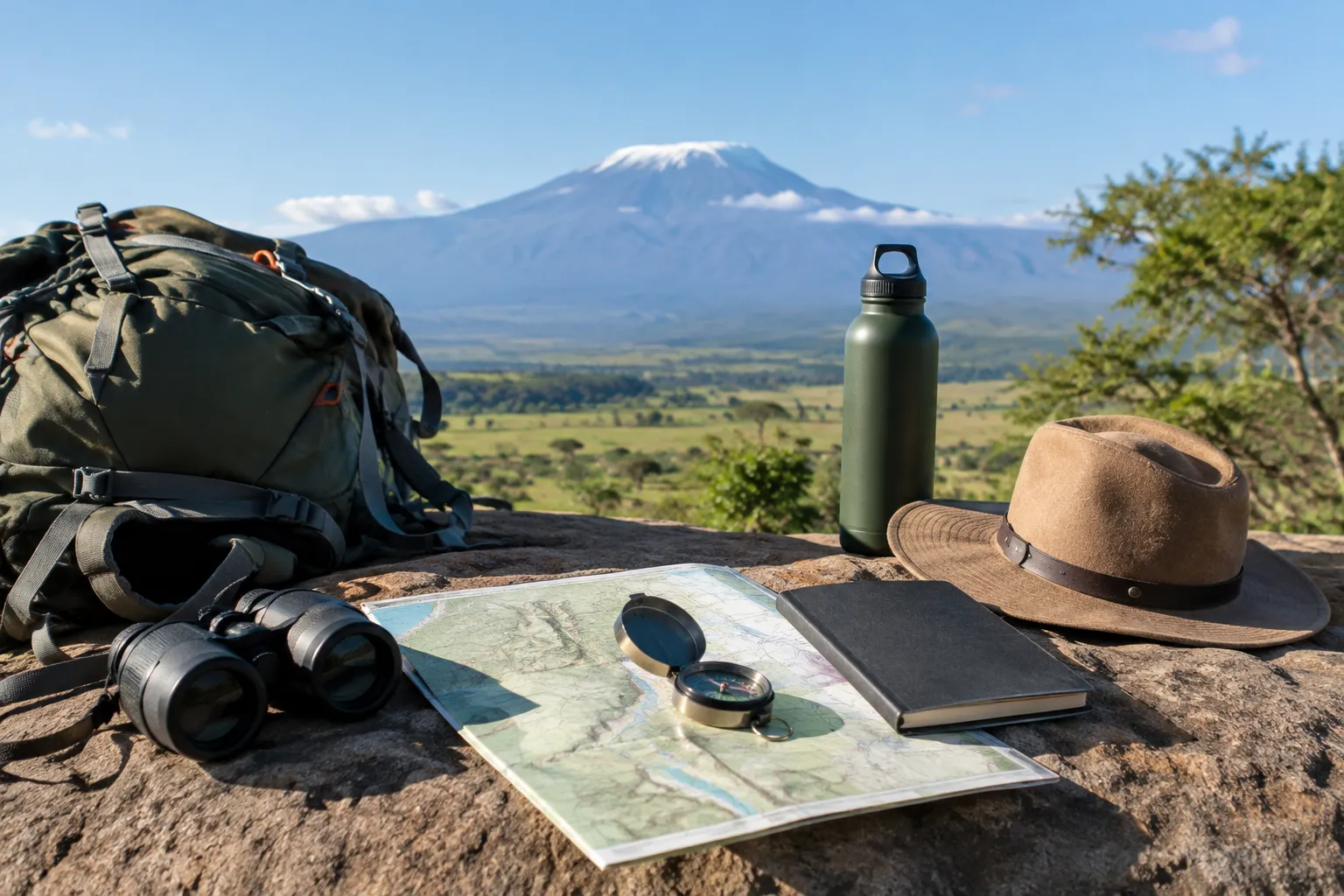
Compare itineraries by the full time commitment, not just the number of days on the mountain. Account for international travel, arrival and rest before the climb, the route duration, and any safari extension. A short overall schedule may leave little room for delays or recovery.
| Planning choice | What to compare |
|---|---|
| Climb route | Duration, acclimatization profile, daily pace and overall fit |
| Group or private | Departure arrangements, expected group size and flexibility |
| Operator | KPAP partnership, porter treatment, guide standards and health monitoring |
| Total budget | Inclusions, exclusions, tips, gear and flights |
| Safari extension | Parks, number of days, transport and what the quote covers |
Safari choices also depend on the places and experience you want, as well as your available time. Start with the Tanzania safari planning guide to compare parks, seasons and costs. For route-specific context, read about Serengeti safari routes and the Tarangire safari guide.
Common mistakes to avoid
A common budgeting mistake is comparing travel adventure packages by their headline price without checking inclusions. Request an itemized breakdown: park and climb-related fees, accommodation, meals, transfers, tips guidance and any exclusions should be clear before you commit. Gear and international flights can add substantially to the total.
Another mistake is arriving just before the climb without allowing time to rest after a long journey. Check flight connections and baggage arrangements in advance, especially if a connection requires collecting and rechecking luggage. Build in an arrival night or more where your schedule allows.
Finally, avoid treating a safari add-on as a minor detail. It changes the length and cost of the trip, so decide which parks matter most and how many days you can set aside before requesting a combined itinerary.
2027 Tanzania climb and safari travel trends in practice: how to apply them
Begin with the climb or safari that matters most, then see whether the other fits your available days and budget. For a Kilimanjaro climb, compare routes on duration and acclimatization, then weigh group and private arrangements. Training, sleep before the climb and realistic arrival timing are part of preparation, not extras to solve at the last minute.
For any proposed adventure travel package, ask for these details in writing:
- What the quoted price includes and excludes
- How tips are handled and what guidance is provided
- How the company addresses porter welfare and KPAP partnership
- Who leads the climb and how health is monitored
- Group size, departure status and options for solo travelers
- Arrival timing, transfers and any safari days included
These checks help separate a clear, well-planned offer from one that leaves important costs or logistics unresolved. They also make it easier to compare options without assuming that a lower price or more flexible itinerary is automatically better value.
FAQ
What I wish I knew before visiting Tanzania for safari?
Plan the whole trip, not only the game drives: allow time for transfers, check what your itinerary includes, and choose parks and days based on your interests and budget.
What is the best month to go on a safari in Tanzania?
There is no single best month for every tanzania safari; the right timing depends on the parks, wildlife experiences and travel conditions you prioritize. Compare seasons for your chosen destinations before booking.
How much does a 7 day safari cost in Tanzania?
The price of a seven-day safari varies with the parks, accommodation, transport, group format and inclusions. Request an itemized quote and check fees, meals, transfers and exclusions before comparing totals.
What should you know first about Tanzania climb and safari travel trends in 2027?
Treat trends as planning prompts, not promises: check responsible-tourism practices, group arrangements, full costs and the time needed to combine a climb with a safari.
How do you choose the right Tanzania climb and safari option?
Start with your available days, budget and priorities, then compare route duration, group or private arrangements, operator practices and safari destinations on the same criteria.
Which mistakes should you avoid when planning a Tanzania climb and safari?
Avoid budgeting from a headline price, booking a tight arrival schedule and assuming a safari extension is included. Confirm exclusions, tipping guidance, baggage logistics and departure details in writing.
What should you expect day to day on a Tanzania climb and safari?
A climb involves successive days on the mountain with a guided itinerary; a safari involves travel between planned wildlife-viewing areas. Ask for the daily schedule, transfer details and support arrangements.
What should you check before comparing Tanzania climb and safari options?
Compare total cost, inclusions, route duration, arrival rest, porter-welfare practices, guide support and safari itinerary. A clear breakdown makes different travel adventure packages easier to assess.
Recommended next steps
Use the 2027 Tanzania climb and safari travel trends as a checklist when shaping your trip: decide how many days you have, what matters most, and which costs or operator practices need clarification. Then compare a climb, a safari or a combined itinerary using the same practical questions.
Sedrick Silayo is a Web Developer and Digital Marketing Expert at Eco-Africa Climbing, with over 10 years of experience in Tanzania’s adventure travel industry. He specializes in Kilimanjaro trekking and Northern Tanzania safaris, sharing practical expertise on trip planning, mountain preparation, safety, KPAP standards, and safari experiences.