
 4 Oct 2026
 6 min read
Tarangire stands out for its baobab-dotted scenery, river valleys and seasonal wildlife movement. This Tarangire safari guide explains what you may see, when wildlife tends to gather, and how the park can fit into a northern Tanzania itinerary.
What makes Tarangire different from other northern parks?
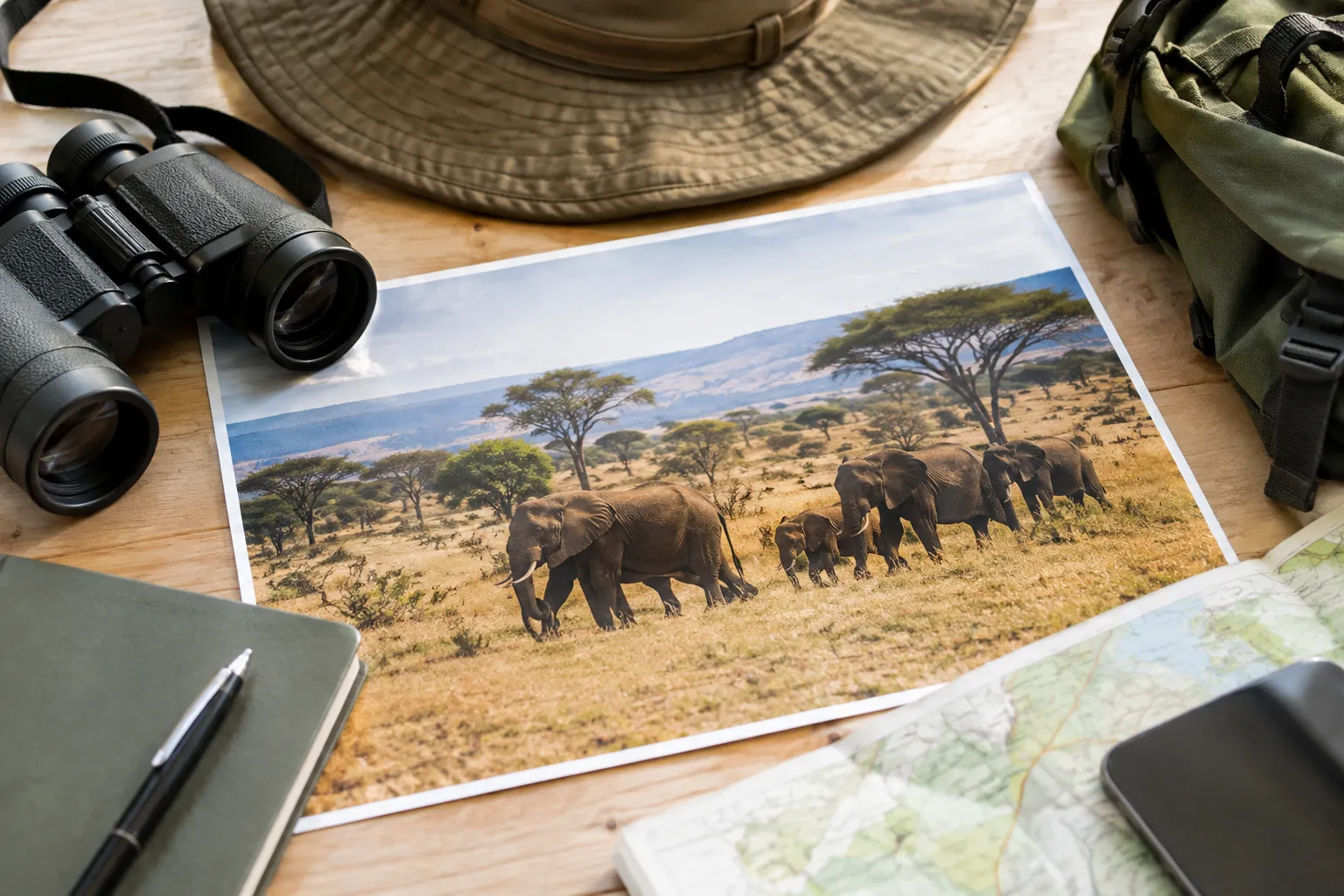
Tarangire offers a different feel from the open plains of the Serengeti and the enclosed landscapes of Ngorongoro Crater. Its mix of woodland, grassland and river habitat gives game drives varied scenery, while wildlife numbers and sightings change with the seasons.
If you are comparing Tanzania safari tours, consider what matters most to you: a landscape-rich park, concentrated dry-season viewing, or time in several habitats. A safari tour in Tanzania can combine parks, but adding stops also means allowing enough time for travel between them. For a broader overview of destinations and planning factors, see our Tanzania safari planning guide.
Baobabs, river valleys and open woodland
The Tarangire landscape includes large baobabs, grassy areas and woodland. The Tarangire River is a central feature of the park’s ecosystem: when water becomes scarce elsewhere, it can draw wildlife toward the river and other remaining water sources.
That setting makes a game drive about more than checking off animals. Watch how the scenery changes along the route, and ask your guide how water and season may be shaping what you see. If you are researching what a safari involves, this is part of it: traveling through wildlife habitat with a guide who can help interpret animal behavior and the landscape.
Elephants and other wildlife to look for
Tarangire is known for elephant sightings, but no game drive can promise a particular encounter. You may also look for other large mammals and a range of birds; what appears depends on the season, location and conditions that day.
Bring patience and give your guide time to scan the surroundings rather than expecting continuous close-up sightings. The experience is not limited to spotting animals: changes in vegetation, tracks and bird calls can all add context to a drive.
When wildlife gathers in Tarangire
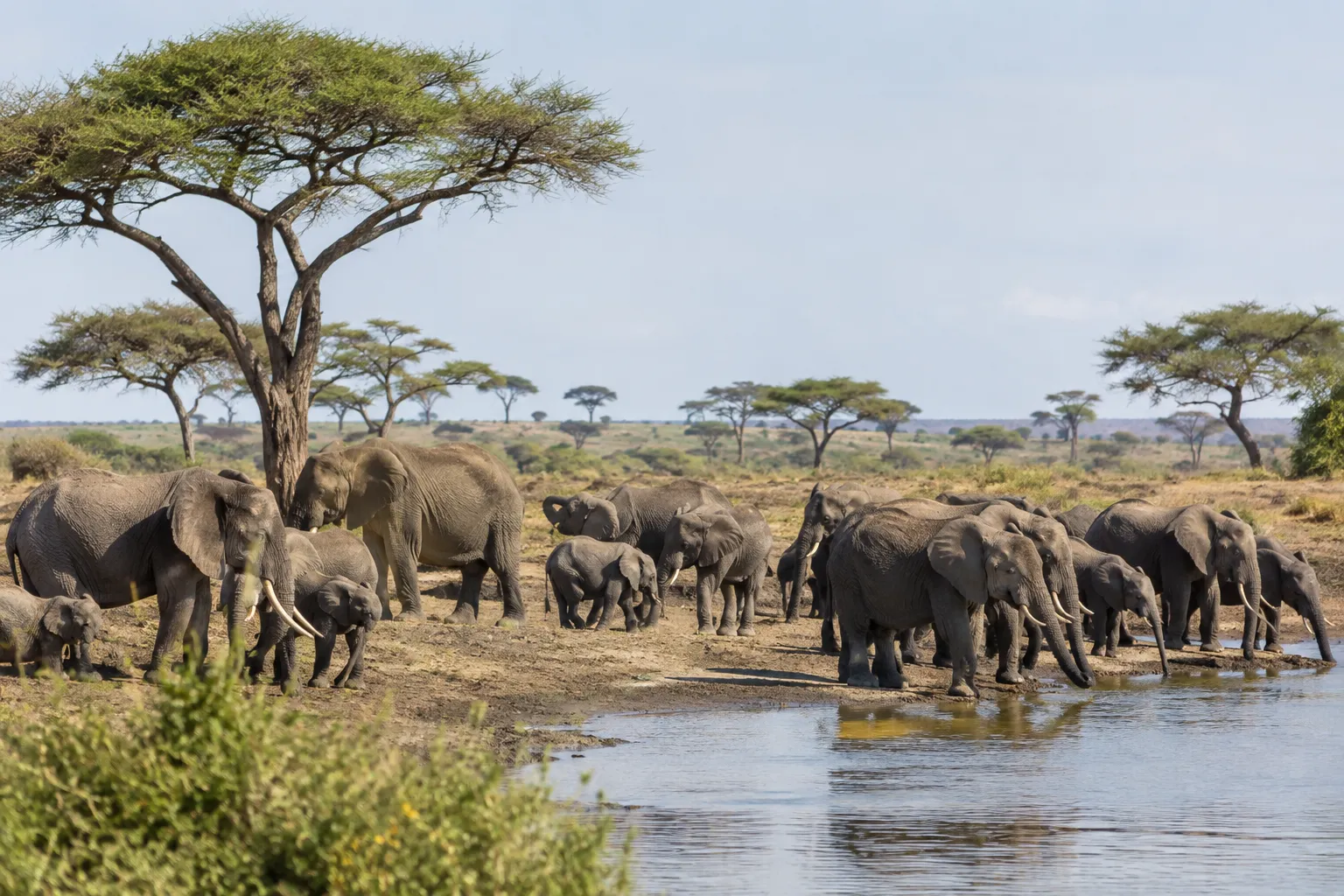
Season is one of the most useful factors to consider when planning a Tarangire safari. Water availability influences where animals are found, so the park’s wildlife viewing can feel different at different times of year.
Dry-season viewing and the Tarangire River
In the dry season, wildlife may gather closer to the Tarangire River and other available water. That can make some animals easier to locate, but it does not mean every sighting is guaranteed or that wildlife will be concentrated in one place throughout your visit.
Choose this period if your priority is to look for animals around water and you are comfortable with drier scenery. Your guide can help set expectations for the day based on recent conditions and the areas being visited.
Green-season scenery and wildlife trade-offs
During greener periods, the landscape can be lush, and wildlife may be spread across a wider area rather than clustered near the river. That can make sightings less concentrated, while offering a different experience of the park’s vegetation and scenery.
There is no single best season for every traveler. If you value concentrated viewing, ask how your travel dates align with seasonal water patterns. If scenery and a less focused search appeal to you, ask what conditions are typically like during your dates.
How Tarangire fits into a Tanzania safari
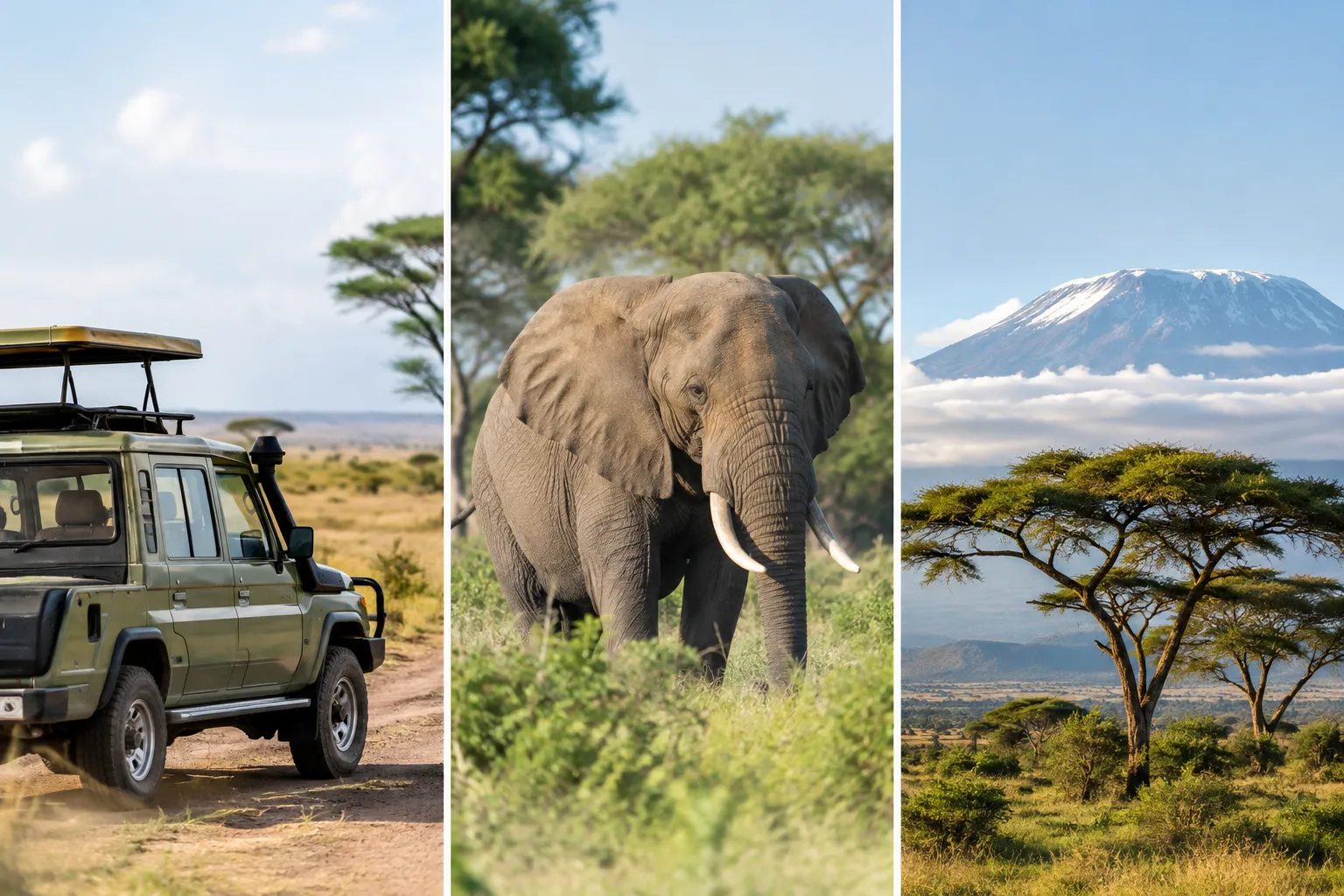
Tarangire can be a rewarding standalone stop or part of a wider northern-circuit itinerary. Its role depends on your priorities, available days and willingness to spend time traveling between parks.
Pairing Tarangire with Serengeti or Ngorongoro
Tarangire works well alongside parks that offer different landscapes and wildlife experiences. The Serengeti is associated with broad plains and the movement of the Great Migration, while Ngorongoro Crater offers a distinct crater setting. Tarangire adds river, woodland and baobab scenery to the mix.
Combining parks makes sense if you have enough time for the journey and want variety. With fewer days, adding another destination can mean less time in each place. For help thinking through the Serengeti portion, read our guide to Serengeti safari routes, migration and predators.
How many nights to plan
One night can suit a compact itinerary, especially if Tarangire is one stop among several. Two nights may give you more room for game drives and a less rushed pace. The right choice depends on your route, wildlife interests and how much time you want to spend traveling.
When comparing itineraries, check the actual sequence of travel and game drives rather than judging by the number of parks alone. A longer stay may suit travelers who want time to explore different areas; a shorter visit may be practical when the wider trip includes other priorities.
Choose a safari plan that suits your trip
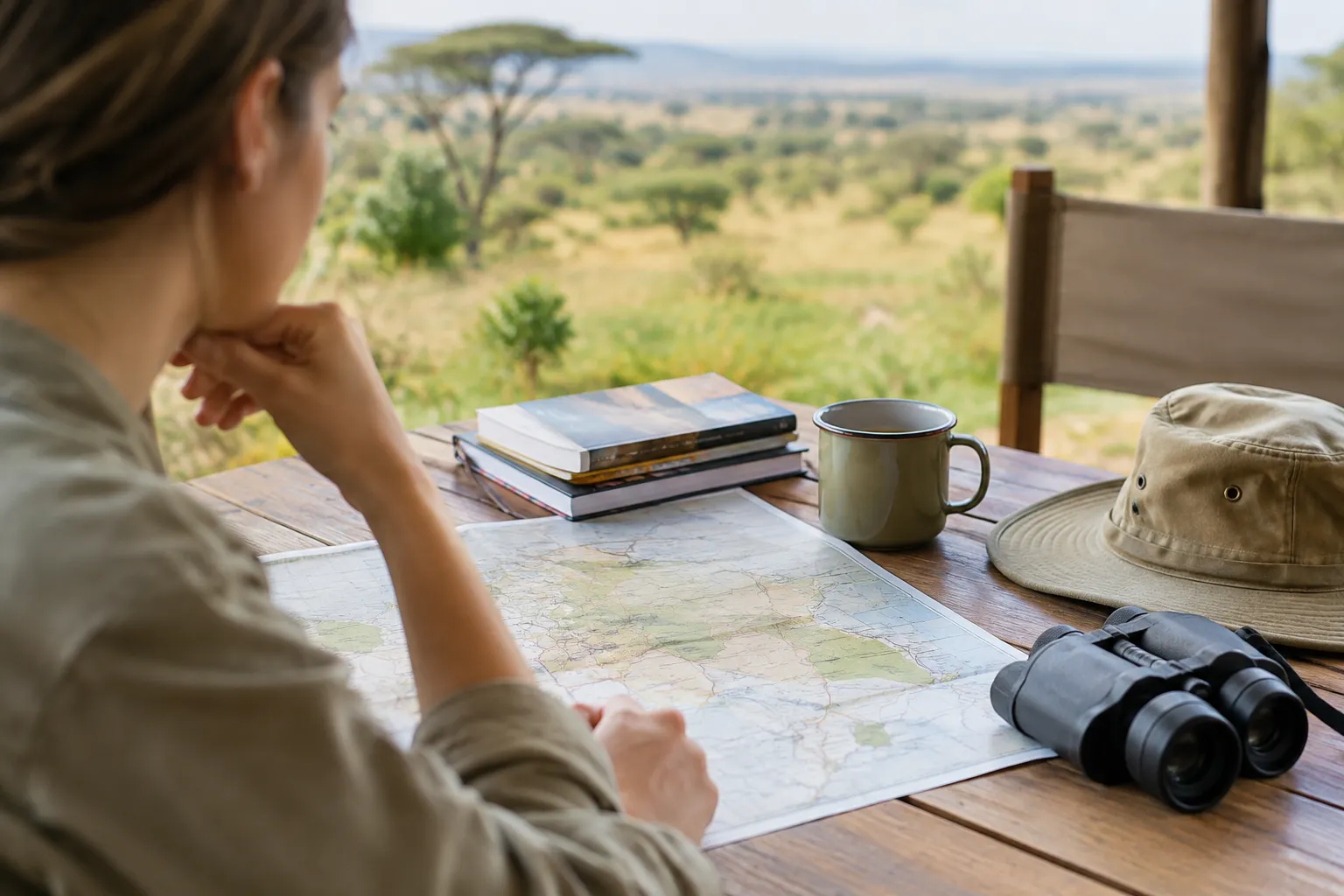
Before choosing a guided private safari or group option, compare the itinerary details, not just the number of days. Ask which parks are included, how much time is allocated for game drives, where accommodation is located and how travel between stops is handled.
Also request a clear breakdown of what the quoted price includes and excludes. Check park fees, accommodation, meals, transfers and any other costs that could affect your total. Accommodation location can influence the day’s timing and travel, so clarify where you will stay in relation to the park.
A private plan can offer more flexibility around pace and interests, while a group trip may suit travelers who are comfortable following a shared itinerary. Neither is automatically the better value: compare what is included, the schedule and the fit for your group before deciding.
Plan your Tarangire safari with Eco Africa Climbing
Eco Africa Climbing organizes private Tanzania safaris, including trips to Tarangire, Serengeti and Ngorongoro. When considering a northern-circuit itinerary, start with your dates, the number of days you have, the parks you want to visit and the pace you prefer.
A useful planning conversation should make the itinerary and costs easy to understand. Ask how much time is set aside for Tarangire, what is included in the quote, and how the plan balances park visits with travel. You can also explore the Eco Africa Climbing website for information about the company’s Tanzania safari offerings.
Tarangire Safari FAQs
Can you see the Great Migration in Tarangire?
The Great Migration is primarily associated with the Serengeti, not Tarangire. If following the migration is a priority, plan time in the Serengeti and treat Tarangire as a separate park experience.
Are night game drives available in Tarangire National Park?
Night drives depend on park rules and the operator’s arrangements, so do not assume they are included. Ask whether they are permitted for your itinerary and what any additional arrangements involve.
Can visitors take a walking safari in Tarangire?
Walking safaris may be available through authorized arrangements, but they are not the same as a standard vehicle game drive. Confirm availability, requirements and whether the activity is part of your itinerary before booking.
Is Tarangire suitable for a family safari with children?
Tarangire can suit families who enjoy wildlife and are comfortable spending time in a vehicle. Discuss children’s ages, drive lengths, accommodation and the daily schedule with your safari planner before choosing an itinerary.
What should I pack for a Tarangire game drive?
Pack comfortable neutral-colored clothing, sun protection, a hat, sunglasses, water and binoculars if you have them. A light layer can be useful for cooler periods, and camera gear should be easy to reach safely.
Are there birdwatching opportunities in Tarangire?
Yes, Tarangire’s varied habitats offer opportunities to look for birds as well as mammals. Bring binoculars if available and tell your guide that birdwatching is a priority so the pace can allow time for observation.
Can I take photographs from the safari vehicle?
Yes, visitors commonly photograph wildlife from safari vehicles, but movement and viewing angles can vary. Keep equipment secure, follow your guide’s instructions and avoid distracting or disturbing animals.
Do I need to book Tarangire accommodation in advance?
Booking ahead is sensible, especially when travel dates and accommodation preferences are fixed. Confirm the location, what is included and the cancellation terms before you commit.
Recommended next steps
List your travel dates, available nights and must-see parks before comparing itineraries. Then check the travel time between stops, the number of Tarangire game drives and the full list of inclusions and extra costs. These details will help you decide whether Tarangire deserves one night or a longer stay in your Tanzania safari.
Sedrick Silayo is a Web Developer and Digital Marketing Expert at Eco-Africa Climbing, with over 10 years of experience in Tanzania’s adventure travel industry. He specializes in Kilimanjaro trekking and Northern Tanzania safaris, sharing practical expertise on trip planning, mountain preparation, safety, KPAP standards, and safari experiences.