
 7 Oct 2026
 8 min read
An acclimatization day is not simply an extra day on the mountain. In a well-planned Kilimanjaro itinerary, the pace of ascent, sleeping elevations, time to rest, and guide checks all help shape how your body responds to altitude. Understanding these details can help you compare schedules without treating a longer climb as a promise of reaching the summit.
Choose an itinerary that allows gradual ascent
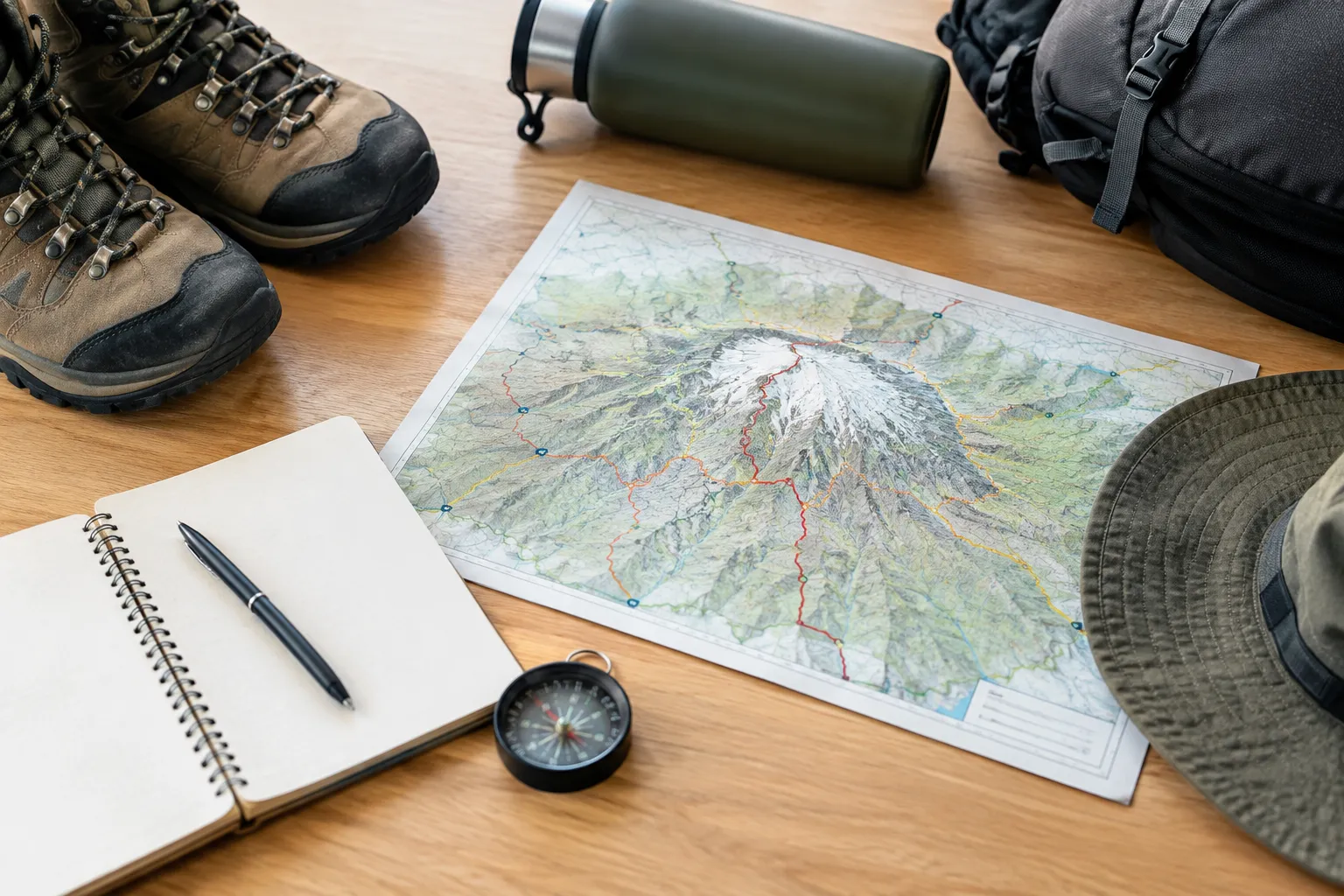
When comparing acclimatization days in a Kilimanjaro itinerary, look beyond the total number of trekking days. The route’s elevation profile and the places where you sleep affect how the climb unfolds. A slower schedule can offer more time for adjustment, but it cannot remove altitude risk or guarantee a summit.
First, check how many days the itinerary spends on the mountain and whether it includes an acclimatization hike or rest day. Then look at the daily elevation changes and sleeping elevations. Finally, account for travel time before the climb: arriving tired or starting immediately after a long journey can make the opening days harder.
For a broader overview of climb length and the other parts of the trip, see our guide to how long it takes to climb Mount Kilimanjaro. The focus here is narrower: how itinerary design gives your body time to adjust.
Compare route profiles, not just day counts
Two itineraries with the same number of days may have different ascent patterns. One may include a daytime hike to a higher point before returning to a lower camp; another may continue steadily upward. The route also determines where camps sit and what options exist for rest or acclimatization.
Eco Africa Climbing offers climbs on the Lemosho, Machame, Northern Circuit, Marangu, and Rongai routes. When you compare a proposed schedule, ask:
- What are the planned sleeping elevations each night?
- Which days involve the largest elevation gains?
- Does the route include a climb-high-sleep-low hike?
- Is a rest or acclimatization day built in, and what does it involve?
- What happens to the schedule if someone feels unwell?
These questions are more useful than assuming that one route or day count is best for everyone. Route details and the time spent trekking can vary by itinerary; our Kilimanjaro climb duration by route guide offers another way to compare route schedules.
Build in time for a slower pace
A schedule should leave room to walk steadily, take breaks, eat, and respond to how the group is doing. A tightly compressed itinerary can leave less flexibility if someone needs to slow down or if the guide needs to reassess the plan.
If you are asking how long to climb Kilimanjaro, remember that the mountain schedule is only one part of the trip. Include arrival time, a chance to sleep before starting, and the descent and return to your onward travel. Our guide to Kilimanjaro climb length, days, nights, and summit time explains those trip components.
Avoid choosing an itinerary by counting days alone. Check the route profile, the planned pace, and how the operator handles symptoms or schedule changes. A longer itinerary may provide more time to adjust, but it is not a guarantee of success.
Understand what acclimatization days add
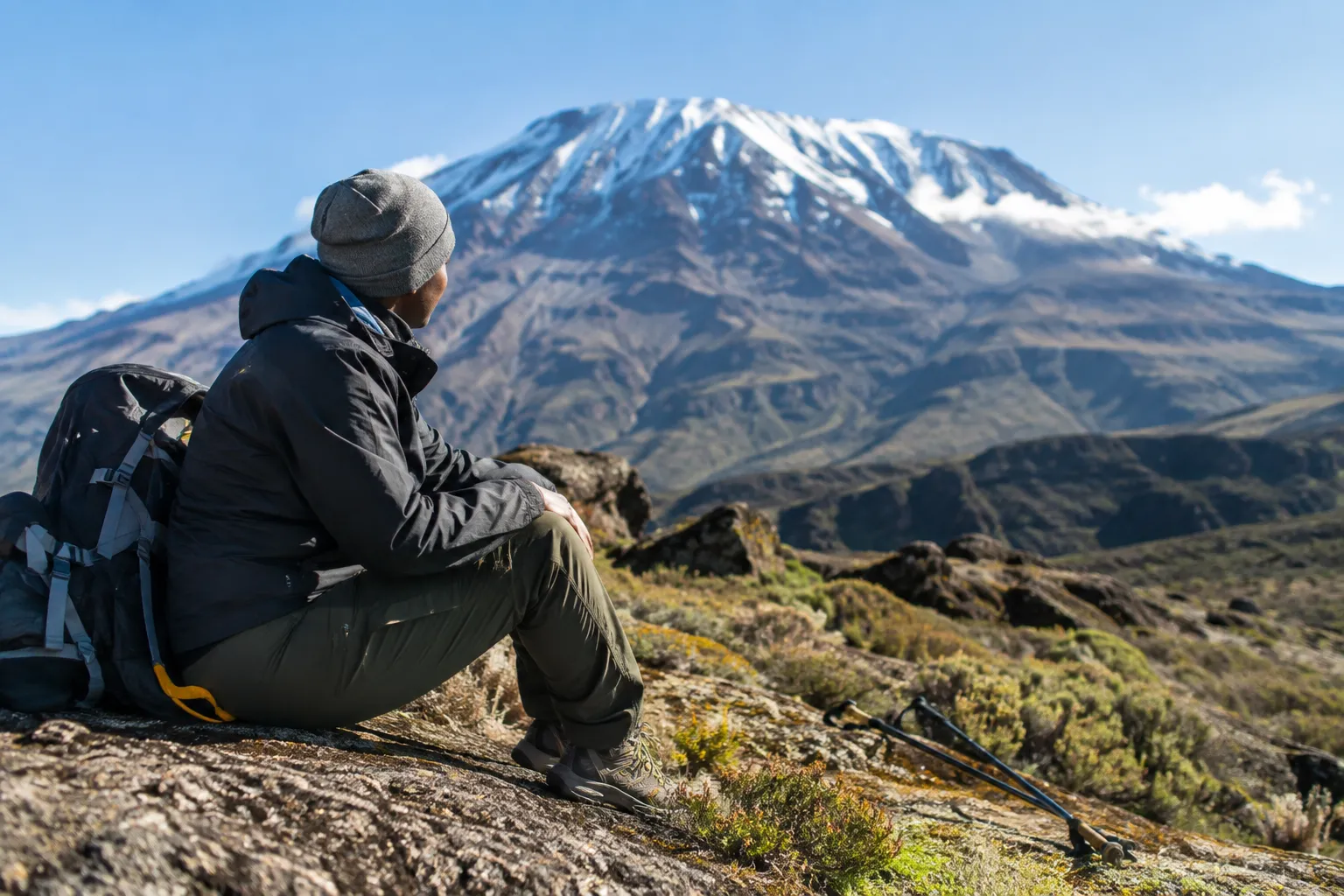
At altitude, the body needs time to adjust to lower oxygen availability. An acclimatization day changes the rhythm of the itinerary: it may include a short hike, a return to a lower sleeping elevation, or a quieter day at camp. It is not a day off from paying attention to symptoms.
When you review a schedule, find out what the day actually entails. “Extra day” can mean different things on different routes. Ask whether the plan involves going higher and returning to camp, staying at the same camp, or changing the next day’s walking distance.
How a climb-high-sleep-low day works
On a climb-high-sleep-low day, climbers walk to a higher elevation during the day and then return to sleep at a lower camp, where the route allows. The aim is to expose the body to a higher altitude without moving the sleeping elevation up as much that night.
It still involves physical effort. Keep the pace measured, follow the guide’s directions, and report any change in how you feel. An acclimatization hike should not be treated as a test of toughness or a reason to push through symptoms.
Why rest days still matter
A rest day can reduce exertion and give you time to eat, drink, and recover. It does not mean altitude has stopped affecting you, and it does not replace the guide’s ongoing checks.
Use the time to rest as instructed and tell the guide if symptoms appear or continue. Avoid turning a planned recovery day into extra strenuous activity. Rest can support the itinerary, but it does not prove that someone is adapting well.
Follow a steady daily routine on the mountain
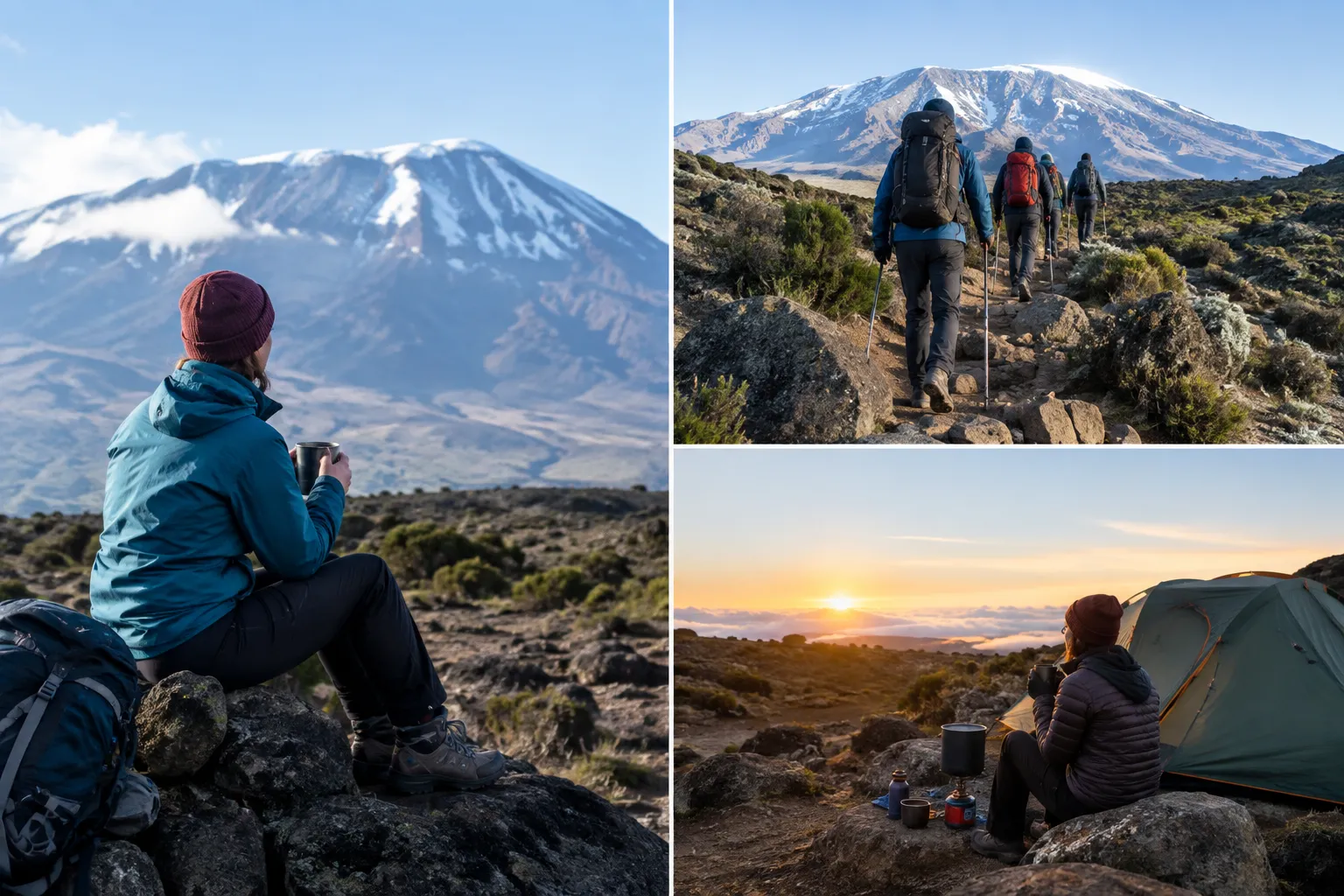
An acclimatization plan works alongside everyday habits. Walk at the pace set by your guide, drink regularly, eat what you can, and follow the camp routine. These steps do not prevent altitude illness, but they help the team notice changes and keep the day manageable.
A practical routine is simple:
- Start at the agreed pace rather than racing ahead.
- Take breaks and drink regularly, following your guide’s instructions.
- Eat during the day and at camp, even if your appetite changes.
- Tell the guide about symptoms instead of waiting for the next scheduled check.
- Rest and prepare for the next day rather than adding unnecessary exertion.
Hydration matters, but drinking excessively is not a substitute for acclimatization or medical assessment. Follow your crew’s advice and mention concerns, including difficulty drinking or eating. If you are planning from sea level, prepare through regular walking and general fitness work, but do not assume training can predict how your body will respond to altitude.
Check symptoms and follow guide decisions
A guide assesses more than whether a climber can keep walking. Conversations, observations, and health checks can help the team understand how someone is doing over time. A single reading or a single good moment does not tell the whole story; symptoms and their progression matter.
Before choosing an operator, ask how guides monitor climbers, what training they have, and what steps they take when someone is unwell. Eco Africa Climbing identifies as a KPAP Partner Company and states a commitment to porter welfare, professional guiding, and safety. These are useful points to discuss alongside the actual route plan, inclusions, and tipping expectations.
Report changes early, even if they seem mild
Tell your guide promptly about a headache, nausea, dizziness, unusual fatigue, appetite changes, or difficulty sleeping. These symptoms can have different causes, but reporting them gives the guide a chance to assess the situation and watch for a pattern.
Do not hide symptoms to stay on schedule or avoid worrying your group. Be specific about when they began and whether they are getting better, worse, or changing. Early, honest communication is more useful than trying to judge your condition alone.
Know when descending is the safest choice
A guide may slow the pace, change the plan, or recommend descent if symptoms raise safety concerns. Descending can be the safest decision, even when it means missing the summit. No itinerary or monitoring process can guarantee a successful climb or remove the risks of altitude.
Take a guide’s decision seriously. Continuing upward to protect a schedule or trip cost can increase risk. Ask before the climb how the operator communicates a change of plan and supports a climber who needs to descend.
Check your plan with Eco Africa Climbing
Before settling on an itinerary, compare the route, sleeping elevations, acclimatization opportunities, and time set aside for arrival and rest. Ask what is included in the quoted climb and what you need to budget separately, such as international flights, personal gear, and tips. This makes it easier to compare total trip costs rather than headline prices alone.
Share your experience with hiking, your preparation plans, and any health concerns relevant to a high-altitude trek. Then ask how the proposed schedule handles a slow pace, daily monitoring, and a decision to descend. Eco Africa Climbing’s route options include Lemosho, Machame, Northern Circuit, Marangu, and Rongai; the right comparison is the itinerary detail, not the route name by itself.
Kilimanjaro Acclimatization FAQs
How many days do you need for Kilimanjaro?
Many guided itineraries spend about five to nine days trekking on the mountain, with longer schedules allowing more time for gradual ascent; check the route plan and trip days separately.
Is 50 too old to climb Kilimanjaro?
No, age 50 alone does not rule out a climb; fitness, health, preparation, and how you respond to altitude matter, so discuss personal medical concerns with a clinician beforehand.
What symptoms of altitude sickness should I report to my guide?
Report headache, nausea, dizziness, unusual fatigue, appetite changes, or trouble sleeping promptly, especially if symptoms worsen or appear together; do not wait for the next scheduled check.
Can I add an acclimatization day to my Kilimanjaro itinerary?
Often, an itinerary can be adjusted before booking, depending on the route and schedule; ask what the added day involves and whether it changes camps or walking plans.
Does a rest day help with altitude acclimatization?
A rest day reduces exertion and allows time to eat, drink, and recover, but it does not stop altitude exposure or guarantee that your body is adapting safely.
How does climb-high-sleep-low help on Kilimanjaro?
When the route allows, you hike to a higher elevation during the day and return to a lower camp to sleep, adding exposure without sleeping as high that night.
Can a guide change the itinerary if I am not adapting well?
Yes, a guide may slow the pace, alter the plan, or recommend descent based on symptoms and overall condition; reaching the summit should never take priority over safety.
What should I do if I feel unwell during an acclimatization hike?
Stop and tell your guide what you are feeling and when it began; follow their assessment rather than continuing upward to keep to the planned schedule.
Recommended next steps
Before choosing a climb, review the route’s sleeping elevations and daily gains, confirm what any acclimatization day involves, and allow time to rest after travel. Compare the full itinerary and included costs, not only the number of mountain days. If you are weighing how long it would take to climb Kilimanjaro, use the route schedule as a starting point, then account for arrival, descent, and your onward plans.
Sedrick Silayo is a Web Developer and Digital Marketing Expert at Eco-Africa Climbing, with over 10 years of experience in Tanzania’s adventure travel industry. He specializes in Kilimanjaro trekking and Northern Tanzania safaris, sharing practical expertise on trip planning, mountain preparation, safety, KPAP standards, and safari experiences.