 10 Oct 2026
 5 min read
1. Check what the climb quote includes—and question unusually low prices
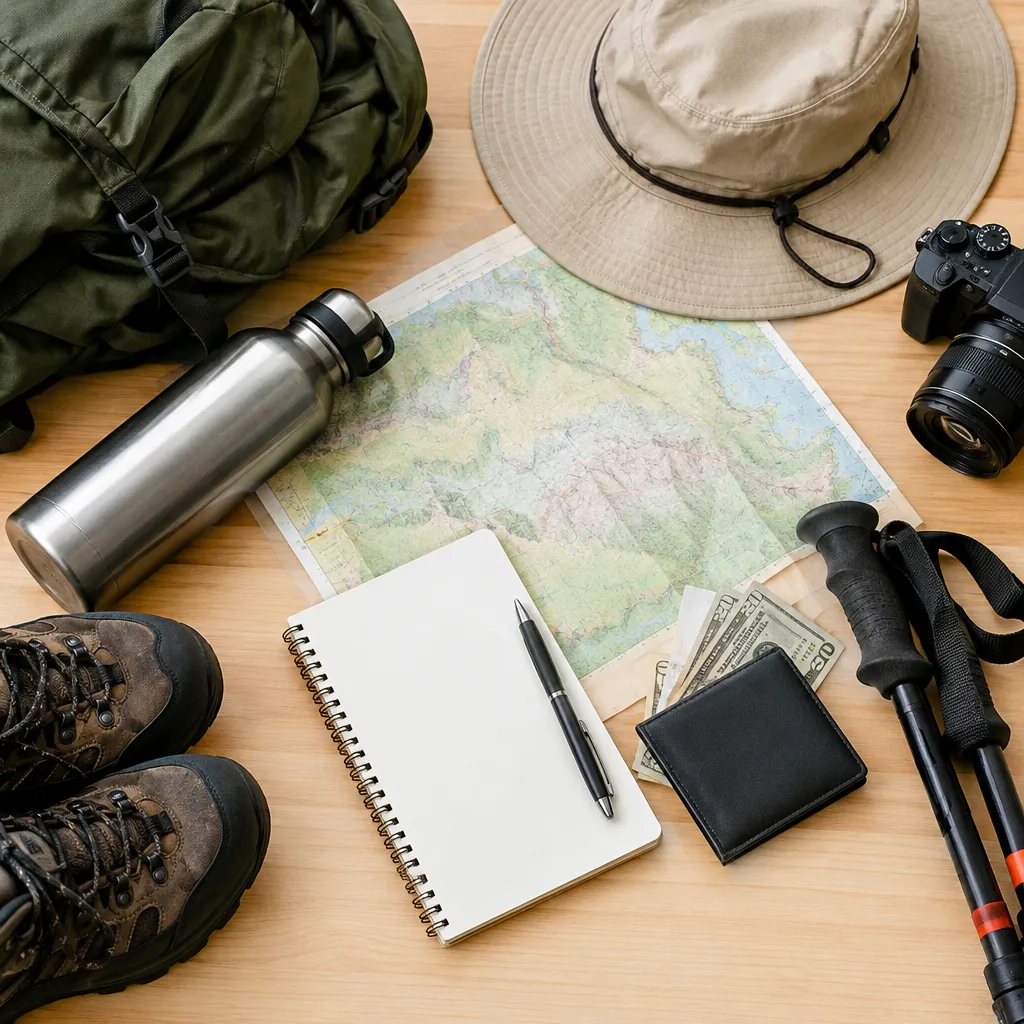
Compare the same essentials in every quote: park fees, guides and crew, meals, camping or hut arrangements, transfers to the trailhead, and safety provisions. Kilimanjaro trek prices can look very different when inclusions do.
A low price is a reason to ask questions, not proof of a problem. Confirm what is excluded, how the company treats porters, and whether it is a KPAP Partner Company. For a broader breakdown, see our guide to the cost of climbing Mount Kilimanjaro.
2. Budget separately for airport transfers
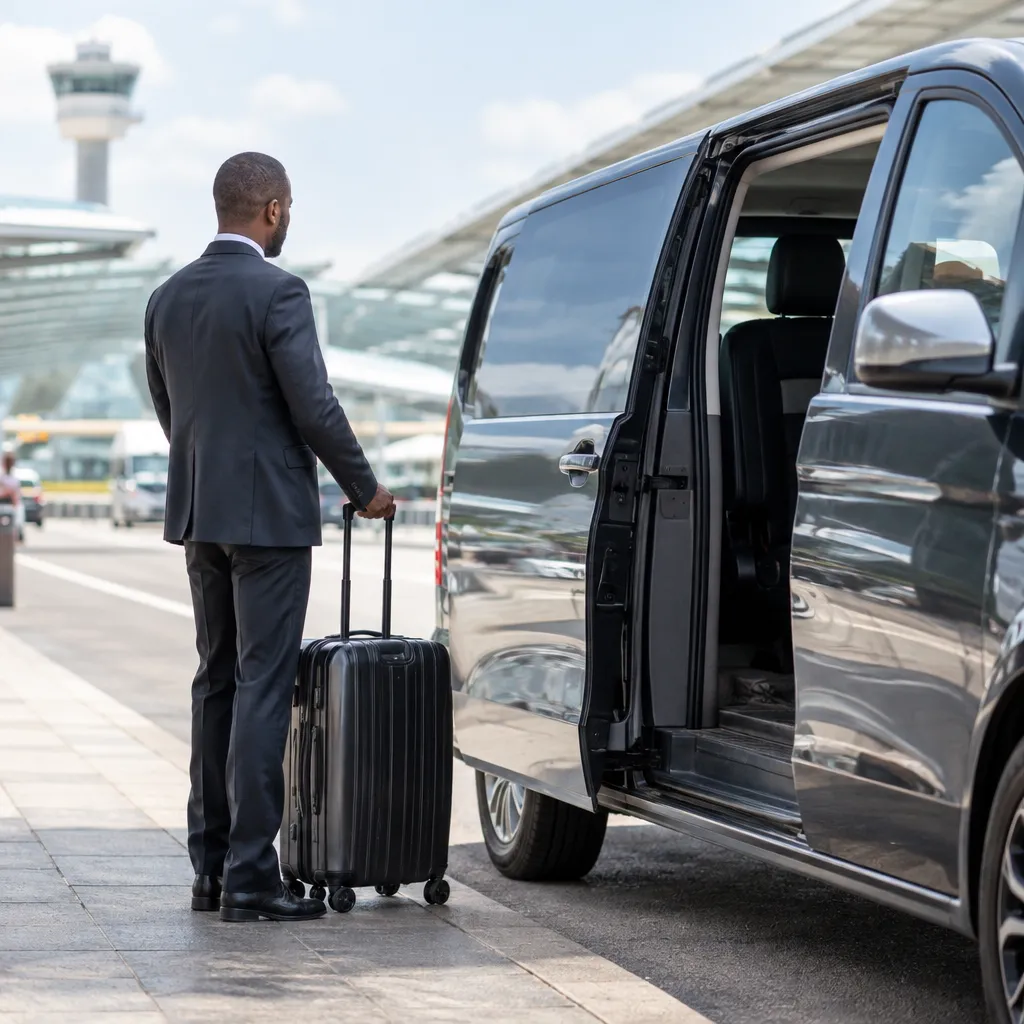
Check whether your quote covers airport pickup and drop-off, and whether transfers are private or shared. If they are excluded, ask for the cost and how to arrange them; also confirm where you will meet your driver and what happens if a flight is delayed.
For travelers connecting through a large airport, baggage may need to be collected and checked again. Allow time and budget for any extra transport or overnight stay that connection requires. These details affect the real price to climb Kilimanjaro, even when they are outside the trek package.
3. Compare buying, bringing, and renting climbing gear
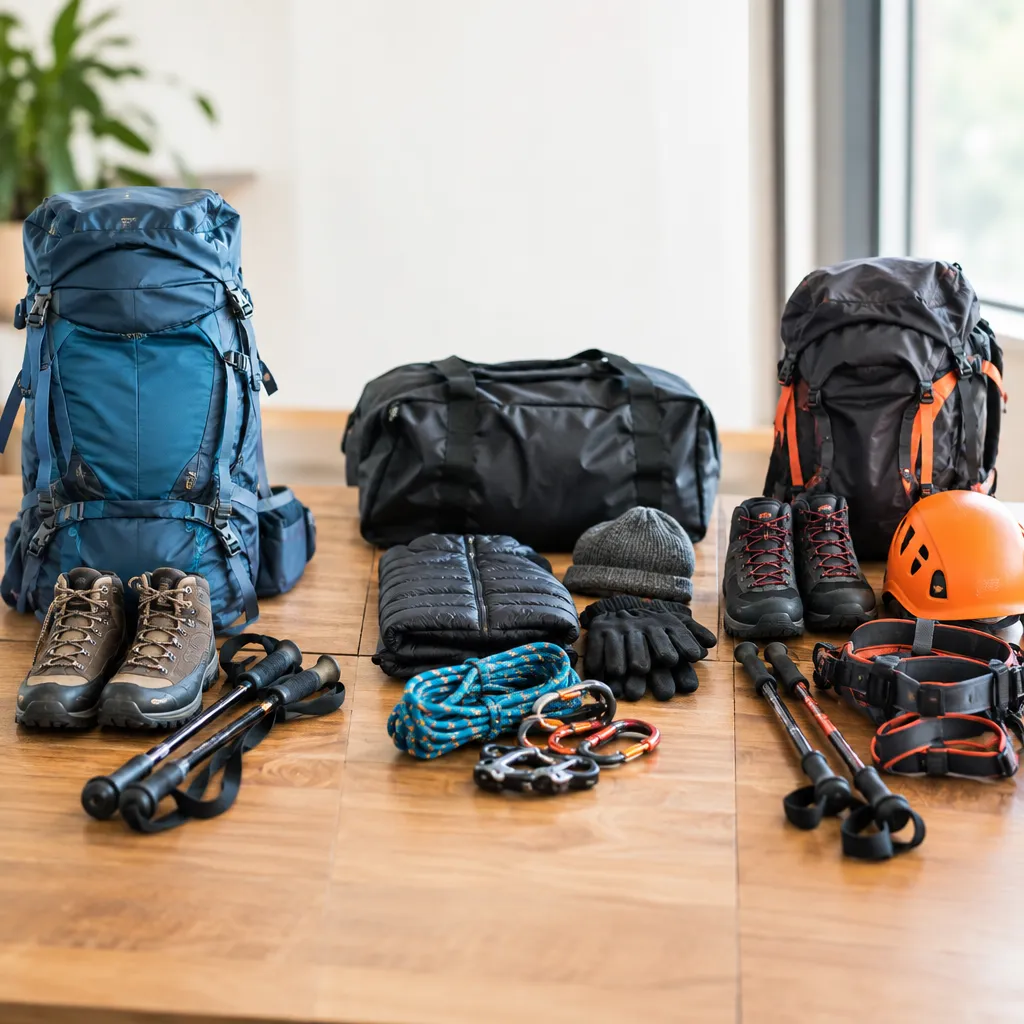
Make a list of what you already own, what needs replacing, and what you would rather rent. Check rental availability, prices, sizes, condition, and pickup arrangements before relying on it. If you bring gear, include baggage fees and consider whether your airline’s allowance covers bulky items.
The cheapest choice depends on what you have and whether you will use it again. Gear is one part of the cost of climbing Mt. Kilimanjaro that travelers can plan for early, rather than discovering rental charges after arrival.
4. Set aside money for crew tips
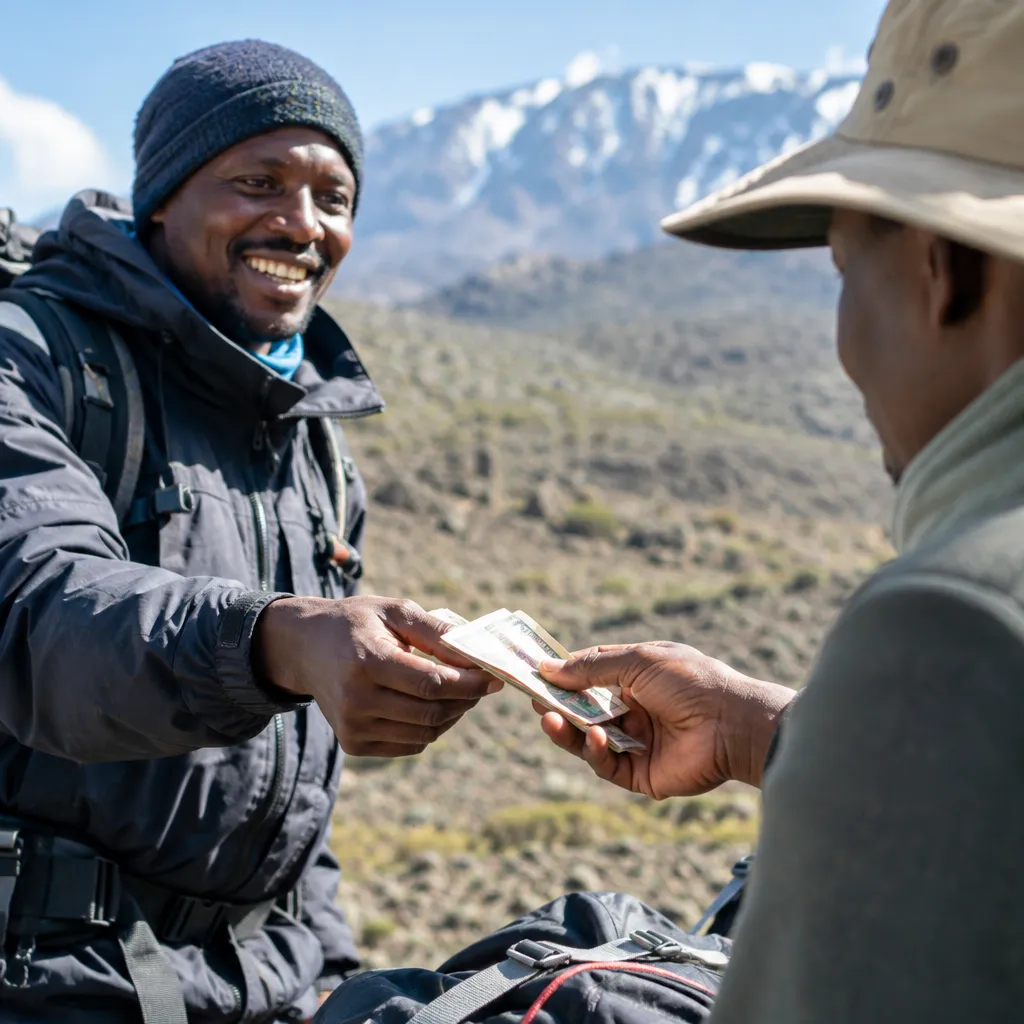
Treat crew tips as a separate part of your budget, not as an optional extra hidden inside the package price. Ask the operator for clear guidance on customary tipping arrangements, including how tips are distributed and whether they are collected as a group.
Transparent guidance helps you prepare cash and understand the total mount Kilimanjaro cost. It also lets you compare quotes without mistaking a price that excludes tips for a cheaper overall trip.
5. Choose travel insurance that covers the climb
Before buying a policy, check that it covers high-altitude trekking at Kilimanjaro’s elevation and emergency evacuation. Read the exclusions and limits carefully, including any requirements about guided activities or pre-existing medical conditions.
A general travel policy may not cover every part of a mountain climb. Insurance adds to adventure travel packages and trip expenses, but choosing by the lowest premium alone could leave important gaps.
6. Account for hotel nights and post-climb recovery days
Budget for accommodation and meals before and after the trek if they are not included in your quote. Plan arrival timing that gives you a chance to rest before climbing, and leave room for recovery after the descent rather than scheduling a tight onward connection.
Extra nights add to the trip total, but they can make the travel plan less rushed. If you are considering a safari as an add-on, price it separately; a climb quote may not include safari transport, accommodation, or activities.
7. Use a quote worksheet to compare your full trip budget
Put each operator’s quote beside the same expense categories. Record whether each item is included, excluded, or unclear, then estimate your own costs for flights, insurance, gear, tips, hotels, meals, and airport transfers. This makes it easier to compare the total price to climb Kilimanjaro, not just the headline figure.
| Expense to check | Included? | Estimated separate cost | Question to ask |
|---|---|---|---|
| Park fees, crew, meals, safety provisions | What exactly is covered? | ||
| Airport and trailhead transfers | Are pickup and drop-off included? | ||
| Gear rental or baggage fees | What can I rent, and at what cost? | ||
| Crew tips | What tipping guidance do you provide? | ||
| Travel insurance | Does the policy cover this climb? | ||
| Hotel nights, meals, recovery time | Which nights are included? |
For more detail on what to look for in a quote, read what your Kilimanjaro trek price should include.
Kilimanjaro Budget Climb FAQs
What is the cheapest way to climb Kilimanjaro?
Choose a group departure if its dates and route suit you, and compare complete quotes rather than choosing by the lowest headline price. Confirm fees, crew, meals, transfers, safety provisions, and exclusions before deciding.
Could a beginner climb Kilimanjaro?
Yes. Beginners can prepare with consistent walking and hiking, strength work, and suitable rest, but the climb is physically demanding and altitude affects people differently. Choose a route and schedule carefully with a qualified operator.
Are group Kilimanjaro climbs usually less expensive than private climbs?
Often, sharing a departure can cost less per person than arranging a private climb, but prices and inclusions vary. Compare the dates, route, group arrangements, and total expenses in each quote.
How does the route affect the overall trip budget?
Route length and the number of days on the mountain can affect the trek price and how many nights you need in Tanzania. Compare routes by duration, itinerary, and inclusions—not price alone.
When should I book flights for a Kilimanjaro climb?
Book flights after confirming your climb dates and allowing time to arrive before the trek. Check baggage rules, connections, and change conditions, and avoid an itinerary that leaves no buffer for delays.
What currency should I bring for expenses in Tanzania?
Ask your operator which currencies they accept for balances and tips, and confirm payment methods before travelling. Carry some usable cash for expenses, while checking current exchange and card access arrangements.
Can I pay for a Kilimanjaro climb by credit card?
Payment options vary by operator, so confirm accepted methods, any processing fees, deposit terms, and when the balance is due. Ask for the payment terms in writing before booking.
How much extra time should I allow in Tanzania around the trek?
Allow at least enough time to arrive before the climb and avoid a same-day departure immediately after descending. Add more time if you want a recovery day or a safari, and check your flight schedule against the full itinerary.
Compare complete quotes before you book
A budget climb is possible when the full plan fits your budget—not simply when the trek quote is low. Use the worksheet to compare inclusions, exclusions, and likely add-ons side by side, then clarify anything uncertain directly with the operator. You can also explore Eco Africa Climbing to review its Kilimanjaro and Tanzania travel options.
Sedrick Silayo is a Web Developer and Digital Marketing Expert at Eco-Africa Climbing, with over 10 years of experience in Tanzania’s adventure travel industry. He specializes in Kilimanjaro trekking and Northern Tanzania safaris, sharing practical expertise on trip planning, mountain preparation, safety, KPAP standards, and safari experiences.