
 21 Oct 2026
 5 min read
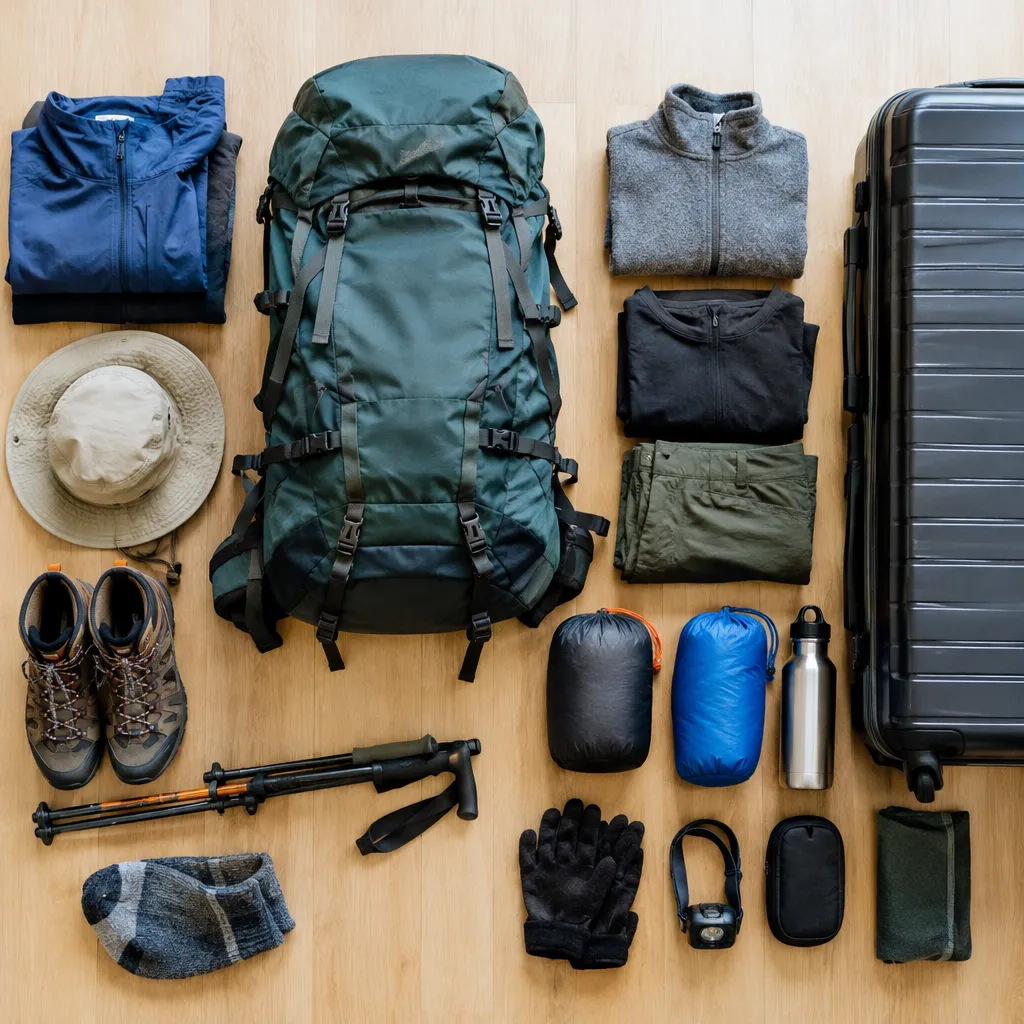
1. Confirm Your Operator’s Baggage Rules and Weight Limits
Before packing for a Kilimanjaro climb, ask your operator for the current duffel size, weight allowance and restricted-item rules. These details can vary by company and trip. Keep the answer in writing, and weigh your packed duffel at home; don’t assume an airline’s baggage allowance is the same as the porter-carried limit.
Your climb’s route and itinerary determine how many nights you’ll be away from your main luggage. For context on how long a Kilimanjaro climb takes, check the itinerary before deciding what you need to pack.
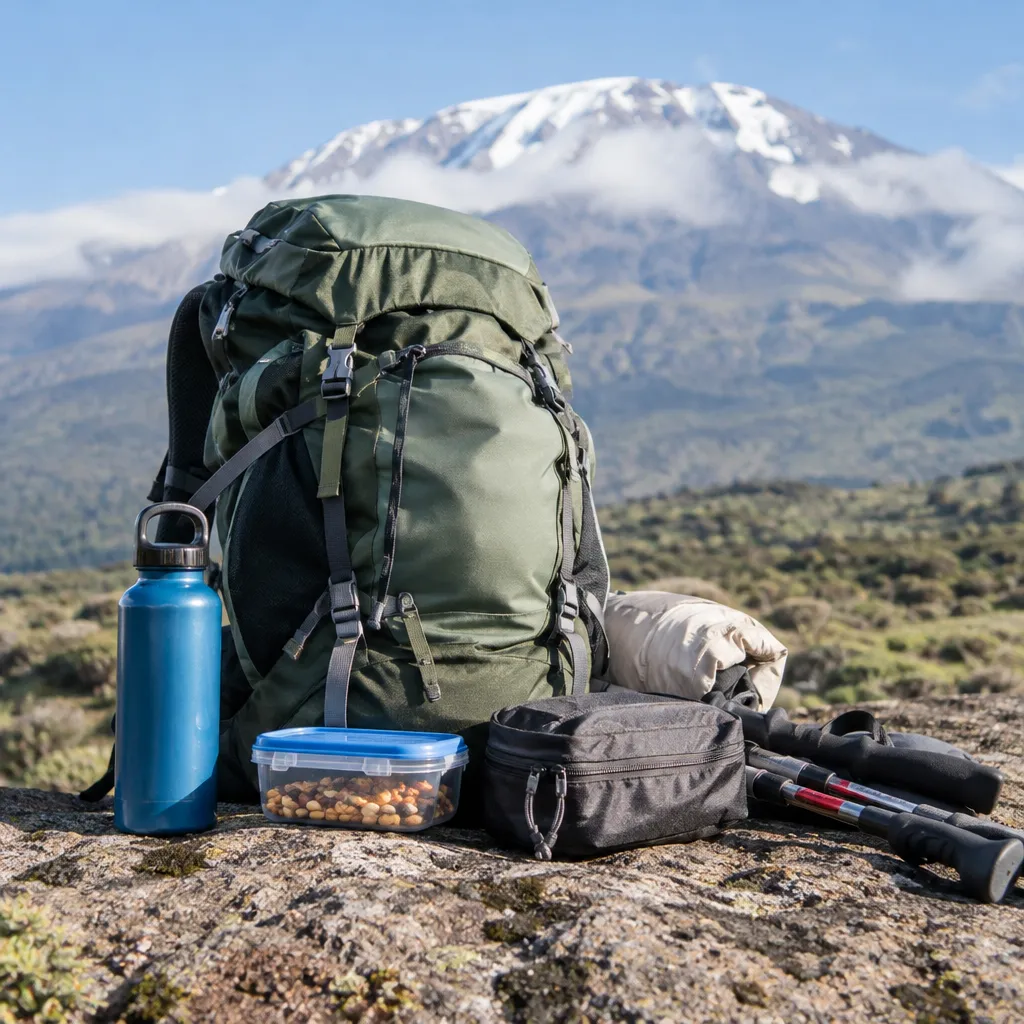
2. Pack Your Daypack for Everything You Need on the Trail
Your daypack stays with you while you hike; keep items you may need before reaching camp accessible. Pack water, snacks, sun protection, a rain layer and clothing you can add or remove as conditions change. Include personal medication and any small essentials you would not want separated from you.
Pack the daypack the evening before, then check it each morning. Keep the weight manageable and avoid stashing something essential in the porter duffel. If you have a medical condition or medication questions, ask a qualified health professional before travel.
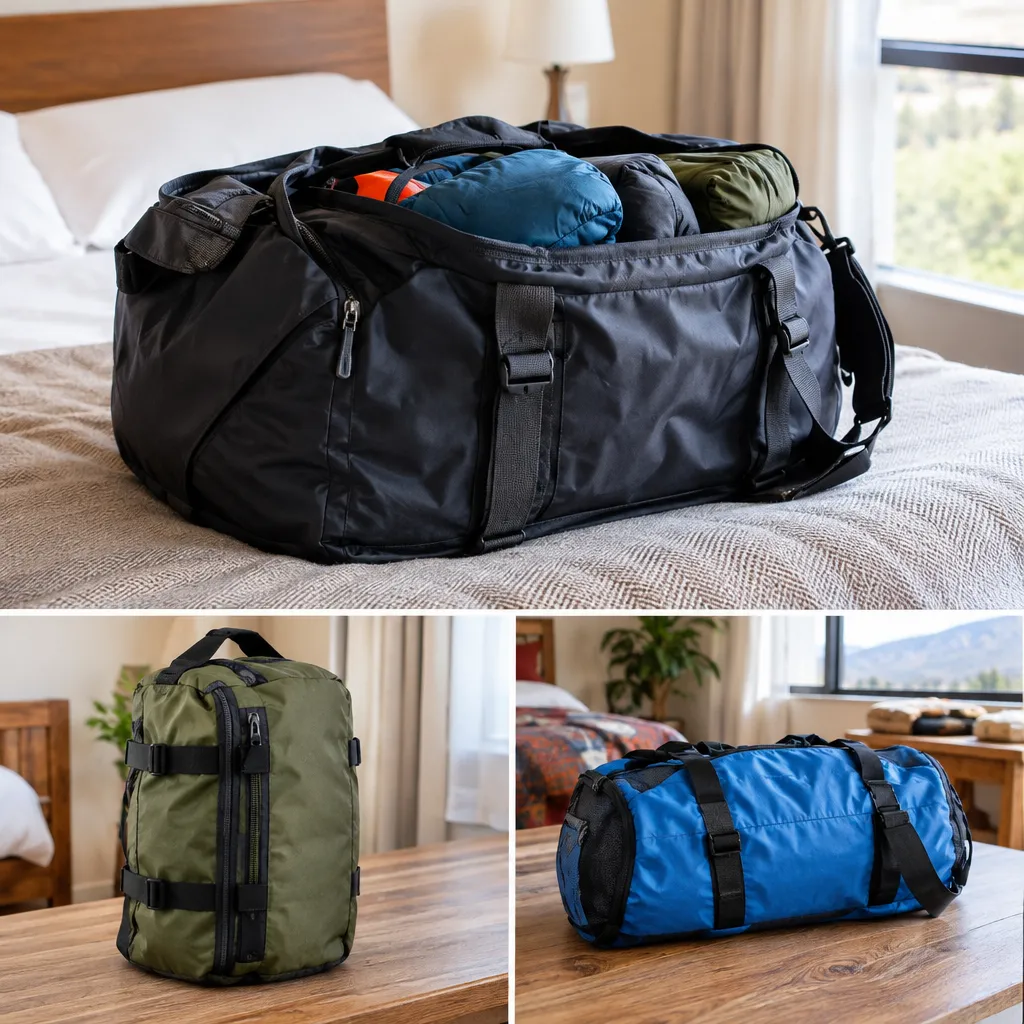
3. Pack the Porter Duffel for Camp and Overnight Use
Pack the porter-carried duffel with clothing and personal gear you’ll use at camp, such as sleepwear, spare layers and toiletries. Organize items in separate bags so you can find them without unpacking everything. Use a waterproof liner or dry bags inside the duffel to help protect clothing from dampness and dust.
Keep the bag compact, close its zips fully and stay within the operator’s stated limit. Your duffel may not be available while you’re walking, so don’t put trail snacks, water or anything needed before camp inside it.
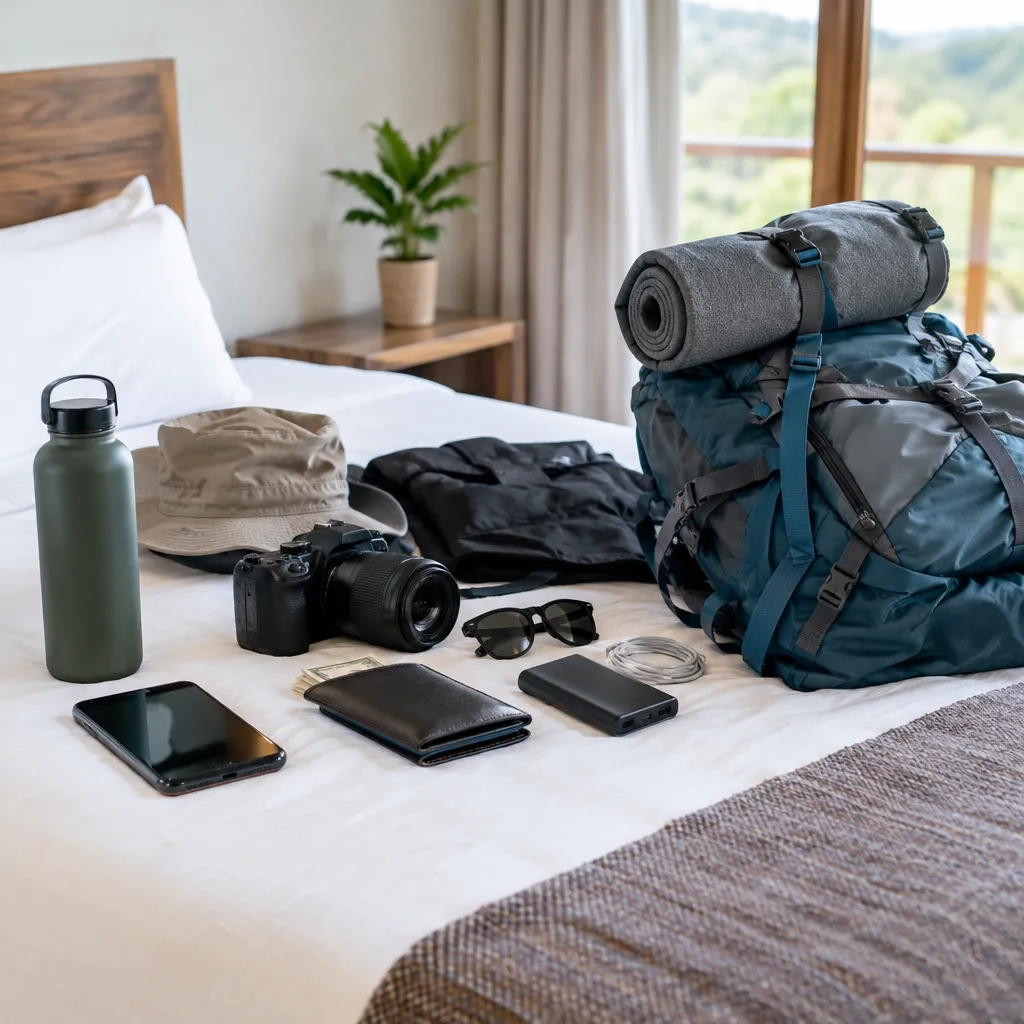
4. Separate Valuables and Essentials from Porter-Carried Gear
Keep your passport, cash, cards, phone and other valuables with you rather than in the porter-carried duffel. For flight day, put travel documents, essential medication, chargers and a change of clothes in your cabin bag, subject to airline rules. That way, a checked-bag delay is less likely to leave you without basics.
Check airline restrictions for batteries and other cabin items before packing. Make a short list of what must stay on your person, what belongs in your carry-on and what can travel in the duffel.
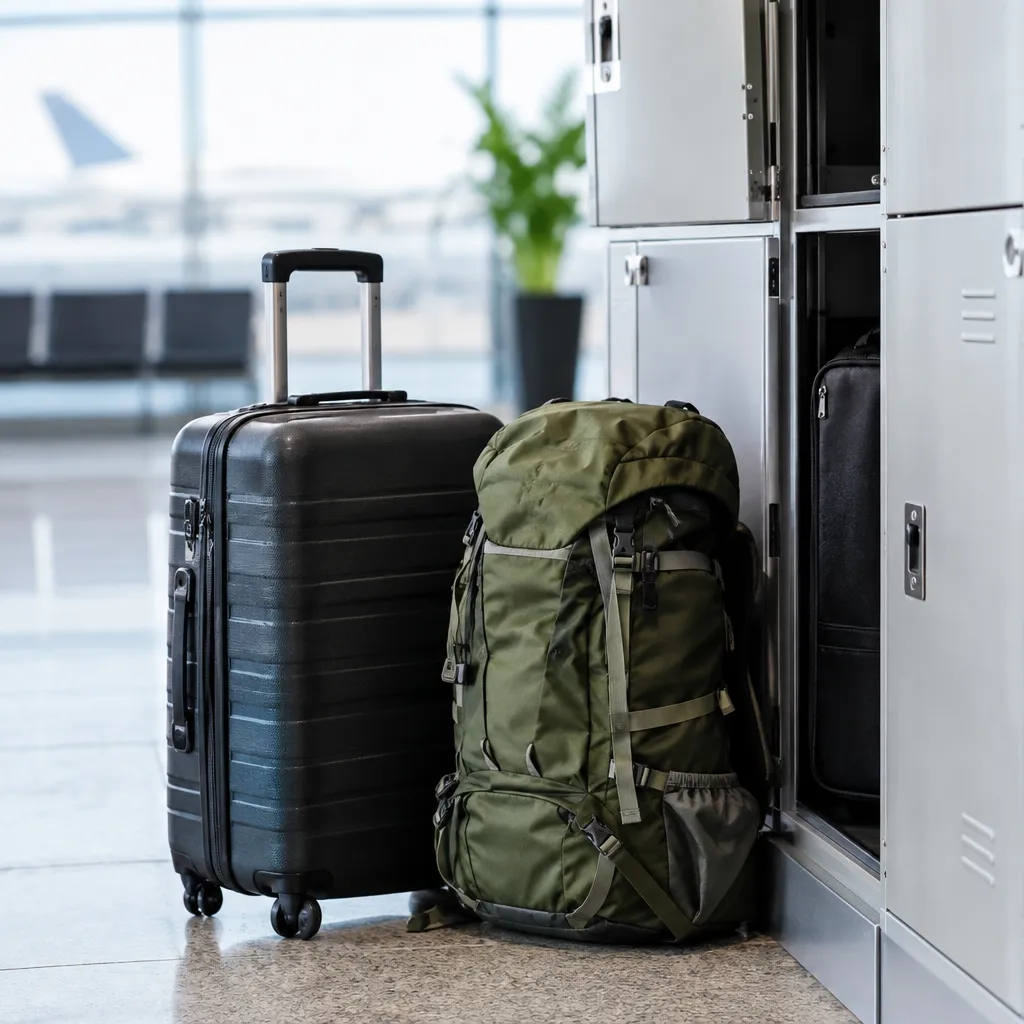
5. Arrange Airport Storage for Luggage You Won’t Take
If you’re bringing a suitcase with safari clothes or items for after the climb, ask your operator before departure whether storage can be arranged and where your luggage will be kept. Confirm how it will be identified, when you can retrieve it and whether your plans allow enough time to collect it.
Don’t leave valuables or essential travel documents in stored luggage. If you’re combining a climb with a safari, coordinate which items you’ll need between activities so you don’t have to reopen or reorganize bags at the last minute.
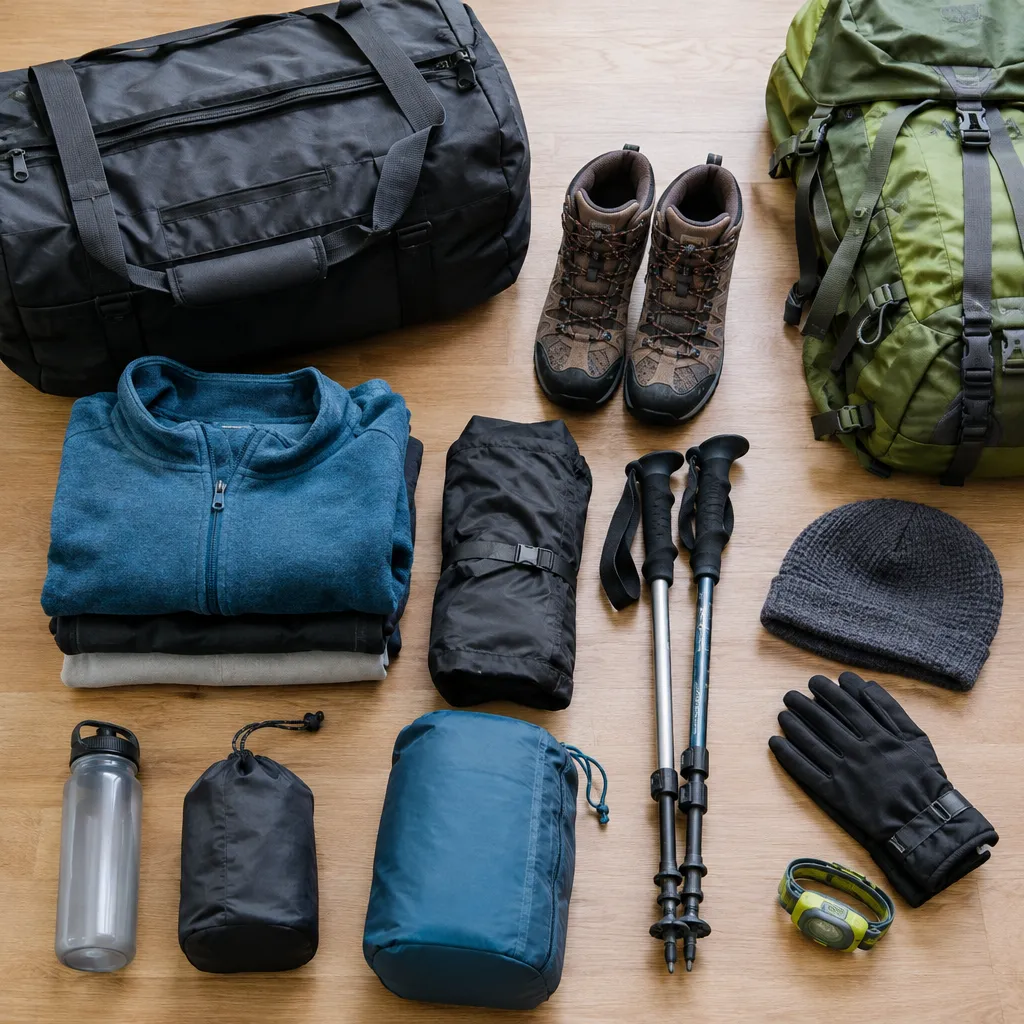
6. Follow the Kilimanjaro Climb Baggage Transfer Each Day
During the hike, carry your daypack; the porter team transports your main duffel to the next camp. Keep your daily essentials with you rather than relying on access to the duffel along the trail. When you arrive, allow time for your bag to be brought to camp before unpacking.
Follow your guide’s instructions for handing over and collecting bags, and keep your duffel clearly marked. Baggage arrangements support the itinerary, but they don’t change how many days you need to climb. For route-by-route context, see our guide to Kilimanjaro climb duration by route.
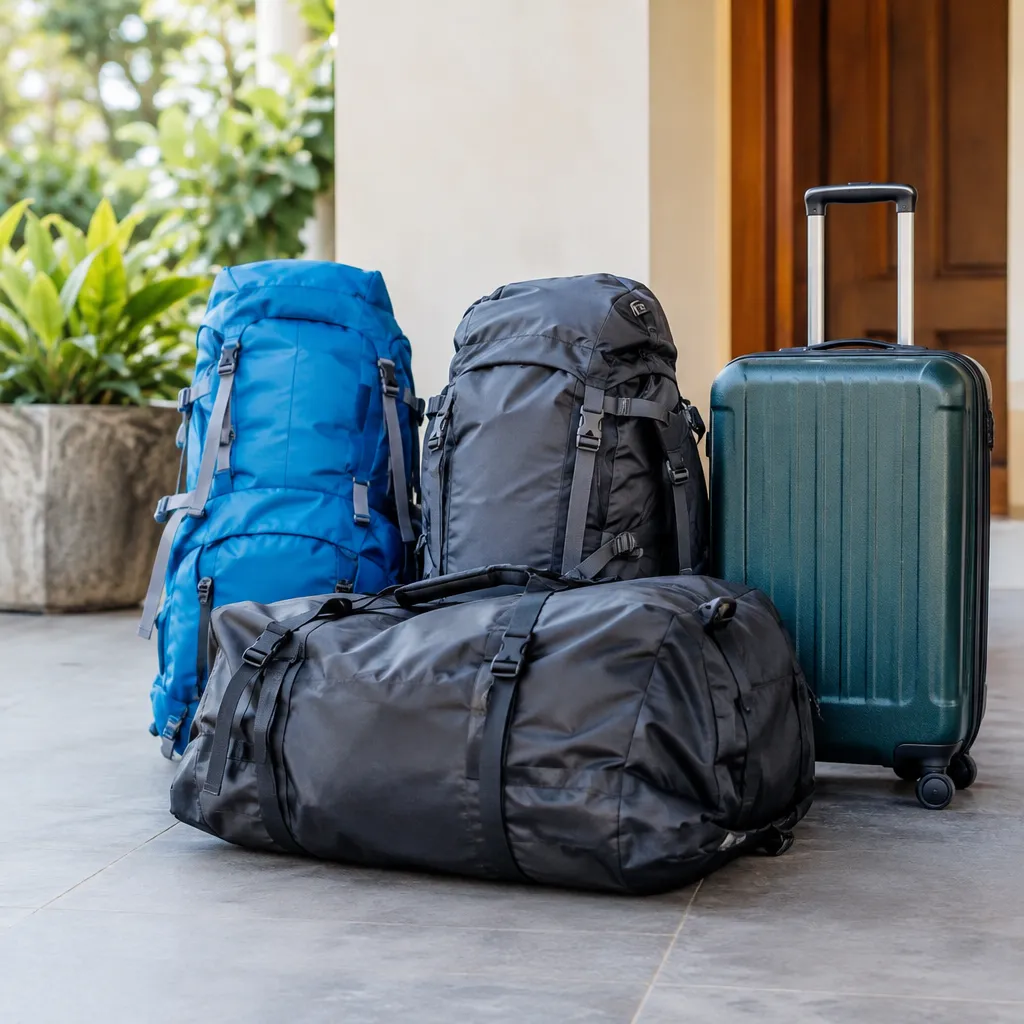
7. Confirm Your Bag Plan with Eco Africa Climbing Before Departure
Before you fly, confirm your duffel’s size and weight limit, what the porter team will carry, what stays with you and how non-climb luggage will be handled. Ask about special equipment or personal needs early, so there’s time to adjust your packing plan rather than repack at the trailhead.
A clear bag plan makes each transfer easier to follow and helps you avoid carrying items you don’t need. If you’re also planning a safari, check the itinerary and luggage arrangements together; the Kilimanjaro climb length and nights guide can help you plan around the climb portion.
Baggage and Gear Transfer FAQs
Should I use a duffel bag or a suitcase for a Kilimanjaro climb?
A soft-sided duffel is generally easier to pack for porter transfer than a hard suitcase. Confirm the operator’s size and weight rules before choosing a bag, and store any suitcase you don’t need on the mountain.
How can I protect my porter-carried duffel from rain and dust?
Line the duffel with a waterproof liner or use dry bags to separate and protect clothing. Close all zips, and check that your outer bag is suitable for the operator’s transfer process.
Can I rent climbing gear in Tanzania instead of bringing it?
Some gear may be available to rent locally, but availability, condition and sizing can vary. Ask your operator what can be arranged and confirm each item in advance rather than relying on finding it after arrival.
What should I keep in my carry-on if my checked luggage is delayed?
Keep your passport, essential medication, valuables, chargers and a change of clothes in your carry-on, following airline rules. Pack any critical climb items you can safely bring in the cabin, and check baggage policies before flying.
Can I bring a camera and spare batteries on the mountain?
Yes, you can carry a camera and spare batteries, but protect them from weather and keep them accessible in your daypack. Check airline rules for battery transport, and consider how much weight you’re willing to carry.
What happens to my duffel if I need to descend early?
Tell your guide as soon as your plans change and ask them to explain how your duffel will be handled and where you can collect it. The route and descent arrangements affect the answer, so confirm the plan directly with the team.
Can I use a pee bottle on the mountain, and where should I pack it?
A pee bottle can be carried for personal use; pack it securely in your daypack so it’s accessible when needed. Choose a leak-resistant container, keep it separate from drinking water and follow your guide’s camp and trail guidance.
Are showers available at Kilimanjaro camps?
Facilities vary by route and camp, and showers may not be available. Pack toiletries and a small washcloth so you can freshen up without depending on a shower.
Sedrick Silayo is a Web Developer and Digital Marketing Expert at Eco-Africa Climbing, with over 10 years of experience in Tanzania’s adventure travel industry. He specializes in Kilimanjaro trekking and Northern Tanzania safaris, sharing practical expertise on trip planning, mountain preparation, safety, KPAP standards, and safari experiences.