
 26 Oct 2026
 3 min read
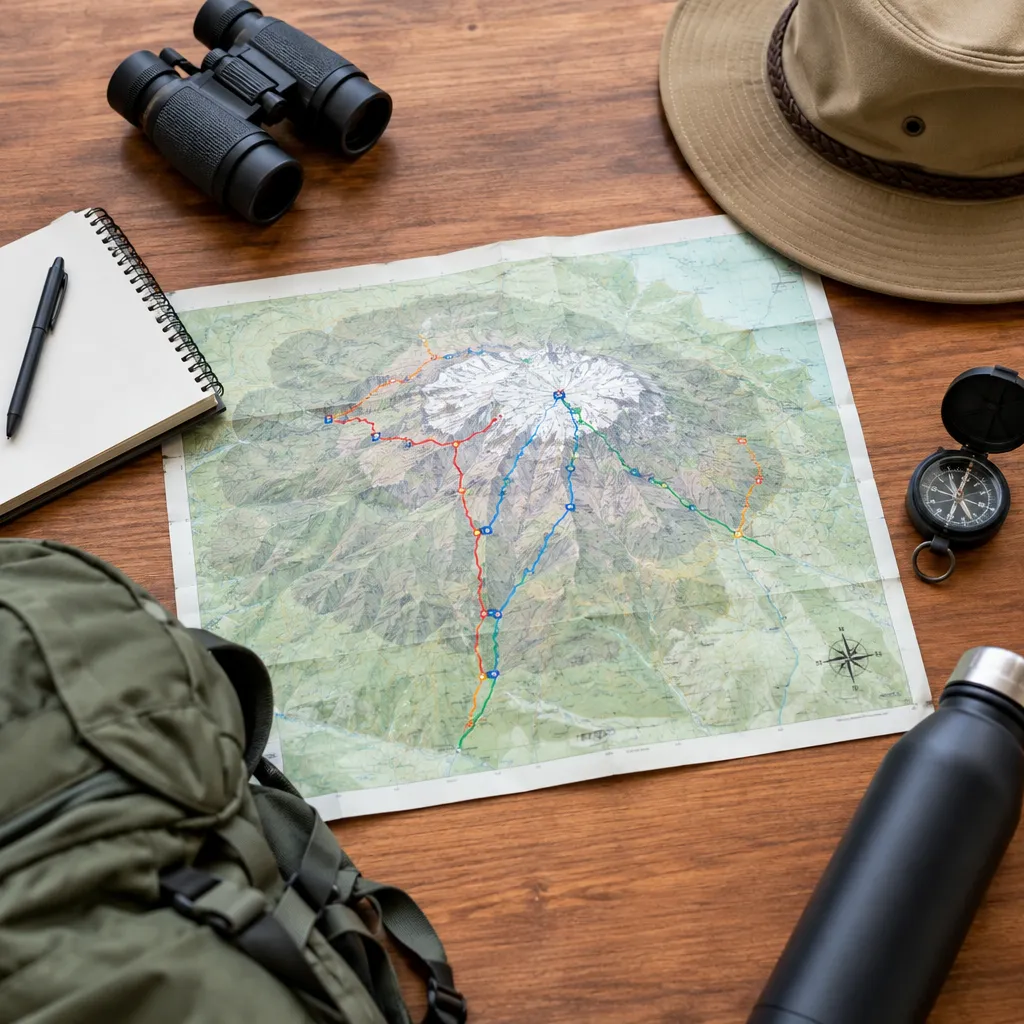
1. Map six-, seven-, eight- and nine-day climb schedules
Start by checking what the advertised number counts: days on the mountain, or the full trip. On a Kilimanjaro climb itinerary, the summit attempt and descent usually take place near the end, but the approach and overnight stops vary by route.
| Mountain days | What to check in the itinerary |
|---|---|
| Six | How quickly the route gains altitude and where acclimatization opportunities fall |
| Seven | Whether the schedule gives enough gradual ascent and recovery time for your needs |
| Eight | What the extra day changes: an additional overnight stop, a slower ascent or another acclimatization opportunity |
| Nine | How the added time is used, and whether it makes the route’s altitude profile more gradual |
These are comparison points, not a promise that every operator uses the same schedule. For a broader overview of how long a Kilimanjaro climb takes, compare mountain days with arrival, rest and travel days. The full trip needs more time than the trek alone.
2. Compare what changes between seven and eight days
Ask the operator to show both schedules side by side, with each camp, walking day and overnight stop listed. An eight-day option may spread the ascent over more time, but the difference depends on the route; an extra day is useful only if it changes the pace or altitude profile meaningfully.
Compare the same details for each: where you sleep, how much walking is planned, when the summit attempt begins and how the descent fits in. If the two itineraries appear almost identical, ask what the additional day is for. Our route-by-route duration guide explains why day counts should not be compared without route context.
3. Check whether your itinerary allows time to acclimatize
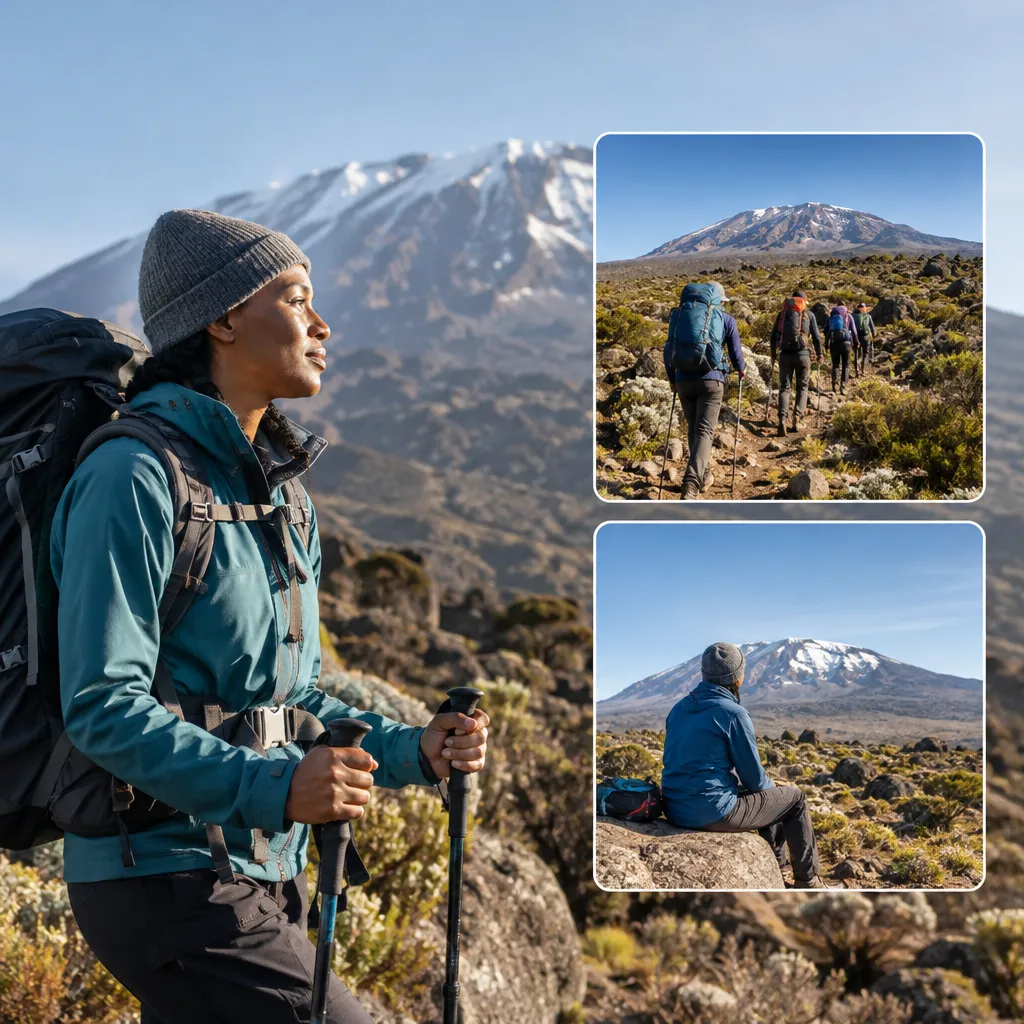
For Kilimanjaro acclimatization, look beyond the total number of days. Check how the route gains height, whether the plan includes time to adjust, and what the guide does to monitor how climbers are feeling. A longer schedule can offer more time, but no itinerary can guarantee how an individual will respond to altitude.
If you are traveling from sea level, plan arrival time so you can rest before the climb rather than landing and starting immediately. Ask how daily health checks work and what happens if someone feels unwell. Read more about acclimatization days on Kilimanjaro. A qualified medical professional can advise on your personal fitness for high-altitude travel.
4. Factor in summit night and the descent
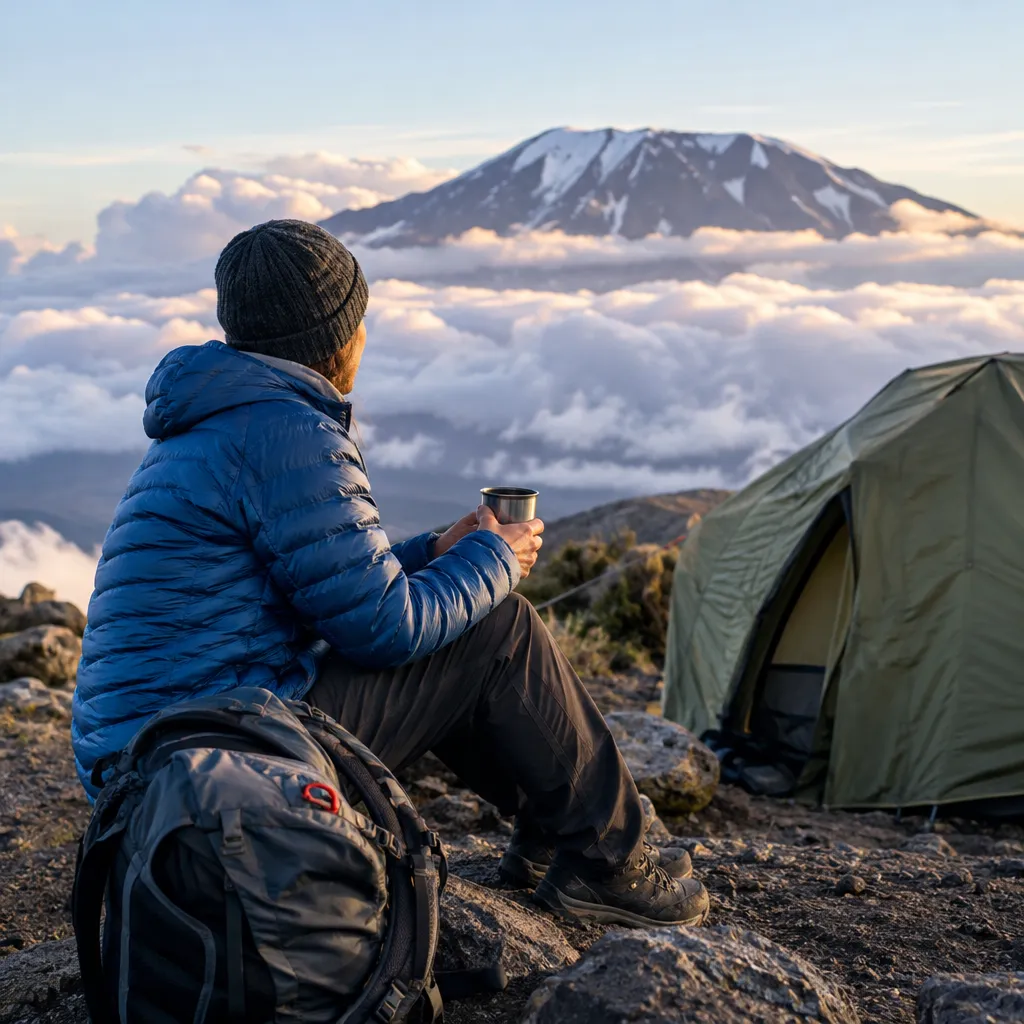
Do not treat summit night as an ordinary hiking day. The schedule includes a demanding uphill push followed by descent, and the following hours can feel different from the earlier walking days. Ask where the summit attempt starts, what support guides provide and where the group rests afterward.
Then check the descent day separately: how far the itinerary continues and where you sleep that night. A schedule that looks short on paper may still include a strenuous final stretch. For more detail on the summit night schedule and pacing, review the timing before choosing between itineraries.
5. Choose the schedule that fits your preparation and priorities
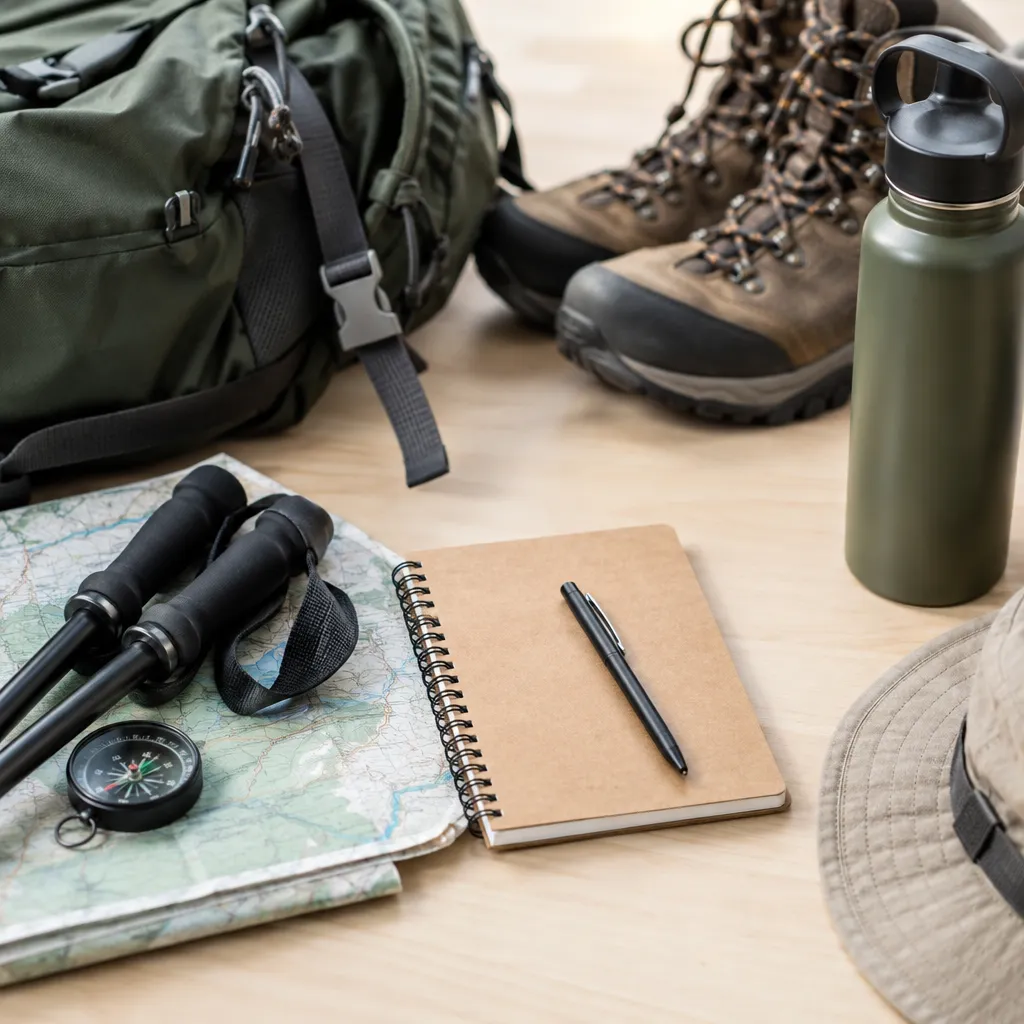
Choose the shortest schedule only after checking its route and altitude profile against your needs. If you are new to multi-day hiking, have limited altitude experience or want a less compressed plan, compare longer options carefully. More days do not remove altitude risk, but they may allow a different pace and more time on the mountain.
Build the full trip calendar too: include travel, a night to sleep before climbing, and time afterward before a flight or safari. Check what the quote includes, plus separate costs such as airfare, gear and tips. There is no single answer to how long to climb Kilimanjaro; the best fit is the itinerary whose daily plan you understand and can prepare for.
Choose your route and confirm the day-by-day plan
Before booking, check the mountain-day count, route, overnight stops, summit schedule, descent and the full trip calendar. Ask direct questions about guide support, health monitoring, inclusions and tips so you can compare the real itinerary and total cost—not only the headline duration.
Sedrick Silayo is a Web Developer and Digital Marketing Expert at Eco-Africa Climbing, with over 10 years of experience in Tanzania’s adventure travel industry. He specializes in Kilimanjaro trekking and Northern Tanzania safaris, sharing practical expertise on trip planning, mountain preparation, safety, KPAP standards, and safari experiences.