
 31 Oct 2026
 8 min read
A safari in Tanzania with Ngorongoro can mean a crater-focused visit or part of a wider northern-circuit trip. Adding Serengeti National Park and Tarangire changes the landscapes, wildlife-viewing rhythm, driving, and time you need. The right choice depends on what you most want to see and how many days you can give the safari.
For a useful safari Tanzania Ngorongoro plan, compare the parks by experience rather than trying to fit every destination into the shortest possible itinerary. Here is how each park can shape your trip, and what to consider if you are combining a safari with Kilimanjaro.
Serengeti, Ngorongoro, and Tarangire at a Glance
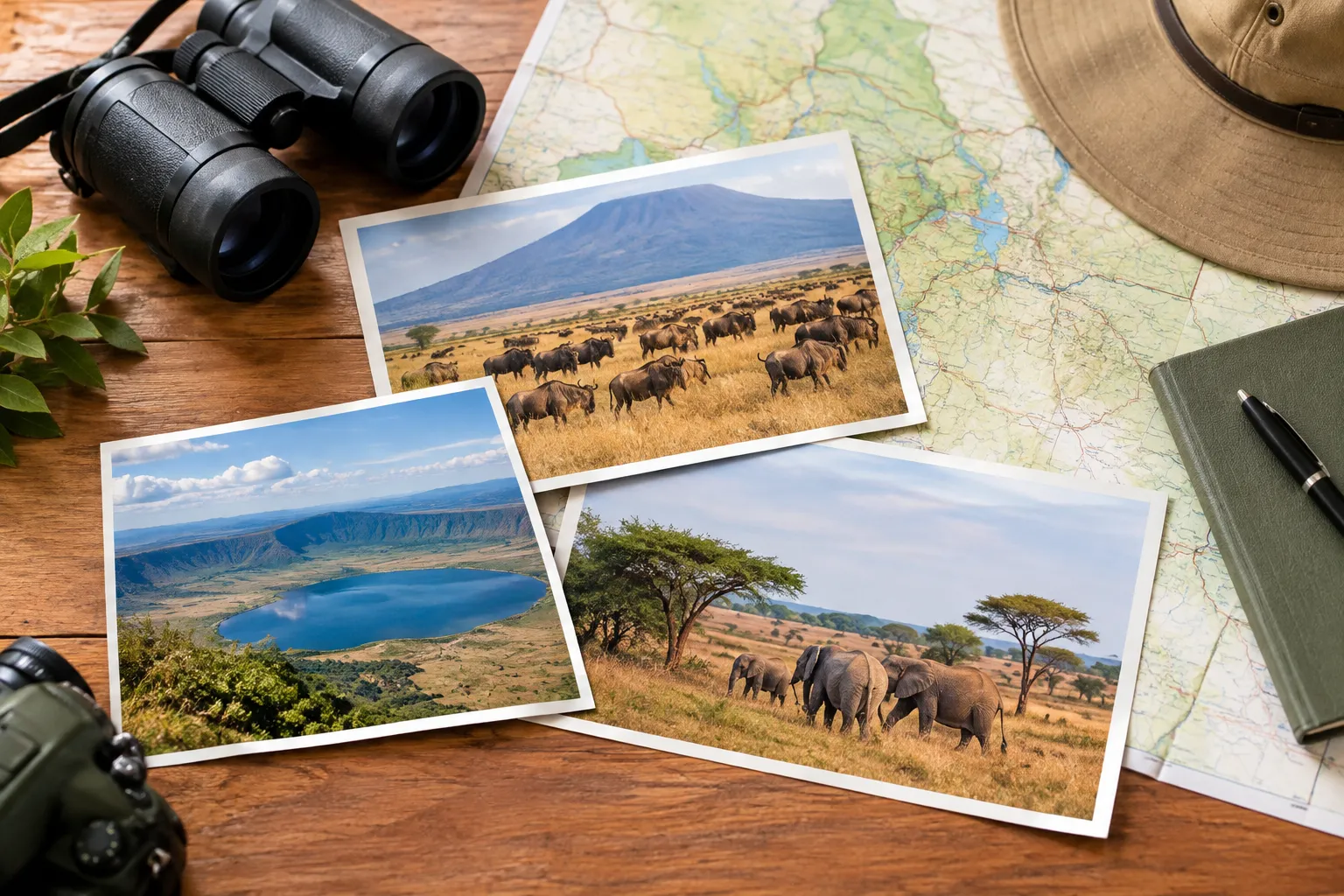
A safari is a wildlife-viewing trip, but the experience varies with the landscape, season, and pace of travel. This overview compares the three parks using the same practical criteria. Exact wildlife sightings and road conditions can vary, so treat the seasonal notes and driving expectations as planning guidance rather than guarantees.
| Park | Wildlife and setting | Seasonal consideration | Driving and trip style | Best fit |
|---|---|---|---|---|
| Serengeti National Park | Broad open plains and varied wildlife-viewing areas | Wildlife movements and viewing conditions change through the year | Typically calls for more time on the itinerary and substantial overland travel, depending on the route | Travelers who want open-country scenery and time to explore a large park |
| Ngorongoro Crater | A distinct crater landscape with wildlife viewing concentrated on the crater floor | Conditions and wildlife viewing vary by season | Often included with other northern Tanzania destinations; access and time in the crater shape the day | Travelers prioritizing a memorable landscape and a focused crater visit |
| Tarangire | River and baobab country with a different feel from the plains and crater | Seasonal changes influence where wildlife gathers and what the landscape looks like | Can fit into a northern-circuit itinerary, with travel time depending on the other stops | Travelers wanting varied scenery and a park experience beyond the crater and plains |
This is a qualitative Serengeti, Ngorongoro, and Tarangire safari comparison, not a ranking. A Ngorongoro Crater safari can suit a shorter itinerary when the crater is a priority; Serengeti merits more time if exploring its wider landscapes matters most. Tarangire adds a distinct setting, but the extra stop also means more itinerary logistics.
For more on route planning, timing, and trip costs, see our Tanzania safari planning guide.
Wildlife and Landscapes in Each Park
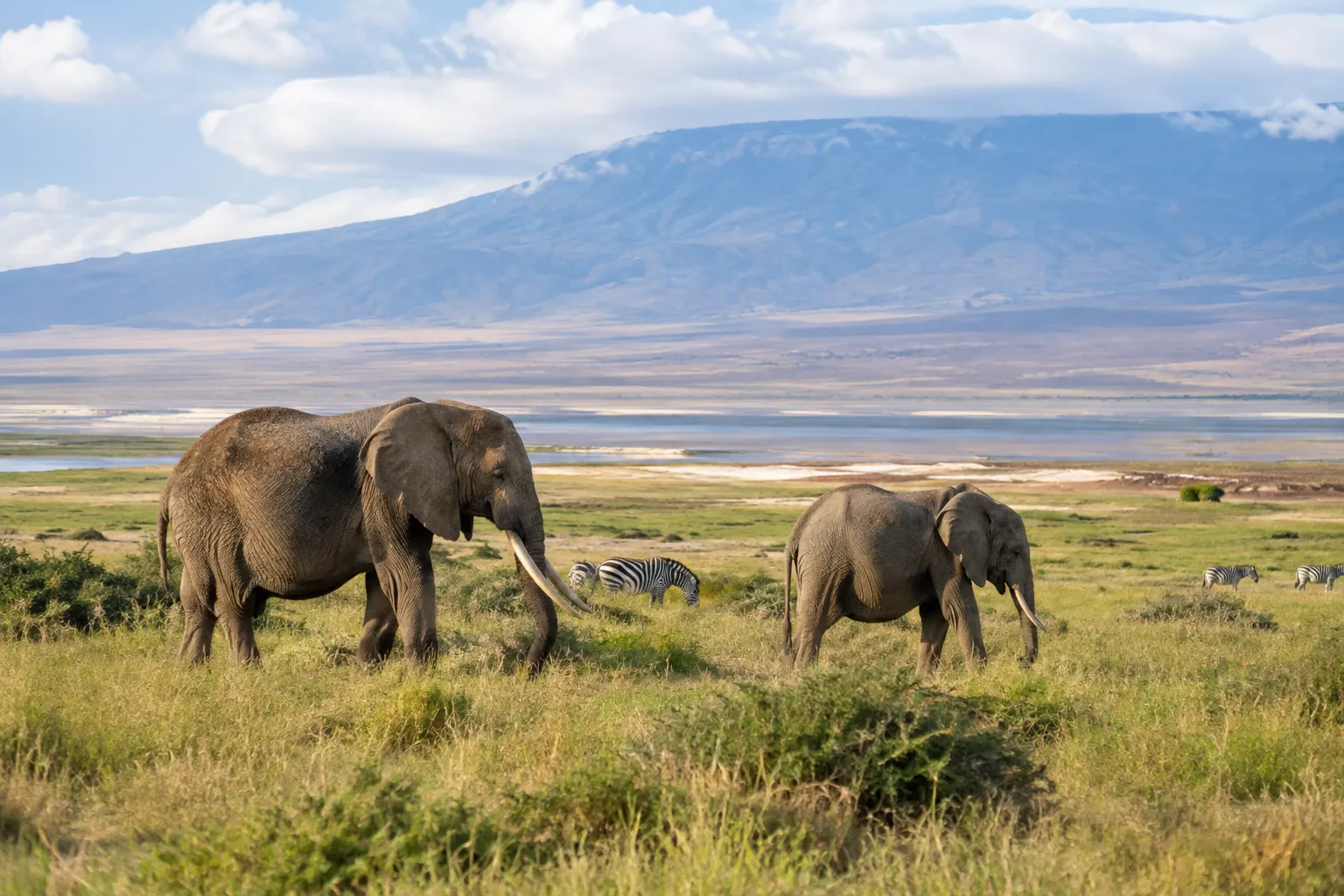
The scenery is more than a backdrop: it influences how a day on safari feels. Open plains, a crater floor, and river and baobab country each create a different setting for looking for wildlife.
In Serengeti National Park, Tanzania’s wide plains are central to the park’s identity. The scale can make the experience feel expansive, with game drives covering different areas rather than focusing on one compact landscape. Wildlife movements are seasonal, so where you go and when you travel can shape what you see. Our guide to Serengeti safari routes, migration, and predators goes deeper into how location affects planning.
Ngorongoro’s appeal is the crater landscape and the chance to view wildlife within a distinct natural setting. It is a strong choice if you want a concentrated crater visit, but it is not a substitute for the range of landscapes and routes that a longer Serengeti trip can offer. The crater can also be busy, so ask how the itinerary handles timing and what the visit includes.
Tarangire offers a contrast: river and baobab country rather than the Serengeti’s open plains or Ngorongoro’s crater floor. It can add variety to a multi-park Tanzania safari, especially for travelers who value changes in scenery as well as wildlife viewing. See our Tarangire safari guide for more on the park’s landscapes and timing.
The simplest decision rule is to choose the setting you most want to experience, then add parks only if you have enough days to enjoy them without turning the trip into a sequence of long transfers.
How the Seasons Shape Your Safari
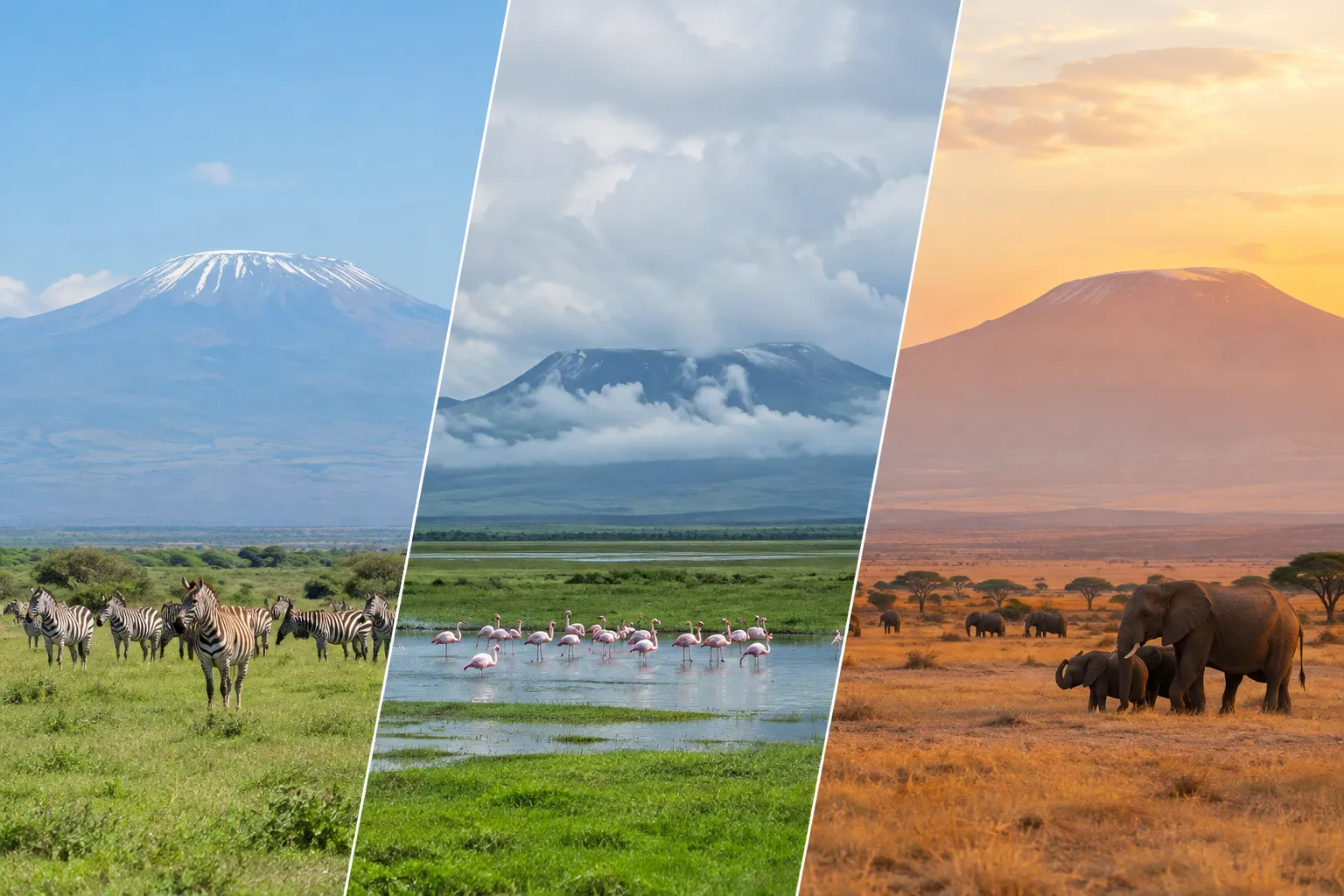
Rainfall, vegetation, road conditions, and wildlife movements can all influence a safari. There is no single best season for every traveler or every park. If you have fixed dates, ask an operator how those dates affect the specific areas on your route—not just the parks named in the itinerary.
In the Serengeti, wildlife movement is part of the seasonal planning conversation. The right area to visit depends on the time of year and your priorities, and no itinerary can promise a particular sighting. A route planned around migration viewing may not suit someone who would rather spend time in a different part of the park.
Ngorongoro can be appealing across different travel periods because the crater itself is the focus, but conditions and viewing still vary. When you compare itineraries, check how much time is planned for the crater and what other stops are included around it.
Tarangire also changes with the seasons. River areas and vegetation affect the landscape and viewing conditions, so timing can influence the character of a visit. The park may add a useful contrast, but whether it fits depends on your travel dates and the rest of the route.
For any park, ask what the itinerary does if weather or road conditions affect the day. A clear answer is more useful than a promise that wildlife viewing will be exceptional.
Driving Times and Practical Park Logistics
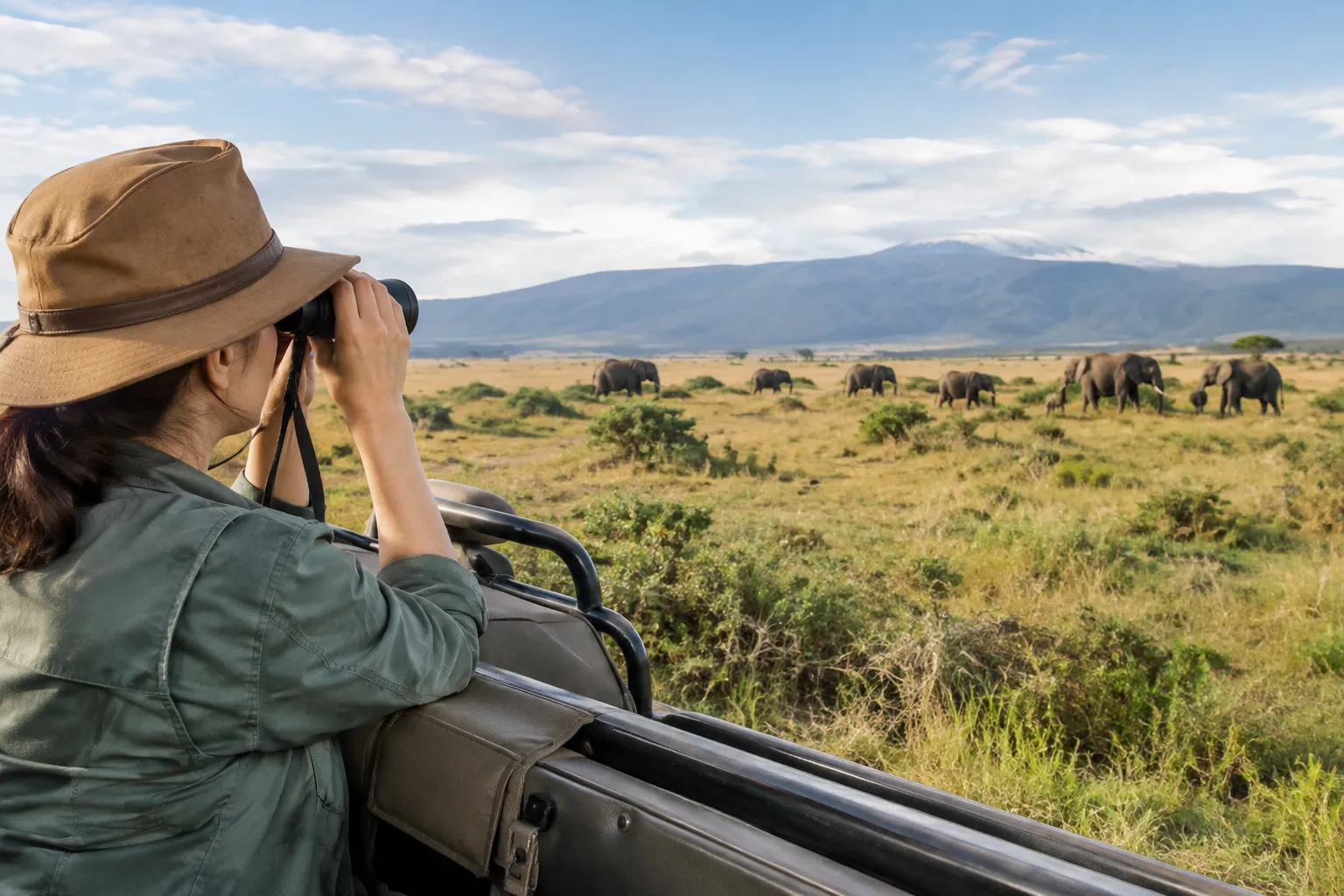
A multi-park safari involves more than time spent watching wildlife. Transfers between destinations, entry and exit logistics, and the pace of each game drive all use time. Driving duration can vary with the route, road conditions, and stops, so request a day-by-day itinerary rather than relying on a simple total such as “three parks.”
Serengeti itineraries can involve substantial overland travel, especially when combined with other parks. Ngorongoro and Tarangire add different routes and transitions to the plan. A trip that includes all three may be rewarding for travelers with enough time, but can feel rushed if the schedule leaves little room for game drives or rest.
When comparing a road-based itinerary with one that includes a flight, ask what the flight changes: which transfer it replaces, what travel time remains, and how it affects the route and cost. Do not assume a flight removes all road travel or makes every itinerary more convenient.
Before booking, check:
- How many nights are planned in each area?
- How much of each day is a transfer versus a game drive?
- Are park fees, accommodation, meals, and transfers included in the quoted price?
- What is excluded, such as international flights, tips, or personal gear?
- What happens if a road or weather condition changes the planned route?
These details help you compare the actual trip, not just the list of parks. They also make it easier to judge whether the price reflects the itinerary and inclusions you want.
Choose the Right Safari for Your Trip
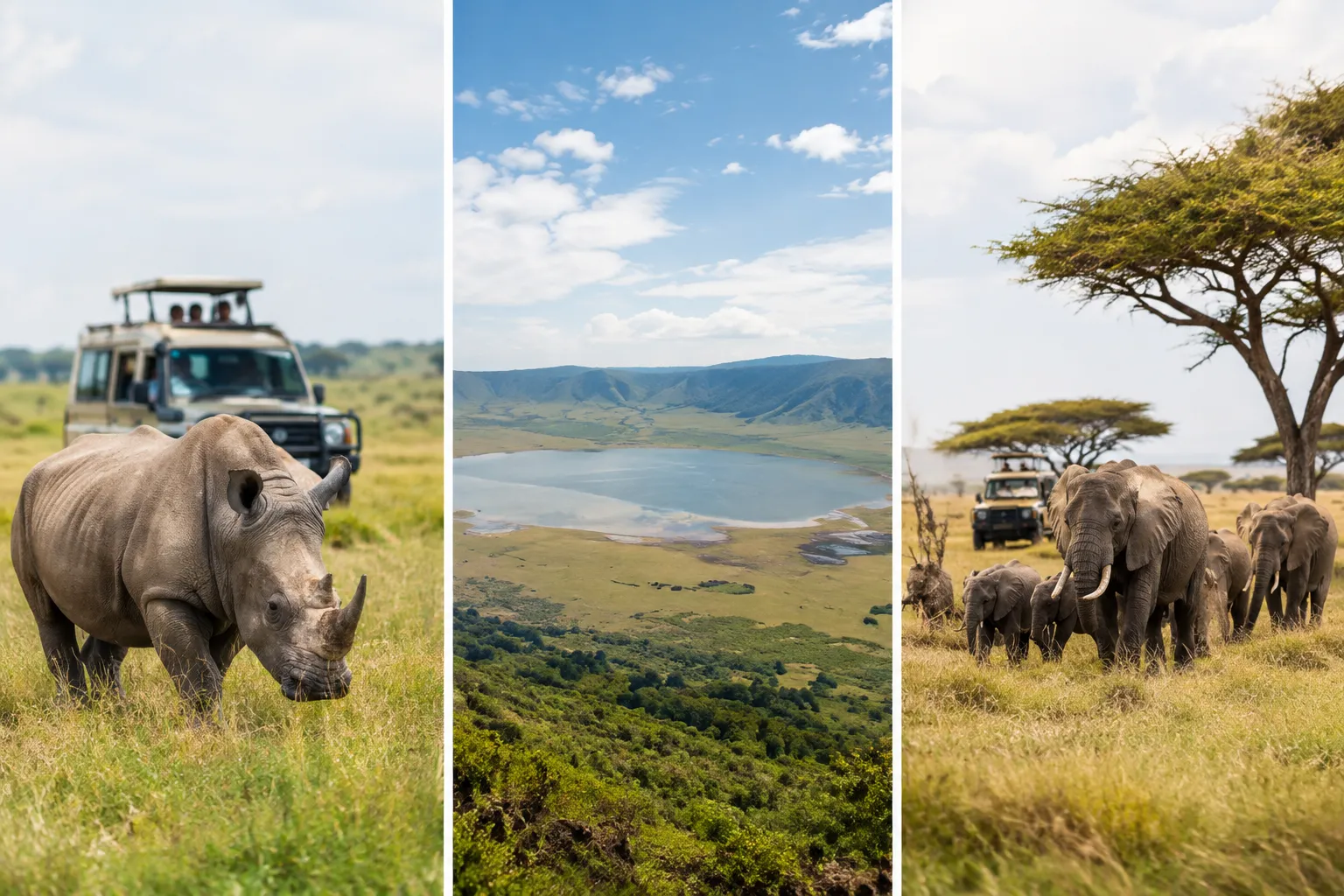
Start with your available days and top wildlife or landscape priority. Then consider the pace you can comfortably manage. A shorter trip may be better focused on one or two parks; a longer trip can give you more room to experience all three without compressing every visit.
If you are deciding between a focused crater visit and a broader route, ask what you would have to give up to add another park. More destinations can mean more scenery, but also more packing, transfers, and time in the vehicle. A good plan makes those tradeoffs clear.
When to Prioritize a Ngorongoro Crater Safari
Prioritize a Ngorongoro Crater safari if the crater landscape is a central reason for your trip and you want to include it in a northern Tanzania itinerary. It pairs naturally with other parks, but adding the crater should not crowd out the time you want in the Serengeti or Tarangire.
If you have limited days, compare a crater-focused plan with one that includes fewer transfers and more time in a single area. If you have more time and want contrasting environments, adding Serengeti or Tarangire may make sense. The best choice is the one that matches your priorities and allows a reasonable pace.
Adding a Safari Around Your Kilimanjaro Climb
A safari before or after climbing Kilimanjaro involves different tradeoffs. Before the climb, the safari adds travel and activity ahead of a demanding trek; build in enough arrival time and sleep before starting the climb. After the climb, a safari can provide a change of pace, but consider how you expect to feel after the trek and avoid scheduling an exhausting transfer immediately afterward.
If combining both experiences, look at the full trip calendar: international arrival, rest before the climb, climbing days, recovery time, safari transfers, and departure. A customized private Tanzania safari can be planned around those dates and your preferred pace. Eco Africa Climbing offers private Tanzania safaris as well as guided Kilimanjaro climbs; ask for a clear breakdown of the itinerary, inclusions, and exclusions before deciding.
If you have health concerns about trekking or travel after a climb, consult a qualified medical professional about your own circumstances.
More Tanzania Safari FAQs
Which is better, Serengeti or Ngorongoro?
Choose the Serengeti for broader plains and time exploring a large park; choose Ngorongoro for its distinctive crater setting and a more focused crater visit. If both appeal, plan enough days for the travel between them.
What I wish I knew before visiting Tanzania for safari?
A Tanzania safari involves travel between parks as well as game drives, and wildlife sightings vary. Check the day-by-day route, inclusions, exclusions, and time in each park before you compare prices.
What is the best time to visit Ngorongoro?
There is no single best time for every traveler; conditions and wildlife viewing vary through the year. Choose dates based on your priorities, then ask how the season affects the crater visit and surrounding itinerary.
How much does a 3 day safari cost in Tanzania?
The cost of a three-day Tanzania safari depends on its route, accommodation, transport, park fees, and included meals and services. Request an itemized quote and confirm what is excluded, including tips and international flights.
Plan Your Tanzania Safari with Eco Africa Climbing
A well-matched safari starts with clear priorities: which landscapes matter most, how many days you have, what pace you prefer, and whether Kilimanjaro is part of the same trip. Use those details to compare routes and ask for a written breakdown of travel days, park visits, inclusions, exclusions, and costs.
Eco Africa Climbing is based in Tanzania and offers private Tanzania safaris, including Serengeti and Ngorongoro trips. Share your travel dates and priorities when discussing an itinerary so the proposed route reflects the trip you want rather than simply adding every park.
Sedrick Silayo is a Web Developer and Digital Marketing Expert at Eco-Africa Climbing, with over 10 years of experience in Tanzania’s adventure travel industry. He specializes in Kilimanjaro trekking and Northern Tanzania safaris, sharing practical expertise on trip planning, mountain preparation, safety, KPAP standards, and safari experiences.