 6 Nov 2026
 3 min read
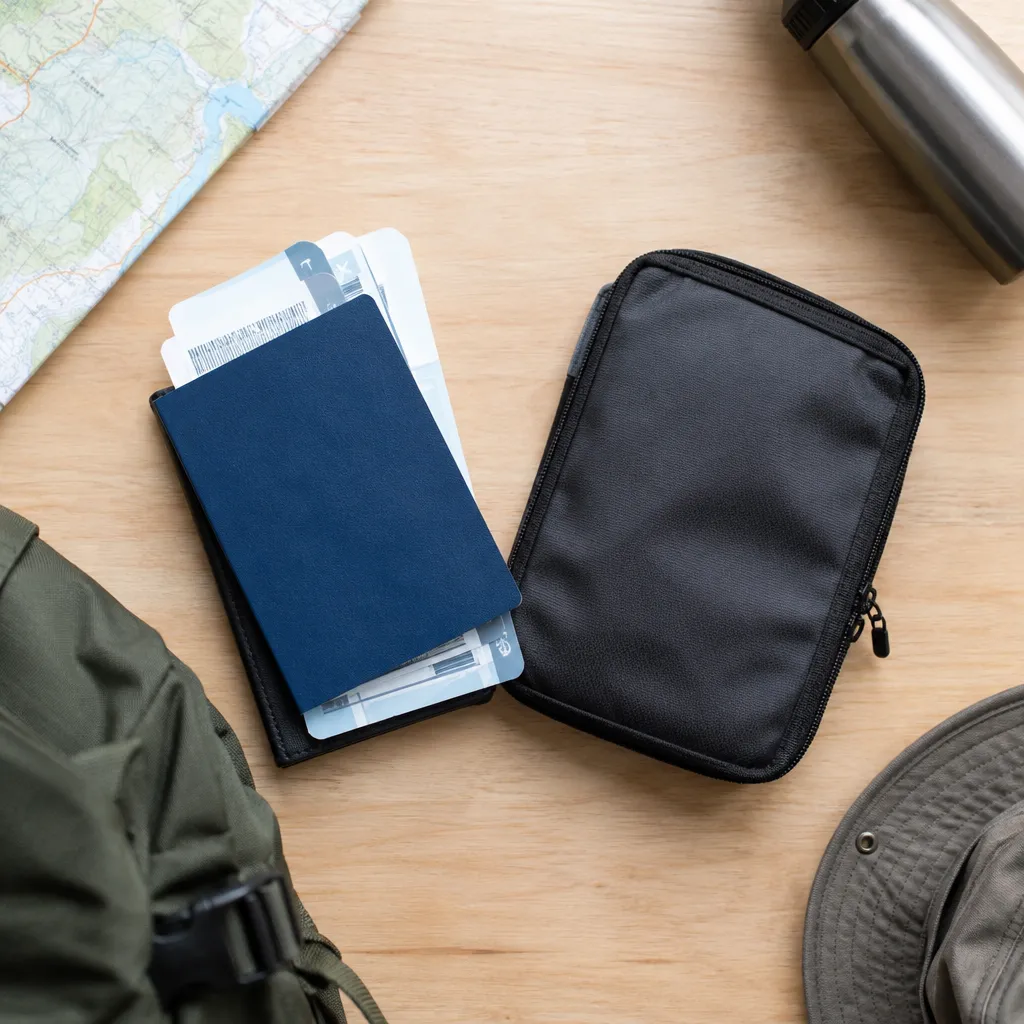
1. Check your documents and keep them in your daypack
Keep your passport, travel documents, insurance information, and booking details secure and accessible in your daypack. You may need to reach them during travel or at the park entrance.
Carry copies separately from originals, and save digital copies somewhere you can access if a bag is delayed. For Tanzania’s entry and health guidance, check the CDC’s Tanzania traveler information before departure.
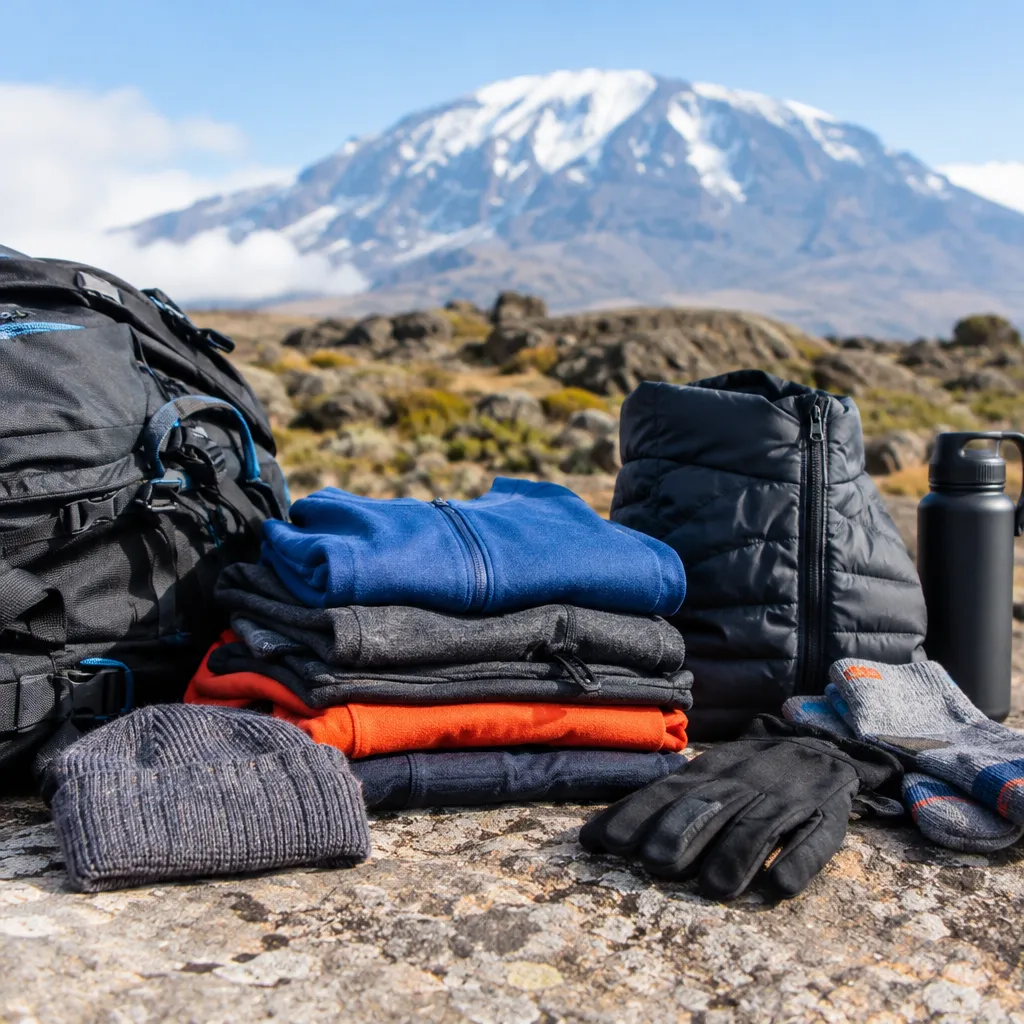
2. Choose layers for changing mountain temperatures
Pack layers you can add or remove as conditions change: moisture-managing base layers, hiking clothes, a waterproof outer layer, warm insulation, a hat, and gloves. Adjust quantities to your itinerary and laundry plans.
Kilimanjaro climbs commonly span multiple days, and route duration affects how many changes you need. For itinerary context, see how climb duration varies by route. Keep one dry layer available rather than packing every item where it is hard to reach.
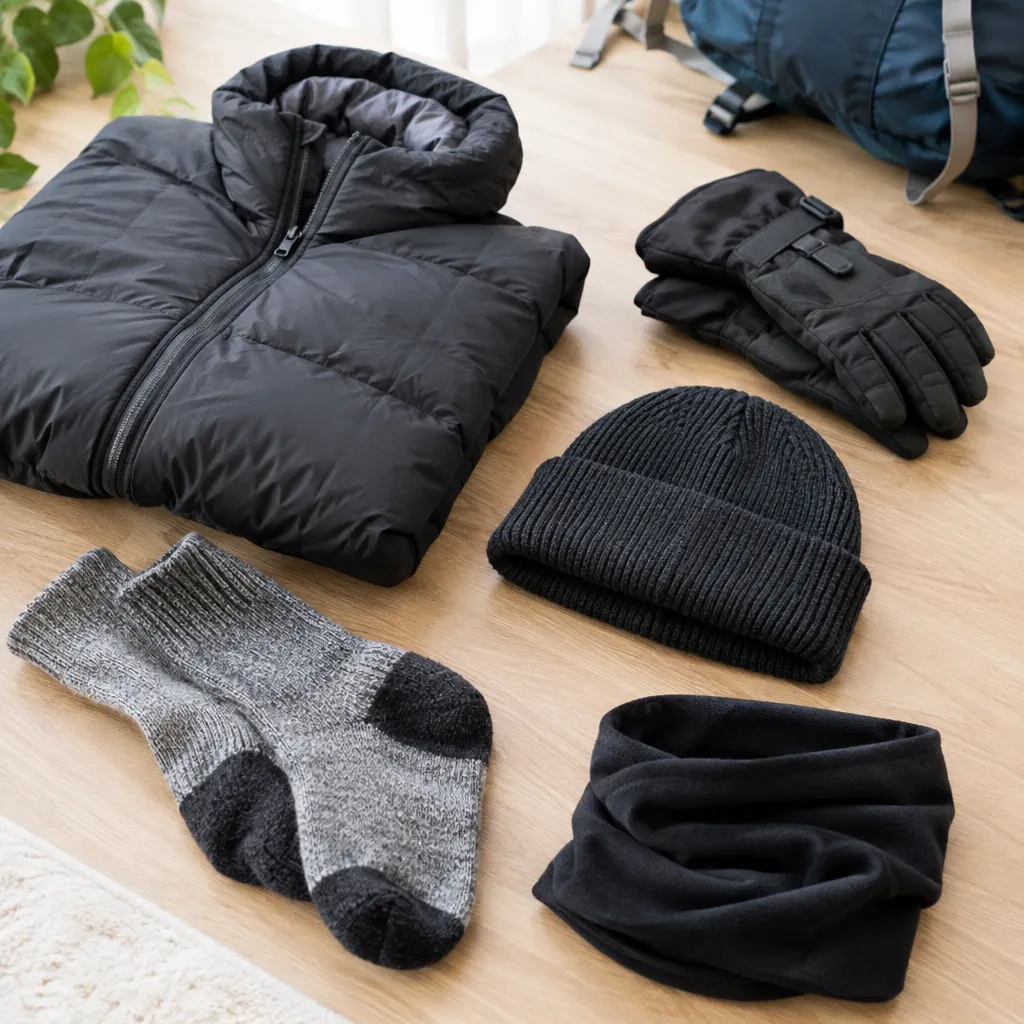
3. Set aside your summit-night gear
Reserve your warmest layers, wind-resistant outerwear, suitable gloves, warm headwear, and a headlamp with spare batteries for summit night. Keep this gear together so it is easy to find before the climb.
Pack the headlamp where you can reach it without unpacking your porter luggage. A summit-night plan also affects what belongs in your daypack; review summit-night pacing and support as you organize those essentials.
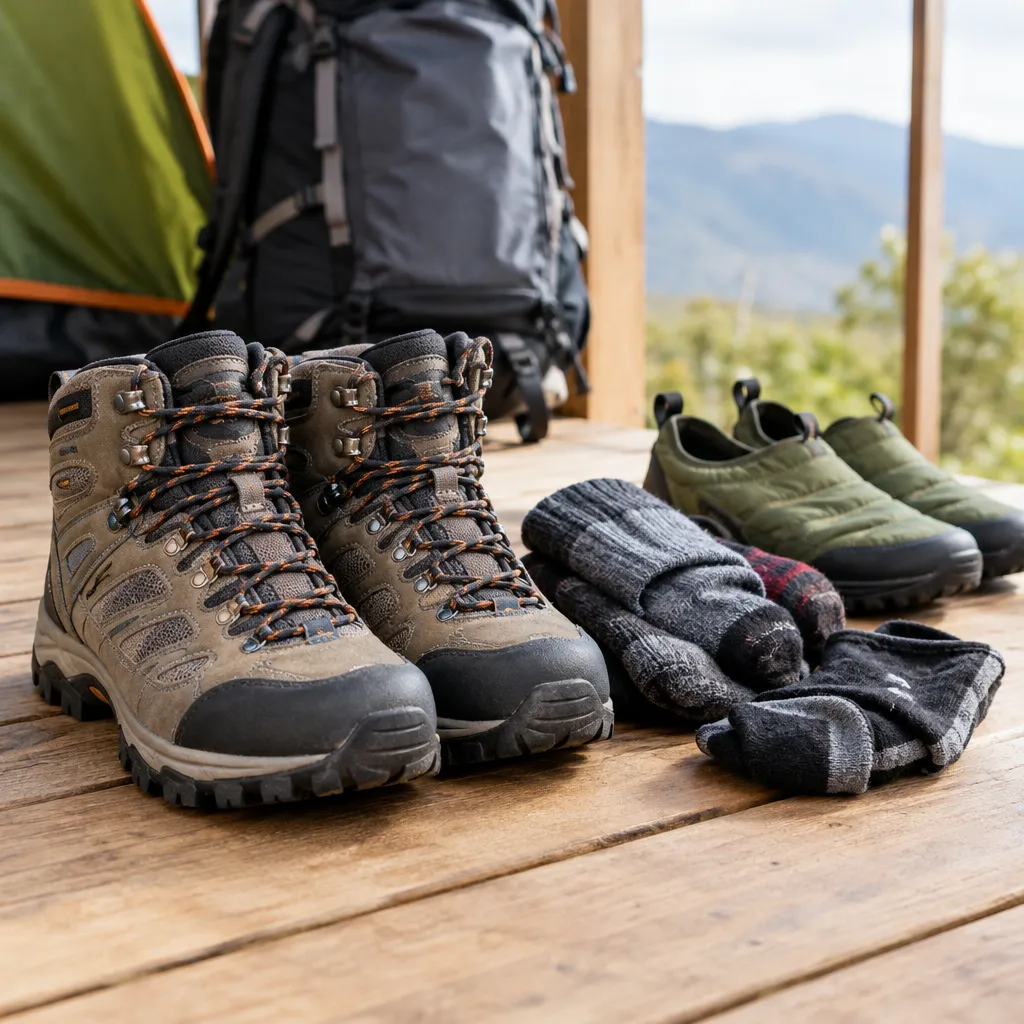
4. Pack boots, socks, and camp footwear
Bring broken-in hiking boots, trekking socks that suit your itinerary, and comfortable footwear for camp. Test your boots with the socks you plan to wear so you can check fit before travel.
Avoid relying on new boots for the climb. Try walking in your complete setup and note pressure points or rubbing; bring any blister-care items you normally use. Keep camp shoes separate from wet or muddy gear.
5. Add sleeping and trekking equipment
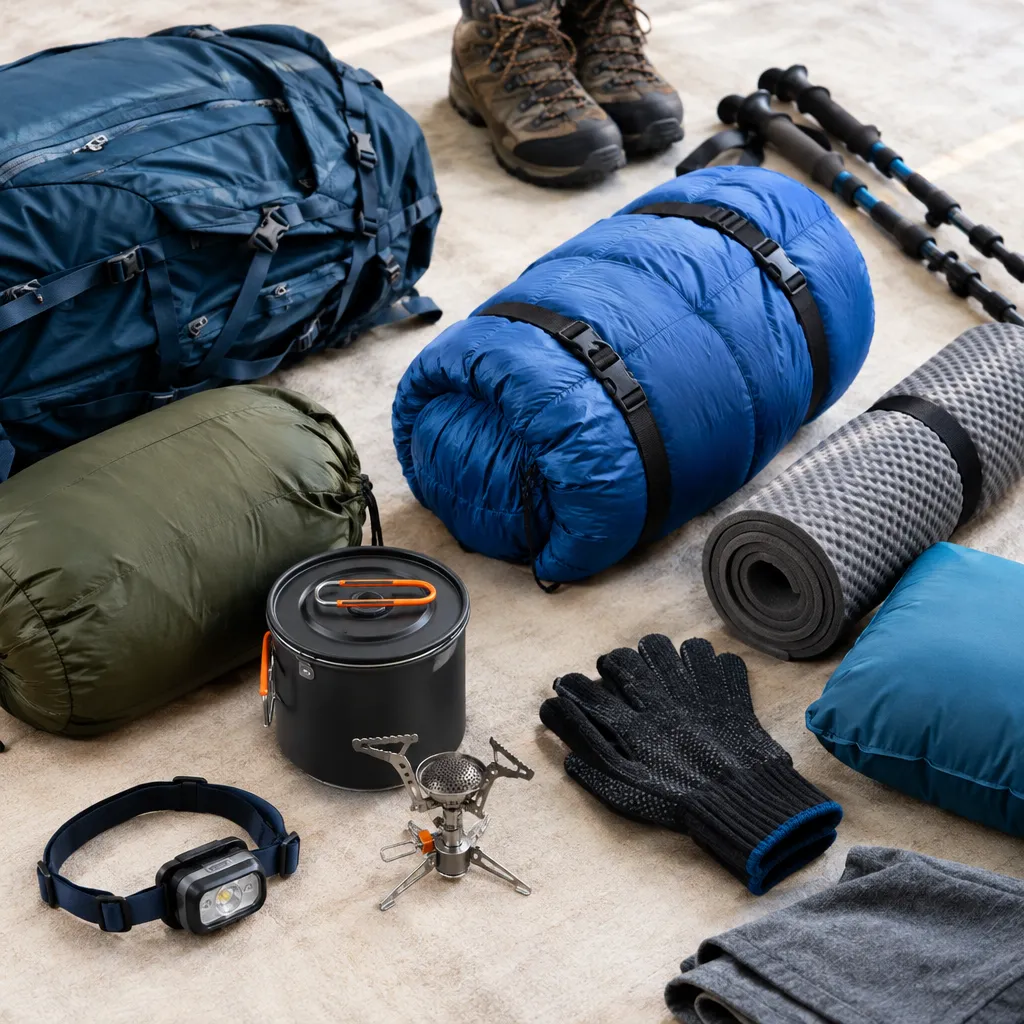
Set aside a sleeping bag, trekking poles, and other equipment required for your route, then confirm with your operator what is supplied, available to rent, or yours to bring. Check suitability before buying or renting.
Do not assume equipment is included because it is common on guided climbs. Ask for the relevant specifications and any rental arrangements in writing, and pack small accessories with the item they support.
6. Bring personal medication and mountain-care essentials
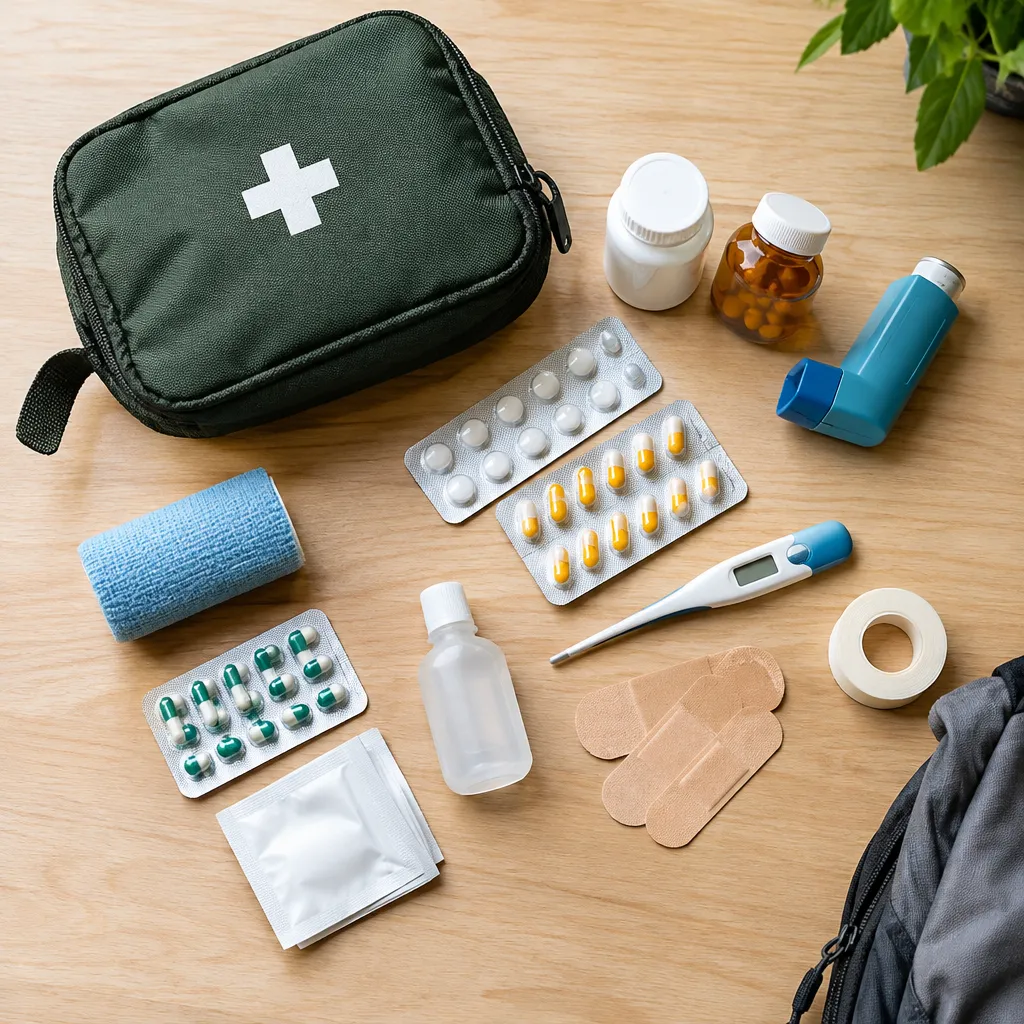
Pack your personal prescriptions in their original packaging, along with a compact first-aid kit and sun protection. Keep essential medication in your daypack rather than in luggage that may be carried separately.
Ask a qualified medical professional about your individual health, medication, and altitude questions before travel. This is especially relevant if you are pregnant, breastfeeding, have a chronic condition, take other medicines, or are packing for a child.
7. Separate porter luggage from your daypack
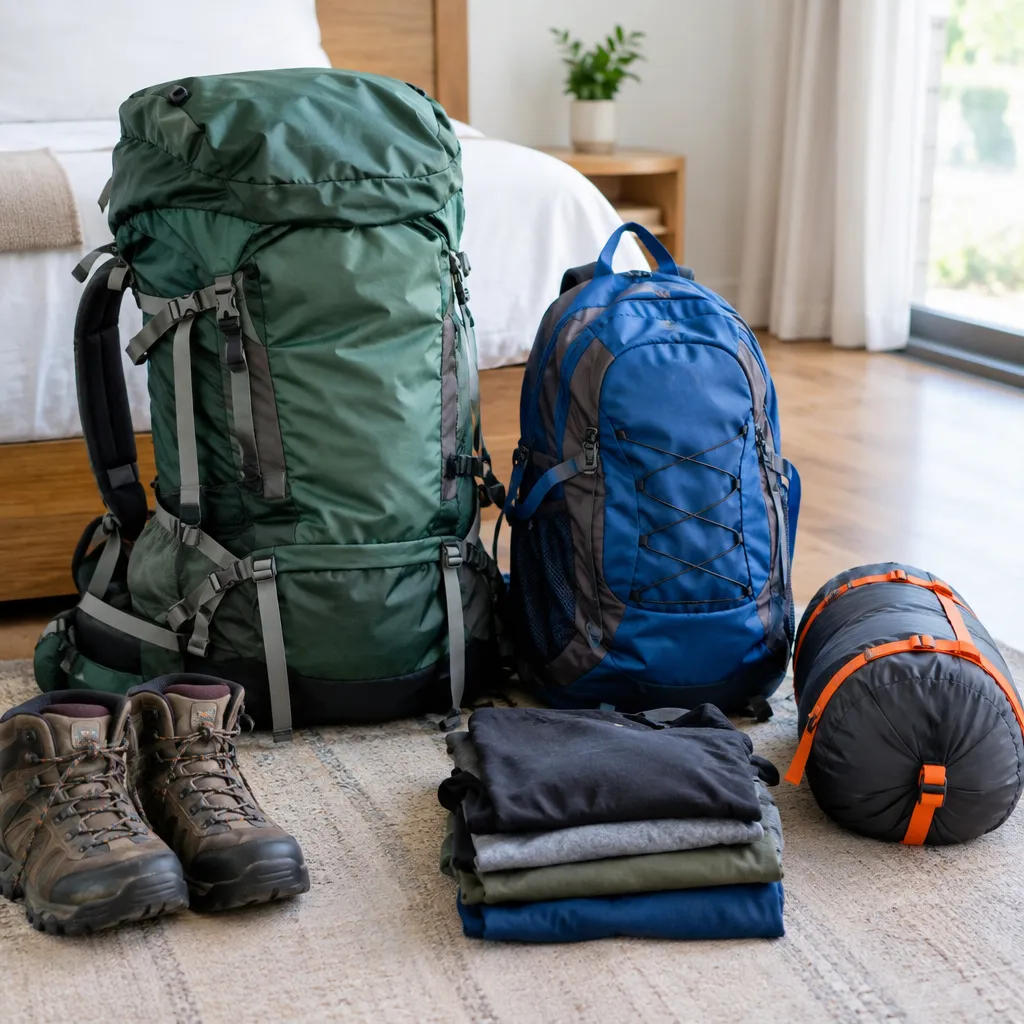
Use porter luggage for items you do not need while walking and your daypack for essentials you need close at hand. Confirm the operator’s Kilimanjaro baggage allowance and storage options before deciding what goes in each bag.
The amount of clothing you need depends partly on how long the itinerary lasts and whether you can do laundry. Ask what can be stored at the hotel during the climb, and keep travel-day essentials with you in case checked baggage is delayed.
8. Add safari layers and confirm your final packing list
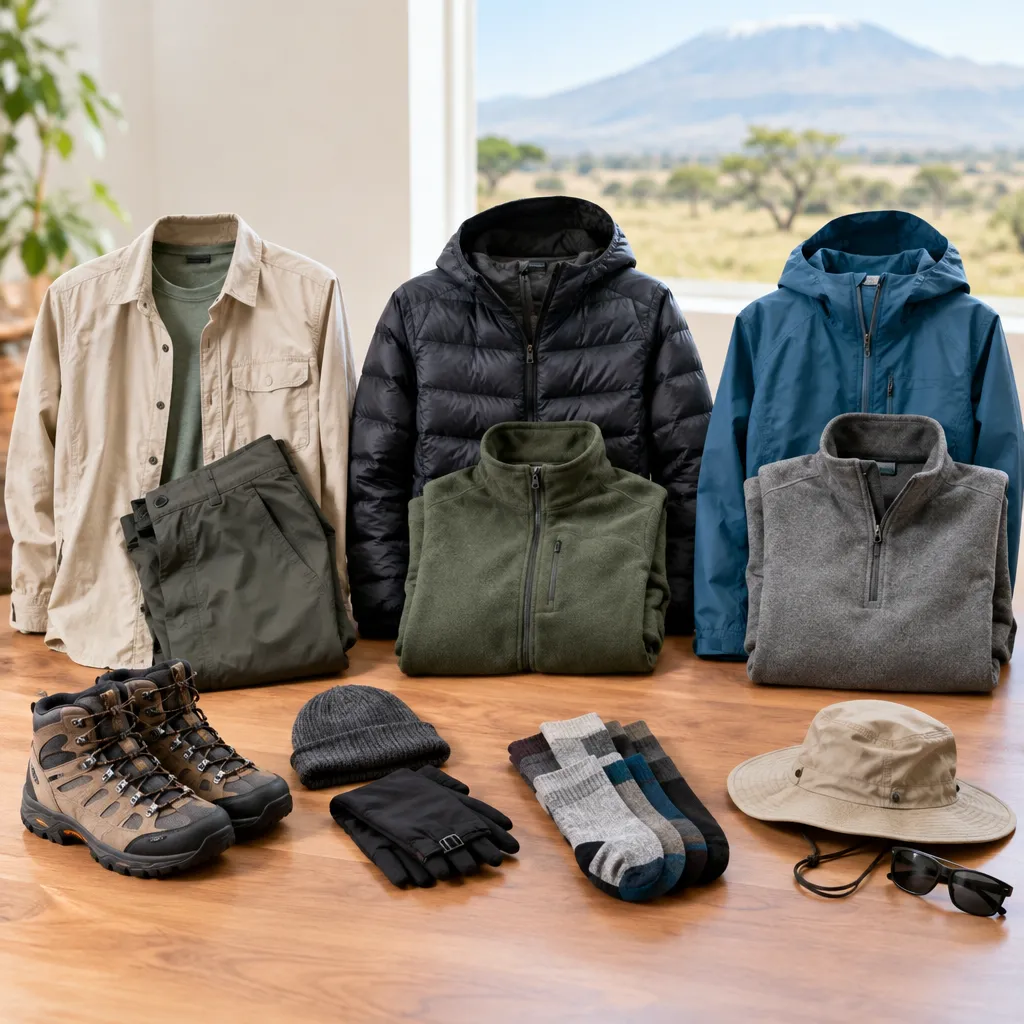
For a Tanzania safari packing list, add adaptable clothing, sun protection, and travel essentials that stay accessible between activities. Keep safari items separate from mountain gear so you can find them without unpacking everything.
Before departure, confirm route-specific equipment, baggage limits, and hotel storage arrangements with your operator. If you are adding a safari, account for its clothing and personal items separately rather than assuming the climb packing list covers both parts of the trip.
Recommended next steps
- Check your itinerary and count the nights away from the hotel so you can estimate clothing changes.
- Confirm baggage limits, equipment arrangements, and hotel storage with your operator.
- Try on your boots with your planned socks and check that your layers fit comfortably together.
- Set aside documents, prescriptions, and summit-night essentials in your daypack.
- Review how many days a Kilimanjaro climb takes to match your packing quantities to your route and itinerary.