 17 Nov 2026
 7 min read
Kilimanjaro route hiking days comparison depends on the itinerary option, not just the route name: Tanzania National Parks gives a general climb duration of five to eight days, but not a route-by-route schedule. Compare the operator’s actual day-by-day plan, including summit night, descent, and the final night, before matching a climb to your vacation time.
Kilimanjaro route hiking days compared at a glance
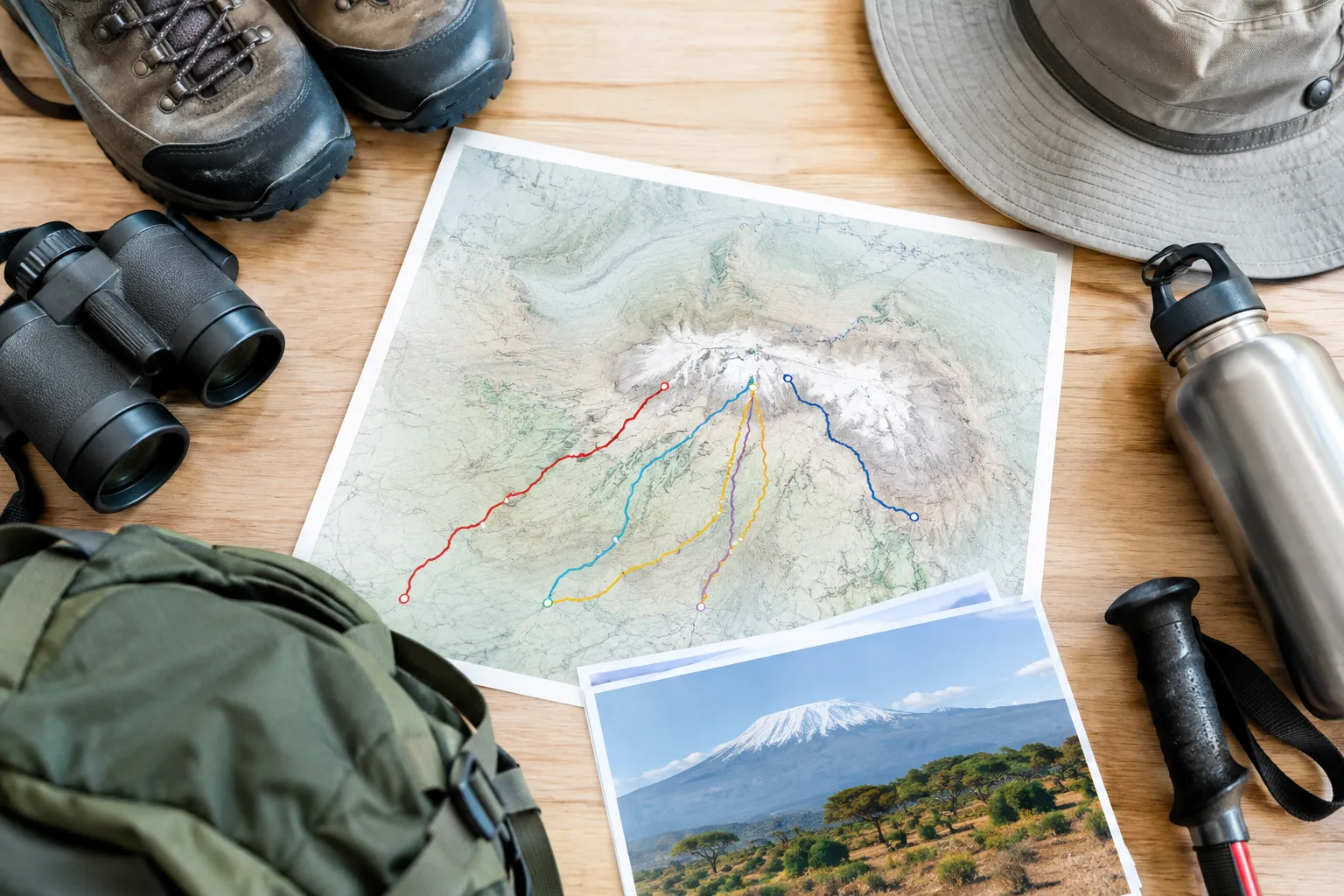
The park authority’s five-to-eight-day range is a general guide, not a schedule for each route; compare itinerary details directly, because operators may count summit night differently when listing hiking days.
| Route | What to compare in the itinerary | Overnight arrangement | Main planning tradeoff |
|---|---|---|---|
| Lemosho | The number of approach days and whether the plan includes an acclimatization day | Camping-based itinerary | A longer schedule may allow more time on the mountain, but needs more vacation days |
| Machame | How the approach days lead into the summit push and descent | Camping-based itinerary | A compact plan uses less time but leaves fewer days for the climb |
| Northern Circuit | How the extended schedule distributes the approach and summit push | Camping-based itinerary | More days require a larger time commitment |
| Rongai | Which itinerary option is offered and how many days it allows before the summit push | Camping-based itinerary | Compare the specific schedule rather than assuming every option has the same duration |
| Marangu | Whether the itinerary is the shorter or longer option, and how nights are arranged | Hut-based itinerary | Hut accommodation differs from camping, but does not remove the need to assess the schedule |
The table compares route characteristics, not guaranteed hiking-day counts. The park authority describes Mount Kilimanjaro’s routes and gives a general five-to-eight-day duration, while its visitor guidance on routes and arrangements covers park access and visitor logistics. For a broader overview of how long a Kilimanjaro climb takes, use the total itinerary—not a route label—as your planning unit.
A useful comparison records four separate numbers for each option: days walking before summit night, the summit-night schedule, the descent day, and any final night before leaving the mountain. Operators may count summit night differently when listing hiking days. A headline such as “seven days” can therefore obscure whether the count includes the night ascent, the descent, or both.
How each route’s itinerary shapes the climb
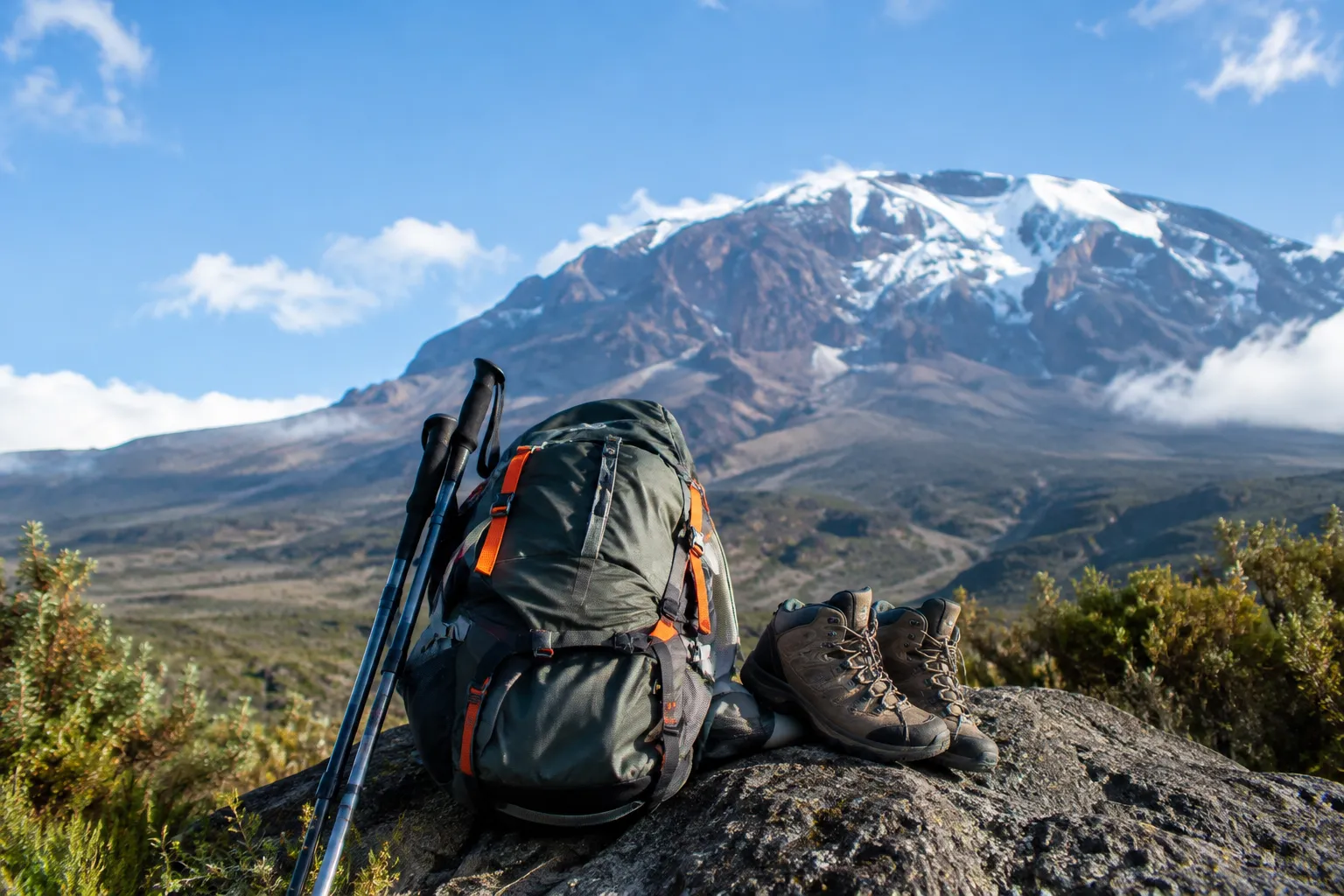
A route name tells you where the climb goes; the day-by-day itinerary tells you how walking, nights, and summit demands are distributed. Compare those elements instead of treating a shorter schedule as interchangeable with a longer one.
The route names Eco Africa Climbing offers are Lemosho, Machame, Northern Circuit, Rongai, and Marangu. The company also offers Mount Kilimanjaro Climbing Tours, but the details that determine a particular trip’s duration are its selected route and itinerary option. Before choosing, ask for the schedule in calendar days and nights, with the summit ascent and descent clearly identified.
Lemosho: a longer approach with time to acclimatize
For Lemosho, compare the approach schedule and any added acclimatization time; the route name alone does not establish how many hiking days an operator includes.
When reviewing a Lemosho plan, mark each day as walking, rest or acclimatization, summit ascent, or descent. Then check how many nights are spent on the mountain and whether the last night is included in the advertised duration. A longer plan takes more time away from other parts of a trip, so its value depends on whether the extra days create useful pacing for your needs.
Machame: a varied itinerary with a summit push
For Machame, the key comparison is how the selected itinerary places the summit push after the preceding walking days, not simply the advertised day count.
Ask whether the schedule includes a separate acclimatization day and how the summit night is counted. A shorter version may fit a tighter vacation window, but comparing it with a longer option requires more than subtracting one day: inspect which part of the schedule changes and whether the descent or final night is counted differently.
Northern Circuit: the longest itinerary option
The Northern Circuit is presented as the longest itinerary option in this route comparison, so weigh its additional time on the mountain against the extra vacation days it requires.
Check the exact schedule for the approach, overnight sequence, summit push, and descent. More days on a route mean a longer trip commitment; they do not guarantee how any individual will respond to altitude or ensure a particular summit outcome. If your available leave is fixed, compare the full calendar plan—including arrival and departure logistics—before choosing this route.
Rongai: a northern approach with flexible durations
Rongai itinerary options can differ, so compare the specific number and placement of walking days, overnight stays, and acclimatization time offered for your departure.
Ask the operator to explain what changes between its shorter and longer schedules. Is an extra day used for gradual pacing, a rest or acclimatization period, or another part of the route? That distinction is more useful than assuming all additional days serve the same purpose. Also confirm whether the overnight arrangement and summit-night schedule remain the same.
Marangu: hut accommodation on a shorter schedule
Marangu differs in overnight arrangement because it uses huts, but hut nights do not by themselves tell you how many hiking days or acclimatization opportunities an itinerary includes.
Compare the shorter and longer options by listing the walking days, any added acclimatization time, summit night, and descent separately. If sleeping in huts is a priority, that may help narrow the choice; still, check what the itinerary’s day count includes. A hut-based schedule and a camping-based schedule should be compared on both sleeping arrangements and pacing, not on duration alone.
How extra hiking days affect acclimatization and rest
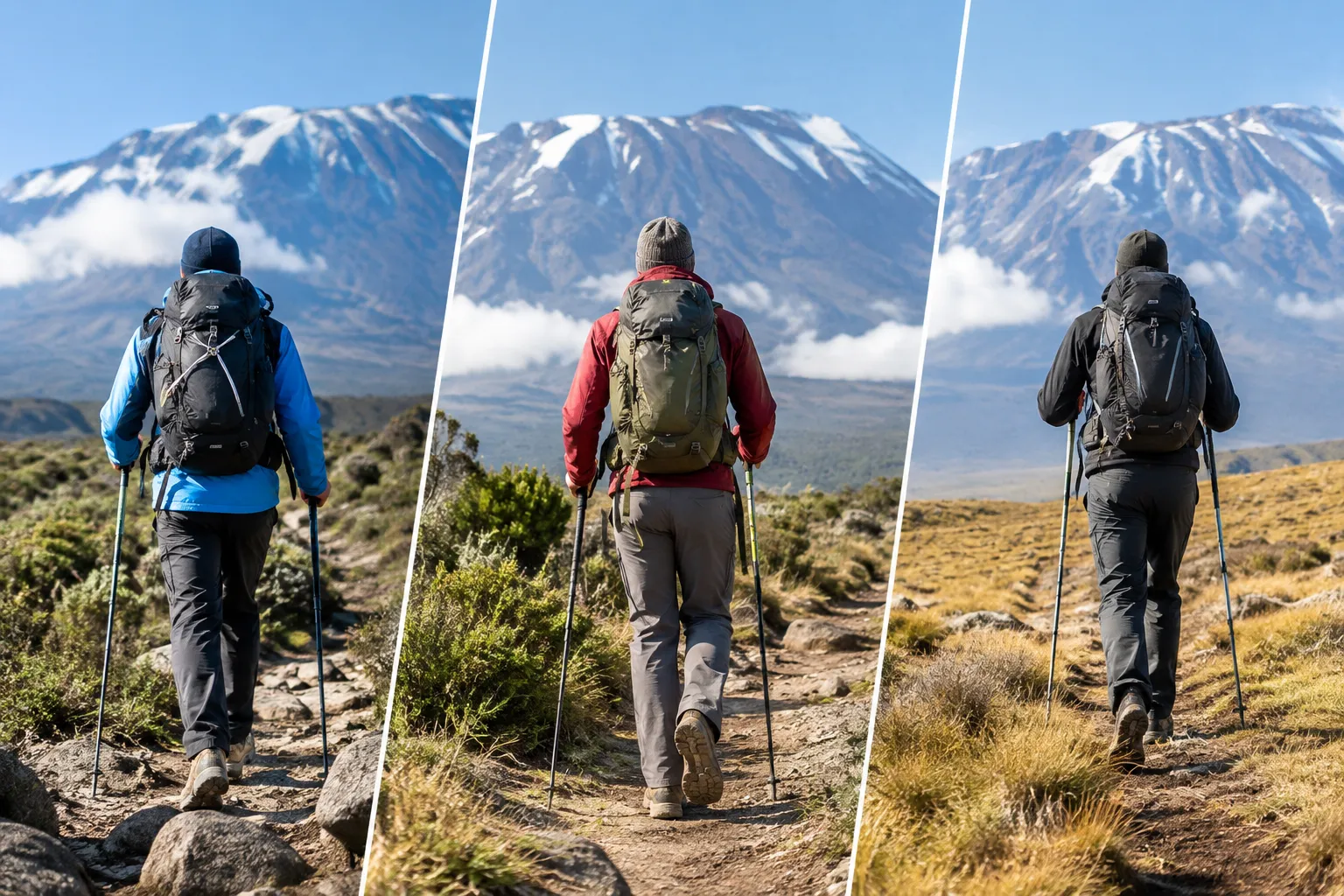
Extra days can provide more time for a gradual itinerary or an acclimatization period, but the schedule cannot predict an individual response to altitude or promise a summit.
The CDC’s guidance on high-altitude travel and altitude illness explains the role of acclimatization and ascent pace, and describes signs of altitude illness. Use that guidance to understand why itinerary structure matters, then ask the operator how its daily health monitoring and response procedures work. More scheduled time is one planning factor, not a substitute for monitoring or a guarantee of safety.
A practical worked comparison is to place two itineraries for the same route side by side. Suppose one schedule lists seven days and another lists eight. Do not assume the eighth day is automatically a rest day: identify its activity, sleeping location, and position relative to the summit push. Next, check whether both durations count summit night and descent the same way. Only after those checks can you tell what the extra day changes—and whether it is worth the additional time away.
For more detail on acclimatization days in an itinerary, compare the planned schedule with the operator’s explanation of pacing. If you have a medical condition, take medication, or have concerns about altitude, consult a qualified health professional before making travel or climbing decisions.
Choose a route that fits your time and priorities
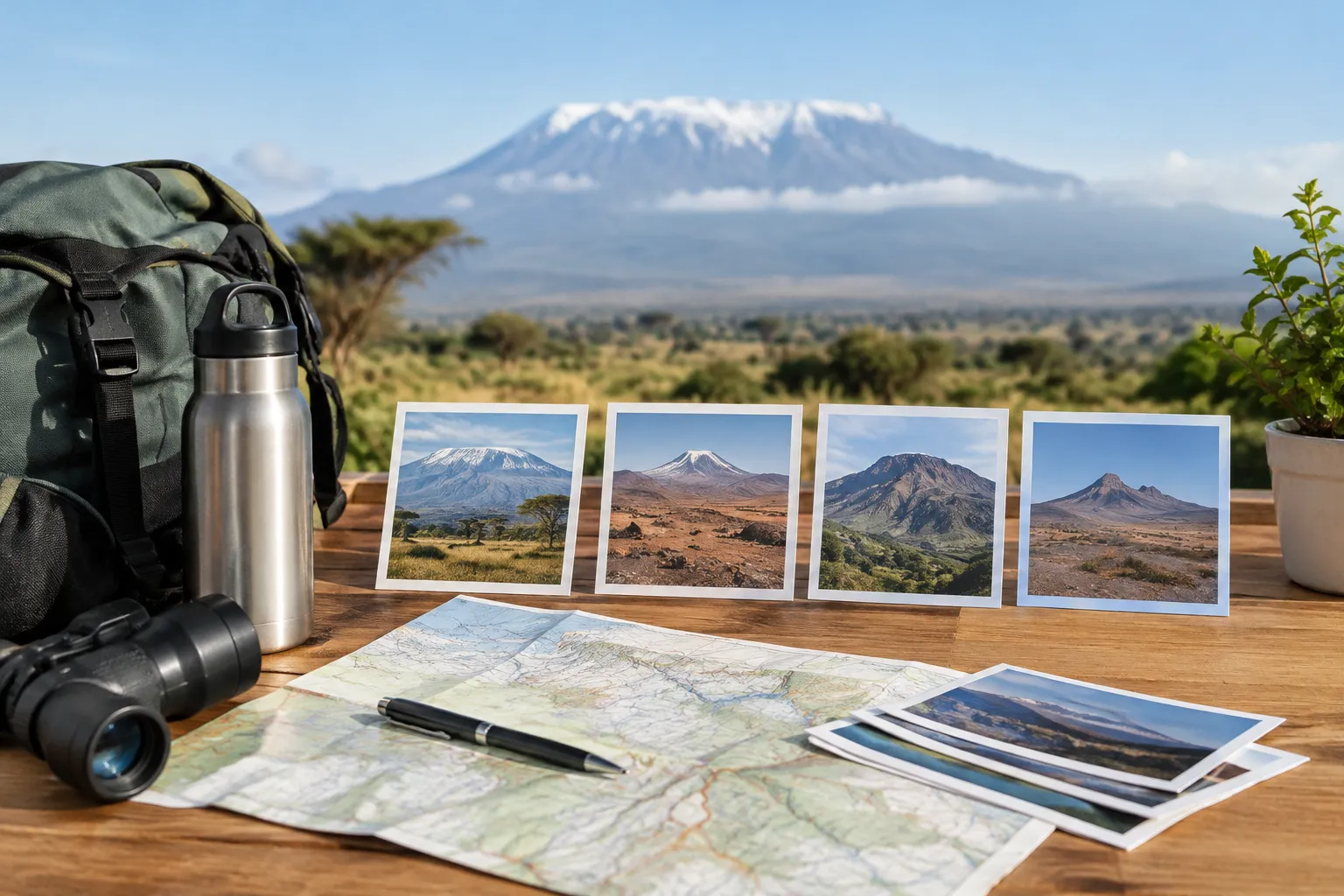
Choose by matching your available days to a complete itinerary, then weigh its pacing, overnight style, and summit-night demands against your priorities.
Start with the dates you can actually spend away, including the climb’s full stated duration. Then compare the route options that fit without relying on a day count that might exclude a summit night or descent. If a schedule leaves little room for arrival rest or recovery, account for those days separately when planning flights and leave from work.
Use these questions to make the comparison concrete:
- Does the total count cover every mountain night, the summit ascent, and the descent?
- Is an acclimatization or rest period included, and where does it fall in the schedule?
- Is the route camping-based or hut-based, and which arrangement suits you?
- What support and health-monitoring procedures does the operator describe?
- What costs are included in the quoted climb price, and what should you budget separately, such as airfare, gear, and tips?
For a solo traveler or a small group, also ask whether the departure is a group climb or private climb, how group arrangements work, and what support is available on the route. Women traveling alone can ask those same practical questions directly; a route duration or sleeping arrangement alone cannot establish how supported a particular departure will feel.
Eco Africa Climbing identifies itself as a KPAP Partner Company and states a commitment to porter welfare and professional mountain guiding. Ask how porter treatment is handled on the specific climb, what guide standards and health-monitoring procedures apply, and what is included in the price. These answers help you assess the operator rather than relying on a broad ethical claim.
Recommended next steps
Use the same checklist for each route quote so the duration, mountain nights, and inclusions can be compared on equal terms.
- Write down your available travel dates and set aside any arrival or departure time outside the climb itself.
- Request the day-by-day itinerary for each route option you are considering.
- Mark walking days, acclimatization or rest periods, summit night, descent, and the final mountain night on each schedule.
- Confirm how the operator counts hiking days and whether the quoted duration includes every overnight and the descent.
- Compare camping or hut arrangements, route pacing, support procedures, and the quote’s inclusions and exclusions.
- Choose the itinerary that fits your time and priorities, then explore the relevant Kilimanjaro climb duration details by route before planning the rest of your trip.