Best Kilimanjaro Route for Women: Why We Choose the 7-Day Machame Route
Choosing the best Kilimanjaro route for women is an important part of planning a successful climb. Mount Kilimanjaro has several established trekking routes, and each one offers a different combination of scenery, difficulty, acclimatization, crowd levels, and trip length.
For our scheduled WomenClimbKili groups, we use the 7-day Machame Route. It offers beautiful scenery, a varied trekking experience, and more acclimatization time than shorter Machame itineraries.
It is suitable for well-prepared first-time climbers, experienced hikers, and solo female travelers who want to join a supportive women-only Kilimanjaro group.
Is There One Best Kilimanjaro Route for Every Woman?
No single Kilimanjaro route is automatically best for every climber.
The right route depends on several factors, including:
- Your fitness level.
- Your previous hiking experience.
- The amount of time you have available.
- Your budget.
- Your preference for camping or huts.
- The amount of acclimatization time you want.
- The scenery you prefer.
- Whether you are joining a group or booking privately.
For our scheduled women-only groups, we choose the 7-day Machame Route because it provides a strong balance of scenery, itinerary length, acclimatization opportunities, and overall trekking experience.
Why the 7-Day Machame Route Works Well for WomenClimbKili
The Machame Route is one of Mount Kilimanjaro’s best-known trekking routes.
Over seven days, climbers move through several different ecological zones, beginning in rainforest and eventually reaching the high-altitude summit environment.
The route includes well-known landmarks such as:
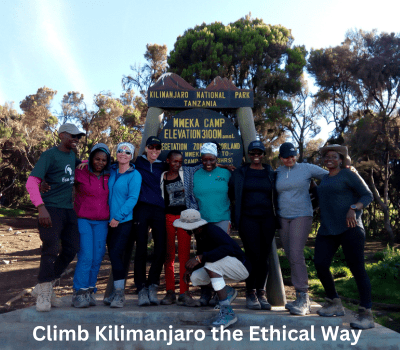
- Machame Camp.
- Shira Plateau.
- Lava Tower.
- Barranco Camp.
- Barranco Wall.
- Karanga Camp.
- Barafu Camp.
- Stella Point.
- Uhuru Peak.
For a women-only group, the seven-day itinerary also gives participants time to get to know one another while gradually progressing toward the summit.
Reason 1: More Time for Acclimatization
Altitude is one of the biggest challenges on Mount Kilimanjaro.
Uhuru Peak stands at 5,895 metres above sea level, and climbers need time to adjust as oxygen levels decrease.
The seven-day Machame itinerary provides more acclimatization time than shorter Machame programs.
One of the most important days involves trekking toward Lava Tower at higher altitude before descending to sleep at Barranco Camp.
This follows the familiar high-altitude principle of climbing high and sleeping lower.
No route can guarantee that a climber will avoid altitude sickness, but allowing adequate time for acclimatization is an important part of responsible trip planning.
Reason 2: The Route Offers Excellent Scenery
One of the strengths of the Machame Route is the variety of landscapes experienced during the climb.
The trek begins in lush rainforest before climbing into moorland and then higher into a much drier alpine environment.
As the group gains elevation, views can open toward Mount Meru, the Shira Plateau, Kibo, glaciers, and the surrounding plains.
For travelers coming to Tanzania for a once-in-a-lifetime trip, this variety adds significantly to the overall mountain experience.
Reason 3: It Is Suitable for Prepared First-Time Climbers
The standard Machame Route is a trekking route rather than a technical mountaineering route.
You do not normally need previous rock-climbing or ice-climbing experience.
That makes the route accessible to women who have good fitness and hiking preparation but have never climbed a major mountain before.
However, Kilimanjaro should not be underestimated.
Altitude, cold, long trekking days, and summit night make the climb physically and mentally demanding even without technical climbing.
Reason 4: The Barranco Wall Adds Adventure
The Barranco Wall is one of the most famous parts of the Machame Route.
It looks dramatic in photographs, but it is not normally considered technical rock climbing.
Climbers move carefully through the steep section, using their hands for balance in some places while guides assist the group.
For many climbers, completing the Barranco Wall becomes one of the most memorable achievements before summit night.
Reason 5: It Works Well for a Small Group
WomenClimbKili scheduled departures are limited to a maximum of 12 women.
The Machame Route allows the group to share meals, camps, trekking days, and acclimatization experiences while moving toward the summit together.
Many women join the trip as solo travelers, so having several days together before summit night gives the group time to build friendships naturally.
What Is the 7-Day Machame Route Itinerary?
Our WomenClimbKili Machame itinerary follows a seven-day trekking schedule.
Day 1: Machame Gate to Machame Camp
The climb begins through Kilimanjaro’s rainforest zone after completing park registration at Machame Gate.
Day 2: Machame Camp to Shira Cave
The trail climbs out of the rainforest toward the Shira Plateau as vegetation and scenery begin to change.
Day 3: Shira Cave to Barranco Camp via Lava Tower
This is an important acclimatization day. Climbers ascend toward Lava Tower before descending to Barranco Camp for the night.
Day 4: Barranco Camp to Karanga Camp
The group tackles the Barranco Wall before continuing through the high-altitude landscape toward Karanga Camp.
Day 5: Karanga Camp to Barafu Camp
The group reaches Barafu Camp, where climbers rest and prepare clothing, equipment, food, and water for the summit attempt.
Day 6: Barafu Camp to Uhuru Peak and Descend
The summit attempt usually begins around midnight. Climbers ascend toward Stella Point before continuing to Uhuru Peak at 5,895 metres.
After reaching the highest point possible for each individual, the group descends toward lower elevation for rest.
Day 7: Final Descent to Mweka Gate
The final day involves descending through the rainforest before completing park formalities and returning to Moshi.
You can see our detailed mountain package on the
Women-Only Machame Route Kilimanjaro Package
.
Machame Route vs Lemosho Route for Women
Both Machame and Lemosho are popular Kilimanjaro routes and can provide excellent experiences when used with appropriate itineraries.
Lemosho generally approaches the mountain from the western side and is often chosen for longer itineraries.
Machame approaches from the south and joins parts of the same southern circuit used by Lemosho.
For our WomenClimbKili scheduled program, Machame works well because it allows us to offer a consistent 7-day mountain itinerary as part of a clearly structured group package.
Machame Route vs Marangu Route for Women
Marangu is different because climbers sleep in mountain huts rather than tents.
This can appeal to travelers who prefer hut accommodation.
Machame, however, offers a camping experience and follows a different ascent and descent pattern.
Many trekkers also prefer Machame for its scenery and varied landscapes.
The better choice depends on your priorities rather than gender alone.
Machame Route vs Rongai Route for Women
Rongai approaches Kilimanjaro from the northern side near the Kenyan border.
It is often considered quieter than some southern routes and offers a different landscape.
Machame generally provides a more varied southern circuit experience and includes famous features such as the Barranco Wall.
For scheduled WomenClimbKili groups, we use Machame so that all participants follow the same established group itinerary.
Is Machame Suitable for Solo Female Travelers?
Yes.
A solo female traveler can join a scheduled WomenClimbKili departure without needing to organize her own private group.
Participants meet in Moshi before the trek, attend the pre-climb briefing together, complete a gear inspection, and then begin the route as one group.
This gives solo travelers independence during their journey to Tanzania while still providing a social mountain experience.
How Fit Should You Be for the Machame Route?
You do not need to be an elite athlete to climb the Machame Route.
However, you should prepare for several consecutive days of hiking at increasing altitude.
Useful training includes:
- Regular outdoor hiking.
- Long walks.
- Hill training.
- Stair climbing.
- Cardiovascular exercise.
- Leg strengthening.
- Core training.
- Consecutive-day hikes.
Walking with your intended hiking boots and daypack during training can also help prepare your feet and shoulders for the trek.
Does Being Very Fit Protect You From Altitude Sickness?
No.
Physical fitness helps you cope with the hiking demands of Kilimanjaro, but it does not guarantee protection from altitude sickness.
Very fit climbers still need to walk slowly, hydrate, eat, rest, and allow their bodies time to acclimatize.
This is one reason our guides emphasize the Swahili phrase “pole pole” — slowly, slowly.
What Safety Support Is Available on the Route?
Our mountain teams carry emergency oxygen, a first-aid kit, and a pulse oximeter for daily health monitoring.
Guides monitor climbers during the trek and pay attention to signs of altitude-related illness.
If continuing upward becomes unsafe, descent may be necessary.
Every participant should also have suitable travel insurance that covers high-altitude trekking and emergency evacuation.
What Accommodation Is Used on the Machame Route?
Machame is a camping route.
Our climbing setup includes:
- Two-person sleeping tents.
- Foam sleeping mattresses.
- A dining tent.
- A private toilet tent.
Porters transport the main expedition equipment between camps while climbers carry their personal daypacks.
What Should Women Pack for the Machame Route?
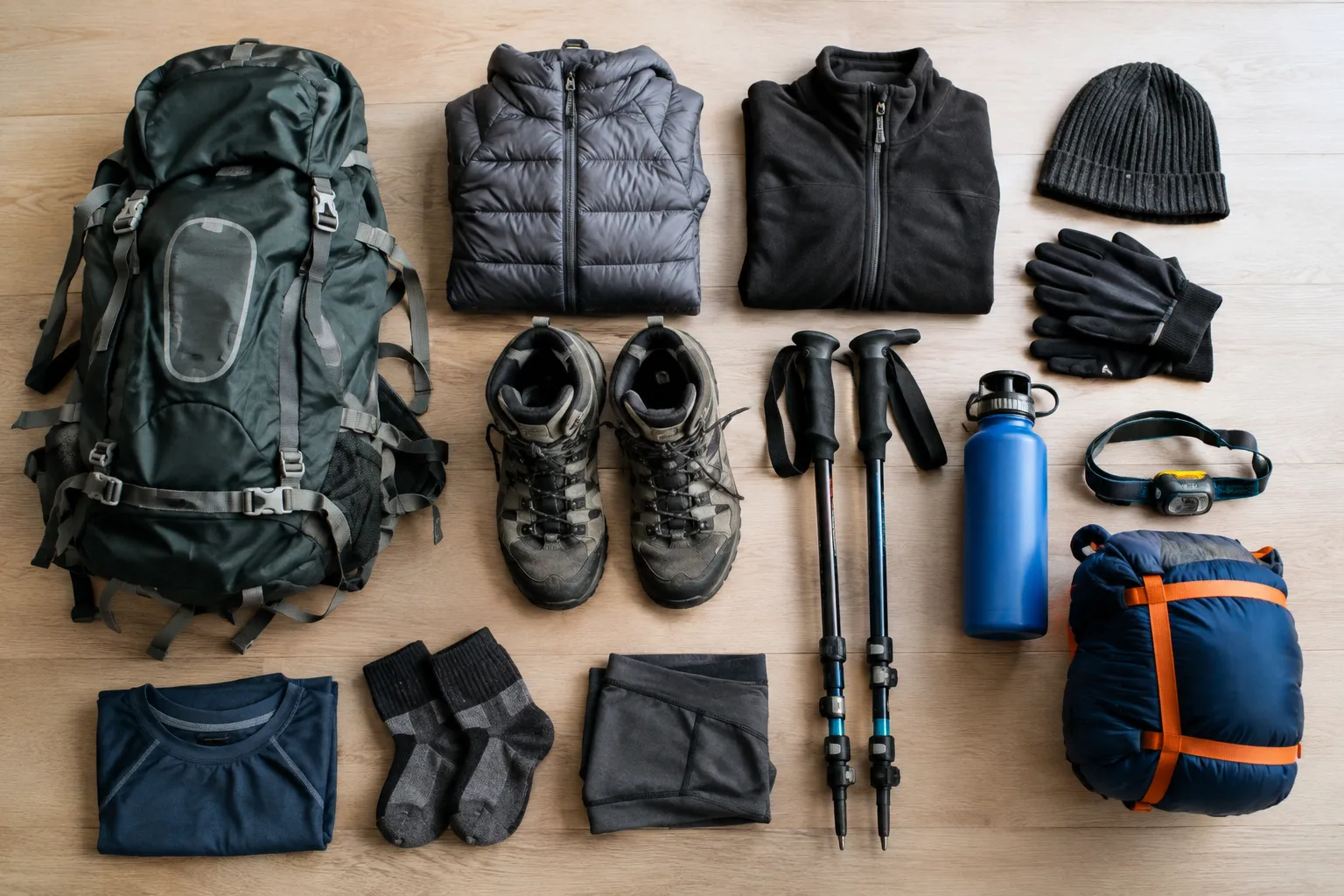
The Machame Route passes through very different temperatures and weather conditions, so layering is important.
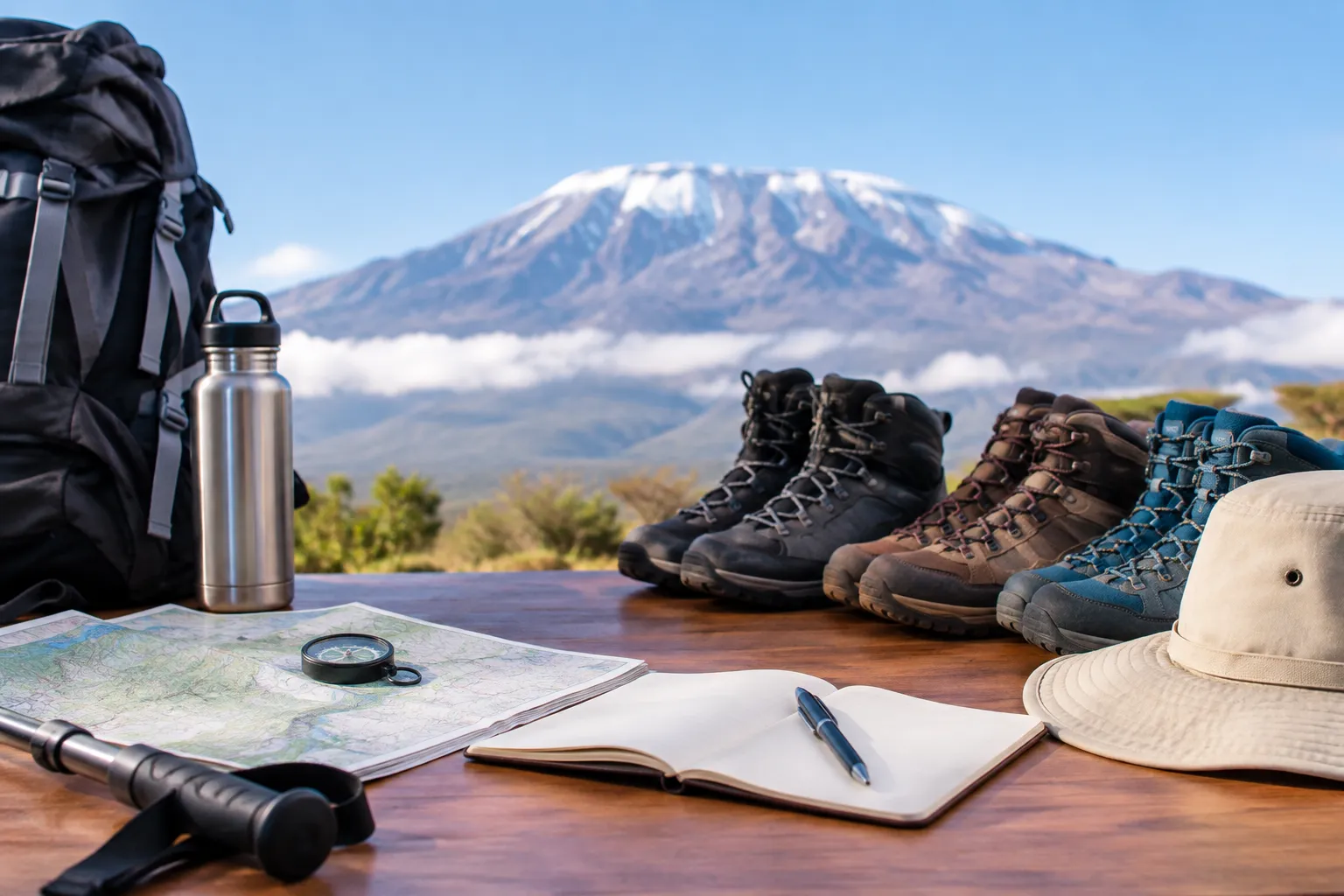
Your clothing and equipment should generally include:
- Hiking boots.
- Hiking socks.
- Moisture-wicking base layers.
- Warm mid-layers.
- Insulated jacket.
- Waterproof jacket.
- Waterproof trousers.
- Warm gloves.
- Warm hat.
- Sun hat.
- Headlamp.
- Trekking poles.
- Suitable sleeping bag.
- Personal hygiene items.
- Sun protection.
What About Toilets and Hygiene?
Our WomenClimbKili mountain setup includes a private toilet tent for the group.
Climbers should also carry personal hygiene supplies such as hand sanitizer, wet wipes, toilet paper, and sealable bags for personal waste.
Women who may have their period during the climb should bring enough menstrual products for the full expedition plus additional supplies.
How Much Does the Women-Only Machame Package Cost?
The climb-only package costs US $2,950 per lady.
The complete trip lasts 11 days and includes:
- 2 hotel nights before Kilimanjaro.
- 7 days on the Machame Route.
- 2 hotel nights after Kilimanjaro.
The climb-only package can be reserved with a US $300 deposit per lady.
Can You Add a Safari After the Machame Route?
Yes.
Women can extend the trip with a 4-day Tanzania safari to:
- Serengeti National Park.
- Ngorongoro Crater.
- Tarangire National Park.
The safari extension costs US $2,400 per lady.
The full Kilimanjaro climb and safari package costs US $5,350 per lady.
When Are the Women-Only Machame Groups?
WomenClimbKili offers scheduled women-only departures during selected periods including:
- March – International Women’s Day.
- July.
- August.
- September.
- December – New Year climb.
View the latest
WomenClimbKili departure dates
.
International Women’s Day on the Machame Route
Our March departure gives women the opportunity to experience Kilimanjaro around International Women’s Day.
It combines a scheduled women-only Machame climb with the social experience of meeting female travelers from different countries.
Learn more about our
International Women’s Day Kilimanjaro Climb
.
Frequently Asked Questions
What is the best Kilimanjaro route for women?
There is no single route that is best for every woman. For our scheduled WomenClimbKili trips, we use the 7-day Machame Route because it combines good scenery, a well-established itinerary, and additional acclimatization time compared with shorter Machame programs.
Is the Machame Route good for beginners?
It can be suitable for physically prepared first-time climbers because technical mountaineering experience is not normally required.
Is the Barranco Wall dangerous?
The Barranco Wall is steep and requires care, but it is generally a scrambling section rather than technical climbing. Guides assist the group throughout the section.
How many days should I spend on the Machame Route?
Our scheduled women-only groups use seven days because the itinerary provides more acclimatization time than shorter Machame options.
Can I join the Machame group alone?
Yes. Solo female travelers can reserve an individual place in a scheduled WomenClimbKili departure.
What is the maximum group size?
Each scheduled departure is limited to a maximum of 12 women.
Can I add safari after the climb?
Yes. A 4-day safari to Serengeti, Ngorongoro Crater, and Tarangire can be added after Kilimanjaro.
Is the 7-Day Machame Route Right for You?
If you want a scenic Kilimanjaro route, prefer a seven-day trekking schedule, and would like to join a small women-only group, the Machame Route can be an excellent choice.
You can join as a solo traveler or with friends, meet your group in Moshi, and share the journey through rainforest, Shira Plateau, Lava Tower, Barranco Wall, Barafu Camp, and ultimately toward Uhuru Peak.
Explore the full
Women-Only Machame Route Kilimanjaro Package
or see our
upcoming WomenClimbKili departure dates
.
Share:
Social Media
Most Popular
Celebrate Women’s Day on Kilimanjaro | A Meaningful Adventure
Best Time for Women to Climb Kilimanjaro | Month-by-Month Guide
How Fit Do Women Need to Be for Kilimanjaro?
Kilimanjaro Packing List for Women | Complete Gear Guide
Book Your Sustainable Tour
Related Posts
Best Time for Women to Climb Kilimanjaro | Month-by-Month Guide
Best Time for Women to Climb Kilimanjaro: Month-by-Month Guide Choosing the best time for women to climb Kilimanjaro depends on weather, travel dates, crowd levels,
How Fit Do Women Need to Be for Kilimanjaro?
How Fit Do Women Need to Be for Kilimanjaro? One of the most common questions from first-time female climbers is: how fit do women need
Kilimanjaro Packing List for Women | Complete Gear Guide
Kilimanjaro Packing List for Women: Complete Gear Guide A good Kilimanjaro packing list for women can make a major difference to your comfort on the