How Fit Do Women Need to Be for Kilimanjaro?
One of the most common questions from first-time female climbers is: how fit do women need to be for Kilimanjaro?
You do not need to be a professional athlete, marathon runner, or experienced mountaineer to climb Mount Kilimanjaro. However, you should have enough cardiovascular fitness, leg strength, endurance, and mental resilience to hike for several hours on consecutive days while gradually gaining altitude.
For WomenClimbKili, our scheduled women-only groups use the 7-day Machame Route, giving climbers more time to acclimatize than shorter Machame itineraries. Good preparation can make the experience much more comfortable and enjoyable.
Do You Need to Be an Athlete to Climb Kilimanjaro?
No.
Many people who successfully climb Kilimanjaro are ordinary travelers with regular jobs who train specifically for the mountain before their trip.
You do not need elite speed or extraordinary strength.
What matters more is being able to:
- Walk for several hours at a steady pace.
- Handle uphill and downhill terrain.
- Repeat long hiking days several days in a row.
- Carry a daypack comfortably.
- Stay mentally positive when tired.
- Continue moving slowly at higher altitude.
What Makes Kilimanjaro Physically Difficult?
Kilimanjaro is challenging for several reasons.
The main factors include:
- Several consecutive days of hiking.
- Increasing altitude.
- Cold temperatures.
- Uneven terrain.
- Long descents.
- Reduced sleep during summit night.
- The final ascent toward 5,895 metres.
You may feel strong at lower elevations and then become much more tired as altitude increases.
This is normal because your body is working with less available oxygen.
Altitude Is More Important Than Speed
Many very fit people assume that being fast will help them on Kilimanjaro.
In reality, walking too quickly can be counterproductive.
Your body needs time to adjust to altitude, which is why Kilimanjaro guides commonly use the Swahili phrase “pole pole,” meaning slowly, slowly.
Good cardiovascular fitness helps with the physical effort, but fitness does not make anyone immune to altitude sickness.
Can a Beginner Woman Climb Kilimanjaro?
Yes, a physically prepared beginner can climb Kilimanjaro.
The standard Machame Route does not normally require technical mountaineering skills such as rope work or ice climbing.
However, being a beginner does not mean you should arrive without training.
If you have never done multi-day hiking before, your preparation should gradually introduce your body to longer walks, hills, stairs, and consecutive days of activity.
How Long Should Women Train for Kilimanjaro?
The ideal training period depends on your current fitness level.
Many women benefit from beginning focused preparation around 8 to 12 weeks before the climb, while someone starting from a lower fitness level may prefer to begin earlier.
Starting several months in advance allows you to build endurance gradually instead of trying to become fit in the final few weeks.
What Type of Training Is Best for Kilimanjaro?
The most useful training is the type that resembles what you will actually do on the mountain.
That means walking and hiking should be a major part of your preparation.
A good training program can combine:
- Outdoor hiking.
- Long-distance walking.
- Hill training.
- Stair climbing.
- Cardiovascular exercise.
- Leg strength training.
- Core strength training.
- Back-to-back hiking days.
Hiking Is the Most Important Preparation
Whenever possible, spend time hiking outdoors.
Hiking trains more than cardiovascular fitness.
It helps prepare:
- Your feet.
- Your ankles.
- Your knees.
- Your hips.
- Your back.
- Your balance.
- Your ability to spend hours moving outdoors.
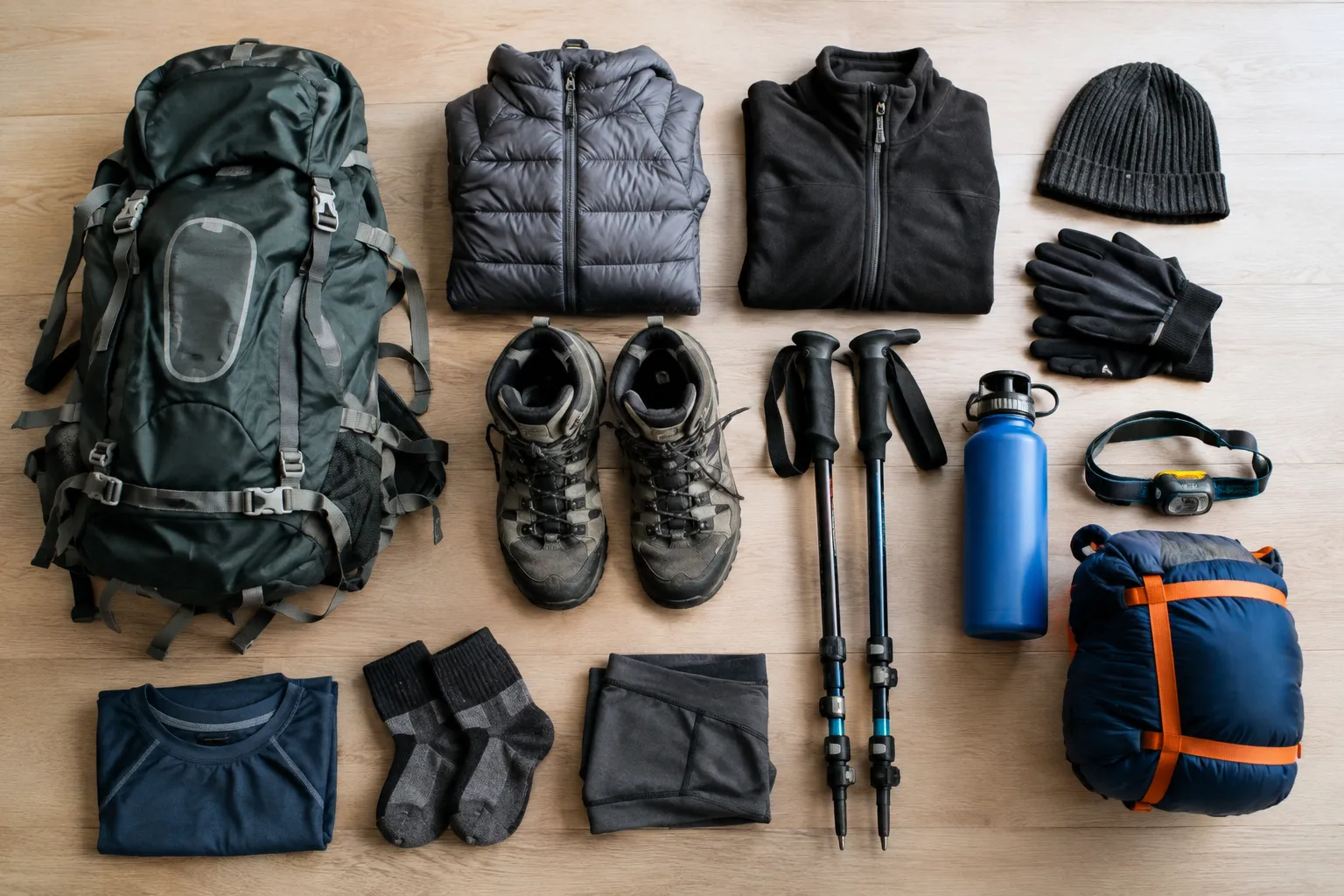
It also gives you an opportunity to test your boots, socks, clothing, trekking poles, and daypack before traveling to Tanzania.
Train on Hills Whenever Possible
Flat walking is useful, but Kilimanjaro includes a lot of ascent and descent.
If you have access to hills, include uphill and downhill walking in your training.
If you live in a flat area, alternatives include:
- Staircases.
- Stair machines.
- Treadmills with incline.
- Repeated hill circuits.
- Building stairs.
Cardiovascular Training
Cardiovascular fitness helps your body work efficiently during long periods of activity.
Activities can include:
- Walking.
- Jogging.
- Cycling.
- Swimming.
- Stair climbing.
- Elliptical training.
You do not need to become a fast runner. Endurance is generally more useful than maximum speed.
Strength Training for Female Kilimanjaro Climbers
Strength training can help prepare your legs for both climbing and descending.
Useful exercises may include:
- Squats.
- Lunges.
- Step-ups.
- Calf raises.
- Glute bridges.
- Deadlift variations.
- Core exercises.
You do not need bodybuilding-level strength.
The goal is muscular endurance, stability, and injury prevention.
Why Core Strength Matters
A stronger core can help with balance and posture while walking on uneven terrain.
It can also make carrying your daypack more comfortable during long trekking days.
Core exercises such as planks, side planks, bird dogs, and controlled rotational movements can be useful additions to your training routine.
Train With Your Daypack
Porters carry your main expedition duffel, but you will carry your own daypack during the trek.
Your daypack may contain:
- Water.
- Rain gear.
- Warm layers.
- Snacks.
- Sun protection.
- Personal medication.
- Camera or phone.
- Personal hygiene items.
Train with the same daypack you plan to bring so your shoulders and back become accustomed to it.
Train in Your Kilimanjaro Boots
Your hiking boots should be fully tested before the trip.
Wear them during longer training hikes so you know:
- Whether they cause blisters.
- Whether your toes hit the front during descents.
- Whether your socks work well with them.
- Whether they provide enough support.
Do not save your boots for Kilimanjaro.
Practice Back-to-Back Hiking Days
One long hike is useful, but Kilimanjaro requires repeated effort.
As your trip gets closer, consider doing longer walks or hikes on consecutive days.
For example, you might complete a substantial hike on Saturday and another on Sunday.
This helps your body learn how to continue performing when your legs are already tired from the previous day.
How Many Hours Should You Be Able to Walk?
There is no single number that guarantees you are ready for Kilimanjaro.
However, before your trip, you should ideally feel comfortable completing several hours of steady walking without being completely exhausted afterward.
Longer training hikes are particularly useful because they prepare you mentally as well as physically.
Summit Night Requires Extra Endurance
Summit night is normally the hardest part of the trip.
You begin at night and climb slowly toward Stella Point and Uhuru Peak.
The combination of:
- Cold temperatures.
- Darkness.
- High altitude.
- Reduced sleep.
- Several previous trekking days.
makes the final ascent much more demanding than a normal hike at home.
Good endurance training helps you cope with this accumulated fatigue.
Mental Fitness Matters Too
Kilimanjaro is not only a physical challenge.
There may be moments when you feel cold, tired, uncomfortable, or uncertain about continuing.
Mental resilience helps you stay focused on the next step rather than thinking about the entire mountain at once.
Training in imperfect weather and completing difficult hiking days can help build confidence before the trip.
Does Age Determine Whether a Woman Can Climb Kilimanjaro?
Age alone does not determine whether someone can climb Kilimanjaro.
Women in different age groups successfully climb the mountain.
Fitness, health, preparation, acclimatization, and individual medical circumstances are more important than simply looking at a number.
Anyone with health concerns should discuss high-altitude trekking with an appropriate healthcare professional before booking.
Can Women Over 40 Climb Kilimanjaro?
Yes.
Women over 40 can successfully climb Kilimanjaro when they are physically prepared and medically suitable for high-altitude trekking.
The same basic principles apply: train consistently, choose a sensible itinerary, walk slowly, hydrate, eat properly, and communicate honestly with your guides.
Can Women Over 50 or 60 Climb Kilimanjaro?
Many older adults remain highly active and capable of long-distance hiking.
Women in their 50s and 60s should focus on gradual training, recovery, joint health, cardiovascular conditioning, and appropriate medical advice when needed.
There is no advantage in rushing your training simply because your departure date is approaching.
Does Body Size Matter?
There is no single ideal body type for climbing Kilimanjaro.
What matters is whether you can safely manage several days of walking, recover between trekking days, and cope with the demands of altitude.
Focus on functional fitness and health rather than comparing your body with other climbers.
How Does the 7-Day Machame Route Help?
WomenClimbKili scheduled groups use the 7-day Machame Route.
This itinerary gives more acclimatization time than shorter Machame programs.
The route also includes the journey toward Lava Tower before descending to Barranco Camp, which supports the climb-high, sleep-lower acclimatization approach.
For full route details, visit our
7-Day Women-Only Machame Route Kilimanjaro Package
.
How Fast Do You Walk on Kilimanjaro?
Usually much slower than you might expect.
The goal is not to reach camp first.
Guides deliberately encourage a controlled pace to conserve energy and support acclimatization.
Someone who is accustomed to fast hiking may initially find the pace unusually slow, but this is normal on Kilimanjaro.
Rest and Recovery Are Part of Training
Training every day without recovery is not necessarily better.
Your body needs time to adapt to exercise.
A balanced training program should include:
- Training days.
- Easier days.
- Rest days.
- Good sleep.
- Appropriate nutrition.
Building fitness gradually can also reduce the risk of arriving in Tanzania with an overuse injury.
Nutrition During Training
Your Kilimanjaro preparation should also include good everyday nutrition.
Eat enough to support your training and recovery.
During longer training hikes, test the snacks and drinks you may want to use on the mountain.
Knowing which foods sit comfortably in your stomach can be useful when you reach altitude.
Hydration During Training
Use your training period to develop good hydration habits.
Carry water during long walks and learn how much you typically drink during several hours of activity.
On Kilimanjaro, boiled drinking water is provided for climbers.
Do You Need to Train at Altitude?
Not everyone has access to high mountains before traveling to Tanzania.
Training at altitude can be useful if it is naturally available to you, but it is not a requirement for every climber.
You can still develop excellent hiking fitness at lower elevations.
The most important altitude adaptation happens during the actual Kilimanjaro itinerary.
What About Altitude Training Masks?
An altitude training mask does not recreate the reduced atmospheric pressure experienced at high altitude.
It may make breathing feel more difficult, but it should not be treated as a substitute for proper acclimatization.
Focus on building real cardiovascular fitness and following a sensible Kilimanjaro itinerary.
Should You Lose Weight Before Kilimanjaro?
Kilimanjaro preparation should focus on health, strength, and endurance rather than aggressive weight loss.
Restrictive dieting while increasing your training load can reduce recovery and energy.
If you have personal health or weight-management concerns, discuss them with a qualified healthcare professional who understands your circumstances.
Know When to Reduce Training
You do not want to arrive in Tanzania exhausted from training.
As your departure gets very close, reducing training volume can give your body time to recover.
Your final days before travel should focus more on staying healthy, sleeping well, organizing equipment, and arriving rested.
What Safety Support Is Available on Kilimanjaro?
Our mountain teams carry:
- Emergency oxygen.
- A first-aid kit.
- A pulse oximeter for daily health checks.
Guides monitor climbers throughout the trek and pay attention to how each participant is adjusting to altitude.
Every climber should also have suitable travel insurance covering trekking at Kilimanjaro’s altitude and emergency evacuation.
Why a Women-Only Group Can Help With Confidence
Many women worry that they may be the slowest person in the group or not fit enough compared with everyone else.
Kilimanjaro is not a race.
WomenClimbKili scheduled trips are designed around a supportive small-group environment with a maximum of 12 women.
Solo female travelers are welcome, and participants arrive with different fitness backgrounds and levels of hiking experience.
How Much Does the WomenClimbKili Trip Cost?
The 11-day climb-only package costs US $2,950 per lady.
It includes two hotel nights before the climb, seven days on Kilimanjaro, and two hotel nights after the trek.
A US $300 deposit reserves the climb-only trip.
Women can also add a 4-day safari to Serengeti, Ngorongoro Crater, and Tarangire National Park.
The complete climb and safari package costs US $5,350 per lady.
When Can You Join a Women-Only Group?
WomenClimbKili operates scheduled departures during selected periods including:
- March for International Women’s Day.
- July.
- August.
- September.
- December for the New Year climb.
View our current
WomenClimbKili departure dates
.
Frequently Asked Questions
Do I need to be very fit to climb Kilimanjaro?
You need good general fitness and endurance, but you do not need to be an elite athlete.
Can a beginner woman climb Kilimanjaro?
Yes. A beginner who trains properly and is medically suitable can attempt the standard Machame Route without previous technical mountaineering experience.
How long should I train?
Many climbers benefit from at least 8 to 12 weeks of focused training, although someone starting from a lower fitness base may want more time.
What is the best exercise for Kilimanjaro?
Hiking is one of the most useful forms of training because it closely resembles the activity you will perform on the mountain.
Do I need to run?
No. Running can improve cardiovascular fitness, but it is not required. Hiking, walking, cycling, stairs, and other endurance activities can all be useful.
Does fitness prevent altitude sickness?
No. Very fit climbers can still experience altitude sickness. Acclimatization, pacing, hydration, and guide monitoring remain important.
Can women over 50 or 60 join?
Age alone does not determine suitability. Health, fitness, medical circumstances, preparation, and acclimatization are more important.
You Do Not Need to Be Superhuman to Climb Kilimanjaro
Kilimanjaro requires preparation, but you do not need to be an elite athlete to take part.
Build your endurance gradually, hike regularly, strengthen your legs and core, test your equipment, and become comfortable walking for several hours at a steady pace.
Then, when you arrive in Tanzania, focus on walking slowly, listening to your guides, eating, drinking, resting, and taking the mountain one day at a time.
Explore our
upcoming WomenClimbKili departures
or view the full
7-Day Women-Only Machame Route Package
.
Share:
Social Media
Most Popular
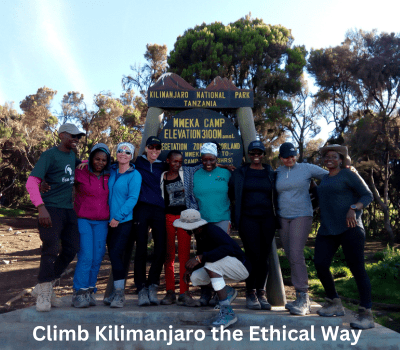
Celebrate Women’s Day on Kilimanjaro | A Meaningful Adventure
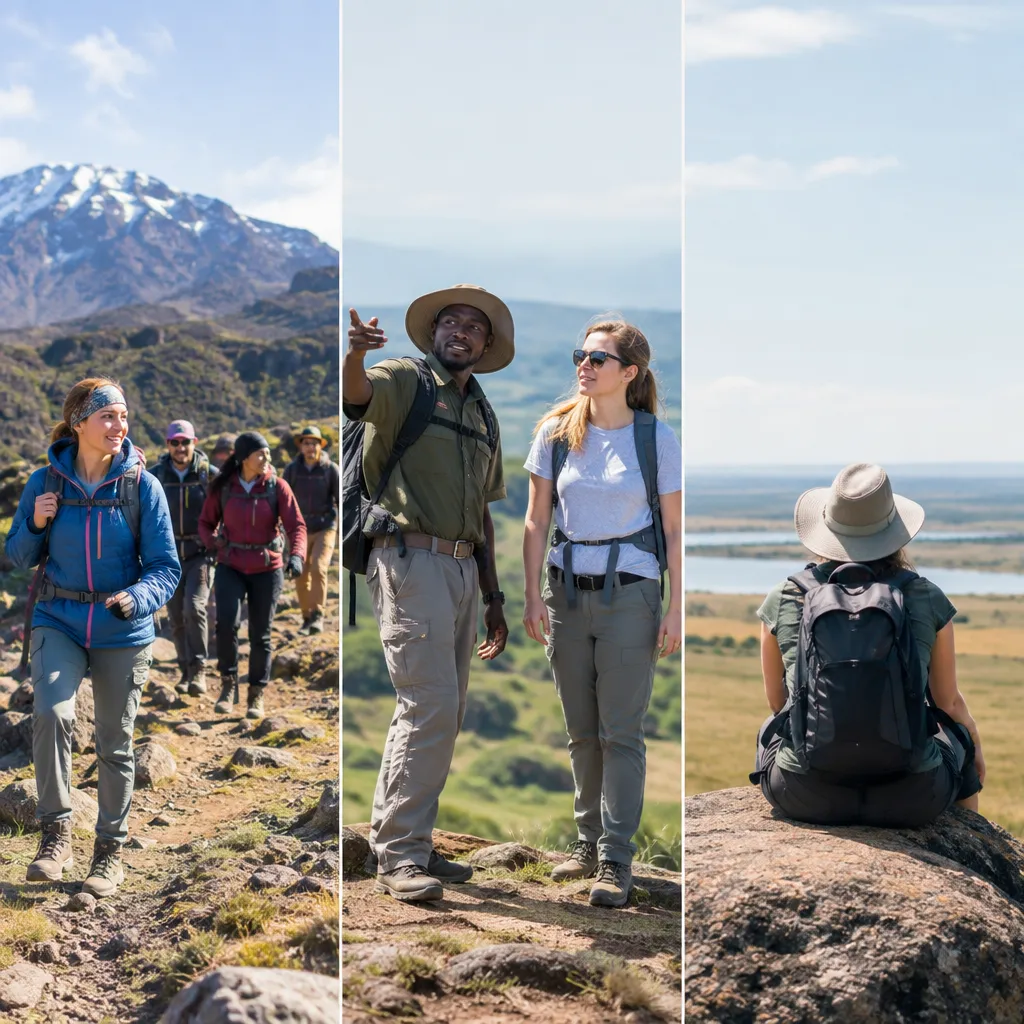
Best Time for Women to Climb Kilimanjaro | Month-by-Month Guide
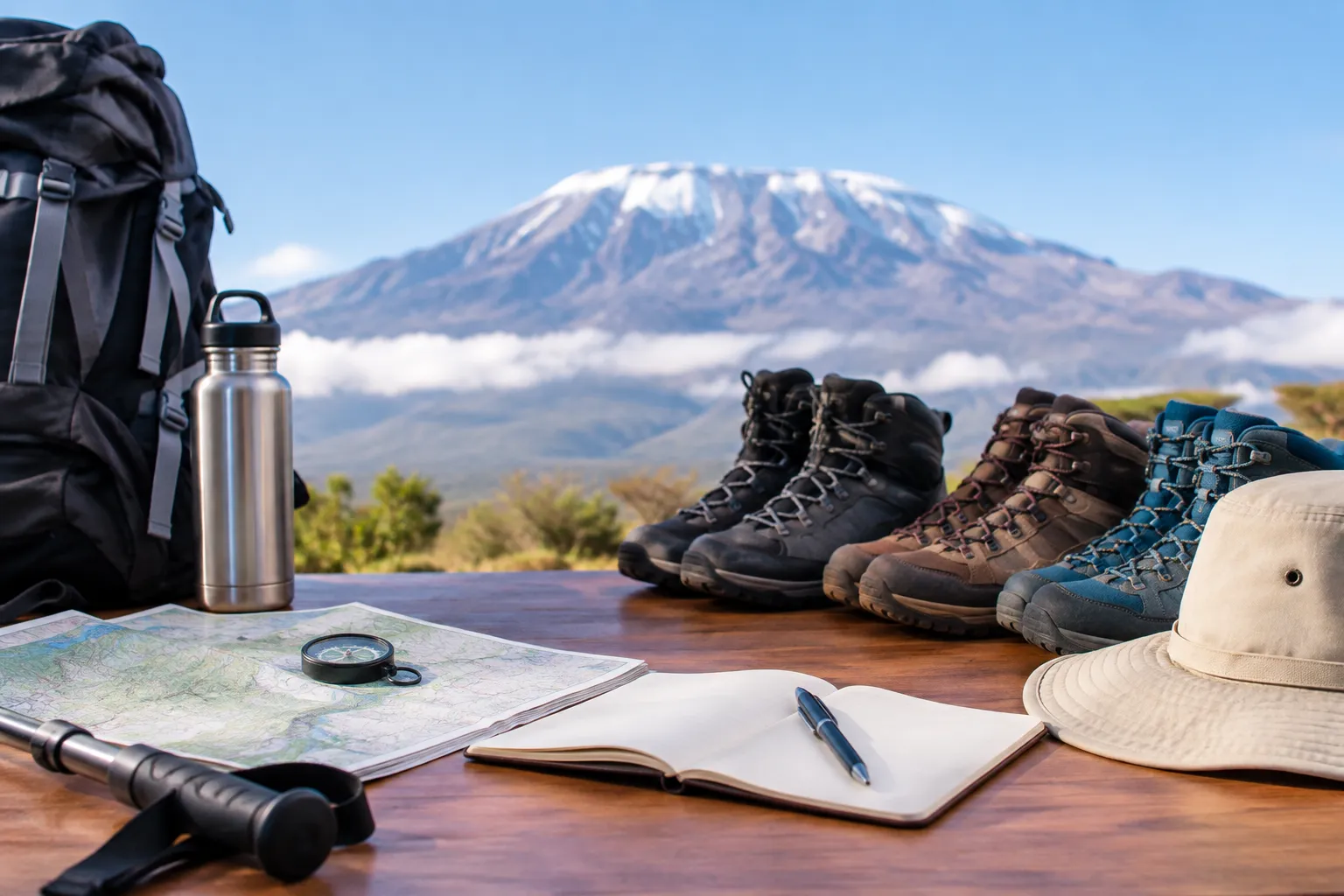
How Fit Do Women Need to Be for Kilimanjaro?
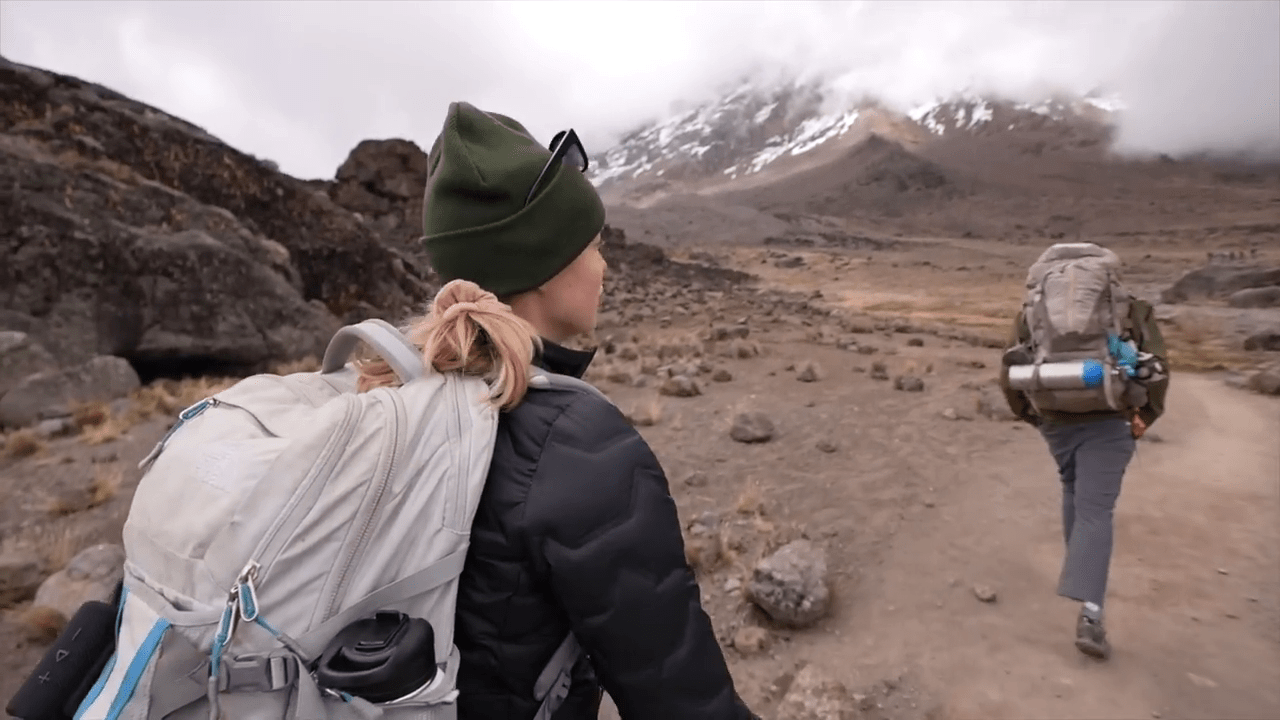
Kilimanjaro Packing List for Women | Complete Gear Guide
Book Your Sustainable Tour
Related Posts
Best Time for Women to Climb Kilimanjaro | Month-by-Month Guide
Best Time for Women to Climb Kilimanjaro: Month-by-Month Guide Choosing the best time for women to climb Kilimanjaro depends on weather, travel dates, crowd levels,
How Fit Do Women Need to Be for Kilimanjaro?
How Fit Do Women Need to Be for Kilimanjaro? One of the most common questions from first-time female climbers is: how fit do women need
Kilimanjaro Packing List for Women | Complete Gear Guide
Kilimanjaro Packing List for Women: Complete Gear Guide A good Kilimanjaro packing list for women can make a major difference to your comfort on the