
 14 Oct 2026
 9 min read
A well-planned Kilimanjaro climb and safari itinerary gives the climb priority, allows time to recover, and fits wildlife viewing around your available days. The practical details matter too: route length, arrival sleep, transfers, baggage, and the costs that sit outside a headline tour price. Here is how to put those pieces together without rushing the mountain or treating the safari as an afterthought.
Choose a climb route that leaves room for the safari
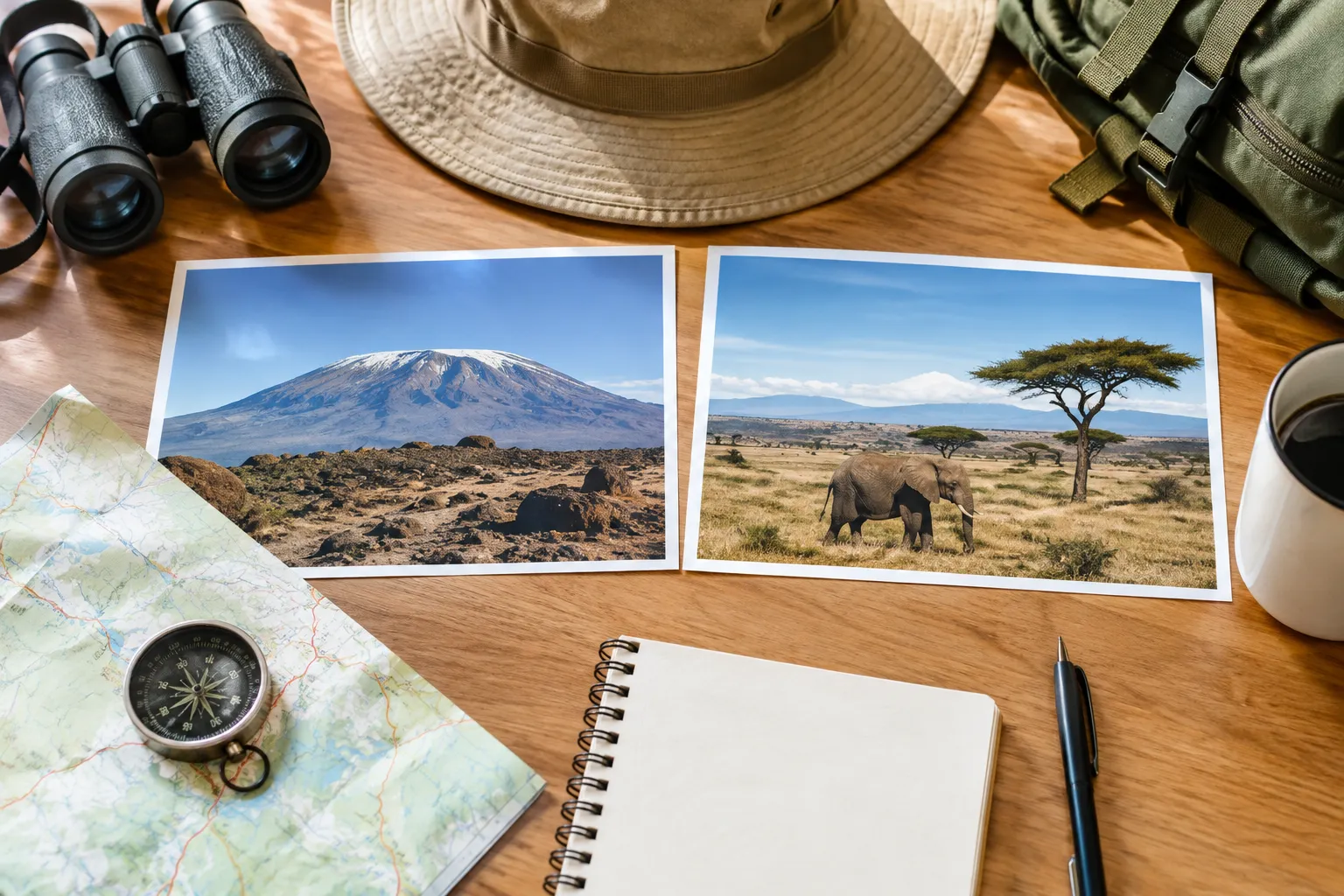
Start with the total time you can take away, then decide how much of it belongs on the mountain and how much on safari. Route length affects both the days available for acclimatization and the remaining space for Tanzania safari tours.
| Route choice | Often suits | Main planning tradeoff |
|---|---|---|
| Lemosho | Climbers who want a longer approach and can spare the days | More time on the mountain leaves fewer days for a short safari |
| Machame | Climbers seeking a popular, varied route and a moderate-length trip | A shorter itinerary can mean less time for gradual acclimatization |
| Northern Circuit | Climbers with more time who want a longer route itinerary | The extra climbing days require a larger overall leave window |
| Rongai | Climbers considering an approach from the north | The route choice may affect how transfers fit into the wider plan |
| Marangu | Climbers comparing a shorter itinerary | Fewer days on the route may leave less time for acclimatization |
Route itineraries vary by operator and schedule. Compare the number of days actually spent on the mountain, not just the route name. Also ask what the quoted itinerary includes before and after the trek.
Balance route duration with acclimatization
Adding days to a climb can allow a more gradual pace and more time for acclimatization. That does not guarantee a summit, and no route removes altitude risk. Ask how the itinerary is structured, how guides monitor climbers’ health, and what happens if someone needs to descend or change plans.
A longer route may be a better fit if you have enough leave and value a more gradual climbing schedule. A shorter route may suit a tighter calendar, but weigh that convenience against the acclimatization plan rather than choosing on duration alone. For a first climb from sea level, protect enough time for the trek and proper rest before it; do not make the safari days the reason to compress the climb.
When comparing safari trips in Tanzania alongside a climb, decide on the mountain schedule first. Then use the remaining days to choose a park combination that feels manageable.
Allow enough days for wildlife viewing
Safari length depends on which parks you want, how much time you want in each, and whether you are comfortable with longer transfer days. A brief safari can introduce you to a park; additional days can make the schedule less compressed and give you more time for wildlife viewing.
Use these as planning shapes, not fixed itineraries:
- A short add-on might focus on Tarangire or Ngorongoro rather than attempting to cover every park.
- A few safari days can combine Tarangire and Ngorongoro, with the exact order depending on transfers and accommodation.
- A longer extension can include Serengeti as well, allowing more time for travel between areas and game drives.
Private guided tours may give you more control over pacing and park choices, but the vehicle, accommodation, and transfer arrangements still need to be clear. If you are comparing broader options, see our guide to Tanzania safari tours and packages.
Schedule the climb first and build in recovery time

For most travelers, the climb should come before the safari. The trek is physically demanding, and a safari immediately before it can leave you short on sleep or dealing with travel fatigue when you need to be ready for the mountain.
Plan to arrive with time to settle in and sleep before the climb begins. Jet lag, delayed flights, and baggage connections can all affect how rested you feel. A rest night is not a substitute for training, but it is a useful part of a realistic schedule.
After the climb, leave a recovery buffer before a long transfer or a tightly timed activity. The right amount depends on your route, how you feel after descending, and the transport plan. Avoid placing a nonrefundable flight or an important international connection immediately after the trek if you can build in flexibility.
A workable sequence is:
- Arrive in Tanzania and rest before the climb.
- Complete the trek.
- Allow time to recover and handle any schedule changes.
- Begin the safari, or add another rest night before it if your body and itinerary call for one.
- Keep a buffer before your international departure.
The tradeoff is straightforward: extra nights increase the trip’s duration and cost, but a tightly packed schedule leaves less room to recover or absorb delays.
Choose a safari combination that fits your itinerary
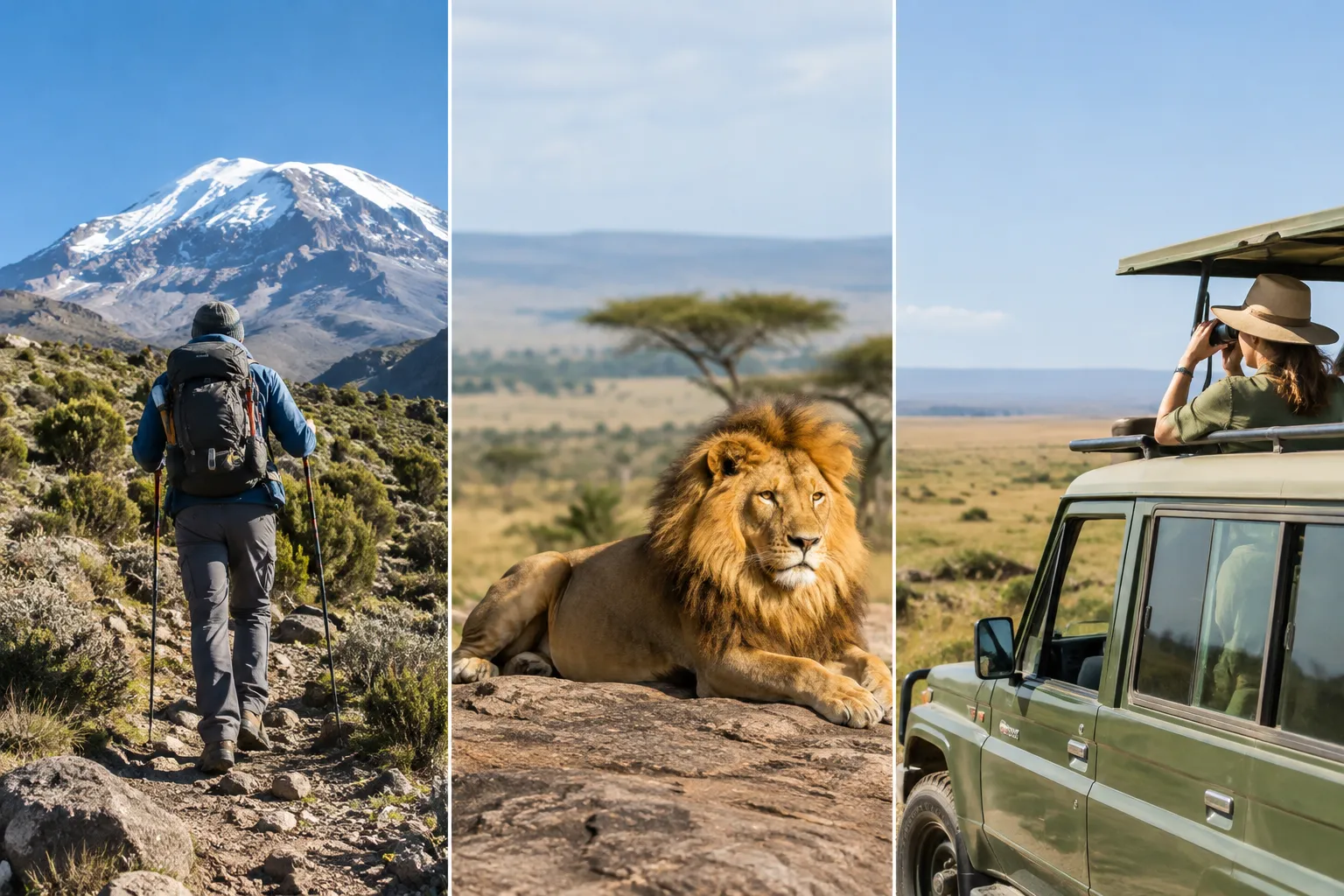
Choose parks according to your priorities and available days, rather than trying to fit every well-known destination into one trip. Tarangire, Ngorongoro, and Serengeti can be combined in different ways, but each additional stop brings travel and accommodation decisions.
- Tarangire can be a practical focus for a shorter safari plan. Ask how the drive and overnight stays fit around your climb dates.
- Ngorongoro can be included as a dedicated part of a northern Tanzania itinerary. Check how time at the crater fits with your other park plans.
- Serengeti generally calls for more planning around distance, nights, and transfers. If it is a priority, avoid squeezing it into a plan that leaves too little time to enjoy the visit.
For example, a short extension might focus on Tarangire and Ngorongoro. A traveler with more days could add Serengeti and arrange nights to reduce rushed transfers. These are planning examples, not fixed packages; the right order depends on your dates and logistics.
If you have limited time, choose fewer stops and give them room. If you have more days and Serengeti is a priority, build the extra travel into the schedule instead of assuming every park can be visited comfortably in a short window. Our overview of climb and safari packages in Northern Tanzania can help you compare how the two parts fit together.
Coordinate transfers, luggage, and accommodation
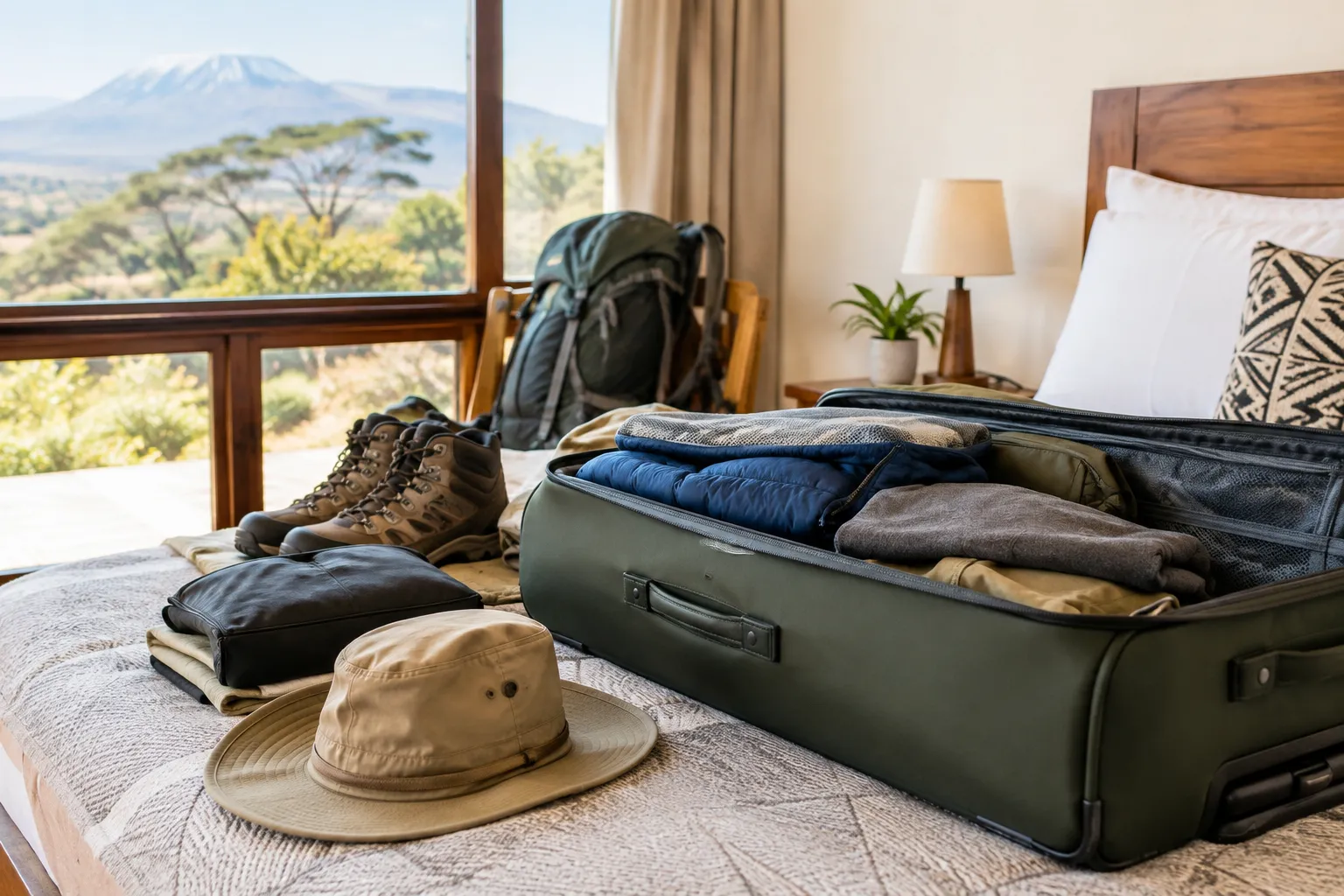
Many climb-and-safari trips use Kilimanjaro International Airport as the international arrival point, with onward ground transfers arranged around the trek and safari. Confirm which airport your flights use, where your first night is, and who is responsible for each transfer. If your plan involves a domestic flight, check its baggage rules directly before packing; limits can differ from those on your international flight.
Make a luggage plan before departure:
- Separate the gear you need on the mountain from items you will not carry on the trek.
- Ask the operator how non-trekking luggage is handled during the climb and where it will be stored.
- Confirm safari baggage limits and whether soft-sided bags are preferred or required for your transport.
- Keep medication, documents, valuables, and essentials for the first night in your carry-on.
Do not assume that bags checked through from home will reach your final destination without collection or rechecking. Review every connection on your ticket, particularly if you need to change airports or airlines.
For accommodation, prioritize practical sleep before the climb and a manageable transition after it. Confirm what nights are included in the climb arrangement, what you must book separately, and whether the post-climb plan allows time to rest before a safari transfer. Ask for the pickup locations and times in writing so you can see how the pieces connect.
Set your budget around the choices that matter
A useful budget covers the whole trip, not only the climb or safari quote. Ask for a written breakdown and check what is included, what is optional, and what you will pay separately.
| Budget area | What to clarify |
|---|---|
| Climb | Route length, park and government fees, meals, accommodation, transfers, and the services included |
| Safari | Parks visited, accommodation, transport, guide arrangements, meals, and applicable park fees |
| Flights | International airfare, domestic flights if any, baggage rules, and connection costs |
| Preparation | Gear you need to buy or rent, travel insurance, and any medical or travel preparations |
| Tips | Expected tipping guidance, who tips whom, and whether tips are included or separate |
| Buffers | Arrival and recovery nights, schedule flexibility, and costs if plans change |
Longer climbs and extra safari nights add days and associated costs. Private arrangements can offer more control over timing and park choices, while group arrangements may mean sharing the schedule with other travelers. Neither is automatically the better value: compare the actual inclusions and itinerary.
For the climb, ask directly about KPAP partnership and porter welfare. Eco Africa Climbing is a KPAP Partner Company; you can also check the current partner information and ask how the operator’s porter practices are reflected in the trip arrangements. Clarify guide qualifications and how health monitoring is handled on the route. Daily checks and professional support are important planning considerations, not guarantees of a particular outcome.
To compare offers fairly, put the same questions to each operator: route and number of climbing days, fees, transfers, accommodation, meals, guide support, porter arrangements, tips, and exclusions. Then add flights, gear, and any extra nights to estimate your full trip cost.
Kilimanjaro and Safari Itinerary FAQs
How much does a Kilimanjaro trip cost?
There is no single total: route length, group or private travel, fees, accommodation, safari choices, flights, gear, tips, and extra nights all affect the cost. Compare written inclusions and exclusions.
What are the best luxury Kilimanjaro tours?
The best fit depends on what you mean by luxury, such as accommodation, privacy, or added rest days. Compare those details alongside route duration, safety practices, porter welfare, and total cost.
Who is the best company to climb Kilimanjaro with?
The right company is one that clearly explains its route, fees, inclusions, guide standards, health monitoring, and porter treatment. Check current KPAP partnership information and ask questions before paying a deposit.
Is 60 too old to climb Kilimanjaro?
No, age 60 alone does not rule out a climb; fitness, health, preparation, and route choice matter. Discuss your plans with a medical professional and choose an itinerary that allows appropriate acclimatization.
Can I join a group climb and have a private safari afterward?
Yes, a group climb and a privately arranged safari can be combined if dates, transfers, and luggage plans line up. Confirm group departure details and the safari’s separate inclusions before booking.
What happens to the itinerary if weather delays a summit attempt?
Weather or other conditions can change summit plans, and the guide team may adjust the schedule or turn back when needed. Keep buffer time after the climb and avoid tight onward connections.
Which airport should I fly into for a Kilimanjaro climb and safari?
Kilimanjaro International Airport is a common arrival point for trips based around Kilimanjaro and Northern Tanzania. Confirm your actual flight airport, transfers, connection times, and baggage arrangements before booking.
Can I add a Zanzibar beach stay to a climb and safari trip?
Yes, a Zanzibar stay can be added, usually by planning onward transport and extra nights after the northern Tanzania portion. Check flight schedules, baggage rules, and the added time and cost.
Turn your itinerary into a bookable plan
Before settling on dates, write down your available trip length, preferred Kilimanjaro route, safari priorities, and the nights you need before and after the climb. Then check that flights, luggage arrangements, transfers, and recovery time fit around that outline.
If you are comparing Tanzania safaris and tours, use the same checklist for each itinerary: what is included, what costs extra, and how the schedule handles rest and travel. A clear plan makes it easier to see whether you want a shorter safari, more time in Serengeti, a group climb, or a private arrangement. Start with the Eco Africa Climbing trip information and use your priorities to shape the details.
Sedrick Silayo is a Web Developer and Digital Marketing Expert at Eco-Africa Climbing, with over 10 years of experience in Tanzania’s adventure travel industry. He specializes in Kilimanjaro trekking and Northern Tanzania safaris, sharing practical expertise on trip planning, mountain preparation, safety, KPAP standards, and safari experiences.