Kilimanjaro Cold Weather Preparation for Women: How to Stay Warm
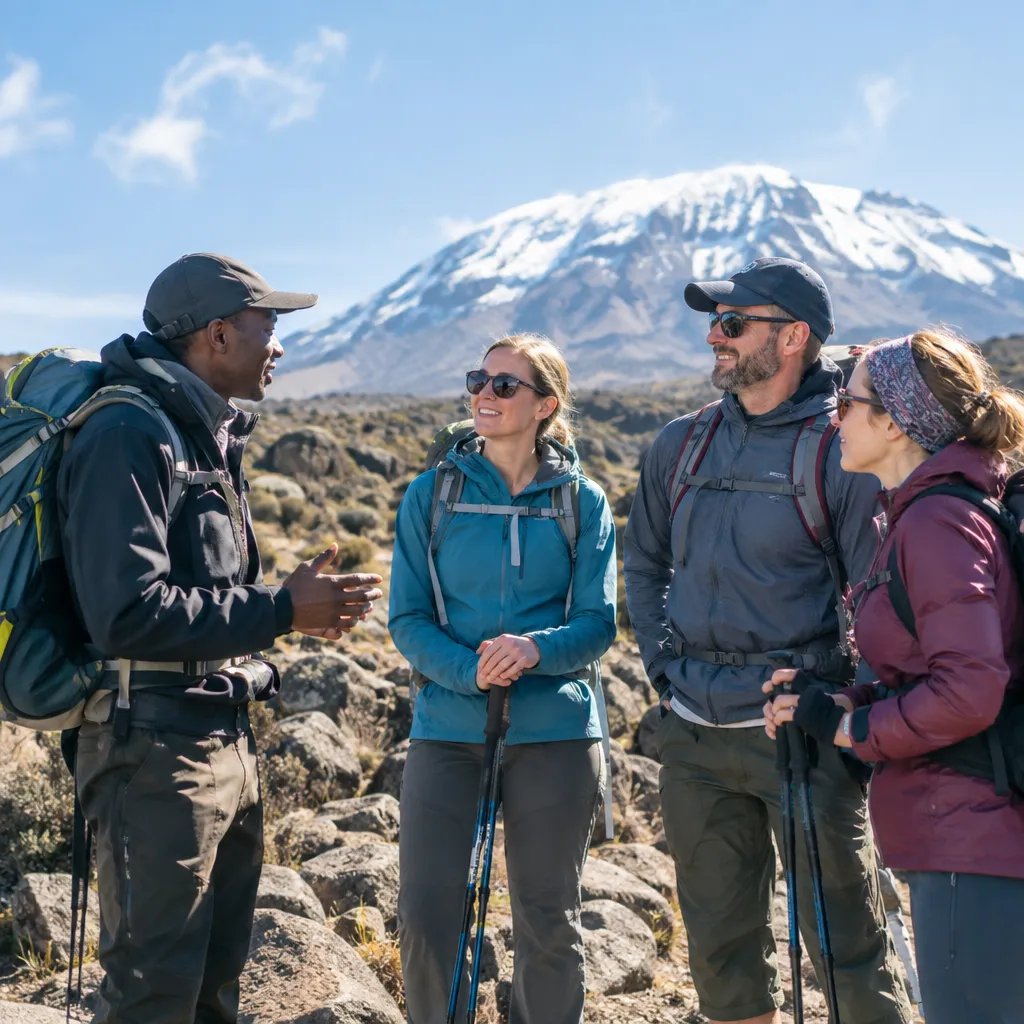
Good Kilimanjaro cold weather preparation for women is essential because temperatures change dramatically as you climb from the lower slopes toward the summit of Mount Kilimanjaro.
You may begin the trek in relatively warm conditions and eventually find yourself walking through cold, windy, high-altitude terrain where several clothing layers are necessary.
For many first-time female climbers, the biggest question is not simply, “How cold is Kilimanjaro?” but rather, “How do I dress so I stay warm without becoming too hot while hiking?”
The answer is a good layering system.
Is Kilimanjaro Really Cold?
Yes, especially at higher elevations and during the summit attempt.
However, Kilimanjaro does not have one constant temperature.
During a single expedition, you can experience:
- Warm lower-altitude conditions.
- Cool mornings and evenings.
- Rain.
- Wind.
- Cold high-altitude camps.
- Freezing conditions around summit night.
This is why one very heavy jacket is not enough by itself.
Why Layering Is the Best Strategy
A layering system allows you to adjust your clothing as temperatures and activity levels change.
You may begin the morning feeling cold, become warm while climbing uphill, cool down during a rest break, and then experience lower temperatures again at camp.
Layers let you adapt throughout the day.
The Three Main Clothing Layers
A practical mountain clothing system usually includes:
- A base layer.
- An insulating layer.
- A protective outer layer.
Additional insulation can then be added in colder conditions.
Base Layer: Your First Layer
The base layer sits close to your skin.
Its job is to help manage moisture while providing some warmth.
You may use:
- Long-sleeved thermal tops.
- Thermal leggings.
- Moisture-managing hiking layers.
Base layers become particularly important at higher camps and during summit night.
Avoid Relying on Cotton
Cotton can absorb moisture and take a long time to dry.
When temperatures fall, wet clothing can make you feel much colder.
For mountain conditions, technical or insulating materials are generally more practical.
Mid-Layers Provide Insulation
Your mid-layer helps trap warmth.
Depending on conditions, this may include:
- A fleece.
- A warm technical jacket.
- Another insulating layer.
The advantage of using several layers is that you can remove one if you become too warm.
Why an Insulated Jacket Matters
A warm insulated jacket becomes increasingly important at higher elevations.
It is especially useful:
- At camp.
- During cold rest periods.
- At higher elevations.
- During summit preparation.
The Outer Layer Protects You From Weather
Your outer layer is designed to protect you from wind and precipitation.
You should have:
- A waterproof outer jacket.
- Waterproof trousers.
Wind protection becomes particularly important because wind can make cold conditions feel much harsher.
Cold and Wet Is Worse Than Cold Alone
One of the most important goals on Kilimanjaro is keeping key clothing as dry as possible.
Wet clothing loses comfort and can make it much harder to stay warm at higher elevations.
Protect Your Gear From Rain
Important clothing and sleeping equipment should be protected inside your luggage.
Useful methods include:
- Dry bags.
- Water-resistant packing bags.
- Internal waterproof liners.
Your sleeping bag and nighttime clothing are especially important to keep dry.
How Should Women Dress During Lower Hiking Days?
Lower elevations can feel much warmer than the summit zone.
You may begin in lighter hiking clothing and carry additional layers in your daypack.
The key is being able to add clothing quickly if the weather changes.
Do Not Wear Every Layer From the Start
If you put on all your warm clothing while hiking at lower elevations, you may sweat heavily.
That moisture can later make you colder.
Dress according to the conditions and add or remove layers as needed.
What Should Be in Your Daypack?
Even when the morning looks warm, your daypack should contain layers for changing conditions.
Useful items include:
- Waterproof jacket.
- Warm layer.
- Gloves.
- Warm hat.
- Rain protection.
Cold Hands on Kilimanjaro
Hands can become uncomfortable quickly in cold and windy conditions.
Good gloves are particularly important during summit night.
Your gloves should keep you warm while still allowing you to manage trekking poles, clothing zippers, and other equipment.
Consider a Layered Glove System
Some climbers prefer to use more than one hand layer.
For example, a thinner inner glove can be combined with a warmer outer glove when temperatures become colder.
Whatever system you choose, test it before Tanzania.
Protect Your Head
A warm hat should be part of your cold-weather equipment.
It becomes especially important at higher camps and during the summit attempt.
What About Your Face and Neck?
Wind and cold can make exposed skin uncomfortable.
A neck gaiter, buff, or similar protection can help protect your neck and face depending on conditions.
Cold Feet Can Ruin Summit Night
Your feet need both warmth and enough space inside your boots.
If socks are too bulky and make your boots extremely tight, circulation and comfort can suffer.
Test your summit sock system before the trip.
Bring Suitable Hiking Socks
Your sock system should work with your hiking boots and keep your feet comfortable during long walking days.
Bring enough pairs so you are not forced to wear wet socks unnecessarily.
Always Keep Dry Socks for Sleeping
A clean, dry pair of socks can make mountain nights much more comfortable.
Try to keep nighttime socks separate from those used for hiking.
Your Hiking Boots Should Be Tested in Advance
Cold summit conditions are not the time to discover that your boots are too tight when worn with warmer socks.
Train in your intended boot and sock combination before traveling.
What About Legs?
At higher elevations and during summit night, women may use multiple clothing layers on the legs.
A practical combination may include:
- Thermal base layers.
- Hiking trousers.
- Additional insulation where needed.
- Windproof or waterproof outer trousers.
Make Sure Your Layers Allow Movement
Warm clothing should not prevent you from walking comfortably.
Try your full cold-weather system before your trip and make sure you can:
- Walk normally.
- Bend your knees.
- Use the toilet.
- Adjust layers easily.
Women’s Toilet Needs and Cold-Weather Clothing
Summit clothing can involve several layers, so bathroom breaks require some planning.
Choose clothing combinations that keep you warm but remain practical enough to manage when you need the toilet.
Periods and Cold Weather
If you are menstruating during the trek, keep menstrual supplies somewhere accessible.
Cold conditions and multiple layers can make changing products less convenient, so organization matters.
Sleeping Warm on Kilimanjaro
Cold-weather preparation continues after the hiking day ends.
WomenClimbKili provides a foam sleeping mattress, but you also need a suitable sleeping bag for cold mountain conditions.
Why Your Sleeping Bag Is Important
Your sleeping bag traps body heat and helps you recover overnight.
Higher camps can become cold, so choose a sleeping bag designed for the conditions you expect on Kilimanjaro.
Sleep in Dry Clothing
Whenever possible, keep dedicated dry clothing for sleeping.
Changing out of damp hiking clothes can improve warmth and comfort significantly.
Do Not Put Wet Clothing Inside Your Sleeping Bag
Your sleeping system should remain as dry as possible.
Store wet clothing separately and follow the camp routine for drying equipment where possible.
What If You Feel Cold Inside the Tent?
Add appropriate dry layers before you become extremely cold.
Make sure your sleeping bag is properly closed and that you are insulated from the ground.
If you have an unusual problem staying warm, tell the guide team.
Do Women Feel Colder Than Men?
Cold tolerance varies significantly between individuals.
Some women naturally feel colder than others, while some are very comfortable in low temperatures.
Do not base your clothing entirely on what another climber is wearing.
Know Your Own Cold Tolerance
Training in cool or cold conditions before Tanzania can help you understand:
- How quickly your hands become cold.
- How many layers you prefer.
- Which socks work best.
- Whether your gloves are warm enough.
- How your jacket system performs.
What About Women From Warm Countries?
If you live in a tropical or warm climate, you may have limited opportunities to test your gear in genuinely cold conditions.
You should still wear and test the equipment before traveling so you understand how it fits and how the layers work together.
Women From Cold Countries Still Need Proper Gear
Being accustomed to winter at home does not mean you can underestimate Kilimanjaro.
The combination of high altitude, physical fatigue, wind, and overnight mountain conditions makes appropriate gear essential for everyone.
How Cold Is Summit Night?
Summit night is typically the coldest section of the WomenClimbKili itinerary.
You begin from Barafu Camp during the night and ascend toward Stella Point and then Uhuru Peak.
Temperatures can be below freezing, with wind making conditions feel even colder.
Prepare Summit Clothing Before You Sleep
Before resting at Barafu Camp, organize everything you will wear.
Do not wait until the middle of the night to search through your bags for gloves or thermal layers.
Your Summit Clothing Checklist
Your exact system will depend on your equipment and conditions, but it may include:
- Thermal base layer.
- Warm mid-layer.
- Additional insulating layer.
- Insulated jacket.
- Waterproof or windproof shell.
- Thermal leggings.
- Hiking trousers.
- Protective outer trousers.
- Warm socks.
- Warm gloves.
- Warm hat.
- Face or neck protection.
Do Not Overheat at the Start of Summit Night
It can be tempting to put on every possible layer before leaving camp.
However, if you become very sweaty while climbing, the moisture can later make you colder.
Follow your guide’s advice and adjust clothing when necessary.
Stops Can Feel Colder Than Walking
You generate heat while moving.
During rest breaks, that heat production drops quickly.
Have warmer layers accessible so you can protect yourself during stops.
Keep Gloves and Hat Easy to Reach
Do not bury essential cold-weather items deep in your daypack.
Conditions can change quickly, and you should be able to add protection without unpacking everything.
Eating Helps Support Warmth and Energy
Your body needs energy to hike and regulate temperature.
Continue eating during the trek even if altitude reduces your appetite.
Keep familiar snacks accessible during summit night.
Hydration Still Matters When It Is Cold
Cold weather can make you feel less thirsty.
You still need regular hydration during high-altitude trekking.
Do not stop drinking simply because the temperature has dropped.
Cold Can Affect Batteries
Low temperatures can reduce battery performance.
This may affect:
- Phones.
- Cameras.
- Headlamps.
- Power banks.
Keep important electronics protected and make sure your headlamp has enough power for summit night.
Protect Electronics From Moisture Too
Cold is not the only problem.
Rain and condensation can also damage electronics.
Use protective storage where necessary.
What If You Cannot Get Warm?
Tell your guide.
Do not stay silent because you think everyone else is managing better.
Persistent inability to stay warm can become a safety concern.
Cold Is Not a Competition
There is no prize for wearing fewer layers than another climber.
Use the clothing your body needs.
Women Over 40, 50 or 60
Women of different ages can have different comfort levels in cold weather.
Age alone does not determine your ability to manage Kilimanjaro temperatures.
Choose clothing based on your health, personal cold tolerance, and experience.
Perimenopause and Temperature Changes
Some women experiencing perimenopause may notice changes in temperature regulation.
A flexible layering system can be especially useful because you can add or remove clothing as your comfort level changes.
Why Training in Your Clothing Matters
Do not arrive in Tanzania with an entire clothing system you have never worn together.
During training, test:
- Your base layers.
- Your fleece.
- Your jacket.
- Your waterproof shell.
- Your trousers.
- Your gloves.
- Your hat.
- Your hiking boots and warm socks.
Check That Everything Fits Together
A jacket that fits perfectly by itself may become too tight when worn over several layers.
Your summit clothing should allow enough room for insulation without restricting movement.
Check Your Rain Gear Before Travel
Do not assume an old rain jacket is still fully functional.
Inspect your waterproof equipment before packing it for Tanzania.
Which Route Does WomenClimbKili Use?
Scheduled WomenClimbKili groups use the 7-day Machame Route.
The route moves through several different climate zones before reaching the high-altitude summit environment.
View the complete itinerary on our Women-Only Machame Route Kilimanjaro Package .
Can Solo Female Travelers Join?
Yes.
Solo female travelers can reserve one place in a scheduled WomenClimbKili departure without bringing their own climbing partner.
What Is the Maximum Group Size?
WomenClimbKili scheduled departures are limited to a maximum of 12 women.
What Camping Equipment Is Provided?
The WomenClimbKili mountain setup includes:
- Two-person sleeping tents.
- Foam sleeping mattresses.
- A dining tent.
- A private toilet tent.
What Personal Cold-Weather Equipment Do You Need?
You remain responsible for suitable personal clothing and personal trekking equipment.
Your cold-weather preparation should include appropriate:
- Base layers.
- Insulation.
- Outer waterproof protection.
- Gloves.
- Hat.
- Socks.
- Hiking boots.
- Cold-weather sleeping bag.
Frequently Asked Questions
How cold does Kilimanjaro get?
Temperatures vary by altitude, season, time of day, wind, and weather. Higher elevations and summit night can experience freezing conditions.
What should women wear on Kilimanjaro summit night?
Use several layers, including thermal base layers, insulation, an insulated jacket, protective outer layers, warm gloves, warm socks, and head protection.
Do I need a down or insulated jacket?
A warm insulated jacket is an important part of cold-weather preparation for higher camps and summit night.
Do I need waterproof trousers?
Yes. Waterproof outer trousers provide important protection from rain and wind.
Should I wear cotton on Kilimanjaro?
Cotton is generally less practical for cold mountain trekking because it can retain moisture and dry slowly.
How do I keep warm at night?
Use an appropriate cold-weather sleeping bag, sleep in dry clothing, keep your sleeping system dry, and add warm layers as conditions require.
What if I feel extremely cold?
Tell your guide. Do not hide significant cold-related discomfort simply because other climbers appear comfortable.
Staying Warm Is About Managing Layers, Not Being Tough
Kilimanjaro exposes you to very different temperatures during the same expedition.
The best preparation is not finding one magical jacket. It is building a complete clothing system that allows you to manage heat, cold, wind, rain, and changing activity levels.
Test your clothing before Tanzania, keep essential layers dry, make warm items accessible, and speak to your guide if you cannot stay comfortable.
The better you manage temperature throughout the trek, the more energy you can save for the mountain itself.
Explore our WomenClimbKili scheduled departures or view the complete 7-Day Women-Only Machame Route Package .
Share:
Social Media
Most Popular
Kilimanjaro Cold Weather Preparation for Women | Stay Warm
Kilimanjaro Medical Preparation for Women | Health Checklist
Kilimanjaro Hydration & Nutrition for Women | Practical Guide
Kilimanjaro Travel Insurance for Women | What Coverage You Need
Book Your Sustainable Tour
Related Posts
Kilimanjaro Cold Weather Preparation for Women | Stay Warm
Kilimanjaro Cold Weather Preparation for Women: How to Stay Warm Good Kilimanjaro cold weather preparation for women is essential because temperatures change dramatically as you
Kilimanjaro Medical Preparation for Women | Health Checklist
Kilimanjaro Medical Preparation for Women: A Pre-Climb Health Checklist Good Kilimanjaro medical preparation for women starts long before you arrive in Tanzania. Kilimanjaro is a
Kilimanjaro Hydration & Nutrition for Women | Practical Guide
Kilimanjaro Hydration and Nutrition for Women: A Practical Guide Good Kilimanjaro hydration and nutrition for women can make a major difference to how you feel
Kilimanjaro Travel Insurance for Women | What Coverage You Need
Kilimanjaro Travel Insurance for Women: What Coverage Do You Need? Choosing suitable Kilimanjaro travel insurance for women is an important part of preparing for a