 29 Sep 2026
 8 min read
Summit night is the most demanding part of a Kilimanjaro climb, but it is not a race. You leave the final camp in darkness, walk slowly through the cold, take planned breaks, and descend after reaching your highest point. Understanding the sequence helps you plan your sleep before Kilimanjaro, prepare for the cold, and recognize when you need more support.
How long to hike kilimanjaro: the quick answer
The summit night itself commonly involves several hours of uphill walking before reaching Uhuru Peak, followed by a long descent to a lower camp. The exact timing depends on your route, starting camp, pace, weather, health, and the itinerary chosen.
The total answer to “how long to hike Kilimanjaro” is longer than summit night alone. Most guided itineraries include several days on the mountain for gradual ascent and acclimatization, followed by the summit push and descent. Your route and number of days matter more than a single headline figure.
For the wider trip, see our guide to how long it takes to climb Mount Kilimanjaro. You can also compare the relationship between hiking days, nights, and summit time in Kilimanjaro climb length.
A typical summit-night sequence looks like this:
- Eat, drink, and organize clothing at the final camp.
- Rest for as long as the schedule and your body allow.
- Start walking during the night, often around midnight or in the early morning.
- Move slowly with short, regular breaks.
- Reach the crater rim or summit area, depending on the route and conditions.
- Spend limited time at the high point before beginning the descent.
- Descend to a lower camp for food, recovery, and further rest.
Kilimanjaro summit support should be visible throughout this process. Your guides should monitor how you are coping, keep the pace controlled, and respond if you become unwell.
How long to hike kilimanjaro: the step-by-step process
Prepare the right setup
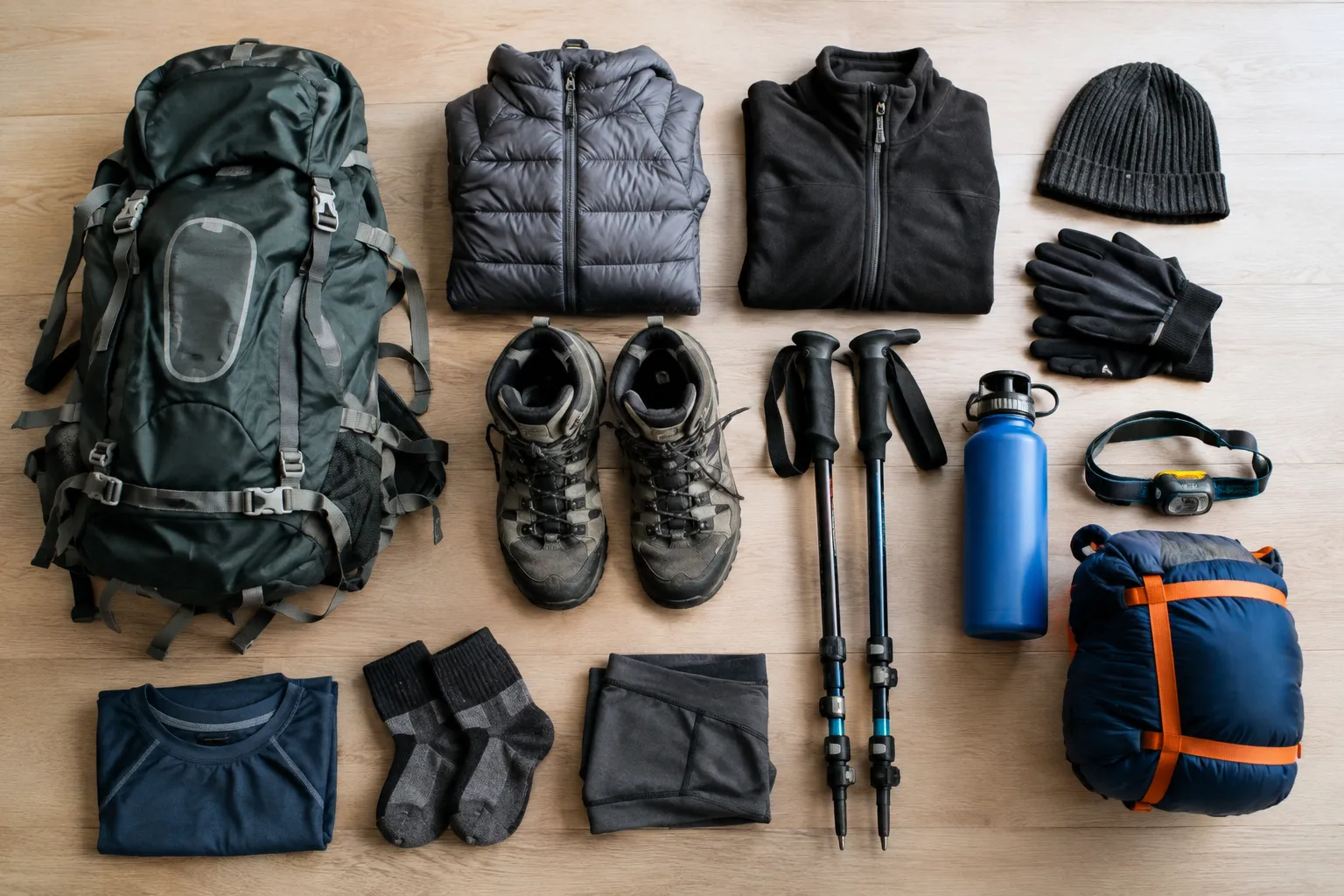
Before leaving the final camp, keep your arrangement simple. Put on the clothing you will actually need for the first part of the climb, keep water accessible, and make sure your headlamp, gloves, phone, and essential personal items are easy to reach.
You do not want to begin by carrying unnecessary weight or stopping repeatedly to search through your bag. Ask your guide what should stay with you and what can remain at camp.
Your preparation should include:
- Warm, adjustable layers rather than one heavy layer
- Reliable hand protection
- A headlamp with working batteries
- Water that is easy to drink while walking
- Small, familiar snacks
- Any personal medication you have been instructed to carry
- A backpack that remains comfortable when worn over several layers
Food may be difficult to enjoy at altitude, so choose familiar foods and take small amounts regularly. Your guide team can explain what food and drinks will be available on your itinerary, but you should not wait until you feel exhausted before eating or drinking.
Sleep before Kilimanjaro summit night is a common concern. At the final camp, some climbers sleep for several hours, while others manage only a short rest because of excitement, altitude, or the early start. Do not treat one poor night of sleep as proof that you cannot continue. Rest quietly, avoid unnecessary activity, and tell your guide how you feel.
The larger planning issue is arrival and recovery before the climb begins. Allowing time to recover from flights and organize baggage is more useful than scheduling a rushed arrival immediately before your trek.
Follow the core process
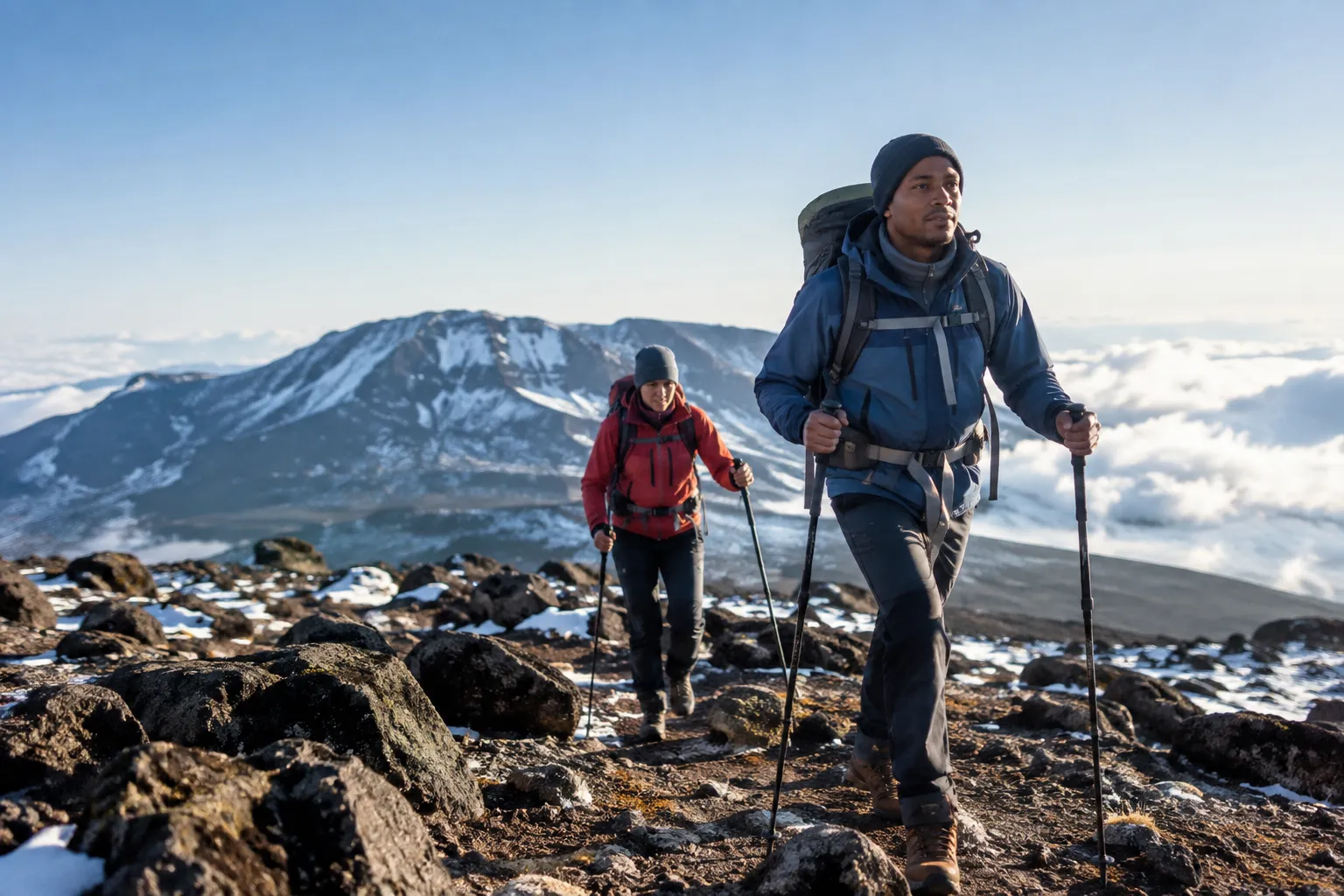
The first part of Kilimanjaro summit night is deliberately slow. Guides normally set a pace that allows the group to keep moving without using too much energy early in the climb. At altitude, a pace that feels unusually slow at sea level can be appropriate.
The route usually includes regular pauses. Use them to adjust clothing, drink, eat a small snack, and communicate with your guide. Long, unplanned stops can make you colder, so breaks should have a purpose.
As the climb continues, the conditions may become harder:
- Darkness limits what you can see.
- Cold can affect fingers, toes, and motivation.
- Steeper ground may require shorter steps.
- Altitude can make ordinary exertion feel much harder.
- The descent may become a major physical challenge after the summit effort.
Do not compare your speed with another climber. A person who walks quickly at the beginning may use too much energy, while a slower climber may maintain a steadier pace. The practical objective is controlled progress, not an impressive early performance.
Kilimanjaro summit support includes more than encouragement. A professional team should explain the pace, observe changes in your condition, help with practical adjustments, and make decisions based on health rather than pressure to continue. Eco Africa Climbing is a KPAP Partner Company, and questions about porter welfare, guide standards, health monitoring, food, and route support should be answered clearly before booking.
Check whether it is working
A good summit-night process is not measured only by distance. Check how your body is responding and report changes early.
Tell your guide if you notice worsening headache, nausea, unusual weakness, dizziness, confusion, difficulty walking normally, breathing problems, or any symptom that concerns you. Do not hide symptoms because you are worried about disappointing the group.
Guides may ask questions, observe your walking, and monitor your general condition during the climb. Some operators use daily health checks and guides with recognized first-aid or wilderness medical training. Ask the company what monitoring and emergency procedures are included rather than assuming every operator provides the same level of support.
If a climber becomes unwell, the response depends on the symptoms and their severity. A guide may recommend resting, descending, or ending the summit attempt. The correct decision is a health decision, not a test of determination. No responsible operator should promise a summit outcome or encourage a sick climber to continue simply to protect a schedule.
The same principle applies if you are traveling alone or with a small group. Ask whether you will join a group, whether a private climb is available, how guide-to-climber support is organized, and what happens if one person needs to descend while others continue.
Avoid the common mistakes
The most common summit-night mistakes are usually preparation and pacing errors rather than a lack of determination.
Avoid these problems:
- Starting too fast because the early terrain feels manageable
- Wearing every warm layer immediately and then overheating
- Waiting until you are thirsty or hungry to drink or eat
- Taking a long break without adding or removing the right layer
- Ignoring a symptom because others seem comfortable
- Assuming a short sleep means you must abandon the climb
- Treating the summit as the only difficult part and forgetting the descent
- Choosing an itinerary solely because it has fewer days
- Comparing prices without checking fees, inclusions, tips, gear, and support
A low quoted price may not represent the full cost of a climb. Before comparing operators, ask what is included and what remains separate, including government fees, flights, personal equipment, tips, deposits, transfers, and optional safari arrangements. KPAP status, porter treatment, food supplies, guide experience, and medical procedures are also important value checks.
When to adjust your how long to hike kilimanjaro approach
Adjust your plan before the climb if you are arriving exhausted, have limited recent walking experience, or are trying to fit a demanding trek into an unrealistic travel schedule. A longer itinerary can provide more time on the mountain, but it does not remove all altitude risk.
You should also discuss adjustments if you have a medical condition, take regular medication, or have previously experienced altitude problems. A qualified medical professional can advise whether the climb is appropriate and what precautions are relevant.
During summit night, adjust course when your condition changes. Slow down if you are struggling to maintain a steady pace. Add a layer if you are becoming cold. Drink and eat small amounts if tolerated. Inform the guide promptly if symptoms worsen.
Turning around is sometimes the safest and most responsible outcome. It does not mean the preparation was wasted, and it does not make the trip unsuccessful. A trustworthy team should explain the available choices without shaming or pressuring you.
For planning purposes, consider the full trip rather than only the summit push. Build in arrival rest, time for baggage problems or flight changes, the climb itself, recovery afterward, and any Tanzania safari you may add. A Tanzania wildlife safari can be planned separately from the climb, but it should not force you to rush your mountain schedule.
How long to hike kilimanjaro FAQ
How long to hike kilimanjaro basics: what should you know first?
“How long to hike Kilimanjaro” includes the approach, acclimatization days, summit night, and descent. Summit night is only one part of the full guided itinerary.
How long to hike kilimanjaro options: how do you choose the right one?
Compare routes by duration, acclimatization opportunity, difficulty, camp style, and total trip logistics. Choose the itinerary that fits your preparation and recovery time rather than simply the shortest option.
How long to hike kilimanjaro mistakes: which ones should you avoid?
Avoid rushing, hiding symptoms, underestimating the descent, and comparing prices without checking inclusions. Confirm KPAP partnership, porter treatment, guide standards, tipping expectations, and medical support before booking.
How long to hike kilimanjaro in daily use: what should you expect?
Expect slow walking, regular breaks, changing temperatures, and a demanding descent after the high point. Kilimanjaro summit support should help you manage pace, food, hydration, clothing, and health concerns.
How long to hike kilimanjaro comparisons: what should you check before deciding?
Check the number of days, route, acclimatization pattern, group or private format, arrival-rest plan, inclusions, fees, tips, gear, and procedures for illness. These details explain value better than the headline price alone.
Recommended next steps
Start by deciding how much time you can realistically spend in Tanzania, including arrival rest and recovery after the climb. Then compare route duration and summit timing with your fitness, travel schedule, and comfort with cold, darkness, and long descents.
Ask potential operators specific questions:
- When does the summit attempt usually begin on this itinerary?
- How are pace and breaks managed?
- What health checks are performed?
- What happens if a climber becomes unwell?
- Are the guides trained in wilderness first aid?
- Is the company a KPAP Partner Company?
- How are porters treated and paid?
- What are the inclusions, exclusions, government fees, and tipping expectations?
- Is a private climb or group climb more suitable for my plans?
A clear answer to these questions will help you judge Kilimanjaro summit support and the real value of the trip. It will also give you a more realistic understanding of how long to hike Kilimanjaro than a single number on a booking page.
Sedrick Silayo is a Web Developer and Digital Marketing Expert at Eco-Africa Climbing, with over 10 years of experience in Tanzania’s adventure travel industry. He specializes in Kilimanjaro trekking and Northern Tanzania safaris, sharing practical expertise on trip planning, mountain preparation, safety, KPAP standards, and safari experiences.