Women-Only vs Mixed Kilimanjaro Group: Which Is Better?
Choosing between a women-only vs mixed Kilimanjaro group can affect the social side of your mountain experience just as much as your route, travel dates, or accommodation.
Both options can provide a memorable Kilimanjaro climb. The better choice depends on your personality, travel style, privacy preferences, comfort level, and what you hope to gain from the group experience.
Some women are completely comfortable joining a mixed group. Others specifically want to share the adventure with female travelers, especially when traveling alone.
This guide explains the differences so you can decide which style of Kilimanjaro group feels right for you.
What Is a Women-Only Kilimanjaro Group?
A women-only Kilimanjaro group is a scheduled trip where the guest participants are women.
WomenClimbKili is designed for women who want to join other female travelers for a shared Kilimanjaro experience.
You can join:
- As a solo female traveler.
- With a friend.
- With your sister.
- With colleagues.
- With a small group of women you already know.
You do not need to create your own group before booking.
What Is a Mixed Kilimanjaro Group?
A mixed Kilimanjaro group can include both male and female travelers.
Participants may be solo travelers, couples, friends, or small groups who have booked the same scheduled departure.
For many travelers, gender composition is not an important consideration, and a mixed group can be a perfectly suitable choice.
Is One Option Better Than the Other?
Not automatically.
There is no universal rule saying that every woman should choose a women-only group.
The question is which environment will make you feel most comfortable and allow you to enjoy the experience.
Why Do Some Women Prefer Women-Only Kilimanjaro Groups?
Women choose female-only groups for many different reasons.
Common reasons can include:
- Wanting to meet other female adventurers.
- Feeling more comfortable discussing personal topics.
- Traveling alone and wanting female companionship.
- Enjoying women-centered adventure travel.
- Celebrating a milestone with other women.
- Wanting a different social environment from everyday life.
Women-Only Groups Can Feel More Comfortable for Personal Topics
Multi-day mountain travel includes practical topics that people may not normally discuss with strangers.
These can include:
- Periods.
- Toilet needs.
- Changing clothes.
- Personal hygiene.
- Sports bras and clothing.
- Menopause.
- Sleeping arrangements.
Some women feel more comfortable discussing these topics in a female group.
Why Solo Female Travelers May Prefer Women-Only Groups
If you are traveling alone, the people in your group become an important part of your overall experience.
A women-only departure allows you to arrive without knowing anyone and immediately become part of a group built around female travelers.
You still retain the independence of solo travel while sharing the main mountain experience with other women.
Can Women-Only Groups Create Strong Friendships?
They can, although friendship can never be guaranteed.
Kilimanjaro naturally creates opportunities for people to connect because the group spends several days:
- Walking together.
- Eating together.
- Resting at camp.
- Facing difficult sections together.
- Preparing for summit night.
- Celebrating progress together.
Shared challenges often make conversations and connections develop naturally.
What Are the Advantages of a Mixed Kilimanjaro Group?
Mixed groups can also provide a great social experience.
Possible advantages include:
- Meeting a wider variety of travelers.
- Traveling with male and female friends together.
- Joining a partner or spouse.
- Having more scheduled group options depending on the operator.
- Not having gender as a factor in your group choice.
Who May Prefer a Mixed Group?
A mixed group may suit you if:
- You are traveling with a male partner.
- You are traveling with male and female friends.
- You enjoy mixed social groups.
- You do not have a preference about gender.
- The dates of a mixed departure suit your schedule better.
Does a Women-Only Group Mean the Entire Mountain Crew Is Female?
No.
The term women-only refers to the guest climbing group.
The professional mountain support team may include male and female staff depending on the confirmed crew.
Guides, porters, cooks, and other mountain staff are selected to operate and support the expedition.
Does a Women-Only Group Make Kilimanjaro Easier?
No.
The mountain remains the same regardless of the gender of your fellow climbers.
You still need to manage:
- Altitude.
- Long trekking days.
- Cold temperatures.
- Changing weather.
- Fatigue.
- Summit night.
A women-only group changes the social environment, not the physical demands of Kilimanjaro.
Does Fitness Level Matter More Than Gender?
Yes.
Your preparation, health, fitness, acclimatization, and individual response to altitude are much more important to the physical climb than whether your group is male, female, or mixed.
Women should train for Kilimanjaro in the same practical way any climber should: build endurance, strengthen the legs and core, hike regularly, and prepare for consecutive trekking days.
Can Beginners Join a Women-Only Group?
Yes.
Technical mountaineering experience is not normally required for the standard Machame Route.
First-time climbers should still prepare carefully for hiking, altitude, camping, and summit night.
Which Route Does WomenClimbKili Use?
WomenClimbKili scheduled departures use the 7-day Machame Route.
The itinerary provides more acclimatization time than shorter Machame programs and travels through several different landscapes before reaching the summit zone.
You can see the complete itinerary on our
Women-Only Machame Route Kilimanjaro Package
.
Does Group Gender Affect Acclimatization?
No.
Acclimatization depends on how your individual body responds to increasing altitude.
Important factors include:
- Route length.
- Pacing.
- Rest.
- Hydration.
- Nutrition.
- Individual physiology.
What About Summit Night?
Summit night is challenging in both mixed and women-only groups.
Climbers normally begin during the night and move slowly toward Stella Point and then Uhuru Peak.
The combination of altitude, cold, darkness, and fatigue makes this the toughest part of the climb for many people.
Encouragement from other participants can help emotionally, regardless of the type of group you choose.
What About Room Sharing?
One advantage of a women-only group for some solo female travelers is that shared guest accommodation is arranged with other women.
If shared accommodation is being used, rooming arrangements should be confirmed before travel.
You can also ask about single accommodation if privacy is particularly important to you.
What About Tent Sharing?
WomenClimbKili uses two-person sleeping tents on the mountain.
Solo travelers may share with another woman depending on the confirmed group arrangement.
If you are traveling with a friend or sister, you can request to share together.
Women’s Hygiene and Privacy
For some women, privacy is one of the strongest reasons to consider a women-only group.
The WomenClimbKili mountain setup includes a private toilet tent.
Participants should also carry personal hygiene supplies including:
- Wet wipes.
- Hand sanitizer.
- Toilet paper.
- Menstrual products.
- Sealable waste bags.
- Personal toiletries.
Is a Women-Only Group Safer Than a Mixed Group?
Group gender alone does not determine mountain safety.
Important mountain safety factors include professional guides, altitude monitoring, emergency procedures, appropriate equipment, a sensible itinerary, and honest communication about health symptoms.
Our mountain team carries:
- Emergency oxygen.
- A first-aid kit.
- A pulse oximeter for daily health monitoring.
Why a Small Group Matters
Group size can be just as important as group type.
WomenClimbKili scheduled departures are limited to a maximum of 12 women.
This keeps the group relatively small and creates more opportunities for participants to know one another during the trip.
Can Women of Different Ages Join Together?
Yes.
WomenClimbKili groups are not divided into narrow age categories.
The group can include adult women from different ages, nationalities, professions, and travel backgrounds.
Fitness and preparation are more important than everyone being the same age.
What If You Are Over 40, 50 or 60?
Women in these age groups may join if they are medically suitable and physically prepared for the trek.
Age alone should not be used to predict whether someone can manage Kilimanjaro.
Health, training, route choice, recovery, and altitude response matter more.
Can You Join a Women-Only Group Completely Alone?
Yes.
You can reserve one place without knowing anyone else in the group.
You travel to Tanzania independently and meet the other participants in Moshi before the climb begins.
What Happens Before the Climb?
Before entering Kilimanjaro National Park, participants attend a pre-climb briefing and gear inspection.
This gives you time to:
- Meet your mountain guides.
- Meet the other women.
- Review the itinerary.
- Discuss altitude and safety.
- Check important equipment.
- Ask final questions.
Does a Women-Only Group Cost More?
The WomenClimbKili scheduled climb-only package costs US $2,950 per lady.
A US $300 deposit per lady reserves the climb-only trip.
The price is based on the published women-only package and its included services rather than simply charging extra because the guest group is female.
Can You Add Safari?
Yes.
Women who want to see more of Tanzania can add a 4-day safari visiting:
- Serengeti National Park.
- Ngorongoro Crater.
- Tarangire National Park.
The complete climb and safari package costs US $5,350 per lady.
Why Safari Can Extend the Group Experience
If several women from the climbing group continue on safari, the relationships built on Kilimanjaro can continue beyond the mountain.
Safari also provides a very different style of travel after seven physically demanding trekking days.
Instead of focusing on altitude and hiking, you can enjoy wildlife and landscapes from the safari vehicle.
When Are Women-Only Departures Available?
WomenClimbKili schedules departures during selected periods including:
- March for International Women’s Day.
- July.
- August.
- September.
- December for the New Year period.
View current departure dates on our
WomenClimbKili group page
.
What If You Want the Women-Only Experience but the Dates Do Not Work?
If the scheduled departure dates do not fit your plans, a private Kilimanjaro climb can be arranged.
A private trip for one woman or your own female travel party can still create a women-focused guest experience, although it will not have the same social dynamic as joining a scheduled group of women.
Women-Only vs Mixed Kilimanjaro Group: Quick Comparison
| Factor | Women-Only Group | Mixed Group |
|---|---|---|
| Guest Group | Women | Men and women |
| Solo Female Travelers | Designed to welcome individual women | Can also be suitable |
| Personal Topics | Some women may feel more comfortable | Depends on individual comfort |
| Travel With Male Partner | Not suitable as a guest group option | Suitable |
| Mountain Difficulty | Same mountain challenge | Same mountain challenge |
Choose a Women-Only Group If…
- You specifically want to travel with other women.
- You are a solo female traveler looking for a group.
- You prefer female guest rooming arrangements.
- You like the idea of a women-centered adventure.
- You want to meet female travelers from different backgrounds.
- The scheduled dates fit your travel plans.
Choose a Mixed Group If…
- You have no preference about group gender.
- You are traveling with a male partner.
- You have male and female friends traveling together.
- A mixed departure fits your schedule better.
- You simply enjoy a mixed social environment.
Frequently Asked Questions
Are women-only Kilimanjaro groups better?
They are better for some travelers, not everyone. The main benefit is the female guest-group environment rather than a difference in the physical mountain itself.
Is a women-only group good for solo female travelers?
Yes. A solo woman can reserve one place and meet the rest of the group in Tanzania without finding her own climbing partner.
Is Kilimanjaro easier in a women-only group?
No. Altitude, terrain, weather, and summit night remain physically demanding regardless of group gender.
Are the mountain guides all women?
Not necessarily. Women-only refers to the guest group; the professional mountain crew may include male and female staff.
Can beginners join?
Yes. Technical mountaineering experience is not normally required for the standard Machame Route, although good physical preparation is important.
Can I add a safari after the women-only climb?
Yes. A 4-day safari to Serengeti, Ngorongoro Crater, and Tarangire can be added after the climb.
Choose the Group Environment That Feels Right for You
Your Kilimanjaro group will share one of the most memorable journeys of your trip, so the social environment is worth considering.
If you want to meet other female adventurers, travel independently without climbing alone, and experience Kilimanjaro in a women-centered guest group, a women-only departure may be the right fit.
If you enjoy mixed groups or are traveling with male companions, a mixed departure may suit you better.
Neither choice changes the mountain. The right choice is the one that makes you more comfortable and excited about beginning the journey.
Explore our
WomenClimbKili scheduled departures
or see the full
7-Day Women-Only Machame Route Package
.
Share:
Social Media
Most Popular
Kilimanjaro Cold Weather Preparation for Women | Stay Warm
Kilimanjaro Medical Preparation for Women | Health Checklist
Kilimanjaro Hydration & Nutrition for Women | Practical Guide
Kilimanjaro Travel Insurance for Women | What Coverage You Need
Book Your Sustainable Tour
Related Posts
Kilimanjaro Cold Weather Preparation for Women | Stay Warm
Kilimanjaro Cold Weather Preparation for Women: How to Stay Warm Good Kilimanjaro cold weather preparation for women is essential because temperatures change dramatically as you
Kilimanjaro Medical Preparation for Women | Health Checklist
Kilimanjaro Medical Preparation for Women: A Pre-Climb Health Checklist Good Kilimanjaro medical preparation for women starts long before you arrive in Tanzania. Kilimanjaro is a
Kilimanjaro Hydration & Nutrition for Women | Practical Guide
Kilimanjaro Hydration and Nutrition for Women: A Practical Guide Good Kilimanjaro hydration and nutrition for women can make a major difference to how you feel
Kilimanjaro Travel Insurance for Women | What Coverage You Need
Kilimanjaro Travel Insurance for Women: What Coverage Do You Need? Choosing suitable Kilimanjaro travel insurance for women is an important part of preparing for a
Kilimanjaro Afrika: Conquering the Roof of Africa
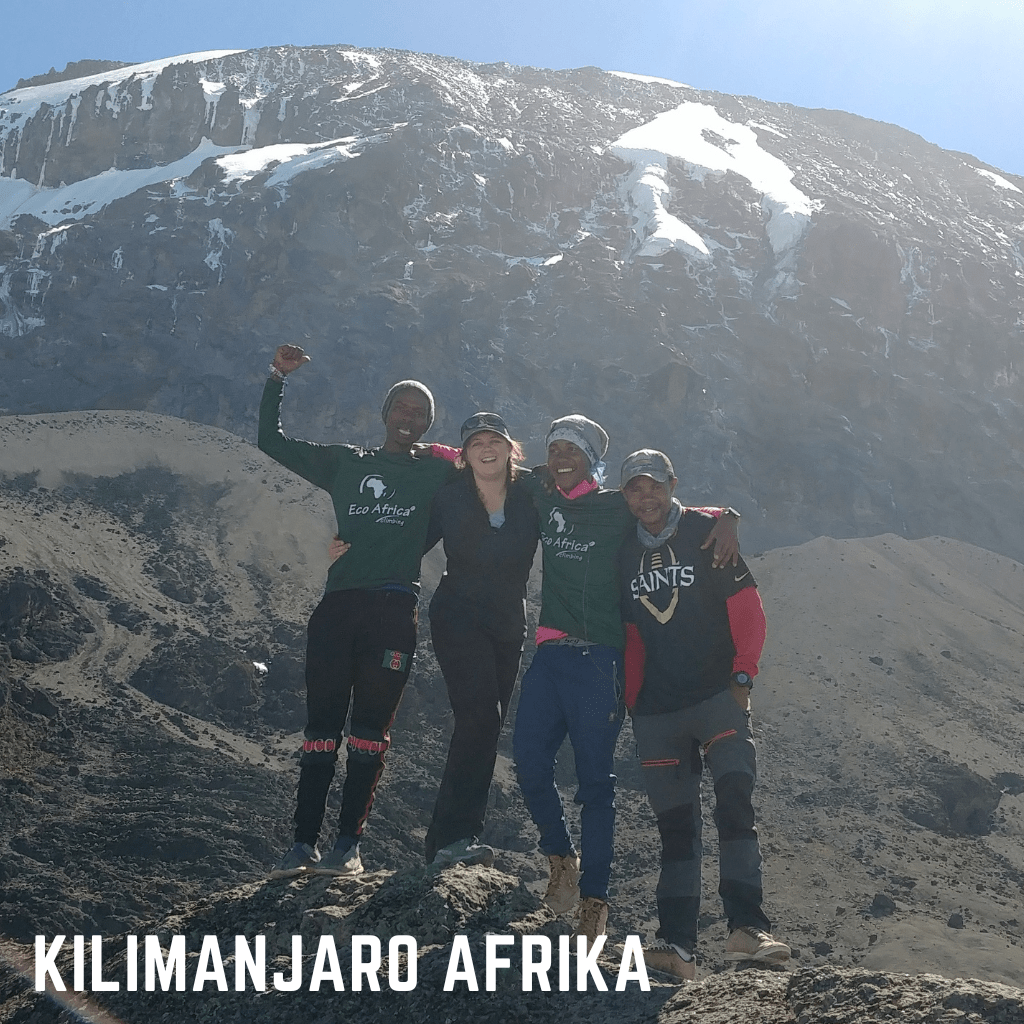
Have you ever dreamed of embarking on an awe-inspiring adventure? Are you ready to challenge yourself and explore the wonders of nature? Look no further than Kilimanjaro Afrika, the majestic mountain that stands tall as the highest peak in Africa. In this article, we will delve into the captivating world of Kilimanjaro Afrika, exploring its history, geography, climbing routes, and the extraordinary experiences that await those brave enough to venture to its summit.
Kilimanjaro Afrika: A Natural Wonder
Kilimanjaro Afrika is a breathtaking sight to behold, with its snow-capped peaks piercing the sky at an awe-inspiring altitude of 5,895 meters (19,341 feet). This dormant stratovolcano, located in northeastern Tanzania, is a UNESCO World Heritage Site and attracts adventurers from around the globe.
A Glimpse into Kilimanjaro Afrika’s History
The history of Kilimanjaro Afrika is deeply rooted in the cultural and spiritual beliefs of the local Chagga people. For centuries, they have revered this colossal mountain as a sacred place, imbued with mystical energy and folklore. It was first conquered by the German geographer Hans Meyer and Austrian mountaineer Ludwig Purtscheller in 1889, marking the beginning of a new era for Kilimanjaro Afrika.
The Climb: Choosing the Right Route
When embarking on the journey to Kilimanjaro Afrika’s summit, it is crucial to select the appropriate climbing route that aligns with your experience, fitness level, and desired adventure. There are seven established routes, each offering a unique perspective and varying levels of difficulty. Let’s explore a few of the most popular options:
Marangu Route: Known as the “Coca-Cola” route, it is the oldest and most well-established trail. Its gradual slopes make it suitable for novice climbers, but it is also the busiest route.
Machame Route: Often referred to as the “Whiskey” route, this path offers a more challenging and scenic trek through diverse landscapes, including dense forests and expansive moorlands.
Lemosho Route: Regarded as one of the most picturesque routes, the Lemosho path provides ample time for acclimatization and boasts stunning panoramic views.
Overcoming Challenges on the Mountain
Climbing Kilimanjaro Afrika is no small feat. It requires mental fortitude, physical stamina, and careful preparation. Here are a few key challenges you may encounter during your ascent:
Altitude Sickness:
As you ascend to higher elevations, the thinning air can lead to altitude sickness. Symptoms include headaches, nausea, and fatigue. Proper acclimatization and a slow climbing pace are crucial for minimizing the risk.
Unpredictable Weather: Kilimanjaro Afrika’s weather can be highly variable, ranging from scorching sun to freezing temperatures. It is essential to pack and dress accordingly, ensuring you have proper layers to adapt to changing conditions.
Physical Endurance: Climbing Kilimanjaro Afrika demands physical fitness and endurance. Regular exercise and training beforehand, focusing on cardiovascular activities and strength-building exercises, will better prepare you for the arduous journey ahead.
The Experience: Tales from the Summit
Unveiling the Beauty of Kilimanjaro Afrika
As you ascend Kilimanjaro Afrika, you will traverse a multitude of ecosystems and landscapes, each more awe-inspiring than the last. From lush rainforests teeming with life to barren alpine deserts, the diversity of this mountain will leave you in awe. The following are some highlights you can expect to encounter:
Rainforest Marvels:
At the beginning of your climb, you will venture through the enchanting rainforests of Kilimanjaro Afrika. Be prepared to witness an array of exotic flora and fauna, including towering trees, colorful bird species, and playful monkeys swinging through the canopy.
Alpine Desert Splendor: As you reach higher altitudes, the landscape dramatically changes, revealing vast stretches of otherworldly alpine desert. The stark beauty of the rocky terrain against the backdrop of snow-capped peaks creates an ethereal atmosphere unlike any other.
Kilimanjaro Afrika: A Life-Changing Journey
Climbing Kilimanjaro Afrika is not merely an expedition; it is a transformative experience that pushes your boundaries, tests your resilience, and instills a profound sense of accomplishment. Here are a few reasons why this adventure should be on every adventurer’s bucket list:
Kilimanjaro Afrika: A Test of Character: Conquering the Roof of Africa is an achievement that demands determination, perseverance, and mental strength. Pushing through the physical and mental challenges will unlock a newfound sense of self-belief and resilience.
Spectacular Sunrise at Uhuru Peak: The ultimate reward awaits you at Uhuru Peak, Kilimanjaro Afrika’s summit. As the first rays of sunlight break over the horizon, painting the sky with vivid hues, you will witness a sunrise unlike any other, forever etched in your memory.Camaraderie and Cultural Exchange: Climbing Kilimanjaro Afrika is a shared experience, often undertaken in groups. The camaraderie formed among fellow climbers from diverse backgrounds fosters lifelong friendships and provides an opportunity for cultural exchange.
Is climbing Kilimanjaro Afrika safe?
Answer: Climbing Kilimanjaro Afrika can be safe if you take the necessary precautions, such as choosing a reputable tour operator, allowing sufficient time for acclimatization, and following the guidance of experienced guides. However, it is essential to recognize the inherent risks associated with high-altitude climbing and adequately prepare yourself both physically and mentally.
How long does it take to climb Kilimanjaro Afrika?
Answer: The duration of the climb varies depending on the chosen route. On average, it takes between 6 to 9 days to reach the summit and descend. It is crucial to opt for a longer itinerary to allow for proper acclimatization, increasing your chances of a successful summit attempt.
Do I need prior climbing experience to climb Kilimanjaro Afrika?
Answer: While prior climbing experience is not mandatory, it is advisable to have a reasonable level of fitness and engage in physical training beforehand. Regular exercise, including cardiovascular activities and strength-building exercises, will prepare your body for the demands of the climb.
What is the best time to climb Kilimanjaro Afrika?
Answer: The best time to climb Kilimanjaro Afrika is during the dry seasons, which are typically from January to mid-March and June to October. These periods offer more stable weather conditions, reducing the chances of encountering heavy rainfall and cloud cover.
What should I pack for the Kilimanjaro Afrika climb?
Answer: Packing the right gear and clothing is crucial for a successful and comfortable climb. Some essential items include sturdy hiking boots, waterproof and breathable clothing layers, a warm sleeping bag, a headlamp, trekking poles, and high-altitude medication if recommended by your healthcare professional.
Can I climb Kilimanjaro Afrika solo?
Answer: It is possible to climb Kilimanjaro Afrika solo, but it is highly recommended to join a guided expedition for safety reasons. Experienced guides and porters will provide essential support, navigate the mountain’s challenges, and ensure your well-being throughout the climb.
Conclusion
Embarking on a journey to Kilimanjaro Afrika is an extraordinary adventure that combines natural beauty, physical challenge, and cultural immersion. From the lush rainforests to the barren alpine deserts, every step of the climb reveals the magnificence of this iconic mountain. As you conquer the Roof of Africa, you will discover inner strength, forge lifelong connections, and witness breathtaking sights that will stay with you forever. So, are you ready to rise to the challenge and make your mark on Kilimanjaro Afrika?
Share:
Social Media
Most Popular
Kilimanjaro Cold Weather Preparation for Women | Stay Warm
Kilimanjaro Medical Preparation for Women | Health Checklist
Kilimanjaro Hydration & Nutrition for Women | Practical Guide
Kilimanjaro Travel Insurance for Women | What Coverage You Need
Book Your Sustainable Tour
Related Posts
Kilimanjaro Cold Weather Preparation for Women | Stay Warm
Kilimanjaro Cold Weather Preparation for Women: How to Stay Warm Good Kilimanjaro cold weather preparation for women is essential because temperatures change dramatically as you
Kilimanjaro Medical Preparation for Women | Health Checklist
Kilimanjaro Medical Preparation for Women: A Pre-Climb Health Checklist Good Kilimanjaro medical preparation for women starts long before you arrive in Tanzania. Kilimanjaro is a
Kilimanjaro Hydration & Nutrition for Women | Practical Guide
Kilimanjaro Hydration and Nutrition for Women: A Practical Guide Good Kilimanjaro hydration and nutrition for women can make a major difference to how you feel
Kilimanjaro Travel Insurance for Women | What Coverage You Need
Kilimanjaro Travel Insurance for Women: What Coverage Do You Need? Choosing suitable Kilimanjaro travel insurance for women is an important part of preparing for a