 26 Sep 2026
 11 min read
A guided Kilimanjaro mount climb should be planned around more than a route name and a headline price. Before paying a deposit, check what the quotation includes, how the operator manages altitude and emergencies, how porters are treated, and which costs remain yours.
This buying guide explains what to look for in guided hiking tours, private guided tours, and group climbs so you can compare the full value of the trip rather than choosing on price alone.
What a Kilimanjaro mount tour quote should include
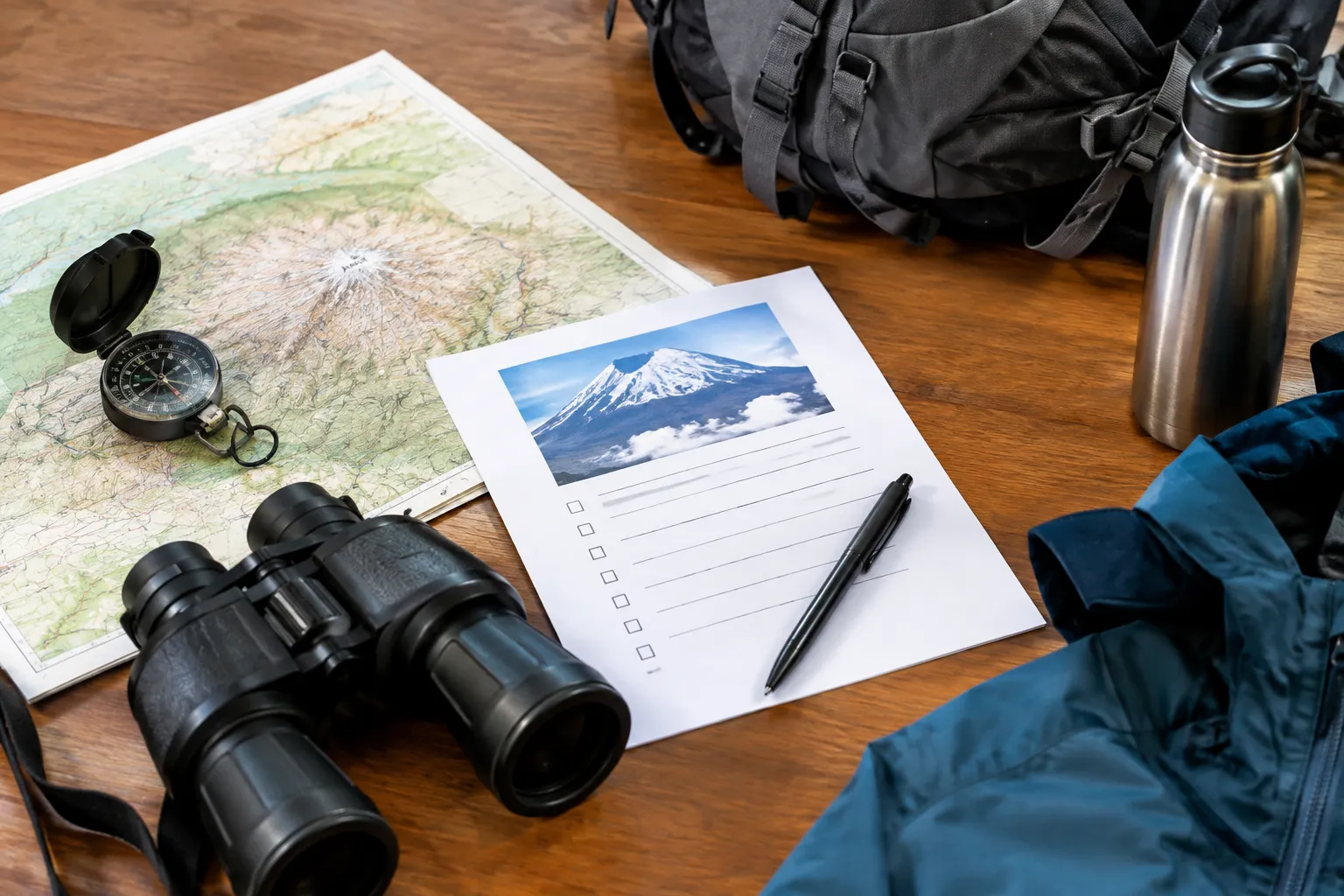
A legitimate quotation should be itemised. It should show the route, itinerary length, accommodation, park-related charges, transport, meals, staffing, baggage arrangements, and exclusions.
Ask for the information in writing and compare like with like. A lower quote may exclude airport transfers, pre-climb accommodation, tips, gear hire, or charges connected with park access. A higher quote is not automatically better, but an unusually low quote deserves careful questions about Kilimanjaro safety and Kilimanjaro porter welfare.
Park fees, permits and accommodation
Confirm whether the quotation includes the relevant park entry, camping or hut fees, rescue charges where applicable, and permits arranged by the operator. These costs can form a substantial part of a climb, so they should not be hidden behind a single total.
Also check where you will sleep before and after the trek. Some itineraries include accommodation, while others begin when you reach the trailhead. Ask:
- Is pre-climb accommodation included?
- Is post-climb accommodation included?
- Are meals at those hotels included?
- Are park and camping or hut charges itemised?
- What happens if the itinerary changes because of weather, illness, or an early descent?
This matters for both budget planning and comfort. A first-time climber arriving from sea level generally benefits from organising a proper sleep and arrival plan rather than moving directly from a long flight to the mountain.
Transfers, meals and baggage support
Airport transfers, transport to the trailhead, daily meals, drinking water, porter-carried baggage, and storage for luggage left behind should each be clearly described.
Do not assume “all-inclusive” covers everything. Ask whether the operator provides:
- Airport pickup and return transfer
- Transport between accommodation and the route
- Breakfast, lunch, dinner, and trail snacks
- Drinking water during the trek
- A duffel or similar bag carried by porters
- Storage for safari or non-climbing luggage
- Support when flights require baggage collection and rechecking during a connection
Your daypack and porter bag may have different limits. Get the permitted weight and dimensions before flying, and clarify charges for excess baggage or additional storage. Kilimanjaro gear and baggage details are practical parts of the quotation, not minor administration.
For a wider overview of planning and logistics, see our guide to Mount Kilimanjaro Climbing Tours: What To Expect.
Choose a route and itinerary built for acclimatization
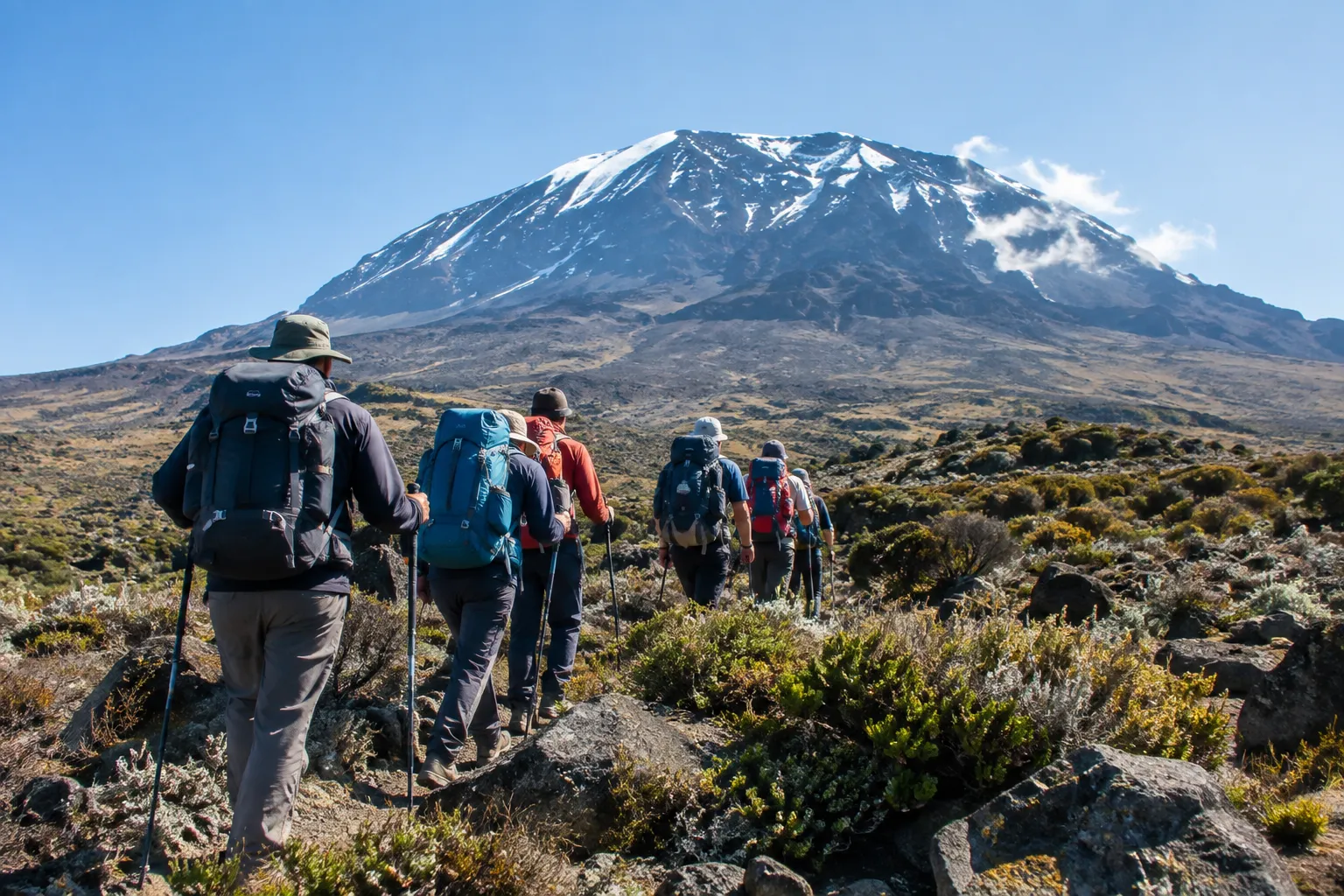
Route choice affects walking days, scenery, traffic, sleeping arrangements, and the amount of time available for altitude adjustment. The shortest itinerary may look attractive on paper, but reducing days can make the schedule more demanding.
When comparing guided hiking tours, look beyond the route label. Review the elevation profile, daily walking stages, rest opportunities, and summit schedule. A suitable itinerary should be realistic for your experience, fitness, arrival timing, and tolerance for basic mountain conditions.
Match the route to your experience and priorities
Eco Africa Climbing offers climbs on the Lemosho, Machame, Northern Circuit, Rongai, and Marangu routes. Each can suit a different traveller, and none should be presented as perfect for everyone.
- Lemosho may appeal to climbers who want a longer approach and time to settle into the mountain environment.
- Machame is often considered by trekkers who prefer a more active route and varied terrain.
- The Northern Circuit can suit people prioritising a longer itinerary and more acclimatization time.
- Rongai may be worth considering if a quieter approach or the northern side of the mountain is important to you.
- Marangu uses hut accommodation rather than camping, which may suit someone who prefers that style, while its itinerary and sleeping arrangements are not right for every traveller.
These are planning considerations, not promises of an easier climb or a particular outcome. Ask the operator to explain the tradeoffs in relation to your available days, fitness, previous hiking, and budget.
Private guided tours offer more control over dates and group composition. Group climbs may be a better fit for travellers who enjoy shared logistics and want to avoid arranging every element privately. Solo travellers should ask whether a group departure is guaranteed, how group sizes are managed, and what support is available if they need to move more slowly.
Look for a realistic summit schedule
A responsible plan should allow gradual altitude gain, manageable daily stages, and a properly structured summit attempt. Ask when you will reach high camps, how long summit night is expected to take, and what happens if symptoms of altitude illness appear.
No operator can guarantee that every climber will reach the summit. Good Kilimanjaro safety practice means monitoring how people feel, adapting when necessary, and treating a descent as the correct decision when continuing is unsafe.
Professional guiding and Kilimanjaro safety systems
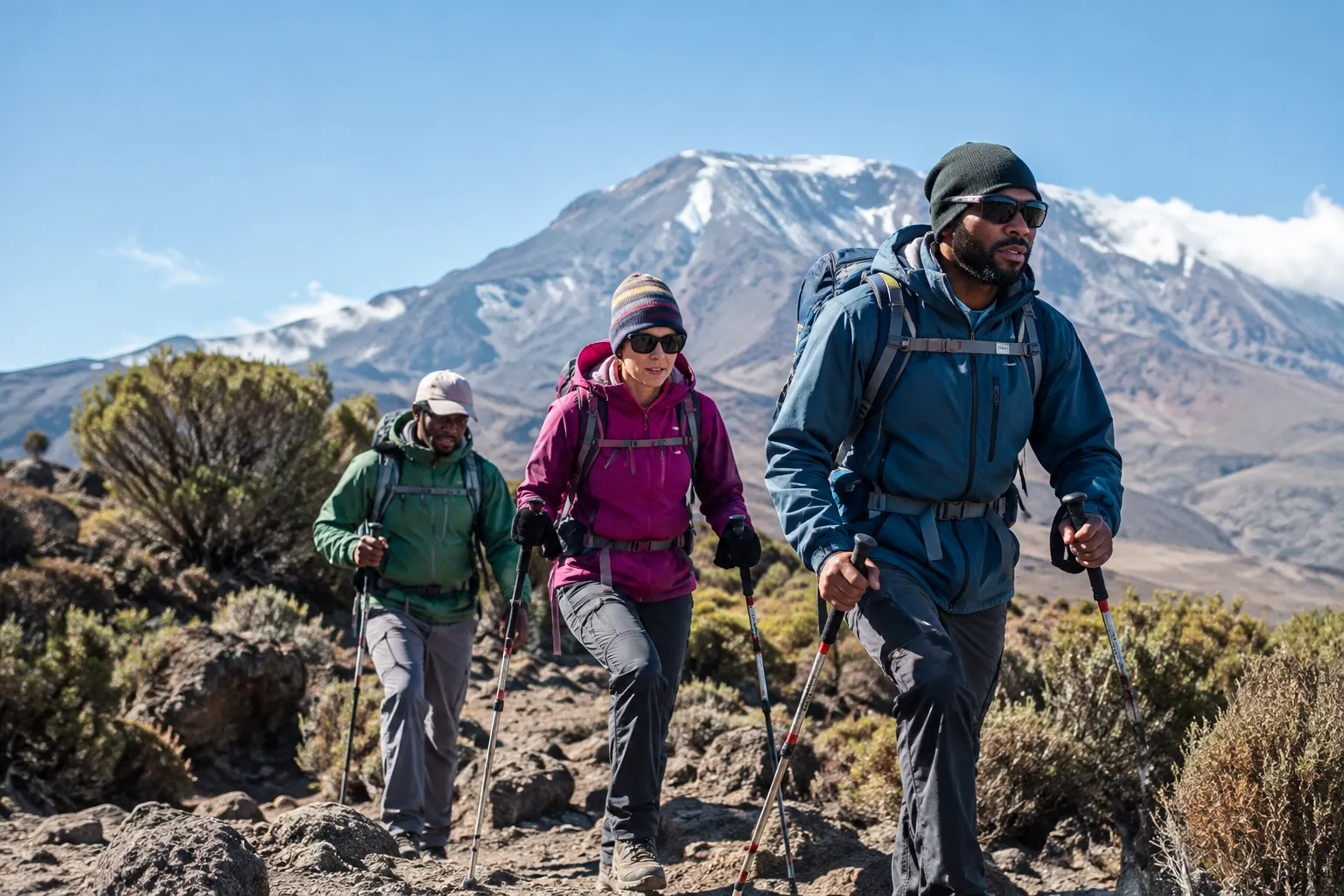
Guiding is not simply leading the walking pace. Your team should explain the route, monitor the group, manage changing conditions, support the summit attempt, and respond if someone becomes unwell.
Before booking, ask who will lead the climb, how guides are trained, how many support staff will accompany the group, and how communication works on the mountain. You should receive clear answers rather than general statements about being “fully supported.”
Guides, support staff and daily health checks
Ask whether lead guides have appropriate mountain and first-aid training, and whether the team includes WFR-trained guides where stated by the operator. You should also understand how often health and altitude symptoms are checked.
A useful daily process may include questions about headache, nausea, dizziness, appetite, sleep, hydration, breathing, and energy. Ask how information is recorded and who makes the decision to stop, rest, descend, or seek further help.
For private guided tours, clarify whether a small group receives the same level of guide and porter support as a larger departure. For women travelling alone, ask about the group structure, staff roles, accommodation arrangements, and how concerns can be raised discreetly. These questions are reasonable parts of choosing a safe and respectful trip.
Emergency planning and summit support
Ask what first-aid equipment is carried, how the team communicates from the route, and what the evacuation or descent procedure is if a climber is seriously unwell. Confirm whether rescue-related charges, travel insurance, and medical evacuation cover are included or excluded.
Summit support should also be explained. Find out who accompanies climbers during the summit attempt, how the pace is managed, where support staff remain, and what happens if one person turns back while others continue.
A clear answer is more valuable than an impressive-sounding safety statement. Read the exclusions in your travel insurance carefully, especially for high-altitude trekking and evacuation.
Training, clothing and gear logistics
A guided Kilimanjaro mount climb still requires personal preparation. Guides provide support, but they do not replace endurance, suitable clothing, sensible pacing, or a plan for rest and sleep before the trek.
Prepare for sustained uphill walking and altitude
Build gradually with regular uphill walking, stairs, hiking, and lower-body and core strength work. Include longer walks with the footwear and daypack you expect to use, and practise carrying the weight you will actually carry rather than training with an unnecessarily heavy load.
Rest matters. Arriving exhausted after a long journey can make the first days feel harder, so allow time for sleep and avoid treating the arrival day as a training day. Discuss medical concerns, medication, and altitude history with a qualified healthcare professional.
If running is part of your stress-relief routine, ON A MISSION creates running socks around mental health and wellbeing through movement, with guidance aimed at helping busy people use running to clear their minds and build resilience. It is not a Kilimanjaro supplier, but the movement-focused idea can complement a broader preparation routine.
Confirm equipment hire and baggage limits
Request a written packing list and mark every item as included, available to hire, or your responsibility. Ask specifically about:
- Tents and sleeping equipment
- Sleeping bags and mats
- Walking poles
- Headlamps and spare batteries
- Waterproof layers and warm summit clothing
- Duffel transport and daypack limits
- Luggage storage during the climb
- Charges for hiring or replacing equipment
Do not buy expensive gear simply because a quote is vague. First establish what the operator supplies and whether hired equipment is suitable for the route and conditions. Your Kilimanjaro gear and baggage plan should also account for flights, airport transfers, and any Tanzania safari add-on you arrange separately.
Ethical porter welfare should be part of the offer
Porters carry much of the group equipment and are central to how a climb operates. Ethical tourism should be assessed through specific practices rather than broad sustainability language.
Check for KPAP-aligned porter practices
Eco Africa Climbing is a KPAP Partner Company. When comparing operators, verify the company’s current status through the relevant KPAP information and ask what that partnership means in day-to-day operations.
Questions should cover fair wages, reasonable loads, suitable clothing, sleeping arrangements, meals, and access to appropriate support if a porter becomes unwell. Ask how tipping is handled and whether the operator provides transparent guidance so tips do not replace agreed pay.
Kilimanjaro porter welfare is part of the actual cost of a properly staffed climb. A quote that appears cheaper because it relies on poor working conditions is not necessarily good value.
Ask who will be on your climbing team
Request the expected number of guides, assistant guides, cooks, porters, and other staff for your group. Ask how roles are assigned, whether staff are employed directly or through another arrangement, and how concerns about treatment can be reported.
You can also ask whether the team receives meals, accommodation, clothing, and medical support appropriate to the work. A responsible operator should be willing to explain its process rather than treating porter questions as an inconvenience.
Compare Kilimanjaro tours before paying a deposit
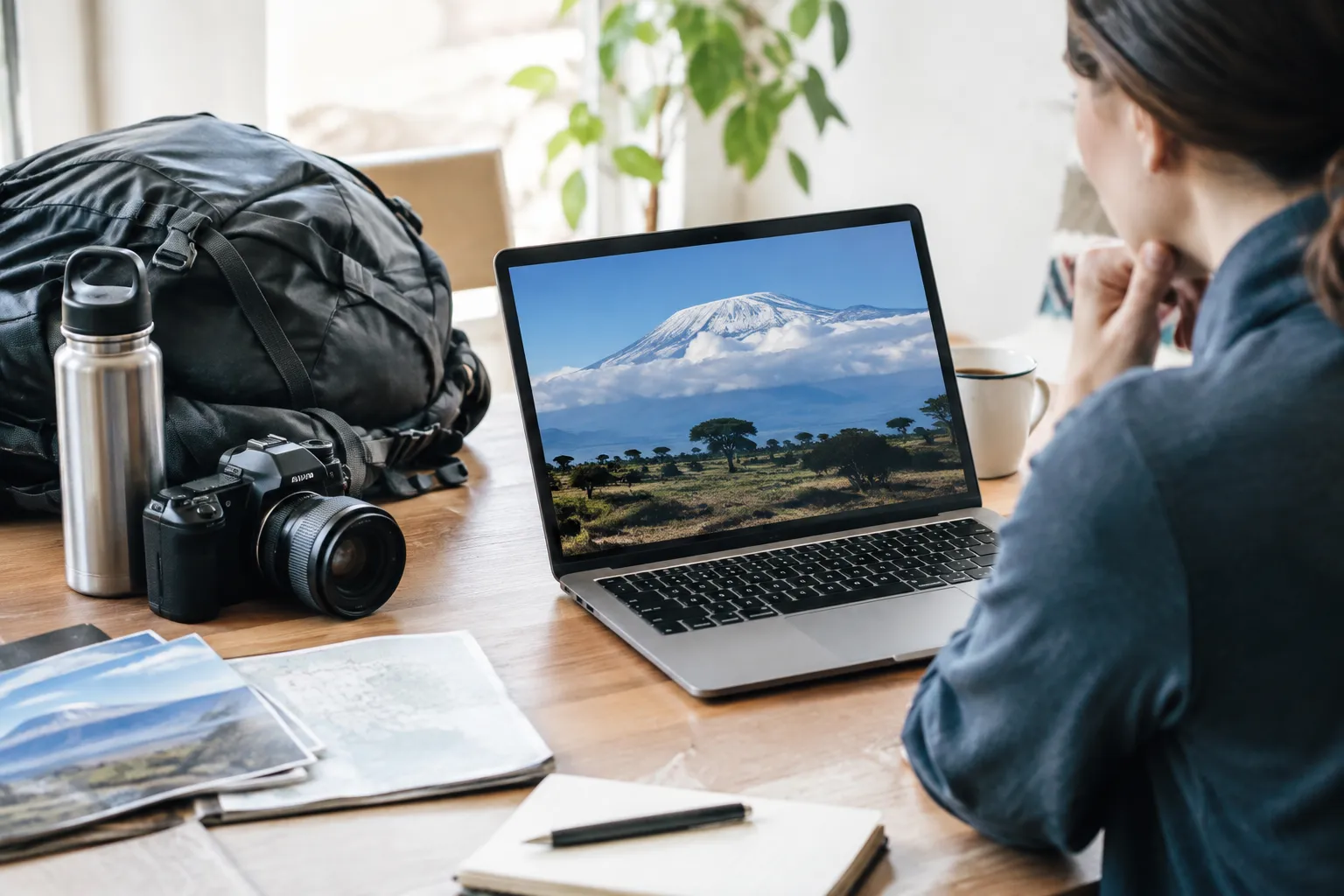
Use the same checklist for every quote. The goal is not to find the lowest number; it is to understand what you are buying and whether the itinerary, safety systems, staffing, and welfare practices match the price.
For each operator, record the following:
| Comparison point | What to check |
|---|---|
| Itinerary | Route, number of days, acclimatization plan, and summit schedule |
| Price coverage | Park charges, accommodation, meals, transfers, and baggage support |
| Safety | Guide training, daily health checks, communications, and descent procedures |
| Group format | Private or group arrangement, expected size, and guaranteed departure terms |
| Staff welfare | KPAP status, porter practices, tipping guidance, and team structure |
Questions that expose hidden costs
Before paying, ask:
- Which park, permit, camping, hut, and rescue-related charges are included?
- Are airport transfers and pre- or post-climb nights included?
- Are meals and drinking water included every day?
- What baggage weight can porters carry, and what must remain in my daypack?
- Is gear hire available, and what does it cost?
- Is luggage storage included?
- Are tips excluded, and how are they normally organised?
- What deposit is required, when are later payments due, and what are the cancellation terms?
- What insurance is required?
- What happens if I need to descend early or cannot continue?
If an answer changes between email, brochure, and invoice, pause before booking and request a corrected written quotation.
When a lower price is a warning sign
A low price can reflect a genuine difference in route, accommodation, group format, or trip length. It can also indicate missing park fees, compressed acclimatization, too few staff, unclear emergency arrangements, or weak porter protections.
Do not assume that an expensive expedition is automatically better either. Compare the practical inclusions and tradeoffs. The right price is one you can explain: you know what it covers, what you must arrange yourself, and why the itinerary fits your needs.
Kilimanjaro mount FAQs
How hard is it to climb Mount Kilimanjaro?
A Kilimanjaro climb requires sustained uphill walking, cold-weather preparation, and adapting to altitude. Training, a suitable itinerary, daily monitoring, and a steady pace improve preparation but cannot guarantee a summit outcome.
Why is Mount Kilimanjaro so famous?
Mount Kilimanjaro is known for its high summit, distinct mountain landscapes, and the fact that it can be attempted through trekking routes rather than technical climbing. Guided support remains important for safety and logistics.
Is Kilimanjaro harder to climb than Everest?
Kilimanjaro and Everest involve very different types of difficulty. Kilimanjaro is a high-altitude trek, while Everest expeditions involve technical climbing, severe conditions, and a substantially different level of mountaineering commitment.
Do you need oxygen to climb Kilimanjaro?
Supplemental oxygen is not normally treated as a substitute for acclimatization or safe decision-making on a guided climb. Ask about symptom monitoring, descent procedures, and emergency arrangements rather than relying on an oxygen promise.
Can you climb Kilimanjaro without a guide?
Kilimanjaro climbs require organised, authorised support rather than an unsupported independent ascent. A guided hiking tour provides route logistics, staff coordination, health monitoring, and emergency planning.
Do you need a permit to climb Mount Kilimanjaro?
Yes, access to the mountain involves required park permissions and related charges. Your quotation should state which permits and park fees the operator arranges and includes.
How long does it take to climb Mount Kilimanjaro?
The time depends on the route and itinerary selected. Compare the number of walking days, acclimatization opportunities, rest periods, and summit schedule instead of choosing solely by the shortest duration.
When is the best time to climb Mount Kilimanjaro?
The best timing depends on your schedule, weather preferences, route availability, and tolerance for changing mountain conditions. Ask the operator to explain seasonal tradeoffs for your proposed dates.
Request a detailed Kilimanjaro climbing proposal
Before choosing a guided Kilimanjaro mount climb, request an itemised proposal showing the route, daily schedule, inclusions, exclusions, baggage arrangements, guide and staff structure, health-check process, emergency plan, tipping guidance, and KPAP-related porter-welfare commitments.
Eco Africa Climbing provides Mount Kilimanjaro Climbing Tours, including group and private options on several established routes. Comparing a clear proposal against other guided hiking tours gives you a practical basis for judging safety, ethics, total cost, and fit before you commit.
Sedrick Silayo is a Web Developer and Digital Marketing Expert at Eco-Africa Climbing, with over 10 years of experience in Tanzania’s adventure travel industry. He specializes in Kilimanjaro trekking and Northern Tanzania safaris, sharing practical expertise on trip planning, mountain preparation, safety, KPAP standards, and safari experiences.