
 16 Sep 2026
 9 min read
A guided climb is more than a walk up a mountain. Mount Kilimanjaro climbing tours typically combine airport support, accommodation, route logistics, professional mountain guiding, camp services, meals, health monitoring, and an organized summit descent. Knowing what to expect helps you compare itineraries, understand the value of different quotes, and choose a trip that fits your experience and priorities.
Quick answer: how to choose mount Kilimanjaro climbing tours
The right tour should be judged by more than its advertised route or headline price. Compare the itinerary, acclimatization approach, guide-to-client arrangements, safety procedures, porter welfare commitments, meals, accommodation, inclusions, exclusions, and support before and after the climb.
When comparing climbing mount Kilimanjaro tours, start with these questions:
- How many days does the itinerary allow for the climb?
- Which route is used, and how does it suit your experience and preferences?
- What happens if you become unwell or need to descend?
- Are daily health checks part of the routine?
- What exactly is included in the quote?
- How are porters recruited, paid, equipped, and treated?
- Is the trip private, a scheduled group departure, or a combination of both?
- What airport transfers and pre- or post-climb accommodation are included?
A reputable Kilimanjaro climbing operator should explain the practical details clearly rather than relying only on dramatic summit images or vague promises. The best kilimanjaro climbing tour for you is the one whose schedule, support, and communication match your needs.
Guided hiking tours are generally the most practical way to climb Kilimanjaro because the mountain requires organized permits, route logistics, mountain staff, camping or hut arrangements, and professional supervision. Your decision should focus on responsible delivery and suitable planning, not simply the lowest quote.
What to look for in mount Kilimanjaro climbing tours
Fit for your real use case

A tour should fit your physical preparation, travel schedule, comfort preferences, and tolerance for uncertainty.
Routes differ in scenery, traffic, accommodation style, duration, and acclimatization pattern. Before selecting an itinerary, review the available Kilimanjaro route options and consider how each one matches your priorities.
A route may suit you if:
- You want a longer itinerary with more time to adjust to altitude.
- You prefer camping or would rather use mountain huts where available.
- You want a quieter trekking experience or are comfortable with a busier route.
- You are a first-time high-altitude trekker and want a clear, gradual schedule.
- You have limited holiday time and need to understand the tradeoff between a shorter trip and additional acclimatization time.
- You are travelling alone, as a couple, with friends, or as a private family group.
Your previous hiking experience is useful, but it does not guarantee how your body will respond to altitude. A sensible operator will ask about your fitness, medical considerations, previous trekking, and expectations rather than treating every client identically.
Airport pickup is usually the first operational stage of the trip. Confirm who meets you, where you stay, when the climb briefing takes place, and how equipment checks are handled. A good pre-climb briefing should give you a practical understanding of the itinerary, packing requirements, communication procedures, and what to do if plans change.
Value, price, and total cost

The price of mount Kilimanjaro climbing tours reflects more than the number of trekking days. It may account for park and camping fees, staff wages, transport, accommodation, meals, permits, guiding, equipment logistics, and administrative support.
Do not compare quotes until you know whether they cover:
- Airport transfers
- Hotel nights before or after the climb
- Transport to and from the trailhead
- Park, camping, or hut fees
- Professional mountain guides
- Porters and camp staff
- Tents, sleeping arrangements, and dining equipment
- Meals and drinking-water arrangements
- Rescue or emergency procedures
- Tips, visas, flights, travel insurance, and personal equipment
Some costs are commonly excluded from tour prices, but the important issue is that exclusions are stated clearly. Ask for a written breakdown rather than assuming that an attractive starting price includes every service you will need.
The lowest quote may reduce cost by offering a shorter itinerary, fewer included services, a different accommodation arrangement, or less flexibility. A higher quote is not automatically better, either. Value depends on whether the services provided are relevant to your safety, comfort, responsible travel expectations, and likelihood of completing the itinerary.
For a wider view of budgeting and related adventure travel packages, compare the total trip cost rather than only the advertised climbing fee.
Features that actually change the experience

Not every feature has equal importance. Prioritize the elements that affect safety, acclimatization, communication, and daily comfort.
Important features to check include:
- A clear day-by-day itinerary
- Adequate time for altitude adjustment
- Experienced, appropriately trained mountain guides
- Daily communication between guides and clients
- Routine health observations
- A stated response plan for altitude illness or injury
- Properly organized food, water, and camp logistics
- Transparent porter welfare practices
- A clear process for route or schedule changes
- Emergency contacts and evacuation arrangements
- Pre-trip advice about clothing, footwear, medication, and insurance
The daily routine on guided hiking tours usually begins with breakfast, preparation, and a briefing about the day’s walking conditions. Guides set the pace according to the group and may make adjustments when weather, terrain, or a client’s condition requires it.
During the day, guides monitor how clients are coping. Health checks may include questions about symptoms, sleep, appetite, hydration, headache, nausea, dizziness, or unusual fatigue. These observations are not a substitute for medical care, but they help the team identify concerns early.
After reaching camp, you can expect time to settle in, organize your sleeping space, eat, rest, and prepare for the next day. Campsite routines vary by route and operator, but a well-organized team should explain meal times, toilet arrangements, water access, waste procedures, and the location of staff.
Meals should be discussed before booking, especially if you have allergies, dietary restrictions, or religious or medical food requirements. Ask how dietary needs are communicated to the kitchen team and whether you need to bring any specialist food yourself.
Porter welfare is another feature that changes the experience, even when it is not immediately visible to clients. Ask whether the company follows responsible porter practices, how loads are managed, what equipment staff receive, and how wages and tips are handled. Eco Africa Climbing is a KPAP Partner Company and identifies responsible tourism and porter welfare as part of its operating commitments.
Tradeoffs and limitations to check first

Every itinerary involves tradeoffs. Understanding them in advance is more useful than looking for a tour with no disadvantages.
A shorter climb may fit a limited travel schedule, but it can leave less time for adjustment to altitude. A longer itinerary usually requires more time and budget, but may better suit travellers who prefer a gradual pace. The correct choice depends on your circumstances and should be discussed with the operator.
Private climbs offer greater control over dates, group composition, and daily communication. They may also cost more than joining a scheduled group. Group trips can provide a social experience and may be a good fit for solo travellers, but the pace and decisions must accommodate several people.
Camping routes can offer a more traditional trekking experience, while hut-based arrangements may provide a different level of shelter where available. Neither option removes the physical demands of the mountain.
You should also check the limits of what a guide can promise. No responsible operator can guarantee a summit outcome or eliminate the effects of altitude, weather, illness, or changing mountain conditions. Be cautious of claims that suggest success is automatic or that safety concerns can be ignored.
Before paying a deposit, clarify:
- What happens if you need to descend early?
- What happens if the operator changes the itinerary?
- Who decides whether continuing is unsafe?
- What assistance is available during an emergency?
- How are unused services handled if plans change?
- What insurance is required?
- What documents and medical information should you provide?
These questions are not signs of pessimism. They are part of making an informed purchase.
How to make the right mount Kilimanjaro climbing tours decision
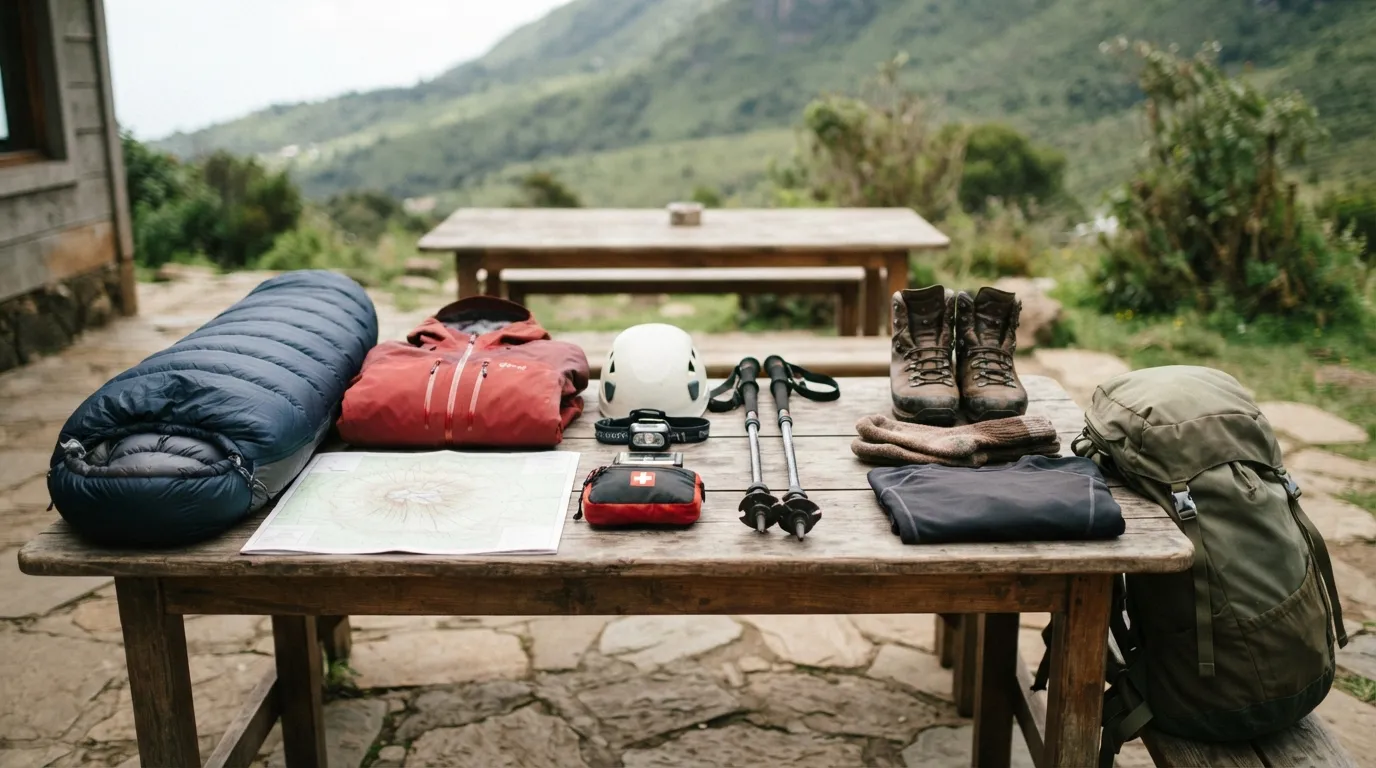
Begin by writing down your non-negotiables. These might include a particular travel month, private departures, a specific route, dietary support, a longer acclimatization schedule, airport assistance, or a defined budget.
Then compare each kilimanjaro climbing tour against the same criteria:
- Route and itinerary length
- Acclimatization approach
- Group type and expected flexibility
- Guide responsibilities and health monitoring
- Emergency and communication procedures
- Meals, camping, and accommodation
- Porter welfare and responsible-tourism practices
- Inclusions, exclusions, and payment terms
- Pre-climb briefing and equipment guidance
- Support before, during, and after the trek
Ask for answers in writing. A detailed response can reveal whether the operator understands your situation and whether the quote has been prepared specifically for your trip.
A useful decision rule is to eliminate tours that are unclear about safety, staff welfare, itinerary details, or total cost. Next, compare the remaining options according to fit. Do not pay extra for features you will not use, but do not remove practical support simply to reach the lowest possible price.
You should also consider the company’s location and communication. A Tanzania-based operator may be able to coordinate local transport, mountain staff, and changes on the ground directly, but you should still verify the exact services and contacts provided for your booking.
The right choice is a transparent arrangement with a realistic itinerary, clear responsibilities, and support that matches your level of experience. It should help you understand the journey from arrival through summit night or summit day, descent, and return transport.
FAQ about mount Kilimanjaro climbing tours
Which tour company is the best for climbing Kilimanjaro?
The best operator is one that clearly explains its itinerary, safety procedures, inclusions, guide responsibilities, and porter welfare practices while matching the trip to your needs.
How much does a trip to climb Mount Kilimanjaro cost?
Costs vary according to route, duration, group type, accommodation, transport, park fees, staffing, and inclusions. Request an itemized quote and check exclusions such as flights, visas, insurance, and tips.
Can a beginner climb Mount Kilimanjaro?
A beginner may be able to join mount Kilimanjaro climbing tours with suitable preparation, a realistic itinerary, and professional support. Previous high-altitude experience is not the only selection factor.
Is 50 too old to climb Kilimanjaro?
Age alone does not determine suitability. Fitness, health, preparation, altitude response, and choosing an appropriate itinerary matter more, so discuss personal medical concerns with a qualified clinician.
Where do you sleep when you climb Kilimanjaro?
Accommodation depends on the route and itinerary. Climbers may sleep in mountain tents at campsites or in huts where the selected route provides them.
What should readers know first about mount Kilimanjaro climbing tours?
A guided climb involves much more than walking: it includes permits, transport, staff, meals, camps, health monitoring, emergency planning, and a structured descent.
How do you choose the right mount Kilimanjaro climbing tours approach?
Match the route and itinerary to your schedule, fitness, experience, comfort preferences, and budget. Then compare operators on safety communication, inclusions, guide support, and responsible staff practices.
What mistakes should you avoid with mount Kilimanjaro climbing tours?
Avoid choosing only by price, overlooking itinerary length, failing to check exclusions, ignoring insurance, and accepting vague answers about altitude illness, emergencies, or porter welfare.
Recommended next steps
Before booking mount Kilimanjaro climbing tours, prepare a short list of questions about route choice, itinerary length, airport arrangements, health checks, meals, camps, emergency procedures, porter welfare, and total cost.
Share your travel dates, group size, hiking experience, dietary needs, and preferred comfort level with the operator. This gives the company enough context to explain which climbing mount Kilimanjaro tours are suitable and what tradeoffs each option involves.
Review the written itinerary carefully, including the arrival day, climb, summit descent, final transport, accommodation, inclusions, exclusions, payment schedule, and cancellation terms. A clear document should leave you knowing what happens each day and who is responsible for each part of the journey.
With that information, you can compare guided hiking tours on practical value rather than marketing language and choose a Kilimanjaro experience that is realistic, responsibly organized, and appropriate for your goals.
Sedrick Silayo is a Web Developer and Digital Marketing Expert at Eco-Africa Climbing, with over 10 years of experience in Tanzania’s adventure travel industry. He specializes in Kilimanjaro trekking and Northern Tanzania safaris, sharing practical expertise on trip planning, mountain preparation, safety, KPAP standards, and safari experiences.