
 29 Oct 2026
 8 min read
Kilimanjaro climb guides do more than lead the way: they help coordinate the trip, set a sustainable pace, monitor how climbers are doing, and make decisions when conditions or health concerns require a change. Knowing what that support should look like—from airport pickup to descent—helps you compare operators on more than a polished website or a headline price.
What to check before booking Kilimanjaro climb guides
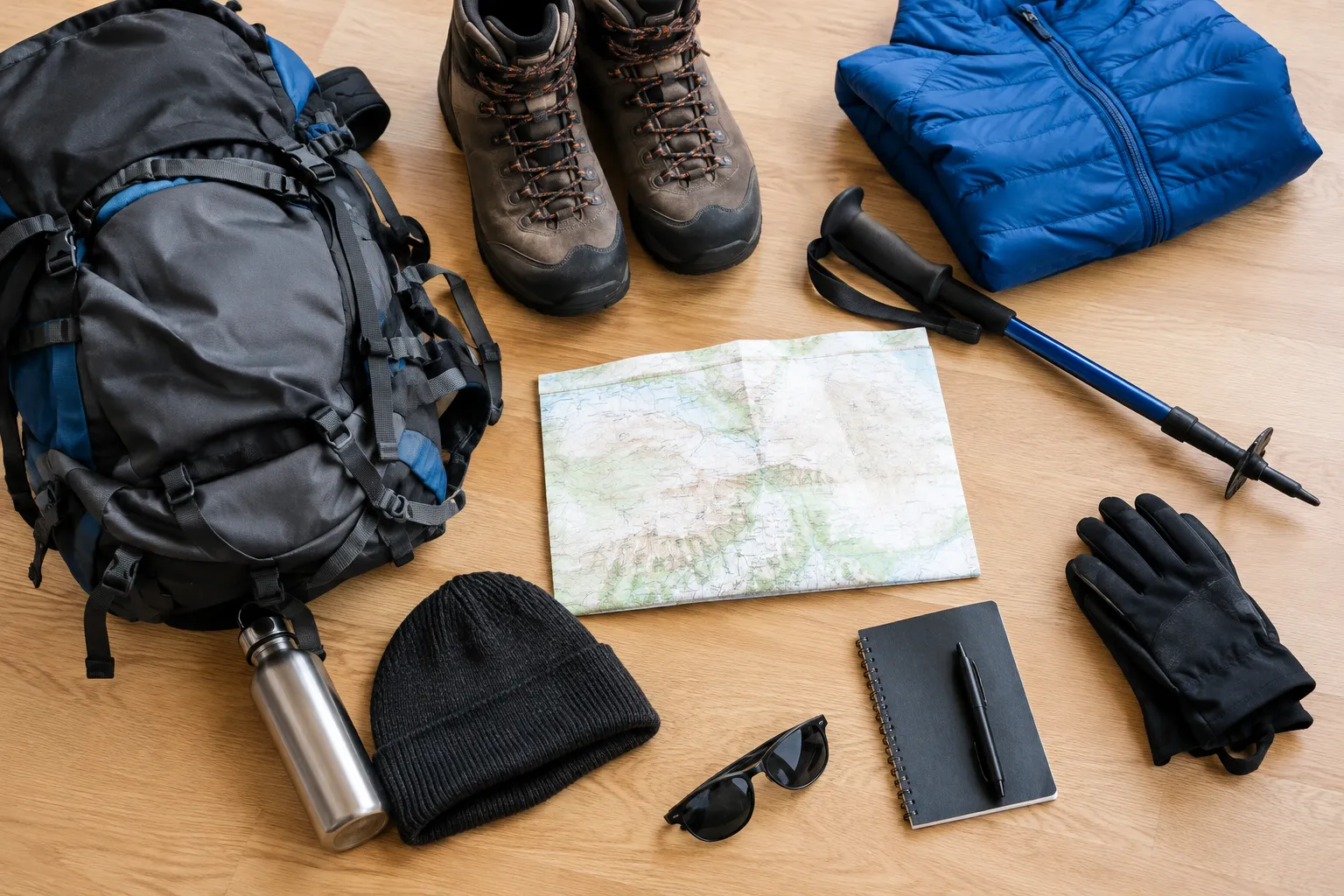
A guided climb is a team service, not just a guide walking at the front. Before booking, look for clear answers about the guide team, emergency procedures, porter welfare, route plan, and what the quoted price includes. These details help you judge both Kilimanjaro safety and value.
For a broader overview of what a guided trip may involve, see our guide to Mount Kilimanjaro climbing tours. Then compare the operator’s actual itinerary and terms rather than assuming every package includes the same services.
Guide experience, group size, and route familiarity
Ask who will lead your climb, what training and qualifications the lead and assistant guides have, and how responsibilities are divided. A useful answer should explain who leads the group, who stays with slower hikers, and who makes decisions if someone feels unwell. Ask whether the guides regularly work on your chosen route, too; route familiarity matters for understanding the day’s terrain and camp-to-camp plan.
Group size affects the kind of attention available, but smaller is not automatically better for every traveler. Ask how many climbers are expected, how many guides will be on the mountain, and whether the group is guaranteed to depart on your dates. If you are traveling alone or with one companion, find out whether you will join a group or can choose a private climb—and what changes in the itinerary or cost.
For women traveling alone, it is reasonable to ask how group assignments work, who to contact with a concern, and what privacy arrangements are available at camps. A dependable operator should answer plainly without promising that every situation can be controlled.
If you are comparing climbing Mount Kilimanjaro tours, use the same questions for each operator. Route length and acclimatization schedule affect the shape of the trip; a shorter itinerary may mean less time on the mountain, while a longer one requires more days away and a larger overall trip budget. Review the route options in our Kilimanjaro route and preparation guide.
Emergency procedures and porter welfare
Ask what happens if a climber develops concerning symptoms, cannot continue, or needs to descend. The operator should explain who assesses the situation, how the team communicates, what evacuation options are available, and how a climber is supported if separated from the main group. Ask whether guides conduct regular health checks and what monitoring they use. Daily monitoring and a sensible acclimatization plan are risk-management measures, not a promise of a particular outcome.
Guide training is another point to clarify. Ask what first-aid or wilderness medical training the lead guides hold and when it was completed. Eco Africa Climbing is a KPAP Partner Company. KPAP’s porter-welfare standards offer travelers an independent reference point when researching how a company treats its mountain crew. You can also ask how porter loads are managed, how wages and tips are handled, and what sleeping, food, and equipment arrangements the operator makes for its staff.
Price comparisons should account for the full package. Request a written list of inclusions and exclusions: park and other government fees, transfers, accommodation, meals, drinking water, equipment, flights, tips, and any deposit or cancellation terms. Tipping is commonly treated separately from the quoted trip price, so ask for the operator’s current tipping guidance and how tips reach the crew. A low quote is difficult to evaluate until you know what it leaves out; a higher quote is not automatically better value unless its added services matter to you.
From airport pickup to the pre-climb briefing
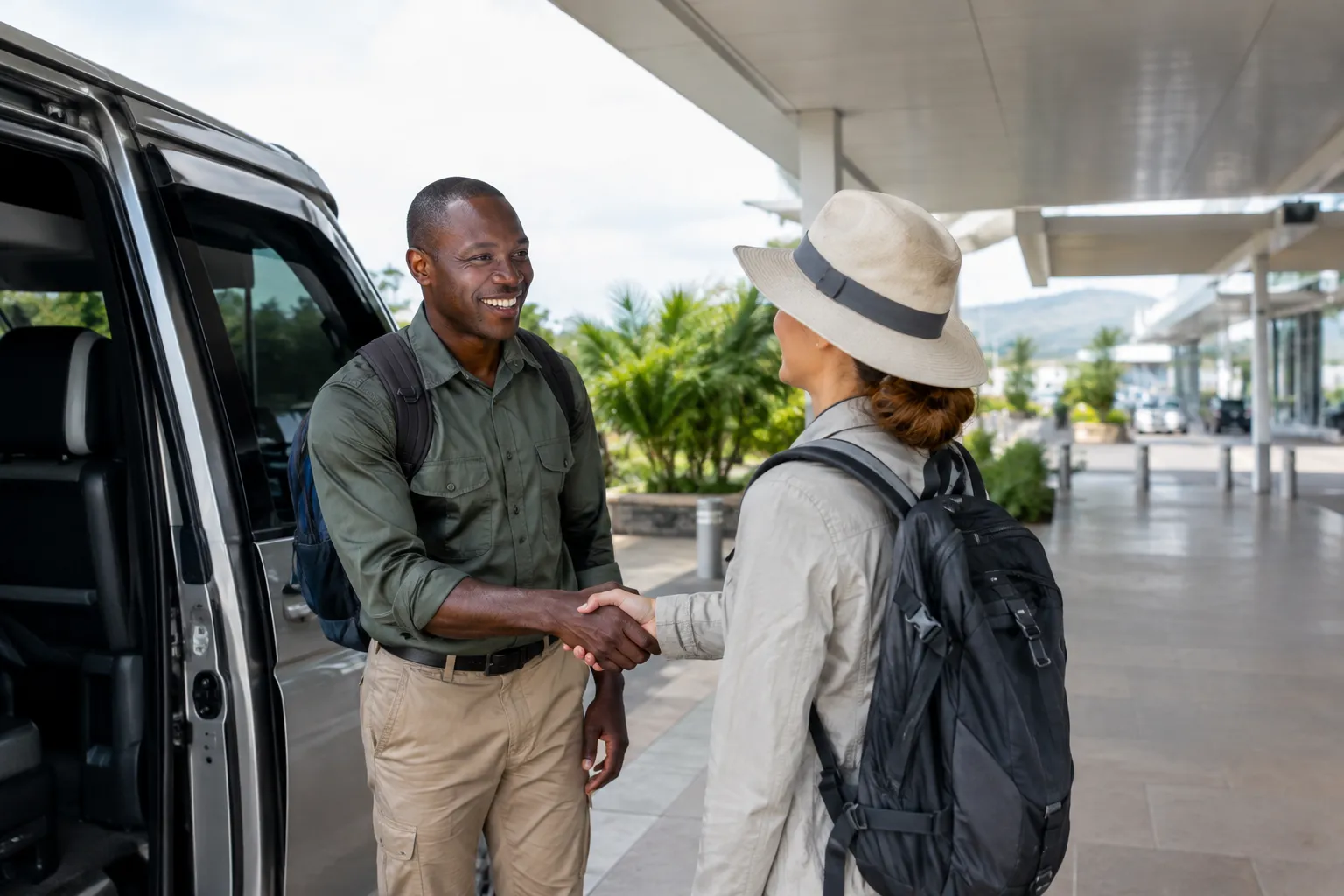
Before flying, confirm the pickup point, who will meet you, how to identify them, and what to do if your flight is delayed. Check whether the transfer and pre-climb hotel stay are included in your booking. If your itinerary has connections, allow time for baggage collection and rechecking where required, and keep essential items accessible in case checked luggage arrives late.
Rest matters before the trek. Long-haul travel, time-zone changes, and a late arrival can leave you tired before the first hiking day. Ask what arrival timing the operator recommends and whether the itinerary leaves time to sleep before the climb. Do not plan a tight connection between your international flight and the mountain departure without checking the consequences of a delay.
At the pre-climb briefing, guides should review the route, daily schedule, camp routine, expected weather range, and communication procedures. There should be time to ask questions and clarify what to do if you feel unwell. Equipment checks are a chance to identify missing or unsuitable items before leaving town. Bring the gear you plan to use, including broken-in hiking boots, warm layers, rain protection, headlamp, gloves, and your daypack. Ask the operator for its current packing list rather than relying on a generic list alone.
Confirm how baggage will be divided between what you carry and what the crew transports, along with any weight or packing rules. Keep medication and essential personal items in your daypack, and tell the guide team about relevant health concerns or dietary needs before the trek begins.
What guides do during each day on the mountain
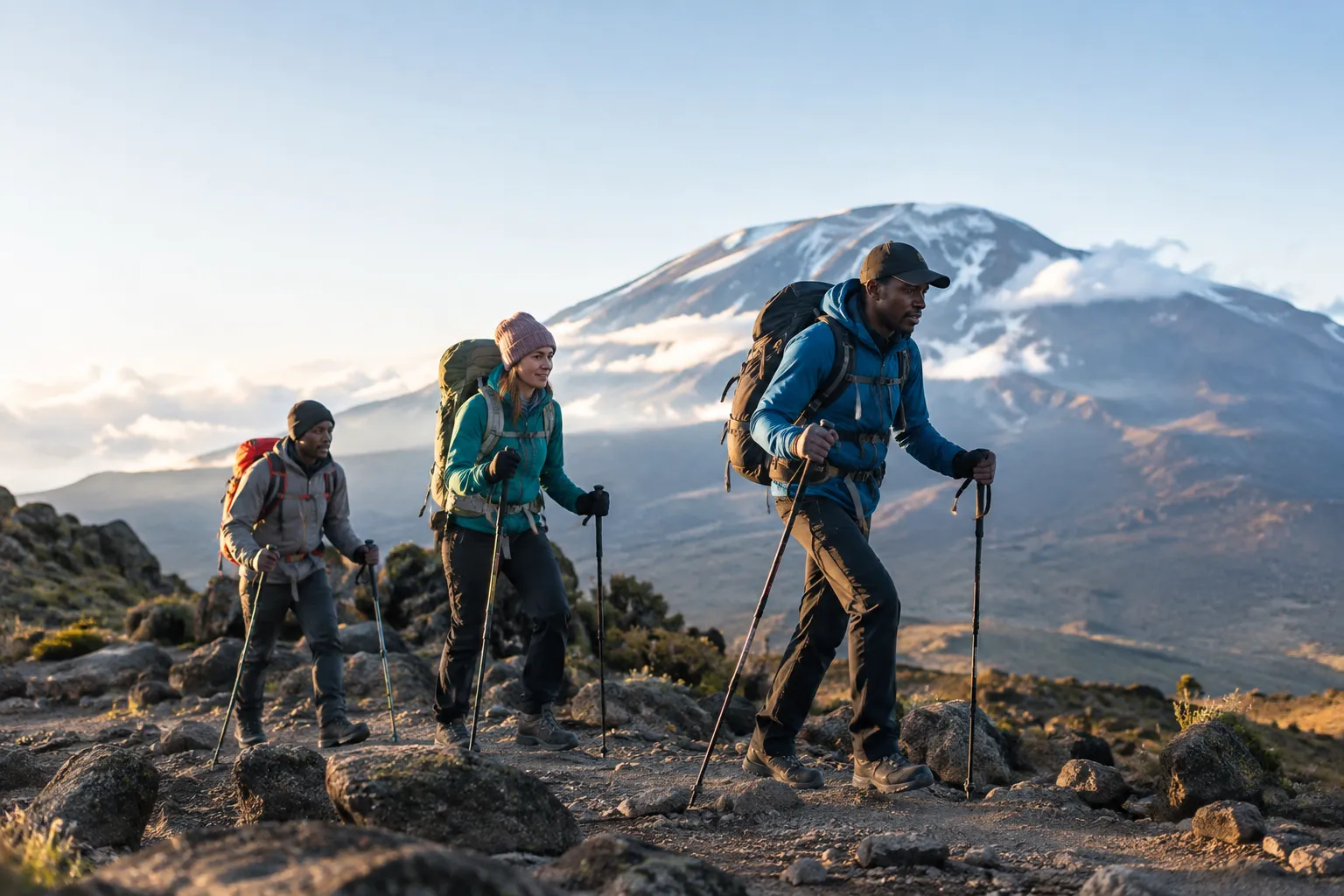
On a typical hiking day, guides explain the plan, set a measured pace, and coordinate breaks and camp arrival. The familiar phrase “pole pole,” meaning “slowly,” captures the point: a steady pace is generally more useful at altitude than trying to hike quickly. Your guide may adjust the pace based on the group, terrain, weather, and how people are feeling.
Guides also check in with climbers throughout the day. Ask before departure how often the team takes health readings, what symptoms you should report promptly, and who to approach privately if you do not want to discuss a concern in front of the group. Monitoring can help the team make informed decisions, but it cannot eliminate altitude risk.
Follow the guide’s instructions about hydration, rest, layers, and camp routines. Tell the team early if you feel unusually unwell; do not wait until you reach camp or assume a symptom is simply part of the climb. A guide may slow the group, arrange additional support, or recommend that someone stop ascending or descend. The right response depends on the situation, and summit plans should never take priority over a climber’s health.
Ask how the team handles different hiking speeds. Some groups use assistant guides or arrange for a guide to stay with a slower climber, but the operator should explain its own approach rather than leave you guessing. This is particularly useful for solo travelers and small groups deciding whether a shared departure or private climb suits them.
Meals and drinking water are practical parts of daily support, but arrangements vary. Before booking, confirm what meals are included, how water is made available, and whether you need to bring a personal bottle or treatment method. Ask about dietary requirements in advance so the operator can explain what it can accommodate.
How guides support summit night and the descent
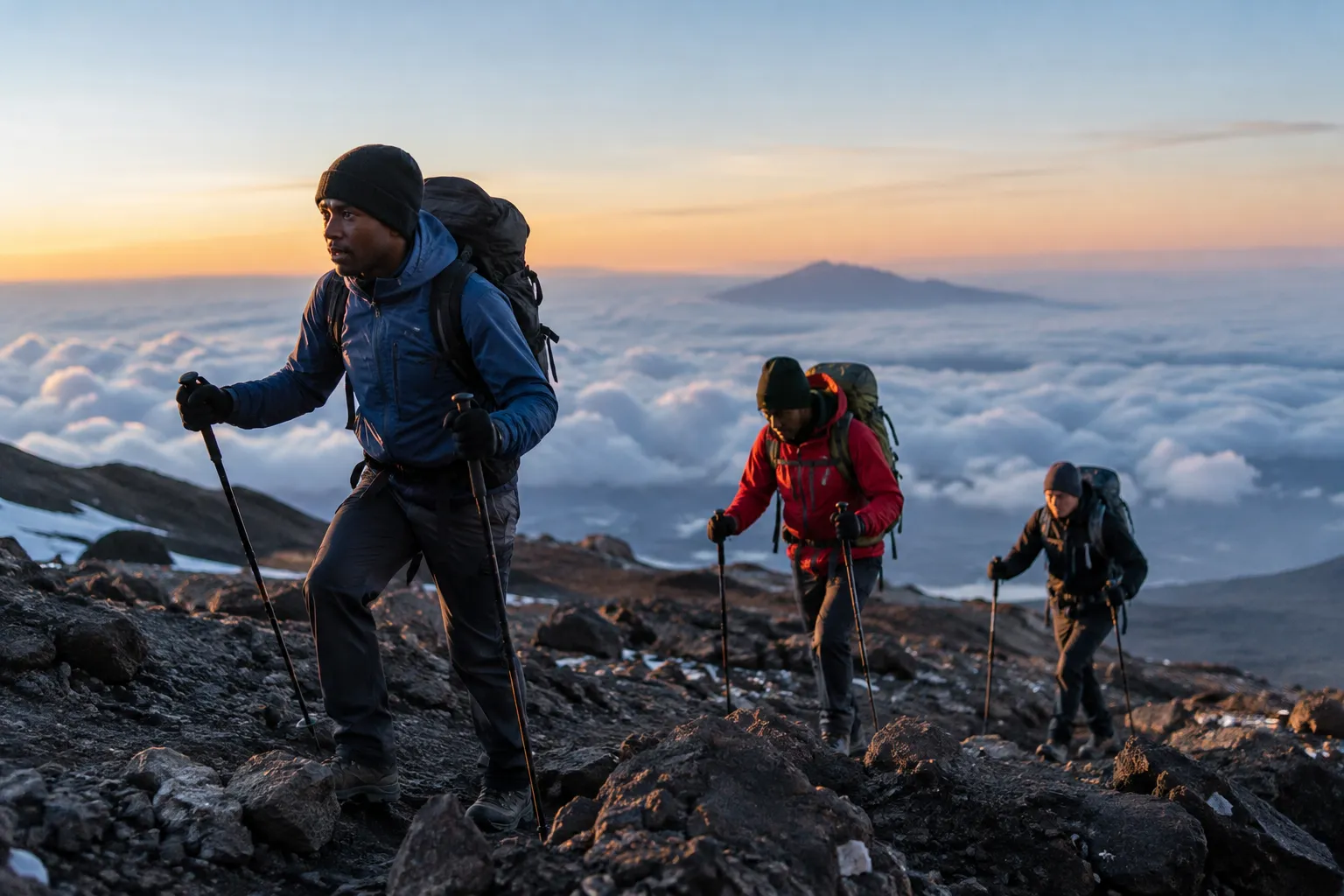
Summit night is a long, cold hike that usually begins after time at a high camp. Before setting out, guides should explain the expected pace, route, clothing layers, break plan, and how the group will stay together. Clarify who will walk with climbers at different speeds and how the team will respond if someone cannot continue.
Summit support means having guides nearby to monitor the group, encourage a steady pace, and respond to changing conditions. It does not mean a guaranteed summit. Altitude, weather, fatigue, and individual health can all affect whether someone continues. Ask the operator how it decides when a climber should turn around and how that decision is communicated.
The descent is also demanding, particularly after a night with little sleep. Guides continue to set the pace and monitor the group as it heads to lower elevation and camp. Ask what the planned descent looks like and whether the itinerary includes time to rest before the next hiking day. A responsible plan considers both the summit push and the return, not only reaching the top.
After the climb: recovery and your next step
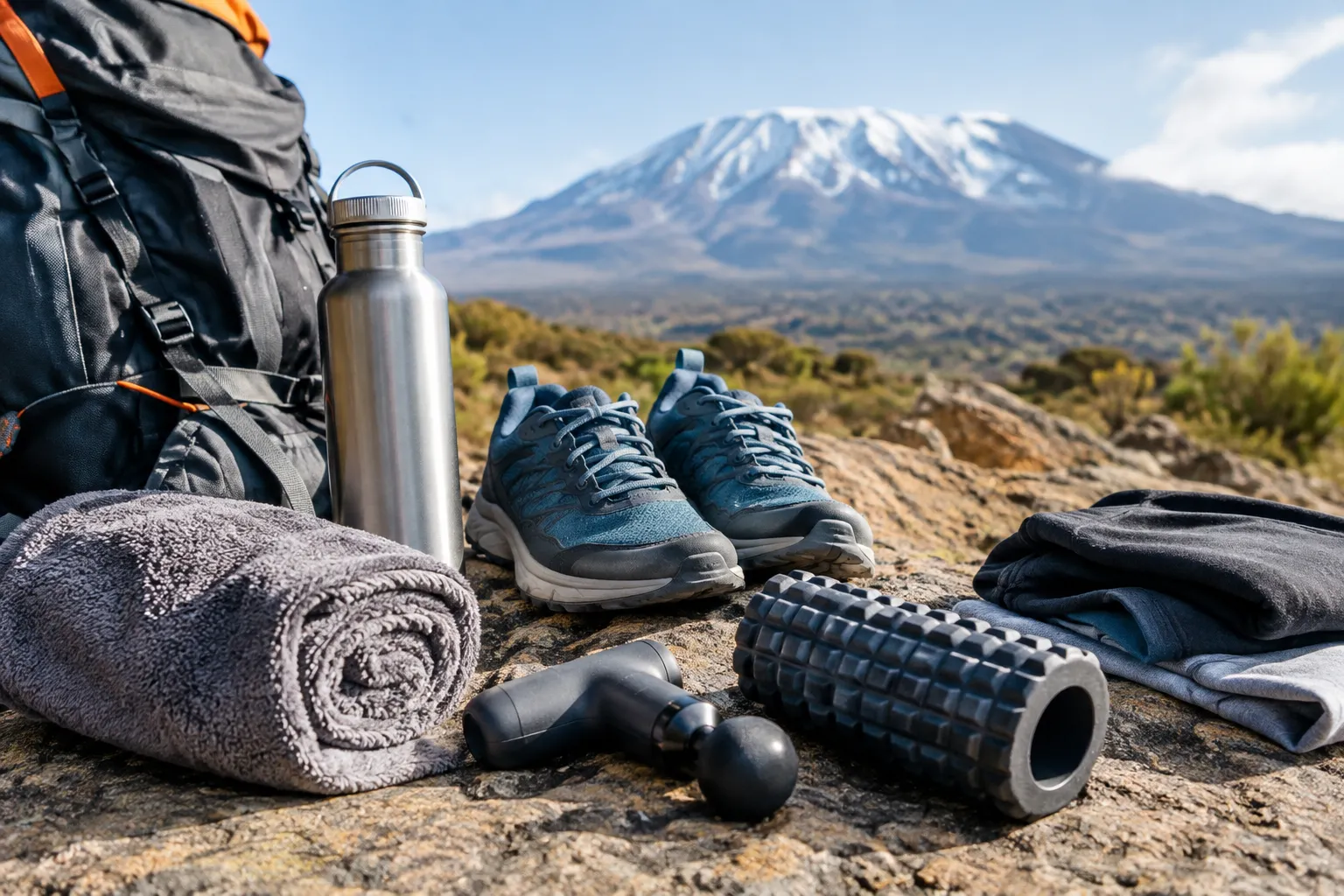
After leaving the mountain, confirm the return transfer and any included accommodation before the climb starts. Ask when the group is expected to reach town and whether you should avoid scheduling an immediate onward flight. A buffer can help account for delays and give you time to recover after several days of hiking.
It is also sensible to know who to contact if you have questions about the trip after returning. Clarify how final payments, any remaining tips, and luggage handoff are handled. If you plan to add a safari, check how many recovery days you want before beginning another activity and whether the transfer and accommodation arrangements are separate. Eco Africa Climbing offers private Tanzania safaris, including Serengeti safari tours; compare the safari schedule with your climb itinerary before confirming both.
When discussing a route-specific plan with an operator, share your dates, travel party, hiking background, and preferred route. Request the day-by-day itinerary and a written breakdown of inclusions, exclusions, deposits, and tipping guidance. That makes it easier to compare the actual support and total trip components—not just the headline price.
Kilimanjaro Climb Guide FAQs
How fit do you have to be to climb Mount Kilimanjaro?
You should be prepared to hike for several hours on consecutive days and handle uneven terrain while carrying a daypack. Build endurance with regular hikes and aerobic exercise, and ask a qualified health professional about your individual readiness.
How much does it cost to climb Kilimanjaro per person?
The total varies with route, trip length, group or private arrangements, inclusions, flights, gear, and tips. Request a written quote that separates park and other fees from optional or excluded costs.
Is 50 too old to climb Kilimanjaro?
No; age 50 alone does not determine whether someone can climb, but fitness, health, acclimatization, and the itinerary matter. Discuss personal health concerns with a qualified health professional before booking.
Can a beginner climb Kilimanjaro?
Yes, beginners can attempt Kilimanjaro with preparation, a suitable itinerary, and professional guides, though the altitude and consecutive hiking days make it demanding. Choose a route and pace that allow time to acclimatize.
Recommended next steps
Before choosing among Kilimanjaro climbing tours, compare the route schedule, guide and assistant-guide roles, emergency procedures, porter-welfare practices, and written cost breakdown. For a wider view of access and routes, see our Mount Kilimanjaro map and route guide. A clear operator conversation should leave you understanding what happens on the trail, what support is available, and what costs remain yours to plan.
Sedrick Silayo is a Web Developer and Digital Marketing Expert at Eco-Africa Climbing, with over 10 years of experience in Tanzania’s adventure travel industry. He specializes in Kilimanjaro trekking and Northern Tanzania safaris, sharing practical expertise on trip planning, mountain preparation, safety, KPAP standards, and safari experiences.