 9 Nov 2026
 8 min read
A private Kilimanjaro climb itinerary offers more room to discuss your route, pace, and daily plan than a group schedule, but changes remain subject to safety, park rules, and mountain logistics. Eco Africa Climbing offers private climbs; contact the team to discuss your preferences and request a clear itinerary and cost breakdown.
What itinerary flexibility means on a private Kilimanjaro climb
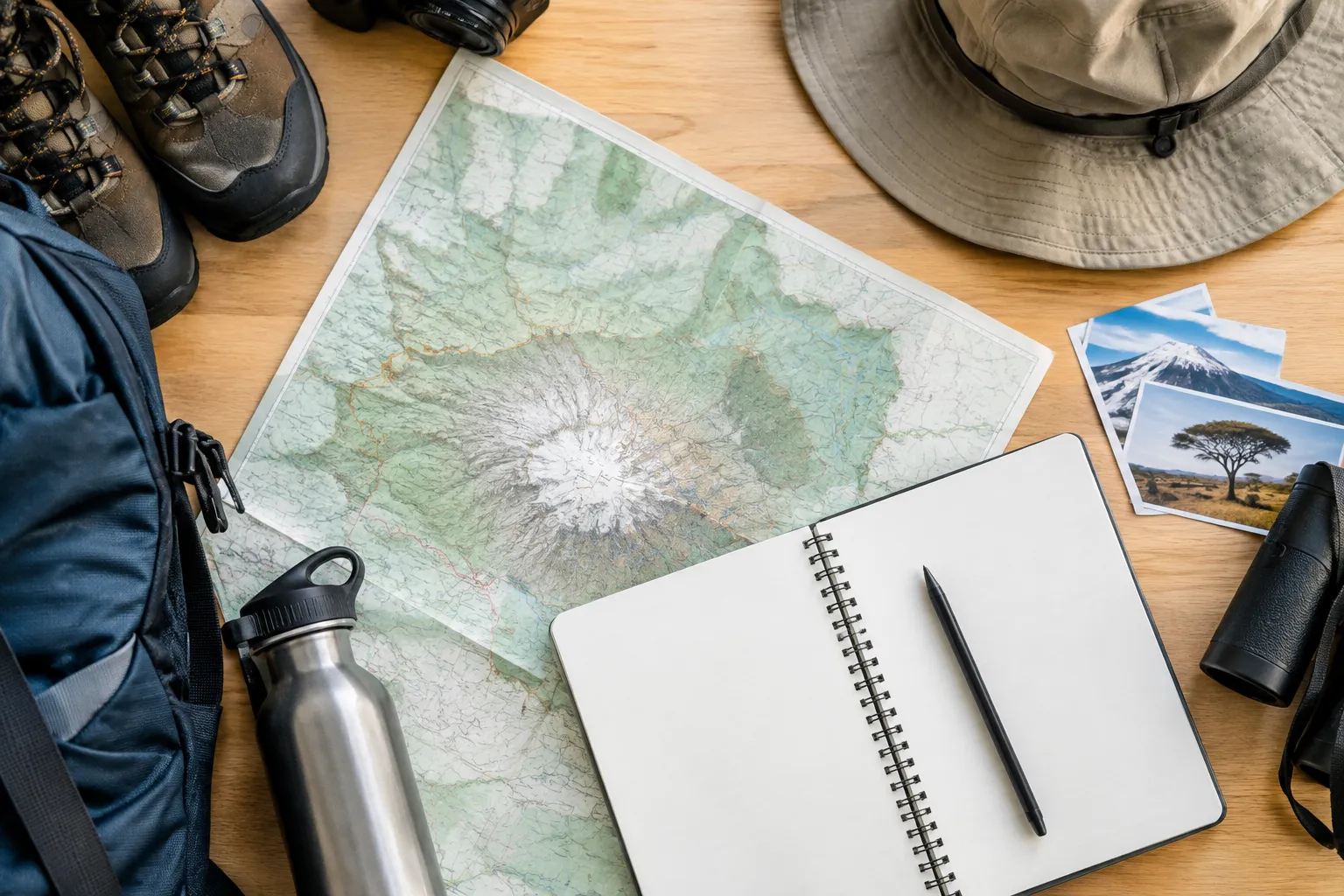
Private Kilimanjaro climb itinerary flexibility means you can discuss route and pacing preferences with your operator, while accepting that safety, route conditions, and logistics set firm limits.
The practical value is having a plan shaped around your party rather than coordinating daily decisions with unrelated travelers. You can explain your priorities—such as a slower walking pace or a route you want to consider—and ask how they affect the itinerary. A private booking does not mean that every camp, walking day, or summit plan can be changed at will.
For a useful comparison, ask for the proposed route, day-by-day walking plan, overnight locations, and what may change on the mountain. Then check how the operator handles health monitoring, guide support, and porter welfare. These details matter more than the word “private” by itself.
If you are still comparing the full guided experience, our Kilimanjaro climbing tour guide explains what to consider when planning a climb. The park authority describes Kilimanjaro as a high mountain with several climbing routes and says climbs typically take five to eight days. That broad range is a starting point, not a promise about the length or suitability of a particular private itinerary.
How route choice shapes your private climb itinerary
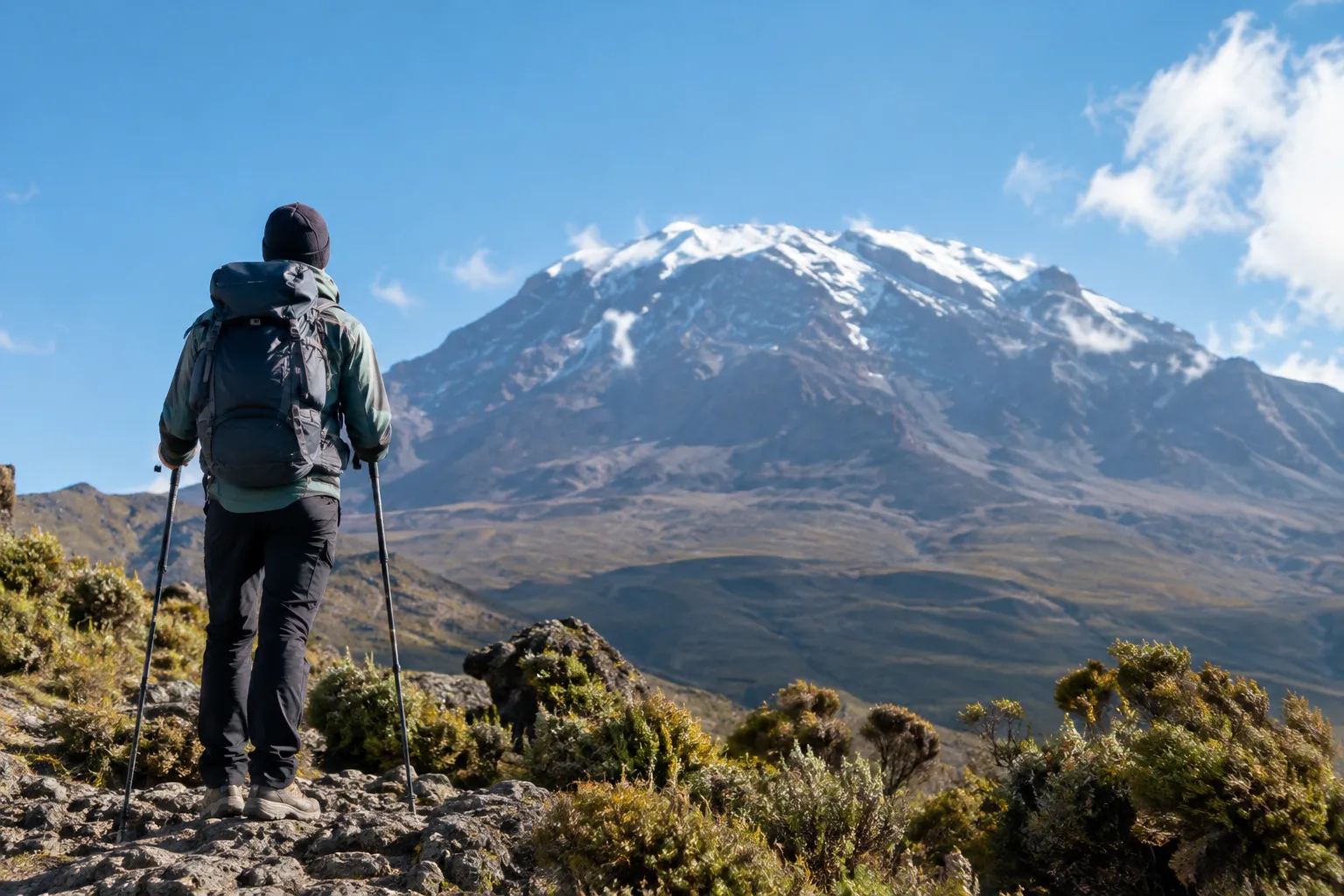
Route choice determines the broad shape of a private climb, including its approach and overnight sequence; routes are distinct plans, not interchangeable options for rearranging day by day.
Eco Africa Climbing offers private climbs on the Lemosho, Machame, Northern Circuit, Rongai, and Marangu routes. Ask for a comparison based on your priorities rather than assuming a route can be shortened or extended without consequences. The park authority’s Kilimanjaro visitor guidance covers access gates, route and accommodation arrangements, visitor guidance, and entry-fee categories.
A useful route discussion should address:
- The route’s overall sequence and the planned overnight stops.
- How the schedule balances walking and time for acclimatization.
- Whether the proposed duration fits your available trip days.
- Which arrangements or costs could change if you choose a different route.
TANAPA’s general five-to-eight-day description does not tell you how many days a specific itinerary uses, which camps it includes, or whether an extra day is available. Request the proposed schedule in writing. If you are comparing route layouts on a map, the Kilimanjaro route and access map can help you understand how route and access information fit into trip planning.
No route choice removes the need to consider altitude. The U.S. Centers for Disease Control and Prevention (CDC) advises gradual acclimatization for high-altitude travel and describes altitude illness as a health risk. Discuss your own fitness and medical concerns with a qualified health professional before choosing an itinerary.
Which daily plans can be customized—and what are the trade-offs?
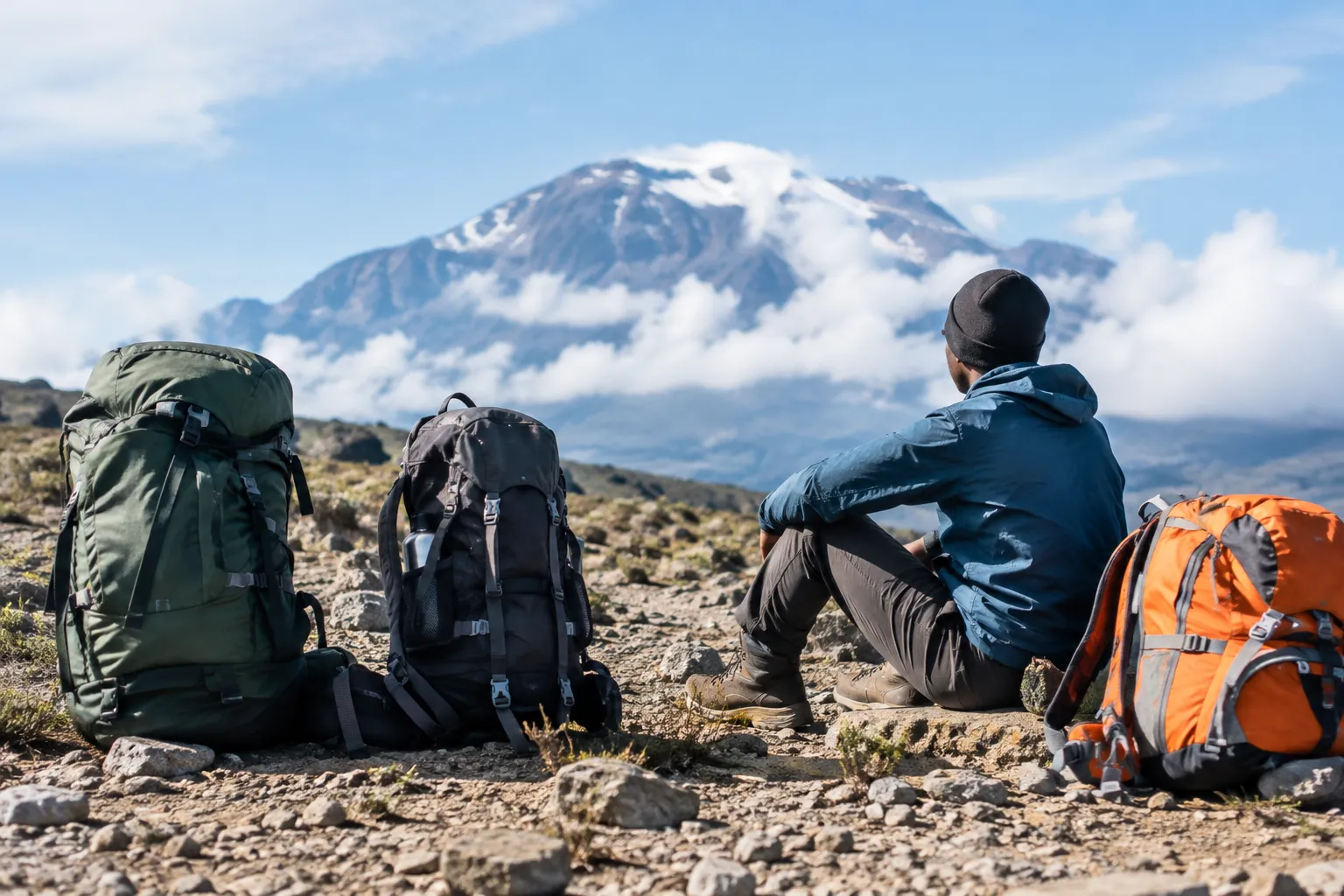
A private climb gives your party more opportunity to discuss its daily pace and walking preferences, but overnight locations and the overall schedule must still fit safety and camp logistics.
Think of customization as adjusting within a workable plan, not designing a new mountain route each morning. To evaluate the private Kilimanjaro climb itinerary flexibility on offer, ask which daily decisions can be discussed in advance, who makes on-route decisions, and what happens if a climber feels unwell.
Adjusting daily pace and walking plans
A private party can discuss its preferred walking pace and breaks with the operator, but guides need to keep the route plan and climbers’ condition in view.
For example, if you prefer a steady pace with regular pauses, raise that before booking and ask how the proposed daily plan accommodates it. Clarify how guides check climbers during the climb and how those checks affect a decision to continue, slow down, or change the plan. These are useful questions for anyone climbing Mt. Kilimanjaro, especially on a first high-altitude trek.
Do not treat a private booking as permission to push through symptoms or race ahead. The CDC’s high-altitude guidance explains the importance of acclimatization and recognizing altitude illness. A guide’s support and monitoring are safeguards, not guarantees of a particular outcome. Ask the operator to describe its safety procedures plainly, and consult a qualified medical professional about your personal readiness.
Changing overnight stops and camp logistics
Overnight stops may be discussed during itinerary planning, but changes are limited by the chosen route, designated arrangements, and the logistics of supporting a climbing party.
Camp locations are part of the route plan, so a preferred stop may not fit the available itinerary or the practical movement of the crew and equipment. Ask which overnight locations are included and whether a change would affect the schedule or quoted cost. For a concrete example, compare the camp sequence on two route proposals instead of asking only whether a climb is “flexible.”
Porter welfare belongs in this discussion. Ask how the company plans to move people and equipment between camps, how porter treatment is addressed, and whether the operator is a KPAP Partner Company. Eco Africa Climbing is described as a KPAP Partner Company and states a commitment to porter welfare. That information is relevant when comparing responsible practices, but it does not replace questions about the specific itinerary and what is included.
Is a private itinerary worth the extra cost compared with a group climb?
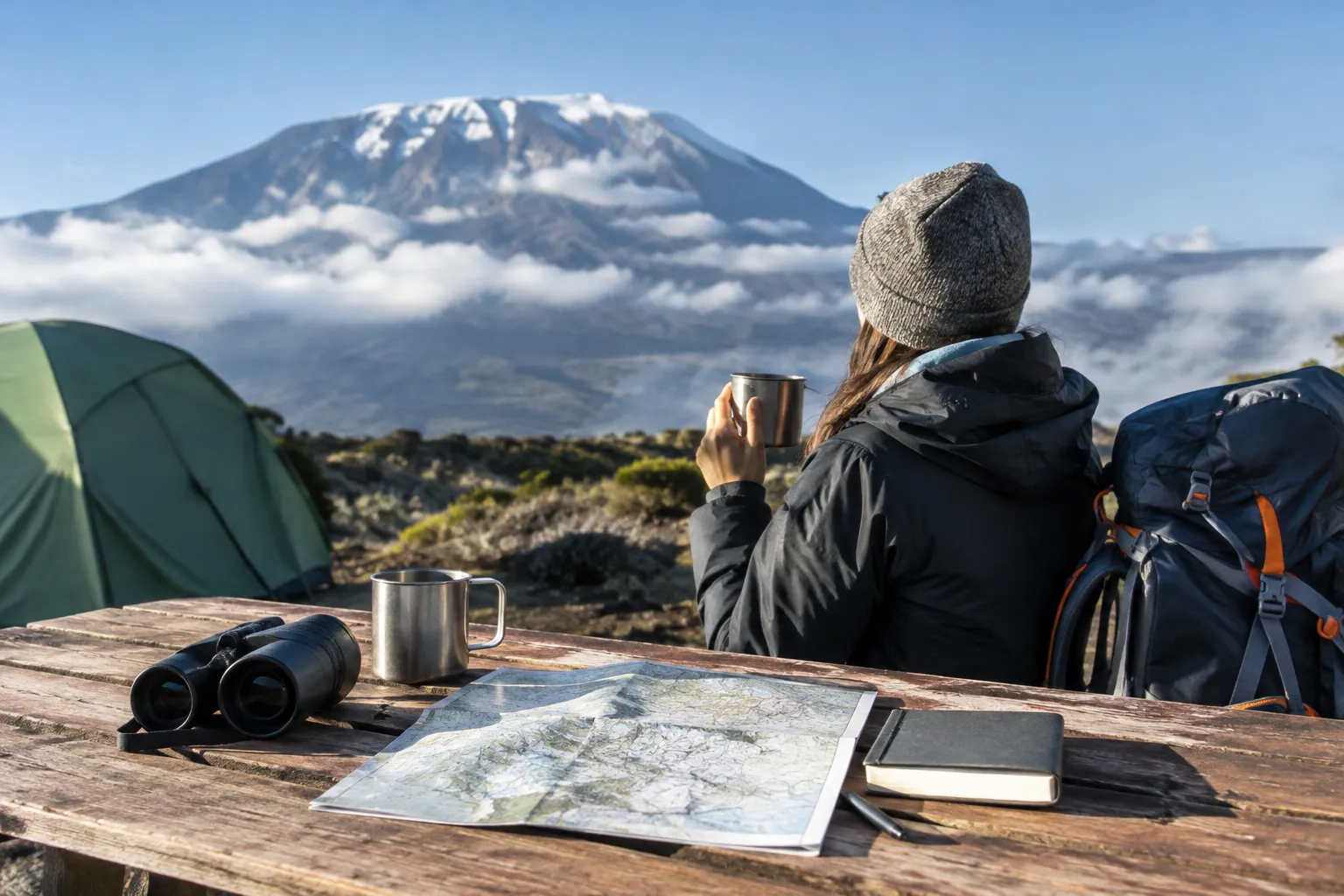
A private itinerary may be worth the additional cost if control over planning and a dedicated party structure matter to you; a group climb may fit better if you prefer a shared schedule.
There is no universal value calculation for the cost of climbing Mt. Kilimanjaro. Compare the full proposed arrangements, not just a headline figure: route and duration, guide support, park fees, meals or accommodation where applicable, transfers, tips, gear, and any exclusions. Ask the operator to identify what is included and what you would pay separately.
Where private and group planning differ
Private planning gives your party more input into its preferences, while a group climb follows a shared itinerary designed for its participants.
| Consideration | Private climb | Group climb |
|---|---|---|
| Planning input | Discuss preferences for your party’s route and daily plan. | Plan around the shared group itinerary. |
| Daily pace | Raise your preferred pace and breaks with the operator. | The day is coordinated across group members. |
| Party structure | Your booking is planned for your private party. | You climb with other participants. |
| Main trade-off | More planning control may come with a higher quoted cost. | Less individual control may suit travelers who prefer a shared plan. |
Ask whether the group departure is confirmed and what happens if the group’s pace or needs differ from yours. Do not assume any departure is guaranteed unless the written booking terms say so. Solo travelers and women traveling alone can ask how the operator handles group composition, on-route support, and communication; a private booking may offer a different party structure, but no arrangement guarantees how a climb will feel.
What support, safety, and quoted prices cover
The right comparison is a written account of guide support, safety procedures, porter practices, and included and excluded costs—not a promise of a summit or a single price alone.
Ask what guide support is provided, how climbers’ health is monitored, and how the team responds to concerns on the route. Clarify guide qualifications and what they mean in practice; do not infer a safety outcome from a credential or a general claim. Ask whether the company’s KPAP Partner status applies and how porter welfare is addressed in the climb’s arrangements.
Request an itemized quote that separates included services from expenses such as airfare, personal gear, tips, and any other exclusions. Ask which park fees and transport arrangements are covered, and whether optional safari plans are separate. This makes private guided tours easier to compare on total trip cost, rather than on a number whose scope is unclear.
A private climb is a poorer fit if your main priority is the lowest possible guided-trip price or you are comfortable following a shared schedule. A group climb may suit you better in that case. If individualized planning is the priority, compare what the private quote actually buys you before deciding that the added cost is worthwhile.
How to request a transparent private itinerary from Eco Africa Climbing
To request a transparent private itinerary from Eco Africa Climbing, share your route preferences, schedule limits, pace needs, and cost questions, then ask for the proposed day-by-day plan and written inclusions.
Give the team enough detail to respond to your actual trip constraints. Useful points to include are:
- Your preferred route, or the routes you want to compare.
- The number of days you have available for the climb and the wider trip.
- Your preferred daily pace, walking breaks, and any concerns about the overnight sequence.
- Your group size and whether you are comparing a private climb with a group departure.
- Your arrival timing, including whether you have planned time to rest before trekking.
- Any interest in adding a private Tanzania safari, which should be priced and planned separately if relevant.
Then request answers in a format you can compare: a day-by-day itinerary, named overnight stops, what support and health checks are provided, what may change on the mountain, and an itemized list of inclusions and exclusions. Ask specifically about park fees, tips, gear, flights, and any deposit or payment terms in the booking proposal. These questions help reveal the total trip budget and prevent the cost of climbing Mt. Kilimanjaro from being reduced to a headline quote.
For travel and high-altitude preparation, review current CDC guidance for Tanzania and discuss your health questions with a qualified medical professional. The CDC’s travel guidance can change, so check it close to departure; a travel health professional can advise on your personal circumstances.
Recommended next steps
Use these steps to compare the private plan with your own schedule, priorities, and budget before you commit.
- Choose the routes you want to compare and note how many days you can allocate to the climb.
- Write down your preferred pace, breaks, overnight sequence, and arrival-rest needs.
- Ask Eco Africa Climbing for a day-by-day private itinerary and a written explanation of route and camp logistics.
- Compare guide support, health-monitoring procedures, and porter-welfare practices across the proposals you are considering.
- Check the quote line by line for inclusions, exclusions, park fees, tips, gear, flights, and payment terms.
- Contact Eco Africa Climbing with your preferences and questions so the team can discuss a private itinerary tailored to your plans.