 3 Nov 2026
 8 min read
A useful way to plan your climb is to count the nights you sleep on the mountain separately from walking days and nights in Tanzania. The answer to “how many nights do you spend on Kilimanjaro?” depends on your route and itinerary, especially how much time the schedule allows before the summit push.
How Many Nights Do You Spend on Kilimanjaro?
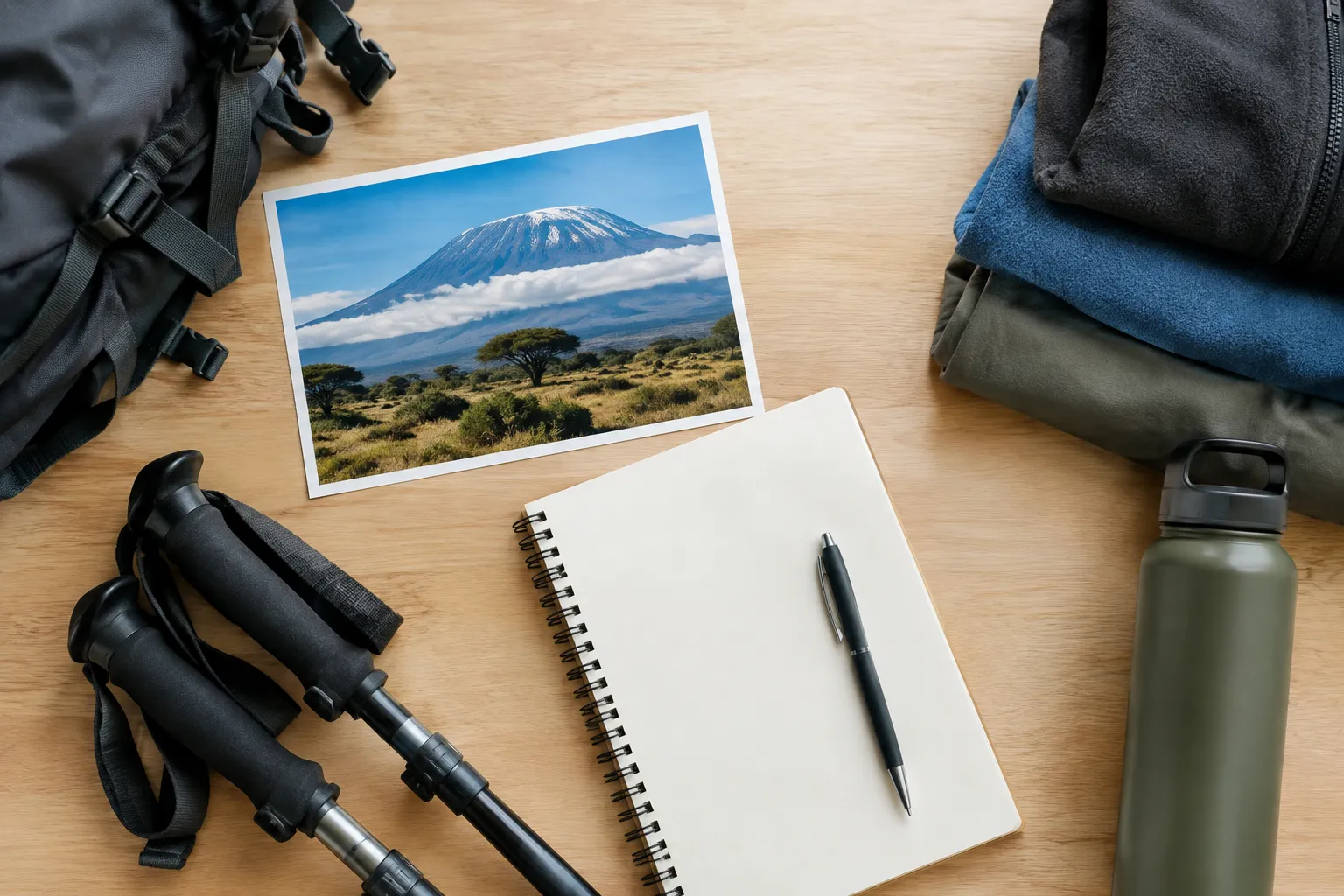
Most climbers spend about five to seven nights on Kilimanjaro, but your route and itinerary determine the exact count. The summit push and descent are included in that mountain-night total; they are not extra nights to add after the scheduled climb.
Tanzania National Parks describes typical climbs as lasting five to eight days. Days and nights do not match one-for-one: you may start walking early, reach camp later, and sleep there before continuing. The park authority’s Kilimanjaro overview describes the mountain’s elevation, peaks, routes, and typical climb duration.
For practical planning, check the itinerary’s camp sequence rather than relying only on a headline such as “seven-day climb.” Count the nights between the first overnight on the mountain and the final night before you leave the route. Then confirm which day includes the summit attempt and where you sleep after descending.
Our Kilimanjaro climb-duration guide explains the difference between days and nights in more detail. That distinction helps you schedule flights, hotel stays, and time to recover without treating the mountain itinerary as your entire trip.

What Happens on the Approach Days
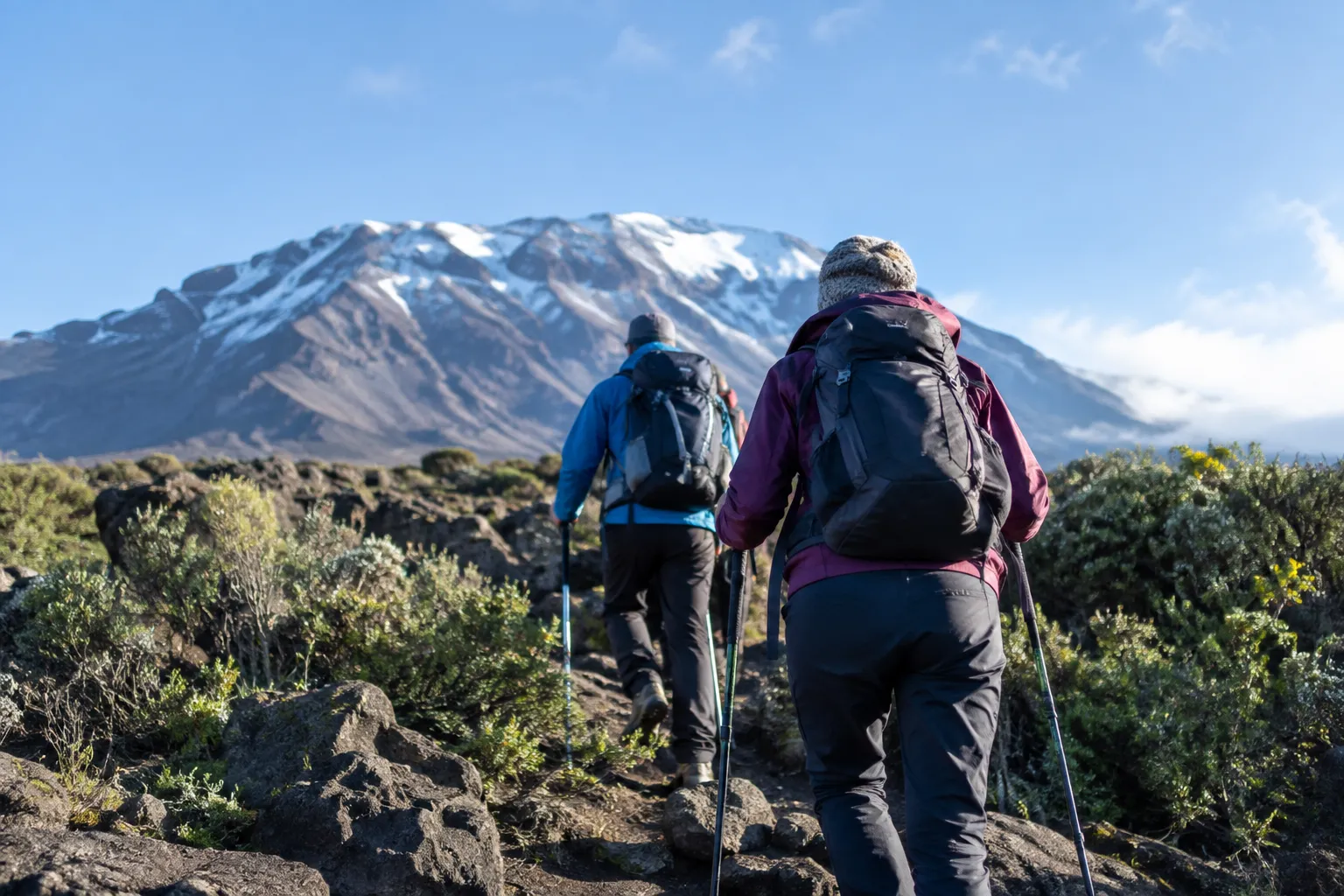
Approach days take you from the route’s starting point to higher camps, and each planned overnight adds a mountain night before the summit attempt. Routes with more days generally give the itinerary more time for gradual ascent.
The approach is not simply a count of long walking days. A day may involve walking to a camp, eating and resting there, then sleeping before the next stage. The next morning starts a new walking day, but the previous night belongs to the mountain-night total.
Route choice changes the camp sequence and total duration. Eco Africa Climbing offers guided climbs on the Lemosho, Machame, Northern Circuit, Rongai, and Marangu routes. The exact number of nights depends on the itinerary selected for that route, so ask for the day-by-day schedule rather than assuming every version has the same count.
A longer itinerary can include more time before the summit night, but extra nights alone do not guarantee how your body will respond to altitude. The Centers for Disease Control and Prevention (CDC) advises gradual ascent and attention to altitude illness; discuss your personal health and travel plans with a qualified medical professional before the trip.
To compare options, note the starting camp, every overnight camp, the summit attempt, and the camp used after the summit. That simple count shows how long to hike Kilimanjaro in calendar terms without confusing walking hours with time spent sleeping on the mountain.
What to Expect on Kilimanjaro Summit Night
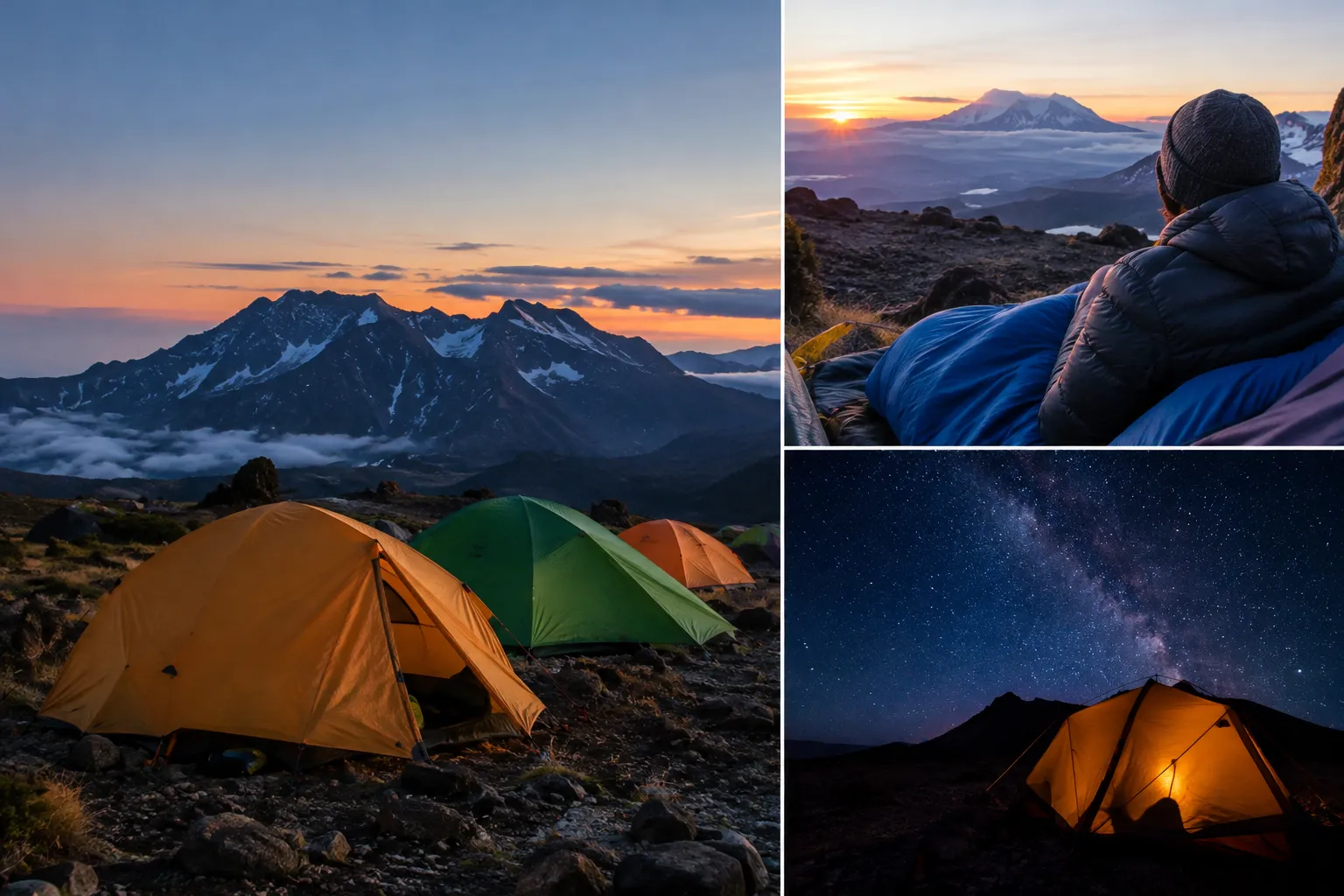
Kilimanjaro summit night is the overnight climb toward the summit, followed by a descent to a lower camp, so it is counted within the itinerary rather than added as a separate night. The schedule and pace vary by route and plan.
Climbers usually rest at a high camp before starting the summit push during the night. The overnight ascent means you may spend part of the night walking rather than sleeping. After reaching the summit, the route continues downhill; the day’s walking does not end at the summit point.
For a practical preview of timing and pacing, see our guide to Kilimanjaro summit-night sleep and support. Ask an operator how the planned schedule handles rest before the push, guide support, and the descent afterward. A clear answer should describe the itinerary, not promise a summit outcome.
Altitude symptoms can affect a climb, and reaching the summit cannot be guaranteed by a schedule. The CDC’s high-altitude travel guidance covers acclimatization and recognizing altitude illness. Follow your guide’s instructions on the route and seek medical advice about your individual risks before traveling.
How the Descent Affects Your Nights on the Mountain
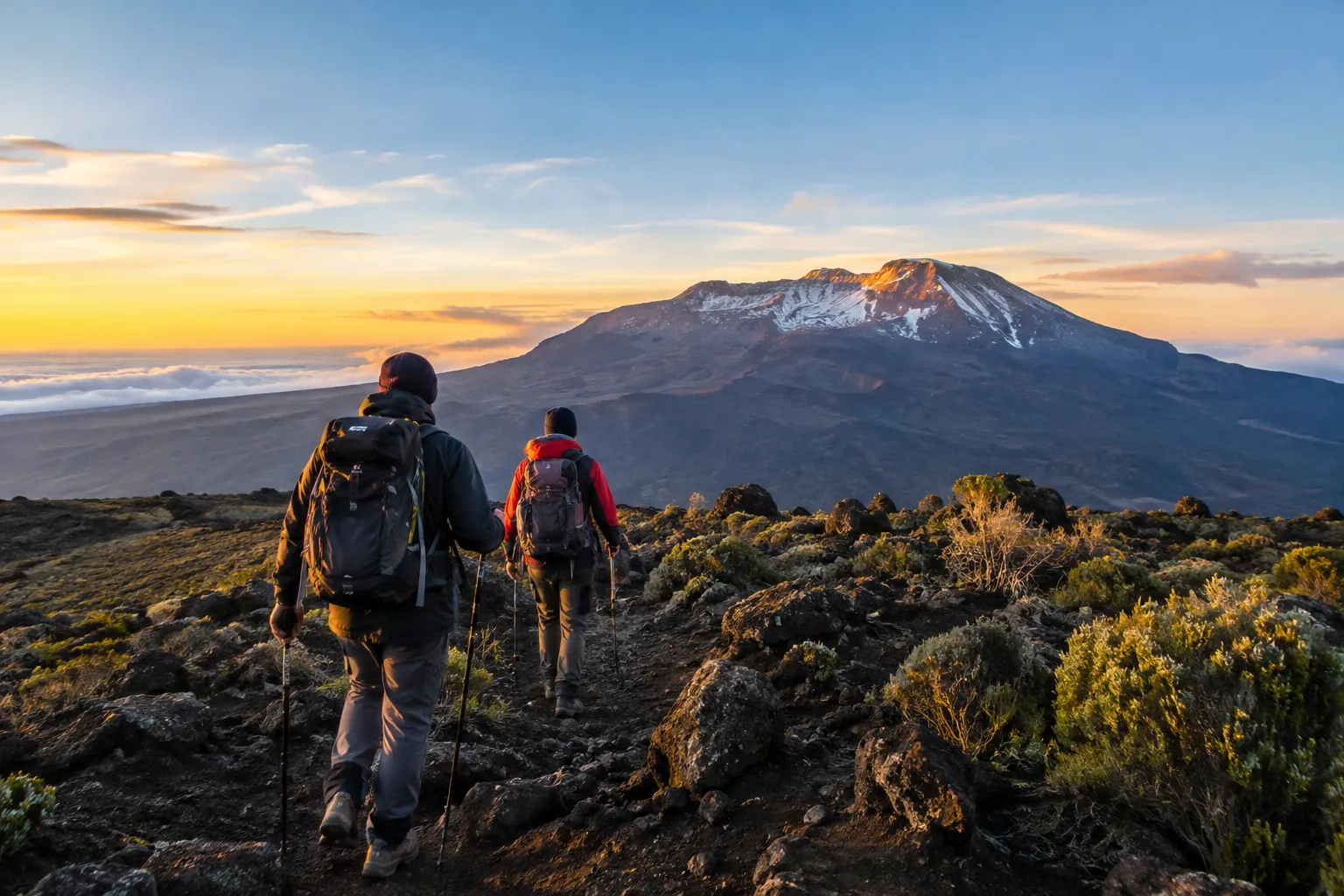
After the summit, climbers descend to a lower camp, and that night still counts as a mountain night if they sleep there. The itinerary may then include another descent day before leaving the mountain.
A common counting mistake is to stop tallying at the summit. But a summit is a point on the route, not the end of the climb: the descent takes time, and the itinerary may include an overnight afterward. Check the final camp and the date you leave the route to see how many nights are actually planned.
Also confirm what “last day” means in the itinerary. It may mean the final day of walking, not the night you sleep at a hotel after the climb. These are separate parts of the trip, and the number of hotel nights depends on your travel arrangements.
When comparing schedules, ask whether the listed duration includes both summit night and the descent to the exit. This question is more useful than comparing day counts alone: two itineraries may describe their duration differently, while the camp-by-camp sequence makes the overnight plan visible.
Mountain Nights Versus the Full Kilimanjaro Trip
Mountain nights cover only the nights on the climb; your full Kilimanjaro trip can also include hotel nights before and after it. Add travel and any safari nights separately when estimating time away.
Consider a sample calendar without assigning a fixed number of hotel nights: arrive in Tanzania and sleep at a hotel; begin the mountain itinerary on its scheduled start date; count each camp night through the summit and descent; then sleep at a hotel after leaving the route if your plans include one. Any safari stay comes after those components and is counted separately.
For example, if your chosen itinerary lists six mountain nights, that figure does not include the night before the climb, a post-climb hotel stay, or an optional safari. It also does not count nights spent in transit. Add each part using your actual flight and booking dates rather than treating “six nights on the mountain” as the total trip length.
Arrival timing matters for logistics, too. Allow enough time to reach the starting point on the date in your itinerary and to handle travel disruptions. If your journey involves airport connections, check your airline’s baggage-transfer instructions and leave time for any required recheck. These details affect the trip calendar even though they do not change the mountain-night count.
A safari is a separate choice, not part of the climb duration. Eco Africa Climbing offers private Tanzania safaris in Northern Tanzania, including destinations such as Serengeti National Park and Ngorongoro Crater. If you are considering one, count its nights after the climb and ask for its own itinerary so the mountain schedule remains clear.
Choosing an Itinerary with Enough Time to Acclimatize
Choose an itinerary by comparing its camp-night sequence and acclimatization time, not by selecting the shortest day count. A schedule needs to fit your travel window while giving you a clear plan for the ascent, summit attempt, and descent.
Eco Africa Climbing is a KPAP Partner Company. When assessing an operator, verify the partnership and ask specific questions about porter treatment, guide standards, health monitoring, included services, and tipping. KPAP status is one check in your research; it does not replace reviewing the itinerary and quote.
Ask for the price breakdown in writing. Separate the operator’s quoted services from flights, gear, tips, hotel stays, and any safari you are considering. Confirm which park and transport costs are included, what you need to arrange yourself, and when deposits or balances are due. Comparing the same categories across quotes makes the overall value easier to judge than comparing a single headline price.
If you are traveling alone or with a small party, ask whether the departure is a group climb or a private climb, how group arrangements work, and whether the dates are confirmed. Women traveling alone can ask the same practical questions about group composition, communication, and support during the climb. Do not assume a group departure is guaranteed unless the operator confirms its terms.
Eco Africa Climbing offers both group and private Kilimanjaro climbs. A group option may suit travelers who want to climb with others; a private option may fit people who want to discuss a schedule for their own party. Compare the actual departure terms and itinerary rather than assuming either format has a particular group size or service level.
You can review acclimatization days in a Kilimanjaro itinerary to see how added time can fit into a climb plan. For route-specific comparisons, use our Kilimanjaro climb-duration guide by route. Then ask for the exact camp-night schedule and compare it with your arrival and departure dates.
Kilimanjaro Climb Duration FAQ
These concise answers clarify typical climb duration and what beginners should consider when planning their nights on the mountain.
How many days are needed for Kilimanjaro?
A typical Kilimanjaro climb takes five to eight days, according to Tanzania National Parks; the route and itinerary determine the exact schedule and number of mountain nights.
Can a beginner climb Kilimanjaro?
Yes, beginners can plan a guided Kilimanjaro climb, but they should prepare for sustained hiking, understand the altitude-related risks, and choose an itinerary with time to acclimatize.
Plan Your Kilimanjaro Nights Around the Route
To plan realistically, first choose a route and request its overnight sequence, then fit flights, recovery time, and any safari around those mountain nights.
- Compare the route options against the number of days you can spend on the climb.
- Request a day-by-day itinerary that names each overnight camp, the summit attempt, and the descent.
- Check the quote for inclusions, exclusions, tipping guidance, and departure terms.
- Match the itinerary to your arrival and departure dates, keeping hotel and safari nights separate.
- Review the planned acclimatization time and discuss personal health concerns with a qualified medical professional.
Use the itinerary details to compare your options and see how summit night and descent fit into the climb.