 13 Nov 2026
 8 min read
Guided Kilimanjaro climbs for first-timers combine a route itinerary with mountain guides and logistical support, but the route, acclimatization time, safety procedures, and quote inclusions vary. Compare those details before choosing a group or private climb, then plan training, travel, and rest days around the itinerary.
What a guided Kilimanjaro climb involves
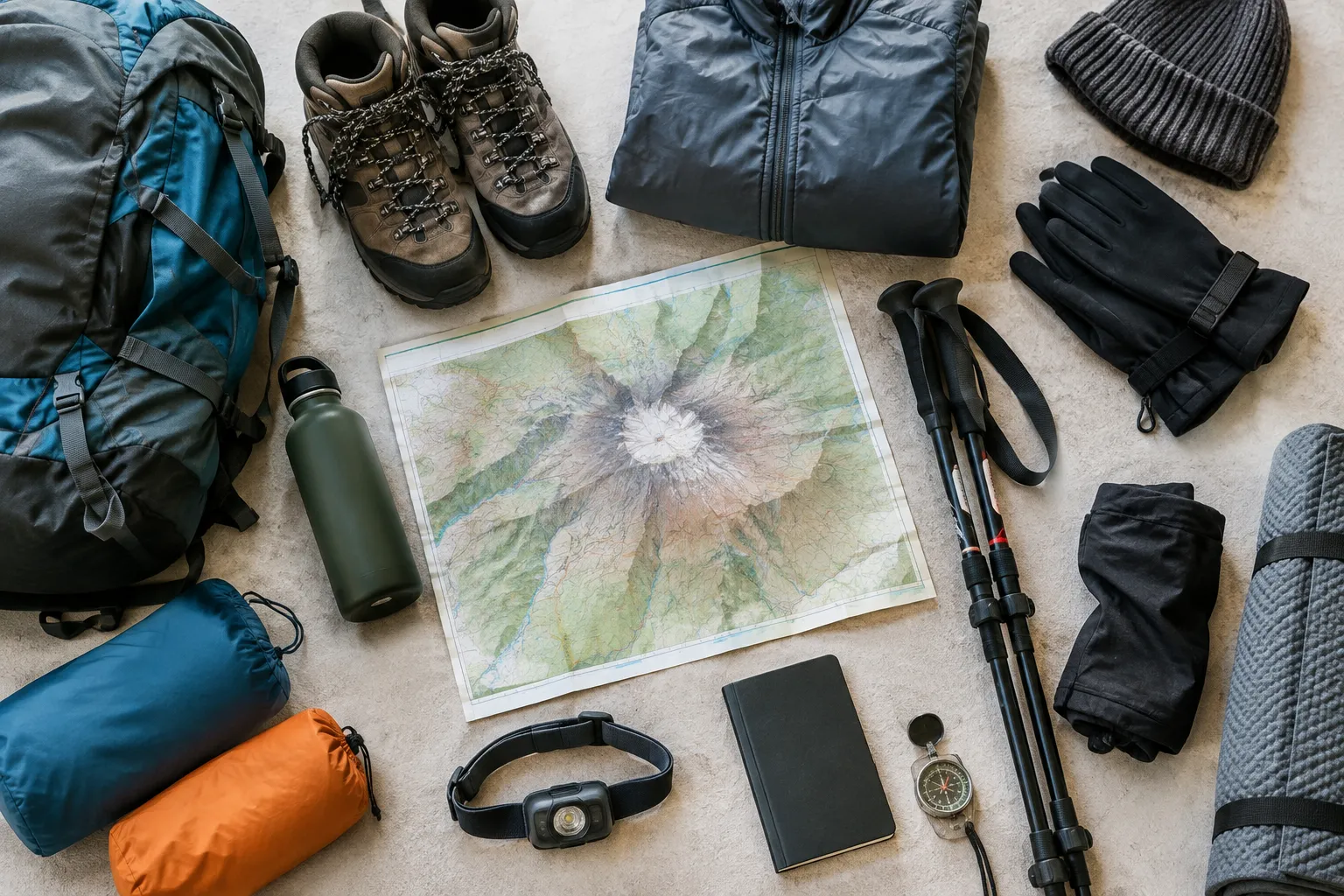
A guided climb pairs your route plan with professional mountain guiding and logistical support; before booking, clarify who handles health checks, camp routines, and decisions if a climber needs to descend.
The guide and mountain support team
A lead guide directs the group along the route and helps manage the day’s plan. The wider support team may handle camp logistics and meals, depending on the itinerary and operator. Ask who will accompany your group, how responsibilities are divided, and who makes decisions if weather or a climber’s condition changes the plan.
For first-time climbers, that clarity is part of what you are buying—not just a place on a trek. Eco Africa Climbing offers Mount Kilimanjaro climbing tours, as well as group and private climbs. When comparing kilimanjaro climbing tours, ask for the day-by-day itinerary and a written list of included services rather than relying on a route name or headline price.
A private climb gives your party more control over its group arrangement; it does not, by itself, establish a particular guide ratio or guarantee a specific pace. Ask how the operator arranges supervision for your chosen departure and what changes if a climber cannot continue.
A typical day on the mountain
Expect walking, rest stops, meals, and time at camp, with the exact schedule shaped by the route and itinerary. Confirm how the operator handles daily briefings, meals, water arrangements, and overnight accommodation before you compare quotes.
Mountain days are not simply a long hike followed by sleep. The pace and altitude change over the itinerary, and the next day’s plan may depend on how the group is doing. Ask what happens if you need a slower pace or cannot keep up. For practical context on Kilimanjaro’s location and access, see our Kilimanjaro location guide.

How first-timers can compare Kilimanjaro routes
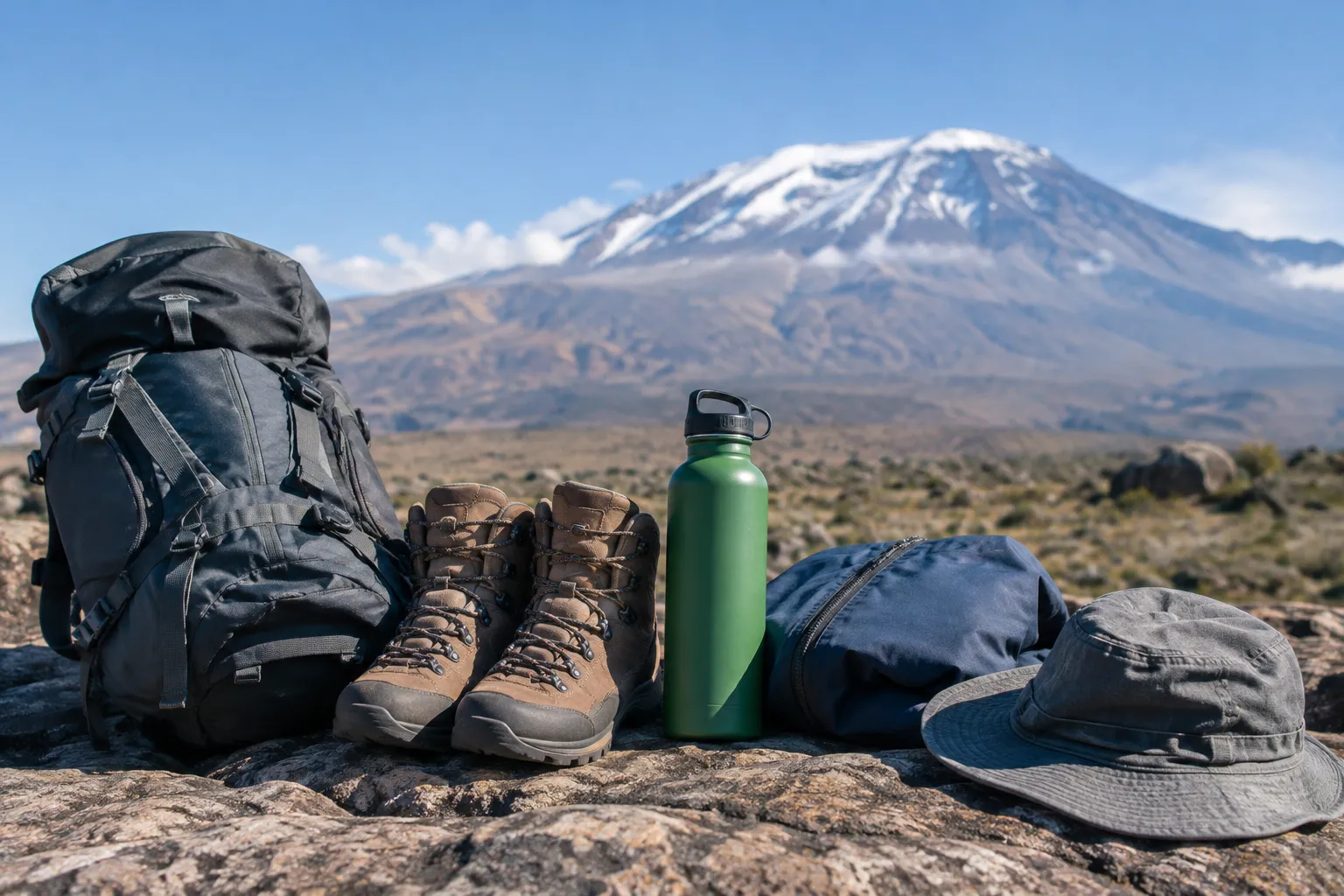
Compare routes by itinerary length, opportunities to adjust to altitude, and travel style—not scenery alone; a route’s name does not tell you how well its schedule fits your needs.
Compare route length and acclimatization time
The park authority describes typical Kilimanjaro climbs as lasting five to eight days. Within that range, compare the actual number of days on the mountain, the daily elevation profile, and whether the plan includes time to adjust. A longer itinerary can allow more time for acclimatization, but it cannot guarantee how any individual will respond.
The CDC’s altitude-illness guidance explains that ascent and acclimatization affect altitude-illness risk. Ask the operator how the itinerary manages elevation changes, what symptoms guides watch for, and what happens if someone becomes unwell. Do not treat a short itinerary as equivalent to a longer one simply because both reach the same destination.
Your route decision also affects the overall trip plan. Allow for travel to Tanzania, arrival rest before the climb, and time after the trek before an onward flight or safari. A tight schedule may leave less room for sleep and recovery. Confirm transfer and arrival arrangements directly with the operator and airline, especially if your connection involves collecting and rechecking baggage.
Match the route to your preferences
Eco Africa Climbing offers the Lemosho, Machame, Northern Circuit, Rongai, and Marangu routes; compare their specific itineraries and tradeoffs with the operator rather than assuming one route suits every first-timer.
| Route | Useful comparison question |
|---|---|
| Lemosho | How does this itinerary balance its route approach and time for acclimatization? |
| Machame | What is the planned day-by-day pace, and how much time is set aside to adjust? |
| Northern Circuit | Does the longer route plan fit your available travel days and budget? |
| Rongai | How do its route and overnight arrangements compare with your preferences? |
| Marangu | Does the itinerary’s accommodation style and schedule suit you? |
These questions are prompts for comparing actual itineraries, not claims that every departure follows the same schedule. Request the daily plan for each route you are considering. Then weigh the tradeoff: a longer climb uses more of your vacation and may cost more, while a shorter plan leaves less time on the mountain. Choose by the itinerary you can realistically complete, not by a route label alone. For route layouts, our Kilimanjaro route map guide can help you orient yourself.
How to prepare for the physical demands
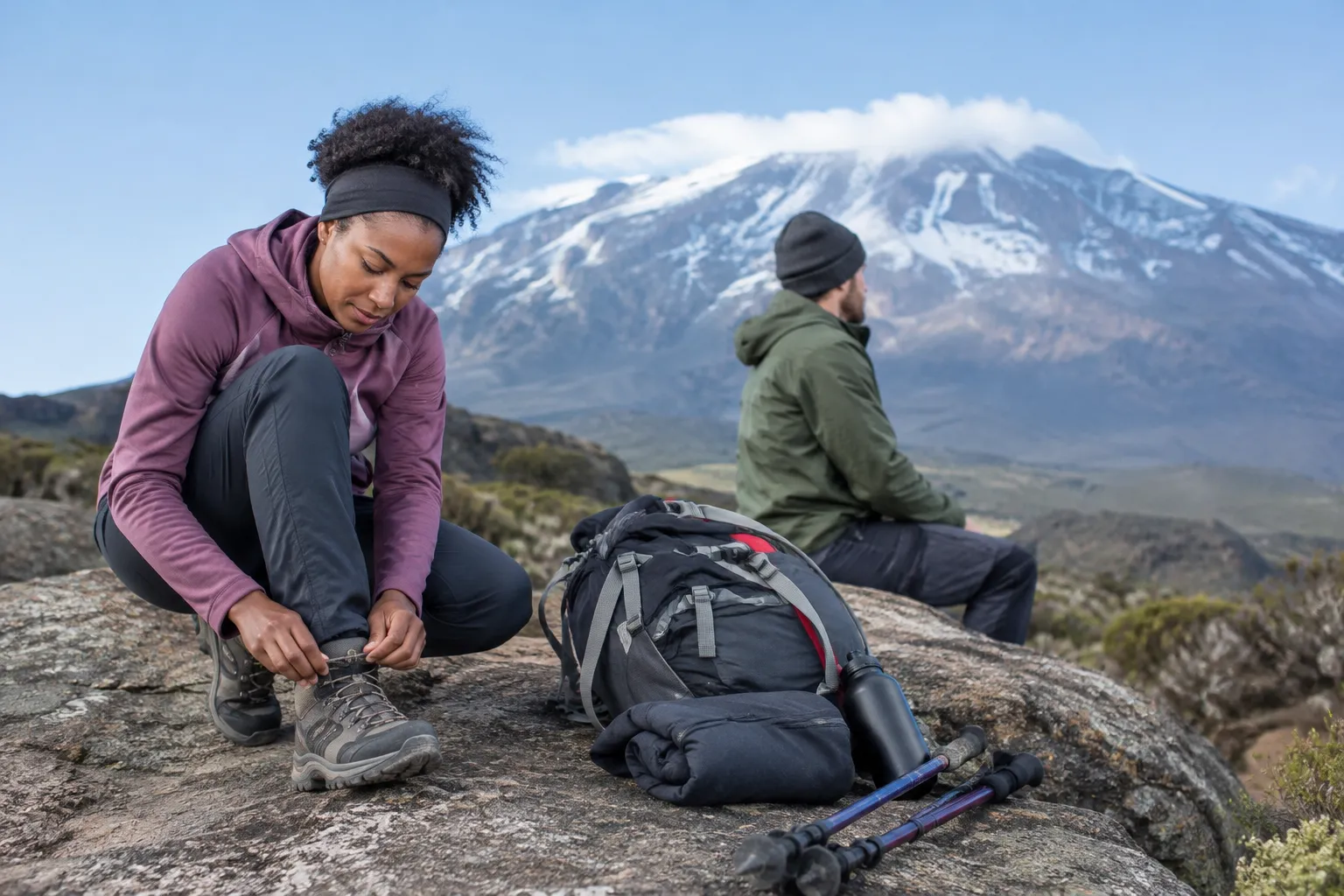
Build fitness for repeated days of walking by practicing hikes and strengthening your legs and core, then increase training gradually to match your current ability.
Training should prepare you to keep moving for consecutive days, not only to complete one hard workout. If hiking is available, use progressively longer outings and practice with the footwear and daypack you plan to take. Add lower-body and core strengthening if appropriate for you, and include recovery time so preparation does not become an injury risk.
Practice managing your daypack and wearing your planned hiking layers in varied conditions. This helps identify uncomfortable gear before the trip. Your operator can clarify what you will carry yourself and what belongs in other baggage, so check those limits before packing.
Fitness does not prevent altitude illness. The CDC advises travelers to prepare for high-altitude activities and recognize that individual responses vary. Discuss your health and training plans with a qualified medical professional, particularly if you have a health condition or take medication. Ask about destination-specific health advice well before departure; CDC’s Tanzania traveler guidance covers vaccines, medicines, malaria recommendations, and yellow-fever entry requirements.
How to check an operator’s safety and porter practices
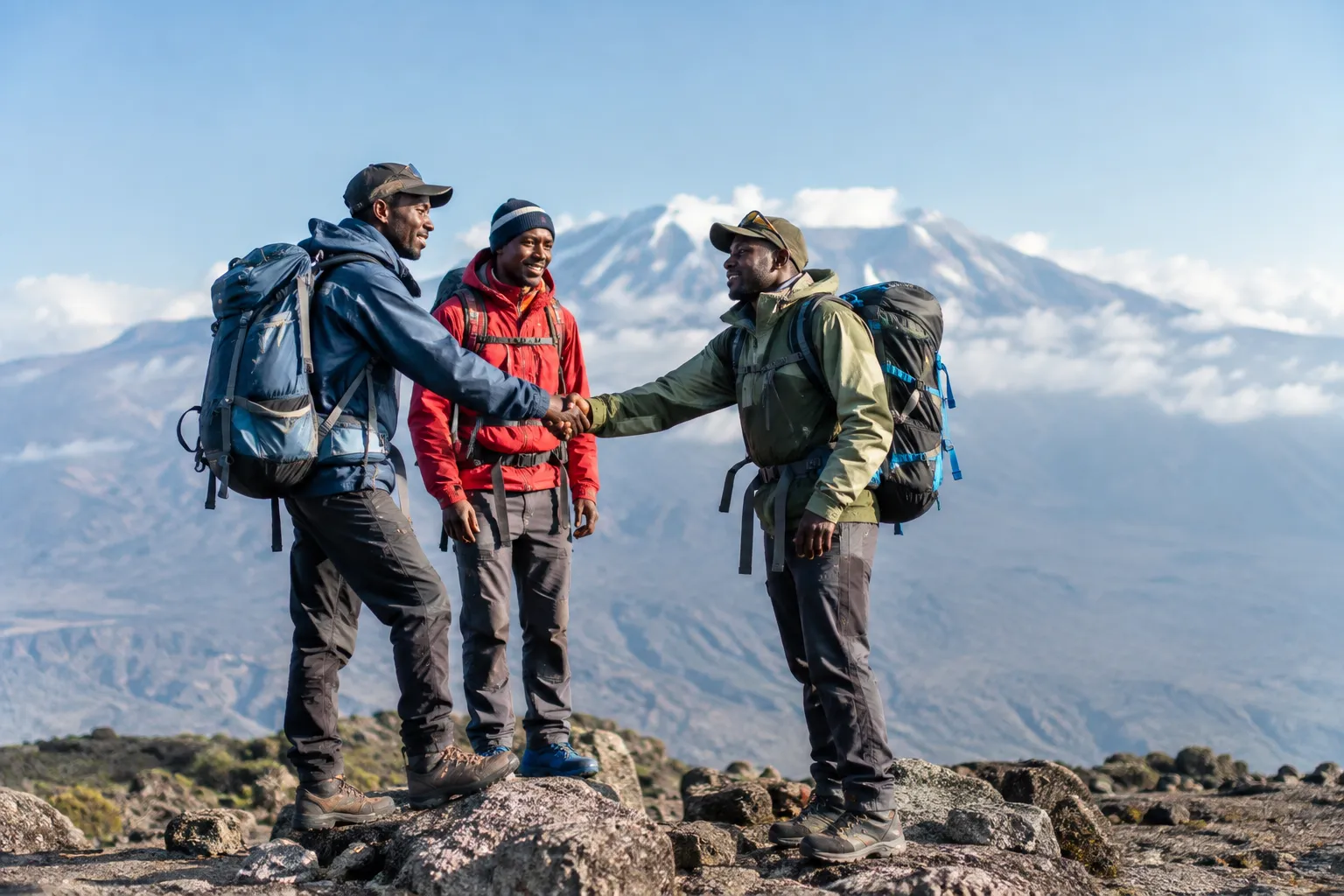
Check specific procedures, responsibilities, and evidence: ask how climber health is monitored, how descents or emergencies are handled, how groups are supervised, and how porter welfare is supported.
Ask about health checks and emergency response
Ask the operator to explain its health-monitoring routine in plain terms: how often guides check on climbers, what they assess, how they respond to concerning symptoms, and who decides when someone should stop or descend. Also ask what communication and evacuation arrangements are available on the route and what costs or responsibilities apply if a climber needs assistance.
A responsible answer should describe a process, not promise a summit or imply that risk can be removed. The CDC’s altitude guidance discusses recognizing altitude illness and the importance of acclimatization. Ask who in the group has authority to act on symptoms, and how the plan works if the climber and the rest of the group need different support.
Compare safety claims by asking for operational detail. If an operator uses a guide-to-climber ratio as a selling point, ask for the number for your particular departure, whether assistant guides are included, and what happens if the group splits. For emergency planning, ask how a climber is brought down from the mountain, who accompanies them, and how the rest of the group is managed.
Check guide ratios and porter welfare
Eco Africa Climbing is a KPAP Partner Company; still, ask each operator how porter welfare is handled in practice and how group supervision is organized for your departure.
KPAP status is a concrete item to verify when assessing an operator, but do not stop at a badge or general ethical language. Ask what the partnership means for porter treatment on the climb, how equipment and loads are managed, and how tips are handled. Clarify whether tips are included in the quote or expected separately, and whether the operator provides guidance on tipping.
For guide support, request the planned guide-to-climber ratio for your group and clarify whether the number changes with group size or route. A private climb may suit travelers who want a dedicated arrangement; a group climb may suit those comfortable sharing the schedule. Neither choice removes the need to understand supervision, health monitoring, and emergency procedures.
What the cost of climbing Mount Kilimanjaro includes
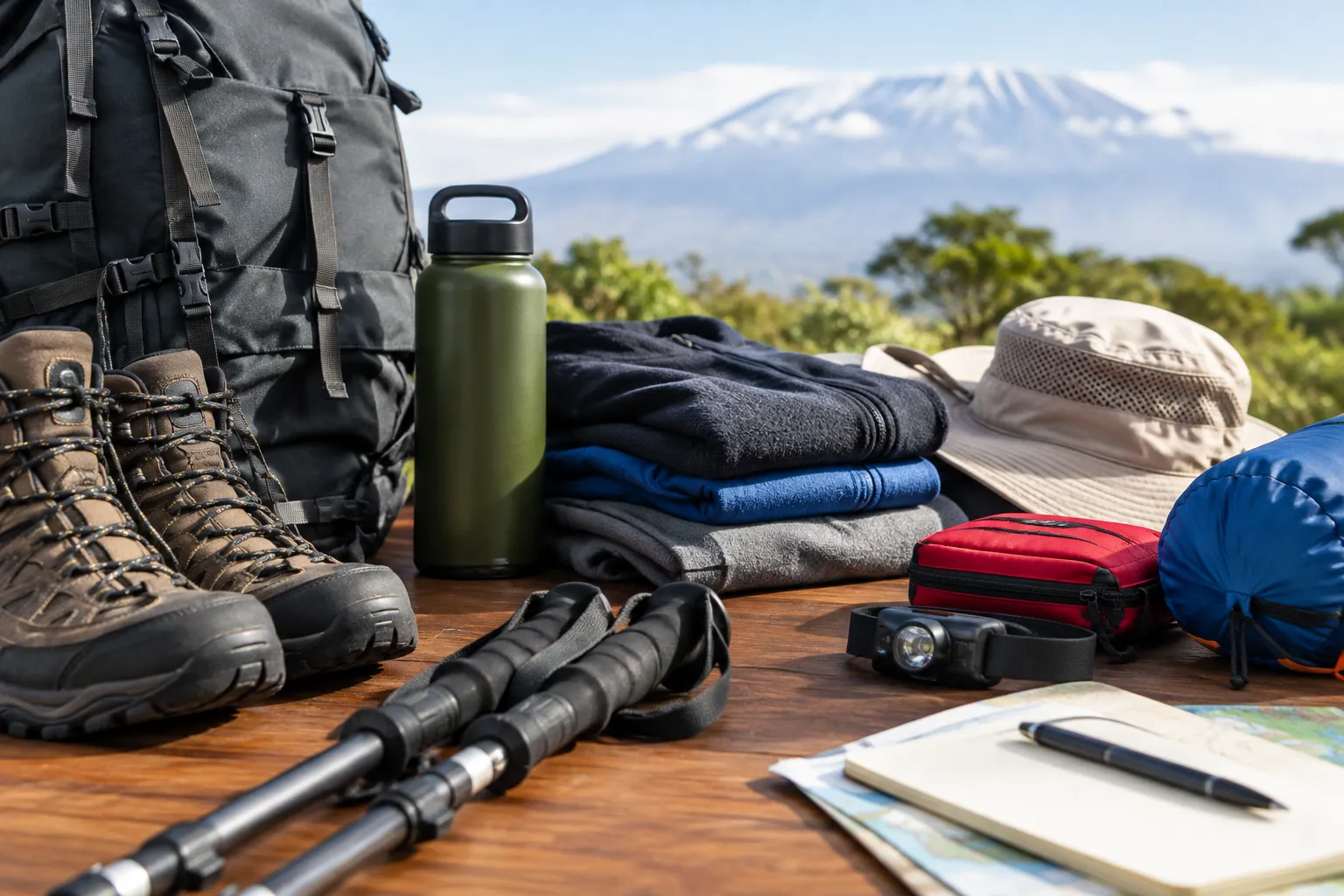
Compare the full written quote, not just its headline amount: identify included services and park-related charges, then budget separately for anything excluded, such as flights, gear, or tips.
Ask for a line-by-line breakdown of the cost of climbing Mount Kilimanjaro. TANAPA’s visitor guidance describes entry-fee categories and visitor information; ask the operator which park-related charges are included in your quoted itinerary and how any applicable charges are presented.
Use this checklist when comparing quotes:
- Route, number of mountain days, and itinerary.
- Transport and accommodation before or after the climb, if included.
- Meals and camp arrangements on the mountain.
- Park-related charges and other mandatory fees.
- Guide and support-team services.
- Equipment provided, if any, and what you must bring or rent.
- Tips, personal expenses, and any costs for a change of plan or descent.
- Deposit, payment schedule, and cancellation terms.
Do not assume a low quote includes the same services as another operator’s price. Conversely, a higher price does not explain its value without a clear breakdown. If a quote is unclear, ask for the missing item in writing before paying. Keep international airfare, travel insurance, personal gear, airport baggage arrangements, and any optional safari separate in your trip budget unless the quote explicitly includes them.
The park authority’s mountain regulations cover climber requirements, injury reporting, waste handling, and children’s access to higher elevations. Use the regulations and the operator’s written terms to clarify what rules apply to your trip and what responsibilities remain yours.
Request an itinerary that fits your budget and goals
A useful request states your preferred route, available trip dates, desired pace, budget range, and priorities, so the operator can respond with a comparable itinerary rather than a vague price.
Before requesting a quote, decide how many travel days you can set aside, whether you prefer a group or private arrangement, and how much flexibility you have for acclimatization time. Mention that you are a first-time climber and ask which itinerary options fit those constraints. Be direct about your total trip budget and whether it includes airfare, gear, tips, and rest days.
Ask for the route schedule, included and excluded costs, payment terms, group arrangement, porter-welfare practices, health checks, and emergency-response plan in the same conversation. If you are considering a safari afterward, ask for it as a separate part of your planning so you can compare its cost and time commitment without confusing it with the climb quote.
Recommended next steps
Turn your comparison into a short list of route and operator questions, then choose only after the itinerary, support, and total costs are clear.
- Set your available travel dates and leave room for arrival rest, the climb, and recovery.
- Choose two or three route itineraries to compare by duration, pace, and acclimatization time.
- Request written quotes that separate included services, park-related charges, gear, tips, flights, and other personal costs.
- Ask each operator about health monitoring, guide ratios, descent and evacuation procedures, and porter-welfare practices.
- Compare group and private options against your budget and preferred level of flexibility.
- Discuss altitude travel and any personal health concerns with a qualified medical professional before finalizing your plans.