 4 Nov 2026
 9 min read
How Kilimanjaro guides monitor altitude sickness starts with regular conversation, observation, and reassessment—not a single check that can rule out illness. Ask how often guides check climbers, what changes trigger a pause or descent, and how evacuation decisions are handled before you book.
For a first climb, those answers help you assess the operator’s safety practices alongside route choice, trip costs, and crew treatment. We offer guided Kilimanjaro climbs; use the questions below to understand what monitoring can and cannot do, then discuss your concerns with an operator before choosing a climb.
What guides watch for as altitude sickness develops
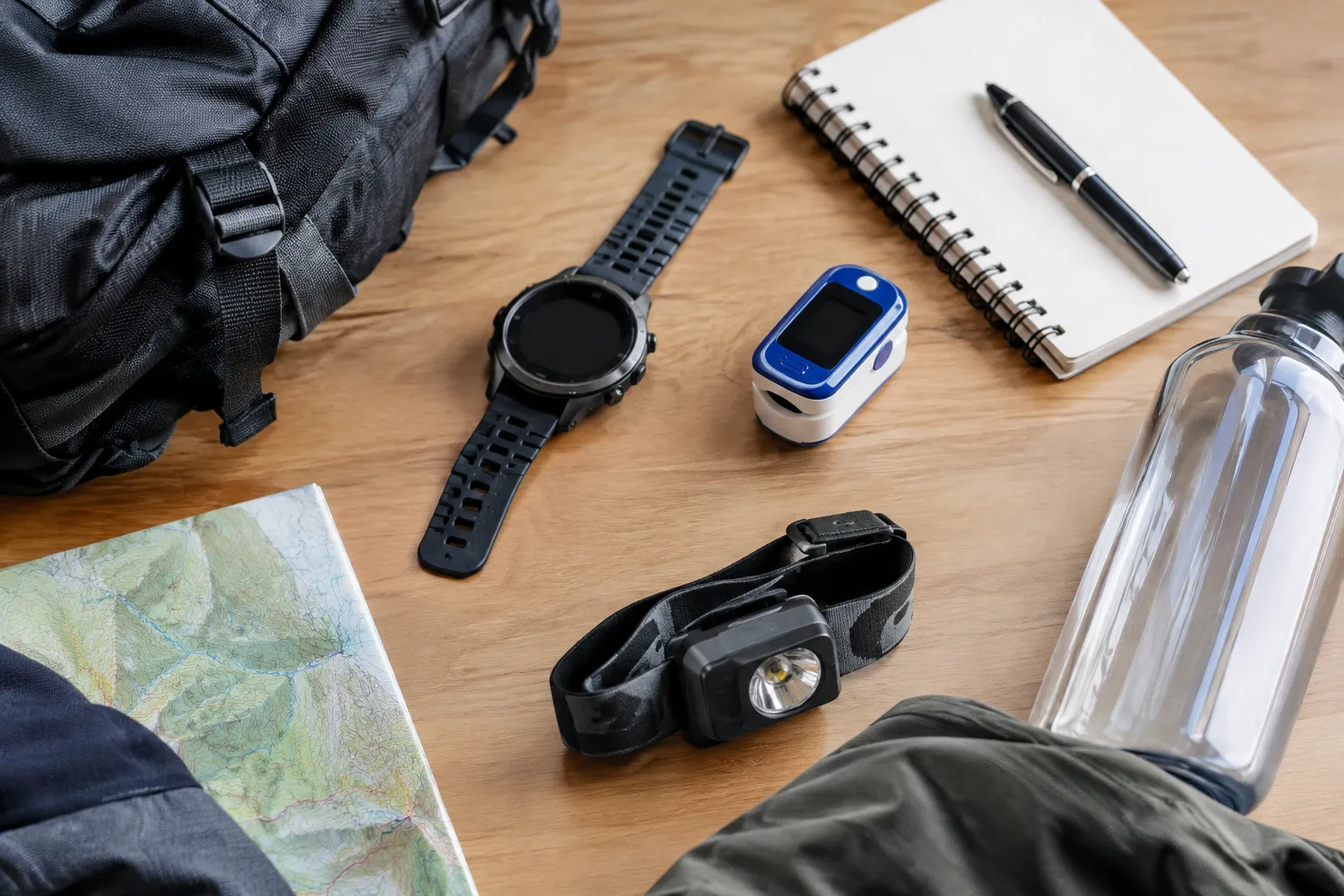
Guides watch for new or worsening symptoms—such as headache, nausea, fatigue, or appetite loss—and changes in coordination, breathing, or alertness. How Kilimanjaro guides monitor altitude sickness depends on repeated checks and honest reporting, not on assuming one symptom means a diagnosis.
A headache or tiredness alone does not establish the cause. The useful signal is a change in how a climber feels and functions, particularly when symptoms develop or worsen during ascent. A guide may ask what has changed, observe how the person moves and communicates, and consider the full picture rather than treating a checklist as a diagnosis.
More serious changes can include difficulty walking steadily, unusual confusion or reduced alertness, or breathing problems. These call for prompt attention from the guide team. The CDC’s altitude illness guidance discusses recognizing altitude-related illness and the importance of acclimatization. A guide’s observations support a safety decision; they do not replace medical evaluation.
For climbers comparing Kilimanjaro climbing tours, ask what symptoms the team takes seriously and how climbers can report concerns privately. Kilimanjaro safety depends in part on a climber being able to say, “I feel worse,” without worrying that speaking up will be treated as a lack of effort.
The practical fit is straightforward: daily health monitoring is useful when it leads to open communication and timely reassessment. Its limitation is that symptoms may be subtle, may change between check-ins, and cannot be predicted away. WFR-trained guides may have relevant wilderness medical training, but the phrase alone does not tell you the scope or current status of an individual guide’s training. Ask the operator to explain its guide standards.

How Kilimanjaro guides monitor climbers each day
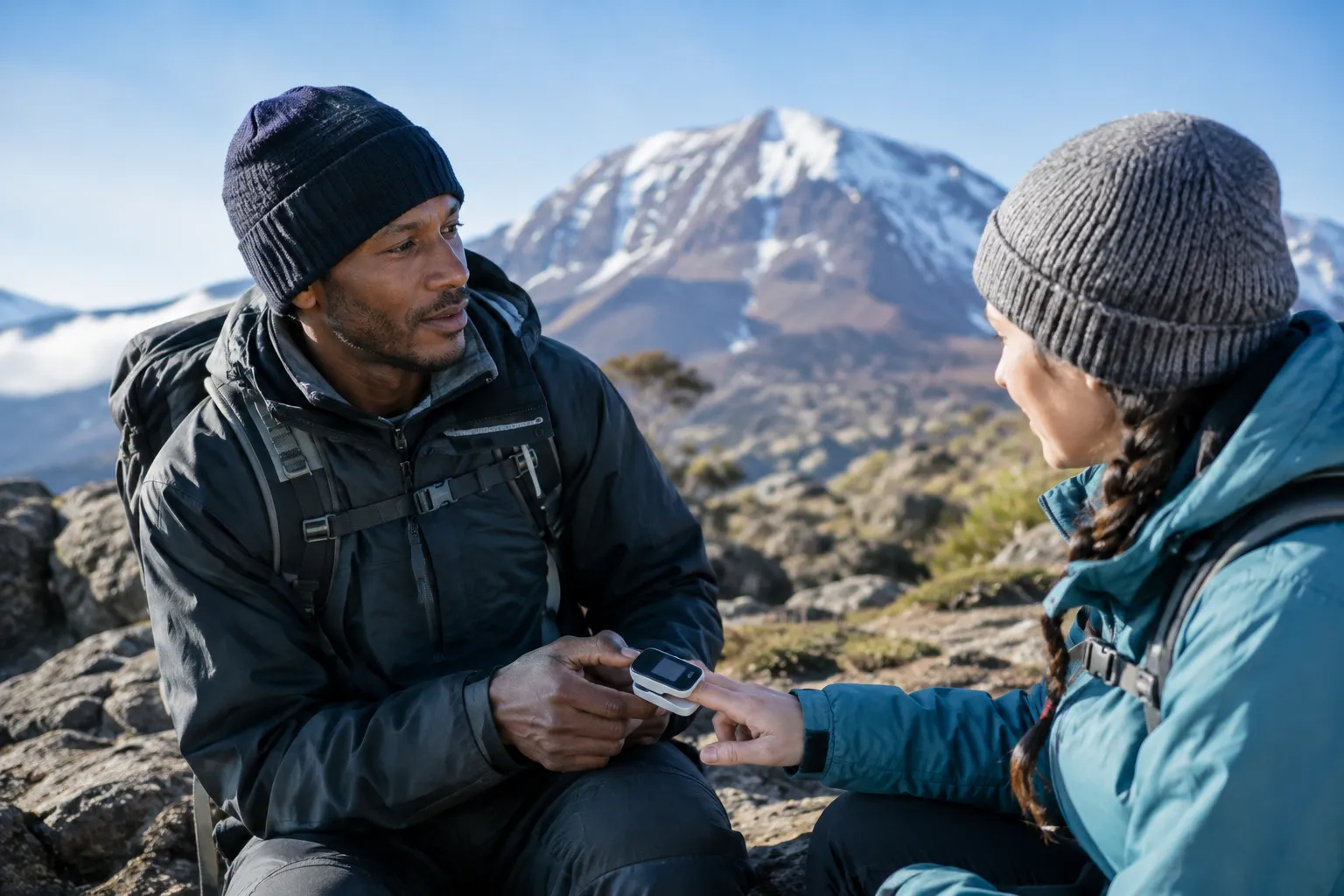
Guides can monitor climbers through symptom questions, observation during the trek, and follow-up when someone’s condition changes. These checks help the team assess how a person is functioning, but they cannot guarantee that altitude illness will not develop.
A useful check-in is a conversation, not merely a yes-or-no form. Guides can ask whether a climber has a headache, nausea, unusual fatigue, or appetite changes; whether symptoms are improving or worsening; and whether the person feels able to continue. Climbers should answer honestly, including when symptoms feel mild or embarrassing.
Observation adds context. A guide may notice that someone is moving differently, struggling to keep up, having trouble coordinating steps, or seeming less alert than earlier. That observation matters because a climber may understate symptoms, may not recognize a change, or may be focused on reaching the next camp.
Some operators may use equipment or formal scoring systems, but practices vary. Do not assume a particular device, measurement, or medical protocol is included just because a tour is guided. Ask what the team actually uses, what it can tell them, and what decisions it does not make. A measurement is one piece of information, not a substitute for symptoms and clinical judgment.
The strengths of a consistent process are shared awareness and earlier recognition of change. Its limitations are equally important: monitoring cannot prevent every problem, and a climber’s condition may change after a check. WFR-trained guides can be part of a safety plan, but a credential does not guarantee an outcome. Ask how training connects to decisions on the mountain.
If you are also weighing route logistics, compare route and preparation factors alongside the operator’s monitoring answers. An itinerary is part of the safety discussion, not a replacement for a response plan.
How often guides check on climbers
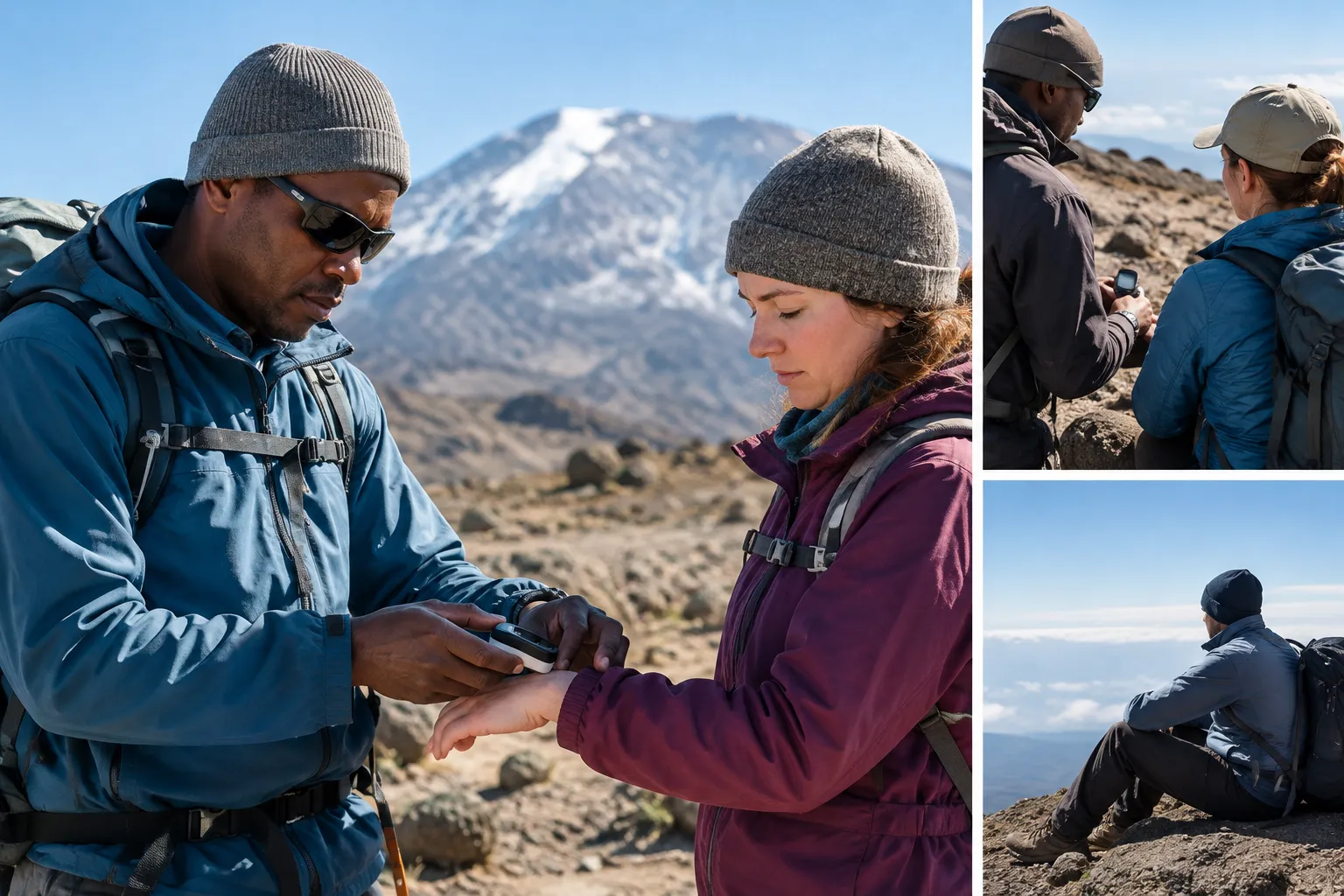
There is no single check-in frequency that applies to every operator or every situation; ask when scheduled checks happen and how guides respond between them. Climbers should report new or worsening symptoms as soon as they notice them, rather than waiting for the next check.
A sensible conversation with an operator covers the trek and the camp routine. Ask whether guides check in during the day, whether there is a health conversation at camp, and how a climber can reach the team if symptoms start outside those moments. Request a clear description rather than accepting “we monitor everyone” as the entire answer.
Frequency alone is not proof of quality. Several quick questions may be less useful than a clear process that gives climbers time to explain changes and tells them what happens next. Conversely, a scheduled check cannot catch every change that occurs afterward. This is why climbers need to know they can speak up between formal check-ins.
For your own part, notice changes in how you feel and function over the day. Tell a guide when symptoms begin, whether they are getting worse, and whether anything about your movement, breathing, or alertness feels different. Do not hide symptoms to keep pace or avoid delaying the group. If you are unsure whether a change matters, report it and let the guide team assess it.
This approach fits travelers who want clear expectations before departure. It does not mean climbers should self-diagnose or make a medical decision based on a symptom list. For advice specific to your health, discuss altitude travel with a qualified medical professional before the climb.
What guides do when symptoms appear
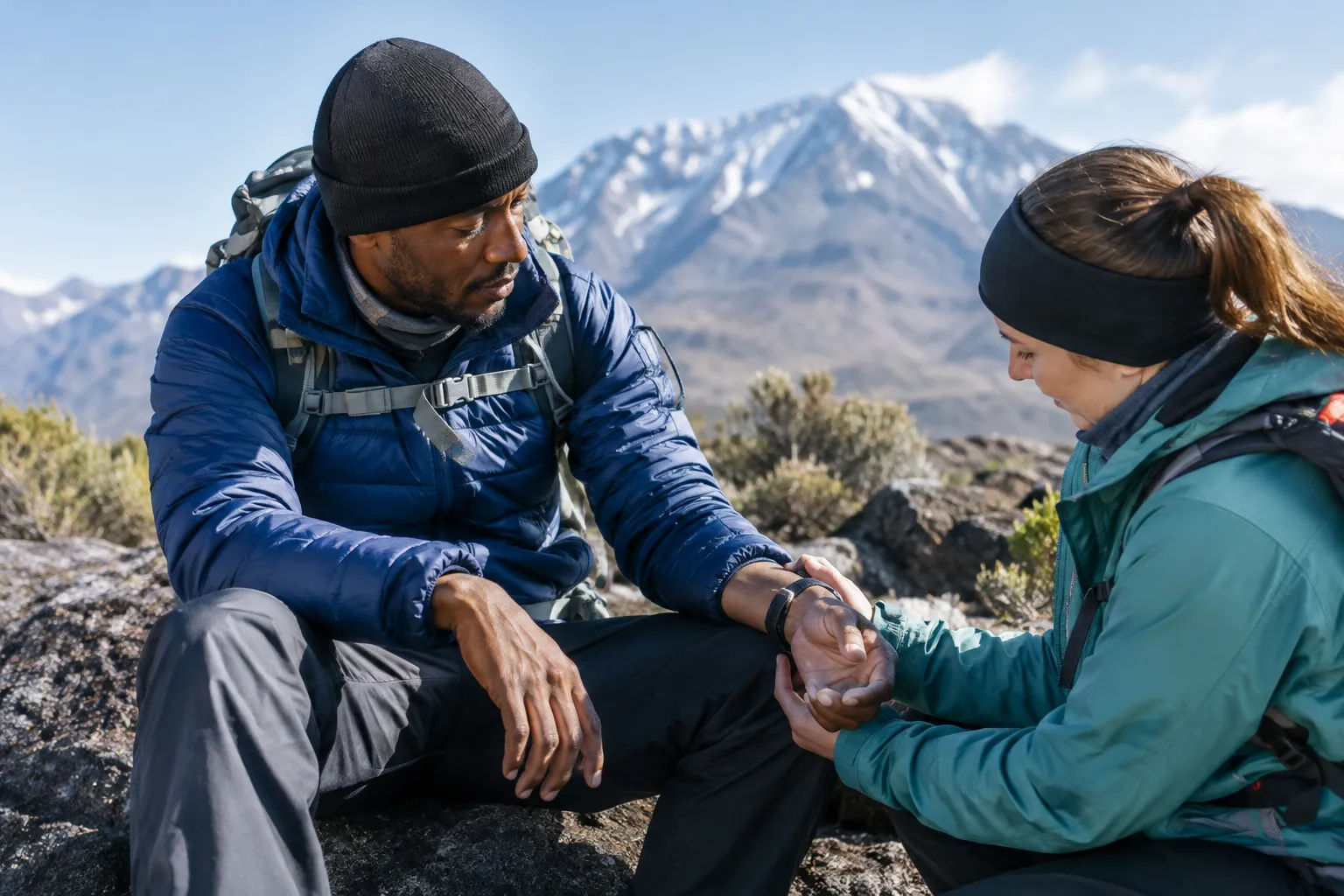
When symptoms appear, guides should reassess the climber and decide whether continuing is appropriate, whether the person needs to descend, or whether further help is needed. The response depends on the symptoms and the person’s condition; reaching the next camp or summit should not take priority over a serious health concern.
The first step is communication: explain what you feel, when it began, and whether it is changing. The guide team can then reassess rather than treating an earlier check as conclusive. If symptoms are concerning or worsening, the team may decide that the climber should not continue upward. Depending on the situation, descent or evacuation may be considered.
Ask an operator what “evacuation planning” means in practice. Who makes the decision on the mountain? How is help requested? What happens if a climber cannot continue with the group? What arrangements apply to the remaining climbers? These questions help distinguish a defined response process from a general promise to “take care of you.”
The TANAPA mountain regulations address mountain-climbing requirements, including reporting injuries. Follow park rules and the guide team’s instructions. A traveler should not assume that a guide’s presence removes the need to understand the operator’s emergency arrangements or any separate costs and exclusions in the trip terms.
A strong response plan is useful because it gives the team a basis for acting when someone’s condition changes. Its limitation is that no written plan can make every mountain situation predictable. Ask how the operator handles uncertainty, including the possibility that the affected climber may need to descend while the rest of the group continues or changes plans.
How to choose a climb with monitoring you can trust
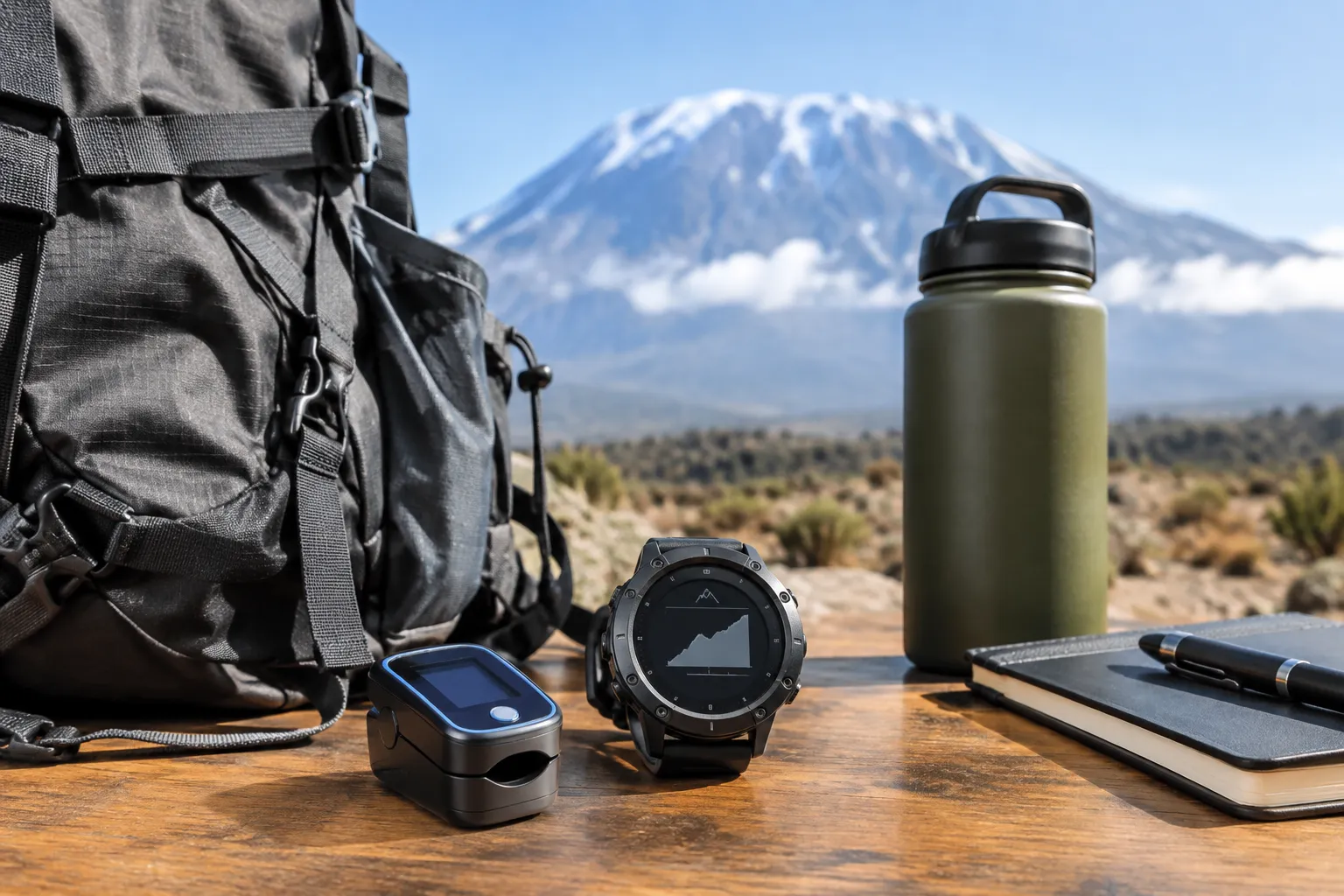
Choose an operator that can explain its guide training, check-in process, escalation decisions, and evacuation arrangements in specific terms. Then assess those answers alongside acclimatization choices and crew welfare; monitoring supports judgment but cannot promise a particular health or summit outcome.
This check is useful for anyone comparing guided climbs, especially first-time trekkers who want to know what support looks like beyond a polished itinerary. It is not enough to compare a headline price or a phrase such as “safety first.” Ask what is included, what is excluded, and how the team acts when a climber is unwell.
Our guide training and mountain safety details can help you frame those questions. When comparing operators, look for direct explanations rather than broad assurances. A satisfactory answer should tell you what the team does, who makes decisions, and how the climber can raise a concern.
There are tradeoffs. A route or itinerary that allows more time for acclimatization may require more days away and affect the total trip budget; the specific itinerary determines the tradeoff. No route removes altitude risk, and monitoring does not guarantee that every climber can continue. Review the route schedule, arrival timing, and rest before the climb as part of the overall plan.
Questions to ask about training and safety procedures
Ask the operator to describe guide training, routine health checks, decision-making when symptoms worsen, and evacuation arrangements. Specific answers help you judge the process; a credential by itself does not guarantee safety.
Use questions that invite an explanation:
- What first-aid or wilderness medical training do the guides have, and how do you describe WFR training where applicable?
- When do guides check in with climbers during the trek and at camp?
- What changes in a climber’s condition prompt a reassessment or a decision to stop ascending?
- Who decides whether a climber should descend, and how is that decision communicated?
- What evacuation options and arrangements should climbers understand before departure?
- What costs, exclusions, or responsibilities related to evacuation are stated in the trip terms?
A clear operator should be able to explain how its procedures work without turning a credential into an outcome guarantee. Compare answers across operators and read the trip terms carefully. If the explanation is vague, ask a follow-up before paying a deposit.
How acclimatization and crew welfare fit the safety picture
Monitoring works alongside itinerary choices and the way the crew is treated: a check-in can identify a concern, while a responsible plan gives guides room to act on it. KPAP partnership is one useful consideration when assessing porter welfare, but it does not replace questions about medical procedures.
Ask how the itinerary approaches acclimatization and what happens if a climber needs to stop or descend. The CDC advises gradual acclimatization for high-altitude travel; the right plan for an individual also depends on health and the route. Discuss personal risks with a qualified medical professional before travel, particularly if you have a health condition or take medication.
Crew welfare belongs in an operator review because mountain staff are part of the working conditions behind a guided climb. Eco Africa Climbing is a KPAP Partner Company and states a commitment to porter welfare, responsible tourism, and professional mountain guiding. If KPAP matters to your decision, check partnership status and ask how porter treatment is handled rather than relying only on general ethical language.
This approach suits travelers who want to weigh safety practices and responsible operations together. It may not satisfy someone seeking a guarantee of summit success or a risk-free climb; no operator can turn monitoring into that promise. Compare the full itinerary and terms, not only the number of days or the advertised price.
Recommended next steps
Before choosing a climb, turn the operator’s safety claims into questions you can compare and get the answers in writing where possible. Then discuss your personal altitude-travel concerns with a qualified medical professional.
- List the symptoms and changes you would report, and agree with your travel companions to tell a guide promptly if they occur.
- Ask each operator when health checks happen, what guides observe, and how climbers report symptoms between check-ins.
- Compare guide training, acclimatization plans, escalation decisions, and evacuation arrangements using the same questions for each operator.
- Review the itinerary, arrival rest, inclusions, exclusions, and porter-welfare practices alongside the total trip cost.
- Discuss your own health and altitude-travel questions with a qualified medical professional before booking.
Discuss Your Climb
Bring your questions about guide training, daily monitoring, and mountain response to a conversation before you choose an operator. Clear answers can help you decide whether the climb’s approach fits your needs.