Kilimanjaro Travel Insurance for Women: What Coverage Do You Need?
Choosing suitable Kilimanjaro travel insurance for women is an important part of preparing for a high-altitude adventure in Tanzania. A normal holiday insurance policy may not automatically cover trekking to the elevation of Mount Kilimanjaro, so climbers should check the details carefully before traveling.
Uhuru Peak stands at 5,895 metres above sea level, which means your policy should specifically allow high-altitude trekking at approximately this elevation.
Travel insurance cannot prevent illness, injury, flight delays, or an emergency, but the right policy can provide important financial protection when unexpected situations occur.
Do You Need Travel Insurance for Kilimanjaro?
Yes, suitable travel insurance is strongly recommended for anyone climbing Kilimanjaro.
The mountain involves:
- High altitude.
- Several consecutive trekking days.
- Remote mountain terrain.
- Changing weather.
- Potential illness or injury.
- Possible emergency evacuation.
These conditions make Kilimanjaro different from an ordinary sightseeing holiday.
Why Standard Travel Insurance May Not Be Enough
Some travel insurance policies limit trekking or hiking to a certain altitude.
A policy may cover normal hiking but exclude trekking above 3,000 or 4,000 metres.
That would not be sufficient for a Kilimanjaro summit attempt.
Always check the policy wording rather than assuming that the word “hiking” means Kilimanjaro is covered.
What Altitude Should Your Policy Cover?
Uhuru Peak reaches 5,895 metres above sea level.
Your insurance should therefore cover trekking up to at least Kilimanjaro’s summit elevation.
Many climbers look for policies that clearly cover trekking up to around 6,000 metres.
High-Altitude Trekking Coverage
This is one of the first things you should verify.
Ask the insurer whether the policy covers:
- Non-technical trekking.
- Trekking up to approximately 6,000 metres.
- Mount Kilimanjaro specifically, if the insurer provides destination-specific guidance.
Do not rely only on a general statement such as “adventure activities included.”
Emergency Medical Treatment
Your policy should include emergency medical coverage while you are traveling.
This may become important if you become ill or injured during the climb or elsewhere during your Tanzania trip.
Check the financial limit carefully so you understand the maximum amount the insurer will pay.
Emergency Evacuation Coverage
Emergency evacuation is particularly important for a mountain trip.
If you become seriously ill or injured, you may need to leave the mountain before the planned end of the trek.
Your insurance should clearly state whether emergency evacuation from a high-altitude trekking environment is covered.
Does Travel Insurance Cover Helicopter Evacuation?
That depends entirely on the policy.
Helicopter evacuation may be available on Kilimanjaro when weather, location, operational conditions, and the medical situation allow.
However, you should not assume that your insurer will automatically pay for helicopter evacuation.
Confirm this directly with the insurance provider before traveling.
Medical Repatriation
Medical repatriation can be another useful part of travel insurance.
This refers to transportation to another medical facility or back to your home country when medically necessary and covered by the policy.
Check what circumstances qualify and whether prior authorization is required.
Trip Cancellation Coverage
Trip cancellation coverage may protect some prepaid travel costs if you are forced to cancel for a reason specifically covered by the policy.
Covered reasons differ between insurers.
Examples may include certain illnesses, injuries, or serious family emergencies, depending on the policy.
Trip Interruption Coverage
Trip interruption can apply when your journey has already started but needs to be cut short for a covered reason.
Because a Kilimanjaro trip involves international flights, hotels, trekking, and possibly safari, interruption coverage can be worth reviewing carefully.
What About Early Descent From Kilimanjaro?
If you descend early because of illness or another safety issue, unused mountain days do not automatically create a refund.
Some additional costs may also arise, depending on the circumstances.
Travel insurance may provide assistance for certain covered events, but this depends completely on the policy terms.
Extra Hotel Nights After Early Descent
If you return to Moshi before the planned end of your climb, extra hotel nights created by that early descent may not be part of the standard package.
Check whether your travel insurance offers reimbursement for additional accommodation when it results from a covered medical or travel event.
Pre-Existing Medical Conditions
This is especially important if you have an existing medical condition or take regular medication.
Insurance providers may:
- Cover certain conditions automatically.
- Require medical screening.
- Charge an additional premium.
- Exclude some conditions completely.
Never assume that a pre-existing condition is covered unless the insurer confirms it.
Women Over 40, 50 or 60
Age itself does not determine whether someone can climb Kilimanjaro, but insurance policies sometimes have age-related conditions or limits.
Women in older age groups should pay particular attention to:
- Maximum age limits.
- Medical screening requirements.
- Pre-existing condition rules.
- Emergency medical coverage.
- Evacuation coverage.
Pregnancy and Travel Insurance
Pregnancy coverage varies considerably between insurers and may include limits based on stage of pregnancy or activity type.
Anyone who is pregnant and considering a high-altitude trek should seek appropriate medical advice and review insurance exclusions carefully.
Medication and Insurance
If you take regular medication, disclose required information accurately when purchasing insurance.
Failure to disclose relevant medical information can sometimes affect whether a future claim is accepted.
Does Insurance Cover Altitude Sickness?
Coverage depends on your policy.
Because altitude illness is one of the main medical concerns on Kilimanjaro, confirm that your medical and evacuation coverage applies at the altitude you plan to reach.
What Happens If You Get Sick on the Mountain?
If you become unwell, tell your guide immediately.
Our mountain team carries:
- Emergency oxygen.
- A first-aid kit.
- A pulse oximeter for daily health monitoring.
If continuing upward becomes unsafe, descent may be required.
Insurance Does Not Replace Mountain Safety
Travel insurance is financial and logistical protection.
It does not make it safe to ignore symptoms or continue climbing when your guide recommends descent.
Your health comes before a summit attempt.
Do Solo Female Travelers Need Different Insurance?
Not necessarily.
The most important issue is whether the policy matches the activities and risks of your trip.
However, solo travelers may want to pay additional attention to:
- Emergency assistance.
- Medical evacuation.
- Trip interruption.
- Lost travel documents.
- Baggage coverage.
Baggage Coverage
International travel involves checked luggage, connecting flights, and valuable trekking equipment.
Check whether your policy covers lost, delayed, stolen, or damaged baggage.
Pay attention to maximum limits for individual items.
Delayed Baggage Before Kilimanjaro
A delayed bag can become a major problem if your hiking boots or essential mountain gear are inside it.
This is why it can be useful to keep essential items in your carry-on wherever airline rules allow.
Your insurance may also provide limited reimbursement for emergency purchases after a qualifying baggage delay.
What Should Go in Your Carry-On?
Important items may include:
- Passport.
- Travel documents.
- Medication.
- Insurance information.
- Valuables.
- Essential personal items.
Where practical, avoid placing everything essential in one checked bag.
Lost or Stolen Passport Coverage
Some policies provide assistance or reimbursement connected with lost travel documents.
Check exactly what is included and keep digital copies of important documents in a secure location.
Flight Delay and Missed Connection Coverage
Many Kilimanjaro travelers take connecting international flights.
A significant delay can affect your arrival in Tanzania and potentially your climb schedule.
Review whether your policy covers qualifying travel delays, missed connections, meals, or additional accommodation.
Why You Should Avoid Tight Flight Connections
Insurance can help financially in some situations, but good travel planning remains important.
Allow reasonable connection time when booking international flights, especially when transferring through large airports.
Adventure Sports Exclusions
Some policies exclude activities they classify as adventure sports.
Read this section carefully.
You need to know whether non-technical high-altitude trekking is included or excluded.
Does Kilimanjaro Count as Technical Mountaineering?
The standard Machame Route is normally considered a trekking route rather than a technical mountaineering route for clients.
However, insurers use their own definitions.
Always ask the insurance provider how they classify Kilimanjaro rather than assuming their terminology matches that of trekking operators.
Do You Need Search and Rescue Coverage?
Search-and-rescue or emergency-assistance benefits can be relevant to remote adventure travel.
Check whether these services are included, whether there is a financial limit, and whether pre-authorization is required.
Read the Emergency Assistance Procedure
Some insurers require travelers or local providers to contact an assistance center before arranging certain expensive services.
Know the procedure before the trip.
In a real emergency, you do not want the first time you read your policy to be while someone is sick.
Save the Insurance Emergency Number
Keep the insurer’s emergency assistance contact information:
- On your phone.
- In your email.
- On an offline document.
- With your travel paperwork.
Share Insurance Details When Required
Keep your policy information available during the trip.
Useful details can include:
- Insurance company name.
- Policy number.
- Emergency assistance number.
- Coverage dates.
Coverage Dates Matter
Your policy should cover your entire journey, not only the seven days you spend on Kilimanjaro.
Include:
- International travel days.
- Hotel nights in Tanzania.
- The Kilimanjaro trek.
- Safari if you add one.
- Your return journey.
Insurance for Kilimanjaro and Safari
If you add a Tanzania safari after the mountain, your policy should remain valid throughout the safari portion of your trip.
WomenClimbKili offers an optional 4-day safari visiting:
- Serengeti National Park.
- Ngorongoro Crater.
- Tarangire National Park.
What About Safari Medical Coverage?
Safari takes place away from the high-altitude environment, but medical emergencies, accidents, or unexpected illness can still occur while traveling.
Your policy should cover the entire Tanzania trip rather than only the mountain section.
Should You Buy the Cheapest Policy?
Price matters, but the cheapest policy is not automatically the best choice.
Compare:
- Altitude coverage.
- Medical limits.
- Evacuation coverage.
- Exclusions.
- Deductibles or excess.
- Trip cancellation terms.
- Pre-existing condition rules.
What Is an Insurance Excess or Deductible?
An excess or deductible is the amount you may have to pay yourself before the insurer pays the remaining covered amount.
Check this figure when comparing policies.
Can You Buy Insurance After Booking Kilimanjaro?
Policies can often be purchased after you book a trip, but some benefits may depend on when the policy is purchased.
For example, certain cancellation benefits or pre-existing-condition provisions may have timing requirements.
Read the terms of the specific policy you are considering.
Do Not Wait Until the Airport
Kilimanjaro insurance deserves more thought than purchasing the first policy you see immediately before departure.
Give yourself enough time to compare the altitude limits and exclusions.
Questions to Ask an Insurance Provider
Before purchasing, ask:
- Does this policy cover trekking to 5,895 metres?
- Is Mount Kilimanjaro covered?
- Is emergency evacuation covered?
- Is helicopter evacuation covered when medically necessary?
- What is the emergency medical limit?
- Are pre-existing conditions covered?
- Are there age restrictions?
- Is trip cancellation included?
- Is trip interruption included?
- Is baggage delay or loss covered?
- Do I need to contact the insurer before an evacuation?
Get Important Answers in Writing
If an insurer confirms an important coverage detail, keep the written confirmation and policy wording.
A verbal statement from a customer service representative is less useful if the written policy says something different.
Which Route Does WomenClimbKili Use?
Scheduled WomenClimbKili groups use the 7-day Machame Route.
Because the route reaches Uhuru Peak at 5,895 metres, your insurance must be suitable for high-altitude trekking.
See the full route and package on our Women-Only Machame Route Kilimanjaro Package .
Can Solo Female Travelers Join?
Yes.
Solo female travelers can reserve one place on a scheduled WomenClimbKili departure.
Your travel insurance remains your own individual policy even though you are joining a group.
How Large Is the Group?
WomenClimbKili scheduled departures are limited to a maximum of 12 women.
When Are the Scheduled Departures?
WomenClimbKili operates scheduled departures during selected periods including:
- March.
- July.
- August.
- September.
- December for the New Year period.
View the current schedule on our WomenClimbKili departure page .
Frequently Asked Questions
What insurance do I need for Kilimanjaro?
Choose a policy that specifically covers high-altitude trekking to Kilimanjaro’s summit elevation, medical treatment, and emergency evacuation.
Does normal travel insurance cover Kilimanjaro?
Not always. Many policies have trekking altitude limits, so check the policy wording carefully.
What altitude should my policy cover?
Your coverage should extend to at least Kilimanjaro’s summit elevation of 5,895 metres. Many climbers therefore look for coverage up to approximately 6,000 metres.
Should my insurance cover evacuation?
Yes. Emergency evacuation coverage is an important feature for a remote high-altitude trek.
Does insurance cover helicopter evacuation?
It depends on the policy. Confirm directly with the insurer whether medically necessary helicopter evacuation is included and under what conditions.
Do solo female travelers need travel insurance?
Yes. Traveling as part of a group does not replace the need for your own suitable insurance policy.
Should I insure the safari too?
Your policy should ideally cover your entire Tanzania trip, including Kilimanjaro, safari, hotels, international travel days, and your return journey.
Choose Coverage for the Mountain You Are Actually Climbing
The most important mistake to avoid is buying a general travel policy without checking whether it actually covers Kilimanjaro.
Look beyond the price and read the altitude limits, medical coverage, evacuation provisions, exclusions, and emergency procedures.
Good travel insurance does not guarantee that nothing will go wrong. It gives you an additional layer of protection if something unexpected happens.
Explore our WomenClimbKili scheduled departures or view the complete 7-Day Women-Only Machame Route Package .
Share:
Social Media
Most Popular
Kilimanjaro Cold Weather Preparation for Women | Stay Warm
Kilimanjaro Medical Preparation for Women | Health Checklist
Kilimanjaro Hydration & Nutrition for Women | Practical Guide
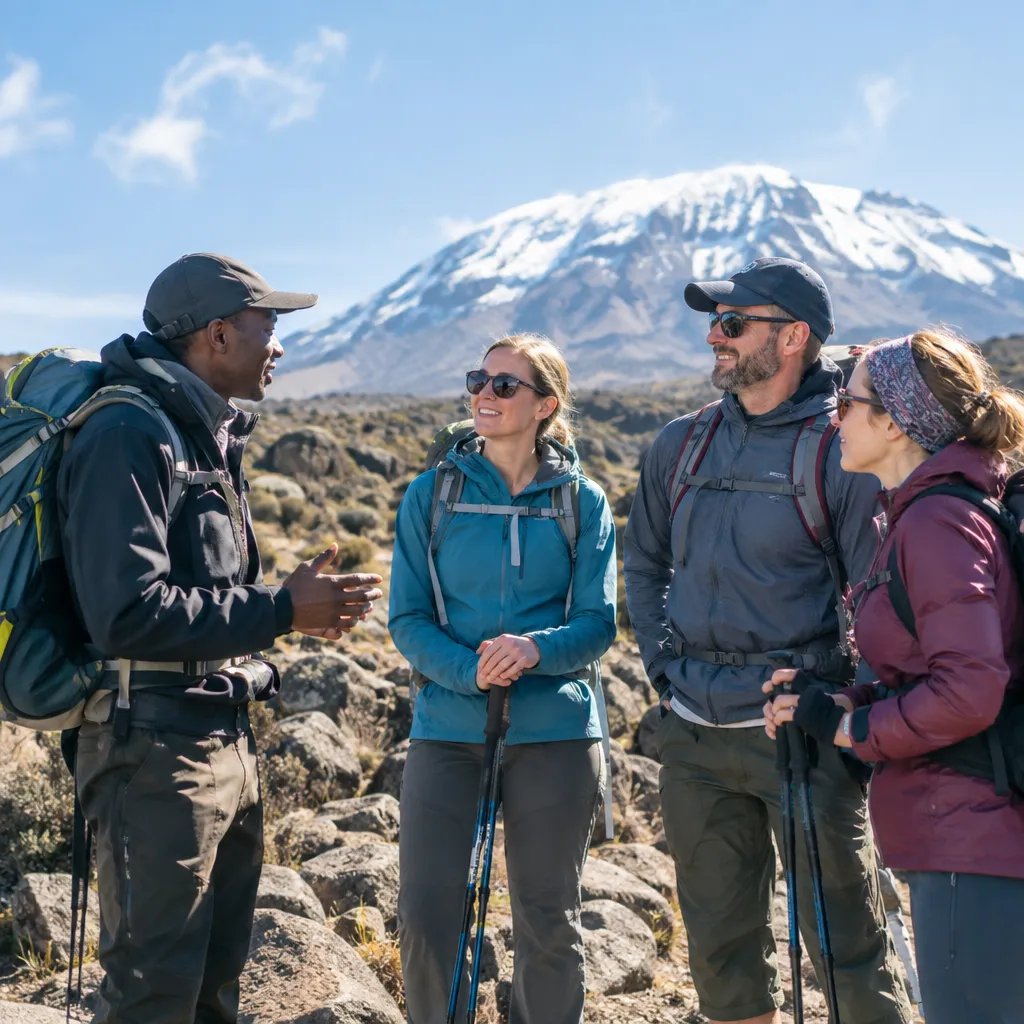
Kilimanjaro Travel Insurance for Women | What Coverage You Need
Book Your Sustainable Tour
Related Posts
Kilimanjaro Cold Weather Preparation for Women | Stay Warm
Kilimanjaro Cold Weather Preparation for Women: How to Stay Warm Good Kilimanjaro cold weather preparation for women is essential because temperatures change dramatically as you
Kilimanjaro Medical Preparation for Women | Health Checklist
Kilimanjaro Medical Preparation for Women: A Pre-Climb Health Checklist Good Kilimanjaro medical preparation for women starts long before you arrive in Tanzania. Kilimanjaro is a
Kilimanjaro Hydration & Nutrition for Women | Practical Guide
Kilimanjaro Hydration and Nutrition for Women: A Practical Guide Good Kilimanjaro hydration and nutrition for women can make a major difference to how you feel
Kilimanjaro Travel Insurance for Women | What Coverage You Need
Kilimanjaro Travel Insurance for Women: What Coverage Do You Need? Choosing suitable Kilimanjaro travel insurance for women is an important part of preparing for a