 15 Oct 2026
 8 min read
Choosing the best tour company to climb Kilimanjaro means finding an operator whose route, acclimatization plan, safety practices, porter standards, and full costs suit your needs—not simply choosing the lowest quote. Start by comparing the itinerary and what the price includes, then verify the operator’s answers before paying.
A useful shortlist should make it easy to confirm:
- Which route and number of mountain days you are booking
- How guides monitor health and respond to altitude problems
- Whether the company is a KPAP Partner Company
- What is included, what is extra, and how tips are handled
Match the route and itinerary to your goals
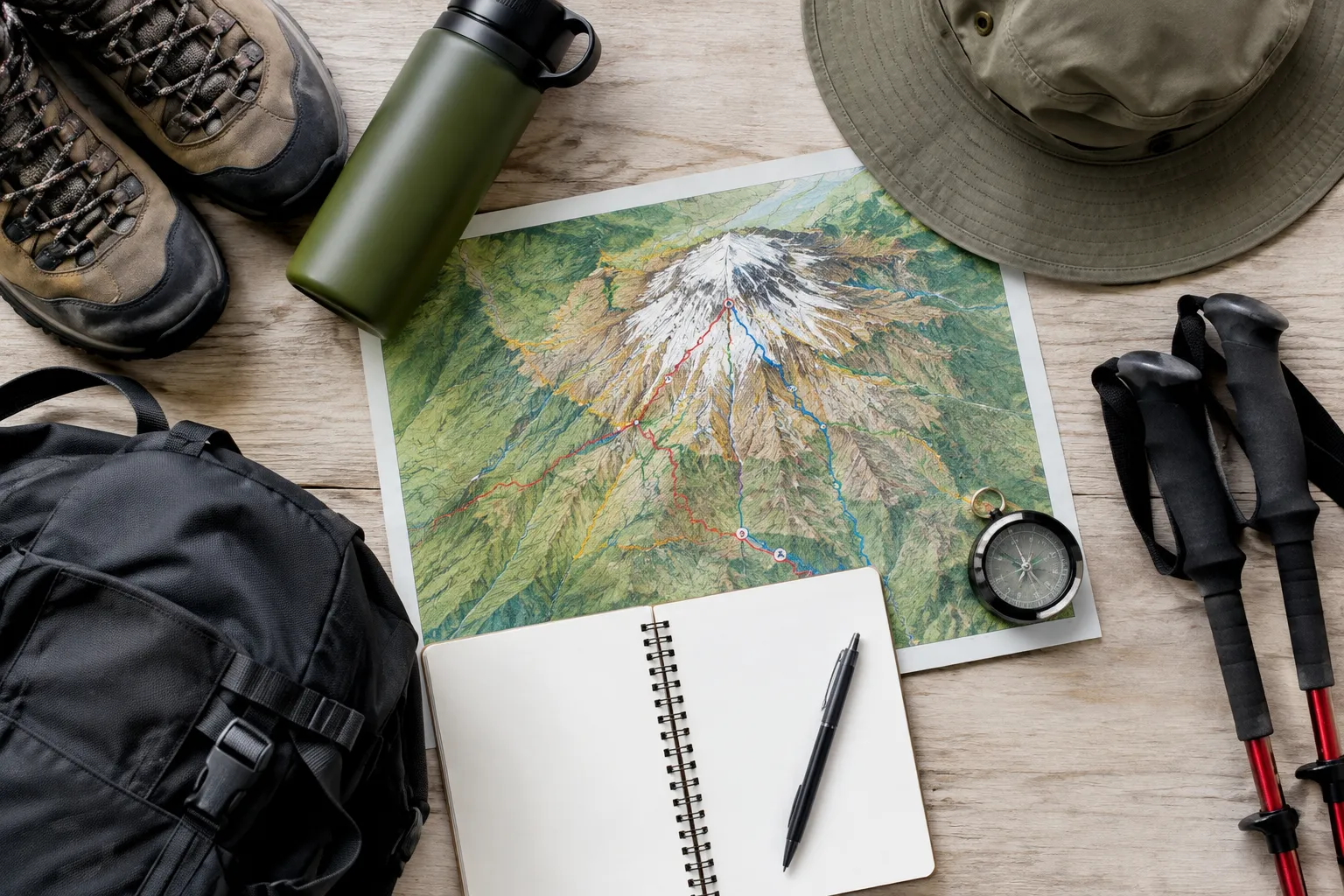
A good match depends on your available time, comfort with long hiking days, and preferences about scenery, traffic, and group arrangements. When comparing climbing Mount Kilimanjaro tours, look beyond the route name: ask for the day-by-day itinerary and the exact number of nights on the mountain.
Compare route length and trail conditions
The Lemosho, Machame, Northern Circuit, Rongai, and Marangu routes differ in approach, scenery, camp arrangements, and the time needed to complete them. A longer itinerary generally allows more time on the mountain, but it also requires more days away and can increase the trip’s overall cost. Route difficulty and trail conditions also vary, so ask how the operator describes the daily distances, elevation changes, and terrain.
| Route | What to compare | Possible tradeoff |
|---|---|---|
| Lemosho | Route duration, scenery, and daily walking plan | A longer itinerary takes more time away |
| Machame | Trail conditions, ascent profile, and camp schedule | Some sections may be steep or physically demanding |
| Northern Circuit | Total days and how the route is paced | Requires a larger time commitment |
| Rongai | Approach, terrain, and day-by-day plan | The experience differs from routes approaching from the south |
| Marangu | Hut accommodation and scheduled stages | The itinerary and accommodation style may suit some climbers better than others |
These are starting points for questions, not a ranking. Ask the company to explain why a particular route and duration fit your priorities. For a broader look at route characteristics, see our Kilimanjaro route options and preparation guide.
Check how the itinerary uses each day
Count the trip components, not just the advertised climb days. Your total schedule may also need to account for arrival, a night to sleep and recover before the climb, transfers, and departure. Confirm when you need to arrive, what happens on each day, and whether any additional hotel nights are included or arranged separately.
If you are flying from the United States, allow time for long connections and possible baggage rechecking. Do not plan a tight arrival immediately before the trek. A realistic schedule includes room to rest and check that your climbing gear has arrived.
Look for a plan that supports acclimatization
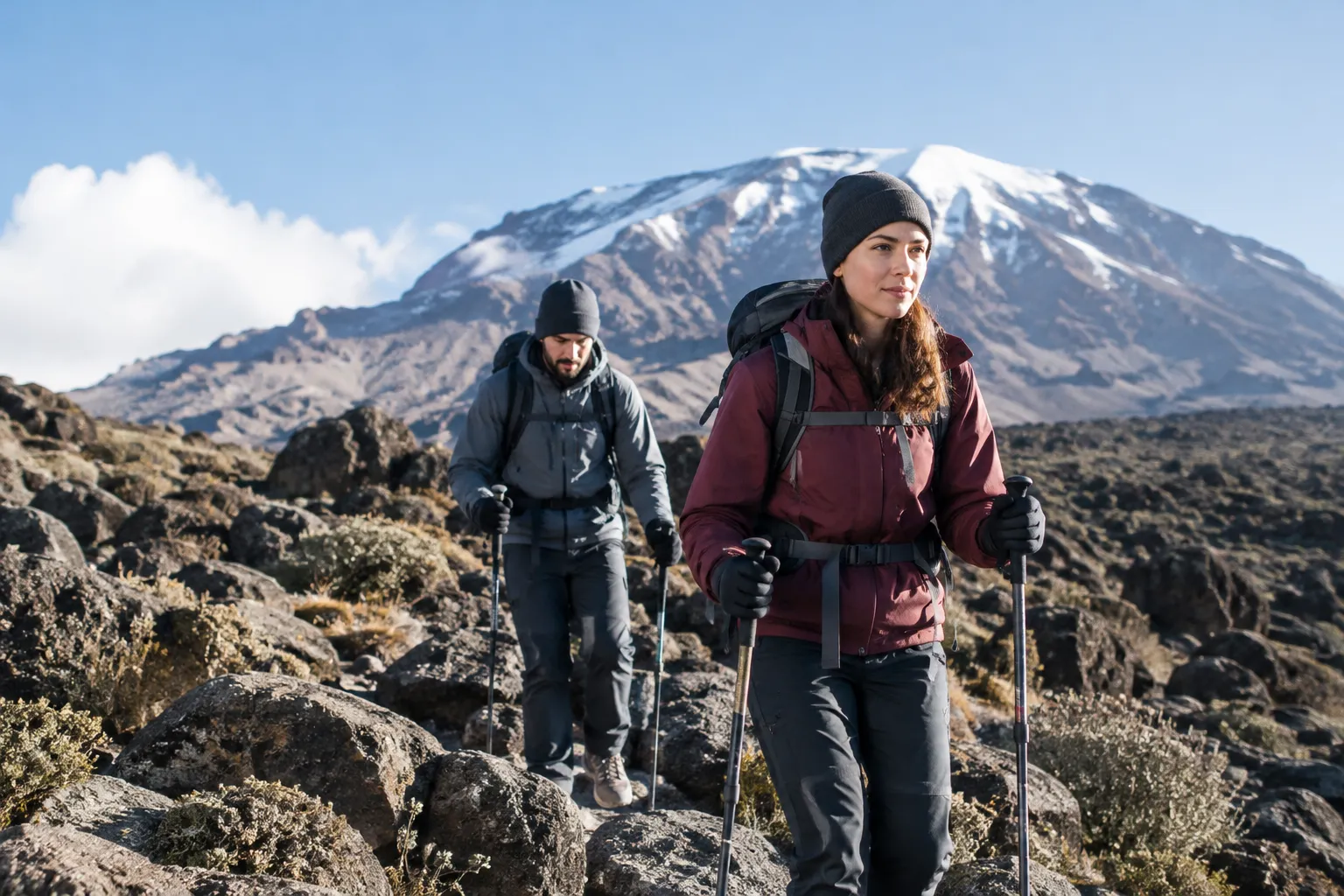
Altitude affects people differently, and no itinerary can promise a particular outcome. Compare how many days the climb takes, how the route gains elevation, and whether the daily pace leaves time for gradual adjustment. Ask the operator to explain how the itinerary supports acclimatization rather than relying on a general statement that the route is “easy” or “safe.”
A shorter climb may fit a limited vacation window, but fewer days can mean less time for gradual ascent. A longer trip asks more of your calendar and budget, so weigh that cost against the value of additional time on the mountain. Ask what happens if a climber feels unwell and whether the group can adjust its pace.
For more on what a guided climb involves, read our Mount Kilimanjaro climbing tours guide. If you are adding a safari, budget for it separately unless the quote clearly lists it as included.
Verify guide experience and daily health checks
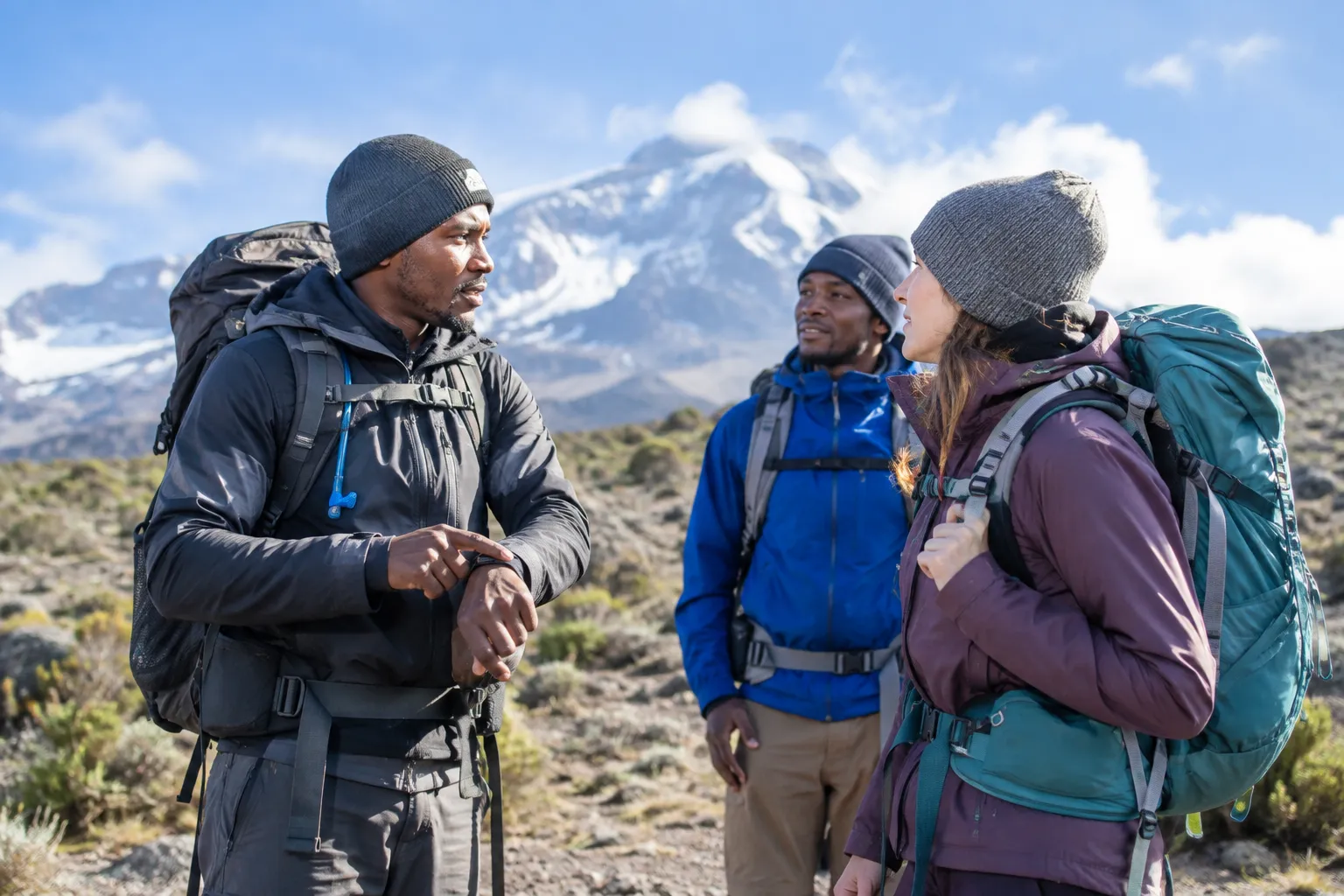
Ask who leads the climb, what training and experience the guides have, and how the team checks on climbers each day. A company should be able to explain its routine in plain language, including who takes readings, how often they are taken, how concerns are recorded, and what steps follow if someone’s condition changes.
Ask specifically whether guides are Wilderness First Responder (WFR) trained and what medical equipment the team carries. Find out how staff-to-climber support is organized, including how the group is supported if one person needs to descend while others continue. A qualified team and a monitoring process are important safeguards, not a guarantee of reaching the summit or avoiding illness.
Check porter welfare and KPAP participation
KPAP, the Kilimanjaro Porters Assistance Project, works to improve porter treatment on the mountain. Eco Africa Climbing is a KPAP Partner Company. To check any operator, look for the company on KPAP’s current partner list and confirm that the listing matches the business you are booking.
Membership is one useful check, not a substitute for asking practical questions. Ask how porter wages are set and paid, what load limits and equipment rules apply, and whether staff receive meals, suitable shelter, and appropriate clothing. Ask how tips are distributed and whether the company explains tipping expectations before departure. Clear answers help you understand how the climb’s price relates to the welfare of the crew supporting it.
Compare what is included with the total price
A headline quote is not the full trip budget. Request an itemized breakdown and compare companies on the same basis. Check whether the quote includes park and camping or hut fees, transfers, meals on the mountain, accommodation before or after the climb, and any equipment supplied. Confirm which costs are your responsibility.
Build a separate budget for:
- International and local flights, baggage fees, and airport transfers not included in the quote
- Personal clothing, boots, sleeping equipment, and other gear
- Guide and porter tips
- Extra hotel nights, meals, and personal expenses
- Optional safari arrangements
Ask about deposits, payment deadlines, cancellation terms, and any possible additional charges. A lower price is not necessarily better value if essential costs are omitted or the operator cannot explain how staff are supported. A higher quote also deserves scrutiny: identify what it includes rather than assuming the difference represents better service.
Choose the operator that fits your climb
The best tour company to climb Kilimanjaro for you is one that answers questions clearly and provides a plan you can assess. Before choosing, check that:
- The route and daily itinerary match your time and fitness preparation.
- The schedule allows for a considered pace and explains the acclimatization plan.
- Guides’ qualifications, health checks, and emergency procedures are described.
- Porter welfare policies are specific, and KPAP participation is verifiable.
- The quote itemizes inclusions, exclusions, tipping, and payment terms.
Eco Africa Climbing is a Tanzania-based operator offering Kilimanjaro group climbs and private climbs on the Lemosho, Machame, Northern Circuit, Rongai, and Marangu routes. A group climb may suit travelers who can work with set dates and want to climb with others. A private climb may suit people who want a more flexible arrangement for their own party. Either way, ask for the precise itinerary, group arrangements, and cost breakdown before committing.
Questions to ask before you pay
Use these questions to compare climbing Mount Kilimanjaro tours:
- How many days are spent on the mountain, and what happens each day?
- How does the route and itinerary support gradual acclimatization?
- Are the guides WFR-trained, and what health checks happen each day?
- What is the plan if a climber becomes unwell or needs to descend?
- Is the operator listed as a KPAP Partner Company, and how are tips distributed?
- Which fees, meals, transfers, and accommodation are included?
- What gear must I bring, and what can be arranged separately?
- What are the deposit, balance-payment, and cancellation terms?
- Are the departure dates confirmed, and what is the group size?
Ask for answers in writing, particularly for inclusions, payment terms, and departure details.
When a group or private climb makes sense
A group climb can be a fit if the available dates work for you and you are comfortable sharing the pace and daily experience with other travelers. Ask whether a departure is confirmed, what group size to expect, and how the team handles different walking speeds. Do not assume a departure is guaranteed without written confirmation.
A private climb gives your party a more individualized arrangement, but it may cost more than joining a scheduled group; request a quote to compare. Solo travelers can ask whether they can join a group, what the confirmed group arrangements are, and how guides support climbers traveling alone. Women traveling alone may also want to ask about rooming, group composition, and communication with the operator before booking.
Kilimanjaro Climb FAQs
Is it possible to climb Kilimanjaro in January?
Yes, guided climbs operate in January, but weather and trail conditions can vary. Ask the operator about the route’s seasonal conditions and what clothing and equipment to prepare.
Can I find guided tours of Kilimanjaro?
Yes, guided Mount Kilimanjaro climbing tours are available, and climbers should arrange their trek with a licensed local operator. Compare the itinerary, guide support, porter standards, and full price before booking.
Who are the best tour operators for Kilimanjaro?
The best fit is an operator that clearly explains its itinerary, safety procedures, KPAP status, inclusions, and payment terms. Verify those details rather than relying on polished websites or reviews alone.
Is 60 too old to climb Kilimanjaro?
No, age 60 alone does not rule out a climb; fitness, health, altitude response, and itinerary matter. Discuss your plans with a clinician and choose a pace and route that suit your circumstances.
Is Kilimanjaro a tough hike?
Yes, it is a demanding multi-day high-altitude trek, even though technical climbing skills are generally not the main challenge. Long walking days, cold conditions, and altitude make training and a suitable itinerary important.
What is the fatality rate on Kilimanjaro?
There is no single figure that reliably describes every route, operator, or reporting period, and estimates can differ by source. Focus on the operator’s health checks, guide training, acclimatization plan, and emergency procedures rather than treating a rate as a personal risk prediction.
How much training do I need before climbing Kilimanjaro?
Most preparation plans build fitness over several months with regular walking or hiking, cardio, and strength work. Increase duration and elevation gradually, and include practice hikes in the footwear and pack you plan to use.
How difficult is summit night on Kilimanjaro?
Summit night is often the most challenging part because it involves a long, cold ascent at high altitude, usually after several days of trekking. Ask how the itinerary schedules the summit push and what support guides provide.
Recommended next steps
Shortlist operators by route and itinerary first, then compare health monitoring, guide qualifications, porter welfare, and complete trip costs. Confirm the arrival and rest schedule, gear needs, tipping expectations, and payment terms before booking. If you are still weighing routes, our comparison of Machame, Lemosho, and Rongai can help you identify the questions to bring to an operator.
Sedrick Silayo is a Web Developer and Digital Marketing Expert at Eco-Africa Climbing, with over 10 years of experience in Tanzania’s adventure travel industry. He specializes in Kilimanjaro trekking and Northern Tanzania safaris, sharing practical expertise on trip planning, mountain preparation, safety, KPAP standards, and safari experiences.