 5 Nov 2026
 8 min read
The tour price is only one part of the budget for a Kilimanjaro climb. Flights, visa, insurance, gear, tips, and nights outside the trek can all add to your total, so compare the full trip plan—not just the operator’s headline price.
What does the tour price usually leave out?
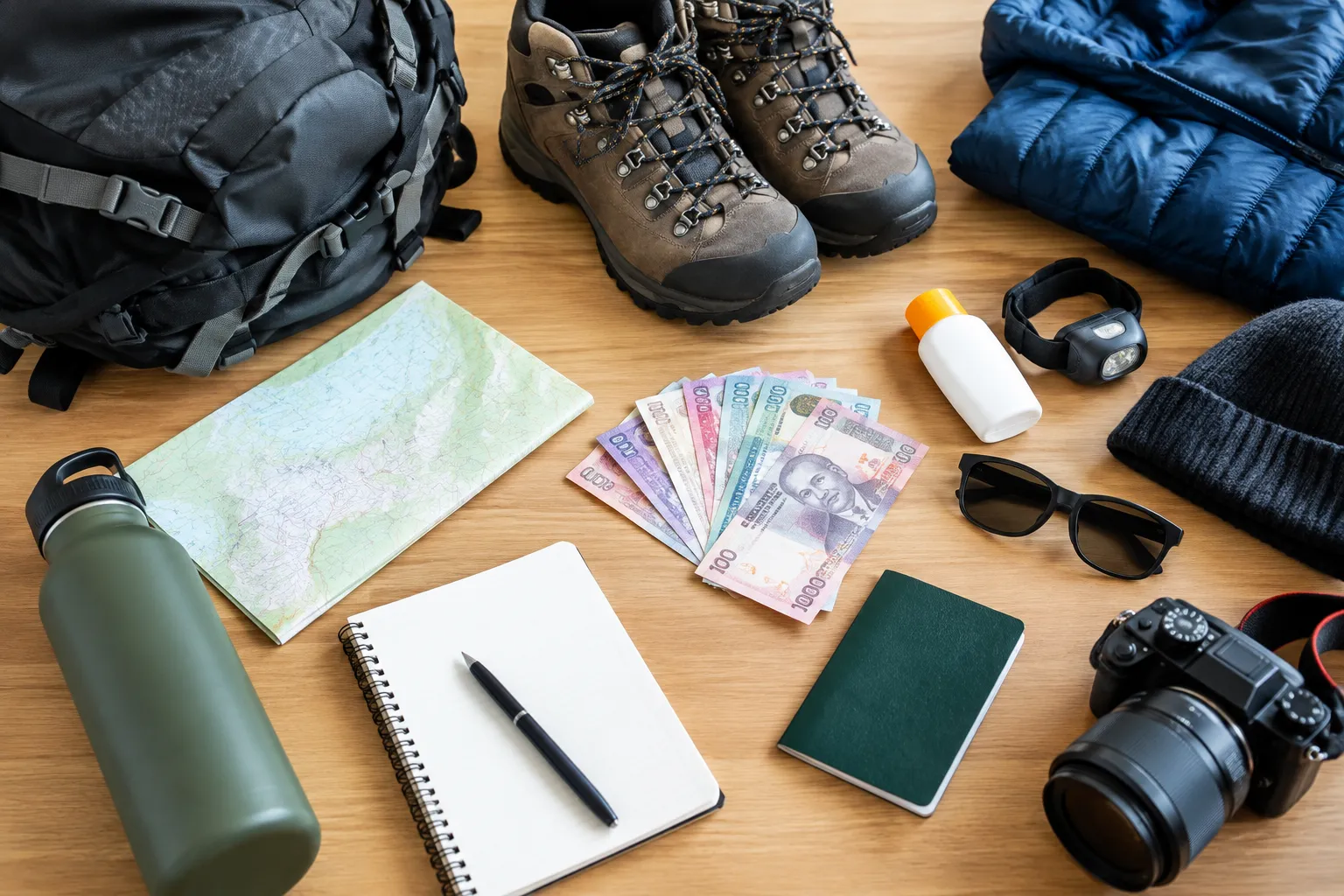
Kilimanjaro climb expenses beyond the tour price commonly include international travel, visa fees, insurance, personal gear, crew tips, and extra hotel nights; check each quote’s inclusions before comparing it with another.
The cost of climbing Mt. Kilimanjaro varies with route, trip length, group or private arrangements, and what the operator includes. A lower tour price is not directly comparable to a higher one if the first excludes airport transfers, accommodation, meals outside the trek, or other services covered by the second.
Ask for an itemized quote and check these categories:
| Expense | What to confirm |
|---|---|
| Flights | Whether airfare is excluded and which arrival and departure dates the itinerary assumes |
| Visa | The current requirement and fee for your nationality |
| Insurance | Whether the policy covers trekking at Kilimanjaro’s elevation and any evacuation needs |
| Gear | What you must bring, what can be rented, and the rental cost |
| Tips | Whether crew tips are separate and how to budget for your group |
| Accommodation | Which hotel nights are included, and whether early arrival or a delayed departure adds nights |
| Park and route costs | Which required fees and services are included in the tour price |
Tanzania National Parks describes Kilimanjaro as a mountain with multiple peaks and climbing routes, with climbs typically taking five to eight days. That range matters for comparing quotes: a shorter itinerary and a longer one may have different prices and different time for acclimatization. See the Kilimanjaro climb cost breakdown for more on comparing quote components.
The phrase “how much does it cost to summit Kilimanjaro?” can make it sound as if there is one final number. There isn’t a universal total: calculate your own by adding the quoted climb, travel, gear, tips, and any extras for your actual dates and plans. For the bigger picture, see our guide to the cost of climbing Mount Kilimanjaro.
What travel costs should you budget before and after the climb?
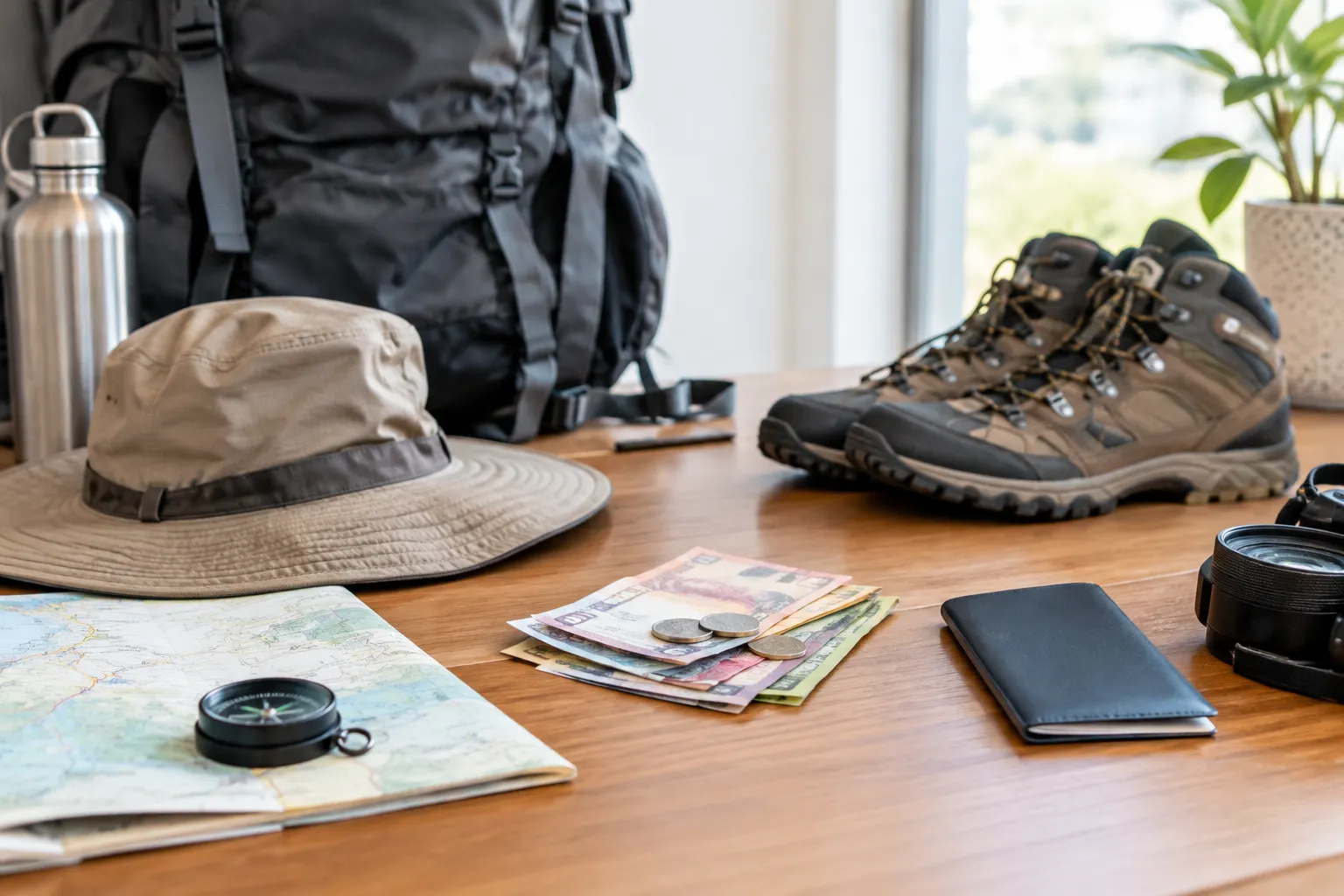
Plan separately for airfare, a Tanzania visa, travel insurance, and any hotel nights outside the itinerary; these costs depend on your departure city, nationality, policy, and arrival schedule.
Start with flights, including any connection costs that could affect your baggage or arrival time. If a connection requires collecting and rechecking luggage, allow time for that process and consider how a delay might affect your trek start. A ticket that arrives on the morning the climb begins can leave little room to recover from a disruption or get a full night’s sleep.
Visa requirements and fees vary by nationality and can change. Check the current Tanzania entry guidance for your passport before booking, rather than assuming another traveler’s fee applies to you. The Tanzania travel guidance from the CDC also covers destination-specific health preparation; consult a qualified travel health professional about your own circumstances.
Travel insurance is a separate line item to check carefully. Read the policy wording for trekking at high altitude, emergency medical care, evacuation, and trip interruption. Do not assume that a standard travel policy covers every activity or elevation on your itinerary; ask the insurer to confirm the coverage in writing.
Finally, count hotel nights before and after the climb. An early arrival can give you time to rest and sleep before the trek, while a later flight may require an extra night after it. Ask which dates are covered by the quoted package and price any additional nights yourself. A safari is another separate trip component: if you are considering one, set that budget apart from your climbing costs instead of treating it as included.
How much can Kilimanjaro gear add to your budget?
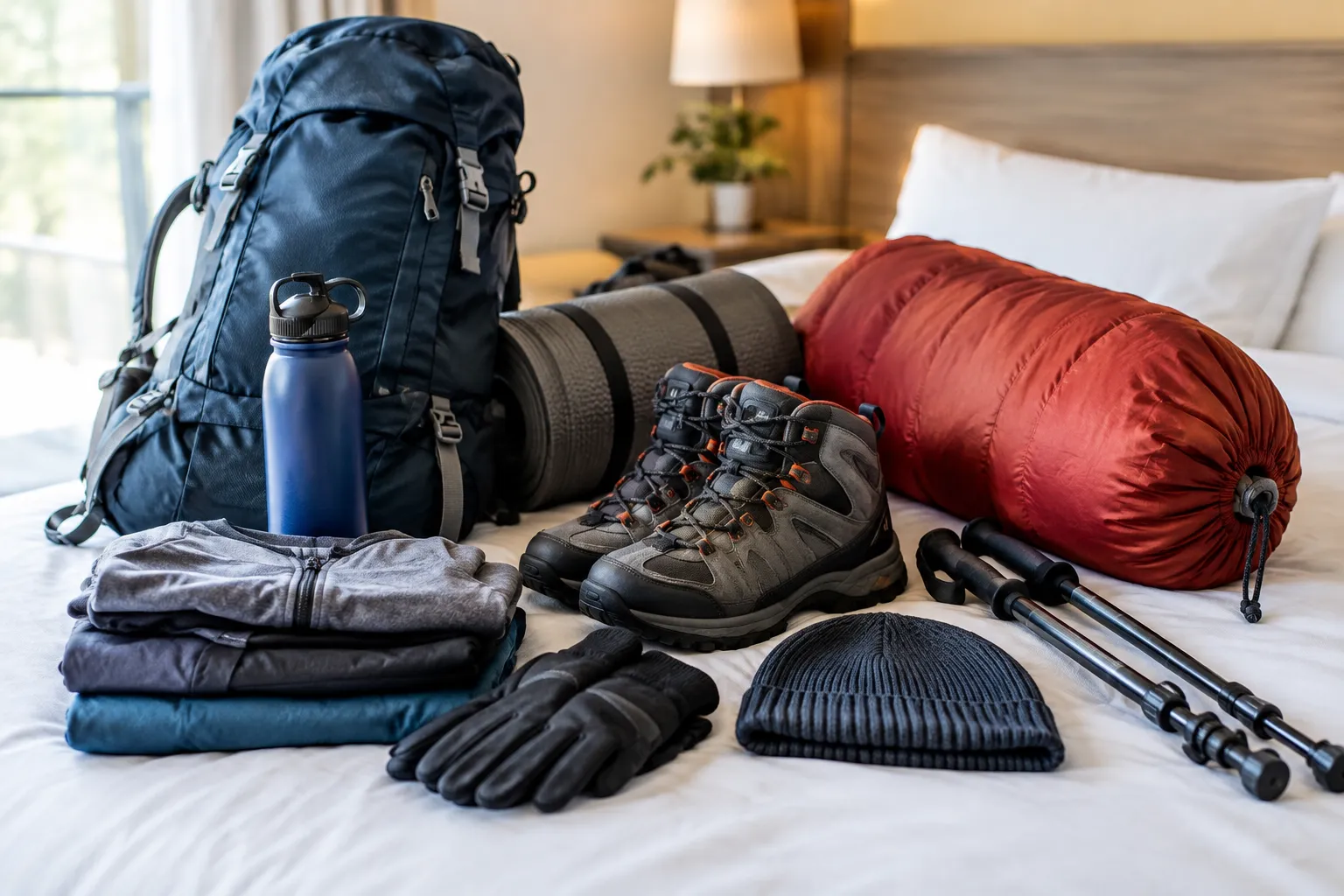
Kilimanjaro gear costs depend on what you already own, what you need to replace, and what you can rent; inventory your kit before buying, then confirm rental availability and charges with your operator.
Separate gear into three groups: items you already have and trust, essentials you need to buy, and items you may be able to rent. This helps avoid buying a full new kit just because the trip is unfamiliar. On the other hand, borrowing or renting an item only works if it fits and suits the conditions you will face.
Make a list that includes clothing layers, waterproof protection, footwear, a daypack, and sleeping equipment. For each item, record whether it is required, whether you own a suitable one, and whether buying or renting is the better fit. Check the operator’s packing guidance before purchasing, since a vague assumption about what is supplied can lead to duplicate spending or missing equipment.
Ask specific questions about rentals: what items are available, what the charge covers, how sizing is handled, and when you can inspect the equipment. If you plan to rent boots or other fit-sensitive gear, arrange to check the fit well before departure rather than treating it as a last-minute detail.
Include baggage costs in this calculation too. Airlines can set different limits and charges for checked baggage, so verify the rules for every flight segment, particularly when separate tickets or connections are involved. A rough gear budget becomes more useful when it includes both equipment and the cost of transporting it.
How should you plan for crew tips and other on-route spending?
Budget Kilimanjaro tipping separately from the tour price, because the amount varies with the crew and group; also set aside a small personal-spending allowance for optional purchases.
Ask the operator how tipping is normally organized for the specific itinerary and how the group handles distributing tips. The appropriate budget can vary with trip length, crew size, and whether you are climbing privately or in a group, so a tip amount from a different trip may not fit yours. Confirm whether any service charge or crew payment is already included, and avoid counting the same expense twice.
A practical way to prepare is to put tips on a separate line in your trip budget, then confirm the expected approach before departure. If you are joining a group, ask how the group coordinates the collection and distribution so you can bring an appropriate amount and understand what is expected. Tips should not replace questions about fair treatment, clear employment practices, and porter welfare. Eco Africa Climbing identifies as a KPAP Partner Company; you can check the operator’s current status through KPAP’s own company information.
Also consider small personal expenses, such as snacks or souvenirs, if you expect to buy them. These are discretionary rather than part of the core trek cost. Keep the amount separate from your essential expenses, and ask what payment options are practical for the specific trip rather than assuming you can access cash on the route.
How does a longer itinerary affect the total cost?
A longer itinerary can raise the tour price and related expenses, but it also allows more days for the climb; additional time does not guarantee a summit.
Extra trekking days can affect the price because the trip continues for longer. They may also mean more time away from work, another hotel night depending on flight schedules, and a different overall travel plan. Compare itineraries by looking at the total number of trek days and the time spent before and after the climb—not just the tour price.
Time on the mountain is also part of your acclimatization plan. The CDC’s guidance on high-altitude travel and altitude illness discusses acclimatization and the importance of recognizing altitude illness. An itinerary can build in more time, but individual responses to altitude vary, and no route length promises a particular outcome.
When reviewing a short and a longer itinerary, ask what changes day by day: route, elevations, sleeping locations, and the schedule for ascent. Then weigh those details against the added cost and time away. Choose based on the full itinerary and your own planning needs, not on a claim that a higher-priced or longer trip ensures success.
How can you estimate your full trip budget before booking?
Add the climb quote to separate estimates for flights, visa, insurance, gear, tips, accommodation, and optional extras; use the same trip dates and itinerary when comparing totals.
Build a simple worksheet with one line per expense. Mark each as included, excluded, or still to confirm, and avoid entering a zero when you have not yet checked the cost. That distinction prevents an unknown expense from disappearing from your estimate.
Use this checklist:
- Get an itemized climb quote and note the route, trek duration, and included services.
- Price flights for the dates that allow the arrival rest and departure timing you want.
- Check current visa requirements for your nationality.
- Ask your insurer about the specific activity, altitude, and emergency coverage.
- Inventory gear and price only the items you still need to buy or rent.
- Confirm how tipping is handled and budget it separately.
- Count hotel nights outside the trek and price optional safari plans separately.
To compare offers fairly, check that each quote covers the same route, number of days, and trip components. Our Kilimanjaro quote checklist gives you further prompts for checking what a price includes. If your budget is tight, identify which expenses are uncertain first; airfare, gear, and extra nights are often easier to estimate once your dates and packing plan are settled.
Request an itemized Kilimanjaro climb quote
An itemized quote helps you compare the trek price with the rest of your trip; request one using your preferred route, likely travel dates, and group or private preference.
To make a useful comparison, have these details ready:
- Choose the route you are considering and note how many trekking days the proposed itinerary includes.
- Set your likely arrival and departure dates, allowing time for sleep before the climb and checking whether extra hotel nights are needed.
- List the services you expect in the quote, including accommodation, transfers, meals, and any gear rental.
- Record separate estimates for flights, visa, insurance, tips, and personal gear.
- Compare the resulting full-trip budgets and ask for clarification on any item marked “included” without a clear description.
Keep the tour price and the full trip estimate as two separate figures. That makes it easier to see what the climb itself costs and what your travel plans add, without mistaking a headline price for the entire budget.