 28 Oct 2026
 3 min read
1. Park fees and permits set the baseline
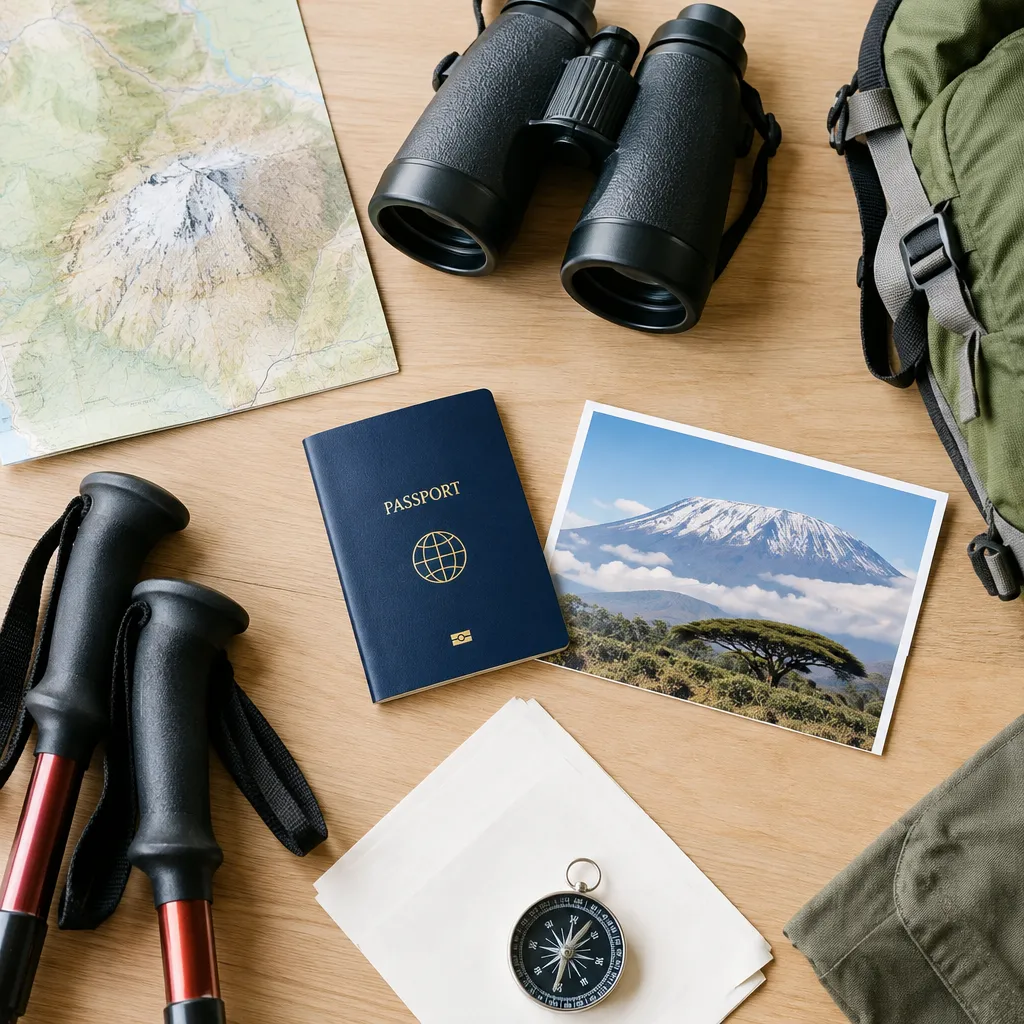
Check whether the quote includes the required Kilimanjaro park fees and permits, such as conservation, camping, and rescue charges where applicable. Ask for a written list of included fees and any charges you may need to pay separately; these costs are a major part of kilimanjaro trek prices.
For a wider view of the trip budget, see our guide to the cost of climbing Mount Kilimanjaro. Compare quotes for the same route and number of days, since different itineraries may involve different park charges.
2. Crew pay reveals the standard of support
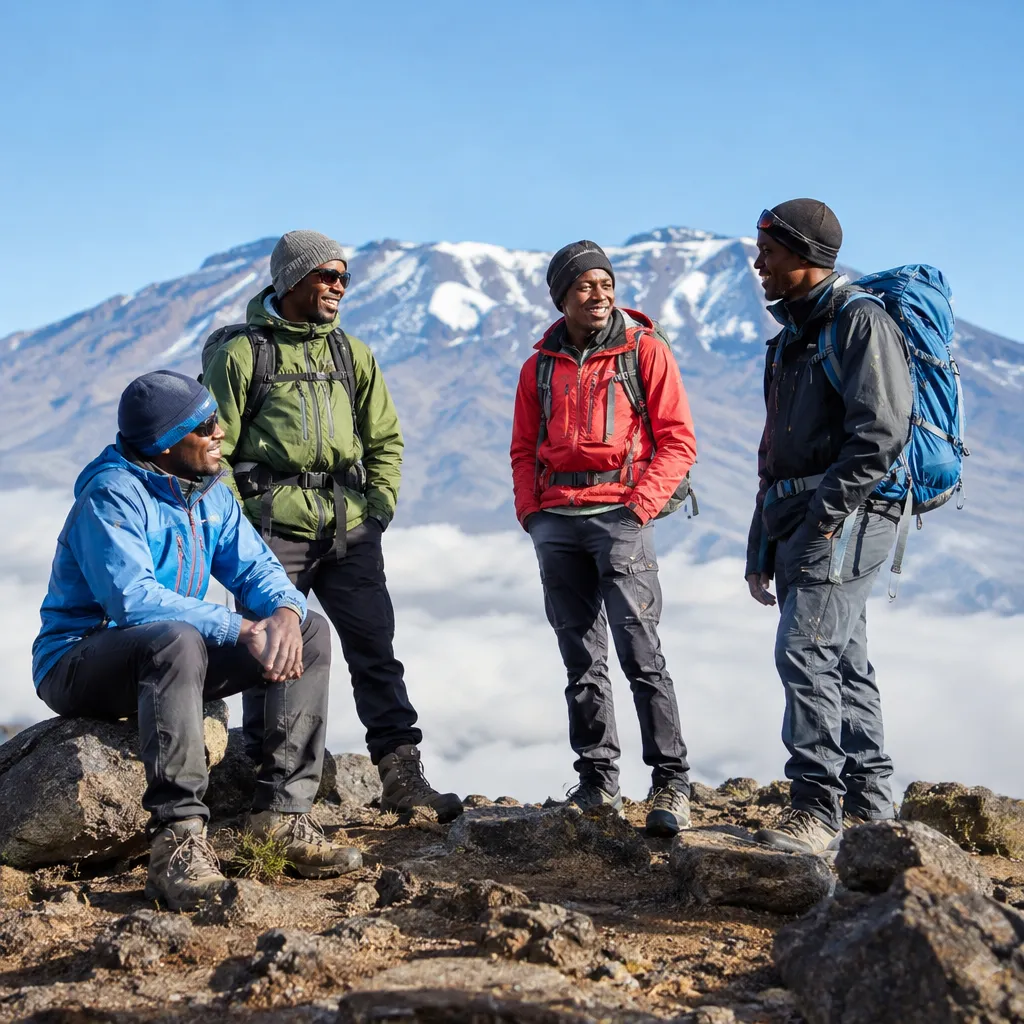
Ask which roles are included in the climbing team, such as guides, assistant guides, cooks, and porters, and how staffing is determined for your group. An unusually low quote deserves a closer look: ask how the operator meets its obligations to the crew and supports fair treatment.
Check whether the operator is listed as a KPAP Partner Company, then ask what that partnership means for porter welfare on your climb. KPAP partnership is a useful point to verify, not a substitute for clear answers about staffing and crew conditions.
3. Tipping should be budgeted separately
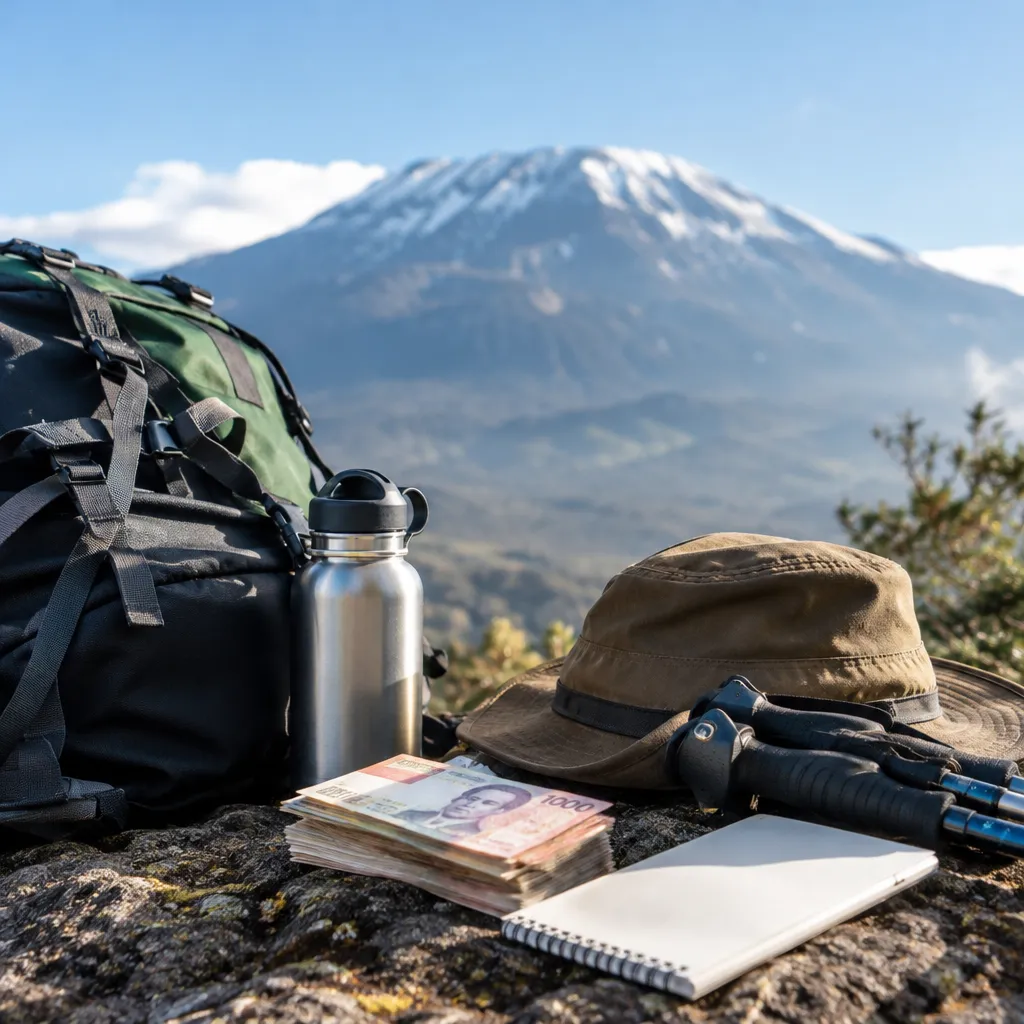
Ask whether tips are excluded from the quote and request the operator’s current tipping guidance before you travel. Kilimanjaro crew tips are often a separate expense, so include them in your total budget rather than treating the advertised climb price as the full cost.
Tips should not replace fair pay or responsible crew standards. Compare the written tipping guidance with the operator’s explanation of wages and porter treatment; if those answers are vague, ask follow-up questions before booking.
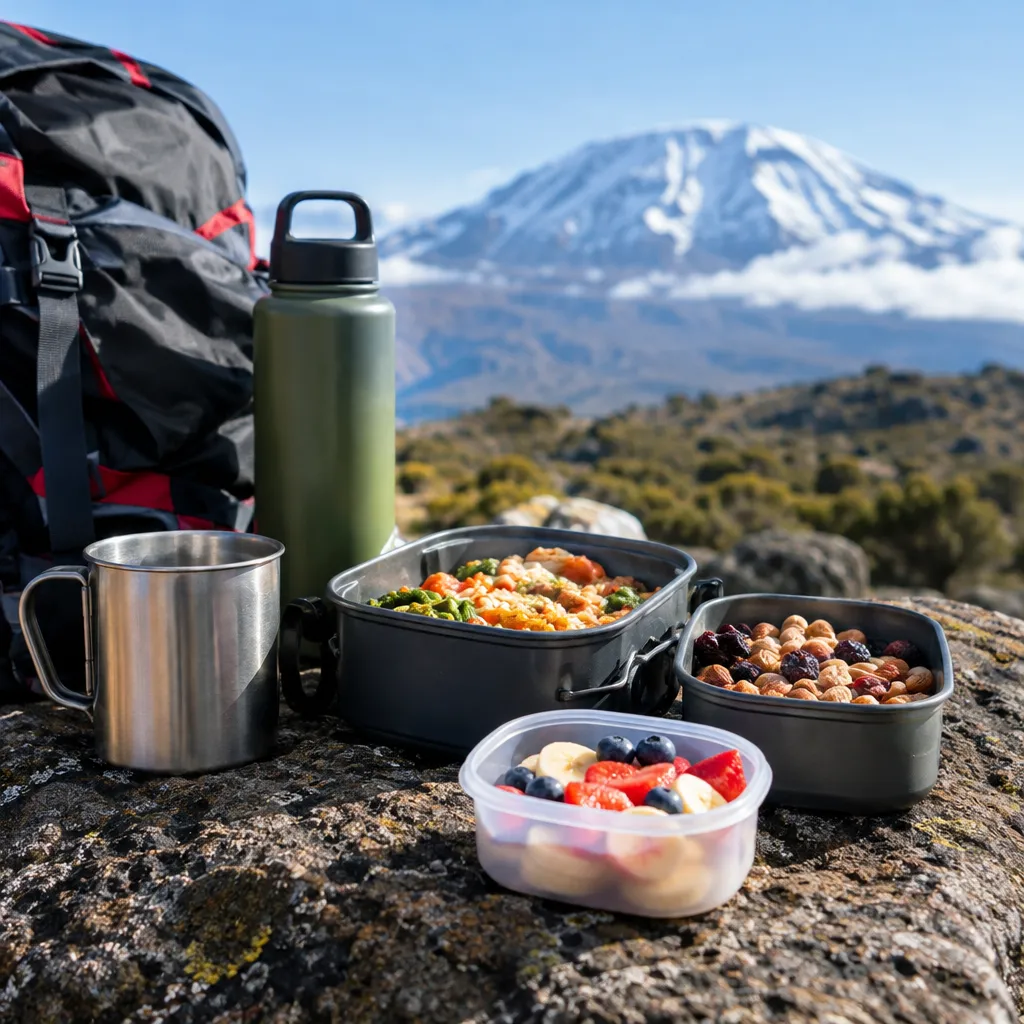
4. Meals and drinking water need clear coverage
Confirm which meals are included on the mountain, whether drinking water is provided during the trek, and what is covered on arrival or departure days. Ask how the itinerary handles meals when you are not on the mountain, since hotel stays and travel days may be treated differently.
The price to climb Kilimanjaro should be compared alongside this practical detail: a quote that includes fewer meals may leave you with extra costs. Request a day-by-day outline so you can see what is covered and plan for anything excluded.
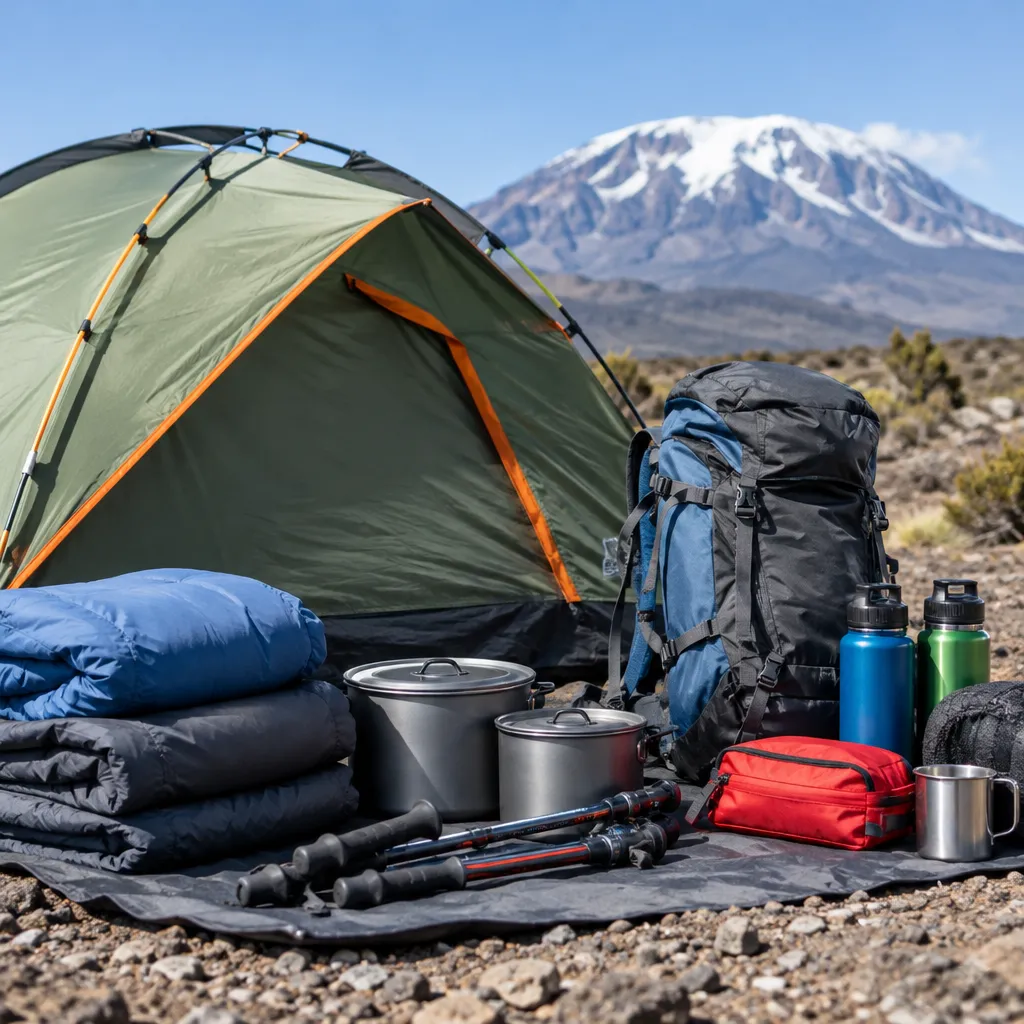
5. Tents and shared mountain equipment affect value
For routes that use camping, check whether the quote covers sleeping tents and a dining tent, and ask what toilet arrangements are included. Confirm which shared safety equipment the operator supplies and what you are expected to bring yourself.
The equipment list helps explain differences in kilimanjaro trek prices, but a list alone does not tell you how equipment is maintained. Ask what is included, what is optional, and whether any extra charges apply to the facilities or equipment you expect to use.
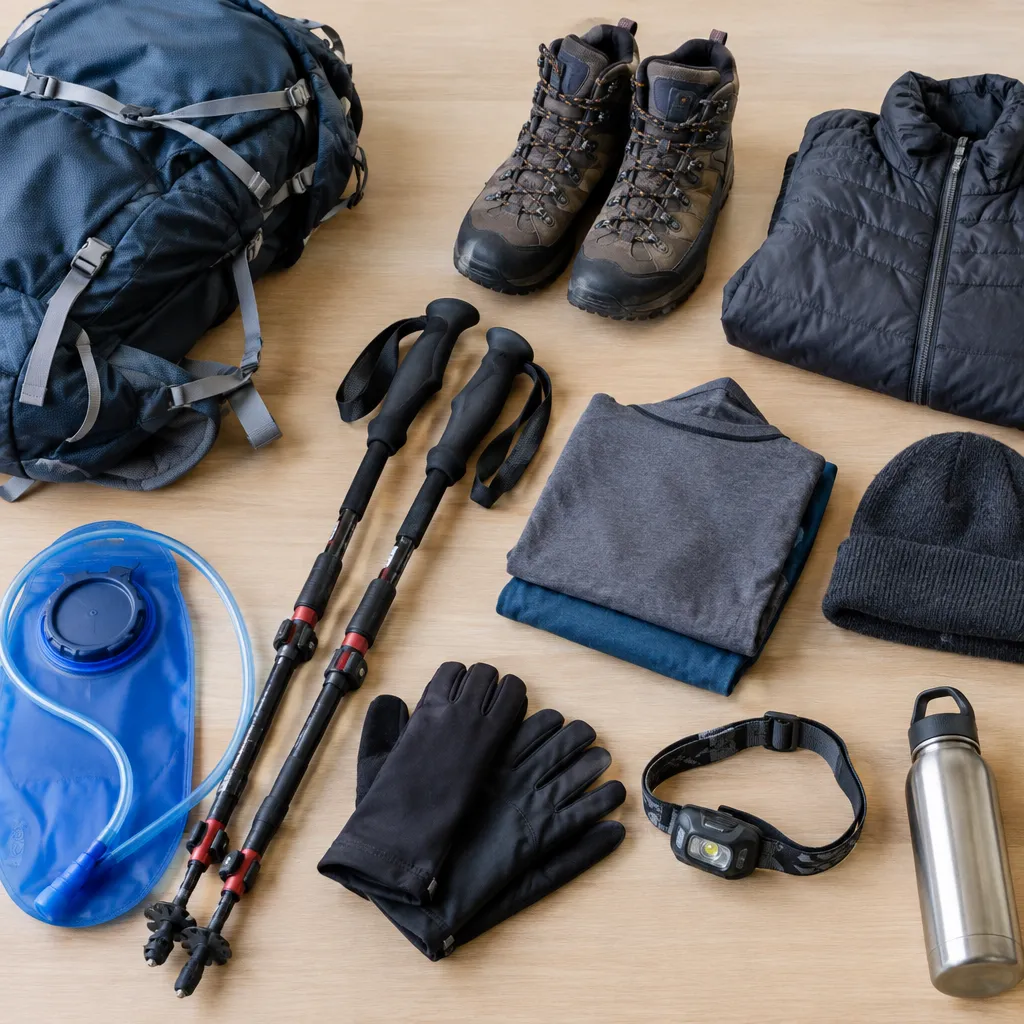
6. Transfers and equipment can hide extra charges
Get the transfer plan in writing: does the quote cover airport pickup, hotel-to-trailhead transport, and the return journey, or only some of these? Also check whether hotel nights are included and whether transfers depend on joining other climbers.
Separate shared group equipment from your personal gear. Ask which personal items are available to rent, what the rental charges are, and when equipment needs to be arranged. For a more detailed list of quote checks, use our Kilimanjaro climb quote checklist.
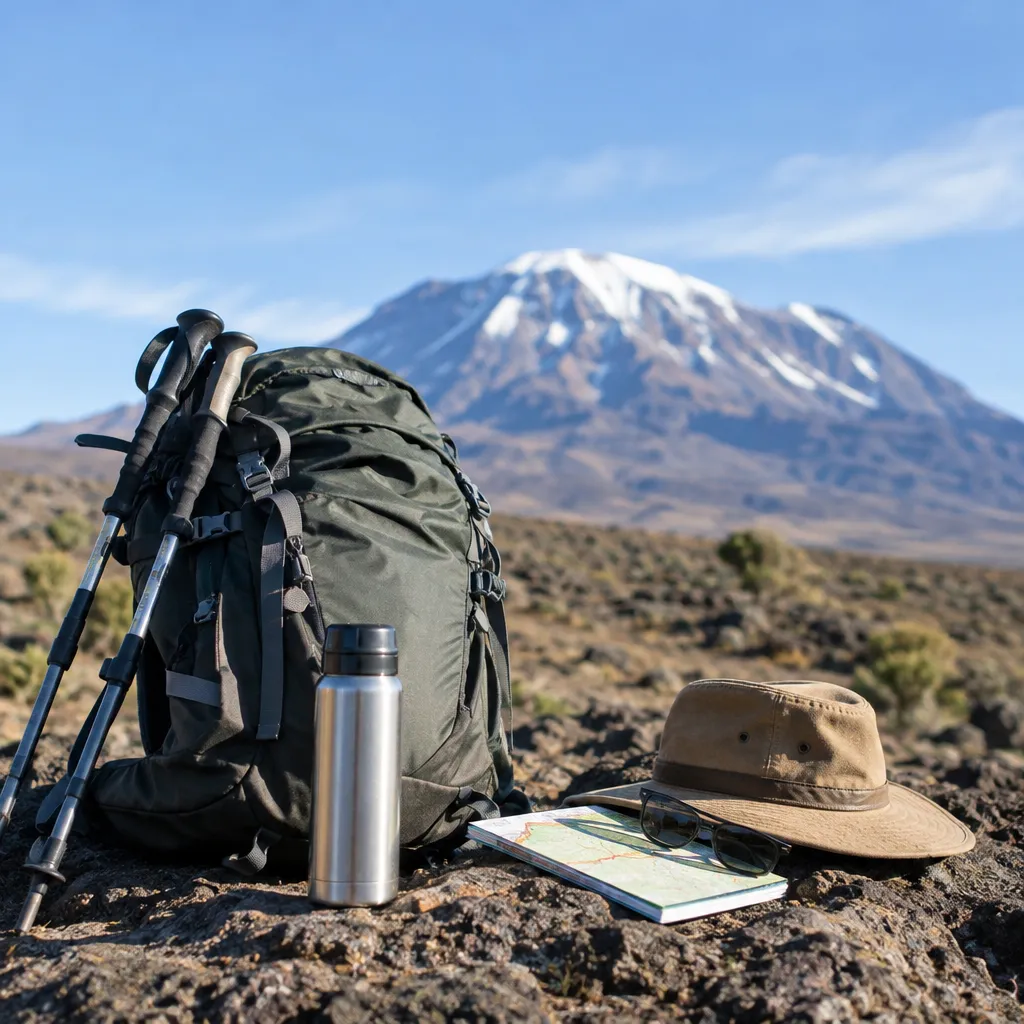
7. Compare the full itinerary, not just the headline price
Compare quotes for the same route, trip length, group arrangement, and included services. A longer itinerary, private climb, or different transfer and hotel plan can change the total. Check whether the quote states exclusions such as flights, personal gear, insurance, tips, and extra accommodation.
Before booking, confirm the route, park fees, crew roles, meals, tents, transfers, and tipping expectations in writing. Our guide to what a Kilimanjaro quote should include offers another checklist for comparing inclusions. For advice specific to your health or insurance needs, consult a qualified professional.
Sedrick Silayo is a Web Developer and Digital Marketing Expert at Eco-Africa Climbing, with over 10 years of experience in Tanzania’s adventure travel industry. He specializes in Kilimanjaro trekking and Northern Tanzania safaris, sharing practical expertise on trip planning, mountain preparation, safety, KPAP standards, and safari experiences.