 10 Nov 2026
 7 min read
A Kilimanjaro climb is a strenuous, high-altitude trek rather than usually a technical mountaineering climb, and how difficult is it to climb Kilimanjaro depends heavily on altitude, pacing, route length, and your preparation. Eco Africa Climbing offers guided climbs on five routes; compare the itinerary’s daily demands and inclusions, then decide whether the time, terrain, and camping style fit you.
How the Kilimanjaro routes compare in difficulty
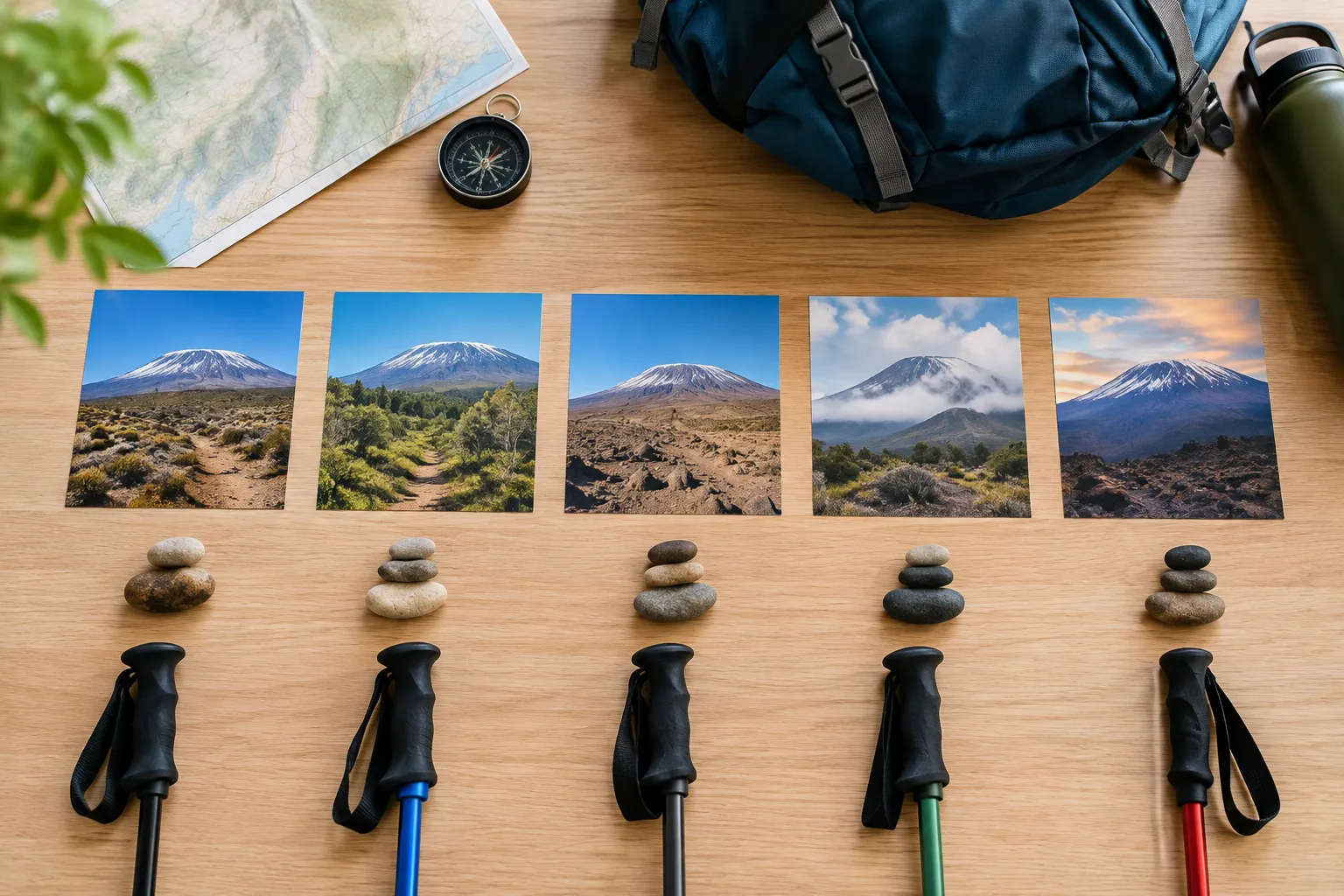
Kilimanjaro is challenging on every route, but there is no useful easy-to-hard ranking without knowing the itinerary’s duration, daily pace, and acclimatization time. The table highlights what to compare; ask for a day-by-day plan before choosing.
| Route | What to compare in the itinerary | Camping or accommodation | Key decision |
|---|---|---|---|
| Lemosho Route | Daily walking time, terrain, and time set aside for acclimatization | Confirm the arrangement for each night | Does the itinerary allow a pace and duration you can manage? |
| Machame Route | Daily walking time, terrain, and the timing of the summit approach | Confirm the arrangement for each night | Are you comfortable with the walking days and overnight summit push? |
| Rongai Route | Daily walking time, terrain, and time set aside for acclimatization | Confirm the arrangement for each night | Does its itinerary fit your schedule and preferred walking rhythm? |
| Marangu Route | Daily walking time, terrain, and the timing of the summit approach | Ask about the hut arrangement and what it means for your packing | Would this accommodation style suit you better than camping? |
| Northern Circuit Route | Daily walking time, terrain, and overall itinerary length | Confirm the arrangement for each night | Can you set aside enough time for the planned pace? |
These routes should not be compared by name alone. Request the number of trekking days, the elevation changes each day, the summit-night schedule, and where you will sleep. Tanzania National Parks says climbs typically take five to eight days, but your specific itinerary determines how that time is divided. Its visitor guide to Kilimanjaro also outlines park access and visitor arrangements.
Our Kilimanjaro climbing tour guide explains what to consider when comparing a guided trip. The broader route and preparation overview can help you narrow your questions before you compare itineraries.
What makes climbing Kilimanjaro challenging
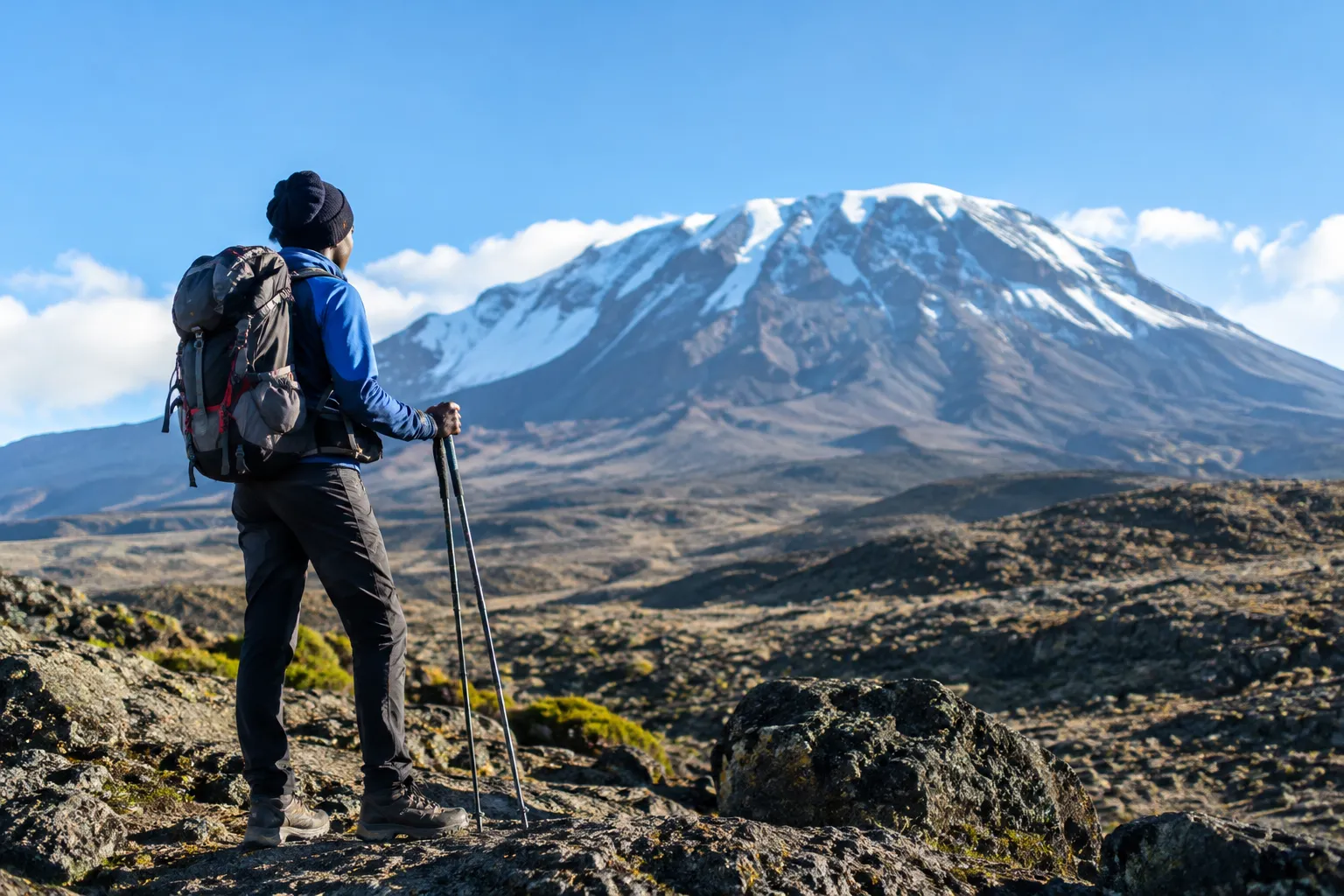
The biggest difficulty is reaching high altitude while continuing to walk for several days; uneven terrain and the summit-night schedule add physical strain. A route’s technical reputation alone does not tell you whether its pace will suit you.
Altitude can affect how you feel even when the walking pace is manageable. Kilimanjaro’s summit is about 5,895 meters (19,341 feet) above sea level, according to the Kilimanjaro National Park authority. The CDC explains that altitude illness is a concern during high-altitude travel and that acclimatization, ascent rate, and recognizing symptoms matter. A longer itinerary may allow more time to adjust, but it cannot guarantee how any individual will respond.
Terrain and weather change during the climb, so expect to walk on surfaces and in conditions that may feel different from your usual training routes. The repeated effort matters too: you are not preparing for one long hike, but for successive walking days with nights at altitude.
The summit attempt commonly involves walking overnight, when cold, fatigue, and limited sleep can make the effort feel harder. Ask for the planned start time, expected walking duration, and rest arrangements rather than assuming all route itineraries handle summit night the same way. A qualified medical professional should advise you on your personal readiness for high-altitude travel, especially if you have a health condition or take medication.
How route length and pacing affect the climb
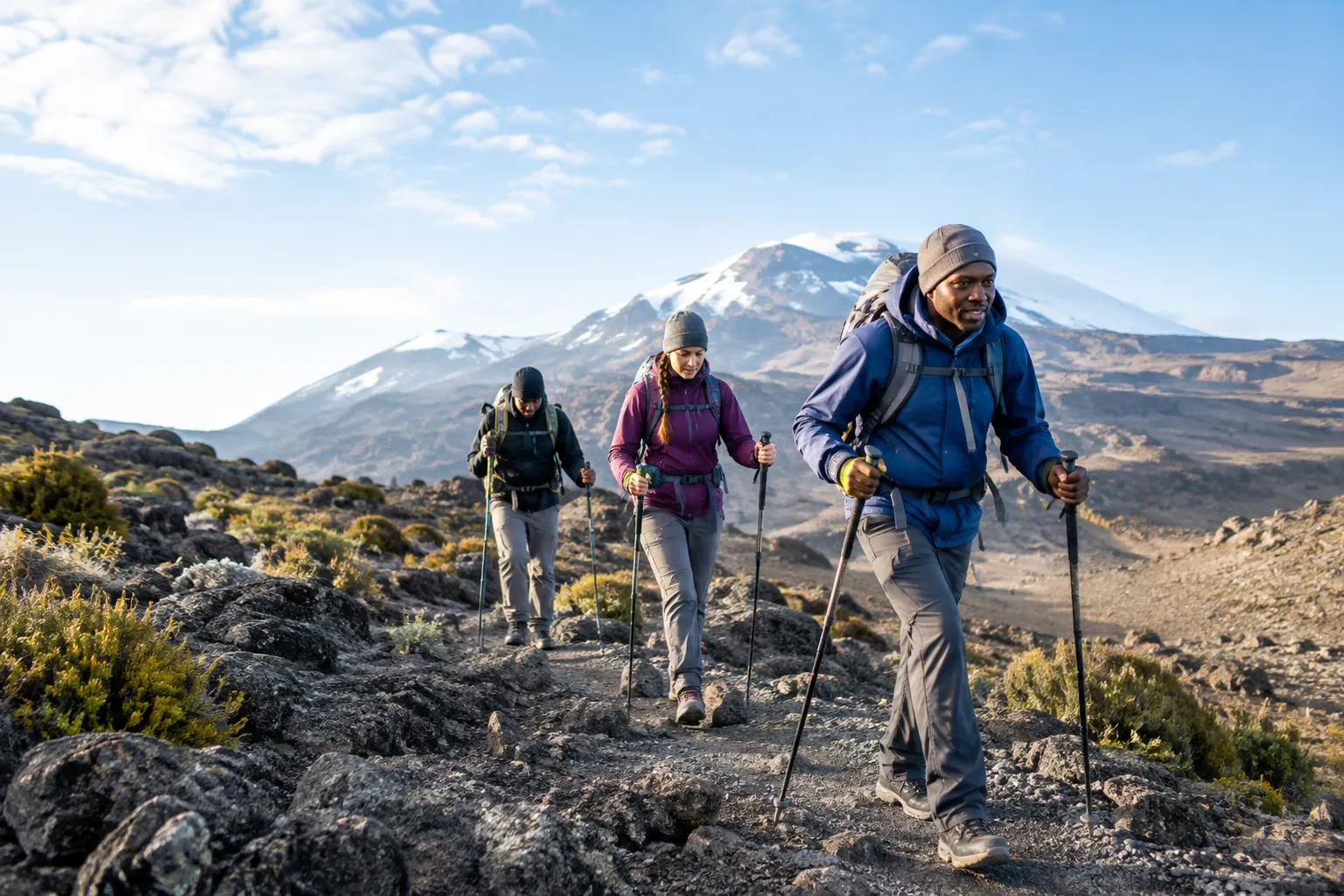
A longer itinerary can provide more time for gradual acclimatization, while a shorter schedule may leave less time for that adjustment. Compare the day-by-day pace and elevation profile, not just the total number of days.
The park authority describes typical climbs as lasting five to eight days. Within that broad range, the specific itinerary matters: two trips with the same route name may differ in daily walking time, overnight stops, and summit timing. Ask the operator to show those details in writing and explain how the schedule balances walking and rest.
A steady pace is useful because rushing can make long days harder and does not remove the challenge of altitude. On a Lemosho, Machame, Rongai, Marangu, or Northern Circuit itinerary, look for the same practical information: how far you walk each day, how much time you spend gaining elevation, and how the plan handles the summit approach.
Route duration also affects the total trip plan. Allow time to arrive, sleep, and organize your gear before the climb rather than treating the trekking days as the entire trip. If you are comparing five Kilimanjaro route options, use your available travel days as a real constraint: a route that needs more days is not a fit if you cannot make room for them.
How preparation can make the climb more manageable
Preparation helps you handle sustained walking and consecutive trekking days, but fitness cannot eliminate altitude-related uncertainty. Build endurance through regular walking and hills, and practice with the footwear and pack you plan to use.
Training should reflect the task: spend time walking, gradually increase the length of your outings, and include hills or stairs if they are available to you. A mix of aerobic activity and lower-body and core strength work can support general trekking fitness. Increase effort progressively rather than trying to make up for missed preparation with sudden, demanding workouts.
Practice walking at a comfortable, sustainable pace. If your training only includes short, fast sessions, it may not prepare you as well for several hours on your feet. Use longer outings to learn how your clothing, footwear, and pack feel over time, and make adjustments before travel.
Gear is part of the effort. Poorly fitting footwear or clothing that does not suit changing conditions can make long days less comfortable. Confirm what your trip includes, what you need to bring, and whether your baggage plan separates what you carry from what travels with the support team. Do not assume that a headline trip price includes personal gear, flights, tips, or every park-related cost; ask for an itemized list.
On the mountain, follow the guide’s pace and instructions instead of treating a faster pace as proof of fitness. Ask in advance what support and health monitoring the itinerary includes, and how concerns are handled on the route. These practical details help you compare operators without mistaking confident marketing for a clear plan.
Decide whether a Kilimanjaro climb is right for you
A climb may suit you if you can prepare for repeated walking days, accept basic mountain routines, and set aside enough time for the itinerary. Your decision should include altitude, sleep, gear, travel logistics, and total cost—not fitness alone.
Start by checking your comfort with the daily experience. Are you willing to walk for extended periods, sleep at altitude, and continue after a tiring day? Are you comfortable with the accommodation style on the route you are considering? If camping is a concern, ask what each night’s arrangement is rather than assuming all routes use the same setup.
Next, look honestly at time and logistics. Count the full trip, including arrival rest, the climb, and travel home. For U.S. travelers, confirm baggage rules and connections with the airline: a transfer may require you to collect and recheck luggage, so build that possibility into your plan. Keep important gear and essentials accessible in case checked baggage is delayed.
For a solo traveler or someone joining a small group, ask how group departures work, whether a departure is confirmed, what group size to expect, and what support is available to participants. If you are a woman traveling alone, you can ask the operator directly about the group setup and the practical arrangements for sleeping and on-route support. Do not treat the existence of a group as a guarantee of personal safety or a particular group composition.
Finally, compare the full cost rather than the advertised figure alone. Request a written breakdown of what is included and excluded, including park fees, tips, equipment, flights, and any optional safari plans. Eco Africa Climbing offers guided climbs on the Lemosho, Machame, Northern Circuit, Rongai, and Marangu routes, so compare the actual itinerary and inclusions for the route you are considering.
Kilimanjaro Climb FAQ
Do you need training to climb Kilimanjaro?
Yes. Regular walking, longer outings, and hill training can help prepare you for sustained trekking, although fitness does not prevent altitude illness or guarantee a particular outcome.
How much does it typically cost to climb Kilimanjaro?
There is no single useful total without the itinerary and inclusions; compare the guided trip, park fees, tips, gear, flights, and any extra nights or safari plans separately.
Recommended next steps
- Set your available travel dates and include arrival rest, trekking days, and time to return home.
- Choose two or three routes to compare based on itinerary length, sleeping arrangements, daily walking demands, and summit timing.
- Request a written day-by-day schedule and a cost breakdown that separates included items from flights, tips, personal gear, and other exclusions.
- Check your fitness and health questions with a qualified professional, and build a gradual walking and hill-training routine.
- Compare the plans against your time, budget, and comfort with the route; choose the itinerary whose demands you can prepare for.