 19 Nov 2026
 7 min read
Fatalities have occurred on Kilimanjaro, but a single verified total for climber deaths cannot be stated from the available official information. The count also should not be confused with an individual climber’s odds: without a defined period, population, and denominator, a death total is not a death rate.
What are the main causes of death on Kilimanjaro?
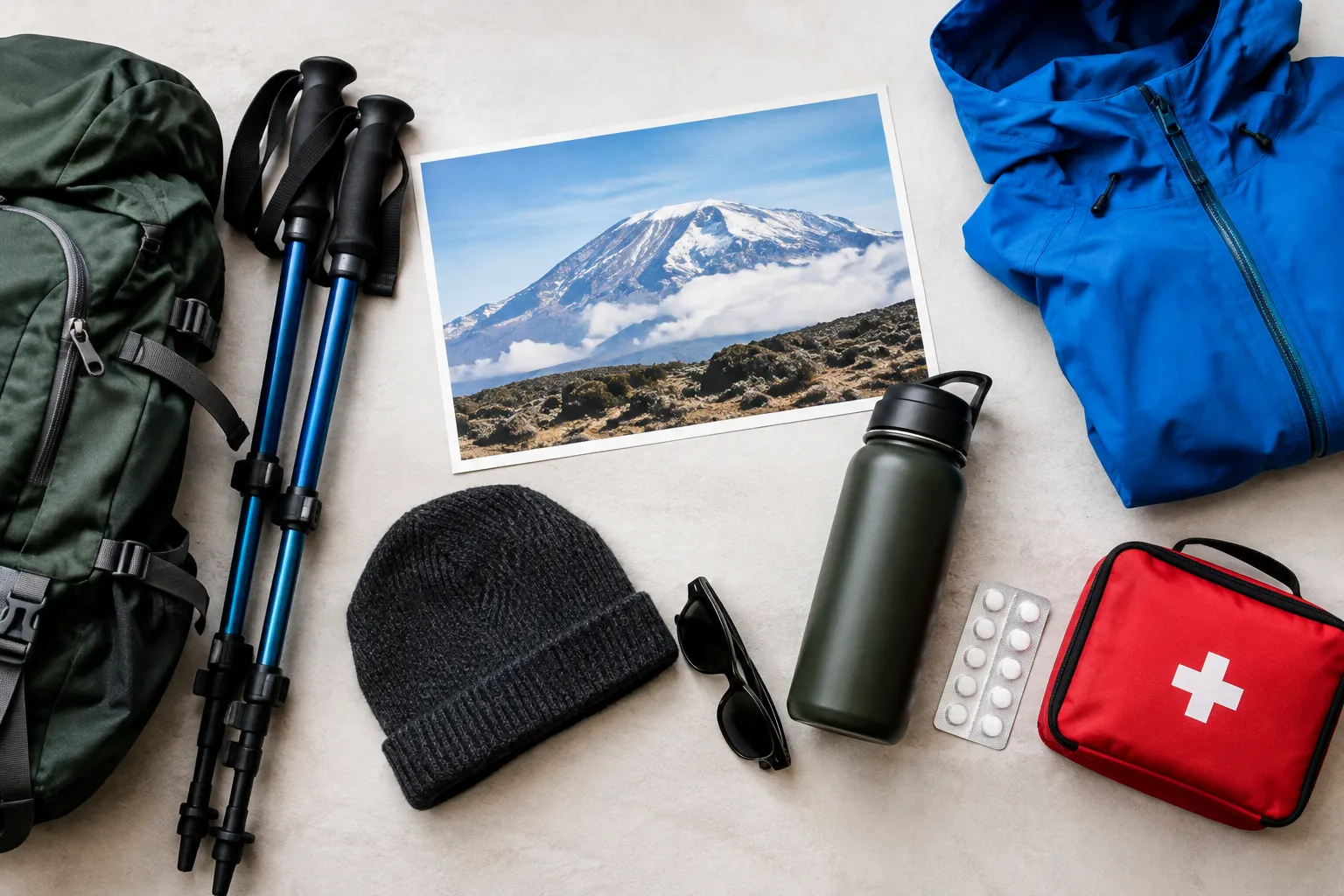
Altitude illness is a major concern on Kilimanjaro; other risks include severe weather, underlying health conditions, and delays in recognizing or responding to an emergency.
The Kilimanjaro National Park authority describes the mountain and its climbing routes, but its public climb information does not give a standardized total of climber deaths. Counts can be hard to compare when their sources do not specify whether they cover climbers only, include guides and porters, or refer to a particular period. A number without those definitions can sound more precise than it is.
That uncertainty does not mean the question “has anyone died climbing Mount Kilimanjaro?” can be answered with a simple number. Fatalities have occurred, but an incomplete or poorly defined count cannot tell a prospective climber how likely a fatal outcome is. A death rate would require both a clearly defined death count and the number of climbers exposed to risk over the same period.
Altitude is a central hazard because the summit is high above sea level and climbers gain elevation over a multiday trek. The U.S. Centers for Disease Control and Prevention (CDC) advises that altitude illness can affect travelers at high elevations, and that ascent and acclimatization matter. Weather, exhaustion, and a preexisting health condition may also complicate a climb. These factors do not make every incident predictable; they do make preparation and prompt reporting important.
So, is climbing Mount Kilimanjaro dangerous? It involves real physical and altitude-related risks, and no operator can promise that they are eliminated. Whether a climb is appropriate for an individual depends on factors such as health, preparation, route, and how symptoms are handled on the mountain. A qualified health professional can advise on your personal fitness and medical considerations before travel.
Tanzania National Parks lists typical Kilimanjaro climbs as lasting five to eight days. That gives a useful planning range, not a guarantee that any particular itinerary will suit every climber. Eco Africa Climbing lists the Lemosho, Northern Circuit, and Rongai routes alongside Machame and Marangu. Compare itinerary duration and the route’s acclimatization profile with a clinician’s advice and the operator’s explanation of its plan.
How can altitude sickness become life-threatening?
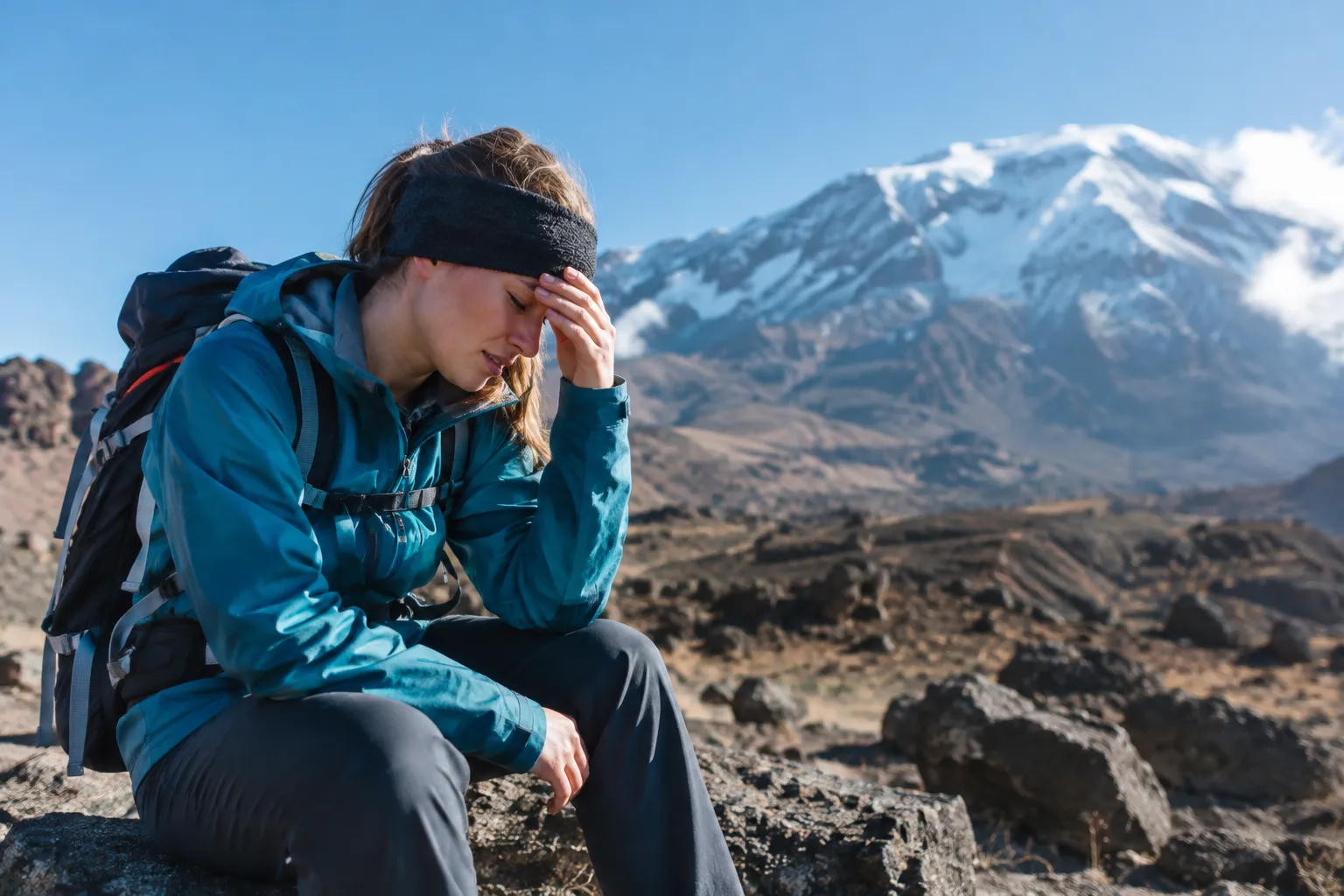
Altitude illness can become life-threatening when symptoms worsen and a climber continues ascending or does not get timely help and descent.
Symptoms can begin with headache, nausea, dizziness, fatigue, or difficulty sleeping. These complaints can overlap with ordinary exertion, which is why climbers should tell their guide when symptoms appear rather than trying to conceal or push through them. A guide needs that information to assess the situation and decide what action is appropriate.
More serious signs may include confusion, loss of coordination, breathlessness at rest, or a worsening condition. The CDC’s high-altitude travel guidance describes the risks of altitude illness and emphasizes recognizing symptoms and responding promptly. If someone becomes severely unwell, treat it as an emergency and follow the guide’s instructions; do not wait for symptoms to pass on their own.
The practical point is that a climber does not need to diagnose altitude illness. Tell the guide what is happening, when it began, and whether it is getting worse. A group should also know how it will communicate if a climber is struggling and how a decision to stop or descend will be made. Those questions matter before departure, not just once someone feels sick.
Kilimanjaro is hard to climb partly because altitude can affect people differently, even when they are fit. Fitness helps with the physical demands of trekking, but it cannot establish in advance how a person will respond to elevation. The CDC’s adventure-travel guidance recommends considering health and safety needs when preparing for activities such as trekking and mountaineering.
How can climbers and guides reduce the risk?
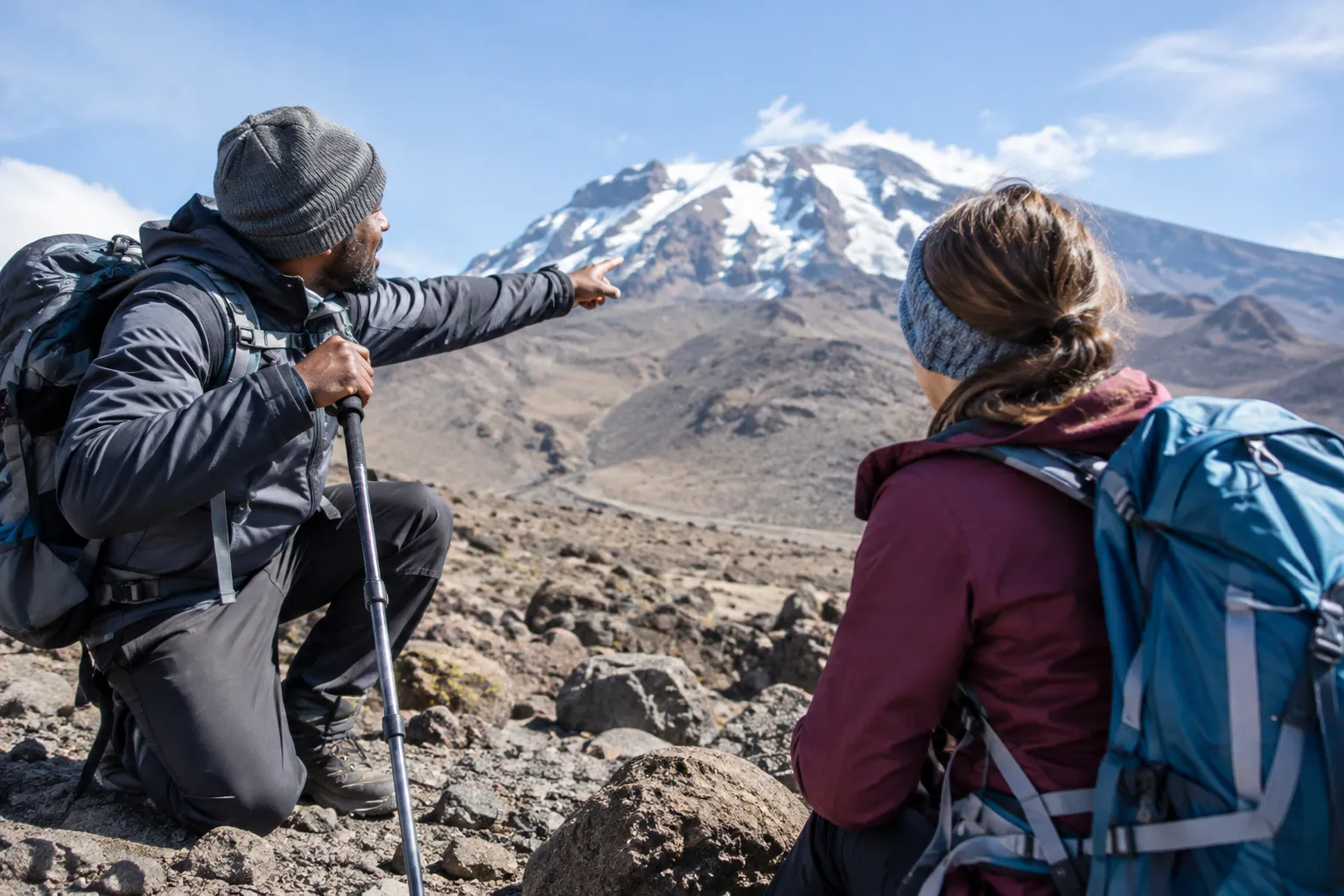
Climbers and guides can reduce risk through gradual pacing, honest symptom reporting, regular health checks, and prompt descent when needed, though these steps cannot remove all hazards.
Choose an itinerary with enough time for the planned ascent and ask the operator to explain how its route supports acclimatization. Follow the guide’s pace rather than racing ahead, and report symptoms as soon as they arise. If a guide recommends stopping or descending, treat that decision as a safety measure, not a challenge to overcome.
Before booking, ask how the team checks on climbers during the trek and what happens if someone becomes ill or injured. Ask who makes the decision to descend, how the group communicates during an emergency, and what evacuation arrangements apply. Request specific answers rather than relying on broad assurances. The TANAPA visitor guide covers park access and visitor arrangements; climbers should also understand the operator’s own procedures for the trip.
Preparation includes the travel days, not just the days on the mountain. Plan to arrive with enough time to rest and sleep before starting the climb, and account for flight connections and baggage handling when setting your schedule. Train for sustained walking and the demands of carrying or managing your own gear, but do not treat training as protection against altitude illness.
Budget the climb as part of a larger trip. Compare what each operator includes and set aside separate amounts for international flights, personal gear, and tips. Park fees and other trip components should be clearly itemized in the quote so the headline price does not hide costs you will need to pay separately.
How can you choose a safety-conscious Kilimanjaro operator?
Choose an operator that answers specific questions about guide training, health monitoring, emergency procedures, descent decisions, porter welfare, and costs in writing.
Ask what training guides have and how they respond when a climber develops symptoms. Request a clear explanation of health checks, communication, evacuation arrangements, and who can end a summit attempt or require a descent. Do not assume that an operator has a particular protocol unless it describes that protocol directly.
Check whether the company is listed as a KPAP Partner Company. Eco Africa Climbing identifies as a KPAP Partner Company, a concrete point to verify when evaluating its approach to porter welfare. Ask how the climb treats its crew and what support and equipment are included, rather than treating a general statement about responsible tourism as proof of every practice.
Compare the full itinerary and written inclusions for the route and group format you are considering. Eco Africa Climbing offers Mount Kilimanjaro climbing tours, including private and group climbs, and lists five routes: Lemosho, Machame, Northern Circuit, Rongai, and Marangu. Ask for the specific itinerary and itemized quote for your chosen option. The route list alone does not establish a trip’s duration, price, or inclusions.
For a first climb, include arrival rest, baggage logistics, personal gear, tips, and any planned safari in your total-trip comparison. A lower headline price is not a fair comparison if important costs or services are excluded. If you are traveling solo or with a small group, ask whether your departure is guaranteed, what group size applies, and what happens if plans change; do not assume an answer that has not been confirmed in writing.
You can review Kilimanjaro climbing options as a starting point, then ask Eco Africa Climbing for the route-specific itinerary, inclusions, and safety-procedure details that matter to your decision. If an operator cannot explain how it handles a medical concern or descent, compare other options before committing.
Recommended next steps
Take these steps in order: establish your personal medical readiness, compare the itinerary and operator procedures, then decide whether a guided climb fits your plans.
- Ask a qualified health professional whether your health and travel plans are compatible with a high-altitude trek.
- Compare route duration and acclimatization plans, using TANAPA’s typical five-to-eight-day range as context rather than a personal prescription.
- Request written details on guide training, health monitoring, emergency communication, evacuation arrangements, and descent decisions.
- Compare itemized quotes and budget separately for flights, personal gear, tips, and any safari extension.
- Choose a private or group climb only after confirming the itinerary, group arrangements, and inclusions for that specific trip.
How much does it cost to climb Kilimanjaro per person?
There is no single per-person total: the quote depends on the itinerary and inclusions, while flights, personal gear, and tips may need separate budgets. Ask for an itemized quote.
Can a beginner climb Mount Kilimanjaro?
Some first-time trekkers do attempt Kilimanjaro, but fitness does not predict an individual response to altitude. A health professional can advise on personal readiness, and the operator can explain the route and support plan.
What is the success rate for climbing Kilimanjaro?
A meaningful success rate needs a defined group of climbers, time period, and definition of reaching the summit. Ask an operator how it calculates any rate it provides and what the figure includes.