 22 Nov 2026
 7 min read
Yes. Mount Kilimanjaro is Africa’s highest mountain, rising to 5,895 meters (19,341 feet) above sea level. The answer to “is Mount Kilimanjaro the highest mountain in Africa?” is yes—but it is not the highest mountain in the world.
Is Kilimanjaro Africa’s highest mountain?
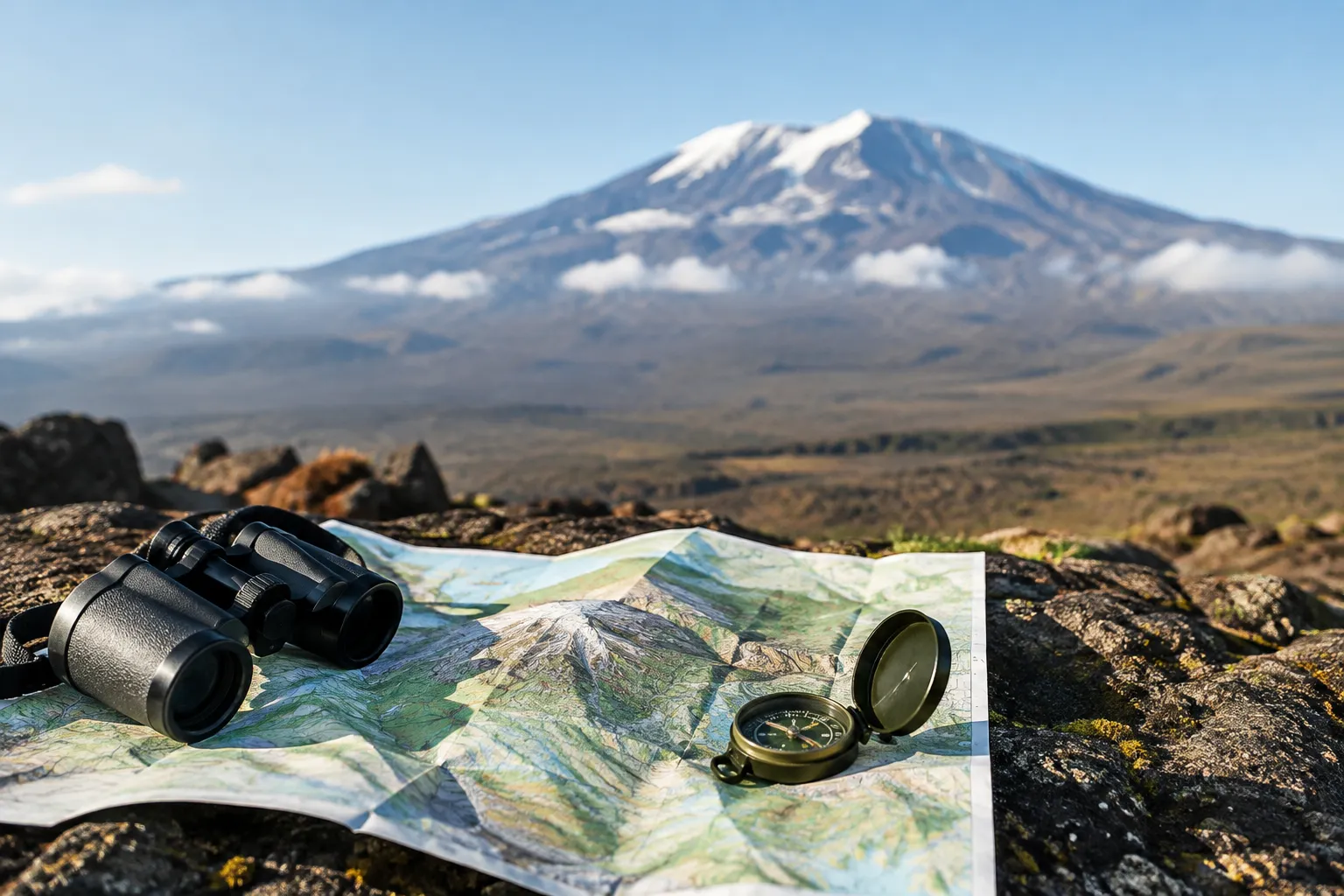
Kilimanjaro is the highest mountain in Africa, while Mount Everest is the highest above sea level worldwide. Kilimanjaro’s highest point is Uhuru Peak, at 5,895 meters.
That elevation makes the mountain a landmark of African mountaineering, but it does not mean the climb is a technical ascent for every route or that reaching the summit is assured. The park authority describes Kilimanjaro as a mountain with multiple climbing routes and typical climbs lasting five to eight days. The time on the mountain matters: a guided trek is a sustained, high-altitude journey, not just a walk to a viewpoint.
If you are considering the climb, start by understanding the whole trip: route and duration, the time needed to adjust to altitude, travel and rest before the trek, and what the guided package includes. Our overview of guided Kilimanjaro climbs explains what to expect from the experience. It is useful to compare inclusions and exclusions rather than judging an operator by a headline price alone.

Where Kilimanjaro stands and how it formed
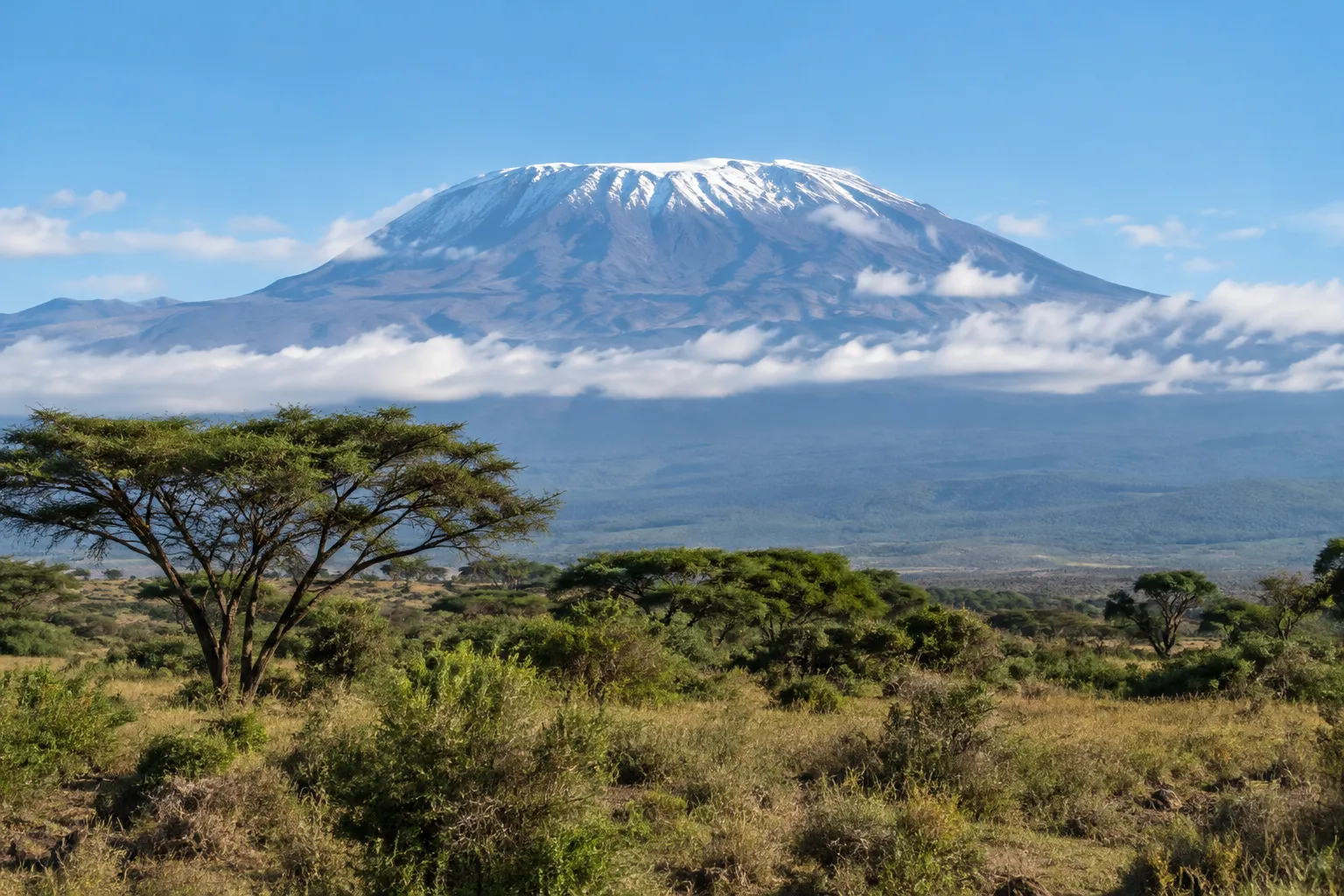
Mount Kilimanjaro stands in northeastern Tanzania, in East Africa, and is a volcanic mountain made up of three main peaks: Kibo, Mawenzi, and Shira.
Kibo is the highest of the three and contains Uhuru Peak, the summit sought by climbers. Mawenzi is a rugged peak, while Shira is an older volcanic feature. Together, these peaks make Kilimanjaro more than a single summit: it is a broad mountain massif with distinct forms and high points.
The mountain’s volcanic origins are central to its shape. Kibo, Mawenzi, and Shira are associated with volcanic activity, and the landscape changes as trekkers move through the mountain’s slopes. The summit is on Kibo; reaching it means climbing high on the mountain, not traversing all three peaks.
For a wider view of the region and its access points, see the Kilimanjaro location guide. If you are orienting yourself before planning a climb, a map of routes and access can help connect the park’s location with the routes and gates used by trekkers.
What makes Kilimanjaro distinctive
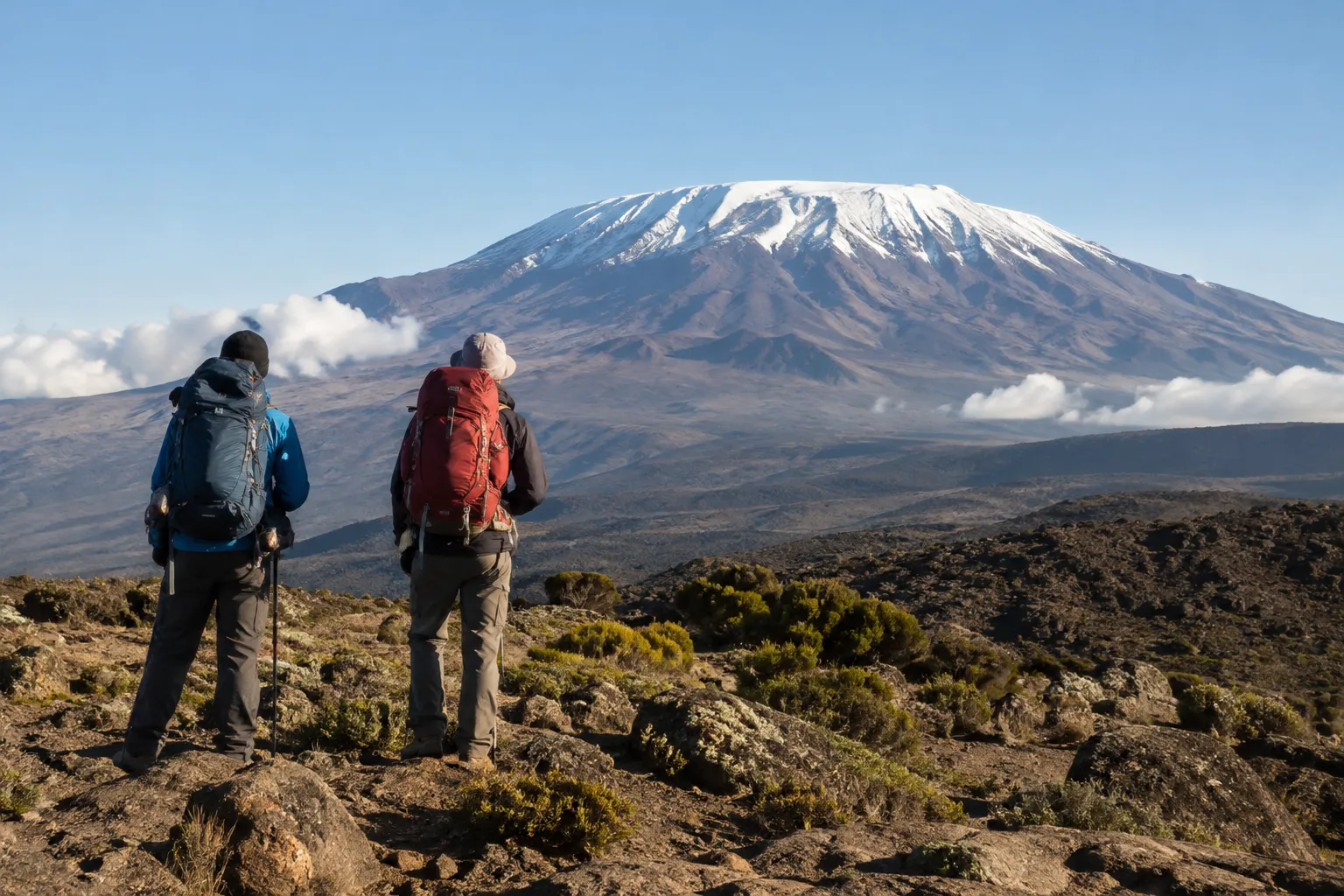
Kilimanjaro stands apart because its summit rises high above the surrounding landscape, and a trek crosses changing ecological zones on the way toward the alpine summit environment.
Climbers experience those changes gradually. Lower slopes give way to forest, then to more open, increasingly high-altitude terrain. The landscape and conditions are not uniform across the climb: temperature, vegetation, exposure, and the effect of altitude change as elevation increases. That progression is part of what makes Kilimanjaro notable beyond the height of its highest point.
The contrast can be striking: a mountain with a high, cold summit rises from a region with much warmer lowlands. But the change in scenery does not make the trek easy. At altitude, a person may feel the effects of thinner air even while moving at a slow pace. The Centers for Disease Control and Prevention (CDC) emphasizes gradual acclimatization and recognizing altitude illness when traveling to high elevations. Its high-altitude travel guidance is a useful starting point for understanding why ascent pace and time to adjust matter.
Kilimanjaro is also significant because it can be climbed without treating the goal as a race. A good plan accounts for the duration of the route and the need to adapt to altitude. Fitness helps with the physical demands, but it cannot remove altitude-related uncertainty or guarantee a summit.
What a guided Kilimanjaro trek involves
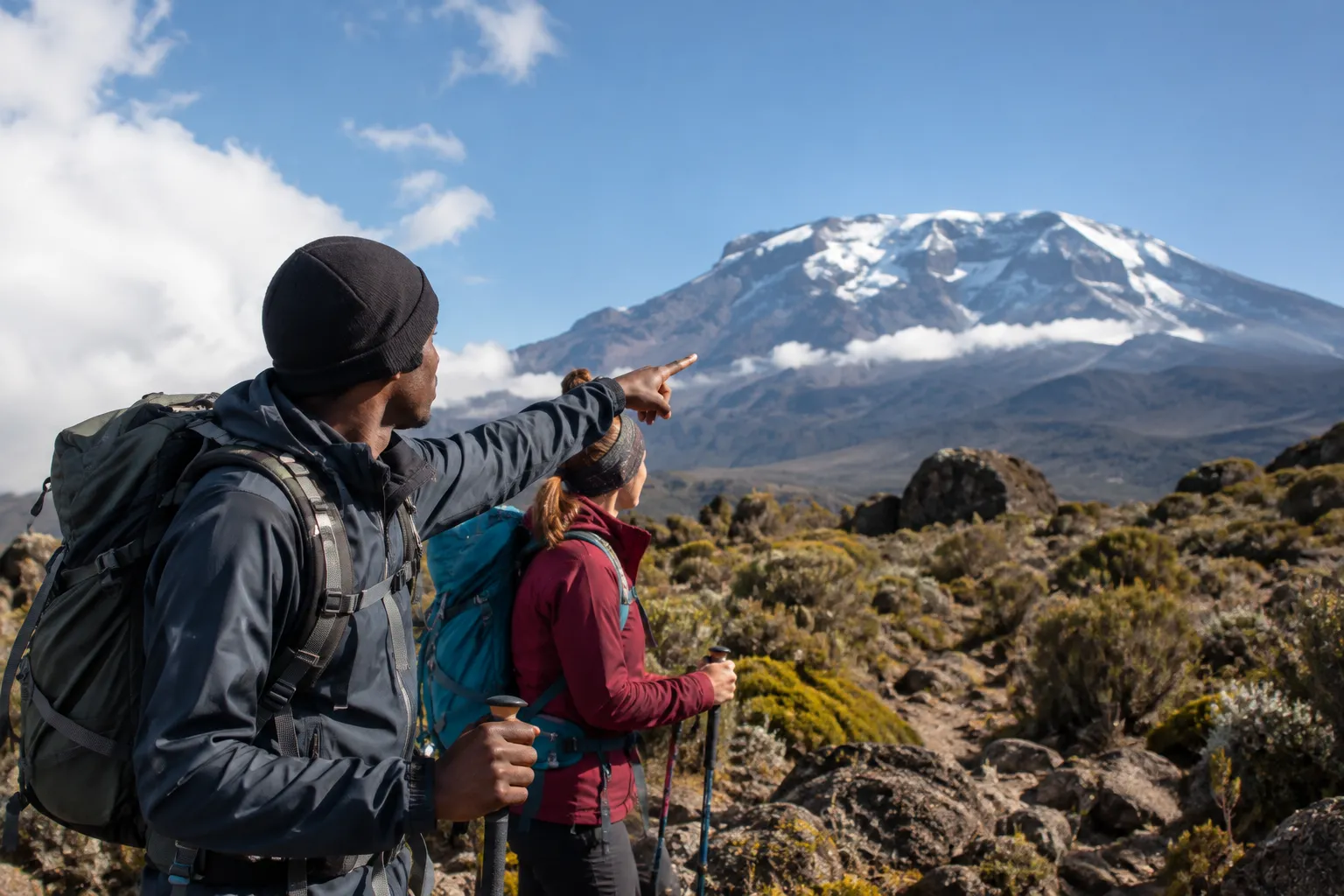
A guided Kilimanjaro trek follows a planned route with a mountain crew, scheduled walking days, overnight stops, and time for the body to adjust as elevation increases.
The exact itinerary depends on the route and trip plan. Before choosing, check how many days are spent on the mountain, how the schedule handles acclimatization, what accommodation arrangement applies, and which costs are included. Park entry fees, flights, personal gear, and tips may affect the total trip budget; confirm each item directly in the written itinerary and terms rather than assuming it is part of a quoted climb price.
Guides and crew are also part of the practical planning. Ask an operator how it approaches porter welfare, crew working conditions, and tipping, and look for clear answers rather than relying only on general ethical language. Eco Africa Climbing is a KPAP Partner Company and states a commitment to responsible tourism and porter welfare. KPAP partnership is a specific point to verify when comparing operators; it is more useful than an unsupported claim that a company is simply “ethical.”
Safety planning should be equally concrete. Ask how guides monitor a climber’s condition, what happens if someone becomes unwell, and how the group responds if a person cannot continue. No operator can promise a summit outcome. A responsible plan explains the support and decision-making process without presenting altitude or mountain conditions as fully controllable.
Before booking travel, allow for rest after a long international flight and check baggage arrangements across connecting flights. Arrival time can affect how rested you are before the trek, while airline baggage rules and transfers can affect what you carry and when you receive it. For health questions, including whether high-altitude travel is appropriate for you, consult a qualified medical professional before making a personal plan.
Explore guided Kilimanjaro climbs and planning resources
If you want to climb Kilimanjaro, the practical next step is to compare guided itineraries by duration, acclimatization schedule, inclusions, and operator practices—not by route name alone.
Eco Africa Climbing offers guided Mount Kilimanjaro climbing tours, including private and group climbs, on the Lemosho, Machame, Northern Circuit, Rongai, and Marangu routes. This overview is not a route comparison; each route has its own itinerary and planning considerations. Review the route and preparation guide to understand what to consider before choosing one.
When reviewing an itinerary, make a checklist that covers:
- Total days on the mountain and the full trip schedule.
- The route’s acclimatization plan and the number of climbing days.
- What the quoted amount includes and excludes, including park fees, transport, meals, and accommodation.
- Whether tips, personal gear, international flights, and travel insurance are separate costs.
- How the operator explains guide support, porter welfare, and responses to health concerns.
Those questions help make two itineraries easier to compare, even when their prices or route names differ. A lower headline price may not represent a lower total trip cost if important items are excluded. Likewise, a longer itinerary is not automatically the right choice for everyone; consider the schedule, your available travel time, and medical advice relevant to your circumstances.
Why Kilimanjaro Is Notable
Kilimanjaro is notable for its height, its distinctive volcanic peaks, and the changing landscapes encountered on the way toward its summit. It is Africa’s highest mountain, with Uhuru Peak on Kibo rising to 5,895 meters above sea level.
The mountain is a broad massif rather than a single isolated summit: Kibo, Mawenzi, and Shira each have a different form. Its elevation also creates a striking contrast with the warmer lowlands around it. As trekkers ascend, vegetation and conditions change, leading toward the alpine environment near the summit.
These features make Kilimanjaro significant beyond its status as a high point on the continent. Its scale and varied terrain give it a distinctive place in African mountaineering and make the mountain recognizable even to people who do not plan to climb it.
Kilimanjaro FAQs
What is the Machame Route on Mount Kilimanjaro?
The Machame Route is one of the established routes used to climb Mount Kilimanjaro. Its itinerary, duration, and acclimatization schedule vary by trip plan, so compare the details rather than choosing by route name alone.
Where do you sleep when you climb Kilimanjaro?
Where you sleep depends on the route and itinerary; park guidance describes route and accommodation arrangements for visitors. Check the operator’s written plan for the overnight setup on each day of your climb.
How hard is it to climb Kilimanjaro?
Climbing Kilimanjaro is physically demanding because it involves several days of trekking and high altitude, where people can respond differently. Training supports endurance, but it cannot guarantee acclimatization or a summit.
Which is the third-highest peak in the world?
By elevation above sea level, Kangchenjunga is generally listed as the world’s third-highest mountain, after Everest and K2. Kilimanjaro is Africa’s highest, not one of the world’s three highest.
What mountain is forbidden to climb?
There is no single mountain that is universally forbidden to climb; restrictions depend on the place and its rules. Check the relevant government or park authority’s current regulations before planning an ascent.
Which peak is called Killer mountain?
“Killer Mountain” is a nickname associated with Nanga Parbat, a mountain in Pakistan. The nickname does not describe Kilimanjaro or its summit, Uhuru Peak.
Recommended next steps
- Decide how many days you can allow for the climb, including arrival rest and travel to and from the mountain.
- Compare route itineraries by duration and acclimatization schedule, then shortlist the ones that fit your time and preparation.
- Request a written breakdown of included and excluded costs, including park fees, tips, gear, flights, and any optional safari plans.
- Check the operator’s explanation of KPAP partnership, porter welfare, guide support, and how it responds to health concerns on the route.
- Review the relevant park and medical guidance, and consult a qualified medical professional about your own readiness for high-altitude travel.