
 15 Sep 2026
 11 min read
Kilimanjaro can be climbed by several established routes, and the best choice depends on more than scenery. Your available time, hiking experience, acclimatization needs, comfort with camping, and expectations for mountain support all matter. This guide explains how to compare the main options and prepare for climbing Africa’s highest mountain with a realistic plan.
What climb kilimanjaro means in practice
To climb Kilimanjaro is to travel through several ecological zones, from cultivated foothills and rainforest to moorland, alpine desert, and the high summit zone. The mountain is a high-altitude trekking objective rather than a technical climbing expedition on the standard routes, but altitude, weather, fatigue, and summit-night conditions make preparation essential.
The main routes used for climbing Mt Kilimanjaro include Lemosho, Machame, Northern Circuit, Rongai, and Marangu. Each has a different character. Some provide more gradual acclimatization, some are known for varied scenery, and some use mountain huts rather than tents.
A useful Kilimanjaro route comparison should therefore look at:
- Route duration and daily elevation changes
- Acclimatization opportunities
- Scenery and landscape variety
- Trail traffic and how busy the route may feel
- Camping or hut accommodation
- Physical difficulty and terrain
- Access logistics
- The level of guiding and summit support available
Eco Africa Climbing is a Tanzania-based operator offering guided climbs on the Lemosho, Machame, Northern Circuit, Rongai, and Marangu routes. Its guided Kilimanjaro planning service can help travelers compare these factors against their fitness, schedule, budget, and preferred style of expedition.
The most important principle is simple: the fastest or cheapest itinerary is not automatically the best way to climb Kilimanjaro. A route that gives you more time to adjust to altitude may be a better fit than one that appears convenient on paper.
How to think about climb kilimanjaro
Choosing a route is a decision about managing effort and altitude while preserving the experience you want from the mountain. A scenic route may involve longer camping sections, while a hut-based route may offer simpler accommodation but a different acclimatization profile.
Before choosing, review the geography of the mountain and the trailheads. The Kilimanjaro route map is useful for understanding how the routes approach the mountain and where they differ in access and direction.
The core problem to understand
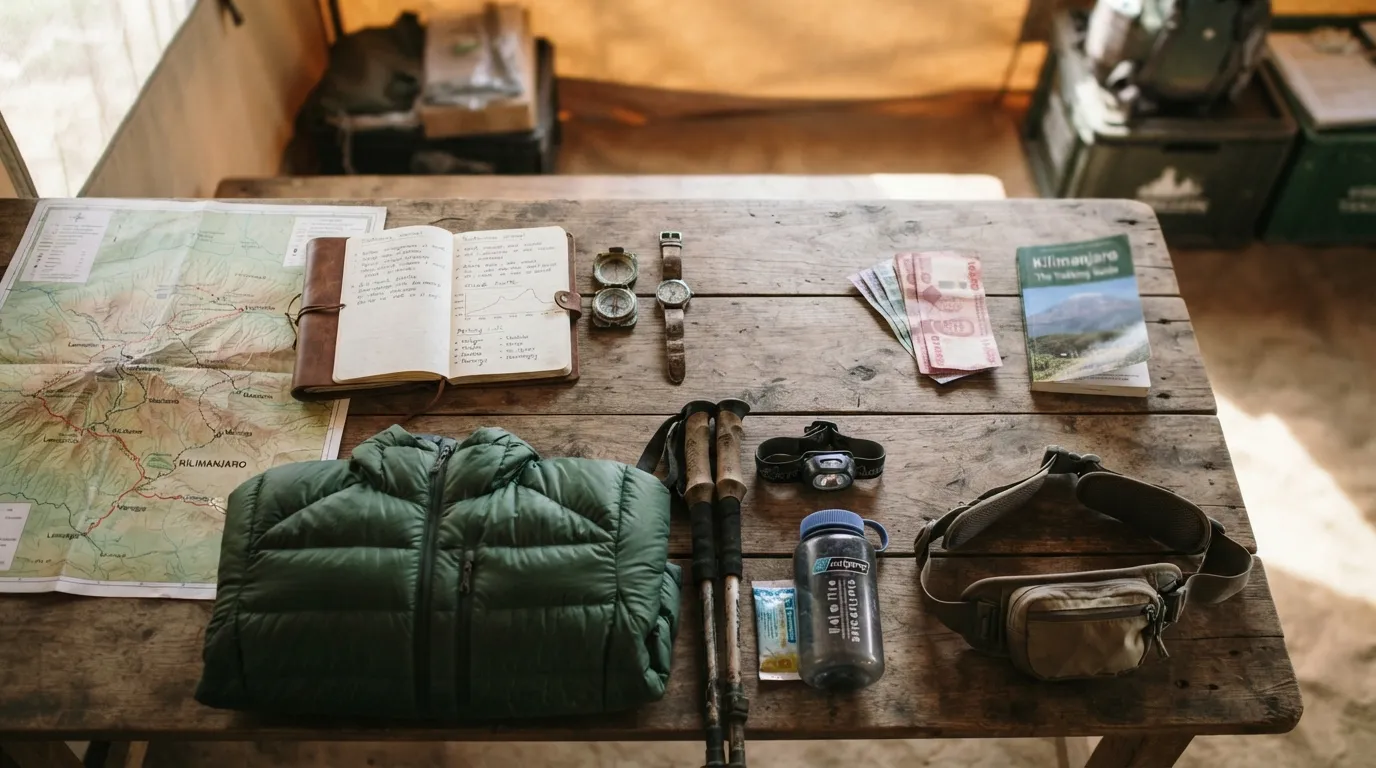
The core challenge in Kilimanjaro mountain climbing is not just walking uphill. It is adapting to altitude while continuing to move, eat, sleep, and recover over several days.
At higher elevations, a pace that feels easy at home can become tiring. Cold, wind, reduced appetite, disrupted sleep, and long summit-day hours can add to the challenge. Even fit travelers need a sensible itinerary because cardiovascular fitness does not guarantee rapid altitude adjustment.
Route duration matters because additional days can allow a more gradual ascent. However, more days also mean extra time away, additional trekking costs, and a longer period of camping or mountain travel. The right balance depends on your priorities and personal circumstances.
The routes have broad differences:
- Lemosho is often considered for travelers seeking varied scenery and a longer approach across the western side of the mountain.
- Machame is known for scenic terrain and camping, with some challenging trail sections and a popular profile.
- Northern Circuit takes a longer path around the mountain and is suited to travelers who can allow more time for the journey.
- Rongai approaches from the northern side and offers a different perspective from routes beginning in the south or west.
- Marangu uses huts rather than tents and follows a more direct route, but its accommodation style does not remove the effects of altitude.
These descriptions are starting points, not substitutes for a day-by-day itinerary. Two programs on the same route can feel different depending on their length, acclimatization schedule, group size, weather, and guiding approach.
The practical decision criteria
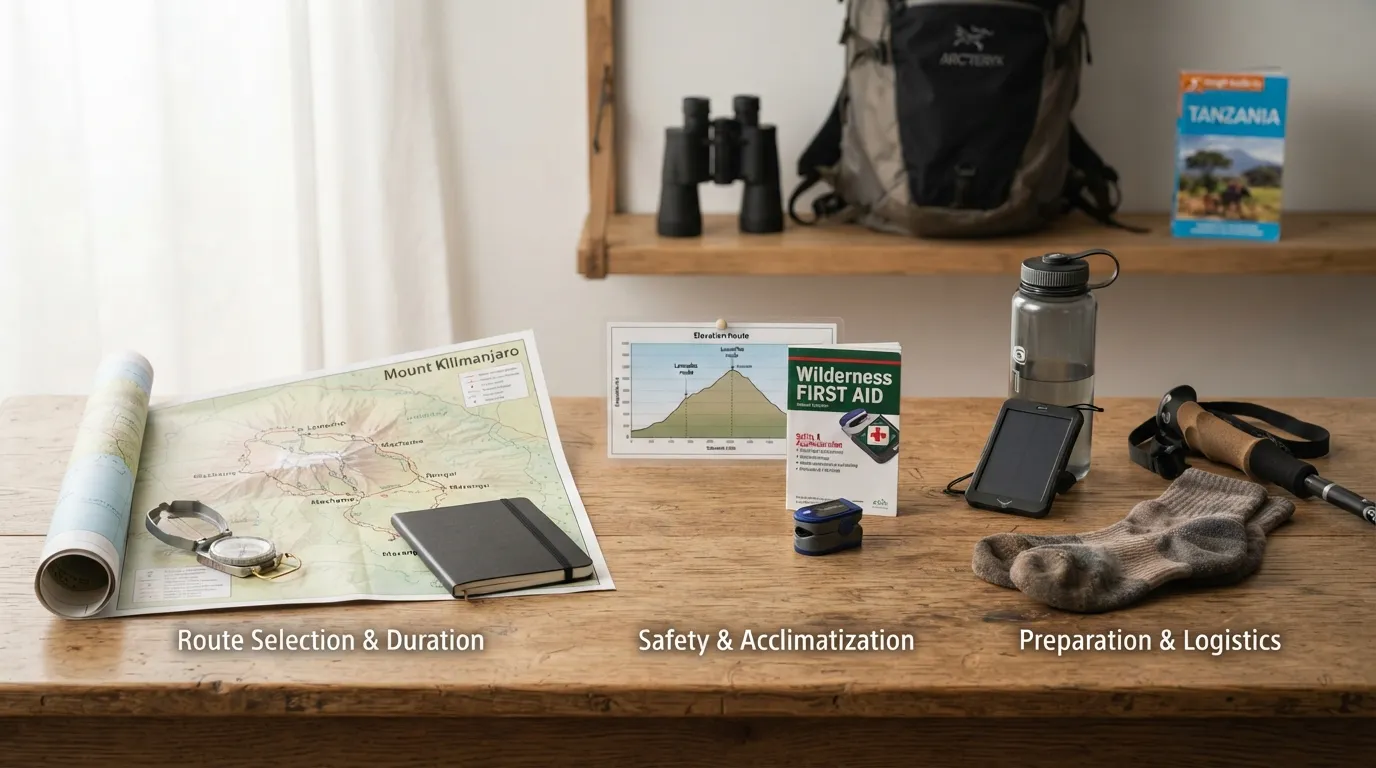
A useful route decision begins with five questions.
How much time do you have?
Your available time should influence the route before scenery or reputation. Shorter itineraries may suit a tightly scheduled trip, but they can offer less time for gradual adjustment. Longer itineraries require more leave, additional preparation, and a larger overall budget.
Ask an operator to explain what each day involves rather than comparing only the total number of days. A route may include a short walking day, a demanding ascent, a crossing between camps, and a long summit night. The sequence matters.
How do you respond to sustained physical effort?
You do not need to be an elite athlete to climb Kilimanjaro, but you should be ready for repeated days of walking on uneven ground. Training should build consistency rather than focus only on one very long hike.
Useful preparation can include:
- Regular walking, hiking, or stair sessions
- Longer weekend walks with a loaded daypack
- Strength work for the legs, hips, and core
- Balance and stability exercises
- Practice with the footwear and clothing you expect to use
- Recovery days so training does not create an injury
If you are new to multi-day trekking, the route conversation should include walking pace, rest breaks, porter-supported luggage, and how much personal equipment you will carry.
How important are scenery and trail atmosphere?
Landscape is a legitimate deciding factor. Lemosho and Machame provide changing views and varied terrain, while Rongai offers a northern approach. The Northern Circuit emphasizes a longer journey around the mountain. Marangu provides a more direct, established trail experience with huts.
Trail atmosphere also matters. Some travelers prefer a quieter feeling and are willing to choose a longer or less direct itinerary. Others value a familiar route with established infrastructure and straightforward logistics. No route can guarantee solitude or a specific weather experience, so discuss seasonal conditions and expected traffic with your operator.
Are you comfortable camping?
Most routes use tents, while Marangu is associated with hut accommodation. Camping involves sleeping outdoors in a tent, managing changing temperatures, and following a camp routine for several days. It can also create a strong sense of immersion in the mountain environment.
Huts may appear more comfortable because they provide fixed shelter, but they do not change the physical demands of altitude or the need for preparation. Your preference should be considered alongside route duration, terrain, and acclimatization—not treated as the only deciding factor.
What level of support do you need?
Support begins before the trek. A responsible operator should explain equipment, packing, health considerations, daily expectations, emergency procedures, and what is included in the itinerary.
During the climb, useful support includes clear briefings, sensible pacing, monitoring how trekkers are responding to altitude, and an organized approach to camp and meals. Porter welfare is also part of responsible mountain travel. Eco Africa Climbing identifies as a KPAP Partner Company and states that it is committed to responsible tourism and porter welfare.
Ask practical questions before booking:
- Who leads the trek and how is the guiding team organized?
- How are altitude concerns handled?
- What equipment is supplied and what must you bring?
- How is luggage divided between your daypack and porter-carried bags?
- What happens if you need to change the itinerary?
- How are staff welfare and fair treatment addressed?
- What are the arrangements for transfers and pre-climb briefings?
Common mistakes to avoid
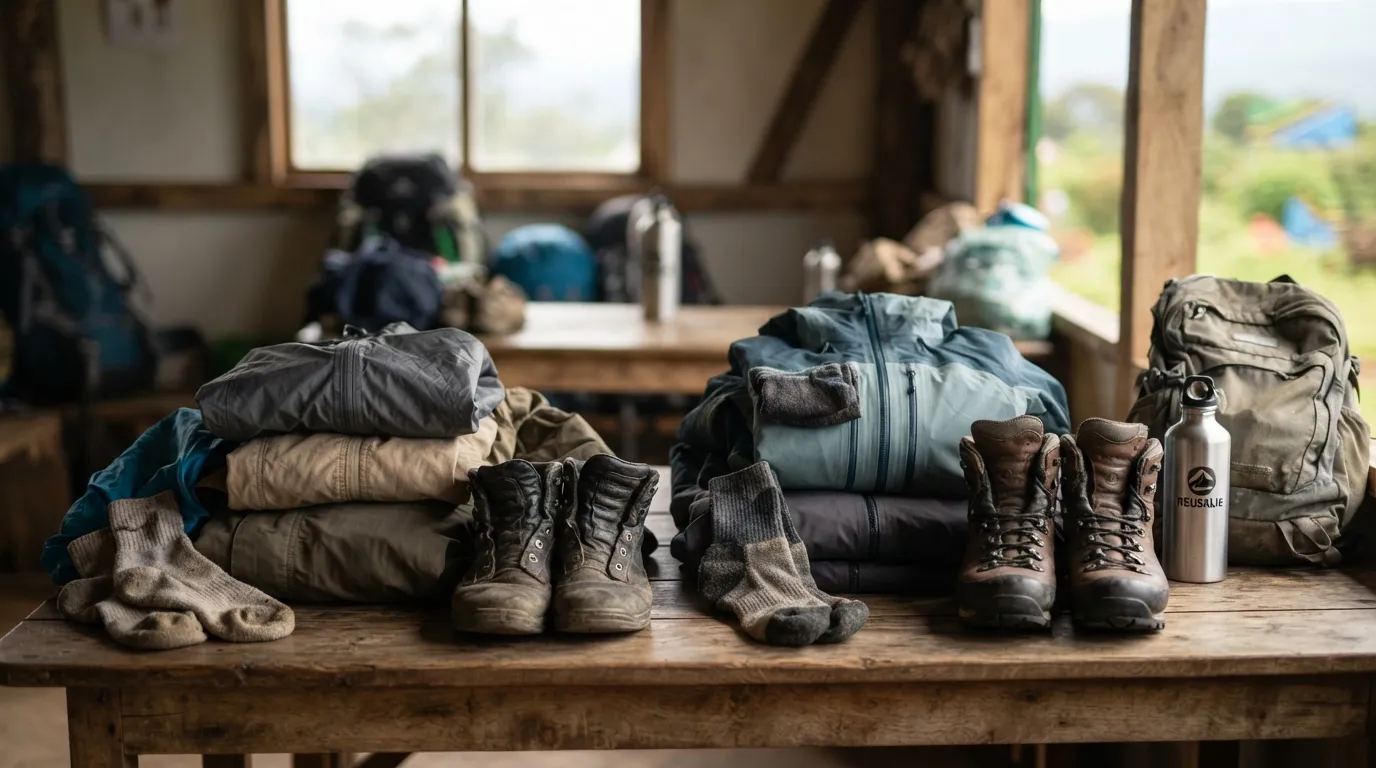
A route comparison becomes less useful when travelers focus on one attractive feature and ignore the complete experience. These are common mistakes when planning to climb Kilimanjaro.
Choosing only by price
A lower price may reflect a shorter itinerary, fewer inclusions, different support arrangements, or a different approach to staffing. Compare the full program rather than the headline cost. Look at route length, accommodation, meals, transfers, guides, equipment, safety planning, and staff welfare.
Treating fitness as a substitute for acclimatization
Strong legs and good endurance help, but they do not eliminate altitude risk. A traveler who regularly runs or hikes may still need a careful pace and enough time to adjust.
Selecting the shortest possible itinerary automatically
A short schedule may fit your calendar, but it can also make the ascent feel more compressed. Ask what the additional days add and whether the itinerary gives you a more manageable progression.
Buying equipment at the last minute
New boots, unfamiliar layers, or an untested backpack can cause discomfort. Prepare early and use training walks to identify problems with fit, socks, waterproofing, or pack weight.
Underestimating summit night
The summit attempt may begin during the night and combine darkness, cold, steep terrain, and accumulated fatigue. Your preparation should include sleep management, warm layers, headlamp use, hydration planning, and realistic expectations about pace.
Assuming one route suits everyone
The best route depends on the person. A traveler with limited time may prioritize access and schedule, while another may prefer a longer itinerary for a more gradual ascent. A route comparison should end with a personal decision, not a universal ranking.
Ignoring medical advice
Altitude can affect people unpredictably. Discuss the trip with a qualified medical professional, especially if you have an existing condition, take regular medication, or have concerns about high-altitude travel. Guides and operators can provide practical information, but they do not replace medical advice.
How to apply this to climb kilimanjaro
Once you understand the main tradeoffs, turn them into a route decision. Start by writing down your non-negotiables:
- The number of days available for the mountain
- Whether you prefer tents or huts
- Your experience with multi-day hiking
- The scenery and trail atmosphere you want
- Your comfort with a longer acclimatization schedule
- Your overall budget
- The amount of preparation and support you expect
Then compare the routes against those priorities.
A practical route-selection framework
Choose a longer itinerary when you have enough time and want to place greater emphasis on a gradual mountain experience. This may suit travelers who prefer a less compressed schedule and are comfortable with additional camping or trekking days.
Consider Lemosho when scenic variety and a western approach appeal to you. Discuss the exact itinerary, because the number of days and the way the route joins the higher mountain can affect the experience.
Consider Machame when you want a camping route with varied landscapes and are prepared for a more active trail profile. Its popularity means you should ask about timing, group arrangements, and the specific daily plan.
Consider the Northern Circuit when you can devote more time to a broad route around the mountain. Its longer format may appeal to travelers who value a gradual journey and do not need the most direct approach.
Consider Rongai when a northern approach is attractive or when you want to experience a different side of Kilimanjaro. Ask about access logistics and how the itinerary handles the descent and overall acclimatization.
Consider Marangu when hut accommodation and a direct route structure are important. Remember that huts address sleeping arrangements, not the fundamental demands of altitude, pacing, and summit preparation.
This is also the point to distinguish between the mountain itself and the wider destination. Learning about mount kilimanjaro can help you understand its setting, access, climate zones, and relationship to a broader Tanzania itinerary.
Preparation before departure
A well-prepared trekker does not need to predict every difficulty, but should reduce avoidable problems.
Build a steady fitness base
Begin training early enough to progress gradually. Combine regular aerobic activity with hiking or stair work, then add some walks carrying a pack. The objective is to become comfortable moving for several hours on consecutive days.
Test your clothing system
Kilimanjaro conditions can change significantly between lower and higher elevations. Build a flexible layering system and test it during training. Check that your waterproof layer, warm insulation, gloves, hat, and socks work together without restricting movement.
Break in footwear
Footwear should be comfortable before the trek begins. Walk in it on different surfaces and check for rubbing, pressure points, and slipping. Carrying blister treatment is sensible even when your boots feel reliable.
Prepare for camp routines
If you choose a camping route, practice organizing your personal items so that essentials are accessible. Keep frequently used items—such as a water bottle, sunscreen, snacks, warm layer, and headlamp—where you can reach them without unpacking everything.
Plan your questions for the operator
A responsible pre-climb discussion should cover the route, daily schedule, packing list, meals, transfers, accommodation, guide communication, altitude procedures, and emergency arrangements. Clear answers help you understand what the expedition will actually involve.
Prepare mentally for flexibility
Weather, trail conditions, health, and group pace can affect a mountain itinerary. A good plan should be detailed but not rigid. Your guide may recommend changes to the pace, rest periods, or summit attempt based on conditions and the group’s wellbeing.
FAQ about climb kilimanjaro
Can a beginner climb Kilimanjaro?
Yes, a beginner can climb Kilimanjaro with suitable preparation, a realistic itinerary, professional guiding, and medical advice where appropriate. Previous high-altitude experience is helpful but not essential.
How difficult is Kilimanjaro to climb?
Climbing Mt Kilimanjaro is physically demanding because of repeated hiking, altitude, uneven terrain, and a challenging summit day. Difficulty varies by route, itinerary length, weather, and individual acclimatization.
Where do you sleep when you climb Kilimanjaro?
Most routes use mountain tents, while Marangu generally uses huts. Your operator should explain the sleeping arrangements, equipment, camp routine, and what you need to bring.
Is 50 too old to climb Kilimanjaro?
Age alone does not determine whether someone can climb Kilimanjaro. Current fitness, medical suitability, preparation, pacing, and route choice are more useful factors to discuss with a qualified professional and your guide.
What should readers know first about climb kilimanjaro?
The route and itinerary influence acclimatization, comfort, scenery, and effort. Do not choose only by price or speed; compare the complete plan and the support provided.
How do you choose the right climb kilimanjaro approach?
Match the route to your available time, hiking experience, preferred camping or hut accommodation, scenery interests, budget, and need for gradual acclimatization. A detailed operator consultation can clarify the tradeoffs.
What mistakes should you avoid with climb kilimanjaro?
Avoid rushing the itinerary, relying only on fitness, using untested equipment, underestimating summit night, and overlooking staff welfare or safety arrangements when comparing operators.
Is climb kilimanjaro worth it for daily use?
Kilimanjaro is not a daily-use product or activity; it is a demanding travel experience. Its value depends on your goals, preparation, available time, and expectations for guided mountain trekking.
Recommended next steps
Begin by defining the kind of experience you want rather than selecting a route name immediately. Decide how many days you can spend, whether you prefer tents or huts, how much training you can complete, and how important gradual acclimatization is to you.
Next, compare Lemosho, Machame, Northern Circuit, Rongai, and Marangu using the same criteria: route length, scenery, traffic, terrain, accommodation, access, and support. Ask for day-by-day details so that you understand what each itinerary involves.
Finally, discuss your plans with Eco Africa Climbing and ask how the available routes can be matched to your fitness, schedule, budget, and summit-support needs. Careful planning will not remove every challenge, but it can make your decision to climb Kilimanjaro more informed, practical, and responsible.
Maya Richardson is a travel editor specializing in Kilimanjaro trekking and Northern Tanzania safari planning. She works closely with local guides and operators to explain route differences, realistic trip costs, gear and baggage needs, acclimatization, and summit-day support. Her articles focus on practical details that help first-time climbers and careful safari buyers compare companies, understand KPAP commitments, and choose a legitimate, safety-minded operator. She writes in a direct, transparent style, separating essential advice from sales language.