 9 Oct 2026
 7 min read
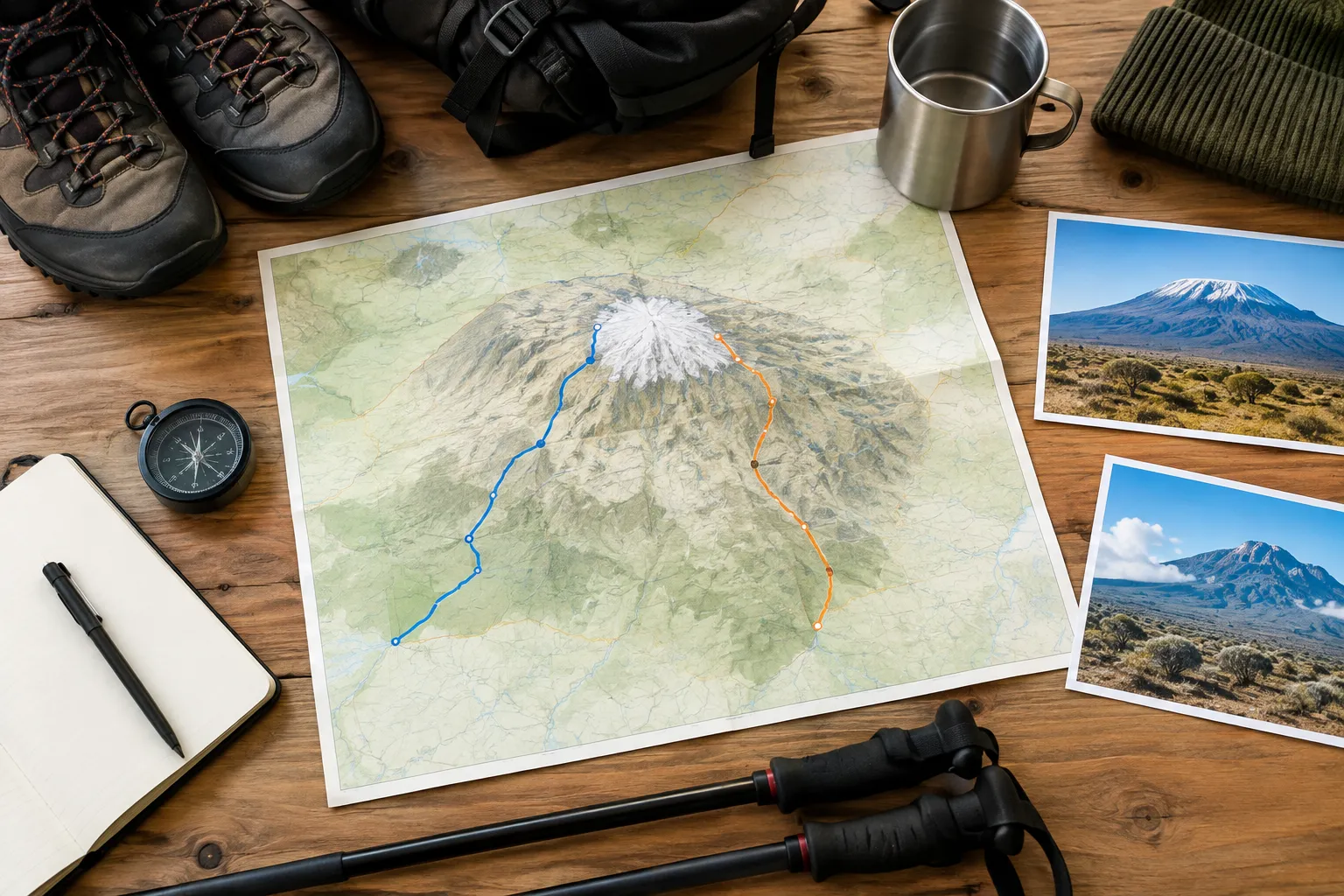
Lemosho and the Northern Circuit are both longer ways to climb Kilimanjaro, but they differ in how they cross the mountain, how much time they allow on the trail and how quiet some sections may feel. This comparison focuses on those practical differences so you can weigh the routes against your schedule, acclimatization preferences and the details in an operator’s quote.
Compare Lemosho and Northern Circuit routes at a glance
| Criterion | Lemosho | Northern Circuit |
|---|---|---|
| Best fit | Climbers who want a western approach that joins established southern-route sections | Climbers with more time who prefer a broad traverse of the quieter northern slopes |
| Scenery | Varied landscapes as the route moves from the west toward the mountain’s southern side | A wide-ranging mountain journey, with extended views across the northern side |
| Camping | A camping route; compare the specific camp plan in each itinerary | A camping route; the longer traverse means more nights on the mountain |
| Trail traffic | Can feel busier after joining popular shared sections | Often offers quieter stretches on the northern traverse, though shared sections can have more traffic |
| Acclimatization | Depends on the number of days and itinerary design | The longer itinerary can allow more time to adjust, but does not guarantee a summit |
| Summit logistics | The itinerary determines the approach to the summit zone and descent | The itinerary determines the approach to the summit zone and descent; allow for the longer overall trip |
There is no single best answer for everyone looking at climb Kilimanjaro routes. Compare the actual day-by-day itinerary, not just the route name: operators may offer different trip lengths and camp schedules under the same label. For a wider overview of Kilimanjaro route options and preparation, consider how each route fits your fitness, travel dates and available recovery time.
How each route unfolds from trailhead to high camp
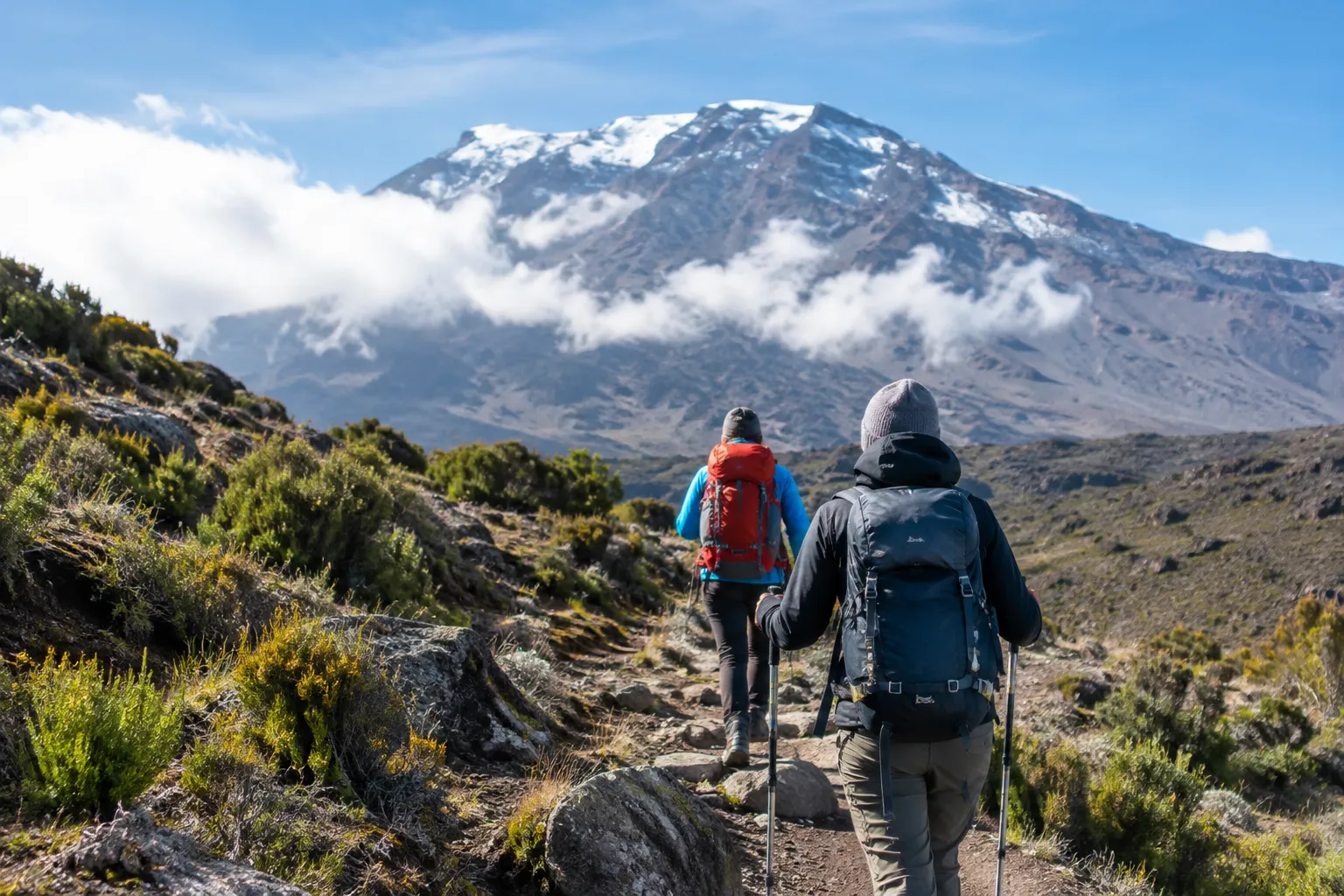
These routes start on different sides of the mountain, then progress through changing terrain toward the summit area. Both are camping-based approaches, so your itinerary should say where you sleep each night and how the route develops before summit night. That detail matters as much as the route name when planning a Kilimanjaro climb trip.
Lemosho’s western approach
Lemosho begins on Kilimanjaro’s western side. The route moves through forest and higher, more open terrain before connecting with sections used by other southern approaches. That progression gives climbers time to experience distinct mountain environments, though the trail can feel busier once routes converge.
When comparing Lemosho itineraries, check how many days are planned before and after those shared sections. Ask which camps are included, how the daily stages are arranged and whether the schedule leaves time to walk slowly and rest. Those details help explain what climbing Mt Kilimanjaro on Lemosho will feel like day to day.
The Northern Circuit’s wider arc
The Northern Circuit takes a broader path around the mountain, crossing the northern slopes before turning toward the summit zone. Its defining difference is the extended traverse, rather than a single dramatic feature or a promise of an easy climb.
That wider arc usually means a longer itinerary than a shorter version of Lemosho, but exact trip length depends on the operator’s plan. More days also mean additional nights camping and more time away from work or other travel. Ask for the complete route map and camp sequence so you can see where the northern section begins and how it connects to the summit approach.
What extra days mean for acclimatization and trail traffic
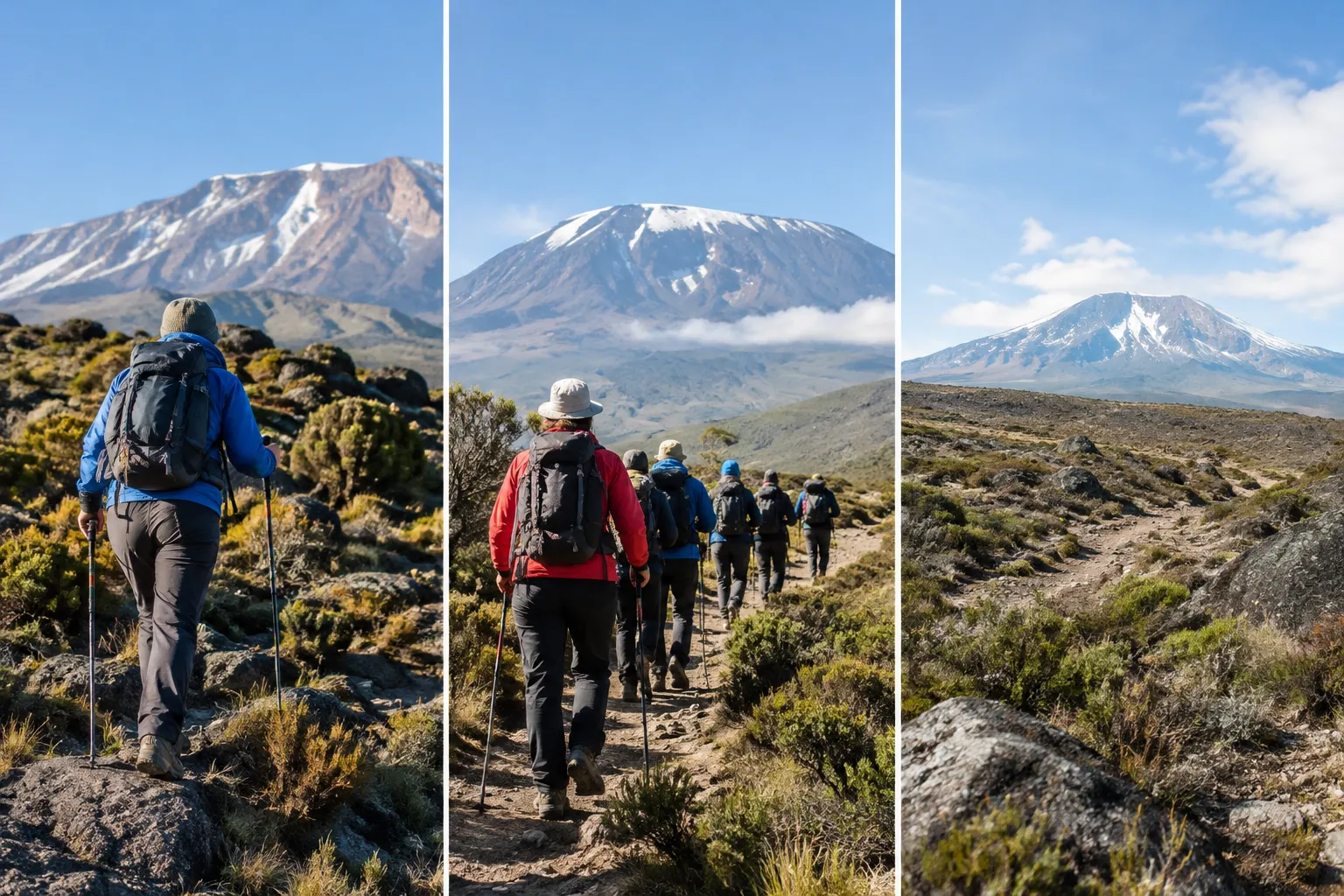
Altitude affects people differently. A longer itinerary can provide more time to adjust gradually, but route choice alone cannot predict how your body will respond or guarantee that you will reach the summit. A sensible comparison looks at the number of days, daily walking plan, rest opportunities and the operator’s process for monitoring climbers’ health.
The Northern Circuit’s longer traverse may appeal if you have enough time and want more time on the mountain. Lemosho can also be offered over different durations, so do not assume every Lemosho itinerary is shorter or that every Northern Circuit schedule provides the same acclimatization profile. Compare the actual day-by-day plan.
Traffic also changes along a route. The Northern Circuit is often described as quieter on its northern stretches, while both routes may share busier sections closer to the summit. If solitude is important, ask which parts of the itinerary are likely to overlap with other groups. For another route comparison, see Lemosho, Machame or Rongai.
How summit night differs on each route
The summit push is demanding on either route. Climbers typically begin the final ascent at night, then descend after reaching the summit area; the exact timing, starting camp and descent plan depend on the itinerary. The longer journey around the northern side changes how you approach the summit zone, but it does not remove the physical challenge of a cold, tiring night at altitude.
Ask the operator where you will sleep before the summit push, when the ascent is expected to begin, what the descent day involves and what support is available if someone needs to turn back. A clear plan should explain how guides monitor climbers and respond to altitude concerns. No route or operator can promise a summit outcome.
Choose the route that fits your time and priorities
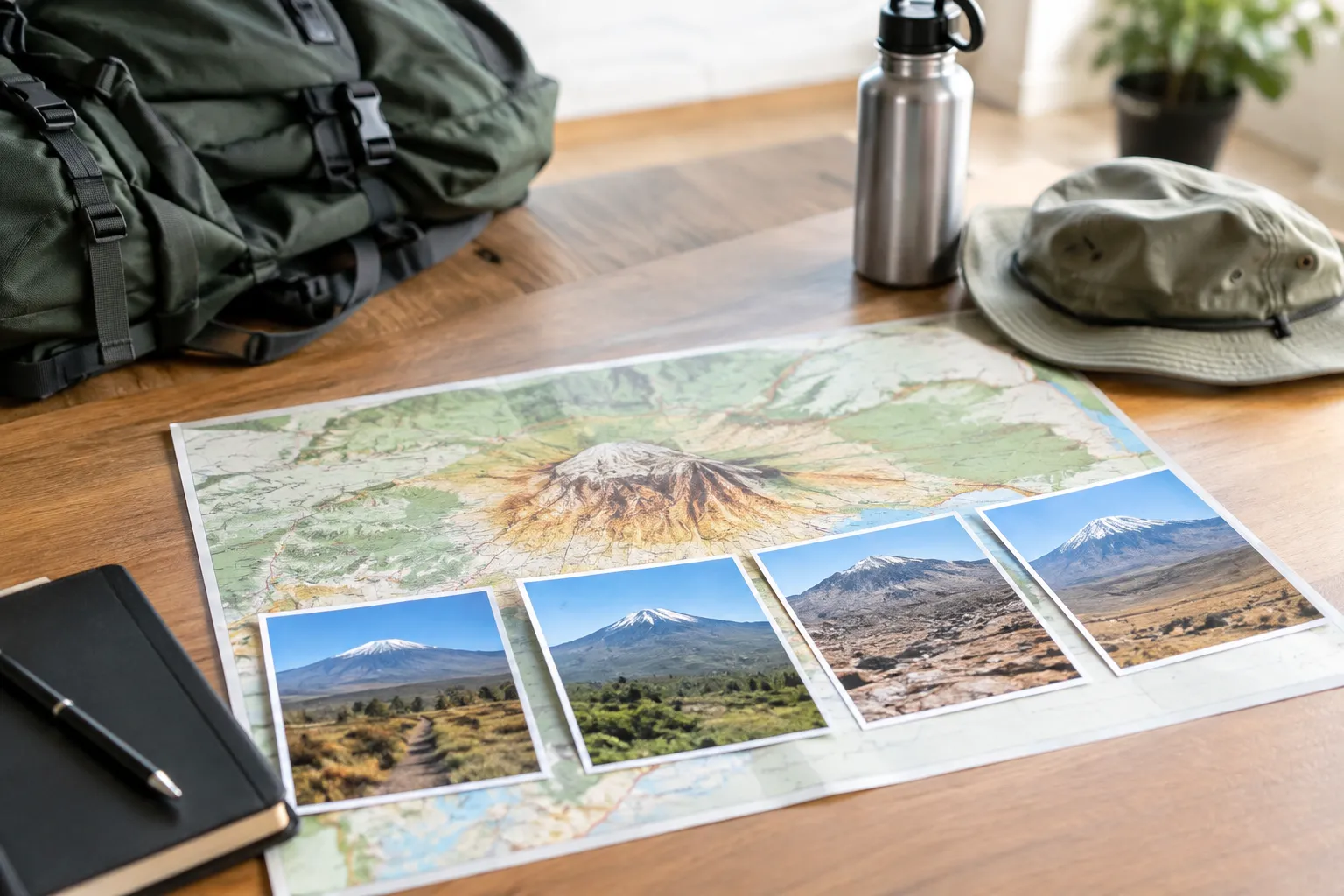
Choose Lemosho if you want a western start and a route that later joins established southern sections. Consider the Northern Circuit if you have more days available and value the longer northern traverse, including its quieter stretches. In either case, compare itinerary length, camps, daily walking stages and summit logistics before deciding.
Your total budget also needs to cover more than the climb’s headline price. Check what the quote includes, such as park and other required fees, transfers, accommodation before or after the climb, meals and equipment arrangements. Budget separately for international flights, personal gear and customary tips if they are not included. Leave time after your flight to rest and sleep before starting the climb; a tight connection or baggage recheck can make an already long travel day harder.
A Northern Circuit versus Machame route review can help if you are also considering another approach.
Questions to ask when comparing operator quotes
Use the same questions for both routes so the prices are comparable:
- What is the exact day-by-day itinerary, including camps and the planned summit approach?
- How many days are on the mountain, and what changes between the quoted route options?
- Which fees, transfers, meals and accommodation are included? Which costs are separate?
- What group size should I expect, and is a departure confirmed or dependent on joining other climbers?
- How are guides selected and trained, and how often do they check climbers’ health?
- How are porters treated, equipped and paid? Is the operator listed as a KPAP Partner Company?
- What is the tipping guidance, and how is the tipping process handled?
- What happens if a climber needs to descend early?
Eco Africa Climbing is a KPAP Partner Company. Still, check the operator’s current status and ask specific questions about porter welfare, guide support and the services included in your quote. A responsible operator should be willing to explain these details plainly rather than relying on general promises.
Route comparison FAQs
Can a beginner climb Kilimanjaro?
Yes, beginners can climb Kilimanjaro, but the altitude and consecutive days of walking make preparation important. Choose an itinerary with a suitable pace, train beforehand and discuss your health and concerns with the operator.
What is the most successful route to climb Kilimanjaro?
No route guarantees a summit, and outcomes depend on factors including acclimatization, health and conditions. Compare itinerary length and pacing; longer schedules can allow more time to adjust, but do not ensure success.
How much does it cost to climb Kilimanjaro per person?
The cost varies by route duration, inclusions, group size and operator, so request an itemized quote. Add flights, personal gear and tips to estimate the full cost per person.
Is 60 too old to climb Kilimanjaro?
No, age 60 alone does not rule out a climb; fitness, health and altitude response matter. Discuss your medical history with a clinician and review the itinerary with the operator before booking.
Do Lemosho and the Northern Circuit share any sections of trail?
Yes, itineraries can share sections as routes converge around the mountain and approach the summit zone. The exact overlap depends on the chosen schedule, so ask for a route map.
When is the best time of year to climb either route?
Both routes are climbed in Kilimanjaro’s drier periods, but weather can vary and conditions are never guaranteed. Ask an operator how your dates may affect trail conditions, crowds and packing needs.
Can solo travelers join a group climb on either route?
Yes, solo travelers can ask about joining a group departure on either route, but availability and group size vary by date. Confirm whether the departure is guaranteed and ask how the operator supports climbers traveling alone.
What happens if I need to descend before reaching the summit?
If you need to descend, guides should follow the operator’s response plan and prioritize your health, which may mean leaving the route before the group. Ask in advance how descent support, transport and any extra costs are handled.
Discuss your route options with a qualified operator
Before choosing between Lemosho and the Northern Circuit, put your available days, preferred trail experience and budget beside the full itinerary and inclusions. Ask the operator to explain differences in camp plan, group arrangements, guide support, porter welfare and altitude monitoring. That gives you a clearer basis for comparing routes—and for planning the rest, baggage and travel time around your climb.
Sedrick Silayo is a Web Developer and Digital Marketing Expert at Eco-Africa Climbing, with over 10 years of experience in Tanzania’s adventure travel industry. He specializes in Kilimanjaro trekking and Northern Tanzania safaris, sharing practical expertise on trip planning, mountain preparation, safety, KPAP standards, and safari experiences.