Climbing Kilimanjaro on Your Period: A Practical Guide for Women
If you are worried about climbing Kilimanjaro on your period, you are not alone. Menstruation is a normal part of life, but managing it during a multi-day mountain trek requires more preparation than it would at home.
The good news is that having your period does not automatically prevent you from climbing Kilimanjaro.
With the right supplies, hygiene plan, clothing, waste-storage system, and realistic expectations, many women continue trekking comfortably while menstruating.
Can You Climb Kilimanjaro While on Your Period?
Yes.
Menstruation itself does not mean you must cancel or stop your climb.
However, every woman experiences periods differently.
Some women have mild symptoms, while others may experience:
- Cramping.
- Fatigue.
- Back pain.
- Headaches.
- Heavy bleeding.
- Mood changes.
- Digestive discomfort.
If your normal menstrual symptoms are severe enough to affect exercise or daily activity, it is sensible to discuss your plans with an appropriate healthcare professional before the trip.
Why Period Planning Matters on Kilimanjaro
Kilimanjaro is not a normal hotel holiday.
You spend several days trekking and sleeping in mountain camps, so you need to carry the supplies you expect to use.
Good preparation helps you avoid unnecessary stress once the trek begins.
Bring More Supplies Than You Think You Need
Even if your cycle suggests your period will not happen during the climb, bring menstrual products anyway.
Travel, physical exertion, stress, changes in sleep, and disruption to your normal routine can sometimes affect timing.
It is better to carry a few extra supplies than to need something you do not have on the mountain.
Which Period Products Should You Bring?
Use the products you are already comfortable with.
Options may include:
- Sanitary pads.
- Tampons.
- Menstrual cups.
- Period underwear.
- A combination of products.
Kilimanjaro is not the ideal place to test an unfamiliar menstrual product for the first time.
Pads on Kilimanjaro
Pads are familiar and easy to use for many women.
If you use them, pack enough for the full trek and bring a secure disposal system for used products.
Humidity, sweat, and long walking days can affect comfort, so changing regularly when practical can help.
Tampons on Kilimanjaro
Tampons can be convenient because they are compact and easy to carry.
You still need to store used products safely until they can be disposed of properly.
Follow the same hygiene practices and usage guidance you normally use at home.
Menstrual Cups on Kilimanjaro
Some experienced menstrual cup users prefer cups because they reduce the amount of disposable waste they need to carry.
However, cups require careful hand hygiene and cleaning.
If you have never used a menstrual cup before, practice well before your trip rather than learning during the trek.
Period Underwear
Period underwear may be useful as a backup or as part of your normal menstrual routine.
However, washing and drying clothing on a mountain trek is more difficult than at home, so consider how many pairs you would realistically need.
How Do You Dispose of Used Period Products?
Used menstrual products should not be left on the mountain.
Bring sealable bags so you can pack out used products until they can be disposed of correctly.
A simple system may include:
- Small individual disposal bags.
- A larger sealable outer bag.
- Opaque bags for privacy.
- Hand sanitizer stored nearby.
Do Not Bury Menstrual Products
Pads, tampons, wrappers, and wipes should not be buried or left on the trail.
Carry them out as waste.
What Toilet Facilities Are Available?
WomenClimbKili includes a private toilet tent as part of the mountain setup.
This can make personal hygiene and menstrual management more comfortable than relying only on public camp facilities.
You should still carry your own toilet paper and personal hygiene supplies.
What Hygiene Supplies Should Women Bring?
Useful items include:
- Hand sanitizer.
- Wet wipes.
- Toilet paper.
- Menstrual products.
- Sealable waste bags.
- Personal toiletries.
- Clean underwear.
Hand Hygiene Is Especially Important
If you are changing menstrual products in a mountain environment, clean hands are important.
Carry hand sanitizer somewhere easy to reach rather than packing it deep inside your luggage.
If you use a menstrual cup, plan your hygiene routine carefully before the trip.
What About Wet Wipes?
Wet wipes can be very useful for personal hygiene.
Remember that used wipes are also waste and should be packed out rather than left on the mountain.
Can You Shower While on Your Period?
You should not expect a normal hot-shower routine while trekking Kilimanjaro.
Personal hygiene on the mountain is more basic.
Women generally rely on practical washing methods, clean clothing, wipes, and regular hygiene routines throughout the trek.
Will Your Period Affect Your Fitness?
This depends on the individual.
Some women notice very little change in physical performance, while others feel more tired or experience discomfort.
You know your normal cycle better than anyone else.
Use your training period to understand how hiking feels during different stages of your cycle.
Train During Your Period Before Tanzania
If possible, complete some normal training hikes while menstruating before the trip.
This helps you test:
- Which products are most comfortable.
- How often you need to change them.
- Which clothing works best.
- How your energy level changes.
- How menstrual cramps affect hiking.
It is much easier to solve these issues at home than at high altitude.
Periods and Altitude
You should not assume every symptom you experience is caused by menstruation.
Headache, nausea, fatigue, or dizziness may also occur at altitude.
Tell your guide how you feel rather than automatically deciding that a symptom is only period-related.
Do Not Hide Symptoms
If you feel unusually weak, dizzy, nauseated, confused, or unwell, tell your guide.
Your mountain team needs accurate information to assess how you are responding to altitude.
Having your period should not make you reluctant to report symptoms.
What About Period Cramps?
If you regularly experience menstrual cramps, plan for them before traveling.
If you normally use medication, discuss appropriate use during high-altitude trekking with a healthcare professional if you have any concerns.
Do not begin unfamiliar medication on the mountain without appropriate advice.
What About Heavy Periods?
Women who normally experience heavy bleeding should bring enough supplies and consider how frequently products may need to be changed during long hiking days.
If heavy bleeding is associated with a medical condition, anemia, significant fatigue, or other health concerns, discuss your Kilimanjaro plans with an appropriate healthcare professional.
Keep Menstrual Supplies in Your Daypack
Do not put all of your menstrual products in luggage that may not be immediately accessible while hiking.
Carry enough supplies for the day in your daypack.
Useful items to keep together include:
- Menstrual products.
- Hand sanitizer.
- Toilet paper.
- Small waste bags.
- A clean pair of underwear.
Use a Small Personal Hygiene Kit
A small dedicated pouch can make bathroom stops easier.
Instead of searching through your entire backpack, everything you need can stay together.
Choose Practical Hiking Clothing
Comfort matters more than fashion on Kilimanjaro.
Choose hiking clothing that:
- Allows easy movement.
- Works with your menstrual products.
- Is easy to manage during toilet breaks.
- Dries reasonably quickly.
- Feels comfortable for long walking days.
Bring Enough Underwear
Clean underwear can make a major difference to comfort during a multi-day trek.
Bring enough for your personal hygiene needs and consider bringing additional pairs if you expect to menstruate during the trip.
What If Your Period Starts Unexpectedly?
This is exactly why carrying emergency menstrual supplies is useful.
Even if your period is normally very predictable, international travel and physical exertion can disrupt routines.
Can Another Woman Help if You Run Out of Products?
A women-only group may provide a more comfortable environment for asking another participant for help.
However, you should still arrive with enough of your own supplies because another climber may use a completely different product or may not have extras.
Why a Women-Only Group Can Feel More Comfortable
One reason some solo women prefer female groups is that menstrual and hygiene topics may feel easier to discuss.
There is less need to feel embarrassed about saying that you need a toilet break, need time to change a product, or are experiencing cramps.
Does the Mountain Crew Need to Know You Are on Your Period?
You do not need to make private personal information a group announcement.
However, if menstrual symptoms are affecting your health or ability to hike, tell your guide what is relevant so the situation can be understood properly.
What About Summit Night During Your Period?
Summit night requires extra preparation because you will be walking in darkness, cold conditions, and at very high altitude.
Keep menstrual supplies somewhere accessible.
Do not bury them beneath several layers of equipment where they are difficult to reach.
Use the Toilet Before Starting Summit Night
Use the toilet before leaving Barafu Camp and make sure your personal hygiene kit is ready.
If you need a toilet break during the ascent, communicate with your guide.
Periods and Cold Weather
Cold can make changing menstrual products more inconvenient because you are wearing several layers.
Choose clothing that keeps you warm but is still practical enough to manage during bathroom breaks.
Periods and Sleep
If menstruation normally affects your sleep, remember that mountain sleep may already feel different because of altitude, cold, and camping.
Prepare your sleeping system carefully and keep nighttime menstrual supplies accessible inside your tent.
What About Perimenopause?
Women experiencing perimenopause may have less predictable cycles.
This makes carrying menstrual products particularly useful even when you do not expect a period during the trip.
If you have significant symptoms or medical concerns, discuss high-altitude trekking with an appropriate healthcare professional.
What About Menopause?
Post-menopausal women obviously do not need menstrual supplies, but may have other individual considerations such as temperature sensitivity, sleep changes, or medication.
Preparation should always reflect your own health and comfort needs.
Which Route Does WomenClimbKili Use?
WomenClimbKili scheduled groups climb the 7-day Machame Route.
The route involves seven days of mountain trekking, so women should plan their menstrual and hygiene supplies for the entire mountain period.
You can view the full itinerary on our Women-Only Machame Route Kilimanjaro Package .
How Large Is the Group?
WomenClimbKili scheduled departures are limited to a maximum of 12 women.
Solo female travelers can reserve one place without bringing their own climbing partner.
What Safety Support Is Available?
Our mountain team carries:
- Emergency oxygen.
- A first-aid kit.
- A pulse oximeter for daily health monitoring.
Altitude-related symptoms should always be communicated honestly, even if you think they may be related to menstruation.
Travel Insurance and Menstrual Health
Your Kilimanjaro travel insurance should cover high-altitude trekking and emergency evacuation.
If you have a pre-existing medical condition related to menstruation or reproductive health, read your insurance policy carefully and confirm how pre-existing conditions are treated.
Frequently Asked Questions
Can I climb Kilimanjaro while on my period?
Yes. Having your period does not automatically prevent you from trekking Kilimanjaro, although you should prepare for your own menstrual symptoms and hygiene needs.
Are there private toilets on the women-only climb?
Yes. WomenClimbKili includes a private toilet tent in the mountain setup.
Can I use tampons on Kilimanjaro?
Yes. If tampons are your normal menstrual product, bring enough for the trip and carry used products out for proper disposal.
Can I use a menstrual cup on Kilimanjaro?
Experienced cup users may choose to use one, but careful hand hygiene and cleaning are important. Do not rely on an unfamiliar product for the first time on the mountain.
What do I do with used period products?
Store them securely in sealable bags and carry them out until they can be disposed of properly.
What if my period starts unexpectedly?
Carry emergency menstrual supplies even if your normal cycle suggests you will not menstruate during the trek.
Can I summit Kilimanjaro while menstruating?
Menstruation itself does not automatically prevent a summit attempt. Your overall health, altitude response, physical condition, and guide assessment remain the important factors.
Your Period Does Not Have to Stop Your Kilimanjaro Adventure
Menstruation may require additional planning, but it does not have to become the defining part of your Kilimanjaro experience.
Bring the products you already trust, keep a hygiene kit accessible, carry used products out responsibly, prepare for unexpected timing, and communicate if symptoms begin affecting your health.
The more practical preparation you do before Tanzania, the less attention you need to give the issue once you are on the mountain.
Explore our WomenClimbKili scheduled departures or view the complete 7-Day Women-Only Machame Route Package .
Share:
Social Media
Most Popular
Kilimanjaro Cold Weather Preparation for Women | Stay Warm
Kilimanjaro Medical Preparation for Women | Health Checklist
Kilimanjaro Hydration & Nutrition for Women | Practical Guide
Kilimanjaro Travel Insurance for Women | What Coverage You Need
Book Your Sustainable Tour
Related Posts
Kilimanjaro Cold Weather Preparation for Women | Stay Warm
Kilimanjaro Cold Weather Preparation for Women: How to Stay Warm Good Kilimanjaro cold weather preparation for women is essential because temperatures change dramatically as you
Kilimanjaro Medical Preparation for Women | Health Checklist
Kilimanjaro Medical Preparation for Women: A Pre-Climb Health Checklist Good Kilimanjaro medical preparation for women starts long before you arrive in Tanzania. Kilimanjaro is a
Kilimanjaro Hydration & Nutrition for Women | Practical Guide
Kilimanjaro Hydration and Nutrition for Women: A Practical Guide Good Kilimanjaro hydration and nutrition for women can make a major difference to how you feel
Kilimanjaro Travel Insurance for Women | What Coverage You Need
Kilimanjaro Travel Insurance for Women: What Coverage Do You Need? Choosing suitable Kilimanjaro travel insurance for women is an important part of preparing for a
Kilimanjaro Afrika: Conquering the Roof of Africa
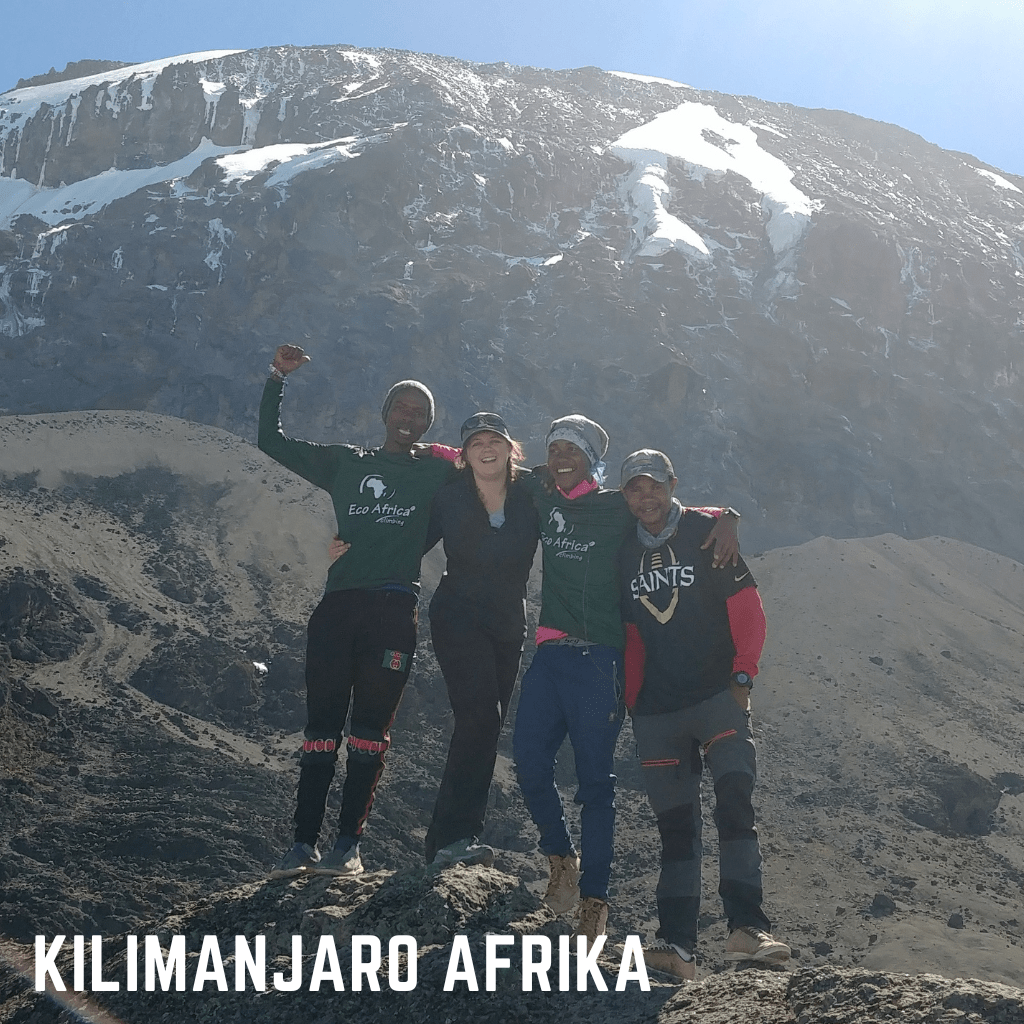
Have you ever dreamed of embarking on an awe-inspiring adventure? Are you ready to challenge yourself and explore the wonders of nature? Look no further than Kilimanjaro Afrika, the majestic mountain that stands tall as the highest peak in Africa. In this article, we will delve into the captivating world of Kilimanjaro Afrika, exploring its history, geography, climbing routes, and the extraordinary experiences that await those brave enough to venture to its summit.
Kilimanjaro Afrika: A Natural Wonder
Kilimanjaro Afrika is a breathtaking sight to behold, with its snow-capped peaks piercing the sky at an awe-inspiring altitude of 5,895 meters (19,341 feet). This dormant stratovolcano, located in northeastern Tanzania, is a UNESCO World Heritage Site and attracts adventurers from around the globe.
A Glimpse into Kilimanjaro Afrika’s History
The history of Kilimanjaro Afrika is deeply rooted in the cultural and spiritual beliefs of the local Chagga people. For centuries, they have revered this colossal mountain as a sacred place, imbued with mystical energy and folklore. It was first conquered by the German geographer Hans Meyer and Austrian mountaineer Ludwig Purtscheller in 1889, marking the beginning of a new era for Kilimanjaro Afrika.
The Climb: Choosing the Right Route
When embarking on the journey to Kilimanjaro Afrika’s summit, it is crucial to select the appropriate climbing route that aligns with your experience, fitness level, and desired adventure. There are seven established routes, each offering a unique perspective and varying levels of difficulty. Let’s explore a few of the most popular options:
Marangu Route: Known as the “Coca-Cola” route, it is the oldest and most well-established trail. Its gradual slopes make it suitable for novice climbers, but it is also the busiest route.
Machame Route: Often referred to as the “Whiskey” route, this path offers a more challenging and scenic trek through diverse landscapes, including dense forests and expansive moorlands.
Lemosho Route: Regarded as one of the most picturesque routes, the Lemosho path provides ample time for acclimatization and boasts stunning panoramic views.
Overcoming Challenges on the Mountain
Climbing Kilimanjaro Afrika is no small feat. It requires mental fortitude, physical stamina, and careful preparation. Here are a few key challenges you may encounter during your ascent:
Altitude Sickness:
As you ascend to higher elevations, the thinning air can lead to altitude sickness. Symptoms include headaches, nausea, and fatigue. Proper acclimatization and a slow climbing pace are crucial for minimizing the risk.
Unpredictable Weather: Kilimanjaro Afrika’s weather can be highly variable, ranging from scorching sun to freezing temperatures. It is essential to pack and dress accordingly, ensuring you have proper layers to adapt to changing conditions.
Physical Endurance: Climbing Kilimanjaro Afrika demands physical fitness and endurance. Regular exercise and training beforehand, focusing on cardiovascular activities and strength-building exercises, will better prepare you for the arduous journey ahead.
The Experience: Tales from the Summit
Unveiling the Beauty of Kilimanjaro Afrika
As you ascend Kilimanjaro Afrika, you will traverse a multitude of ecosystems and landscapes, each more awe-inspiring than the last. From lush rainforests teeming with life to barren alpine deserts, the diversity of this mountain will leave you in awe. The following are some highlights you can expect to encounter:
Rainforest Marvels:
At the beginning of your climb, you will venture through the enchanting rainforests of Kilimanjaro Afrika. Be prepared to witness an array of exotic flora and fauna, including towering trees, colorful bird species, and playful monkeys swinging through the canopy.
Alpine Desert Splendor: As you reach higher altitudes, the landscape dramatically changes, revealing vast stretches of otherworldly alpine desert. The stark beauty of the rocky terrain against the backdrop of snow-capped peaks creates an ethereal atmosphere unlike any other.
Kilimanjaro Afrika: A Life-Changing Journey
Climbing Kilimanjaro Afrika is not merely an expedition; it is a transformative experience that pushes your boundaries, tests your resilience, and instills a profound sense of accomplishment. Here are a few reasons why this adventure should be on every adventurer’s bucket list:
Kilimanjaro Afrika: A Test of Character: Conquering the Roof of Africa is an achievement that demands determination, perseverance, and mental strength. Pushing through the physical and mental challenges will unlock a newfound sense of self-belief and resilience.
Spectacular Sunrise at Uhuru Peak: The ultimate reward awaits you at Uhuru Peak, Kilimanjaro Afrika’s summit. As the first rays of sunlight break over the horizon, painting the sky with vivid hues, you will witness a sunrise unlike any other, forever etched in your memory.Camaraderie and Cultural Exchange: Climbing Kilimanjaro Afrika is a shared experience, often undertaken in groups. The camaraderie formed among fellow climbers from diverse backgrounds fosters lifelong friendships and provides an opportunity for cultural exchange.
Is climbing Kilimanjaro Afrika safe?
Answer: Climbing Kilimanjaro Afrika can be safe if you take the necessary precautions, such as choosing a reputable tour operator, allowing sufficient time for acclimatization, and following the guidance of experienced guides. However, it is essential to recognize the inherent risks associated with high-altitude climbing and adequately prepare yourself both physically and mentally.
How long does it take to climb Kilimanjaro Afrika?
Answer: The duration of the climb varies depending on the chosen route. On average, it takes between 6 to 9 days to reach the summit and descend. It is crucial to opt for a longer itinerary to allow for proper acclimatization, increasing your chances of a successful summit attempt.
Do I need prior climbing experience to climb Kilimanjaro Afrika?
Answer: While prior climbing experience is not mandatory, it is advisable to have a reasonable level of fitness and engage in physical training beforehand. Regular exercise, including cardiovascular activities and strength-building exercises, will prepare your body for the demands of the climb.
What is the best time to climb Kilimanjaro Afrika?
Answer: The best time to climb Kilimanjaro Afrika is during the dry seasons, which are typically from January to mid-March and June to October. These periods offer more stable weather conditions, reducing the chances of encountering heavy rainfall and cloud cover.
What should I pack for the Kilimanjaro Afrika climb?
Answer: Packing the right gear and clothing is crucial for a successful and comfortable climb. Some essential items include sturdy hiking boots, waterproof and breathable clothing layers, a warm sleeping bag, a headlamp, trekking poles, and high-altitude medication if recommended by your healthcare professional.
Can I climb Kilimanjaro Afrika solo?
Answer: It is possible to climb Kilimanjaro Afrika solo, but it is highly recommended to join a guided expedition for safety reasons. Experienced guides and porters will provide essential support, navigate the mountain’s challenges, and ensure your well-being throughout the climb.
Conclusion
Embarking on a journey to Kilimanjaro Afrika is an extraordinary adventure that combines natural beauty, physical challenge, and cultural immersion. From the lush rainforests to the barren alpine deserts, every step of the climb reveals the magnificence of this iconic mountain. As you conquer the Roof of Africa, you will discover inner strength, forge lifelong connections, and witness breathtaking sights that will stay with you forever. So, are you ready to rise to the challenge and make your mark on Kilimanjaro Afrika?
Share:
Social Media
Most Popular
Kilimanjaro Cold Weather Preparation for Women | Stay Warm
Kilimanjaro Medical Preparation for Women | Health Checklist
Kilimanjaro Hydration & Nutrition for Women | Practical Guide
Kilimanjaro Travel Insurance for Women | What Coverage You Need
Book Your Sustainable Tour
Related Posts
Kilimanjaro Cold Weather Preparation for Women | Stay Warm
Kilimanjaro Cold Weather Preparation for Women: How to Stay Warm Good Kilimanjaro cold weather preparation for women is essential because temperatures change dramatically as you
Kilimanjaro Medical Preparation for Women | Health Checklist
Kilimanjaro Medical Preparation for Women: A Pre-Climb Health Checklist Good Kilimanjaro medical preparation for women starts long before you arrive in Tanzania. Kilimanjaro is a
Kilimanjaro Hydration & Nutrition for Women | Practical Guide
Kilimanjaro Hydration and Nutrition for Women: A Practical Guide Good Kilimanjaro hydration and nutrition for women can make a major difference to how you feel
Kilimanjaro Travel Insurance for Women | What Coverage You Need
Kilimanjaro Travel Insurance for Women: What Coverage Do You Need? Choosing suitable Kilimanjaro travel insurance for women is an important part of preparing for a