
 17 Sep 2026
 5 min read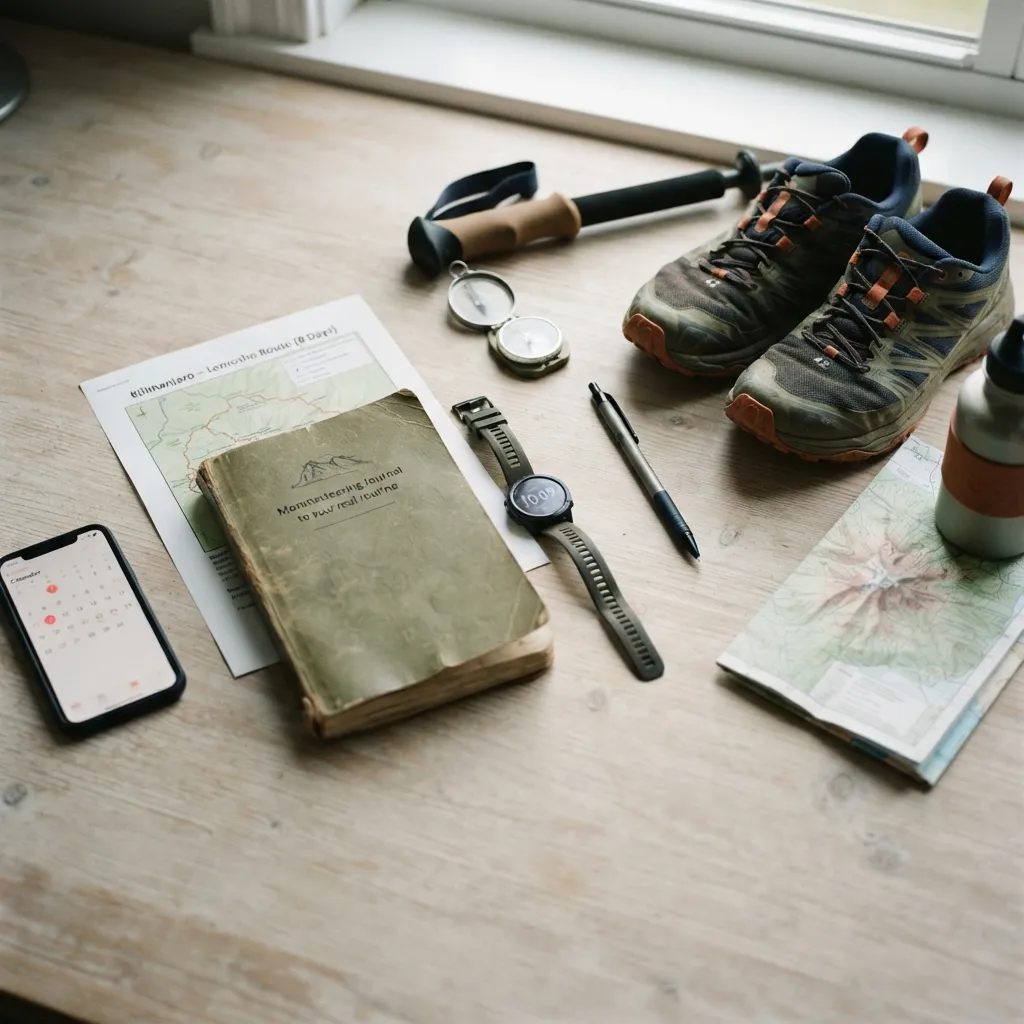
1. Match the choice to your real routine
A six-day climb can suit experienced hikers with limited time, but it leaves less room for Kilimanjaro acclimatization. Seven- and eight-day itineraries usually provide a more balanced pace, while nine days can feel less rushed and allow additional adjustment.
When asking how long to climb Kilimanjaro, consider your fitness, previous high-altitude experience, recovery needs, and available holiday time. Use these factors to plan your Kilimanjaro climb, rather than choosing the shortest itinerary automatically.
2. Compare value over the full use period
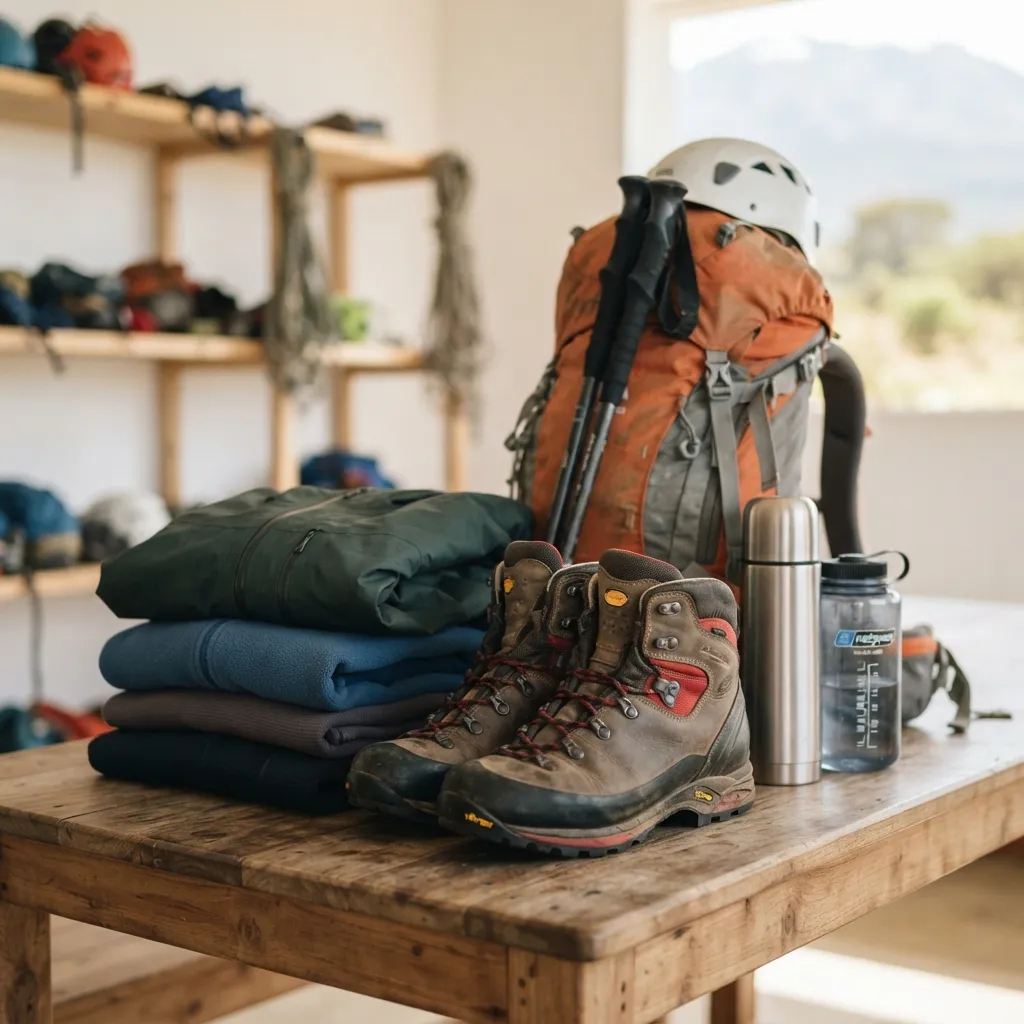
A shorter itinerary may reduce time away from work, but climbing quickly can mean longer walking days and less acclimatization time. A longer plan adds days on the mountain, yet may provide a steadier rhythm and more opportunity to respond safely to altitude.
The best comparison is not simply how long does it take to climb Mount Kilimanjaro. Review the full route, daily walking schedule, summit-night timing, rest opportunities, and how the itinerary fits your wider Tanzania trip. This Kilimanjaro planning guide can help with the broader logistics.
3. Separate must-have features from nice-to-haves
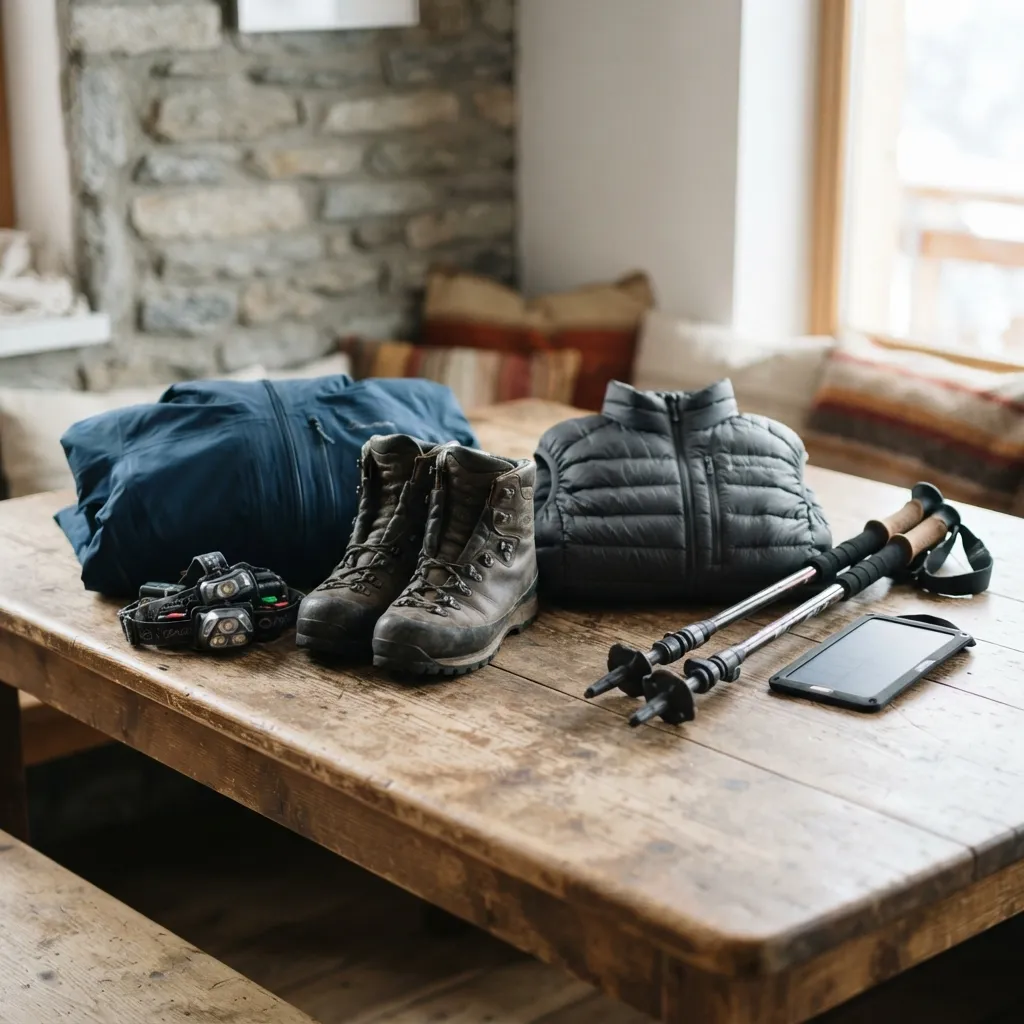
A realistic itinerary should include gradual elevation gain, manageable daily stages, a clear summit plan, and qualified mountain support. Route choice also matters: the mountain’s geography, access points, and descent pattern affect the total schedule.
Use a mount kilimanjaro map to compare routes visually. Six, seven, eight, and nine-day examples may look similar on paper, but the location of camps and altitude changes can make the walking experience quite different.

4. Check the tradeoffs before you commit
A six-day itinerary is time-efficient but offers less flexibility if you need a slower pace. Seven days may provide a useful middle ground. Eight days generally allows more gradual progress, while nine days can be appropriate for trekkers who prioritize a relaxed schedule.
Summit night is a separate challenge within every plan. It commonly involves walking through the night and continuing after sunrise before descending, so ask how the itinerary protects rest and recovery rather than judging it only by total days.
5. Use a simple final decision rule
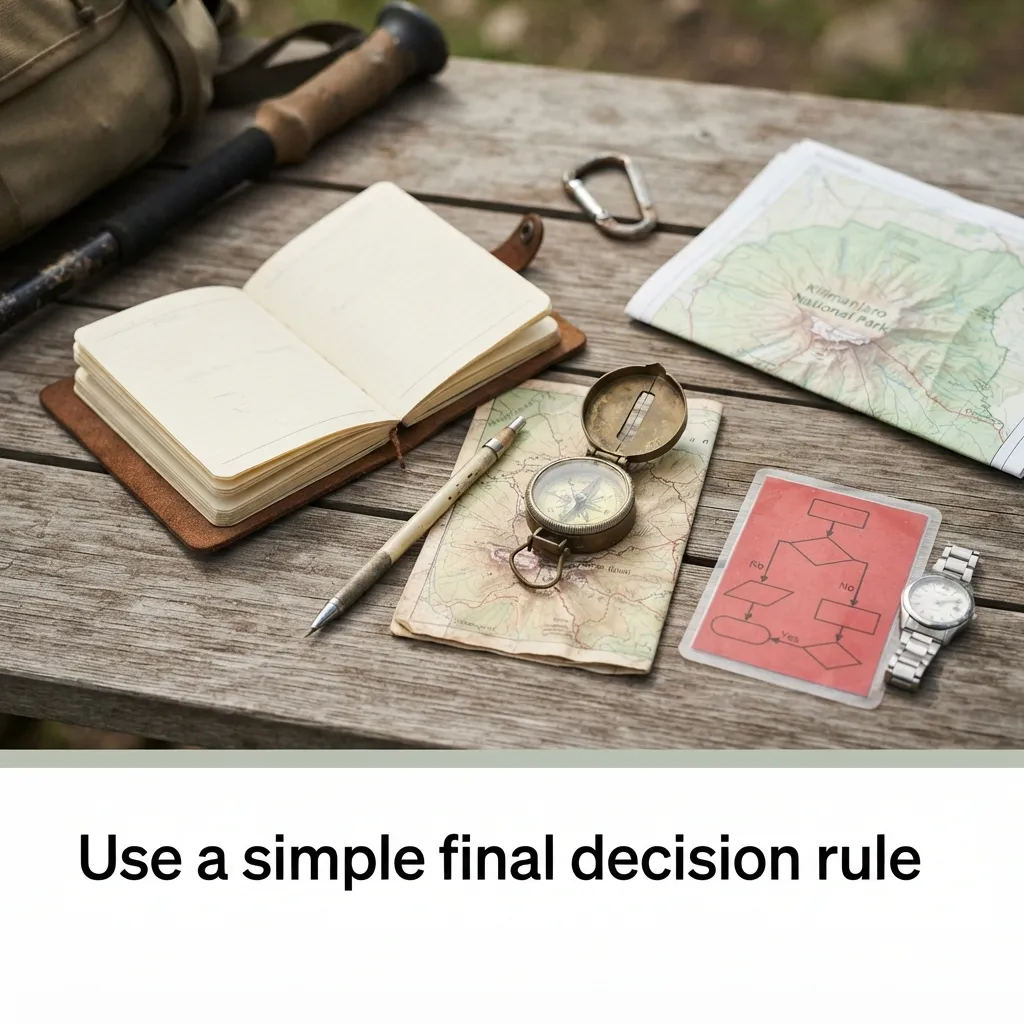
Choose six days only when your schedule is tight and you understand the acclimatization tradeoff. Choose seven days when you want a commonly practical balance. Choose eight or nine days when allowing more time for altitude adjustment and a slower walking rhythm is more important than minimizing time away.
In other words, how long would it take to climb Kilimanjaro safely? Select the longest schedule that fits your budget, leave, fitness, and comfort without treating speed as the goal.
6. One more thing that makes a difference
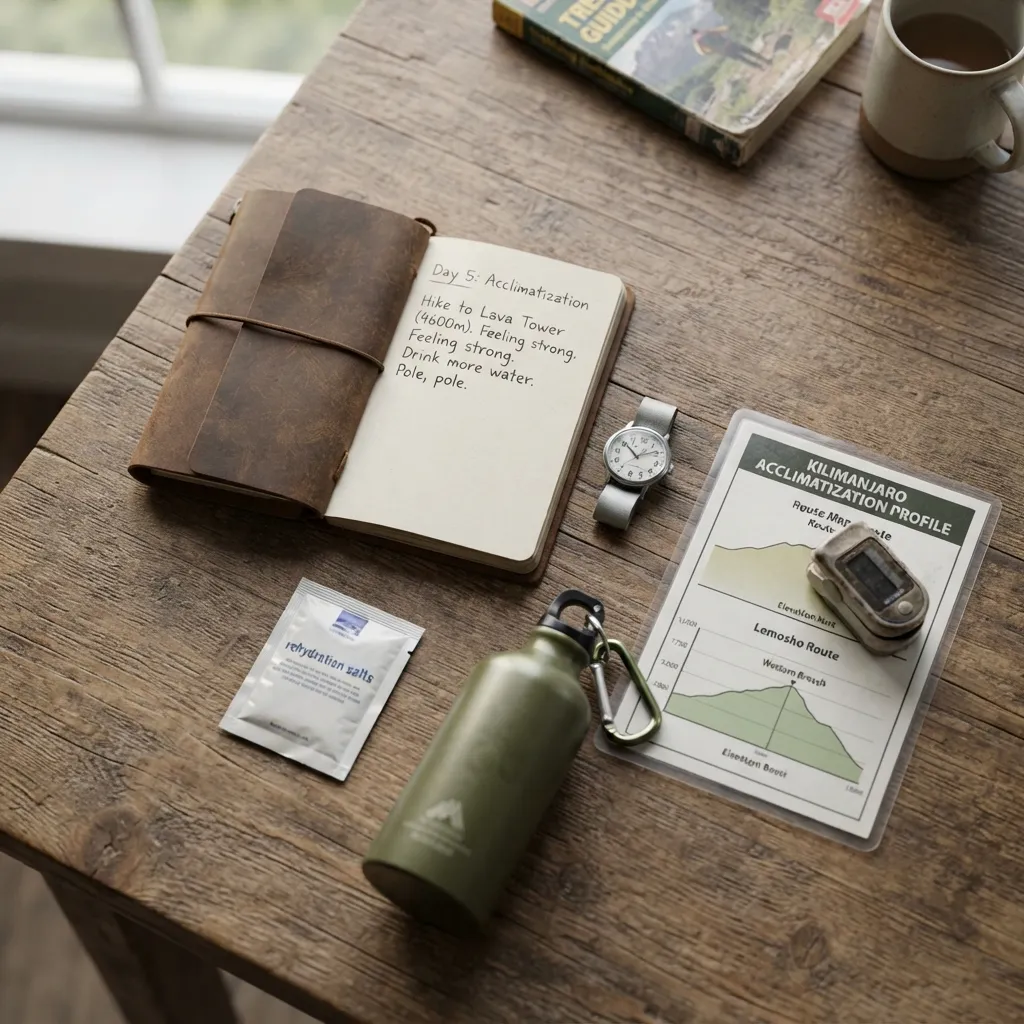
Walking time is only part of the answer. Each itinerary also includes time for meals, sleeping, packing, breaks, camp routines, and communication with your guide team. A day with a modest distance can still feel demanding at altitude.
Build some flexibility into your wider travel plan. The climb may last six to nine trekking days, but airport transfers, preparation, recovery, and onward travel require additional time around the mountain.
7. Another angle worth knowing
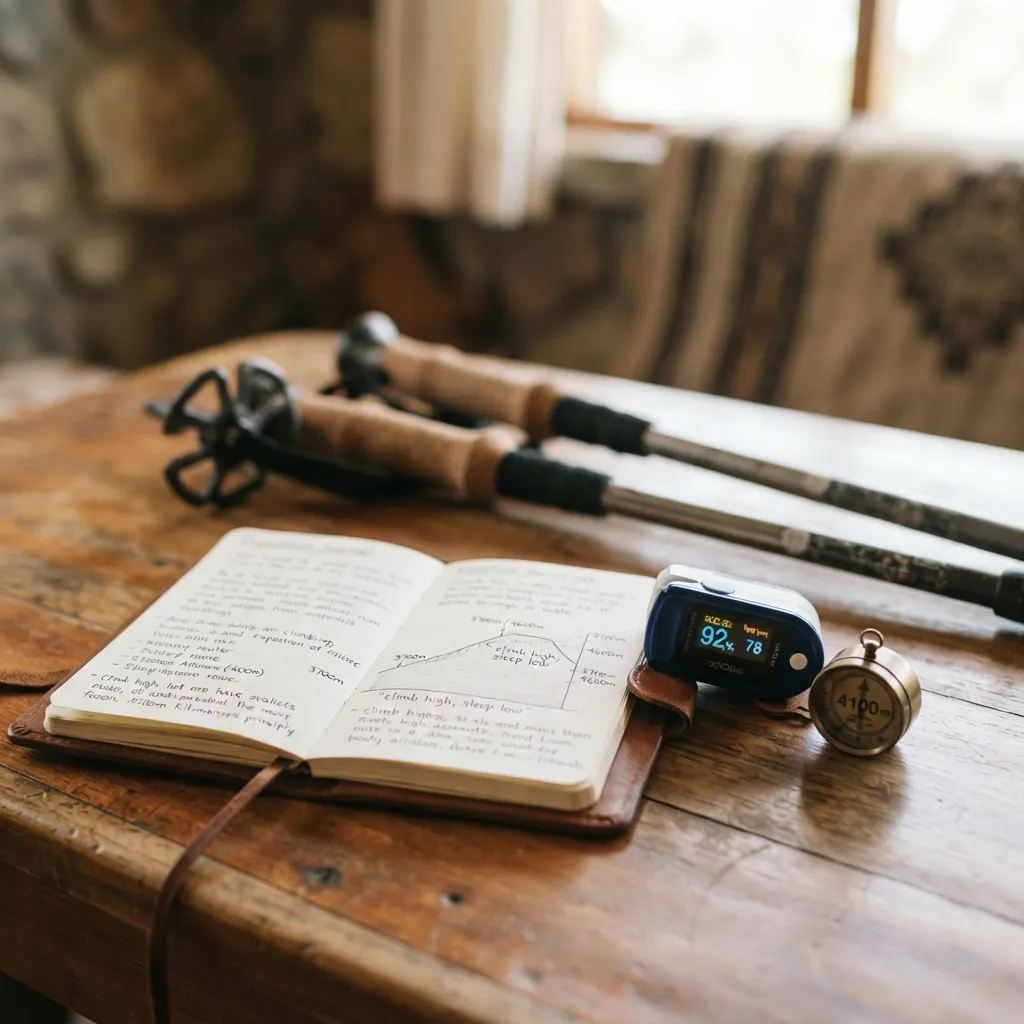
Consider a simple example: two trekkers may both choose seven days, but one may arrive rested and have hiking experience, while the other is adjusting to long walking days for the first time. Their preparation needs and perceived effort can be very different.
That is why how long to climb Kilimanjaro should be treated as a planning question, not a fixed performance target. Route, pace, weather, sleep quality, and altitude response all influence the real experience.
8. A detail people often overlook
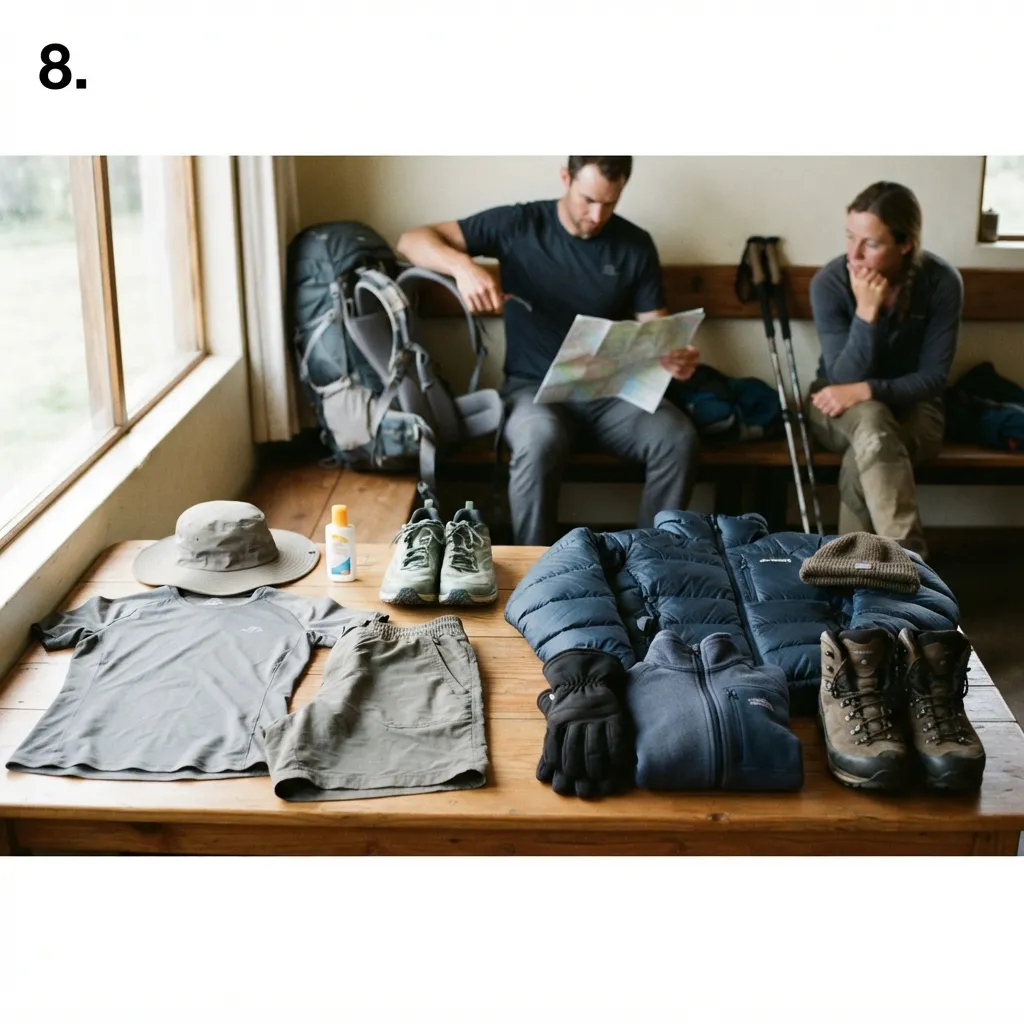
Do not compare itineraries only by the number of nights. Check whether the listed duration includes arrival and departure days, transfers, or only time spent trekking. Operators may describe schedules differently, so request a day-by-day plan before booking.
Also confirm what happens if you feel unwell at altitude. A responsible plan should make safety decisions clearly, with guides monitoring the group and adjusting the approach when necessary.
FAQ about how long would it take to climb Kilimanjaro
Can a beginner climb Kilimanjaro?
Yes, beginners can attempt Kilimanjaro with preparation, a suitable pace, and professional guides. A longer itinerary may make Kilimanjaro acclimatization easier to manage than the shortest schedule.
How much does it cost to climb Kilimanjaro in USD?
The cost varies by route, itinerary length, group size, inclusions, permits, equipment, and operator. Request a detailed quotation rather than estimating price from the number of trekking days alone.
Where do you sleep when you climb Kilimanjaro?
You sleep at designated mountain camps, using tents on routes where camping is required and huts on routes that provide hut accommodation. The arrangement depends on your selected route.
What should readers know first about how long would it take to climb Kilimanjaro?
The shortest itinerary is not automatically the best choice. Allow enough time for gradual walking, rest, and Kilimanjaro acclimatization, then confirm the detailed daily schedule.
How do you choose the right how long would it take to climb Kilimanjaro approach?
Compare your available time with your fitness, altitude experience, preferred pace, and tolerance for long summit-night walking. When uncertain, favor a schedule that gives you more adjustment time.
What mistakes should you avoid with how long would it take to climb Kilimanjaro?
Avoid choosing only by price or speed, ignoring summit-night demands, and assuming strong fitness removes altitude risk. Also avoid booking without checking the day-by-day route and support plan.
Is how long would it take to climb Kilimanjaro worth it for daily use?
The duration is worthwhile when it matches your goals and allows a manageable pace. A well-fitting itinerary can make the experience more comfortable than forcing a faster schedule.
What should you compare before deciding on how long would it take to climb Kilimanjaro?
Compare route, trekking days, altitude profile, summit schedule, accommodation, group format, inclusions, safety procedures, and porter welfare practices. These details matter more than the headline duration alone.
Recommended next steps
Review six-, seven-, eight-, and nine-day itineraries side by side, then ask a qualified operator to explain the daily walking and acclimatization plan. Choose the schedule that supports a steady, safe ascent rather than the fastest possible summit attempt.
Sedrick Silayo is a Web Developer and Digital Marketing Expert at Eco-Africa Climbing, with over 10 years of experience in Tanzania’s adventure travel industry. He specializes in Kilimanjaro trekking and Northern Tanzania safaris, sharing practical expertise on trip planning, mountain preparation, safety, KPAP standards, and safari experiences.