Karanga to Barafu for Women: Preparing for Kilimanjaro Summit Night
The trek from Karanga to Barafu for women is one of the most important transitions on the 7-day Machame Route.
By this stage, you have already completed several days on Kilimanjaro, experienced higher altitude, crossed Barranco Wall, and learned how your body responds to repeated trekking.
Now the focus changes.
You are no longer simply moving from one camp to another.
You are moving toward the high camp from which the final summit attempt begins.
Where Karanga Fits on the Machame Route
Karanga comes after the Barranco Wall section of the route.
By the time you reach Karanga, you have already experienced:
- Several consecutive trekking days.
- Increasing altitude.
- Lava Tower.
- Barranco Camp.
- Barranco Wall.
Why the Karanga Stage Matters
Karanga gives you another stage before moving to Barafu and the final summit phase.
This matters because Kilimanjaro is not just about reaching the highest camp as quickly as possible.
The journey is about moving progressively higher while preserving enough energy for the summit attempt.
What Does Karanga Feel Like?
By the Karanga stage, many women begin to feel that they are truly high on the mountain.
You may notice:
- Slower walking.
- Cooler conditions.
- More fatigue than earlier days.
- A greater need for warm layers.
- More awareness of the coming summit attempt.
Is Karanga a Difficult Stage?
The physical difficulty varies from person to person.
The challenge often comes from accumulated fatigue rather than one dramatic technical obstacle.
You may already have several days of trekking in your legs.
Accumulated Fatigue Is Normal
Do not expect to feel exactly as fresh as you did on Day 1.
Your body has been working for several consecutive days.
Some tiredness is expected.
The Goal Is Not to Feel Perfect
The goal is to remain well enough, strong enough, and organized enough to continue toward the summit stage.
The Trek Toward Barafu
From Karanga, the route continues toward Barafu Camp.
The landscape becomes increasingly sparse and exposed as you move higher.
The environment feels very different from the lower sections of the mountain.
Why the Pace Becomes Slower
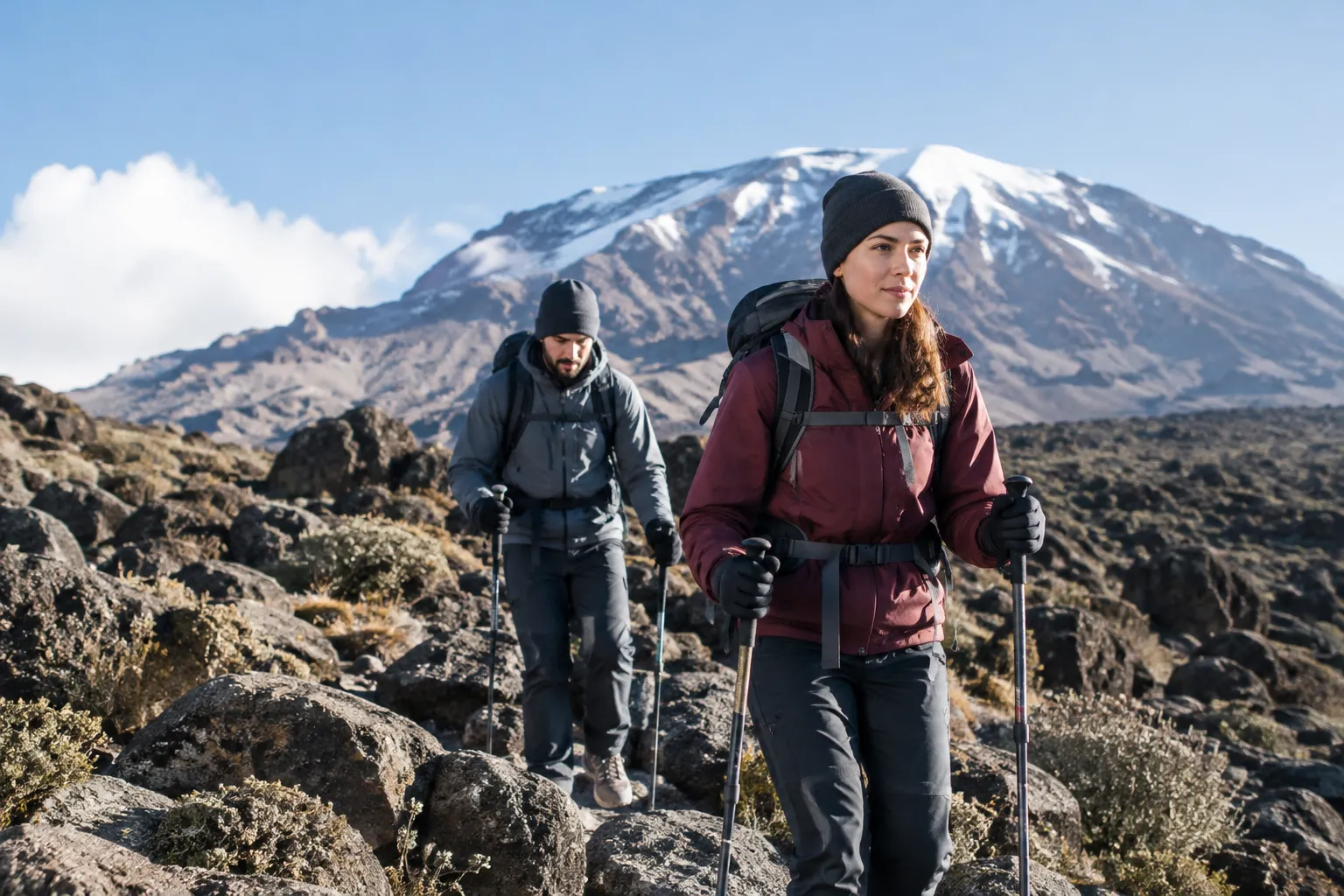
At higher altitude, many climbers naturally need to reduce their walking speed.
This is not a sign of poor fitness.
It reflects the increasing demands of elevation.
Do Not Try to Maintain Your Sea-Level Pace
The speed you use during training at home may not be appropriate high on Kilimanjaro.
Follow the mountain pace.
“Pole Pole” Still Matters
“Pole pole” means “slowly, slowly.”
The closer you move toward summit night, the more important controlled pacing becomes.
Do Not Race to Barafu
Arriving at high camp faster does not mean you are better prepared for the summit.
Conserve energy.
Why Barafu Is Important
Barafu is the high camp used before the summit attempt on the standard Machame Route.
This is where climbers prepare for the final ascent toward Stella Point and then Uhuru Peak.
What Does Barafu Feel Like?
Barafu can feel:
- Cold.
- Exposed.
- Windy.
- Rocky.
- Mentally intense because the summit is close.
The Psychological Shift at Barafu
For many women, reaching Barafu creates a mixture of:
- Excitement.
- Nervousness.
- Relief.
- Fear.
- Anticipation.
It Is Normal to Feel Nervous
Summit night is a major goal and it is normal for the reality of it to feel more intense once you reach high camp.
Do Not Interpret Nervousness as Weakness
You can feel nervous and still be physically ready.
Do Not Spend the Entire Afternoon Thinking About the Summit
Focus on practical preparation instead.
Your Priorities at Barafu
Once you arrive, your priorities should include:
- Resting.
- Eating.
- Drinking appropriately.
- Organizing summit clothing.
- Checking your headlamp.
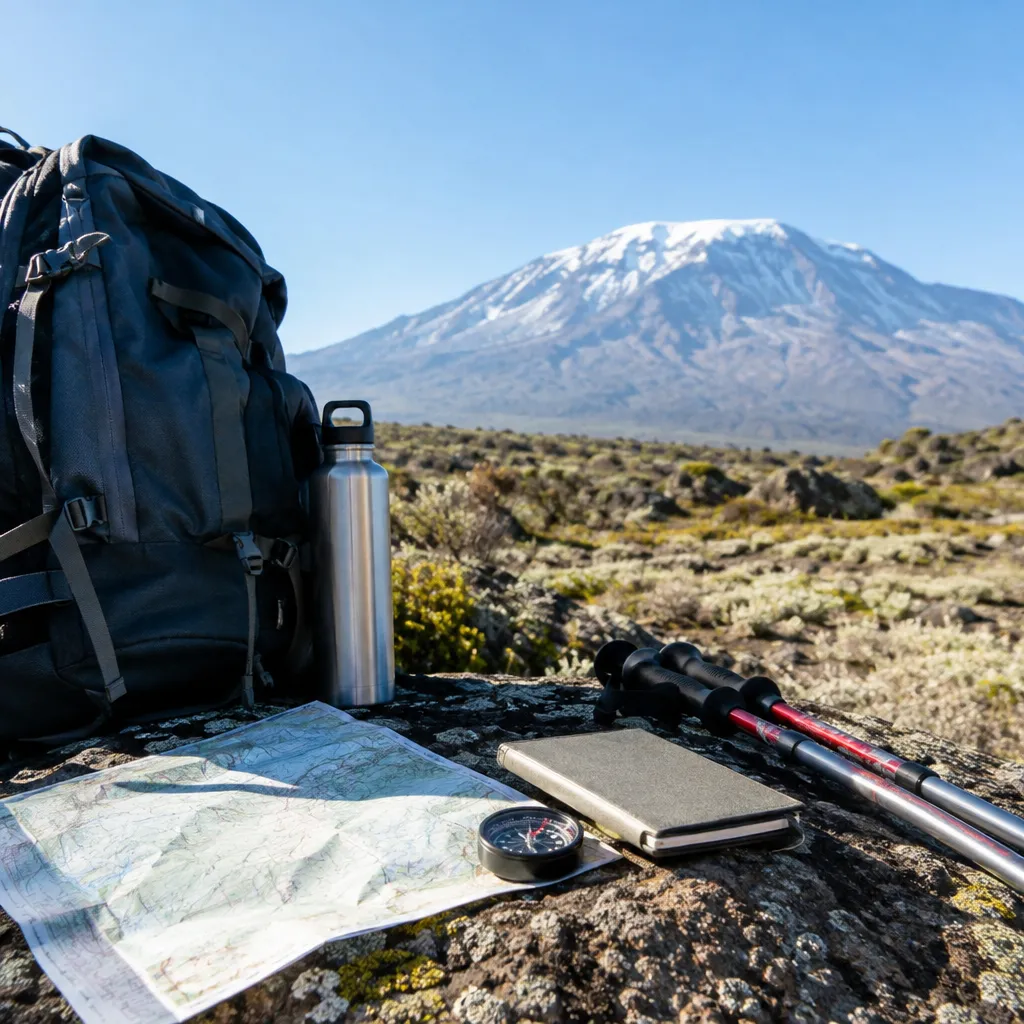
- Preparing your daypack.
- Keeping important gear dry.
Summit Gear Should Already Be Familiar
Barafu is not the place to discover how your gear works for the first time.
Your Summit Clothing System
A typical summit-night clothing system may include:
- Thermal base layers.
- Warm mid-layer.
- Insulated jacket.
- Windproof or waterproof outer shell.
- Thermal bottoms.
- Trekking trousers.
- Waterproof or windproof over-trousers where appropriate.
Do Not Wear Every Layer Just Because You Brought It
Your system should provide warmth while still allowing movement.
Test Your Summit Layers Before Tanzania
At home, wear the complete system and check whether you can:
- Walk naturally.
- Bend your knees.
- Use trekking poles.
- Reach your daypack.
- Open and close your jacket.
Warm Socks
Keep your summit socks dry and separate from socks used earlier in the day.
Do Not Make Boots Too Tight
An overly thick sock combination can change the fit of your hiking boots.
Use a tested setup.
Hiking Boots
Your summit boots should already be well broken in.
They should not be new.
Why Boot Comfort Is So Important at Barafu
You are about to use them for one of the longest and most demanding stages of the trek.
Gloves
Prepare your glove system before resting.
You may use:
- Liner gloves.
- Warm insulated gloves.
- Optional mittens for additional warmth.
Keep Gloves Dry
Your warmest pair should be protected from moisture earlier in the trek.
Warm Hat
Your summit hat should cover your ears comfortably and work with your headlamp.
Neck Gaiter
A neck gaiter can provide additional wind and cold protection around the neck and lower face.
Headlamp Preparation
Check your headlamp before resting.
Confirm:
- It turns on.
- The battery is reliable.
- The strap fits over your hat.
- You have backup power.
Do Not Assume the Battery Is Fine
You may have used the headlamp during earlier nights at camp.
Check it again before the summit attempt.
Trekking Poles
Prepare your trekking poles and make sure the locking mechanisms are secure.
Adjust Them Before You Are Cold
Summit night is not the ideal moment to learn how the adjustments work.
Daypack Organization
Keep your summit daypack simple.
Useful items may include:
- Water.
- Snacks.
- Additional warm layer.
- Spare gloves.
- Sunglasses for after sunrise.
- Sunscreen.
- Personal medication.
- Small hygiene supplies.
Do Not Carry Your Entire Duffel
Only summit-day essentials belong in your daypack.
Keep Frequently Used Items Accessible
Do not bury snacks, gloves, or medication at the bottom of the pack.
Water Preparation
Organize your water before you try to rest.
Use a system you already understand.
Cold Conditions Can Affect Water Systems
Follow your guide’s advice for organizing water during the summit attempt.
Do Not Introduce New Bottles at Barafu
Use equipment you have already tested during the trek.
Summit Snacks
Choose familiar foods that are easy to eat when tired.
Your Appetite May Be Lower
At higher altitude, some climbers do not feel very hungry.
Even so, your body still needs energy.
Avoid Complicated Food
Simple snacks are easier to handle in darkness and cold.
Sun Protection Still Matters
The summit attempt begins at night, but the day continues after sunrise.
Keep:
- Sunglasses.
- Sunscreen.
- Lip protection.
Do Not Forget Sunglasses
Starting in darkness does not mean the entire climb takes place in darkness.
Rest at Barafu
Many climbers hope to sleep deeply before summit night.
That does not always happen.
Why Sleep Can Be Difficult
You may experience:
- Excitement.
- Nervousness.
- High altitude.
- An unusual sleeping schedule.
Do Not Panic If You Cannot Sleep Perfectly
Resting quietly is still useful.
Avoid Obsessing Over the Clock
Constantly checking how little time remains can increase anxiety.
Mental Preparation at Barafu
Do not imagine the entire summit climb as one huge task.
Break it into:
- The first hour.
- The next rest point.
- The next few steps.
- Reaching Stella Point.
- Continuing toward Uhuru Peak.
Do Not Ask “How Far Is the Summit?” Every Few Minutes
That can make the night feel longer.
Focus on movement rather than countdowns.
Summit Night Is About Consistency
The strongest-looking climber does not automatically have the best summit experience.
Patience is often more valuable than speed.
Altitude at Barafu
By the time you reach Barafu, altitude is already a significant factor.
Normal walking may feel harder than it did lower on the route.
Do Not Ignore Symptoms
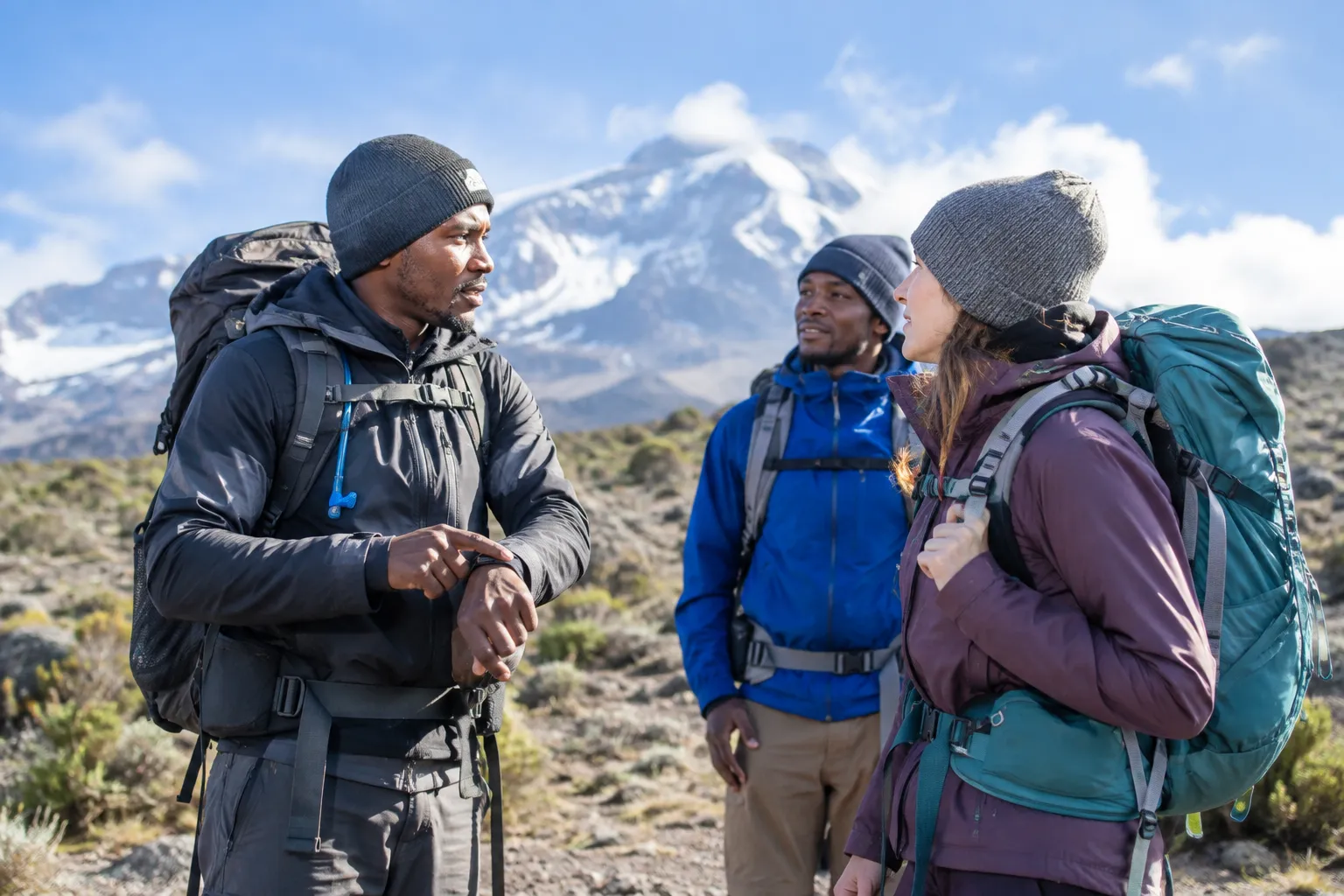
If you feel unwell, communicate honestly with your guide.
Feeling Tired Is Not the Same as Hiding Illness
Some fatigue is expected after several days of trekking.
However, significant or worsening symptoms should be reported.
Fitness Does Not Guarantee Altitude Tolerance
Even very fit women may feel the effects of high altitude.
Do Not Compare Symptoms
Another woman may feel excellent while you feel tired.
That comparison is not useful.
Karanga to Barafu During Your Period
Menstruation does not automatically prevent you from continuing to Barafu.
Prepare your hygiene system carefully.
Keep Menstrual Supplies Accessible
Your daypack should contain what you may need during the trekking day and summit attempt.
Do Not Place Everything in Main Luggage
Anything you may need while walking should remain accessible.
Choose Practical Summit Clothing
Several layers can make toilet management more complicated.
Test your clothing system before the climb.
Women With Heavy Periods
If you have known anemia, iron deficiency, unusually heavy bleeding, or significant fatigue, discuss high-altitude trekking with a healthcare professional before travel.
Perimenopause at High Camp
Some women experience changing temperature comfort, sleep patterns, or energy during perimenopause.
A flexible clothing system can make temperature management easier.
Women Over 40
Women over 40 can complete the Karanga-to-Barafu stage depending on individual fitness, health, and preparation.
Women Over 50
Age alone does not determine whether Barafu is manageable.
Endurance, recovery, mobility, and individual health matter more.
Women Over 60
Women over 60 can also attempt the 7-day Machame Route when their health and physical preparation are appropriate.
Do Not Compare Age Within the Group
A well-prepared woman in her 50s may feel stronger than an unprepared woman in her 20s.
The Importance of Training Before Barafu
By the time you reach Barafu, training has already done its job.
You are no longer building fitness.
You are using the fitness you brought with you.
Useful Training Before Tanzania
- Long hikes.
- Hill walking.
- Stair training.
- Strength training.
- Back-to-back hiking.
- Downhill practice.
Why Back-to-Back Hiking Matters
Karanga to Barafu comes after several previous trekking days.
Your body needs to be comfortable working while carrying some accumulated fatigue.
Do Not Overtrain Immediately Before Travel
Your final preparation should allow recovery before the climb rather than leaving you exhausted.
Karanga to Barafu Is Not Technical
You do not need technical mountaineering skills for the standard Machame Route stage.
The challenge is primarily trekking at increasing elevation.
Why It Can Still Feel Difficult
Non-technical does not mean easy.
Altitude, cold, accumulated fatigue, and anticipation of summit night all contribute.
Weather at High Camp
Conditions can change and may feel cold or windy.
Keep appropriate outer layers accessible.
Protect Summit Clothing From Moisture
Warm layers, gloves, and summit socks should remain dry.
Use Waterproof Inner Storage
Important summit items can be protected inside waterproof bags.
Do Not Let an Earlier Rainy Day Ruin Summit Gear
Protect critical clothing throughout the entire trek, not only once you reach Barafu.
Your Summit-Night Checklist at Barafu
| Item | What to Check |
|---|---|
| Base layers | Dry and ready |
| Warm jacket | Fits comfortably with other layers |
| Outer shell | Ready for wind and weather protection |
| Summit socks | Dry and already tested with boots |
| Boots | Ready and comfortable |
| Gloves | Dry and compatible with trekking poles |
| Headlamp | Working with reliable battery power |
| Trekking poles | Adjusted and secure |
| Water | Organized for summit night |
| Snacks | Accessible and familiar |
| Sunglasses | Packed for after sunrise |
| Medication | Accessible if needed |
Final Mental Checklist
- I do not need to race.
- I only need to focus on the next stage.
- I will communicate honestly if I feel unwell.
- I will follow the guide’s pace.
- I have already tested my gear.
- I do not need to compare myself with anyone else.
What Happens After Barafu?
The next major phase is the summit attempt.
Climbers move upward toward Stella Point and continue toward Uhuru Peak.
Why Stella Point Matters
Stella Point is the crater-rim point normally reached by Machame climbers before continuing toward Uhuru Peak.
Uhuru Peak Is Still Beyond Stella
Reaching Stella Point is a major achievement, but there is still additional walking toward the summit.
The Descent Comes After the Summit
Do not spend every bit of energy imagining that reaching Uhuru Peak ends the physical work immediately.
You still need to descend.
Why Karanga-to-Barafu Preparation Helps the Descent Too
Conserving energy before summit night can help you manage the long day that continues after the summit.
Can Solo Female Travelers Handle This Stage?
Yes.
Solo female travelers can join scheduled WomenClimbKili departures without arriving with their own climbing partner.
Maximum Group Size
Scheduled WomenClimbKili groups have a maximum of 12 women.
Does a Women-Only Group Change Barafu?
No.
The altitude and mountain conditions remain the same.
The difference is that the guest group shares the journey as a women-only climbing group.
Frequently Asked Questions
Is Karanga to Barafu difficult for women?
It can feel demanding because of altitude and accumulated fatigue, but it is a trekking stage rather than technical climbing.
Why is Barafu important?
Barafu is the high camp from which climbers prepare for the final summit attempt toward Stella Point and Uhuru Peak.
Should I walk fast from Karanga to Barafu?
No. Conserve energy and follow the slow, controlled pace set by your guides.
What should I do when I arrive at Barafu?
Rest, eat, drink appropriately, prepare your summit clothing, organize your daypack, check your headlamp and trekking poles, and keep important equipment dry.
What should women wear on summit night?
Use a tested layering system with thermal base layers, warm insulation, outer weather protection, warm socks, gloves, head protection and appropriate hiking boots.
What if I cannot sleep at Barafu?
Do not panic. Excitement, altitude and the unusual schedule can affect sleep. Rest quietly and follow your guide’s instructions.
Should I eat before summit night?
Your body needs energy for the summit attempt, even if altitude reduces your appetite. Eat what you can comfortably manage and use familiar snacks during the climb.
Can I summit during my period?
Menstruation does not automatically prevent a summit attempt. Prepare your hygiene system and consider your own symptoms and medical needs.
Does reaching Barafu mean I will definitely summit?
No. Reaching high camp is an important milestone, but altitude response, health, weather and other factors can still affect the final summit attempt.
Karanga to Barafu Is About Saving Energy for What Comes Next
Reaching Barafu can feel exciting because Uhuru Peak is finally close.
But this is exactly when patience matters most.
Do not race the final approach. Do not waste energy worrying about every hour of summit night. Do not begin experimenting with unfamiliar equipment.
Walk slowly. Arrive organized. Eat. Drink appropriately. Prepare your summit layers. Check your headlamp. Keep your gloves and socks dry. Rest when you can.
Then, when it is time to begin the summit attempt, focus on one step at a time toward Stella Point and eventually Uhuru Peak.
Explore our WomenClimbKili scheduled departures or view the complete Women-Only 7-Day Machame Route Kilimanjaro Package .
Share:

Social Media
Most Popular
Machame Route Pacing for Women | How Slow Should You Walk?
Machame Route Terrain for Women | Trail & Walking Conditions Guide
Machame Route Camps for Women | What to Expect Each Night
Kilimanjaro Descent for Women | What to Expect After Summit
Book Your Sustainable Tour
Related Posts
Machame Route Pacing for Women | How Slow Should You Walk?
Machame Route Pacing for Women: How Slow Should You Walk? Understanding Machame Route pacing for women can be just as important as building fitness before
Machame Route Terrain for Women | Trail & Walking Conditions Guide
Machame Route Terrain for Women: What the Trail Is Really Like Understanding the Machame Route terrain for women can help you train more intelligently and
Machame Route Camps for Women | What to Expect Each Night
Machame Route Camps for Women: What to Expect Each Night Understanding the Machame Route camps for women can make the idea of spending several nights
Kilimanjaro Descent for Women | What to Expect After Summit
Kilimanjaro Descent for Women: What to Expect After the Summit The Kilimanjaro descent for women is one of the most underestimated parts of the entire