Kilimanjaro Altitude Preparation for Women: What to Know Before You Climb
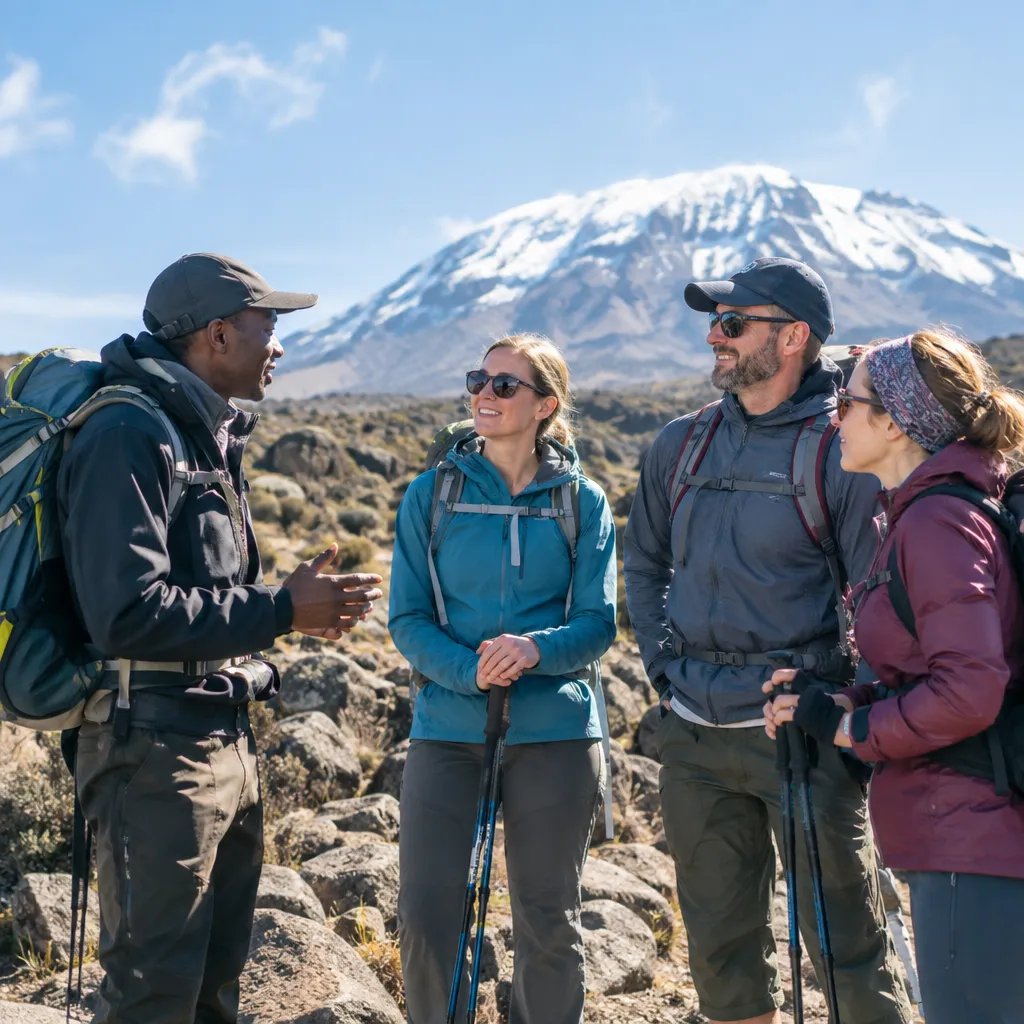
Good Kilimanjaro altitude preparation for women is one of the most important parts of getting ready for Africa’s highest mountain. Fitness matters, but Kilimanjaro is not simply a test of how strong or athletic you are.
The summit of Mount Kilimanjaro, Uhuru Peak, stands at 5,895 metres above sea level. As you climb higher, your body has to adjust to lower oxygen availability.
This is why acclimatization, pacing, honest communication with your guides, and choosing an appropriate itinerary matter so much.
For women joining a WomenClimbKili departure, understanding altitude before arriving in Tanzania can make the mountain feel much less mysterious.
What Does High Altitude Mean on Kilimanjaro?
As elevation increases, atmospheric pressure decreases. This means your body receives less oxygen with each breath than it would at sea level.
Your body responds by trying to adapt.
This process is called acclimatization.
On Kilimanjaro, the goal is not to avoid altitude completely. That is impossible. The goal is to give your body enough time to adjust as you climb.
Does Altitude Affect Women Differently?
Altitude response varies greatly from person to person.
You should not assume that being female, male, young, older, extremely fit, or very experienced automatically predicts how your body will respond.
A highly athletic person can experience altitude problems, while someone with more moderate fitness may acclimatize well.
Individual response matters more than trying to compare yourself with another climber.
Fitness Does Not Make You Immune to Altitude
One of the biggest mistakes climbers make is assuming that excellent fitness means altitude will not affect them.
Fitness is extremely useful because Kilimanjaro involves several days of hiking.
However, being able to run long distances or complete difficult gym sessions does not guarantee that your body will acclimatize quickly.
This is why very fit women still need to walk slowly and follow the same altitude precautions as everyone else.
Why Route Length Matters
The amount of time you spend ascending Kilimanjaro affects how much opportunity your body has to acclimatize.
WomenClimbKili scheduled groups use the 7-day Machame Route.
The seven-day itinerary provides more acclimatization time than shorter Machame programs.
This is one reason we use the 7-day itinerary for our scheduled women-only groups.
You can see the complete route on our Women-Only Machame Route Kilimanjaro Package .
The “Climb High, Sleep Low” Principle
One useful acclimatization principle is often described as “climb high, sleep low.”
This means reaching a higher altitude during the day and then descending to sleep at a lower elevation.
The Machame Route includes an important example of this when climbers trek toward Lava Tower and then descend to Barranco Camp.
This exposes the body to higher elevation while allowing recovery at a lower sleeping altitude.
Why Walking Slowly Is So Important
On Kilimanjaro you will often hear the phrase “pole pole”.
In Swahili, this means “slowly, slowly.”
It is one of the most important principles on the mountain.
Moving slowly helps:
- Conserve energy.
- Reduce unnecessary physical stress.
- Maintain a steady breathing rhythm.
- Give your body more time to adapt to increasing altitude.
Kilimanjaro is not a race.
Do Not Try to Keep Up With the Fastest Woman
Group members will naturally have different walking speeds.
Someone may be younger, train more frequently, or have more hiking experience.
That does not mean you should force yourself to match her normal pace.
At altitude, a controlled pace is more important than proving how quickly you can walk.
Common Early Altitude Symptoms
Some climbers experience mild symptoms as they gain elevation.
These can include:
- Headache.
- Reduced appetite.
- Fatigue.
- Difficulty sleeping.
- Light dizziness.
- Nausea.
Any symptoms should be reported to your guide rather than hidden.
Why You Should Never Hide Symptoms
Some climbers worry that admitting they have a headache or feel unwell will automatically end their summit attempt.
That mindset can be dangerous.
Your guides need accurate information to understand how you are responding to altitude.
Being honest gives the mountain team a better opportunity to monitor changes and make responsible decisions.
Daily Health Monitoring on the Mountain
During our Kilimanjaro climbs, guides monitor participants throughout the trek.
Our mountain safety equipment includes:
- A pulse oximeter for daily health monitoring.
- Emergency oxygen.
- A first-aid kit.
A pulse oximeter provides additional information, but guides also pay attention to how you feel, how you are walking, how you communicate, and whether symptoms are changing.
What Happens if Altitude Symptoms Become Serious?
The safest treatment for serious altitude problems is descent.
If your guide determines that continuing upward is unsafe, you may need to descend.
Your health always takes priority over reaching Uhuru Peak.
Can Emergency Oxygen Be Used?
Emergency oxygen is carried as part of our mountain safety equipment.
It is intended for emergency support when required under the guidance of the mountain team.
It should not be viewed as a way to ignore serious altitude problems and simply continue climbing.
Hydration and Altitude
Drinking regularly is an important part of high-altitude trekking.
You may lose fluids through breathing, sweating, and physical activity without always realizing how much water you are losing.
Make drinking water part of your normal hiking routine rather than waiting until you feel extremely thirsty.
Do Not Force Excessive Water
Hydration is important, but more is not always better.
Drink regularly according to your needs and the guidance you receive on the mountain rather than forcing extreme amounts of water.
The goal is sensible hydration.
Eating at Altitude
Some climbers notice reduced appetite at higher elevations.
However, your body still needs energy for several hours of hiking each day.
Try to eat regularly even when your appetite is lower than normal.
Meals are provided during the mountain trek, and dietary requirements should be communicated before travel.
Sleep Can Change at Higher Altitude
Some climbers sleep differently as they move higher.
You may wake more frequently or feel that your sleep is lighter than normal.
Do not assume that one imperfect night automatically means something is seriously wrong.
However, unusual symptoms should still be communicated to your guide.
Can You Train for Altitude at Home?
Most women cannot fully reproduce Kilimanjaro altitude during normal training at home.
Your training should therefore focus primarily on the physical demands you can control:
- Walking endurance.
- Hill fitness.
- Leg strength.
- Core strength.
- Back-to-back hiking days.
- Comfort carrying your daypack.
Good fitness will not eliminate altitude risk, but it helps reduce the amount of physical stress your body faces while hiking.
Should You Arrive in Tanzania Early?
The WomenClimbKili climb-only program already includes two hotel nights in Moshi before the mountain.
These nights allow you to recover from international travel, attend your briefing, complete gear inspection, and prepare for the trek.
They should not be confused with mountain acclimatization, because Moshi is far below Kilimanjaro’s summit elevations, but they provide useful recovery time after your flight.
Avoid Arriving Exhausted
A long international flight can affect sleep and energy.
Arriving with enough time before the mountain allows you to rest rather than moving directly from an airport into a seven-day trek.
Use your pre-climb time to hydrate, eat properly, organize equipment, and sleep.
Alcohol Before and During High-Altitude Travel
Your goal before the climb should be to arrive hydrated, rested, and physically ready.
Heavy alcohol consumption can interfere with sleep, hydration, and recovery, so it is sensible to avoid anything that makes preparation more difficult.
Medication and Altitude
If you take prescription medication or are considering medication specifically related to altitude, discuss this with an appropriate healthcare professional before your trip.
Do not rely on another climber’s medication advice simply because something worked for her.
Medical decisions should reflect your own health history.
Women Taking Regular Medication
If you take regular medication, bring enough for your entire Tanzania trip.
Keep essential medication accessible and make sure you understand any storage requirements.
Relevant medical information should also be disclosed through the required medical information process.
Does Your Period Affect Altitude Acclimatization?
Having your period does not automatically prevent you from climbing Kilimanjaro.
However, menstrual symptoms vary considerably between women.
If you normally experience significant pain, fatigue, heavy bleeding, or other symptoms that affect physical activity, plan for how you will manage them during the trek and discuss any medical concerns with a healthcare professional.
What About Perimenopause and Menopause?
Women experiencing perimenopause or menopause may have individual concerns around sleep, temperature regulation, fatigue, or medication.
There is no single altitude rule that applies to every woman.
If symptoms or medication affect your exercise tolerance or health, seek personalized medical advice before traveling.
Altitude and Women Over 40, 50 or 60
Age alone does not predict altitude response.
Women in their forties, fifties, sixties, and beyond should focus on their individual health, fitness, medical circumstances, and preparation.
Anyone with significant health concerns should discuss the planned high-altitude trek with an appropriate medical professional.
How Summit Night Changes the Altitude Challenge
Summit night is when climbers reach the highest elevations of the journey.
You begin from Barafu Camp during the night and climb toward Stella Point before continuing toward Uhuru Peak.
At this stage, climbers are dealing with:
- Very high altitude.
- Cold temperatures.
- Darkness.
- Physical fatigue.
- Several previous trekking days.
This is why conserving energy during the earlier days is so important.
Do Not Exhaust Yourself Before Summit Night
You do not need to prove your fitness by walking aggressively during the first days.
Use the pace set by your guides and save energy for the higher stages of the mountain.
A successful Kilimanjaro strategy is usually patient rather than aggressive.
Cold and Altitude Together
Cold temperatures can make summit night feel even more difficult.
Your clothing system should allow you to add and remove layers as conditions change.
Important summit clothing includes:
- Warm base layers.
- Insulating mid-layers.
- An insulated jacket.
- Waterproof and wind-resistant outer layers.
- Warm gloves.
- A warm hat.
- Suitable hiking socks.
Mental Preparation for High Altitude
Altitude preparation is not only physical.
Long, slow hiking can require patience.
Instead of focusing constantly on Uhuru Peak, concentrate on:
- The next section of trail.
- The next rest break.
- Your breathing.
- Your hydration.
- Your next meal.
- The next camp.
Breaking the journey into smaller steps can make the challenge feel much more manageable.
Why Group Support Helps
Altitude affects each person individually, but you are still part of a team.
WomenClimbKili participants share several days of hiking, camp life, meals, and summit preparation.
Encouragement from other climbers can help during difficult moments, even though each participant still needs to listen to her own body.
Do Not Ignore Your Own Symptoms Because the Group Is Continuing
Group motivation is valuable, but it should never pressure you to hide symptoms.
If other women feel strong and you do not, tell your guide.
Altitude does not affect everyone at exactly the same time or in the same way.
Travel Insurance and High Altitude
Every participant should have suitable travel insurance for Kilimanjaro.
Your policy should specifically cover trekking to Kilimanjaro’s altitude and emergency evacuation.
Do not assume a standard travel policy automatically includes high-altitude trekking.
What Should You Ask Your Insurance Provider?
Before purchasing a policy, check:
- The maximum trekking altitude covered.
- Emergency evacuation coverage.
- Medical treatment coverage.
- Any age restrictions.
- Any exclusions related to pre-existing medical conditions.
What Can You Control Before the Climb?
You cannot fully control how your body responds to altitude.
You can control many parts of your preparation:
- Choose a sensible route length.
- Train consistently.
- Arrive rested.
- Use suitable equipment.
- Stay hydrated.
- Eat regularly.
- Walk slowly.
- Communicate symptoms honestly.
- Follow guide instructions.
- Carry suitable travel insurance.
What You Cannot Control
No amount of preparation can guarantee a summit.
You cannot completely control:
- Your individual altitude response.
- Weather.
- Some unexpected health problems.
- Every condition on summit night.
Responsible climbing means understanding this uncertainty rather than pretending it does not exist.
Can Solo Women Manage the Altitude Challenge?
Yes. Being a solo traveler does not mean managing Kilimanjaro altitude by yourself.
Solo female travelers can reserve one place on a WomenClimbKili scheduled departure and climb with the group and professional mountain team.
The mountain guides remain responsible for monitoring and managing the expedition whether you arrived in Tanzania alone or with friends.
What Is the Maximum Group Size?
WomenClimbKili scheduled departures are limited to a maximum of 12 women.
This creates a relatively small group environment during the 7-day trek.
When Are the Women-Only Departures?
WomenClimbKili operates scheduled departures during selected periods including:
- March.
- July.
- August.
- September.
- December for the New Year period.
See the current schedule on our WomenClimbKili departure page .
Can You Add Safari After the High-Altitude Trek?
Yes.
Women can continue with a 4-day safari after Kilimanjaro visiting:
- Serengeti National Park.
- Ngorongoro Crater.
- Tarangire National Park.
This provides a very different experience after the physical demands of the mountain.
Frequently Asked Questions
Can women prepare for Kilimanjaro altitude before traveling?
You can improve your physical preparation, choose an appropriate itinerary, arrive rested, and learn good high-altitude habits. However, you cannot guarantee exactly how your body will respond to altitude.
Does being very fit prevent altitude sickness?
No. Excellent fitness helps with hiking but does not make a climber immune to altitude illness.
Is a 7-day Machame Route better than a shorter route for acclimatization?
The 7-day Machame itinerary gives climbers more time to acclimatize than shorter Machame programs.
What should I do if I develop a headache?
Tell your guide. Any altitude-related symptoms should be communicated honestly so the mountain team can monitor you appropriately.
Can I keep climbing if I have altitude symptoms?
That depends on the symptoms and the assessment of the mountain team. If continuing upward becomes unsafe, descent may be necessary.
Does emergency oxygen mean I can continue to the summit?
Not necessarily. Emergency oxygen is a safety resource, not a guarantee that someone with serious altitude problems should continue ascending.
Can women over 50 or 60 acclimatize to Kilimanjaro?
Age alone does not determine acclimatization. Individual health, preparation, medical circumstances, and altitude response are more important.
Prepare for Altitude With Respect, Not Fear
Altitude is one of the reasons Kilimanjaro should be taken seriously, but it does not need to make the entire experience frightening.
Choose an appropriate itinerary, train well, walk slowly, stay hydrated, eat regularly, listen to your guides, and communicate honestly about how you feel.
The mountain cannot promise anyone a summit, but good preparation gives you a stronger foundation for experiencing Kilimanjaro responsibly.
Explore our WomenClimbKili scheduled departures or see the full 7-Day Women-Only Machame Route Package .
Share:
Social Media
Most Popular
Kilimanjaro Cold Weather Preparation for Women | Stay Warm
Kilimanjaro Medical Preparation for Women | Health Checklist
Kilimanjaro Hydration & Nutrition for Women | Practical Guide
Kilimanjaro Travel Insurance for Women | What Coverage You Need
Book Your Sustainable Tour
Related Posts
Kilimanjaro Cold Weather Preparation for Women | Stay Warm
Kilimanjaro Cold Weather Preparation for Women: How to Stay Warm Good Kilimanjaro cold weather preparation for women is essential because temperatures change dramatically as you
Kilimanjaro Medical Preparation for Women | Health Checklist
Kilimanjaro Medical Preparation for Women: A Pre-Climb Health Checklist Good Kilimanjaro medical preparation for women starts long before you arrive in Tanzania. Kilimanjaro is a
Kilimanjaro Hydration & Nutrition for Women | Practical Guide
Kilimanjaro Hydration and Nutrition for Women: A Practical Guide Good Kilimanjaro hydration and nutrition for women can make a major difference to how you feel
Kilimanjaro Travel Insurance for Women | What Coverage You Need
Kilimanjaro Travel Insurance for Women: What Coverage Do You Need? Choosing suitable Kilimanjaro travel insurance for women is an important part of preparing for a