When Is Final Payment Due for a Kilimanjaro Trip? WomenClimbKili Payment Guide
Booking Kilimanjaro usually begins with a deposit, but that is only the first financial step in your trip.
If you are planning a WomenClimbKili departure, it is important to understand your Kilimanjaro final payment deadline, how much remains after your deposit, and how to plan the balance alongside flights, insurance and trekking preparation.
For standard Eco-Africa Climbing bookings, the final balance is due 60 days before arrival.
That means you should not think of the deposit as the complete payment. Instead, use the months before the trip to prepare both physically and financially.
How Does the WomenClimbKili Payment Process Work?
The basic process is straightforward.
- Choose your WomenClimbKili departure.
- Choose climb only or climb plus safari.
- Pay the applicable deposit.
- Prepare for the trip and organize the remaining balance.
- Pay the final balance no later than 60 days before arrival.
Keeping these stages separate makes it easier to budget for a major international adventure without confusing the deposit with the full trip price.
What Is the WomenClimbKili Climb-Only Price?
The scheduled climb-only package costs:
US $2,950 per lady
The deposit is:
US $300 per lady
After a US $300 deposit, the remaining package balance is:
US $2,650 per lady
That remaining amount should be planned well before the final payment deadline rather than treated as a last-minute expense.
What Does the Climb-Only Trip Include in Terms of Time?
The WomenClimbKili climb-only trip is planned as an 11-day Tanzania journey.
It combines:
- 7 days trekking on the Machame Route.
- 2 hotel nights before the climb.
- 2 hotel nights after the climb.
This is important when calculating your payment deadline because the 60-day period should be based on your arrival for the complete trip, not simply the first mountain trekking day.
What If You Book Kilimanjaro Plus Safari?
Women who want a fuller Tanzania experience can add a 4-day safari after Kilimanjaro.
The safari visits:
- Tarangire National Park.
- Serengeti National Park.
- Ngorongoro Crater.
The combined climb-and-safari package costs:
US $5,350 per lady
The combined deposit is:
US $1,605 per lady
After that deposit, the remaining package balance is:
US $3,745 per lady
The combined trip is planned as a 15-day Tanzania journey.
WomenClimbKili Balance at a Glance
| Booking Option | Total Price | Deposit | Remaining Package Balance |
|---|---|---|---|
| Climb Only | US $2,950 | US $300 | US $2,650 |
| Climb + Safari | US $5,350 | US $1,605 | US $3,745 |
These calculations refer to the stated package prices and deposits. Your wider personal travel budget may still include items such as flights, insurance and personal trekking equipment.
When Is the Final Balance Due?
The standard final payment deadline is 60 days before arrival.
This means that once you know your arrival date, you should work backward by 60 days and make sure your package balance is settled by that point.
Do not wait until you are boarding your flight or arriving in Tanzania to think about the outstanding balance.
Example: March 2027 WomenClimbKili Departure
The scheduled March 2027 trip begins on 1st March 2027.
Because final payment is due 60 days before arrival, women joining this departure should organize their balance well before the trip begins.
Rather than depending on memory, put the final payment deadline into your personal calendar as soon as your booking is confirmed.
Why Paying on Time Matters
A Kilimanjaro trip involves arrangements that need to be organized before your arrival.
From the traveler’s perspective, paying the balance on time also gives you one less major task to worry about during the final weeks before departure.
The last part of your preparation should ideally focus on:
- Final training.
- Checking equipment.
- Travel documents.
- Flights.
- Insurance.
- Packing.
You do not want a forgotten trip balance becoming another last-minute problem.
Can You Pay Earlier Than 60 Days Before Arrival?
The 60-day mark is the final-balance deadline, not a requirement to wait until that exact day before paying.
Some travelers prefer to settle their balance earlier so that the major trip cost is already taken care of.
What matters is ensuring the required balance is completed by the deadline associated with your booking.
How Can You Pay?
WomenClimbKili payments can be made by:
- Bank transfer.
- Credit card.
Before paying a balance, confirm:
- Your name.
- Your departure dates.
- Your package type.
- The amount already paid.
- The remaining amount due.
Keep Your Payment Records Organized
When planning an international trip months in advance, it is easy to forget exactly what has already been paid.
Keep your:
- Quotation.
- Booking confirmation.
- Deposit payment record.
- Balance payment record.
together in one folder or email label.
This makes it easier to check your booking later without trying to reconstruct everything from old messages.
Do Not Confuse Package Balance With Your Full Travel Budget
Paying your WomenClimbKili balance does not necessarily mean every cost connected with your Tanzania holiday has been paid.
Depending on your personal arrangements, you may still be budgeting separately for:
- International flights.
- Travel insurance.
- Trekking equipment.
- Personal spending.
- Independent travel outside the package.
The package balance and your personal overall travel budget are two different things.
A Better Way to Budget: Work Backward From the Deadline
If your remaining climb-only balance is US $2,650, do not wait until the final payment month to decide how you will fund it.
Instead, calculate how many months you have between booking and the 60-day deadline.
Then create your own savings plan based on that timeline.
The same principle applies to the US $3,745 remaining balance for the combined climb-and-safari package.
The earlier you know the number, the easier it is to plan around it.
Do Not Forget Your International Flight Budget
Women traveling from the USA, Canada, UK, Europe, Australia, Japan, China or other long-haul destinations may have significant flight costs in addition to the package.
Avoid spending your entire travel budget on the Kilimanjaro balance while forgetting the cost of actually reaching Tanzania.
A complete budget should show the major expenses separately.
Simple Kilimanjaro Payment Planning Table
| Financial Step | What to Do |
|---|---|
| Choose Package | Decide climb only or climb + safari |
| Confirm Price | Know the complete package total |
| Pay Deposit | Pay the applicable booking deposit |
| Calculate Balance | Subtract your confirmed deposit from the package total |
| Mark Deadline | Final balance due 60 days before arrival |
| Plan Other Costs | Keep flights, insurance, gear and personal spending separate |
What If You Are Booking Close to the Departure Date?
If you are considering a trip within the normal final-payment window, do not assume that the standard deposit timeline will work in exactly the same way as a booking made far in advance.
Ask for the payment requirements for your specific booking before sending money.
The closer you are to departure, the more important it becomes to confirm the exact amount and deadline directly.
What About Private Kilimanjaro Dates?
Private climbs can be arranged throughout the year and there is no minimum group size.
However, you should request a specific private quotation instead of automatically applying the scheduled WomenClimbKili price to a private trip.
Once your private trip is quoted and confirmed, follow the payment information provided for that booking.
Can a Solo Woman Follow the Same Booking Process?
Yes.
Solo female travelers are welcome on scheduled WomenClimbKili departures.
You do not need another traveler before you can:
- Choose your departure.
- Pay your deposit.
- Prepare your remaining balance.
- Train for Kilimanjaro.
Common Final-Payment Mistakes
The most common mistake is assuming the deposit represents most of the trip price.
For climb only, a US $300 deposit still leaves a US $2,650 package balance.
Another mistake is forgetting the 60-day deadline until the final weeks before travel.
Travelers can also confuse the package balance with their entire travel budget and forget that flights, insurance or personal gear may still need to be paid separately.
Finally, private travelers should not automatically use scheduled group pricing without first receiving their specific quotation.
Frequently Asked Questions
When is the final Kilimanjaro payment due?
For standard Eco-Africa Climbing bookings, the final balance is due 60 days before arrival.
How much is the WomenClimbKili climb-only deposit?
The scheduled climb-only deposit is US $300 per lady.
How much remains after the climb-only deposit?
Based on the US $2,950 package price and US $300 deposit, the remaining package balance is US $2,650 per lady.
What is the climb-and-safari deposit?
The combined package deposit is US $1,605 per lady.
How much remains after the climb-and-safari deposit?
Based on the US $5,350 package price, the remaining package balance after a US $1,605 deposit is US $3,745 per lady.
How can I pay?
Payment can be made by bank transfer or credit card.
Can solo female travelers book and pay individually?
Yes. Solo female travelers are welcome on scheduled WomenClimbKili departures.
Plan the Balance as Early as You Plan the Climb
Kilimanjaro preparation is not only about hiking.
It is also about making sure the practical parts of your trip are organized before you travel.
Know your total package price.
Know what you have already paid.
Know the remaining balance.
And put the 60-day final payment deadline into your calendar early.
For the scheduled climb-only package, the current price is US $2,950 per lady, with a US $300 deposit.
For climb plus safari, the current package is US $5,350 per lady, with a US $1,605 deposit.
Once those numbers are clear, you can focus on training, packing and preparing for Tanzania instead of wondering what is still unpaid.
Explore the main
WomenClimbKili women-only Kilimanjaro departures
or view the complete
Women-Only 7-Day Machame Route Package
.
For more payment information, read
Women-Only Kilimanjaro Deposit & Payment Guide
and
Extra Costs for Women Climbing Kilimanjaro
.
For booking questions or confirmation of your remaining balance, contact Fredrick Wilbert – Travel Expert at
[email protected]
or WhatsApp +255 712 528 219.
Share:

Social Media
Most Popular
Final Checklist Before Booking Kilimanjaro | Women’s Guide
Are You Ready to Book Kilimanjaro? | Women’s Checklist
What Happens After Booking a Women-Only Kilimanjaro Climb?
Is Kilimanjaro Worth It for Solo Female Travelers?
Book Your Sustainable Tour
Related Posts
Final Checklist Before Booking Kilimanjaro | Women’s Guide
Final Checklist Before Booking Kilimanjaro for Women You have researched Kilimanjaro. You understand that it is a multi-day high-altitude trek, you have looked at the
Are You Ready to Book Kilimanjaro? | Women’s Checklist
Are You Ready to Book Kilimanjaro? A Practical Checklist for Women There is a point in Kilimanjaro planning when more research stops being the main
What Happens After Booking a Women-Only Kilimanjaro Climb?
What Happens After Booking a Women-Only Kilimanjaro Climb? Paying your deposit is an exciting moment, but it is not the end of planning your Kilimanjaro
Is Kilimanjaro Worth It for Solo Female Travelers?
Is Kilimanjaro Worth It for Solo Female Travelers? If you are considering traveling to Tanzania by yourself to climb Africa’s highest mountain, you may eventually
Kilimanjaro Afrika: Conquering the Roof of Africa
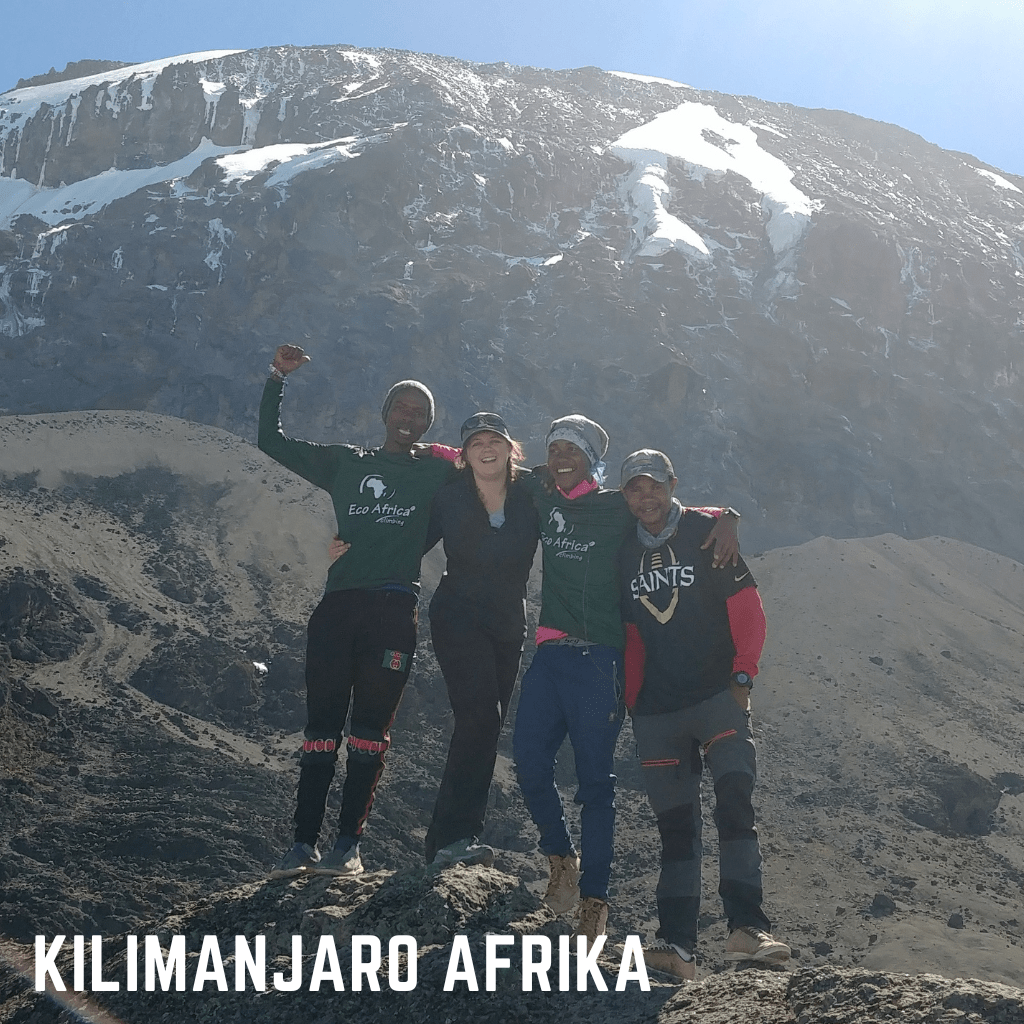
Have you ever dreamed of embarking on an awe-inspiring adventure? Are you ready to challenge yourself and explore the wonders of nature? Look no further than Kilimanjaro Afrika, the majestic mountain that stands tall as the highest peak in Africa. In this article, we will delve into the captivating world of Kilimanjaro Afrika, exploring its history, geography, climbing routes, and the extraordinary experiences that await those brave enough to venture to its summit.
Kilimanjaro Afrika: A Natural Wonder
Kilimanjaro Afrika is a breathtaking sight to behold, with its snow-capped peaks piercing the sky at an awe-inspiring altitude of 5,895 meters (19,341 feet). This dormant stratovolcano, located in northeastern Tanzania, is a UNESCO World Heritage Site and attracts adventurers from around the globe.
A Glimpse into Kilimanjaro Afrika’s History
The history of Kilimanjaro Afrika is deeply rooted in the cultural and spiritual beliefs of the local Chagga people. For centuries, they have revered this colossal mountain as a sacred place, imbued with mystical energy and folklore. It was first conquered by the German geographer Hans Meyer and Austrian mountaineer Ludwig Purtscheller in 1889, marking the beginning of a new era for Kilimanjaro Afrika.
The Climb: Choosing the Right Route
When embarking on the journey to Kilimanjaro Afrika’s summit, it is crucial to select the appropriate climbing route that aligns with your experience, fitness level, and desired adventure. There are seven established routes, each offering a unique perspective and varying levels of difficulty. Let’s explore a few of the most popular options:
Marangu Route: Known as the “Coca-Cola” route, it is the oldest and most well-established trail. Its gradual slopes make it suitable for novice climbers, but it is also the busiest route.
Machame Route: Often referred to as the “Whiskey” route, this path offers a more challenging and scenic trek through diverse landscapes, including dense forests and expansive moorlands.
Lemosho Route: Regarded as one of the most picturesque routes, the Lemosho path provides ample time for acclimatization and boasts stunning panoramic views.
Overcoming Challenges on the Mountain
Climbing Kilimanjaro Afrika is no small feat. It requires mental fortitude, physical stamina, and careful preparation. Here are a few key challenges you may encounter during your ascent:
Altitude Sickness:
As you ascend to higher elevations, the thinning air can lead to altitude sickness. Symptoms include headaches, nausea, and fatigue. Proper acclimatization and a slow climbing pace are crucial for minimizing the risk.
Unpredictable Weather: Kilimanjaro Afrika’s weather can be highly variable, ranging from scorching sun to freezing temperatures. It is essential to pack and dress accordingly, ensuring you have proper layers to adapt to changing conditions.
Physical Endurance: Climbing Kilimanjaro Afrika demands physical fitness and endurance. Regular exercise and training beforehand, focusing on cardiovascular activities and strength-building exercises, will better prepare you for the arduous journey ahead.
The Experience: Tales from the Summit
Unveiling the Beauty of Kilimanjaro Afrika
As you ascend Kilimanjaro Afrika, you will traverse a multitude of ecosystems and landscapes, each more awe-inspiring than the last. From lush rainforests teeming with life to barren alpine deserts, the diversity of this mountain will leave you in awe. The following are some highlights you can expect to encounter:
Rainforest Marvels:
At the beginning of your climb, you will venture through the enchanting rainforests of Kilimanjaro Afrika. Be prepared to witness an array of exotic flora and fauna, including towering trees, colorful bird species, and playful monkeys swinging through the canopy.
Alpine Desert Splendor: As you reach higher altitudes, the landscape dramatically changes, revealing vast stretches of otherworldly alpine desert. The stark beauty of the rocky terrain against the backdrop of snow-capped peaks creates an ethereal atmosphere unlike any other.
Kilimanjaro Afrika: A Life-Changing Journey
Climbing Kilimanjaro Afrika is not merely an expedition; it is a transformative experience that pushes your boundaries, tests your resilience, and instills a profound sense of accomplishment. Here are a few reasons why this adventure should be on every adventurer’s bucket list:
Kilimanjaro Afrika: A Test of Character: Conquering the Roof of Africa is an achievement that demands determination, perseverance, and mental strength. Pushing through the physical and mental challenges will unlock a newfound sense of self-belief and resilience.
Spectacular Sunrise at Uhuru Peak: The ultimate reward awaits you at Uhuru Peak, Kilimanjaro Afrika’s summit. As the first rays of sunlight break over the horizon, painting the sky with vivid hues, you will witness a sunrise unlike any other, forever etched in your memory.Camaraderie and Cultural Exchange: Climbing Kilimanjaro Afrika is a shared experience, often undertaken in groups. The camaraderie formed among fellow climbers from diverse backgrounds fosters lifelong friendships and provides an opportunity for cultural exchange.
Is climbing Kilimanjaro Afrika safe?
Answer: Climbing Kilimanjaro Afrika can be safe if you take the necessary precautions, such as choosing a reputable tour operator, allowing sufficient time for acclimatization, and following the guidance of experienced guides. However, it is essential to recognize the inherent risks associated with high-altitude climbing and adequately prepare yourself both physically and mentally.
How long does it take to climb Kilimanjaro Afrika?
Answer: The duration of the climb varies depending on the chosen route. On average, it takes between 6 to 9 days to reach the summit and descend. It is crucial to opt for a longer itinerary to allow for proper acclimatization, increasing your chances of a successful summit attempt.
Do I need prior climbing experience to climb Kilimanjaro Afrika?
Answer: While prior climbing experience is not mandatory, it is advisable to have a reasonable level of fitness and engage in physical training beforehand. Regular exercise, including cardiovascular activities and strength-building exercises, will prepare your body for the demands of the climb.
What is the best time to climb Kilimanjaro Afrika?
Answer: The best time to climb Kilimanjaro Afrika is during the dry seasons, which are typically from January to mid-March and June to October. These periods offer more stable weather conditions, reducing the chances of encountering heavy rainfall and cloud cover.
What should I pack for the Kilimanjaro Afrika climb?
Answer: Packing the right gear and clothing is crucial for a successful and comfortable climb. Some essential items include sturdy hiking boots, waterproof and breathable clothing layers, a warm sleeping bag, a headlamp, trekking poles, and high-altitude medication if recommended by your healthcare professional.
Can I climb Kilimanjaro Afrika solo?
Answer: It is possible to climb Kilimanjaro Afrika solo, but it is highly recommended to join a guided expedition for safety reasons. Experienced guides and porters will provide essential support, navigate the mountain’s challenges, and ensure your well-being throughout the climb.
Conclusion
Embarking on a journey to Kilimanjaro Afrika is an extraordinary adventure that combines natural beauty, physical challenge, and cultural immersion. From the lush rainforests to the barren alpine deserts, every step of the climb reveals the magnificence of this iconic mountain. As you conquer the Roof of Africa, you will discover inner strength, forge lifelong connections, and witness breathtaking sights that will stay with you forever. So, are you ready to rise to the challenge and make your mark on Kilimanjaro Afrika?
Share:
Social Media
Most Popular
Final Checklist Before Booking Kilimanjaro | Women’s Guide
Are You Ready to Book Kilimanjaro? | Women’s Checklist
What Happens After Booking a Women-Only Kilimanjaro Climb?
Is Kilimanjaro Worth It for Solo Female Travelers?
Book Your Sustainable Tour
Related Posts
Final Checklist Before Booking Kilimanjaro | Women’s Guide
Final Checklist Before Booking Kilimanjaro for Women You have researched Kilimanjaro. You understand that it is a multi-day high-altitude trek, you have looked at the
Are You Ready to Book Kilimanjaro? | Women’s Checklist
Are You Ready to Book Kilimanjaro? A Practical Checklist for Women There is a point in Kilimanjaro planning when more research stops being the main
What Happens After Booking a Women-Only Kilimanjaro Climb?
What Happens After Booking a Women-Only Kilimanjaro Climb? Paying your deposit is an exciting moment, but it is not the end of planning your Kilimanjaro
Is Kilimanjaro Worth It for Solo Female Travelers?
Is Kilimanjaro Worth It for Solo Female Travelers? If you are considering traveling to Tanzania by yourself to climb Africa’s highest mountain, you may eventually