Kilimanjaro for Women Over 50: Training, Safety and Preparation
Planning Kilimanjaro for women over 50 often raises questions about fitness, altitude, recovery, safety, and whether age itself should be a concern. The good news is that age alone does not determine whether someone can climb Mount Kilimanjaro.
For many women in their fifties, the more important factors are current health, fitness level, training consistency, route choice, acclimatization, recovery, and realistic preparation.
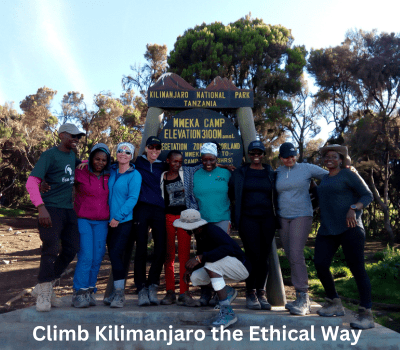
WomenClimbKili welcomes adult women from different age groups, including solo female travelers who want to join a supportive women-only Kilimanjaro group via the 7-day Machame Route.
Can Women Over 50 Climb Kilimanjaro?
Yes. Many women over 50 are physically capable of climbing Kilimanjaro when they prepare properly and are medically suitable for high-altitude trekking.
Being 50, 55, or older does not automatically make Kilimanjaro too difficult.
A physically active woman in her fifties who trains consistently may be better prepared than a much younger traveler who arrives without adequate preparation.
Age Is Only One Part of the Picture
Instead of focusing only on age, ask more useful questions:
- How active are you now?
- Can you walk for several hours comfortably?
- Can you train regularly before the trip?
- How well do your knees and joints handle hills?
- Do you recover well after long hiking days?
- Do you have any medical conditions that need professional assessment?
These factors tell you much more about Kilimanjaro readiness than age alone.
Why Women in Their 50s Can Do Very Well on Kilimanjaro
Kilimanjaro rewards patience and consistency more than speed.
Women in their fifties may bring useful strengths to the mountain, including:
- Patience.
- Realistic pacing.
- Better preparation habits.
- Strong personal motivation.
- Good decision-making.
- Mental resilience.
These qualities can be especially helpful during long trekking days and summit night.
The Main Challenge Is Altitude
Uhuru Peak stands at 5,895 metres above sea level.
Altitude affects people differently, and fitness does not guarantee that someone will avoid altitude sickness.
A very fit 30-year-old can struggle with altitude, while a well-prepared woman in her fifties may acclimatize more effectively.
This is why pacing, hydration, route length, nutrition, rest, and guide monitoring are so important.
Why the 7-Day Machame Route Is a Good Option
WomenClimbKili scheduled groups use the 7-day Machame Route.
The seven-day itinerary gives the body more time to adjust to altitude than shorter Machame options.
The route includes an important acclimatization day involving Lava Tower before descending to Barranco Camp.
No route can guarantee a summit, but allowing more time for acclimatization is an important part of responsible planning.
You can view the full itinerary on our
Women-Only Machame Route Kilimanjaro Package
.
How Fit Should a Woman Over 50 Be?
You do not need to be an elite athlete.
You should, however, be able to handle several hours of hiking on consecutive days.
Useful fitness qualities include:
- Cardiovascular endurance.
- Leg strength.
- Core strength.
- Balance.
- Joint stability.
- Comfort walking uphill.
- Comfort descending for long periods.
How Long Should Women Over 50 Train?
Many women benefit from at least 8 to 12 weeks of focused training.
If you are starting from a lower fitness base, several months of gradual preparation may be more appropriate.
The goal is steady progress rather than trying to transform your fitness in a few weeks.
Best Training for Women Over 50
A balanced training program can include:
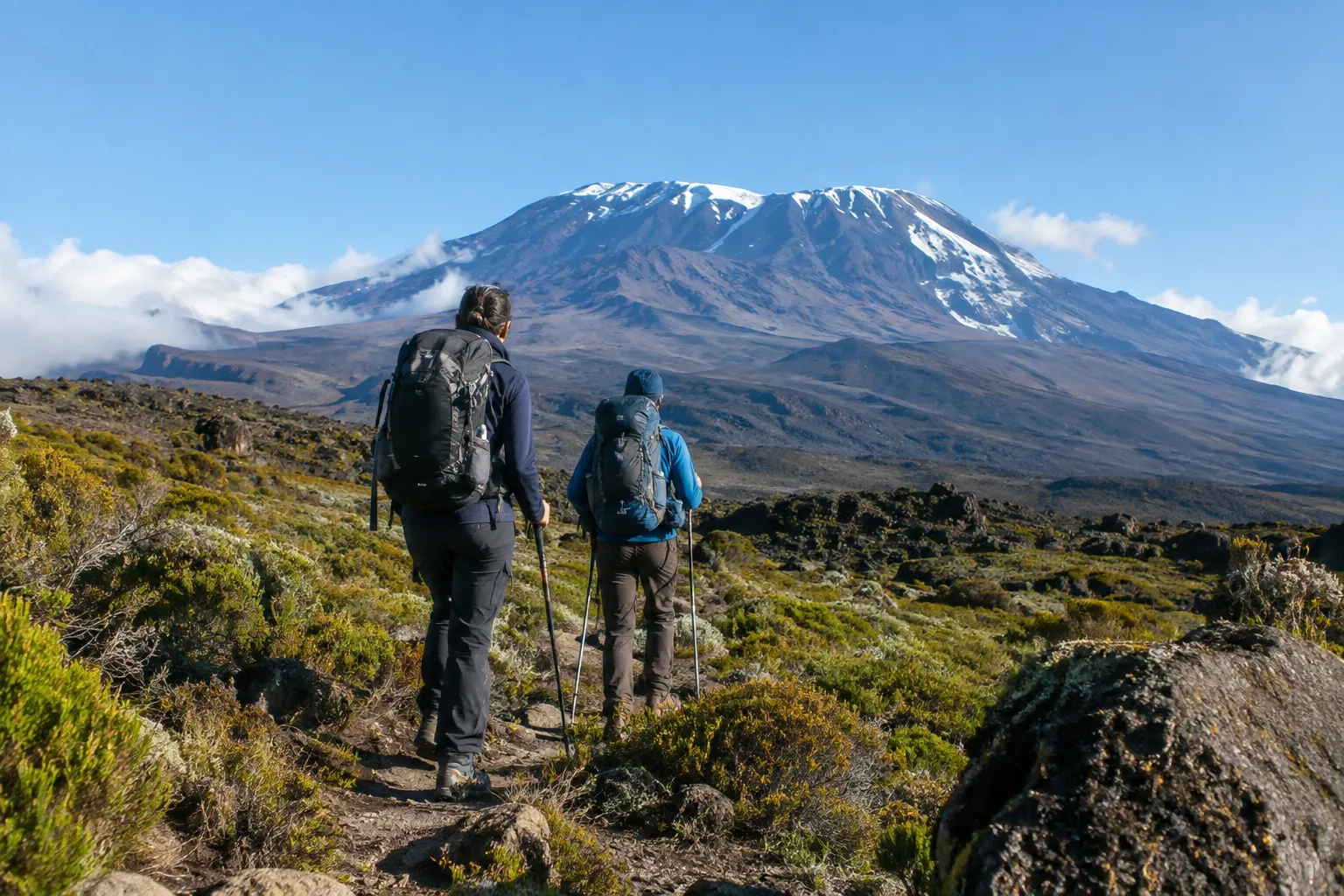
- Outdoor hiking.
- Long walks.
- Hill or stair training.
- Cardiovascular exercise.
- Strength training.
- Core work.
- Mobility exercises.
- Back-to-back hiking days.
Consistency is more important than extreme intensity.
Strength Training Is Especially Helpful
Strength training can help maintain muscle, support joints, improve stability, and make long hiking days easier.
Useful exercises may include:
- Squats.
- Lunges.
- Step-ups.
- Calf raises.
- Glute bridges.
- Deadlift variations.
- Planks.
You do not need to train like a competitive athlete. Functional strength is the goal.
Train for the Descent Too
Many climbers focus entirely on climbing uphill.
However, descending from Kilimanjaro can place significant stress on the knees and legs.
Practice downhill walking when possible and use trekking poles during training so you become comfortable with them before Tanzania.
Recovery Should Be Part of Your Training Plan
Recovery becomes increasingly important when your training load rises.
A sensible preparation plan should include:
- Training days.
- Easy activity days.
- Rest days.
- Good sleep.
- Balanced nutrition.
- Time to recover from longer hikes.
You want to arrive in Tanzania strong and healthy, not exhausted from overtraining.
Should Women Over 50 See a Doctor Before Kilimanjaro?
If you have any medical concerns, take regular medication, or have a history of heart, lung, metabolic, or other significant health conditions, discuss high-altitude trekking with an appropriate healthcare professional.
A medical professional who understands your personal history is better placed to advise you than any general online guide.
Relevant medical information should also be shared honestly with your mountain team.
Menopause and Kilimanjaro
Some women in their fifties may be experiencing menopause-related symptoms.
These can vary widely and may include changes in sleep, temperature regulation, energy, or recovery.
There is no one-size-fits-all approach.
If menopause symptoms or related medication affect your exercise or health, discuss your Kilimanjaro plans with an appropriate medical professional.
Do You Need Previous Mountain Experience?
No technical mountaineering experience is normally required for the standard Machame Route.
However, hiking experience can make the trip much easier because you are already familiar with long days outdoors, uneven trails, changing weather, and basic trekking routines.
What Is Summit Night Like for Women Over 50?
Summit night is demanding for climbers of every age.
The group begins during the night and climbs slowly toward Stella Point and Uhuru Peak.
You are dealing with:
- Cold temperatures.
- High altitude.
- Darkness.
- Fatigue.
- Reduced sleep.
- Several previous days of hiking.
A steady mindset and good endurance can be just as important as raw physical strength.
Do Not Try to Keep Up With Faster Climbers
Kilimanjaro is not a race.
Your mountain guide will encourage a slow and controlled pace.
The Swahili phrase “pole pole” means “slowly, slowly,” and it is one of the most important ideas on the mountain.
Your goal is to conserve energy and give your body time to adjust to altitude.
Why a Women-Only Group Can Be Appealing After 50
For many women in their fifties, coordinating a major trip with friends or family can be difficult.
People may have different work schedules, family responsibilities, budgets, or travel interests.
A scheduled women-only group means you do not have to wait for someone else.
You can reserve one place and meet other female travelers in Tanzania.
Can a Solo Woman Over 50 Join?
Yes.
Solo female travelers are welcome on WomenClimbKili scheduled departures.
You can travel to Tanzania independently and meet the other women in Moshi before the mountain trek begins.
Will the Group Include Only Women Over 50?
No.
WomenClimbKili groups are not divided by age.
Participants may come from different age groups, countries, professions, and backgrounds.
The shared experience is the Kilimanjaro journey itself.
What Is the Maximum Group Size?
Scheduled WomenClimbKili departures are limited to a maximum of 12 women.
This helps keep the group personal and gives participants the chance to know each other during the trek.
Safety Support on Kilimanjaro
Our mountain team carries:
- Emergency oxygen.
- A first-aid kit.
- A pulse oximeter for daily health monitoring.
Guides monitor climbers throughout the trek and pay attention to signs of altitude illness or other health problems.
If continuing upward becomes unsafe, descent may be necessary.
Travel Insurance for Women Over 50
Every Kilimanjaro participant should have suitable travel insurance.
The policy should cover high-altitude trekking to Kilimanjaro’s elevation and emergency evacuation.
Age limits and medical exclusions can differ between insurance providers, so read the policy carefully before purchasing.
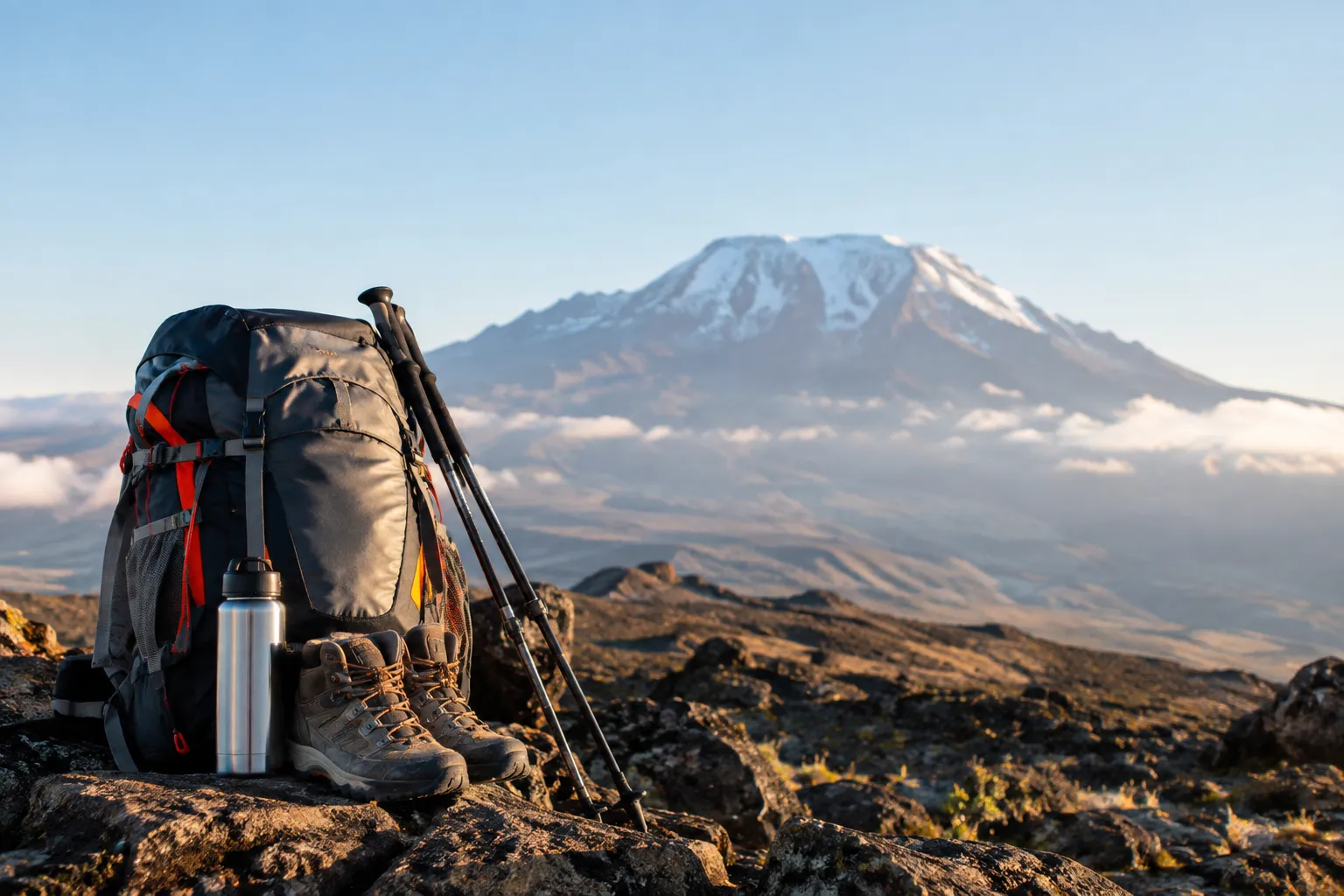
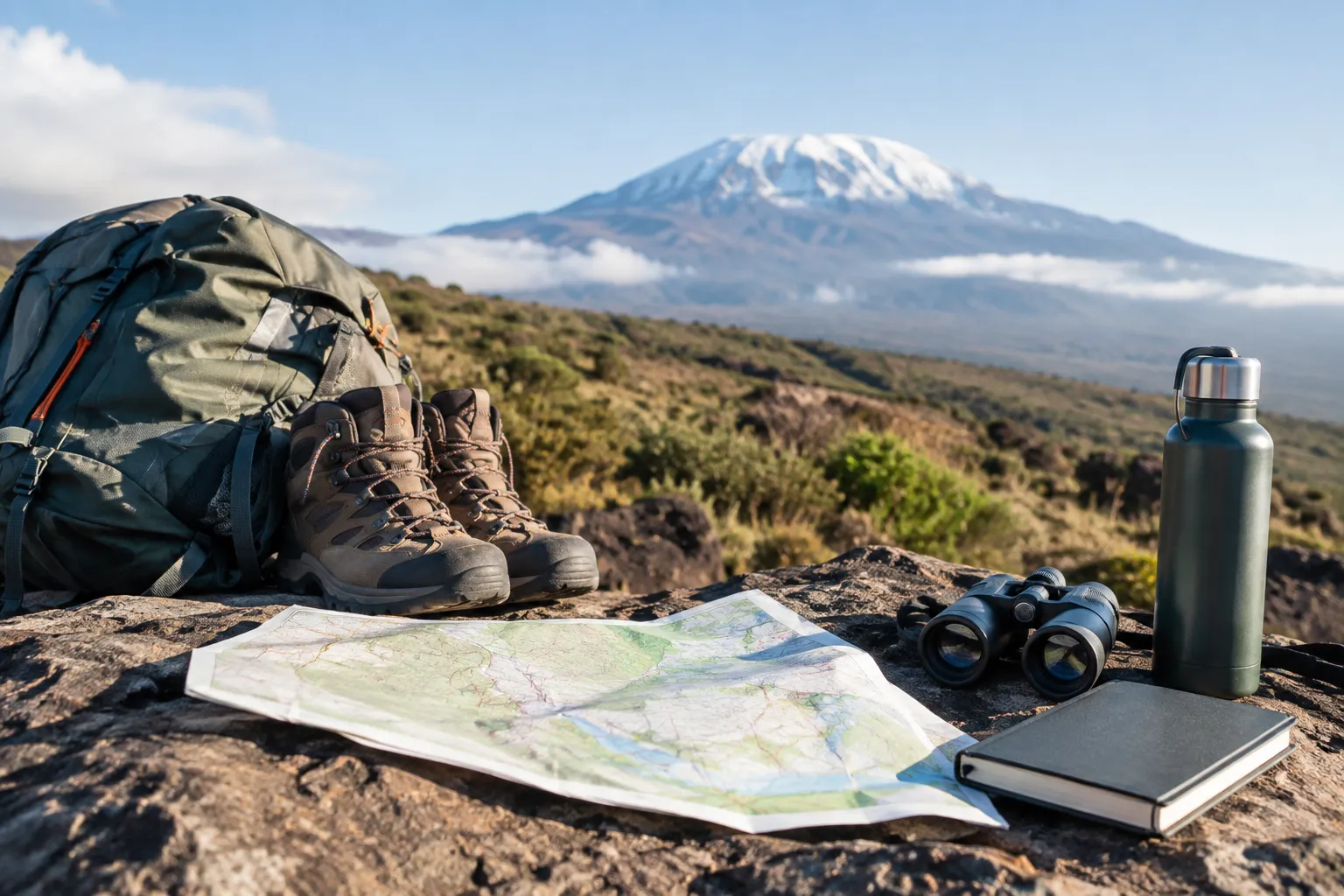
Pack for Comfort, Not Just Weight
Your equipment can have a major impact on how you feel during the trek.
Important items include:
- Well-tested hiking boots.
- Comfortable hiking socks.
- Base layers.
- Warm mid-layers.
- Insulated jacket.
- Waterproof jacket and trousers.
- Warm gloves.
- Warm hat.
- Headlamp.
- Trekking poles.
- Cold-weather sleeping bag.
- Personal medication.
- Personal hygiene products.
Trekking Poles Can Be Especially Useful
Trekking poles can improve balance and provide additional support on uneven terrain.
They can be particularly helpful during long descents when knees are tired.
If you plan to use trekking poles on Kilimanjaro, practice with them before the trip.
What About Toilets and Hygiene?
Our WomenClimbKili mountain setup includes a private toilet tent.
Women should also bring enough personal hygiene supplies for the entire trek, including any menstrual or menopause-related products they normally use.
Keep personal medication and essential hygiene items easy to access.
How Much Does the Women-Only Kilimanjaro Trip Cost?
The climb-only WomenClimbKili package costs US $2,950 per lady.
The 11-day package includes:
- 2 hotel nights before the mountain.
- 7 days trekking the Machame Route.
- 2 hotel nights after the climb.
A US $300 deposit per lady reserves the climb-only trip.
Can You Add Safari?
Yes.
Women can continue with a 4-day Tanzania safari to:
- Serengeti National Park.
- Ngorongoro Crater.
- Tarangire National Park.
The complete Kilimanjaro climb and safari package costs US $5,350 per lady.
After seven days of trekking, safari can provide a relaxing change of pace while allowing you to experience more of Tanzania.
When Can Women Over 50 Join?
WomenClimbKili scheduled departures are available during selected periods including:
- March for International Women’s Day.
- July.
- August.
- September.
- December for the New Year climb.
See the latest dates on our
WomenClimbKili departure page
.
What If You Prefer a Private Climb?
If scheduled group dates do not suit you, a private Kilimanjaro climb can be arranged.
There is no minimum group size for the private option, so one woman can request her own dates.
Frequently Asked Questions
Is 50 too old to climb Kilimanjaro?
No. Age alone does not determine suitability for Kilimanjaro. Health, fitness, training, acclimatization, and personal medical circumstances are more important.
Can a 55-year-old woman climb Kilimanjaro?
Yes, if she is physically prepared and medically suitable for high-altitude trekking.
Do women over 50 need technical climbing experience?
No. The standard Machame Route does not normally require technical mountaineering skills.
Should I train differently after 50?
Your training should reflect your current fitness, joint health, recovery, and medical circumstances rather than age alone. Strength, endurance, mobility, and sufficient recovery are all useful.
Can I join the group alone?
Yes. Solo female travelers can reserve one place on a scheduled WomenClimbKili departure.
Can I add a safari after Kilimanjaro?
Yes. A 4-day safari to Serengeti, Ngorongoro Crater, and Tarangire can be added after the climb.
Your Fifties Can Be an Excellent Time for Kilimanjaro
For many women, their fifties are a time when they become more confident about investing in experiences that matter to them.
If Kilimanjaro has been on your list for years, focus on preparation rather than assuming age has closed the door.
Train gradually, protect your recovery, test your equipment, discuss any medical concerns appropriately, and choose an itinerary that gives you reasonable time to acclimatize.
Explore our
upcoming WomenClimbKili departures
or view the full
7-Day Women-Only Machame Route Package
.
Share:
Social Media
Most Popular

Kilimanjaro for Women Over 50 | Training, Safety & Tips
Kilimanjaro for Women Over 40 | Fitness, Safety & Preparation
Kilimanjaro Group Tour vs Private Climb for Women
How to Join a Kilimanjaro Group as a Solo Female Traveler
Book Your Sustainable Tour
Related Posts
Kilimanjaro for Women Over 50 | Training, Safety & Tips
Kilimanjaro for Women Over 50: Training, Safety and Preparation Planning Kilimanjaro for women over 50 often raises questions about fitness, altitude, recovery, safety, and whether
Kilimanjaro for Women Over 40 | Fitness, Safety & Preparation
Kilimanjaro for Women Over 40: Fitness, Safety and Preparation Thinking about Kilimanjaro for women over 40 often comes with one big question: am I too
Kilimanjaro Group Tour vs Private Climb for Women
Kilimanjaro Group Tour vs Private Climb for Women Choosing between a Kilimanjaro group tour vs private climb for women is an important decision when planning
How to Join a Kilimanjaro Group as a Solo Female Traveler
How to Join a Kilimanjaro Group as a Solo Female Traveler If you want to climb Mount Kilimanjaro but do not have a friend or