
 5 Oct 2026
 4 min read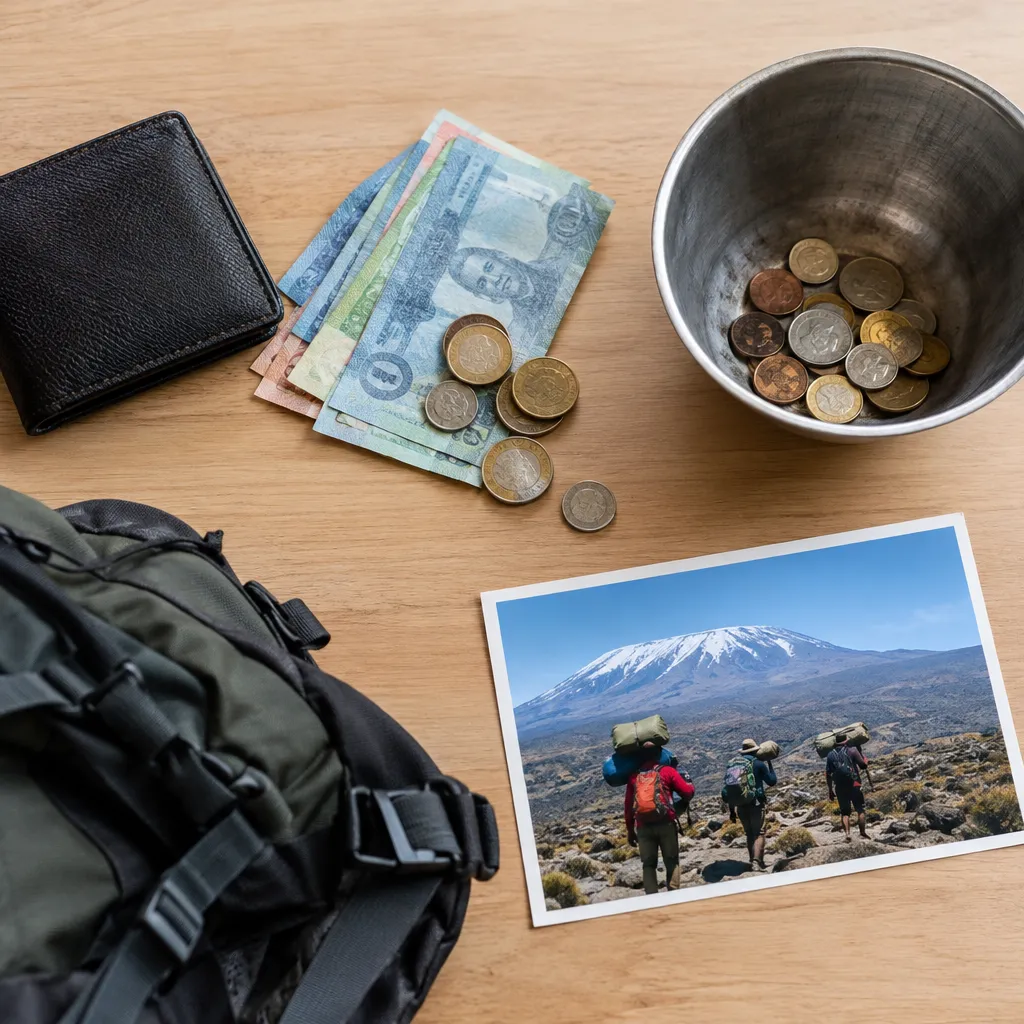
1. Ask how porter wages and tips are handled
A clear answer should explain how wages are set, when they are paid, and how tips are shared. Ask whether tips are separate from wages and how the operator explains the tipping process to climbers. Tips can be part of a crew’s income, but should not replace fair pay.
This check matters on private guided tours and guided group tours alike. Compare the explanation with the full trip cost, including what is included and what you should budget separately.
2. Ask how porter loads are weighed and limited
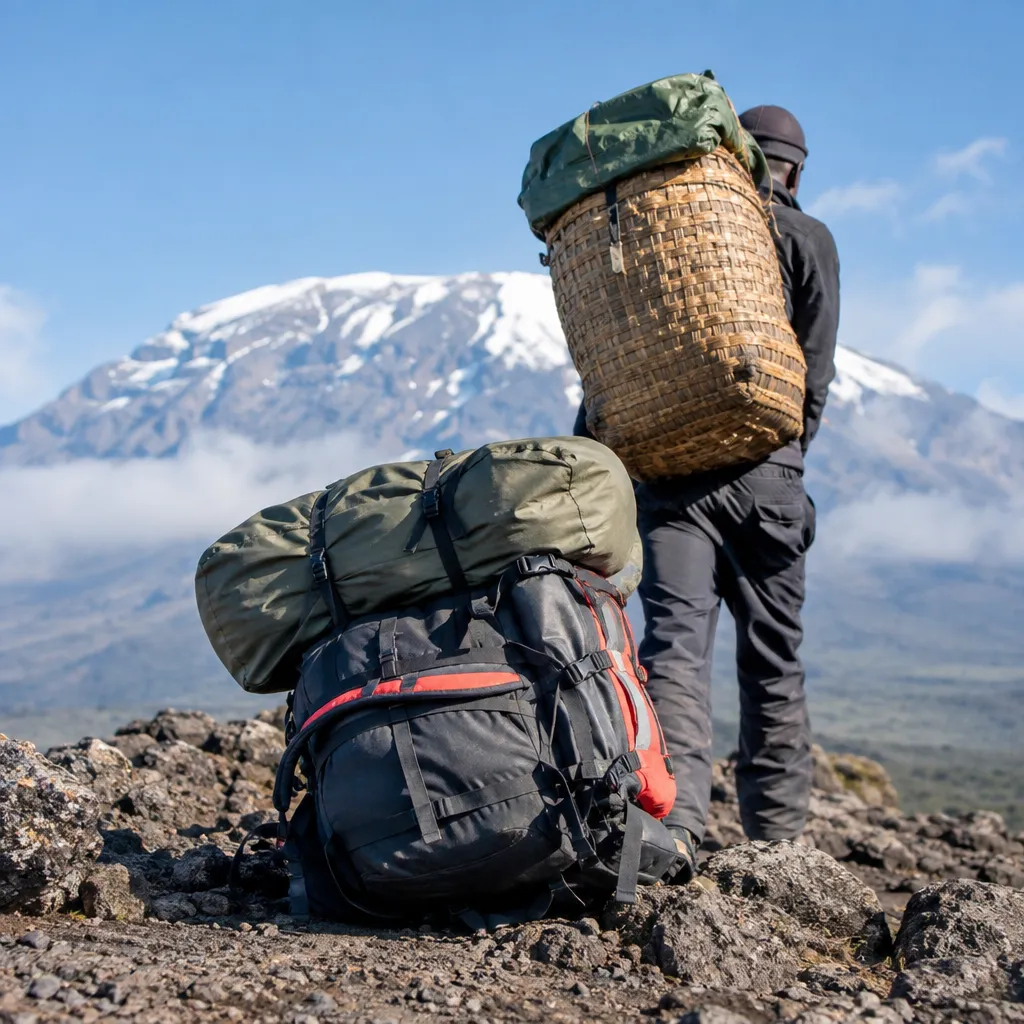
Ask whether porter loads are weighed, what limit applies, and who checks the weight before the trek. A useful answer names the process and explains what happens if a load is over the limit; a vague promise to “keep loads reasonable” is harder to assess.
For guided hiking tours, also ask whether climbers’ baggage is weighed separately from crew supplies. The operator should distinguish your permitted bag from the total load a porter carries.
3. Ask what equipment porters receive
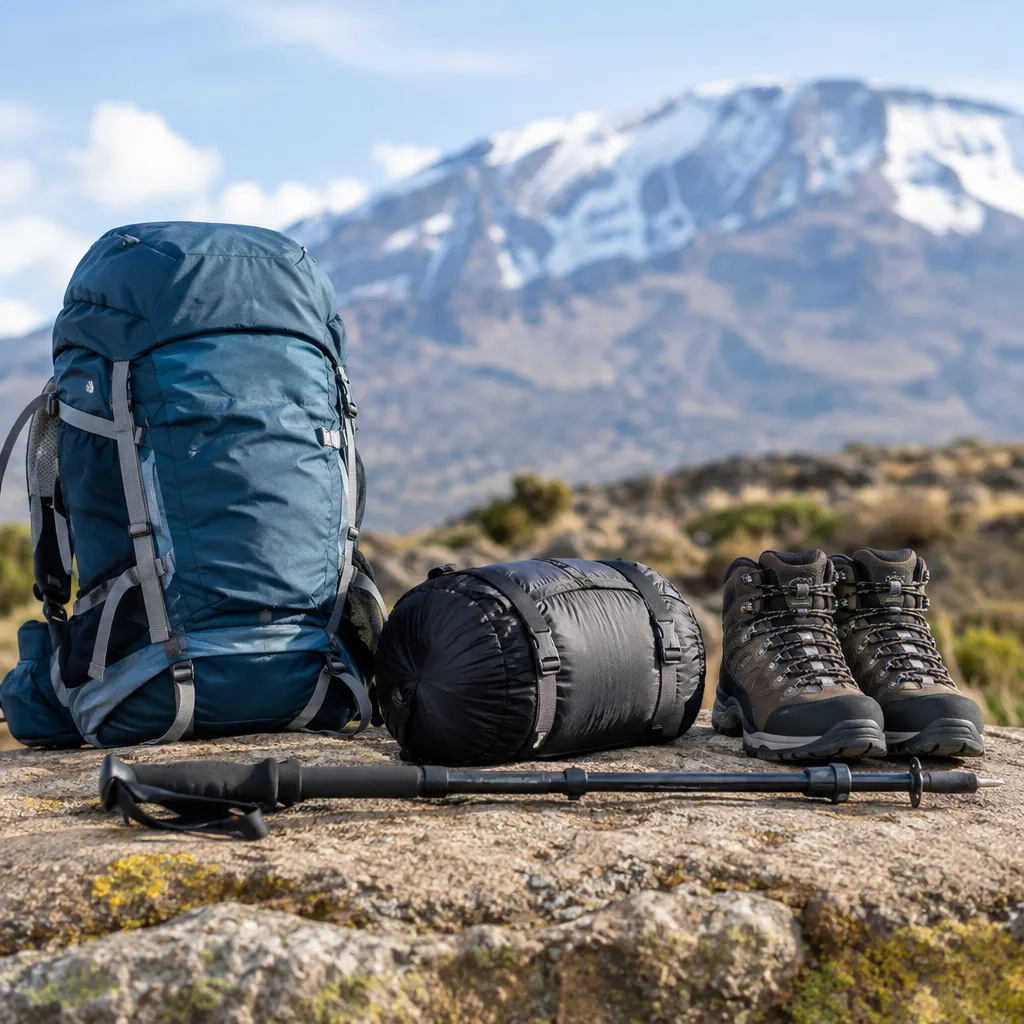
Ask what clothing, footwear, and other essential equipment the operator provides or expects porters to have for changing mountain conditions. Find out how equipment is checked and whether workers can report missing or worn items.
A responsible answer should be practical rather than promotional. This question helps compare the standards behind different guided tours, but it does not by itself establish how those standards are applied on every climb.
4. Ask about porter accommodation and meals
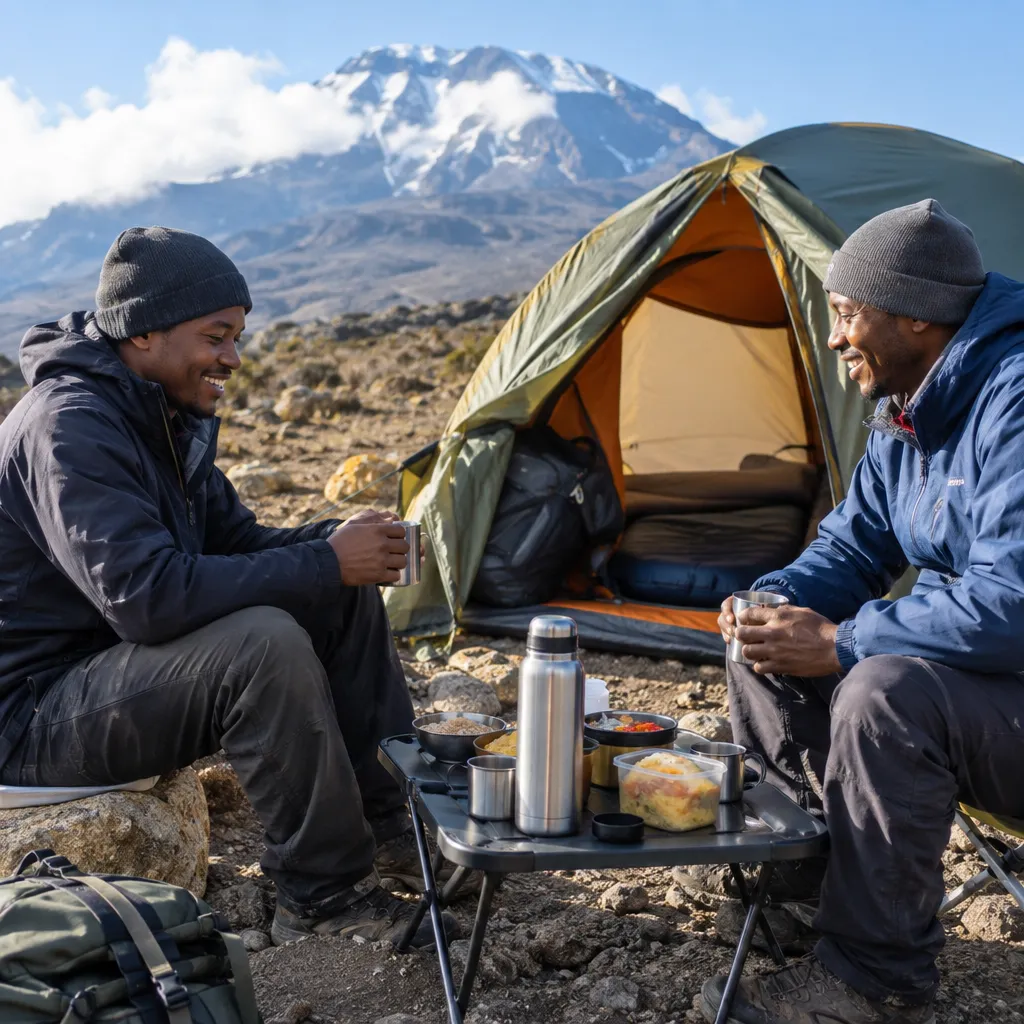
Ask where porters sleep at each camp, what meals they receive, and how they access drinking water. Look for a specific explanation of the arrangements on the route you are considering, rather than a general statement that the crew is looked after.
Routes and camp logistics can differ, so ask how the operator handles these needs on your itinerary. This is relevant whether you choose a private climb or join a group.
5. Ask how porters can raise concerns safely
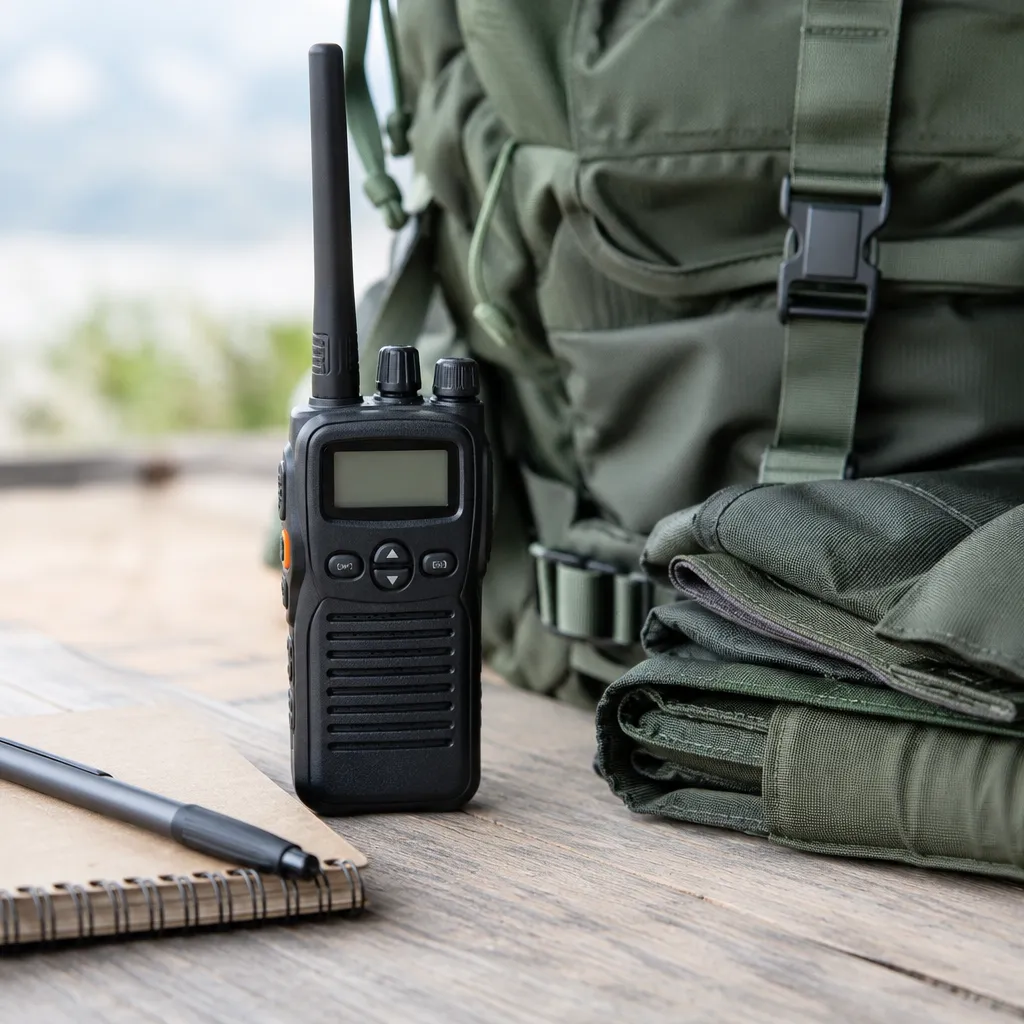
Ask how a porter can report mistreatment, unsafe loads, or missing equipment without relying only on the person directly supervising them. Find out who receives a complaint, how it is handled, and whether workers can raise concerns without fear of retaliation.
If the answer describes only an informal conversation with a supervisor, ask whether another reporting channel exists. A process is more meaningful when the operator can explain how concerns are followed up.
6. Ask how the operator verifies its welfare claims
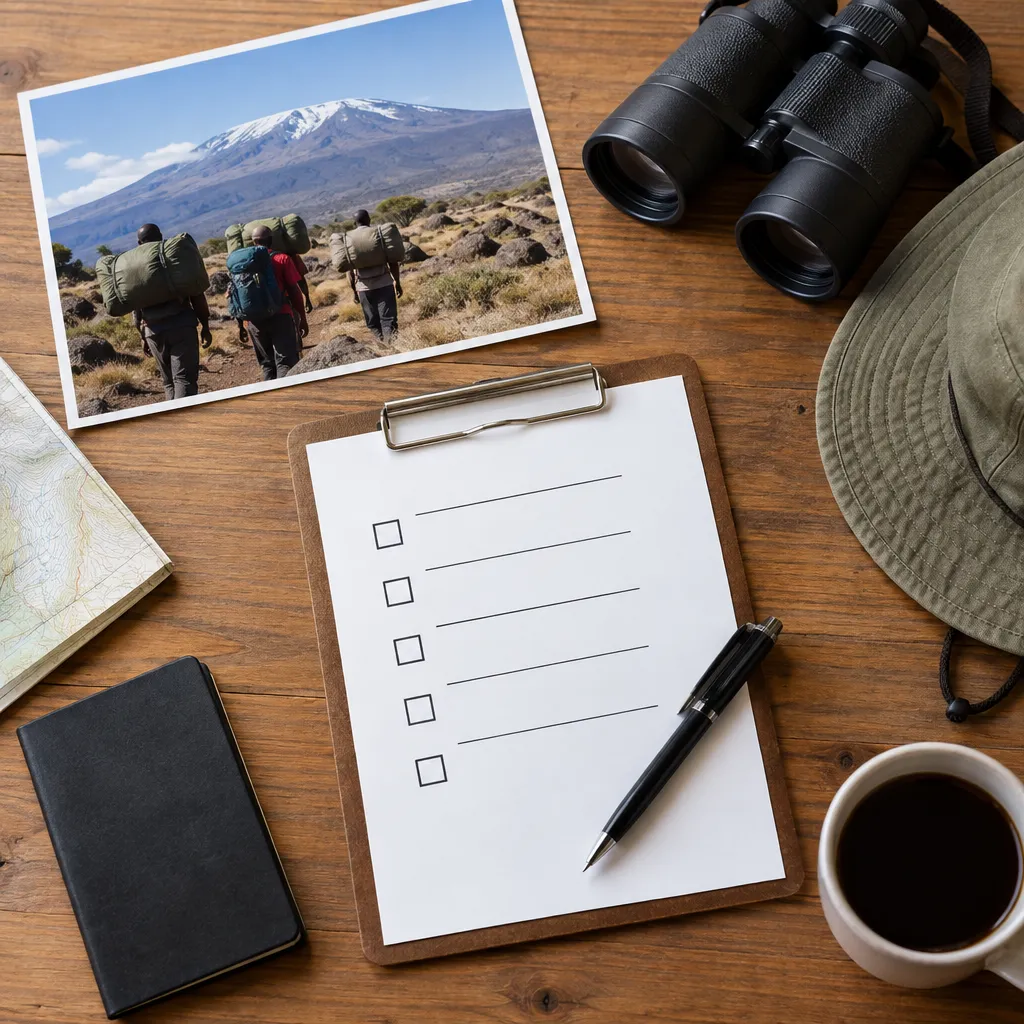
Ask what evidence supports the operator’s policies and how often practices are reviewed. Check whether the company is listed as a KPAP Partner Company through KPAP’s own published information, rather than relying only on a logo or claim on a website.
Eco Africa Climbing identifies as a KPAP Partner Company. You can also ask the operator to explain its approach to wages, loads, gear, and reporting in writing, then compare those answers with the published standards you find.
7. Ask what welfare standards mean for the tour’s value
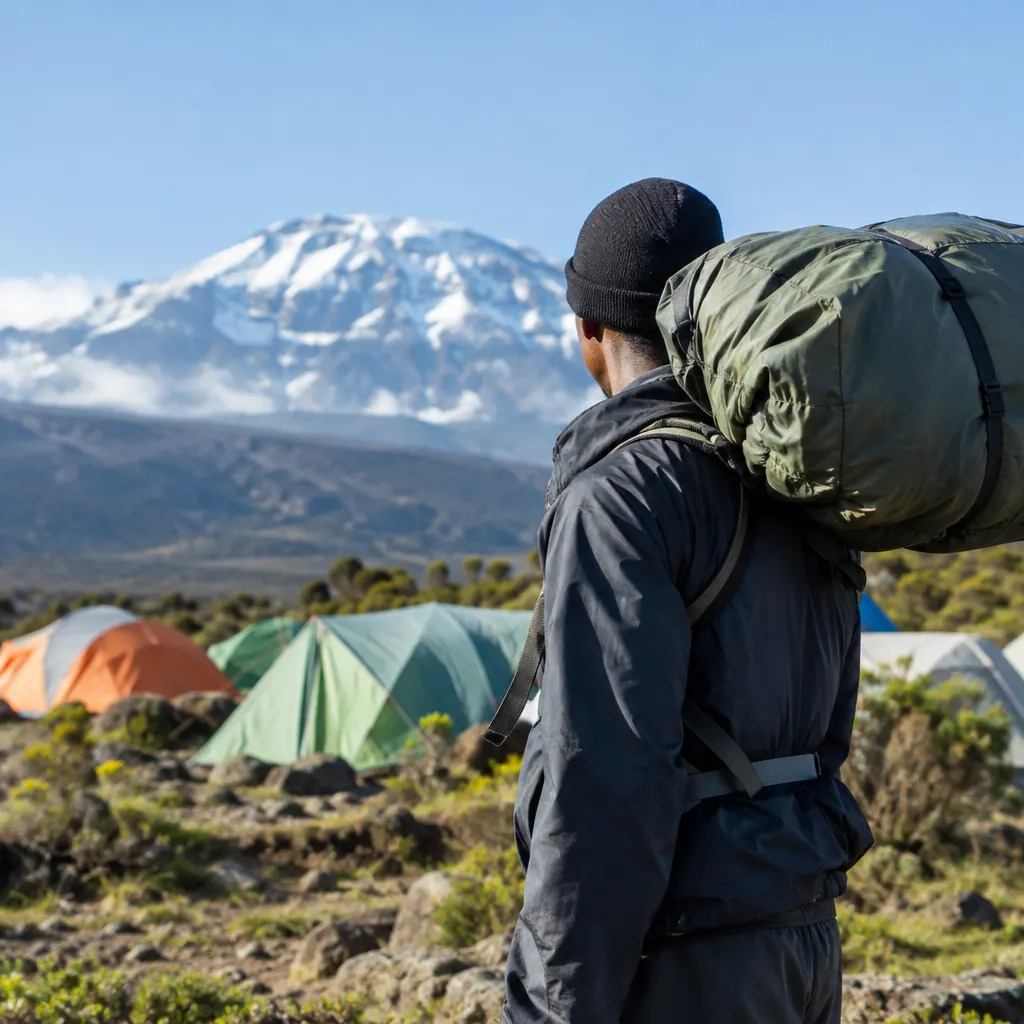
A strong answer is specific, consistent, and open to follow-up; a limitation may be that policies do not tell you exactly how every situation is handled. Ethical standards are part of a tour’s real value alongside route, duration, inclusions, safety support, and total cost.
Use the same questions for each operator rather than choosing by headline price alone. For help weighing group and private formats, read Private Guided Tours or Groups for Kilimanjaro? and When private guided tours may be worth the extra cost.
Kilimanjaro Porter Welfare FAQ
How many porters typically support a Kilimanjaro climbing team?
There is no single standard number: crew size varies with the group, route, trip length, and equipment being carried. Ask the operator for the expected team size and how loads are allocated.
Do porters carry a climber’s personal luggage?
Usually, porters carry a designated duffel or kit bag, while climbers carry a daypack themselves. Confirm the permitted bag size and weight with your operator before packing.
What personal items should climbers carry themselves?
Climbers should carry items needed during the day, such as water, snacks, rain protection, and personal essentials. Ask your operator for its specific daypack and baggage guidance.
Can climbers meet their porter team before the trek begins?
Sometimes, but the arrangements vary by operator and departure. Ask whether there is a pre-trek briefing or introduction, and how the crew’s roles and tipping process will be explained.
Do porter responsibilities differ between Kilimanjaro routes?
Yes. Camp arrangements, daily logistics, and the equipment transported can vary by route and itinerary. Ask how the crew’s responsibilities are organized for your specific climb.
What happens if a porter becomes ill during a climb?
The operator should have a process for assessing the porter’s condition and arranging appropriate care or support. Ask who makes that decision and how the rest of the crew’s workload is managed.
Can travelers bring extra luggage for porters to carry?
Extra luggage should not be assumed to be permitted. Check the operator’s baggage limit first; additional weight can affect the load plan and may require a different arrangement.
How can climbers prepare so their own luggage is easier to manage?
Use a packing list, remove nonessential items, and separate your daypack from the duffel carried by the crew. Confirm bag dimensions and weight limits with the operator before departure.
Related
Sedrick Silayo is a Web Developer and Digital Marketing Expert at Eco-Africa Climbing, with over 10 years of experience in Tanzania’s adventure travel industry. He specializes in Kilimanjaro trekking and Northern Tanzania safaris, sharing practical expertise on trip planning, mountain preparation, safety, KPAP standards, and safari experiences.