 18 Sep 2026
 8 min read
Private guided tours and guided group tours can both work well for a Kilimanjaro climb, but they suit different priorities. The right choice depends less on which format is universally better and more on how much you value flexibility, shared experience, predictable planning, and control over your daily pace.
Quick answer: how private guided tours options compare
Choose private guided tours if you want an itinerary shaped around your party, more direct communication with your guide, and greater control over pacing and daily decisions. A Kilimanjaro private climb can be particularly suitable for couples, families, or friends who already plan to travel together.
Choose group guided tours if you enjoy meeting other trekkers, are comfortable sharing decisions, and want a social trekking experience. Group sizes and arrangements vary, so confirm what the operator means by “group” before booking.
Eco Africa Climbing arranges private Kilimanjaro climbs as well as group climbing experiences. When comparing options, ask the same questions about route, itinerary, guide support, safety communication, porter welfare, inclusions, and contingency planning.
For background on how a climb is organized from arrival through the mountain and departure, see this guide to Kilimanjaro climbing tours.
Private guided tours compared at a glance
| Criterion | Private guided tours | Guided group tours |
|---|---|---|
| Best fit | Travelers who want control over the experience | Travelers who enjoy a shared itinerary |
| Ideal use case | Solo travelers, couples, families, or friends booking together | Individuals or travelers happy to meet a wider trekking party |
| Main strength | Flexibility in communication, pacing, and planning | Social connection and shared decision-making |
| Key tradeoff | May require accepting a different budget structure | Less control over the group’s pace and preferences |
| Safety communication | Direct communication within your own party and guide team | Communication must work across the whole group |
| Summit support | Support can be discussed around your party’s needs | Support is coordinated across varied abilities and preferences |
Neither format removes the physical demands of climbing Kilimanjaro. Both require suitable preparation, honest communication about health and fitness, and an experienced guiding team.
Compare private guided tours by the criteria that matter
Fit and use case
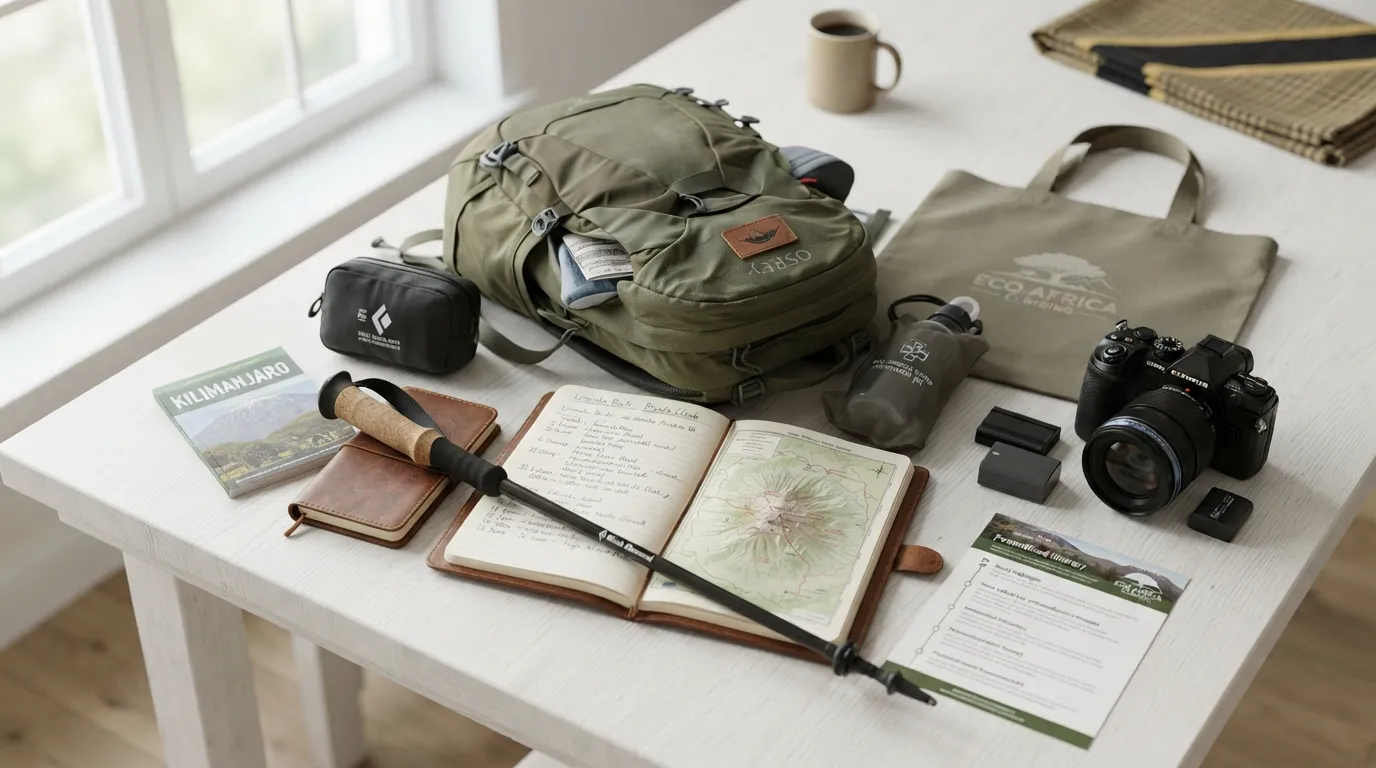
Private guided tours are usually the more natural fit when the people traveling together already know one another and want to make decisions as a unit. A couple may prefer a quieter experience, while a family may need to discuss walking pace, rest periods, and comfort without coordinating with unrelated trekkers.
A private arrangement can also suit solo travelers who want individual attention or who prefer not to join an existing group. However, private does not mean unstructured. Your guide still needs to manage the route, mountain conditions, acclimatization needs, and safe decision-making.
Guided group tours suit travelers who enjoy conversation and a sense of shared progress. The social aspect can be meaningful during long trekking days, especially for people traveling alone who would like company on the trail and around camp.
Friends can choose either format. If everyone has similar expectations, a private climb may allow the group to keep its own rhythm. If members have different experience levels or budgets, a group option may be worth considering, provided everyone understands the shared schedule and level of flexibility.
Your route matters as well. Compare the route’s character, duration, accommodation style, and acclimatization structure rather than choosing only by trip format. The Kilimanjaro climbing tours guide can help you identify the operational details to discuss before booking.
Value and tradeoffs
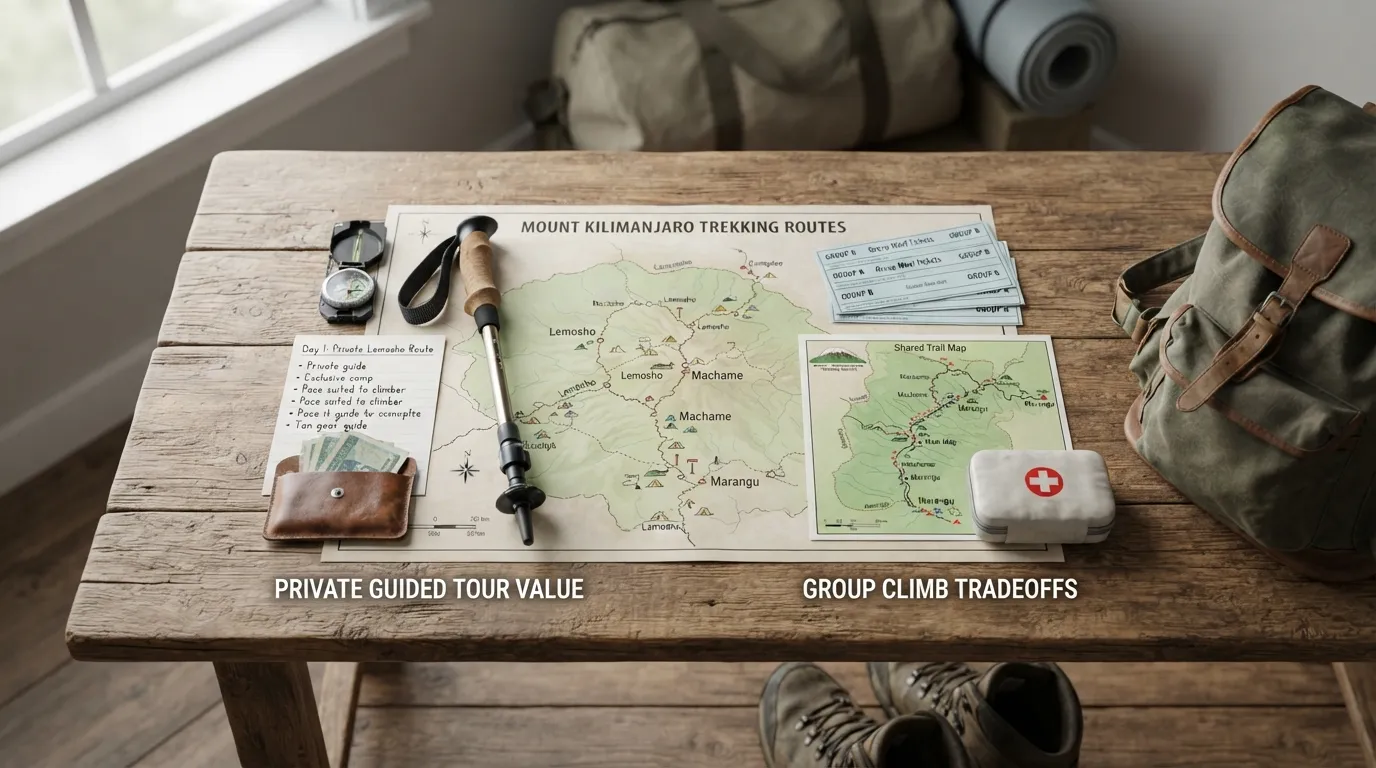
The value of private guided tours is primarily about control and fit, not simply paying for a more exclusive label. You are considering whether a more personalized arrangement justifies its cost for your party’s priorities.
Private planning may be useful when your dates are fixed, your group has a particular route preference, or you want to discuss adjustments before the trek. It can also make communication simpler because the guide team is working with one party’s expectations rather than balancing several unrelated groups.
The tradeoff is that a private party does not share the same arrangement with other trekkers. Depending on the operator and itinerary, this may affect how the overall cost is structured. Ask for a complete explanation of what is included and which elements are fixed or customizable.
Guided group tours can offer value for travelers who are comfortable with a shared experience. You may benefit from meeting other climbers and sharing the rhythm of the expedition, but you give up some control over decisions such as walking pace, breaks, and the group’s preferred daily routine.
Do not compare only headline prices. Ask whether the quoted arrangement includes the same route, number of trekking days, airport or hotel services, meals, equipment considerations, guide support, and safety procedures. A lower price is not automatically better value if important details remain unclear.
Responsible tourism should also be part of the comparison. Eco Africa Climbing is a KPAP Partner Company and states a commitment to professional guiding, porter welfare, responsible tourism, and safety. These are appropriate topics to raise with any operator before booking.
Limitations and deal-breakers
Private guided tours may be a poor fit if your main objective is to minimize cost or meet a large number of new people. They also require your party to communicate clearly with one another. If travelers disagree about route, pace, or comfort expectations, private planning will not solve the disagreement by itself.
A private format should never be treated as permission to push beyond safe limits. The guide’s role remains important when a trekker is tired, unwell, or struggling with altitude. Your group should be prepared to respect professional safety decisions, even when they change the original plan.
Guided group tours may be unsuitable if your party needs a highly specific schedule or if members have significantly different expectations about pace and rest. One participant who wants a relaxed trek and another who expects to move quickly may both become frustrated in a shared itinerary.
Ask how the operator manages different abilities, guide-to-trekker communication, changes in weather, and health concerns. You should also ask how summit-night decisions are made and how the team supports trekkers who need to turn back.
The most important deal-breaker is unclear communication before departure. If an operator cannot explain the route, inclusions, group format, safety process, or responsible porter practices in a way you understand, continue comparing options.
Decision rule for private guided tours
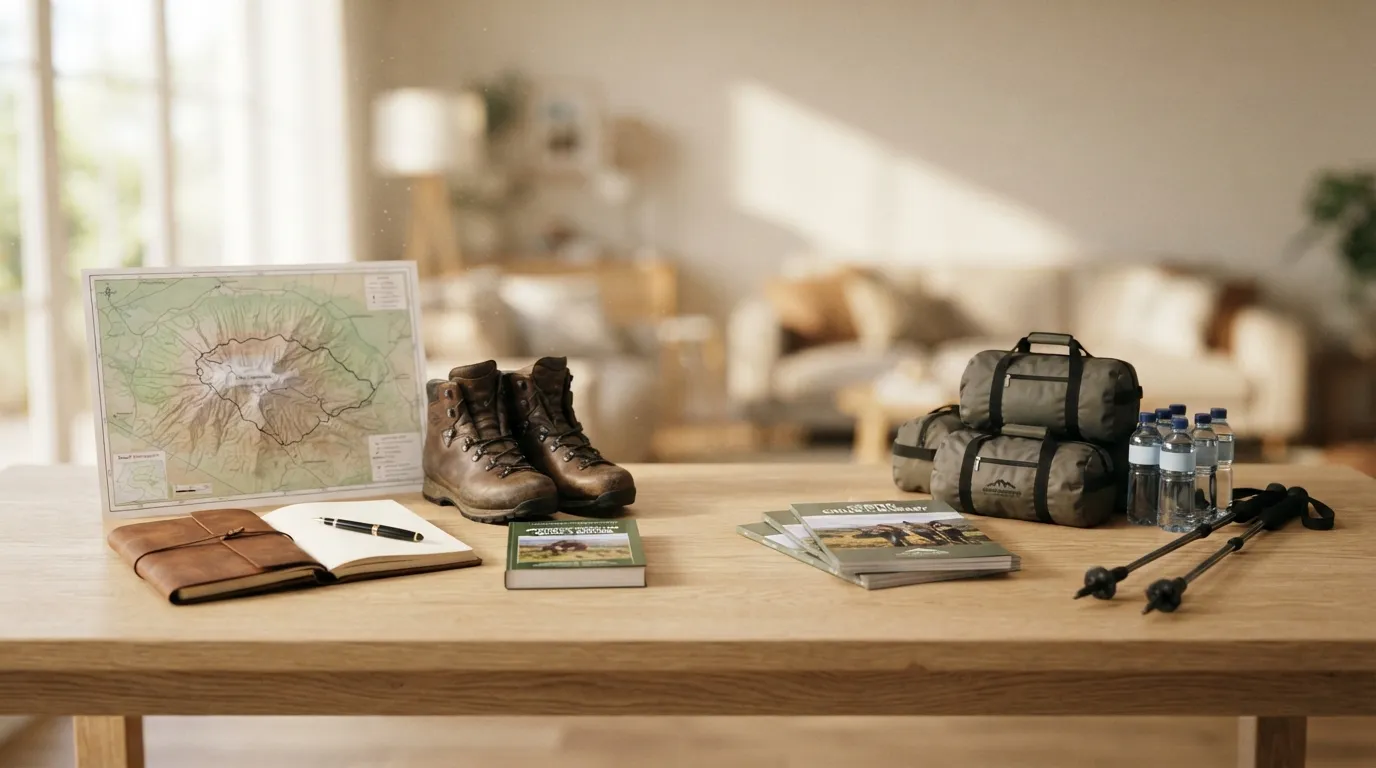
A simple decision rule is:
- Choose private guided tours when flexibility, direct communication, and control over your party’s experience matter most.
- Choose guided group tours when social connection, shared planning, and accepting a common itinerary matter most.
- Ask for a custom comparison when you are undecided, especially if you are comparing a solo trip with a private booking.
- Choose based on the complete operating plan, not the format name alone.
Use this checklist before making a decision:
If you are traveling solo
Consider private guided tours if you prefer individual communication, have fixed dates, or do not want to adapt to a group’s preferences. Consider a group if meeting other trekkers is an important part of the experience and you are comfortable sharing the itinerary.
If you are a couple
A private Kilimanjaro climb can make it easier to agree on your preferred route, pace, and daily routine. A group may suit you if you actively want a broader social experience and are happy to compromise on some decisions.
If you are traveling as a family
Discuss ages, trekking experience, comfort expectations, and how you will respond if one person needs more rest. Private guided tours may offer a simpler planning conversation, but the guide’s safety judgment remains more important than keeping the family together at all costs.
If you are friends booking together
Private planning can work well when the group has shared expectations. Before booking, agree on budget, route, duration, walking pace, and how you will handle different energy levels. If you cannot agree, a shared group itinerary may clarify the boundaries.
Questions to ask every operator
- Which routes and itineraries are available for this format?
- How is the group size defined?
- How are daily pace and rest decisions managed?
- How will guides communicate safety and health concerns?
- What happens if a trekker needs to stop or descend?
- What is included in the quoted arrangement?
- How are guides and porters supported?
- Can the itinerary be adapted before booking, and what are the limits?
Understanding the mountain environment is also part of planning. Read about mount kilimanjaro so you can ask informed questions about location, routes, altitude, and the overall trekking setting.
FAQ about private guided tours
What is the difference between escorted and guided tours?
An escorted tour generally emphasizes a tour leader accompanying the itinerary, while a guided tour emphasizes expert direction during the experience. On Kilimanjaro, clarify the guide’s practical responsibilities and safety role.
What should readers know first about private guided tours?
Private guided tours provide a more individualized arrangement, but they do not remove the need to follow route, altitude, weather, and safety guidance from the professional mountain team.
How do you choose the right private guided tours approach?
Compare your priorities first: flexibility, social experience, budget, pace, route, and communication. Then ask operators to explain which private or group format best matches those priorities.
What mistakes should you avoid with private guided tours?
Avoid choosing only by price or assuming “private” explains everything. Confirm the itinerary, inclusions, group structure, guide support, safety procedures, and responsible porter practices before booking.
Is private guided tours worth it for daily use?
For a Kilimanjaro trek, private guided tours may be worthwhile when control and personalized communication matter daily. They may be less suitable if shared travel and budget are your main priorities.
What should you compare before deciding on private guided tours?
Compare route, trekking duration, flexibility, communication, pacing, summit support, inclusions, safety procedures, and porter welfare commitments. Apply the same criteria to guided group tours before deciding.
Recommended next steps
Start by writing down your party’s non-negotiables: preferred dates, route, budget range, pace, social expectations, and any family or fitness considerations. Then request comparable proposals for a private guided tour and a group guided tour.
Review the details rather than relying on labels. A useful comparison should explain what happens each day, who makes decisions, how communication works, and what support is available if conditions or a trekker’s health require a change.
Finally, choose the format that matches your actual travel style. Private guided tours are not automatically the right answer, and group guided tours are not automatically the cheaper or less personal answer. The best option is the one whose structure, expectations, and safety approach fit your party before you set foot on Kilimanjaro.
Sedrick Silayo is a Web Developer and Digital Marketing Expert at Eco-Africa Climbing, with over 10 years of experience in Tanzania’s adventure travel industry. He specializes in Kilimanjaro trekking and Northern Tanzania safaris, sharing practical expertise on trip planning, mountain preparation, safety, KPAP standards, and safari experiences.