 12 Oct 2026
 5 min read
1. Choose an open group departure or a private climb
An open group departure lets you join other travelers without bringing a climbing partner. Private guided tours offer more control over dates and pace, but the cost is arranged for a private party rather than shared across a scheduled group. Compare what each option includes, not just its headline price.
Guided group tours may suit you if your dates match and you are comfortable sharing camp routines. For a fuller comparison of tradeoffs, see private guided tours or group climbs.
2. Check the group size and who else is booked
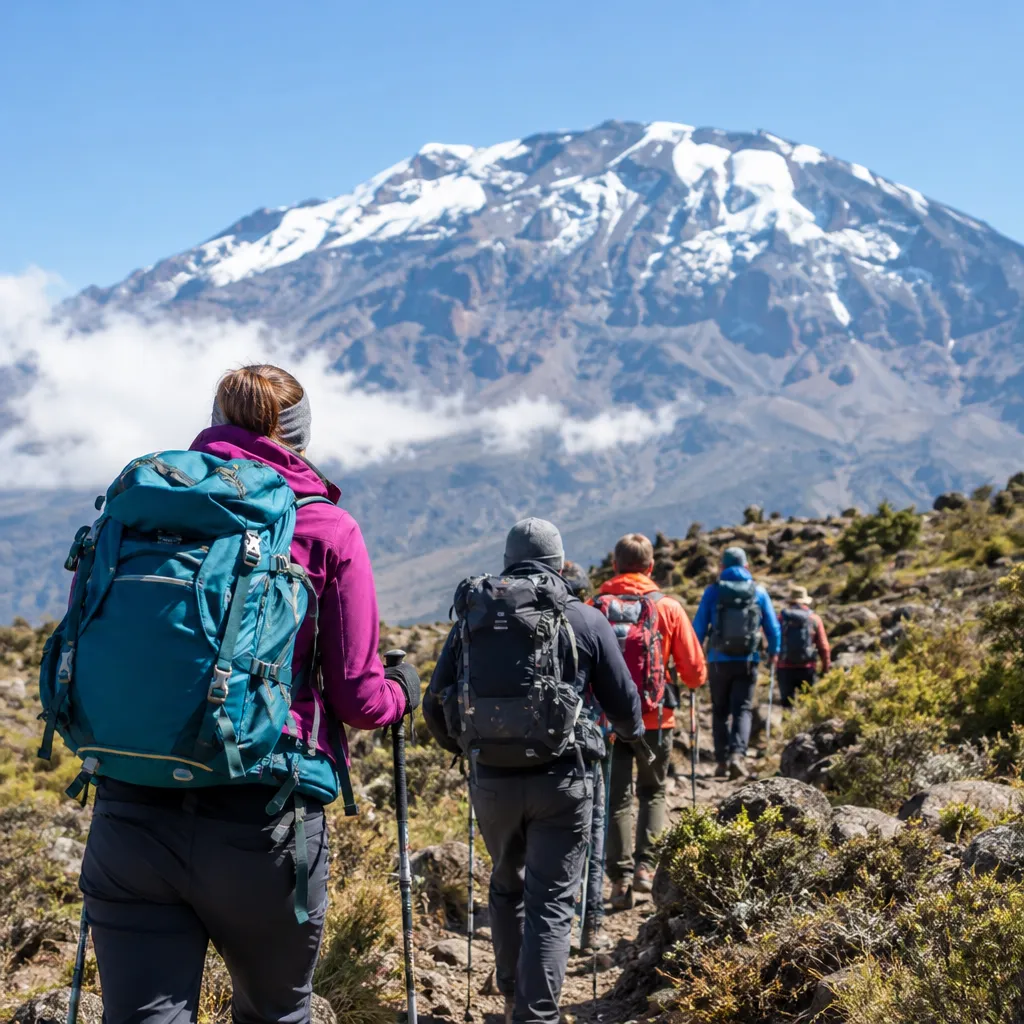
Ask for the expected group size, how many travelers are currently confirmed, and whether your departure is guaranteed. Clarify what happens if other climbers cancel: will the trip still run, will the arrangement change, or will you be offered another date?
Group guided tours can vary in how departures are organized. Ask whether you will be told about changes before your flights become difficult or expensive to adjust. If you are traveling alone, also ask how the team supports solo travelers, including women traveling without a companion.
3. Match the route and schedule to your priorities
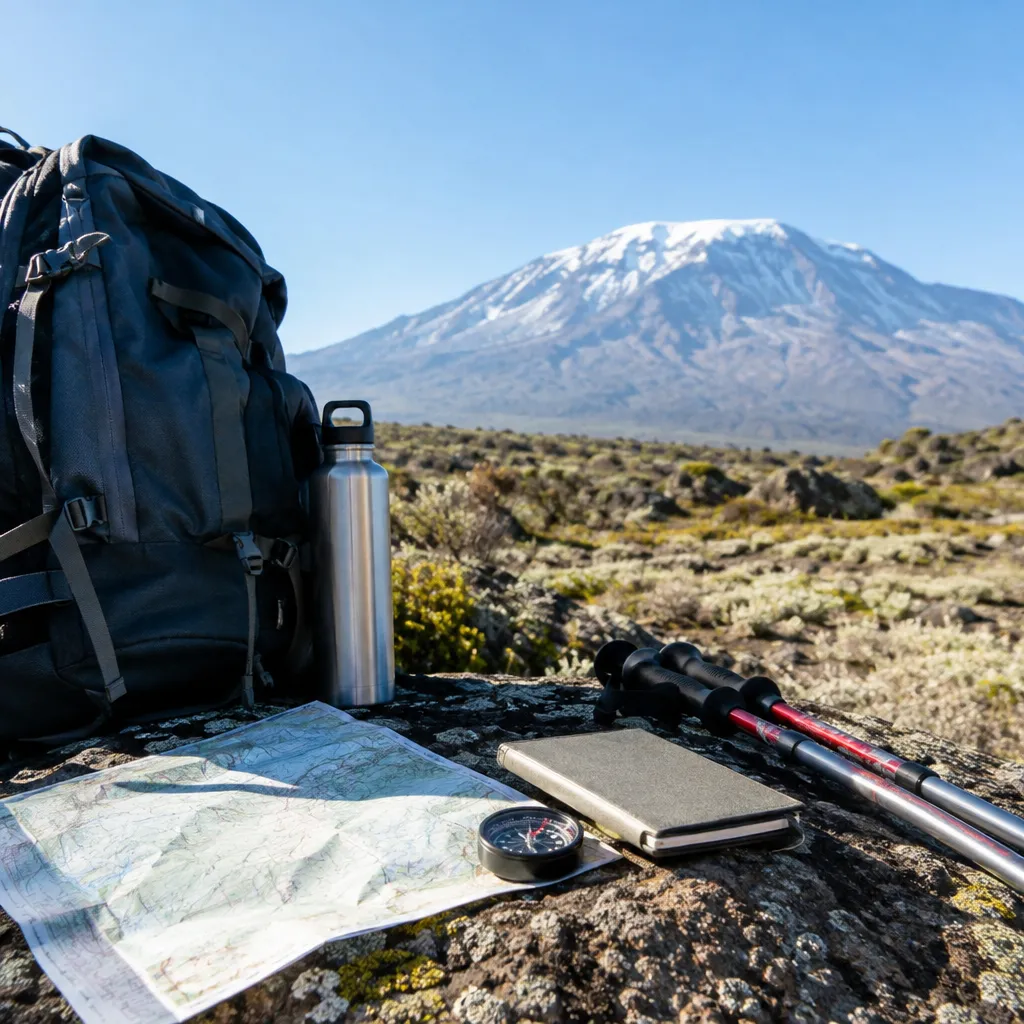
Compare the full itinerary, not only the number of trekking days. Ask which route is offered, how many days are spent on the mountain, and whether the schedule includes time to rest after an international flight. Routes differ in scenery and itinerary; no route guarantees that you will reach the summit.
Guided hiking tours should fit your available leave, preparation, and comfort with time at altitude. Ask how the itinerary supports acclimatization and what happens if the guide recommends changing plans for health reasons. Leave room in your budget and schedule for flights, arrival rest, gear, tips, and any safari you choose to add.
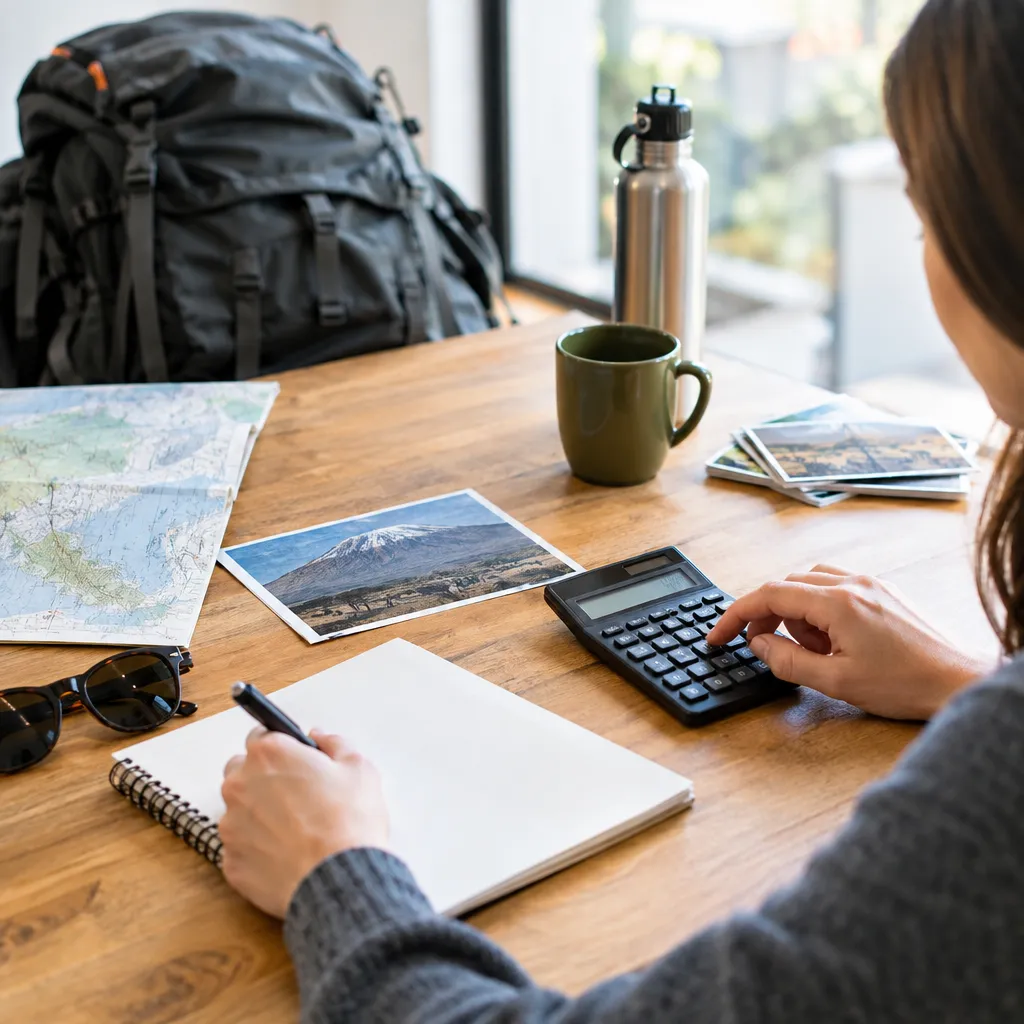
4. Compare the full price and check for a single supplement
Request an itemized quote and confirm whether traveling alone adds a single supplement. Check the deposit, balance deadline, cancellation terms, park and other government fees, transfers, accommodation, meals, gear, and tips. Find out which costs are paid locally and which are excluded.
Before booking, ask for written answers to these points:
- What is included in the climb price?
- Are airport transfers and pre-climb accommodation included?
- Are tips, flights, personal gear, and travel insurance separate?
- Does the price change if no roommate is available?
For help judging whether a higher private rate is worthwhile, read when private guided tours may justify the extra cost.
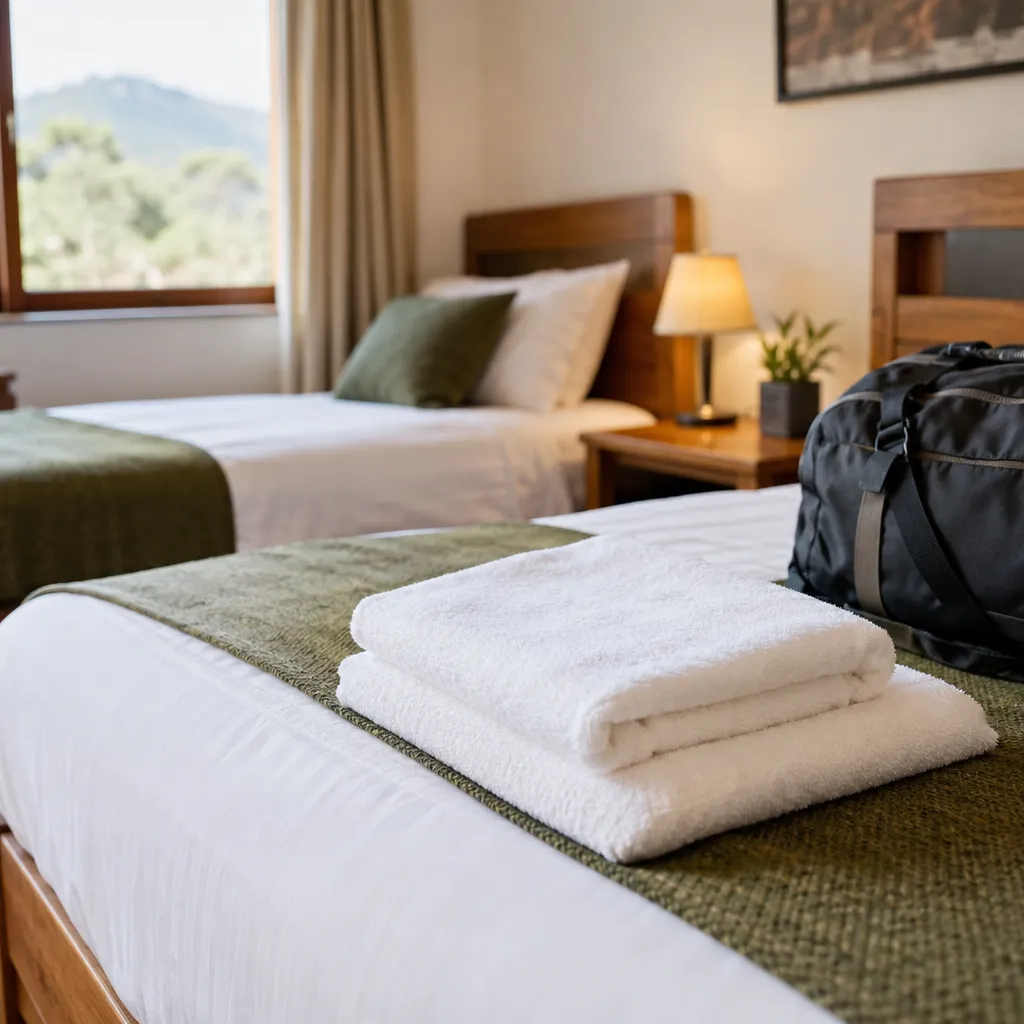
5. Confirm rooming arrangements before you pay
Ask whether a solo traveler shares a room or tent, whether you can request a same-gender roommate, and what happens if no roommate is available. Confirm the cost of a private room or tent, if offered, and whether a single supplement applies to every night or only some accommodation.
Get the rooming policy in writing. Do not assume that joining a group automatically means a roommate will be assigned, or that a private room can be added later at the same rate.
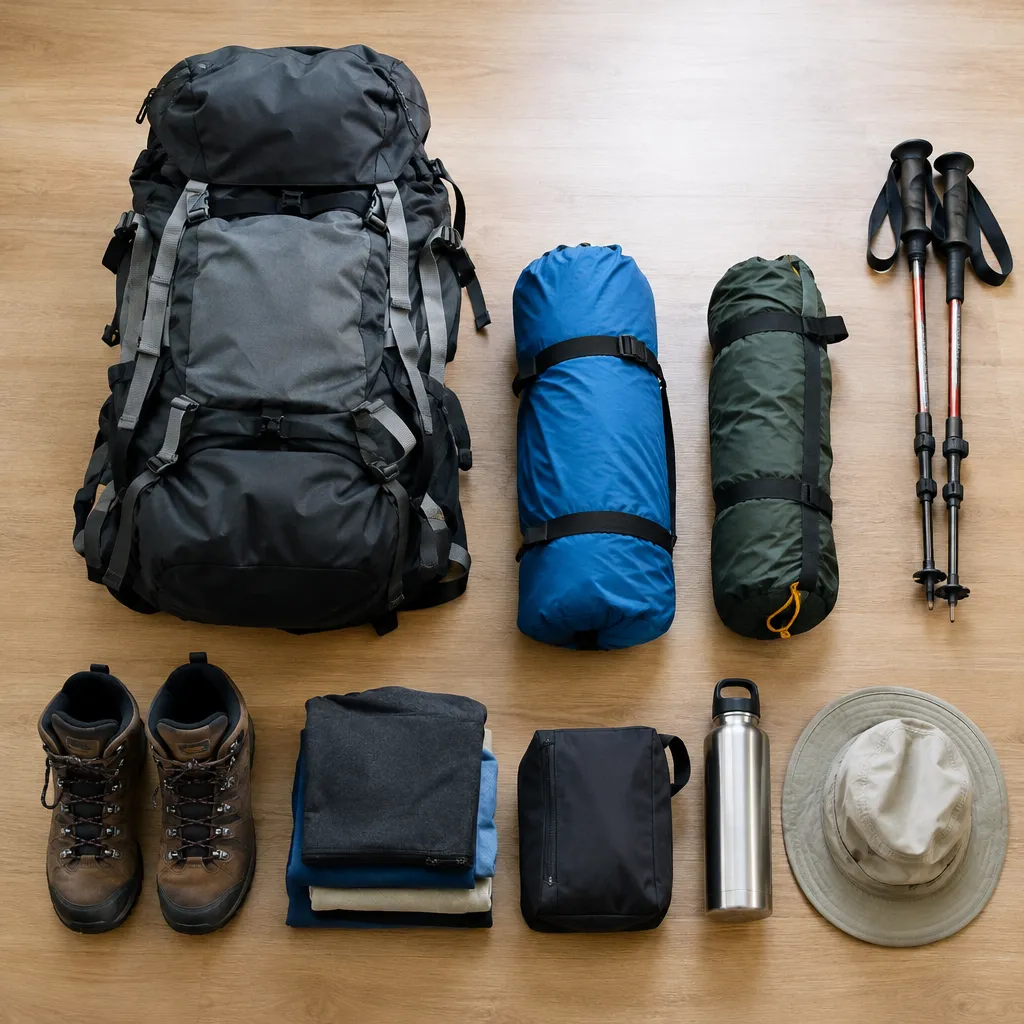
6. Ask how baggage limits and porter arrangements work
Confirm the personal daypack and duffel limits, what bags the operator supplies, and what you carry yourself between camps. Ask how bags are weighed, protected from rain, and handled during the trek. Pack essentials you may need on the trail in your daypack, rather than relying on access to your duffel during the day.
Ask how the operator supports porter welfare and what their working arrangements are. Eco Africa Climbing is a KPAP Partner Company; you can also use this porter welfare question checklist when comparing operators.
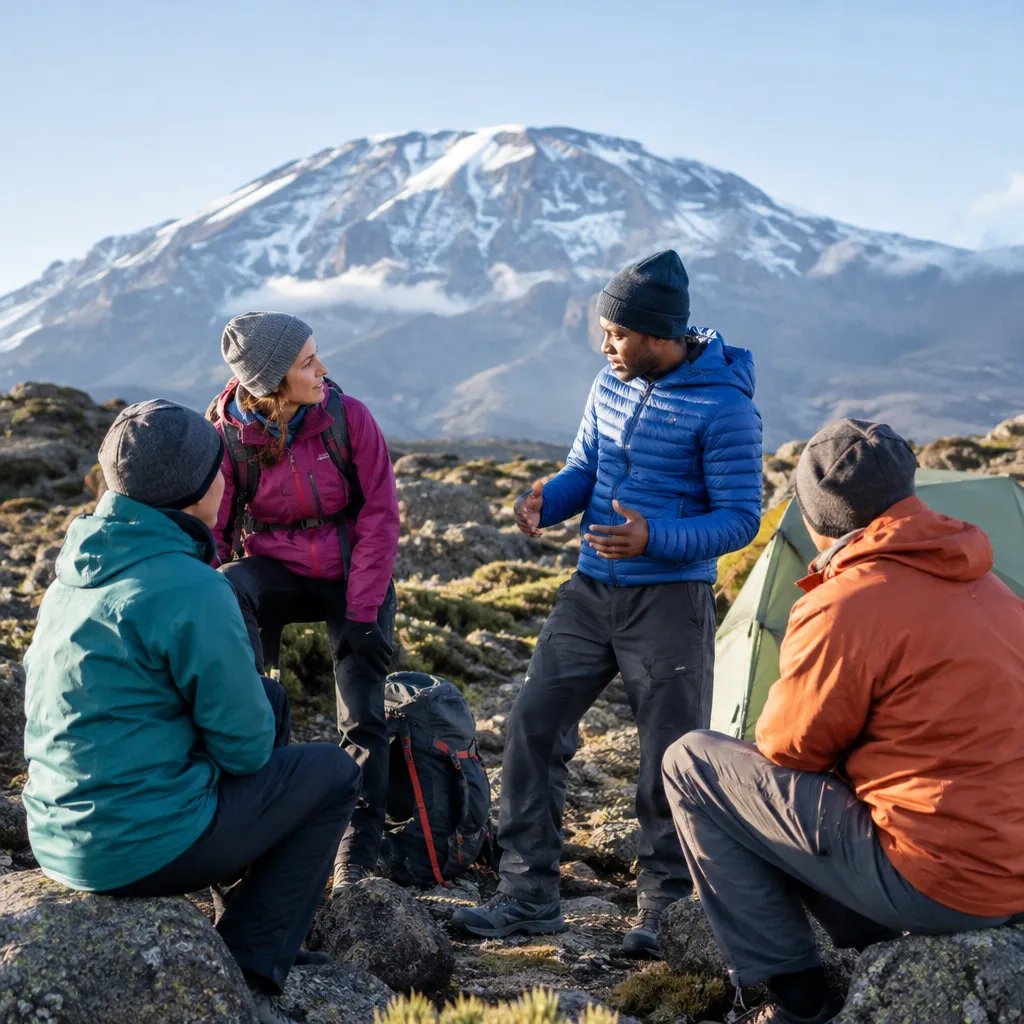
7. Agree on pacing, communication, and emergency support
Ask how guides manage different walking speeds, how you can raise a concern privately, and who stays with a climber if they need to turn back. Confirm how often health is checked, what medical equipment and evacuation procedures are available, and what your travel insurance must cover. Monitoring and support are important, but they cannot guarantee a summit.
If the answers are vague, ask for the procedures in writing before booking. For solo travelers, clear communication matters as much as group size: know who to speak to about symptoms, stress, or a mismatch in pace.
Kilimanjaro Group Climb FAQs
Can I join a Kilimanjaro group departure if I have no climbing partner?
Yes. You can ask to join an open group departure as a solo traveler; confirm that the date is running, the group arrangement is clear, and whether room-sharing or a supplement applies.
How far ahead should I reserve a place on a group departure?
Reserve as soon as your dates and travel plans are firm, especially if you need a particular departure. Ask the operator about current availability, booking deadlines, deposit terms, and the cancellation policy before paying.
Can I change from a group climb to a private climb after booking?
Possibly, but it depends on the operator’s availability, booking terms, and the costs already committed. Ask whether a change is allowed, what extra charges apply, and whether your original deposit transfers.
What happens if I need to descend before the rest of the group?
Tell your guide immediately if you feel unwell or need to descend. Ask before booking how the operator arranges a descent, who accompanies you, and how the rest of the group continues.
Can I request a particular guide or group departure date?
You can request a guide or date, but availability is not guaranteed. Get confirmation in writing and check whether changing dates affects the price, deposit, or other booking terms.
What meals and drinking water are provided on a group climb?
Inclusions vary by itinerary and operator. Ask which meals are provided, how drinking water is made available, and whether you need to bring snacks, a reusable bottle, or any special food.
What should I do if my roommate and I have different sleep schedules?
Discuss quiet hours and practical needs with your roommate and guide before the first night. If sharing may not work for you, ask about a private room or tent and its cost before booking.
Can I arrange airport transfers separately from my climb?
Often, travelers can arrange transfers separately, but first check whether the climb quote includes one and whether separate transport fits your arrival time. Confirm pickup details and costs before finalizing flights.
Recommended next steps
Write down your preferred dates, route, rooming needs, and total-trip budget, then request a written itinerary and itemized quote. Compare guided group tours with private guided tours on the same terms, including baggage, tips, arrival rest, and emergency procedures—not just the advertised climb price.
Sedrick Silayo is a Web Developer and Digital Marketing Expert at Eco-Africa Climbing, with over 10 years of experience in Tanzania’s adventure travel industry. He specializes in Kilimanjaro trekking and Northern Tanzania safaris, sharing practical expertise on trip planning, mountain preparation, safety, KPAP standards, and safari experiences.