 18 Nov 2026
 3 min read
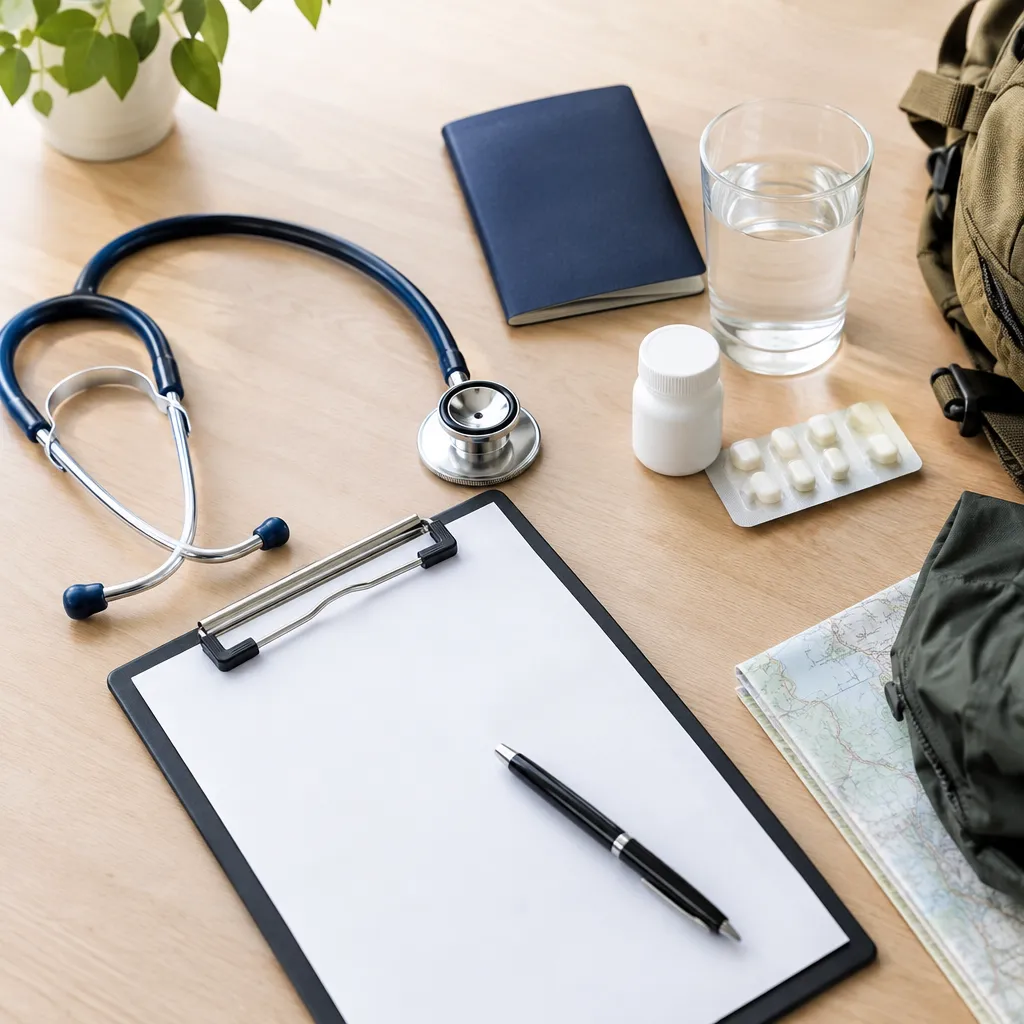
1. Book a travel-health appointment well before departure
Arrange a travel-health appointment early enough for a clinician to review your itinerary, health history, and vaccine timing. Bring your route, travel dates, transit details, and any prior vaccination records; this makes it easier to check which vaccinations are needed for Tanzania and whether any series should begin before departure.
For an overview of Tanzania vaccination and entry requirements, use the guidance alongside the CDC’s Tanzania travel advice. Ask a qualified healthcare professional about your individual needs; recommendations and entry rules can depend on your circumstances and itinerary.
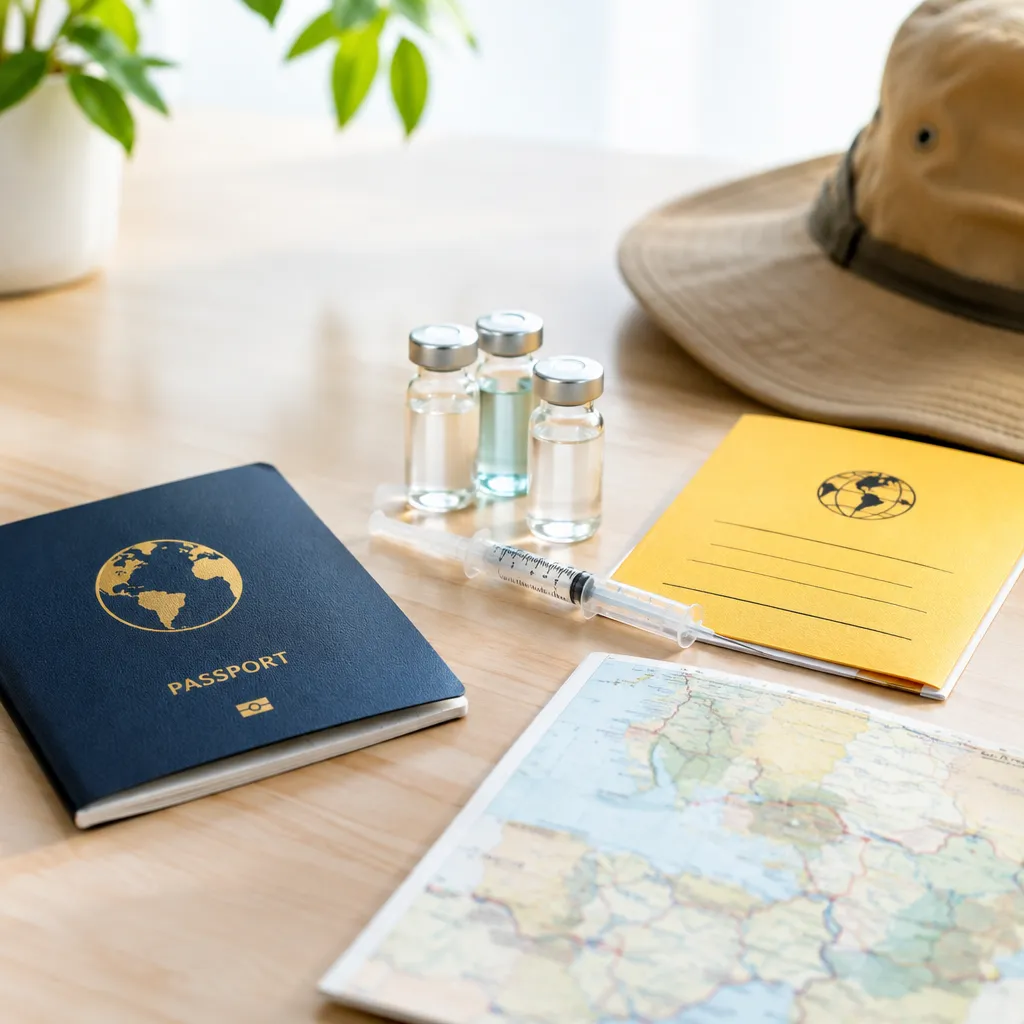
2. Review routine vaccines and Tanzania entry requirements
Review routine vaccines with your clinician and confirm whether Tanzania’s yellow-fever certificate rules apply to your itinerary. The answer can depend on where you travel before arriving, including transit, so check the details rather than assuming every visitor has the same requirement.
The CDC’s destination guidance covers recommended vaccines, medicines, and yellow-fever entry requirements. For the certificate question specifically, see who may need yellow-fever proof. Carry relevant records and confirm current rules with an appropriate travel-health professional before you leave.
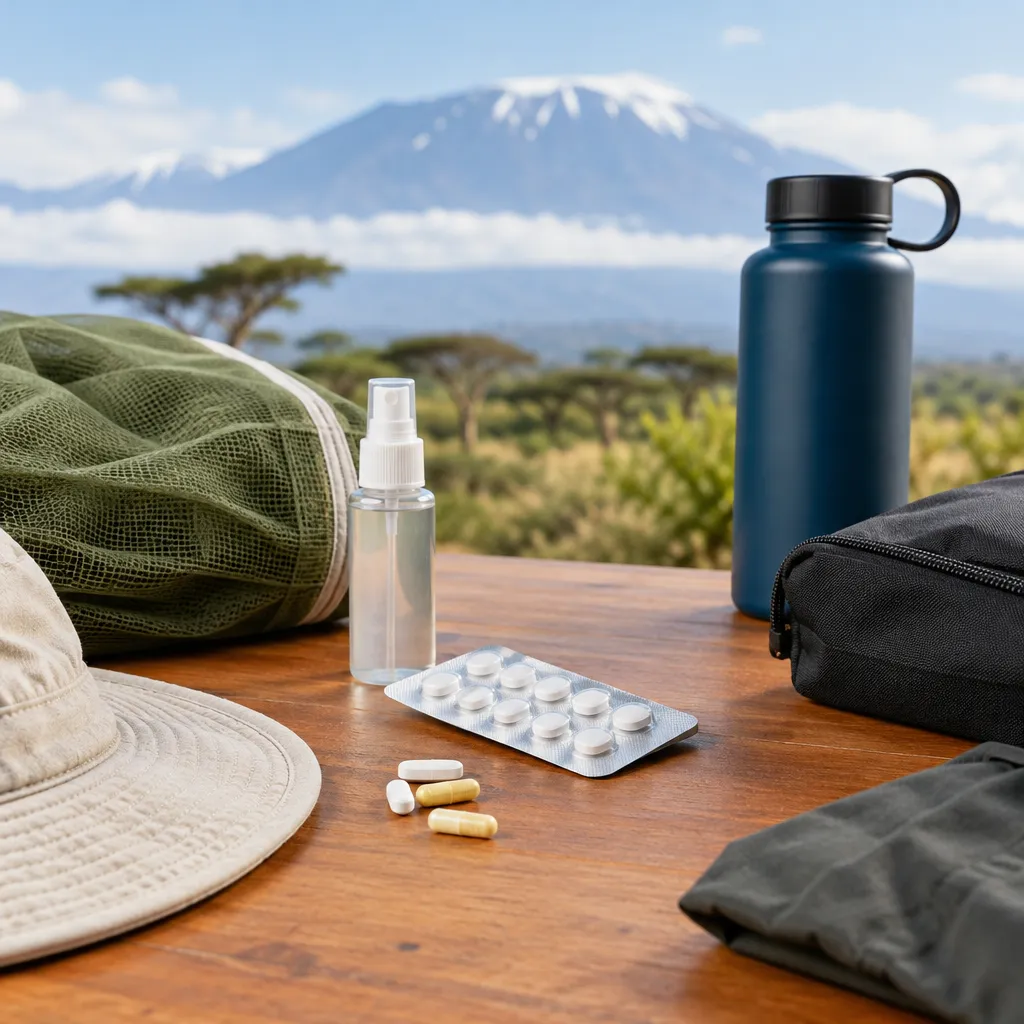
3. Discuss malaria prevention and altitude medication
Ask a healthcare professional which malaria-prevention measures suit your Tanzania itinerary and whether altitude medication, such as acetazolamide, is appropriate for you. Do not choose a medicine or dose based on another traveler’s plan; suitability and instructions are individual.
The CDC’s Tanzania guidance addresses malaria recommendations. For altitude, the CDC advises gradual acclimatization and knowing the signs of altitude illness; medication does not replace an appropriate ascent plan. Discuss possible benefits, risks, and instructions with your clinician, especially if you are pregnant, breastfeeding, have a chronic condition, or take other medicines.
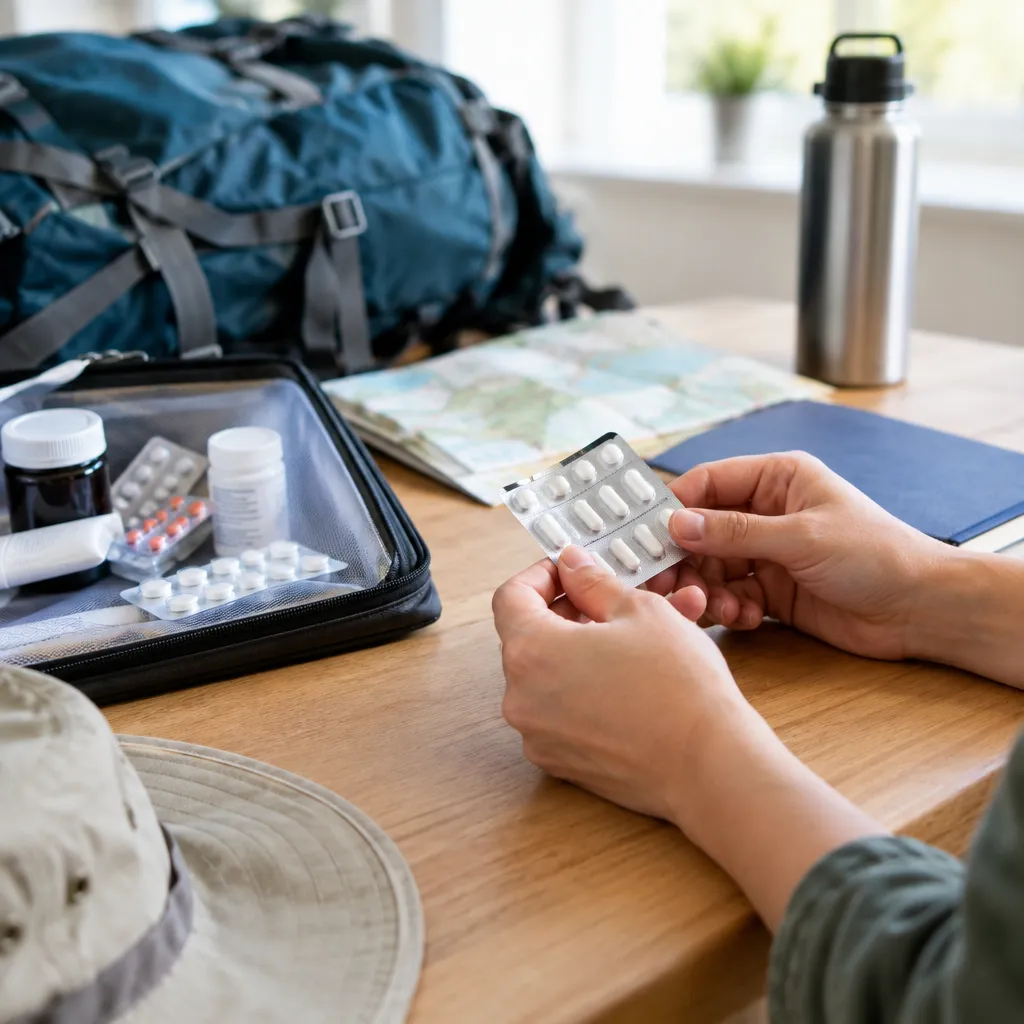
4. Review health conditions, prescriptions, and climb medications
Tell your clinician about existing health conditions, allergies, regular prescriptions, and any prior difficulty at altitude; ask whether medical clearance is appropriate. Pack regular medicines in their original packaging and carry enough for the trip, with a basic personal kit suited to your needs.
Ask a pharmacist or clinician what to include and how to use it. Keep prescriptions accessible during travel rather than relying on finding a replacement after arrival. If a medicine is prescribed for the climb, follow the instructions provided by your healthcare professional or pharmacist.
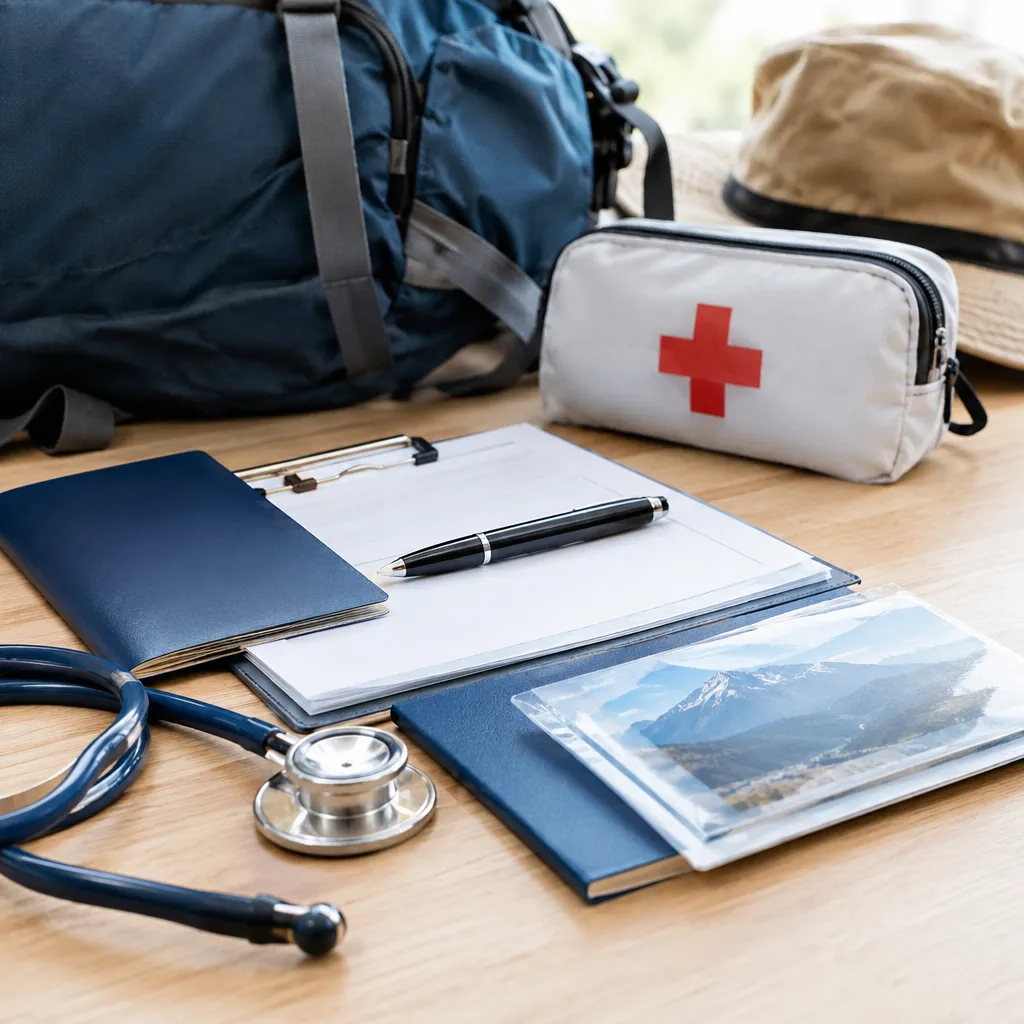
5. Confirm Kilimanjaro insurance and your final health plan
Before departure, confirm in writing that your travel insurance covers guided trekking on Kilimanjaro, the altitude and activities on your itinerary, and emergency evacuation. Check exclusions and any requirements for arranging assistance; a general travel policy may not automatically cover every high-altitude activity.
Put your insurance details, emergency contacts, medication list, and vaccination records somewhere you can access them. Tanzania National Parks describes Kilimanjaro climbs as typically taking five to eight days, so make sure the policy and trip arrangements cover the full planned climb, not only your flights.
Recommended next steps
Start by turning your itinerary and health questions into a short checklist, then confirm each item with the relevant professional or insurer before departure.
- Book a travel-health appointment and bring your route, travel dates, transit details, and vaccination records.
- Confirm routine vaccine recommendations and whether yellow-fever certification applies to your itinerary.
- Ask about malaria prevention, altitude medication, existing conditions, and prescriptions.
- Check that your insurance covers guided Kilimanjaro trekking and emergency evacuation.
- Pack your personal medicines, health records, and clinician-recommended medical-kit items.