Kilimanjaro Retirement Trip for Women: Start Your Next Chapter in Tanzania
A Kilimanjaro retirement trip for women can turn the end of a career into the beginning of a completely different kind of adventure.
For years, work may have determined:
- Your schedule.
- Your annual leave.
- Your travel dates.
- Your priorities.
- How much time you could spend away from home.
Retirement can change that.
For some women, it creates the opportunity to finally take a trip that has been sitting on a personal wish list for years.
And if Kilimanjaro has been one of those dreams, retirement can be a meaningful time to stop saying “one day” and begin preparing for it.
Why Choose Kilimanjaro as a Retirement Adventure?
Retirement is a major transition.
You are not simply leaving a job.
You may be leaving a routine that shaped your life for decades.
A Kilimanjaro trip can mark that transition with something active, challenging and memorable.
Retirement Does Not Have to Mean Slowing Down Completely
For many women, retirement creates more freedom for:
- Travel.
- Fitness.
- Outdoor goals.
- Personal projects.
- Experiences that were difficult to fit around work.
Kilimanjaro can become one of those goals.
Is Kilimanjaro a Good Retirement Goal?
It can be, depending on your individual health, fitness, preparation and interest in trekking.
There is no rule saying adventure travel must happen before retirement.
You Do Not Need to Be a Lifelong Mountaineer
The standard Machame Route is primarily a trekking route rather than a technical mountaineering climb.
That does not make it easy.
Kilimanjaro still requires:
- Endurance.
- Strength.
- Patience.
- Several days of walking.
- Preparation for altitude.
Can Women Over 50 Climb Kilimanjaro?
Yes, depending on individual health and preparation.
Many women considering retirement travel may be in their 50s or older.
Age alone does not determine readiness.
What Matters More Than Age?
Consider:
- Your current health.
- Your walking endurance.
- Your leg strength.
- Your mobility.
- Your recovery ability.
- Your preparation time.
- Your experience with long hiking days.
Can Women Over 60 Climb Kilimanjaro?
Women over 60 can also attempt Kilimanjaro depending on individual health, mobility, fitness and preparation.
Sixty Is Not Automatically Too Old
Two women aged 60 can have completely different:
- Fitness levels.
- Medical histories.
- Walking experience.
- Strength.
- Recovery needs.
Your preparation should be based on you, not simply on your age.
What About Women Over 65?
The same principle applies.
Individual health and physical readiness matter more than choosing an arbitrary age cutoff.
If you have medical concerns, discuss a high-altitude trek with an appropriate healthcare professional before making the trip.
Why Retirement Can Be a Good Time to Train
One advantage of retirement is that you may have more control over your schedule.
Training no longer has to be squeezed between:
- Morning commuting.
- Long working hours.
- Business meetings.
- Limited annual leave.
More Time Does Not Mean You Should Train Hard Every Day
Recovery still matters.
A sensible training plan balances:
- Walking.
- Strength work.
- Longer hikes.
- Rest.
- Gradual progression.
What Should Retirement-Age Women Train For?
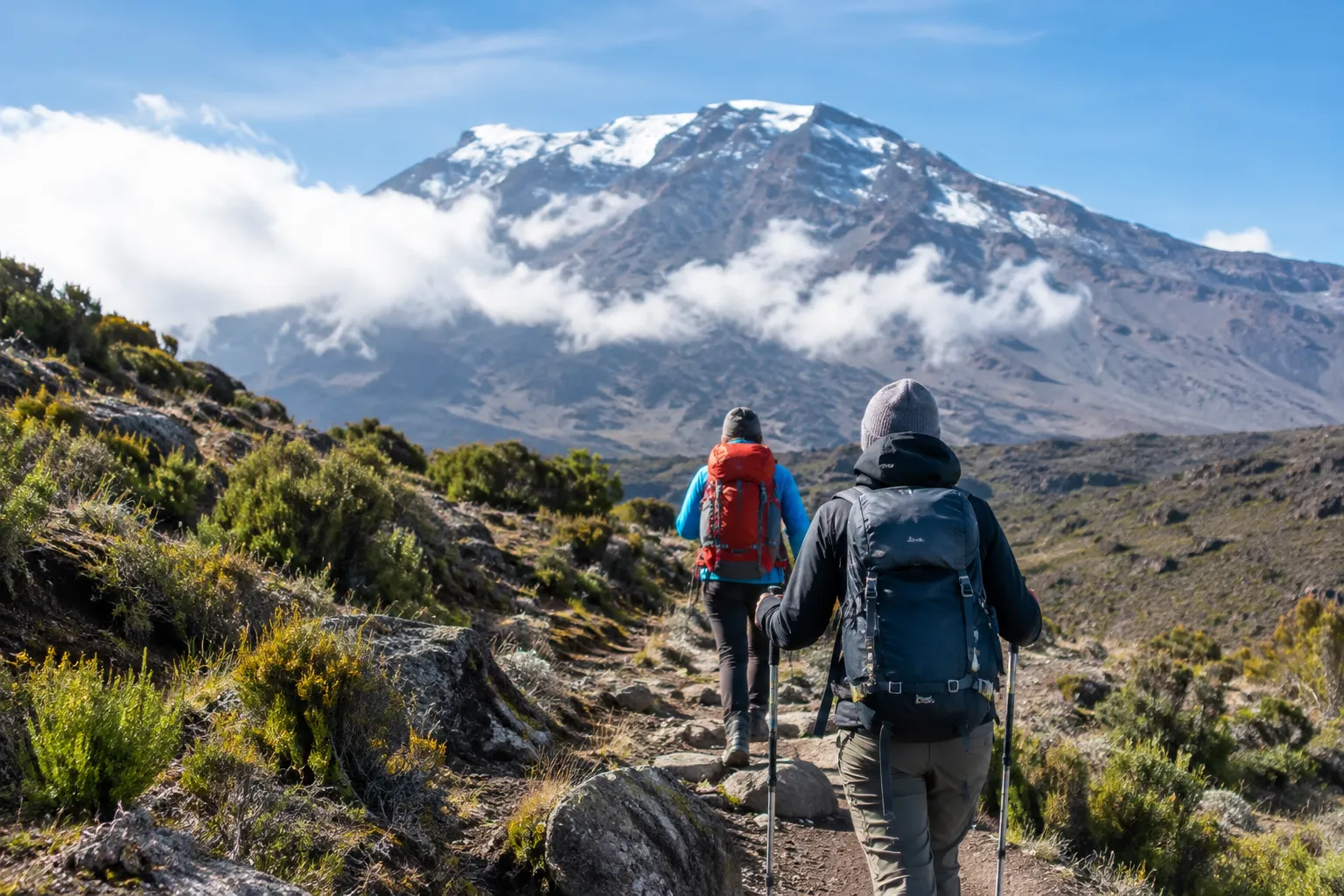
Kilimanjaro requires the ability to walk for several days in succession.
Your preparation should support:
- Long walking days.
- Uphill movement.
- Uneven terrain.
- Stairs and steep sections.
- Long descents.
- Walking while tired.
Useful Training Activities
- Regular walking.
- Long weekend hikes.
- Stair climbing.
- Incline treadmill walking.
- Step-ups.
- Leg-strength exercises.
- Core exercises.
- Balance work.
- Back-to-back walking or hiking days.
Why Strength Training Matters
Walking endurance is important, but so is strength.
Strong legs can help with:
- Climbing uphill.
- Controlling descents.
- Moving over uneven terrain.
- Maintaining stability when tired.
Why Balance Matters
Kilimanjaro is not a flat walking trail.
You may encounter:
- Rocky sections.
- Uneven surfaces.
- Steeper terrain.
- Scrambling on Barranco Wall.
Why Downhill Training Is Important
Many people focus almost entirely on climbing uphill.
But after summit day, you still need to descend.
Long downhill sections can be demanding on the legs.
Do Not Rush Your Training
If retirement gives you more preparation time, use it.
There is no need to compress everything into a few weeks.
What If You Have Not Exercised Regularly for Years?
Start gradually.
The goal is not to prove anything during the first week of training.
Build consistency first.
Start With Walking
Walking can become the foundation of your preparation.
You can gradually increase:
- Distance.
- Time.
- Incline.
- Frequency.
What If You Live Somewhere Flat?
You can still prepare for Kilimanjaro.
Use:
- Stairs.
- Incline treadmill.
- Step-ups.
- Long walks.
- Strength training.
Back-to-Back Hiking Days
This can be particularly useful because Kilimanjaro involves repeated trekking days.
For example, walking on Saturday and then again on Sunday teaches you what it feels like to start moving when your legs are not completely fresh.
Recovery Is Part of Training
More is not always better.
Give your body time to recover between demanding sessions.
Should You Speak With a Doctor Before Kilimanjaro?
If you have medical conditions, take regular medication, have cardiovascular concerns or are uncertain about high-altitude trekking, discuss your travel plans with an appropriate healthcare professional.
Do Not Assume Fitness Removes All Health Considerations
A woman can be active and still have individual health factors that deserve professional advice.
Altitude Is a Different Challenge
Fitness helps with trekking.
It does not guarantee how your body will respond to altitude.
Why Kilimanjaro Altitude Matters
Uhuru Peak reaches 5,895 metres.
At high altitude, some women may feel symptoms even if they are very fit.
Do Not Hide Symptoms
If you feel significantly unwell during the climb, communicate clearly with your guide.
Your Retirement Celebration Is Not a Reason to Ignore Your Body
The mountain is important.
Your health is more important.
Pole Pole
On Kilimanjaro, you will often hear pole pole, meaning “slowly, slowly.”
This controlled pace helps conserve energy over several days.
You Do Not Need to Keep Up With a Younger Woman
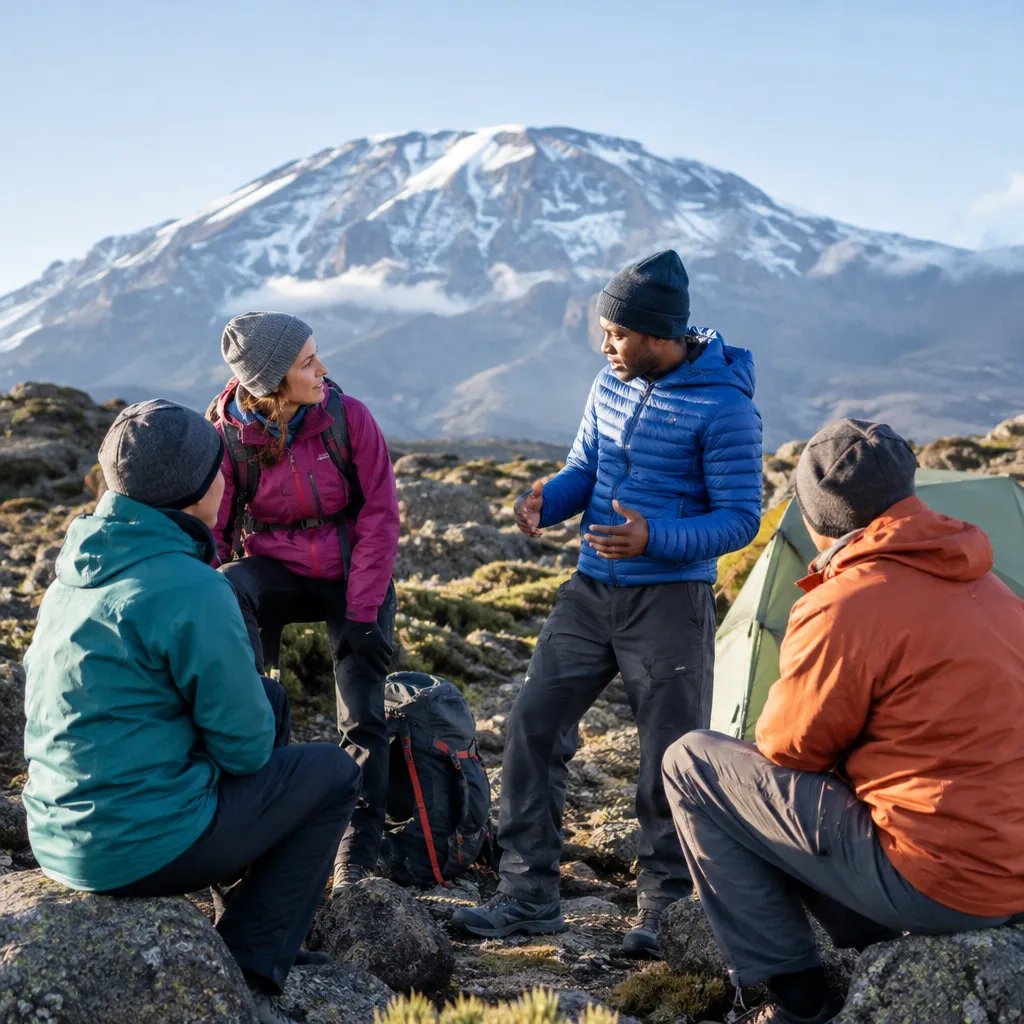
A group may include women of different ages and fitness levels.
That does not mean everyone should walk at exactly the same natural pace.
Do Not Turn Age Into a Competition
The goal is not to prove that you are stronger than younger climbers.
The goal is to manage your own mountain journey.
Why Women-Only Groups Appeal After Retirement
Some women want to travel independently after retirement but do not necessarily want to organize every part of a major trekking trip alone.
A scheduled women-only departure can offer a useful middle ground.
You Can Travel Solo Without Doing the Mountain Alone
Solo female travelers are welcome on scheduled WomenClimbKili departures.
You Do Not Need Your Partner to Climb
Perhaps your spouse or partner:
- Does not enjoy hiking.
- Has no interest in Kilimanjaro.
- Cannot travel at the same time.
- Prefers a different kind of holiday.
That does not automatically mean your own adventure has to wait.
You Do Not Need Your Friends to Be Ready Either
Friends may have different:
- Budgets.
- Schedules.
- Fitness levels.
- Travel interests.
Solo Retirement Travel Can Still Be Social
You may arrive in Tanzania independently and then meet women who have traveled from other parts of the world for the same mountain.
Maximum Scheduled Group Size
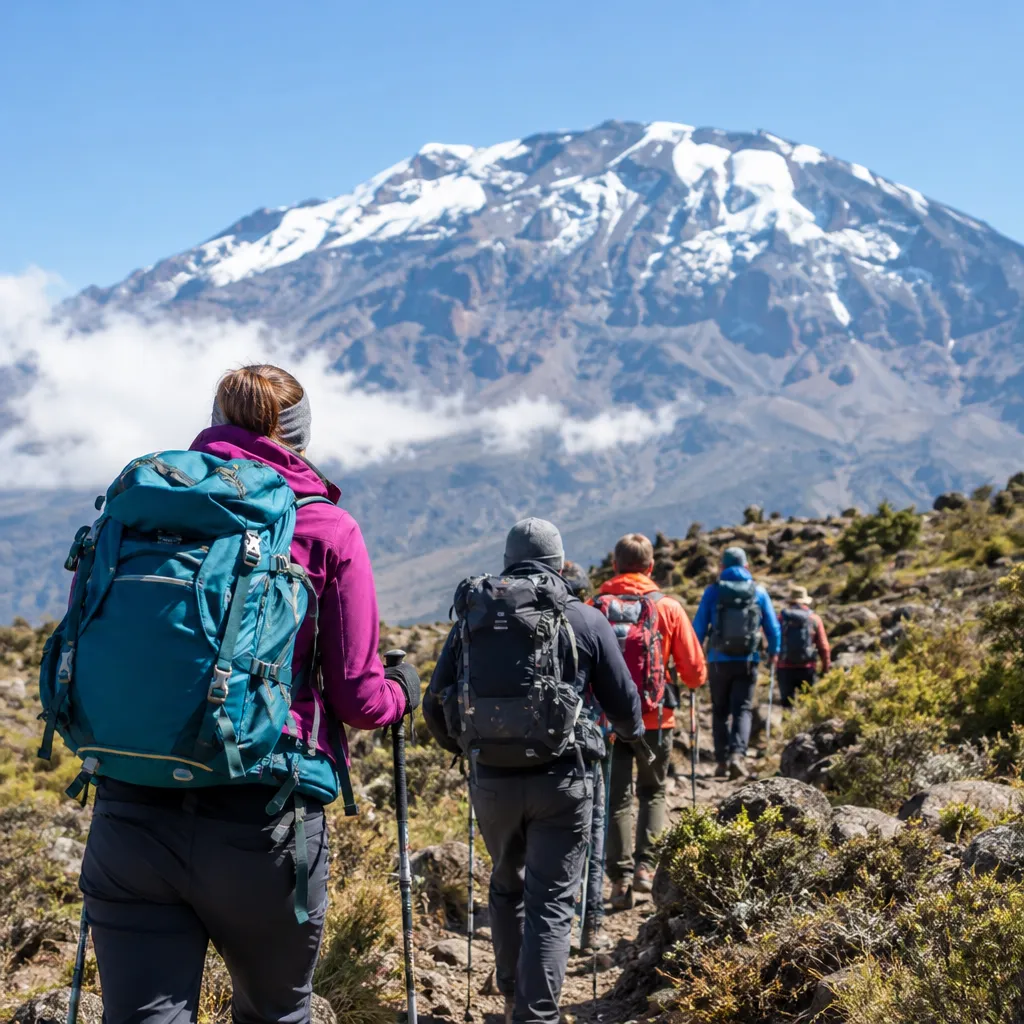
WomenClimbKili scheduled groups have a maximum of 12 women.
Which Route Is Used?
Scheduled WomenClimbKili departures use the 7-day Machame Route.
Why a 7-Day Route?
The route gives climbers several trekking days rather than compressing the mountain into a very fast ascent.
What Will You Encounter?
The Machame Route includes well-known sections such as:
- Shira.
- Lava Tower.
- Barranco Wall.
- Karanga.
- Barafu.
- Stella Point.
- Uhuru Peak.
Is Barranco Wall Suitable for Older Women?
Barranco Wall is a scrambling section rather than technical rock climbing.
Whether it is suitable for you depends on your individual mobility, confidence, preparation and overall fitness.
What Does Scrambling Mean?
You may use your hands for:
- Balance.
- Support.
- Moving over rock steps.
You Do Not Need to Rush Barranco Wall
Move carefully and follow your guide.
Summit Night After Retirement
Summit night is challenging at any age.
Why?
It combines:
- Very high altitude.
- Cold.
- Darkness.
- Long uphill movement.
- Fatigue from previous days.
Do Not Treat Retirement as Proof You Must Summit
The emotional meaning of the trip should not create pressure to ignore how you feel.
The Whole Journey Matters
Kilimanjaro is more than one photograph at Uhuru Peak.
The experience also includes:
- Training before Tanzania.
- Arriving in Africa.
- Meeting your group.
- Walking through changing environments.
- Barranco Wall.
- Lava Tower.
- Summit preparation.
What Should Women Pack?
A practical layered clothing system is important.
Your mountain clothing may include:
- Base layers.
- Mid-layers.
- Insulation.
- Waterproof outer protection.
- Warm gloves.
- Warm hat.
- Hiking trousers.
Comfort Becomes More Important Than Fashion
Choose gear based on fit and function.
Hiking Boots
Your boots should be tested before Tanzania.
Do Not Arrive With Brand-New Footwear
Use the boots during training so you understand how they feel over several hours.
Pay Attention to Toe Room
Long descents can push your feet forward inside the boots.
Trekking Poles
Poles can be particularly useful for:
- Balance.
- Rhythm.
- Uphill movement.
- Downhill control.
Practice With Poles Before the Climb
Learn how to adjust and use them during your training walks.
Retirement, Menopause and Perimenopause
Women entering retirement may also be navigating menopause or post-menopausal changes.
Individual experiences vary significantly.
Temperature Comfort
Flexible layers can be especially useful if your temperature comfort changes throughout the day or night.
Sleep
If sleep changes are part of your normal experience, include realistic recovery in your training and travel planning.
Discuss Individual Medical Questions Professionally
If you have specific health concerns related to menopause, medication, bone health or other medical issues, consult an appropriate healthcare professional before a high-altitude trek.
When Should You Take Your Retirement Kilimanjaro Trip?
You do not need to leave work on Friday and fly to Tanzania immediately on Monday.
Give Yourself Time to Prepare
You may prefer to use the first part of retirement to:
- Train.
- Build walking endurance.
- Research equipment.
- Plan flights.
- Choose travel dates.
Scheduled WomenClimbKili Departure Periods
Scheduled departures are available around:
- March.
- July.
- August.
- September.
- New Year.
What If Scheduled Dates Do Not Suit You?
Private climb dates can be arranged throughout the year.
Can One Retired Woman Book a Private Climb?
Yes.
There is no minimum group size for a private climb.
Scheduled Group or Private Climb?
Choose based on the travel experience you want.
Scheduled Group May Suit You If
- You want to meet other women.
- You are traveling solo.
- You like having a fixed date.
- You want a shared milestone experience.
Private Climb May Suit You If
- You want your own date.
- You prefer a private trip.
- You are traveling with friends or family.
- The scheduled dates do not work.
How Long Is the Climb-Only Retirement Trip?
The climb-only WomenClimbKili trip is planned as 11 days.
It includes:
- 7 days of Kilimanjaro trekking.
- 2 hotel nights before the climb.
- 2 hotel nights after the climb.
Climb-Only Price
The climb-only option is US $2,950 per lady.
Climb-Only Deposit
The deposit is US $300 per lady.
Why Add Safari to a Retirement Trip?
Retirement may give you more flexibility to spend additional time in Tanzania.
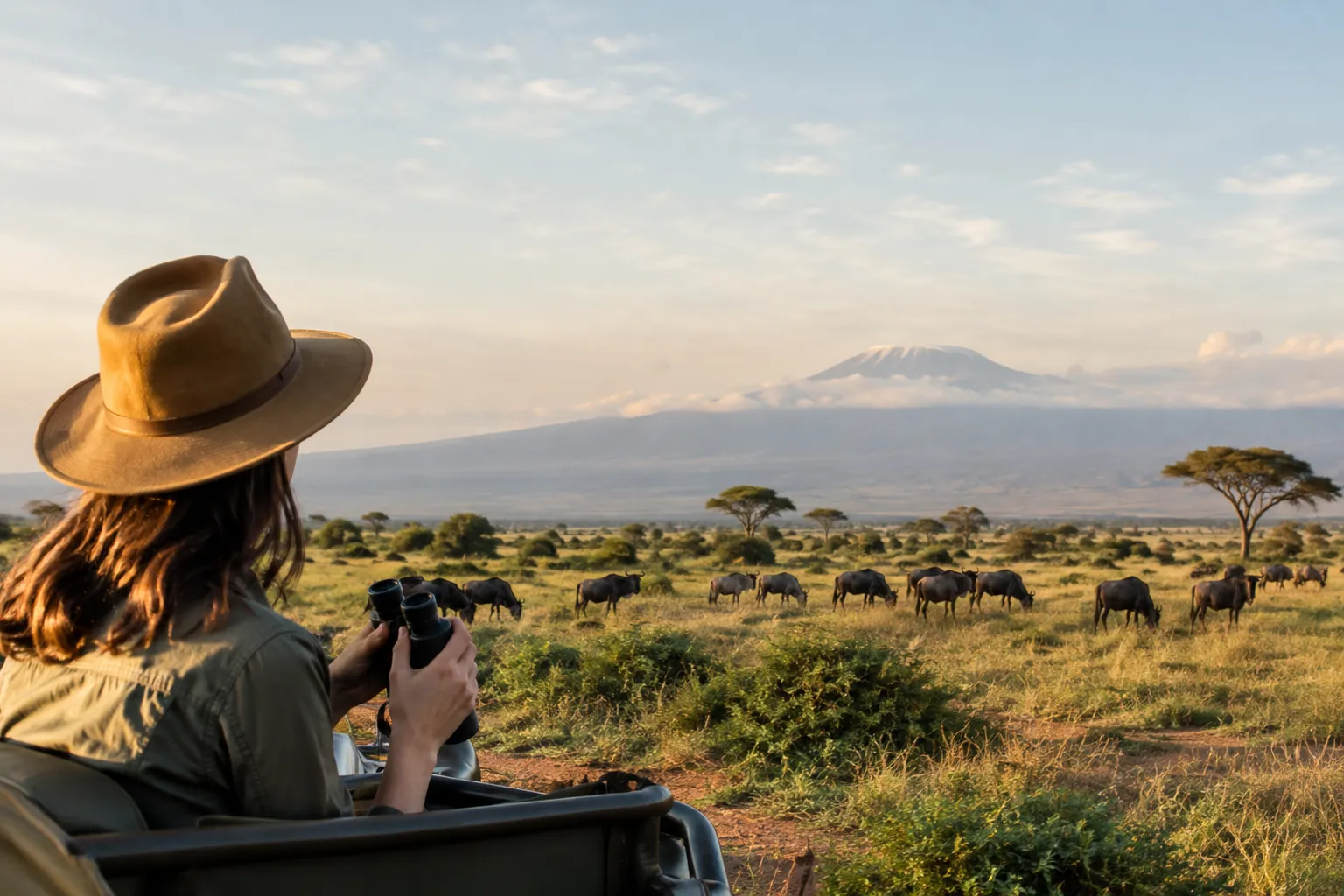
Instead of flying home after the mountain, you can continue into wildlife country.
WomenClimbKili Safari Extension
The optional safari is 4 days.
It visits:
- Tarangire National Park.
- Serengeti National Park.
- Ngorongoro Crater.
Safari Extension Price
The optional safari costs US $2,400 per lady.
Combined Retirement Climb + Safari Price
The combined package is US $5,350 per lady.
Combined Deposit
The deposit for the climb-and-safari option is US $1,605 per lady.
Combined Trip Length
The climb-and-safari option is planned as a 15-day Tanzania trip.
Why Safari Works Well After Kilimanjaro
The rhythm changes completely.
On the mountain, you focus on:
- Walking.
- Altitude.
- Weather.
- Summit preparation.
On safari, you focus on:
- Wildlife.
- Photography.
- Landscapes.
- A slower physical pace.
Safari Can Become the Celebration After the Challenge
You finish the mountain first.
Then you can allow your legs to recover while experiencing another side of Tanzania.
Climb Only vs Climb + Safari
| Factor | Climb Only | Climb + Safari |
|---|---|---|
| Trip Length | 11 days | 15 days |
| Route | 7-day Machame Route | 7-day Machame Route |
| Safari | No | 4 days |
| Wildlife Areas | Not included | Tarangire, Serengeti and Ngorongoro |
| Price | US $2,950 | US $5,350 |
Payment Methods
Payment can be made by:
- Bank transfer.
- Credit card.
Common Retirement Travel Mistake: Assuming You Are Too Old
Do not decide based only on age.
Assess your actual health, fitness and preparation.
Common Mistake: Booking Before Thinking About Training
Choose a departure that gives you enough time to prepare properly.
Common Mistake: Training Too Hard Too Quickly
Consistency and gradual progression are more useful than trying to prove fitness immediately.
Common Mistake: Ignoring Strength Work
Walking is important, but stronger legs and better balance can make trekking more manageable.
Common Mistake: Comparing Yourself With Younger Climbers
Your journey does not need to look like someone else’s.
Common Mistake: Expecting a Guaranteed Summit
No age group or fitness level has a guaranteed outcome at high altitude.
Common Mistake: Forgetting the Descent
Training should prepare you to come down as well as go up.
Common Mistake: Thinking Retirement Means You Have to Travel With a Partner
Solo female travelers can join scheduled women-only departures.
Simple Retirement Kilimanjaro Planning Checklist
| Planning Area | What to Consider |
|---|---|
| Health | Consider your individual health and seek professional advice where appropriate |
| Training | Allow enough time for gradual preparation |
| Strength | Prepare legs, core and balance |
| Departure | Choose a scheduled women-only date or a private date |
| Travel Style | Join as a solo woman, with friends or privately |
| Trip Length | Choose 11-day climb only or 15-day climb + safari |
| Safari | Decide whether wildlife is part of your retirement celebration |
Frequently Asked Questions
Is Kilimanjaro a good retirement trip for women?
It can be an excellent goal for women who are healthy enough for high-altitude trekking, enjoy adventure travel and have enough time to prepare.
Can women over 60 climb Kilimanjaro?
Women over 60 can attempt Kilimanjaro depending on individual health, mobility, fitness and preparation.
Am I too old to climb after retirement?
Retirement age alone does not determine whether you can climb. Your individual health and preparation matter more.
Do I need previous mountaineering experience?
Technical mountaineering experience is not normally required for the standard Machame Route, although physical preparation is important.
Can I join alone after retirement?
Yes. Solo female travelers are welcome on scheduled WomenClimbKili departures.
What is the maximum group size?
Scheduled groups have a maximum of 12 women.
Which route is used?
Scheduled WomenClimbKili departures use the 7-day Machame Route.
Can I choose private dates?
Yes. Private climbs can be arranged throughout the year with no minimum group size.
How much is climb only?
The climb-only package is US $2,950 per lady.
What is the climb-only deposit?
The climb-only deposit is US $300 per lady.
Can I add safari after Kilimanjaro?
Yes. The optional 4-day safari visits Tarangire National Park, Serengeti National Park and Ngorongoro Crater.
How much is the combined package?
The climb-and-safari package is US $5,350 per lady.
What is the combined deposit?
The combined deposit is US $1,605 per lady.
Retirement Can Be the Beginning of the Adventure
A career ending does not have to mean adventure ending.
It can mean the opposite.
For the first time in years, you may have more control over your calendar.
More time to train.
More freedom to travel.
And more opportunity to ask yourself what you actually want to do next.
If Kilimanjaro has been on your list for years, retirement can become the moment you finally give that dream a date.
You can train for the 7-day Machame Route.
Travel to Tanzania solo or with friends.
Join other women.
Work slowly toward Uhuru Peak.
And if you want the journey to continue after the mountain, add Tarangire, Serengeti and Ngorongoro to create a fuller Tanzania retirement adventure.
Explore the main
WomenClimbKili women-only Kilimanjaro departures
or view the complete
Women-Only 7-Day Machame Route Kilimanjaro Package
.
For booking questions, contact Fredrick Wilbert – Travel Expert at
[email protected]
or WhatsApp +255 712 528 219.
Share:

Social Media
Most Popular
Mother-Daughter Kilimanjaro Trip | Women’s Tanzania Adventure
Kilimanjaro Graduation Trip for Women | Tanzania Adventure
Kilimanjaro Retirement Trip for Women | Tanzania Adventure
Kilimanjaro Anniversary Trip for Women | Celebrate in Tanzania
Book Your Sustainable Tour
Related Posts
Mother-Daughter Kilimanjaro Trip | Women’s Tanzania Adventure
Mother-Daughter Kilimanjaro Trip: Share a Tanzania Adventure Together A mother daughter Kilimanjaro trip can become far more than an ordinary family holiday. It can be
Kilimanjaro Graduation Trip for Women | Tanzania Adventure
Kilimanjaro Graduation Trip for Women: Celebrate Your Achievement in Tanzania A Kilimanjaro graduation trip for women can turn the end of years of study into
Kilimanjaro Retirement Trip for Women | Tanzania Adventure
Kilimanjaro Retirement Trip for Women: Start Your Next Chapter in Tanzania A Kilimanjaro retirement trip for women can turn the end of a career into
Kilimanjaro Anniversary Trip for Women | Celebrate in Tanzania
Kilimanjaro Anniversary Trip for Women: Celebrate a Special Milestone in Tanzania A Kilimanjaro anniversary trip for women can transform a personal milestone into a meaningful