Kilimanjaro Summit Night Gear for Women: Complete Checklist
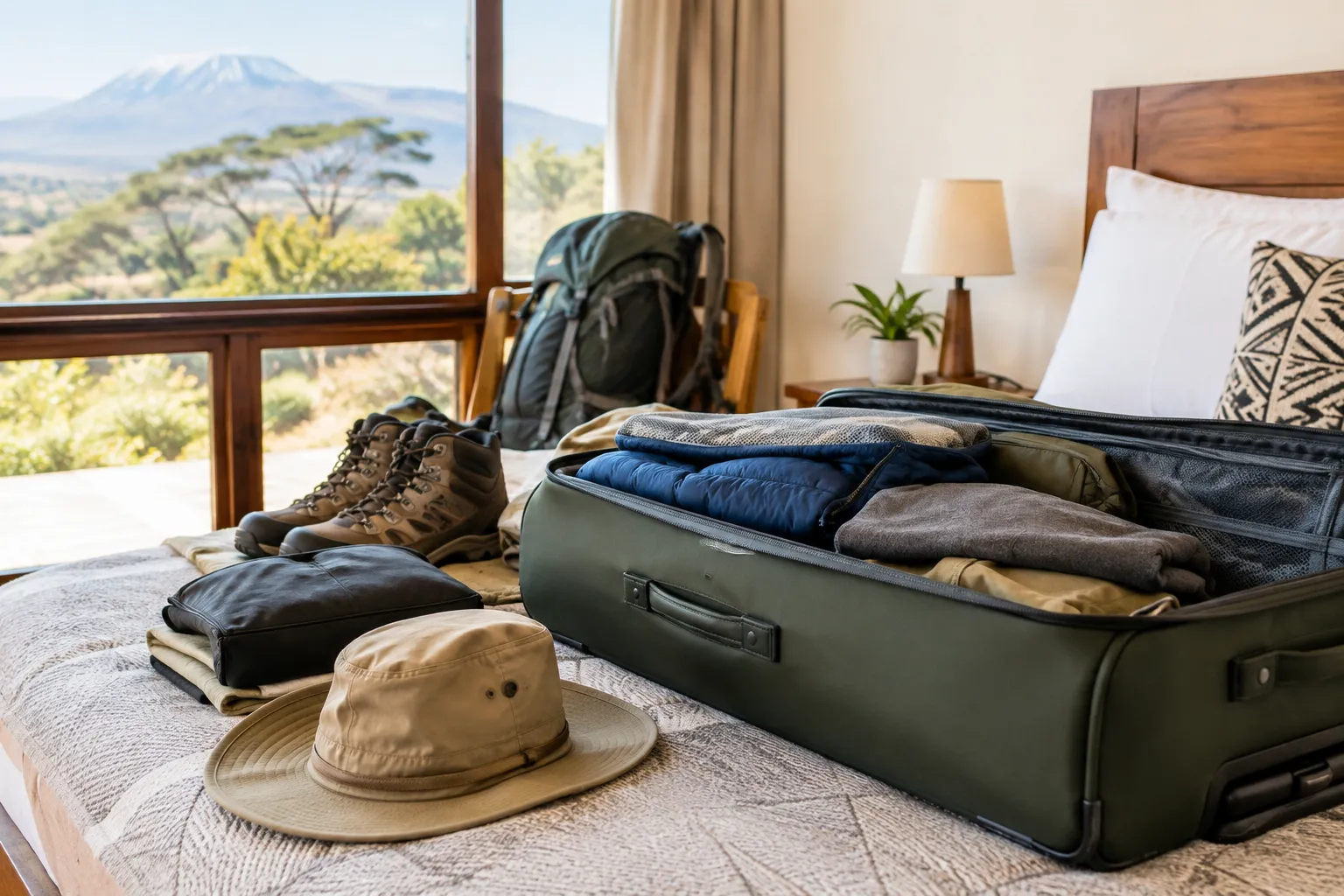
Preparing the right Kilimanjaro summit night gear for women is one of the most important parts of getting ready for the mountain.
Summit night is colder, darker, longer, and more demanding than an ordinary trekking day.
You may be walking for many hours before sunrise, moving slowly at high altitude, wearing several clothing layers, using trekking poles, and managing your water and snacks in the dark.
The goal is not to carry as much gear as possible.
The goal is to create a simple, reliable summit system that keeps you warm, organized, and able to move comfortably.
Why Summit Night Gear Is Different
Most Kilimanjaro trekking days involve changing layers as the weather and effort level change.
Summit night places more emphasis on:
- Cold-weather protection.
- Wind protection.
- Reliable lighting.
- Warm hands and feet.
- Easy access to water and snacks.
- Keeping equipment simple in darkness.
Summit Night Is Not the Time to Experiment
Every important piece of equipment should already be familiar.
Before Tanzania, test:
- Your full clothing system.
- Hiking boots.
- Summit socks.
- Gloves.
- Headlamp.
- Trekking poles.
- Daypack.
Start With a Dry Base Layer
Your first summit layer should be dry and comfortable.
A typical base layer can include:
- Long-sleeved thermal top.
- Thermal bottoms.
Why Dry Layers Matter
Damp clothing can make cold conditions feel much less comfortable.
Protect your summit base layers from moisture earlier in the trek.
Choose Technical Fabrics
Technical synthetic or wool-based base layers are generally more practical than cotton because they manage moisture better and dry more efficiently.
Mid-Layer for Summit Night
Your mid-layer adds warmth between the base layer and your outer insulation.
Common options include:
- Fleece jacket.
- Technical warm layer.
- Light insulated mid-layer.
Insulating Jacket
A warm insulating jacket is one of the key pieces of summit-night clothing.
This may be down or synthetic insulation.
The important thing is that it provides enough warmth while still fitting comfortably under your outer shell if needed.
Do Not Buy Insulation Without Testing the Full System
Your warm jacket may fit perfectly by itself but become restrictive when combined with:
- Thermal layer.
- Fleece.
- Waterproof shell.
Outer Shell
A waterproof and windproof shell provides protection from exposed mountain conditions.
Even if it is not raining, wind protection can be valuable on summit night.
Your Outer Jacket Must Allow Movement
You should still be able to:
- Use trekking poles.
- Reach your daypack straps.
- Bend your elbows.
- Adjust your gloves.
Lower-Body Summit Layers
Your legs need a layered system too.
A practical setup may include:
- Thermal leggings.
- Trekking trousers.
- Waterproof or windproof over-trousers if needed.
Do Not Overcompress Your Legs
Several tight layers can restrict movement and become uncomfortable during long uphill walking.
Test the Full Lower-Body System
At home, wear all layers and:
- Walk.
- Climb stairs.
- Squat slightly.
- Take long steps.
Summit Socks
Use warm, tested hiking socks.
They should provide warmth without making your boots excessively tight.
Do Not Add Too Many Sock Layers
More socks do not automatically mean warmer feet.
If the boot becomes too tight, comfort can decrease significantly.
Start With Dry Socks
Keep your summit socks protected and dry until the summit attempt.
Hiking Boots
Your summit-night boots should be the same well-tested hiking boots you have already used throughout training.
They should provide:
- Reliable fit.
- Grip.
- Enough toe room.
- Comfort with your summit socks.
Never Save New Boots for Summit Night
Summit night is not the time to discover pressure points or rubbing.
Warm Hat
A warm beanie or similar hat helps protect your head and ears.
Make sure it works comfortably with your headlamp.
Neck Gaiter
A neck gaiter or Buff-style layer can help protect your:
- Neck.
- Lower face.
- Cheeks.
This can be especially useful in wind.
Do Not Cover Your Face So Heavily That Breathing Feels Difficult
Use face protection in a way that remains comfortable during slow uphill movement.
Glove System
Your hands may need several layers.
A practical system can include:
- Thin liner gloves.
- Warm insulated gloves.
- Optional warmer mittens.
Why Liners Help
Liner gloves allow you to perform small tasks without fully exposing bare hands to cold conditions.
Mittens for Additional Warmth
Some women prefer mittens because fingers share warmth inside one insulated space.
Test Gloves With Your Trekking Poles
You should be able to:
- Grip the handles.
- Use the straps.
- Adjust pole length.
Your Headlamp
Your headlamp is essential because the summit attempt begins in darkness.
Before starting:
- Check the battery.
- Confirm the strap fit.
- Test the light.
- Prepare backup power.
Headlamp Must Work With Your Hat
Test the headlamp over your warm summit headwear.
Headlamp Must Work With Gloves
You should be able to turn it on and change settings without removing your warm gloves.
Backup Light
A small backup light can be useful if your primary headlamp fails.
Trekking Poles
Many climbers use trekking poles during summit night for:
- Balance.
- Walking rhythm.
- Stability when tired.
- The later descent.
Adjust Pole Length Before Starting
Do not wait until you are already cold and walking in darkness to discover your poles are set incorrectly.
Daypack
Your summit-night daypack should remain organized and as simple as possible.
Typical contents may include:
- Water.
- Snacks.
- Extra gloves.
- Additional warm layer.
- Sun protection for after sunrise.
- Personal medication.
- Small hygiene items.
Do Not Carry Unnecessary Weight
Summit night is already demanding.
Carry the items you genuinely need rather than filling the pack simply because space is available.
Organize by Priority
Items you may need quickly should be near the top or in easy-access pockets.
Water on Summit Night
Your water system should already be familiar from training and earlier trekking days.
Cold conditions can affect water systems, so follow your guide’s advice on how best to organize drinking water for the summit attempt.
Do Not Test a New Hydration System on Summit Night
Use bottles or a hydration setup you already understand.
Keep Water Accessible
If drinking becomes complicated, you may be tempted to drink less frequently.
Keep the system practical.
Summit Snacks
Choose snacks that you already know you can eat while tired.
Useful characteristics include:
- Easy to open.
- Easy to chew.
- Easy to carry.
- Familiar taste.
Do Not Bring Only Unfamiliar Energy Products
Summit night is not the best time to experiment with food your stomach has never experienced.
Keep Snacks Where You Can Reach Them
Do not bury all of your food at the bottom of the daypack.
Sunglasses
You may begin in darkness, but after sunrise bright conditions can develop.
Keep sunglasses protected and accessible for later in the morning.
Sun Protection
Once daylight arrives, high-altitude sun exposure becomes relevant.
Your daypack should include:
- Sunglasses.
- Sunscreen.
- Lip protection.
Do Not Forget Sun Gear Because You Start in Darkness
The summit day continues after sunrise.
Personal Medication
Any medication you may need should remain accessible.
Do not place critical personal medication somewhere you cannot reach during the trekking day.
Keep Medication Protected
Use a dry, organized pouch.
Altitude Medication
If you have been prescribed medication related to high-altitude travel, follow the instructions of the healthcare professional who prescribed it.
Do not start unfamiliar medication based solely on another climber’s advice.
Personal Hygiene Items
Keep a small hygiene pouch in the daypack.
It may include:
- Toilet paper.
- Hand-cleaning supplies.
- Waste bags.
- Personal menstrual products.
Summit Night During Your Period
If you are menstruating during the summit attempt, prepare your hygiene system before leaving camp.
Keep products somewhere easy to reach.
Do Not Pack Period Supplies Deep Inside the Duffel
Anything you may need during summit night belongs in your daypack.
Choose Practical Clothing for Toilet Stops
Several summit layers can make toilet breaks more complicated.
Practice managing your clothing system before travel.
Women With Long Hair
Choose a hairstyle that works comfortably with:
- Warm hat.
- Headlamp.
- Hood.
- Neck gaiter.
Simple Hairstyles Are Often Easier
A practical hairstyle can reduce discomfort during a long night of walking.
Women With Braids
Make sure your summit hat, hood, and headlamp fit comfortably over the hairstyle you plan to use.
Electronics
You may want a phone or camera for summit photos.
Cold can reduce battery performance, so protect your electronics when they are not being used.
Power Bank
A charged power bank can be useful for a multi-day trek.
Keep it protected from moisture and unnecessary cold exposure.
Do Not Carry Excess Electronics
Every item adds weight.
Take what you realistically expect to use.
Camera Gear
If photography is important to you, keep the system simple enough that you can use it while wearing gloves.
Do Not Let Photos Disrupt Your Pace
Follow the guide’s instructions and remain aware of the group’s movement.
What Should Stay in the Duffel?
Your daypack does not need:
- Your full sleeping system.
- Every spare shirt.
- Large toiletry bags.
- Items only needed later at camp.
Prepare the Summit Pack Before Resting
At high camp, organize everything before you try to sleep.
Check:
- Water.
- Snacks.
- Headlamp.
- Gloves.
- Sunglasses.
- Medication.
- Hygiene pouch.
Lay Out Your Clothing in Order
Instead of searching through bags in the dark, organize:
- Base layers.
- Mid-layers.
- Insulation.
- Outer shell.
- Socks.
- Hat.
- Gloves.
Check Everything Before Sleeping
Summit preparation becomes much easier when you know exactly where each item is.
Common Summit Gear Mistake: Too Many Layers
More clothing is not always better.
If your system becomes extremely tight and restrictive, movement and comfort can suffer.
Common Mistake: Too Few Layers
Do not underestimate the need for reliable insulation and wind protection.
Common Mistake: Cotton Base Layers
Cotton can hold moisture and remain wet longer than technical fabrics.
Common Mistake: Untested Boots
Your feet already face enough challenges on summit day.
Do not add new footwear problems.
Common Mistake: New Summit Socks
Use a sock system you have already tested inside your boots.
Common Mistake: No Backup Headlamp Power
Start the summit attempt with reliable lighting and backup power.
Common Mistake: Gloves That Are Too Tight
Your full glove system must fit together comfortably.
Common Mistake: Buried Snacks
Food you cannot reach easily is less useful.
Common Mistake: Forgetting Sunglasses
Starting in darkness does not mean you will remain in darkness all day.
Common Mistake: Overloaded Daypack
Carry what you need without turning the summit attempt into unnecessary load-carrying.
Common Mistake: Summit Gear Becoming Wet Earlier
Protect critical warm clothing in waterproof inner bags throughout the trek.
Common Mistake: No Full Gear Rehearsal
Test the entire summit system before Tanzania.
Do a Summit Gear Rehearsal at Home
Put on:
- Base layers.
- Fleece.
- Insulated jacket.
- Waterproof shell.
- Thermal bottoms.
- Trekking trousers.
- Waterproof trousers.
- Summit socks.
- Boots.
- Hat.
- Gloves.
- Headlamp.
- Daypack.
Then Move
Walk around.
Climb stairs.
Use your trekking poles.
Open your backpack.
Use the headlamp controls.
Pretend to remove a snack.
You Will Find Problems Quickly
A rehearsal may reveal:
- The jacket is too tight.
- The gloves do not fit pole straps.
- The headlamp is uncomfortable over your hat.
- The trousers restrict movement.
- The daypack pockets are difficult to access.
Fix These Problems at Home
That is much easier than discovering them at high camp.
Women Who Feel the Cold Easily
If you already know you are a cold sleeper or become cold easily during hiking, plan your summit insulation conservatively.
Do not rely on another climber’s exact setup.
Women Who Usually Feel Warm
You still need enough cold-weather equipment.
Summit conditions are very different from a normal cool-weather hike.
Periods and Summit Night
Menstruation does not automatically prevent a summit attempt.
Prepare:
- Enough menstrual products.
- An accessible hygiene pouch.
- Waste bags.
- Practical clothing layers.
Perimenopause and Summit Clothing
If you experience rapid changes in temperature comfort, a layered system gives you more flexibility than one extremely heavy garment.
Women Over 40, 50 and 60
The summit gear principles remain the same.
Choose equipment based on:
- Personal cold sensitivity.
- Fit.
- Mobility.
- Comfort.
- Individual health needs.
Medical Conditions and Summit Night
Gear does not replace medical suitability for high-altitude trekking.
If you have medical concerns related to cold, altitude, circulation, heart or lung health, or other relevant conditions, discuss them with an appropriate healthcare professional before travel.
Do You Need Expensive Summit Gear?
Not every item needs to be premium-priced.
Focus on whether your equipment provides:
- Warmth.
- Weather protection.
- Reliable fit.
- Durability.
- Ease of use.
Do Not Choose Gear Only by Brand
Function matters more than logos.
Do Not Choose Gear Only by Appearance
Summit night rewards practical equipment.
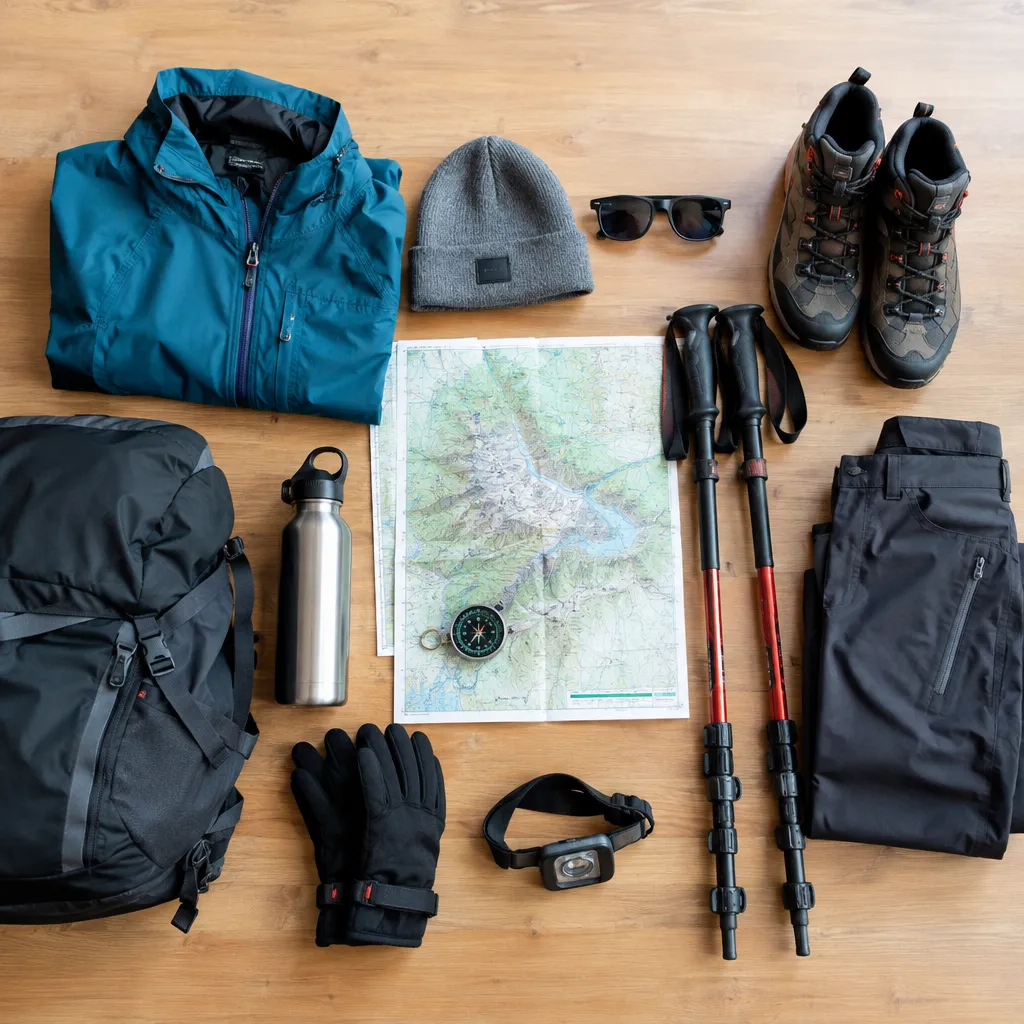
Simple Women’s Summit Night Gear Checklist
| Gear | Purpose |
|---|---|
| Thermal base layers | Foundation warmth |
| Fleece / mid-layer | Additional insulation |
| Insulated jacket | Main upper-body warmth |
| Waterproof shell | Wind and weather protection |
| Trekking trousers + thermal bottoms | Leg warmth |
| Waterproof trousers | Wind and weather protection |
| Warm socks | Foot warmth |
| Hiking boots | Foot support and traction |
| Warm hat | Head and ear protection |
| Neck gaiter | Neck and face protection |
| Liner gloves + warm gloves | Hand warmth and dexterity |
| Headlamp | Night visibility |
| Trekking poles | Balance and walking support |
| Daypack | Carry daily summit essentials |
| Water and snacks | Hydration and energy |
| Sunglasses and sunscreen | Protection after sunrise |
Final Summit-Night Check Before Sleeping
- Is my base layer dry?
- Are my summit socks dry?
- Are my boots ready?
- Is my headlamp fully powered?
- Do I have backup power?
- Are my gloves dry?
- Are my trekking poles adjusted?
- Is my water organized?
- Are snacks accessible?
- Are sunglasses packed?
- Is sunscreen accessible?
- Is personal medication accessible?
- Do I know where my hygiene pouch is?
Why Summit Preparation Matters on the 7-Day Machame Route
WomenClimbKili scheduled departures use the 7-day Machame Route.
After several days of trekking and acclimatization, climbers prepare for the final summit attempt toward Stella Point and Uhuru Peak.
By that point, you are already several days into the mountain journey, so organization becomes especially important.
View the complete itinerary on our Women-Only Machame Route Kilimanjaro Package .
Can Solo Female Travelers Prepare for Summit Night?
Absolutely.
Solo women can prepare all personal equipment before traveling and join a scheduled WomenClimbKili group in Tanzania.
Scheduled groups are limited to a maximum of 12 women.
Frequently Asked Questions
What should women wear on Kilimanjaro summit night?
Use a layered system with thermal base layers, warm mid-layers, insulation, wind or waterproof outer protection, warm socks, gloves, a hat and appropriate hiking boots.
How many clothing layers do I need?
There is no single fixed number for every climber. Your layers should provide enough warmth while still allowing comfortable movement.
Should I wear two pairs of socks?
Some women use a liner and hiking sock, while others use one warm pair. The key is testing the exact combination inside your boots before Tanzania.
Do I need mittens?
They are optional, but some women prefer them as an extra-warm layer because fingers share warmth inside the mitten.
Do I need a headlamp?
Yes. The summit attempt begins before daylight, so a reliable headlamp and backup power are important.
Should I use trekking poles on summit night?
Many climbers use them for balance, rhythm, and support during both the ascent and the later descent.
What should be in my daypack?
Typical summit-night items include water, snacks, extra warm gear, personal medication, hygiene supplies, sunglasses, sunscreen, and other small essentials.
Should I pack sunglasses even though we start at night?
Yes. The climb continues after sunrise, so eye protection becomes important later in the morning.
Should I test my full summit outfit beforehand?
Yes. This is one of the best ways to identify problems with fit, mobility, gloves, boots, headlamp placement and daypack access before the trip.
Summit Night Becomes Simpler When Your Gear Is Already Familiar
The final summit attempt is not the time to learn how your equipment works.
Your boots should already feel familiar. Your gloves should work with your trekking poles. Your headlamp should fit over your hat. Your layers should move comfortably together.
Keep your summit clothing dry. Organize your daypack before resting. Start with reliable batteries, dry socks and familiar snacks.
When your gear system is simple and tested, you can focus more of your attention on walking slowly, listening to your guide and taking the climb one step at a time toward Uhuru Peak.
Explore our WomenClimbKili scheduled departures or view the complete 7-Day Women-Only Machame Route Package .
Share:

Social Media
Most Popular
Kilimanjaro Summit Night Gear for Women | Complete Checklist
Kilimanjaro Rain Gear for Women | Waterproof Clothing Guide
Kilimanjaro Headlamp for Women | Summit Night Gear Guide
Kilimanjaro Socks for Women | Hiking, Warmth & Blister Guide
Book Your Sustainable Tour
Related Posts
Kilimanjaro Summit Night Gear for Women | Complete Checklist
Kilimanjaro Summit Night Gear for Women: Complete Checklist Preparing the right Kilimanjaro summit night gear for women is one of the most important parts of
Kilimanjaro Rain Gear for Women | Waterproof Clothing Guide
Kilimanjaro Rain Gear for Women: Waterproof Clothing and Wet-Weather Guide Choosing reliable Kilimanjaro rain gear for women is an important part of preparing for the
Kilimanjaro Headlamp for Women | Summit Night Gear Guide
Kilimanjaro Headlamp for Women: Summit Night Gear Guide A reliable Kilimanjaro headlamp for women is one of the most important small pieces of equipment to
Kilimanjaro Socks for Women | Hiking, Warmth & Blister Guide
Kilimanjaro Socks for Women: Hiking, Warmth and Blister Prevention Guide Choosing the right Kilimanjaro socks for women is a small gear decision that can have