 29 Nov 2026
 14 min read
The Lemosho Route is a Mount Kilimanjaro trekking route that approaches the mountain from the west and is commonly climbed over several days. An eight-day plan gives you a structured trek, a summit attempt, and a descent; compare its stages, acclimatization time, total trip costs, and operator support before choosing.
What makes the Lemosho Route distinctive
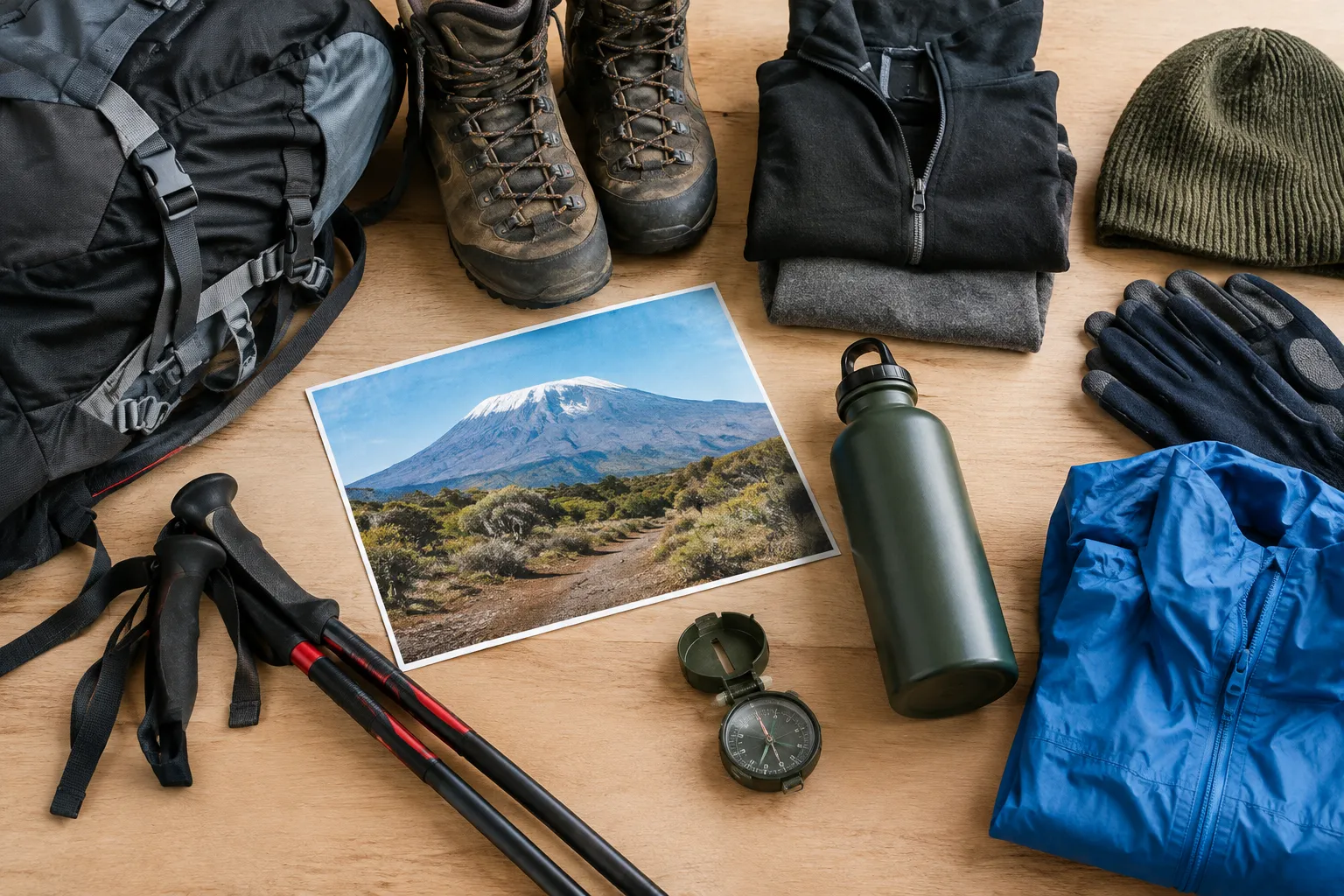
The Lemosho Route approaches Kilimanjaro from the west, crosses varied mountain terrain, and joins other climbing routes higher on the mountain. An eight-day schedule may suit climbers who want more time on the trek, but it still involves strenuous hiking at altitude and does not guarantee a summit.
Tanzania National Parks describes Kilimanjaro as Africa’s highest mountain and lists several routes and typical climb durations of five to eight days. Its Kilimanjaro National Park overview is a useful starting point for understanding where the Lemosho Route sits among the park’s approaches.
Route character and scenery
The route’s western approach means the opening stages are different from routes that begin on Kilimanjaro’s southern side. As the trek progresses, the route enters higher and more exposed terrain before joining a shared approach toward the summit. The scenery changes with elevation, but the exact views and conditions depend on weather and visibility.
Traffic also changes along the way. The lower approach can feel distinct from busier shared sections farther up the mountain, where climbers on different routes converge. If solitude is a priority, ask an operator which sections are shared and what the planned camps and daily stages are; don’t assume the entire route stays quiet.
A kilimanjaro climbing routes map can help you understand route directions and where approaches converge, but a map alone won’t show daily exertion, camp arrangements, or the pace of a particular itinerary. Ask for the route plan itself and review it alongside the park’s official visitor guidance for Kilimanjaro.
What to compare before choosing
For a Lemosho Route booking, compare more than the route name and advertised number of days. Ask for written details on:
- The number of trekking days and how arrival and departure days are counted.
- The planned stages, overnight camps, and descent arrangement.
- Which park fees and other required charges are included in the quoted price.
- What meals, drinking water, camping equipment, and group gear are included.
- Whether airport transfers, hotel nights, and transport to and from the trailhead are included.
- What personal clothing and equipment you must bring or rent.
- How the operator handles health checks, altitude concerns, and a climber who needs to descend.
- How tips are handled and what guidance is given to climbers before the trip.
These details shape the actual value of the trip. A lower headline price may not mean a lower overall cost if flights, lodging, equipment, or park charges are separate. Ask for an itemized list and check what is excluded before comparing operators.
Understanding success-rate claims
Searches for the Lemosho Route success rate often lead to percentages, but a figure is useful only if you know what it counts: which itinerary lengths, how many climbers, what period, and whether the measure is reaching the summit or completing the trek. Ask an operator to define any rate it quotes and explain how it applies to the specific itinerary under consideration.
No route length or operator statistic can predict an individual outcome. Acclimatization, health, pace, weather, and a climber’s response to altitude all matter. Treat claims as context, not a promise.

What an eight-day Lemosho itinerary typically includes
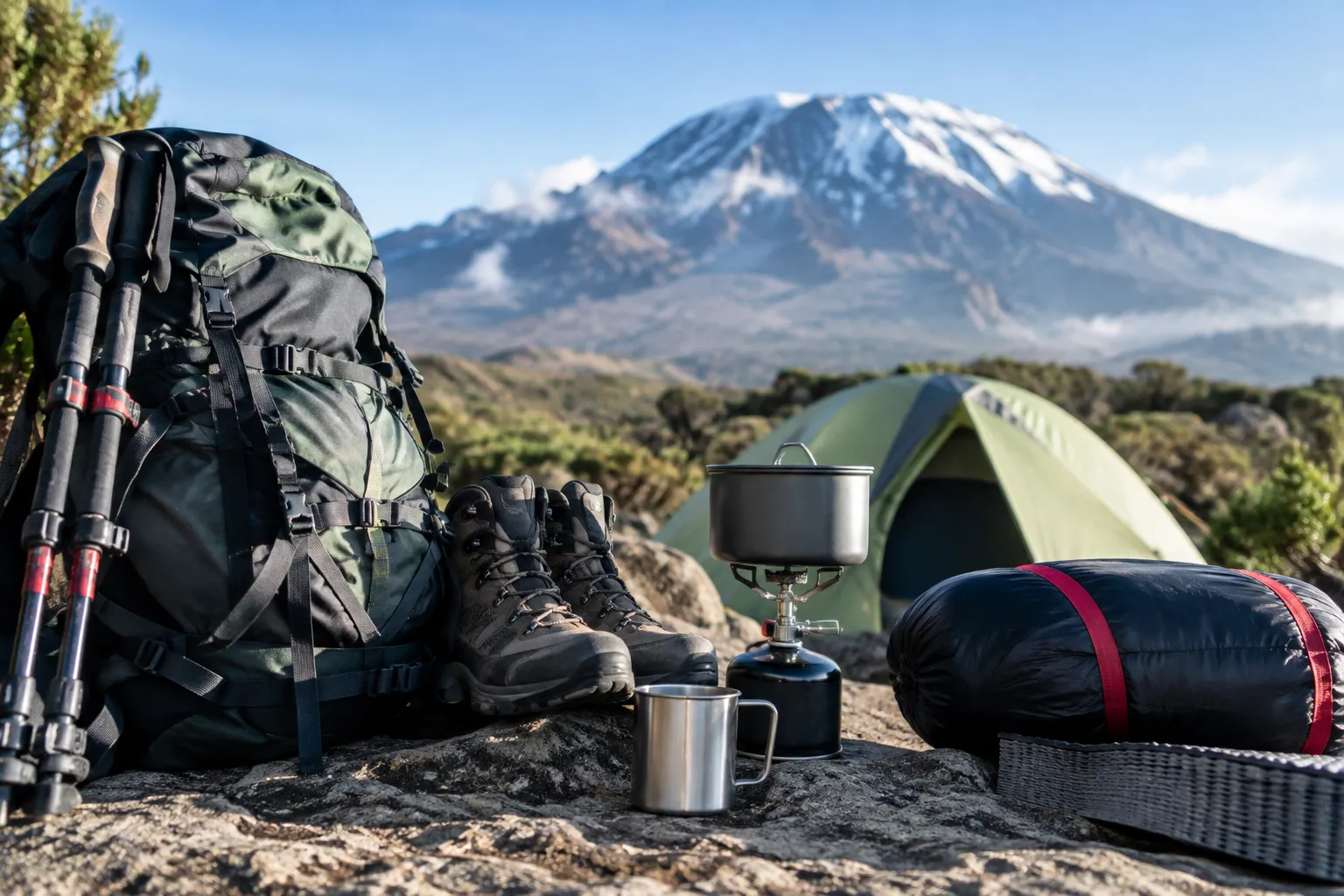
An eight-day Lemosho climb usually means several days of trekking, a summit attempt, and a descent, but the precise stage sequence and camp locations vary by operator. Request the day-by-day plan before booking so you can see exactly how the eight days are counted.
The outline below describes the broad progression, not a guaranteed schedule or a specific set of camps. Operators may arrange stages differently, and the number of days on the mountain may not include arrival, a pre-climb rest day, or post-climb recovery.
Days 1–3: Enter the mountain and gain altitude
The first stage takes you from the western trailhead into the mountain environment. Expect to walk at a measured pace, carry your personal daypack, and let the support team manage the larger trekking logistics according to the trip arrangement. Confirm in advance what you carry and what is transported by the crew.
As the route gains altitude, the terrain and effort change. The first few days are not a race to reach camp; a slower pace can help you conserve energy and follow the planned ascent. Ask how daily health checks are conducted and who you should tell if you develop symptoms or feel unable to keep going.
By the end of the opening stages, you’ll have had time to settle into the routine of walking, eating, resting, and sleeping on the mountain. That routine matters: pack clothing and small essentials where you can reach them, and keep your daypack manageable.
Days 4–6: Continue the approach to summit night
The middle stages continue the route’s upward progress and prepare you for the summit attempt. You’ll need to manage energy rather than judge the trek by how strong you feel on one day. Cold, fatigue, limited appetite, and disrupted sleep can make the same pace feel different as elevation increases.
Ask the operator how the itinerary distributes walking and rest, including whether the route includes an acclimatization stage. The daily plan should show where you sleep and how the trek moves toward the summit starting point. Don’t infer the acclimatization profile from “eight days” alone; check the actual elevations and stages.
This is also the time to keep track of your own condition and communicate honestly with the guide team. If you feel unwell, tell a guide promptly rather than waiting to see whether it disappears. The TANAPA visitor guide covers park visitor information, while the operator should explain its own on-route procedures.
Days 7–8: Summit attempt and descent
In many eight-day schedules, the summit attempt is followed by a substantial descent, with the final day used to continue down the mountain. Exact timing, route stages, and overnight arrangements vary, so confirm the plan rather than treating this sequence as fixed.
Summit night commonly means starting to walk in darkness and continuing in cold conditions, with a slow pace and frequent attention to how you feel. After the summit attempt, descending can be physically demanding even though you are moving to lower elevation. Tired legs, loose or uneven ground, and a long day all call for care.
Check whether the itinerary has you descend to a lower camp after the summit attempt and whether the final descent is completed the same day or the next. Also ask what happens if weather, illness, or fatigue changes the planned schedule. A reliable decision is one based on the operator’s actual contingency process, not an assumption that every climber follows the same timetable.
How eight days affects acclimatization and success
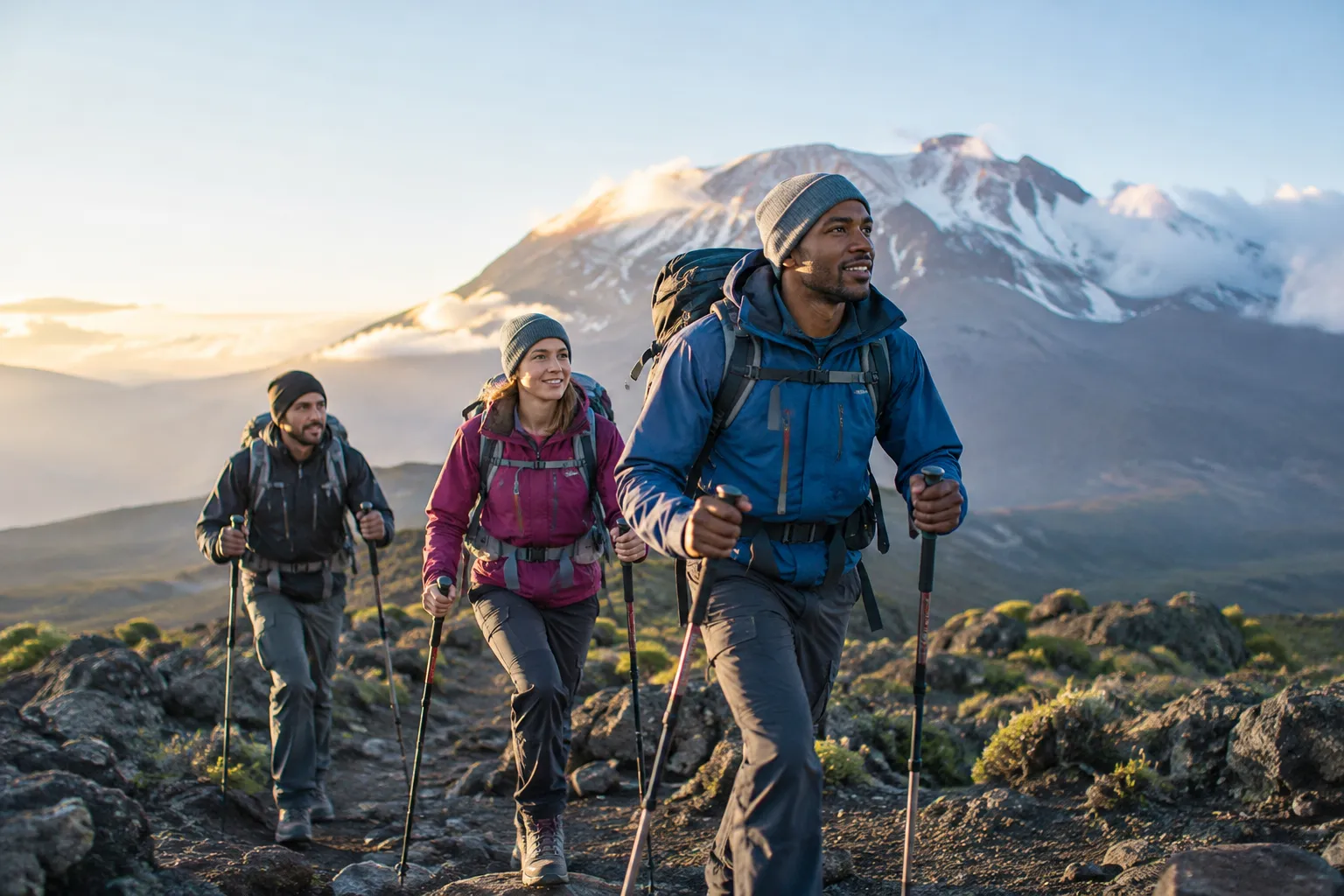
Eight days can allow more time on the mountain than a shorter itinerary, but the day count alone cannot establish whether the ascent is suitable for you. The route’s stages, sleeping elevations, your health, and your response to altitude all affect the experience.
At high altitude, people can develop altitude illness, and Kilimanjaro’s elevation makes acclimatization a central planning concern. The CDC’s high-altitude travel guidance explains the importance of gradual ascent and recognizing symptoms. Discuss your personal health and travel plans with a qualified medical professional before making decisions about high-altitude travel or medication.
Why the itinerary matters more than the label
“Eight days” describes a duration, not a complete acclimatization plan. Two itineraries with the same number of days may have different walking stages, sleeping elevations, or rest arrangements. Compare the actual day-by-day schedule and ask the operator how its route plan manages altitude.
A useful itinerary should make it possible to identify:
- The elevation where each day begins and ends, if the operator provides it.
- How long the planned walking stages are and how the pace is set.
- Whether any day is intended to allow acclimatization or recovery.
- What routine health monitoring takes place.
- Who makes decisions if a climber becomes unwell and how descent is arranged.
These questions help you evaluate the plan without relying on a headline success rate. If an operator quotes a Lemosho Route success rate, ask whether the figure is for the same trip duration and what outcome it counts. A summit rate is not a safety measure, and it cannot tell you whether a particular climber will acclimatize.
Why no success rate is a promise
Summit outcomes vary. The length of the itinerary may influence a climber’s opportunity to adjust to altitude, but fitness alone does not prevent altitude illness, and a longer itinerary cannot guarantee a summit. Weather, individual response, and decisions made during the climb also matter.
For a first high-altitude trek, prioritize a clear itinerary, a realistic pace, and explicit procedures for monitoring and responding to health concerns. Ask who leads the climb, what training or qualifications the guides have, and how the team responds if someone needs to stop or descend. Don’t accept a general assurance as a substitute for a plain explanation of the process.
What summit night and recovery involve
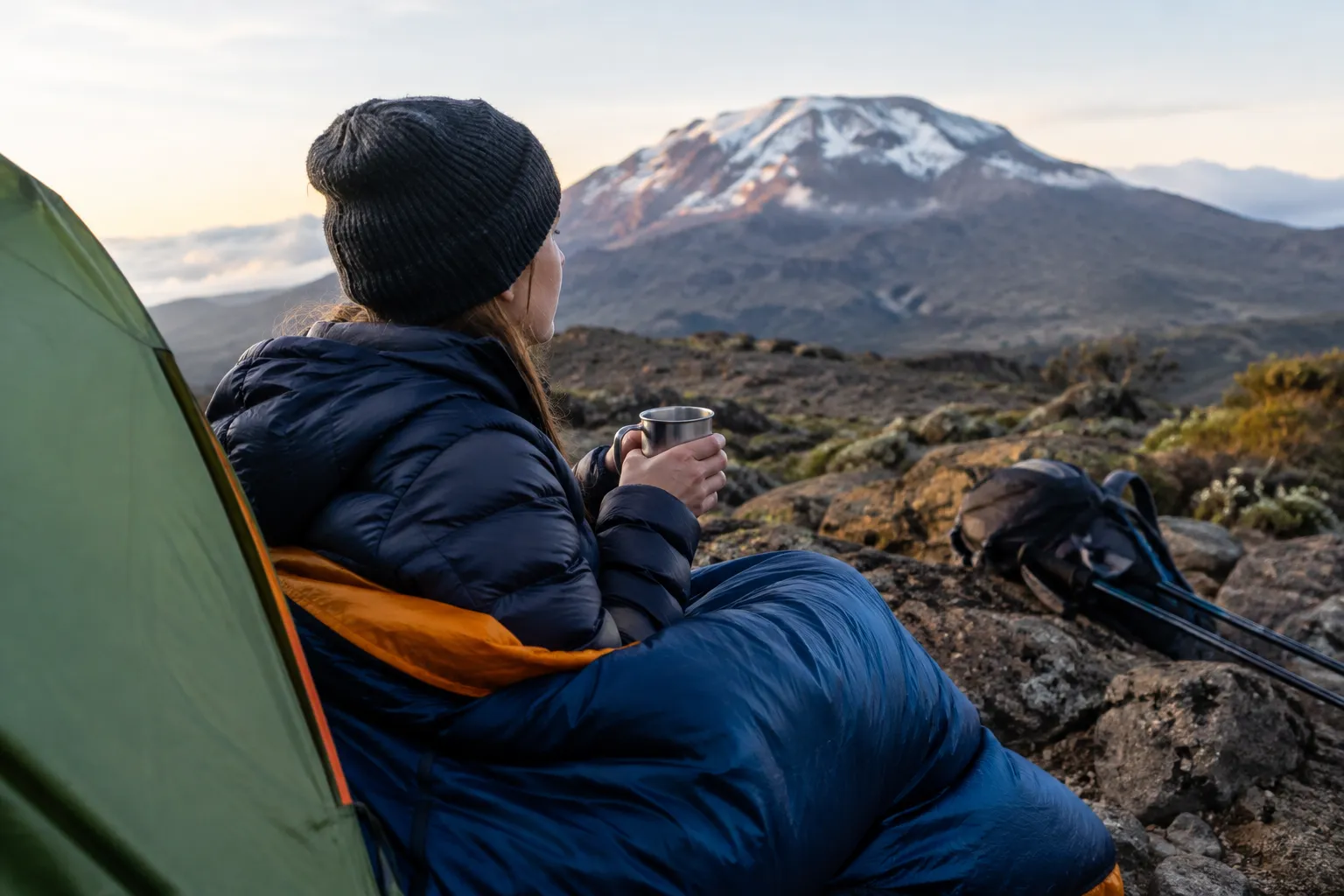
Summit night is a cold, demanding overnight effort followed by a descent, so plan for fatigue rather than treating the summit as the only hard part. The route’s eight-day schedule should also leave you time to come down the mountain and recover before travel or other activities.
The exact start time and duration depend on the itinerary and conditions. You may be walking in darkness, wearing layers, and moving slowly at high elevation. Your guide team’s instructions matter; keep needed layers, water, and personal essentials accessible rather than buried in a larger bag.
After the summit attempt
The descent can be hard on tired legs and may take longer than expected. Follow the guide’s pace and instructions, use trekking poles if they are part of your equipment plan, and avoid rushing simply because you are heading downhill. If you feel unwell or unable to continue, tell a guide.
Clarify what the trip schedule includes after reaching the summit: where you sleep, when you leave the mountain, and whether a hotel night or other recovery time is part of the arrangement. Keep flight plans separate from assumptions about the trekking schedule. Allow enough flexibility that a change to the climb doesn’t create an immediate pressure to travel.
Rest and post-climb plans
A safari or other travel add-on may appeal after a climb, but it adds logistics and may mean more time on your feet or in transit. Decide whether you’d rather rest first or continue traveling, and check the planned transport, overnight stays, and what each portion costs.
Eco Africa Climbing offers guided Kilimanjaro climbs and private Tanzania safaris. If you are considering combining a climb with a safari, ask for the timing and inclusions of each service separately, then decide whether the transition leaves you enough time to rest.
How to prepare for the climb
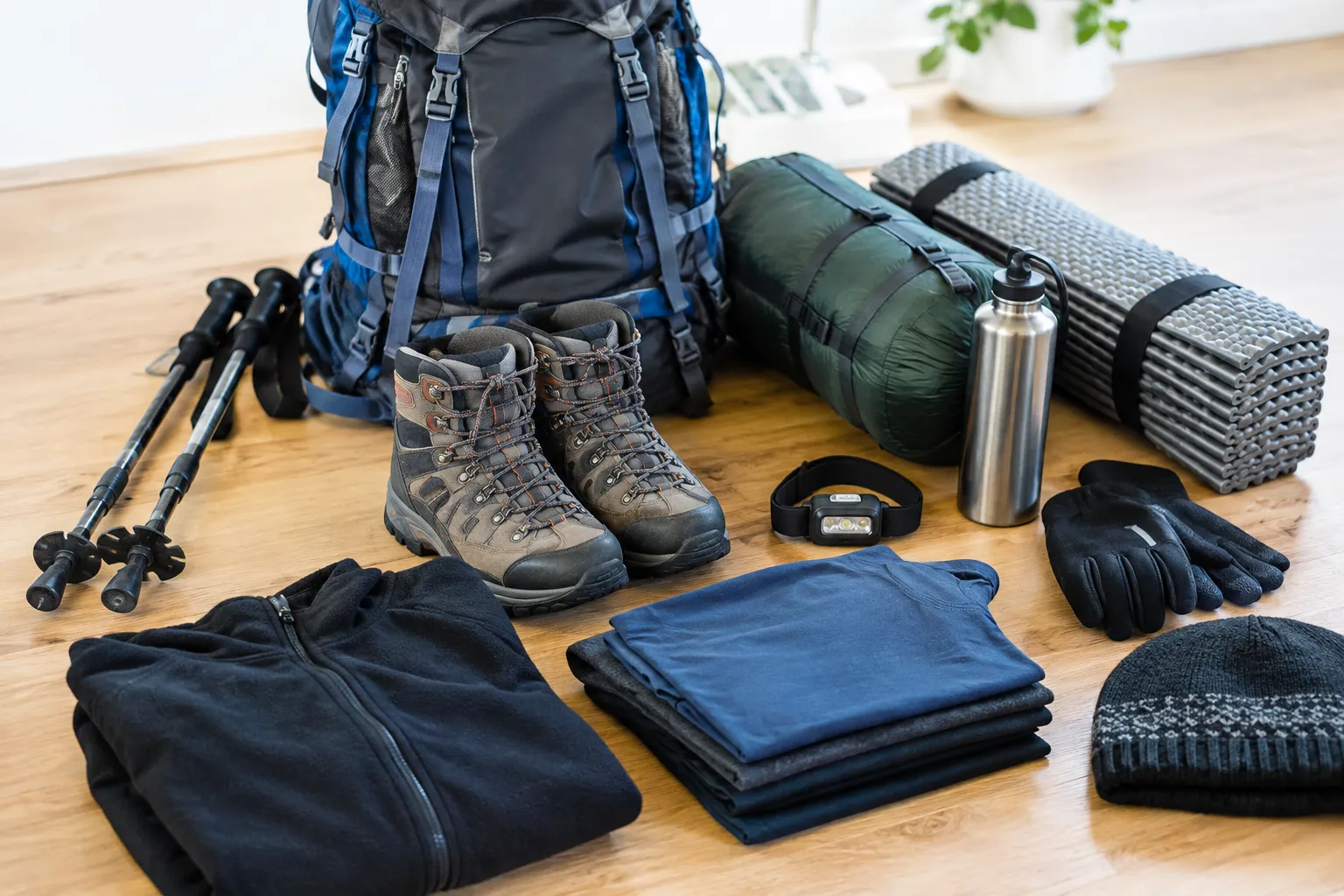
Prepare for the Lemosho Route with consistent walking practice, strength and balance work, appropriate gear, and an arrival plan that gives you time to rest before the climb. A training schedule should build gradually and reflect your current health and fitness rather than copy someone else’s routine.
Build hiking capacity gradually
Practice walking for sustained periods, including on uneven terrain and hills when available. Increase duration or difficulty gradually, and use training hikes to test the footwear, socks, pack, and layers you plan to take. This helps identify rubbing, pressure points, or gear that is awkward to use before you are on the mountain.
Add general strength and balance work if it is appropriate for you. Focus on being able to walk steadily with a daypack and manage descents as well as climbs. Training can prepare your legs and improve comfort, but it cannot guarantee how you will respond to altitude.
If you have a chronic condition, are returning to exercise after a long break, or have concerns about strenuous activity, consult a qualified health professional before setting your plan. For travel health questions, including recommended medicines and vaccines, consult current guidance from a travel-health clinician and the CDC’s Tanzania traveler page.
Plan flights, sleep, and baggage
Work backward from the climb date to plan arrival, sleep, and transfers. An arrival day with no time to rest may leave you starting the trip tired. Confirm the operator’s required arrival timing, where you stay before the trek, and how you get from that accommodation to the trailhead.
Check your flight connections and baggage rules with the airlines on your itinerary. If a connection requires you to collect and recheck a bag, allow time for that step and understand what happens if a bag is delayed. Keep essential items for the first part of the trip in your carry-on if airline rules allow; don’t pack medication or critical documents somewhere you cannot access if checked baggage is delayed.
Check the gear list against the inclusions
Request the operator’s written packing list and compare it with the trip inclusions. Confirm which items are personal gear, which may be rented, and what the operator supplies. For items you may rent, check sizes, availability, condition, and the cost directly with the provider before traveling.
A useful checklist covers clothing layers, rain protection, walking footwear, sleeping arrangements, a daypack, and personal essentials. The exact items depend on the itinerary and conditions, so follow the operator’s guidance and check that your clothing works together as a system. Test footwear and pack fit during training hikes rather than first using them on the mountain.
Prepare for health and altitude decisions
Ask the operator how guides check on climbers and what steps they take if someone shows signs of illness or cannot continue. Separately, ask a medical professional about your own suitability for altitude and any travel-health decisions. The CDC’s altitude guidance describes symptoms and the need to take altitude illness seriously; a guide’s monitoring process is not a substitute for individual medical advice.
For park rules and visitor conduct, review the TANAPA mountain regulations. They address climber requirements, injury reporting, waste handling, and restrictions on children’s access to higher elevations. Follow the current rules and the instructions provided for your climb.
Decide whether an eight-day Lemosho climb suits you
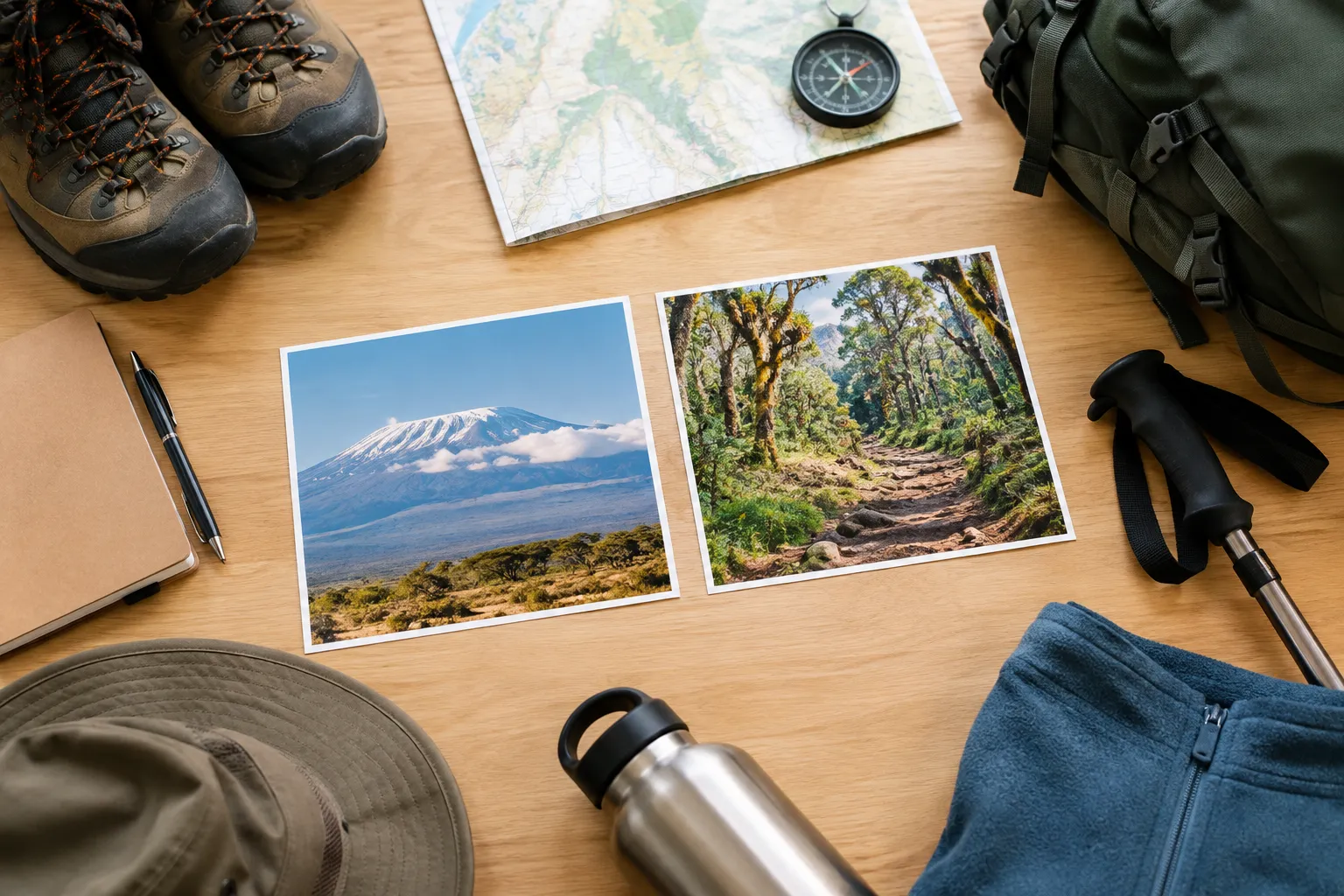
An eight-day Lemosho climb may fit if you can set aside the trekking time, accept a demanding summit attempt, and verify the itinerary and total trip costs before committing. It may not fit if your schedule leaves no room for arrival rest, recovery, or flexibility.
Use these questions to decide:
| Decision factor | Eight days may fit if… | Reconsider or ask more if… |
|---|---|---|
| Schedule | You can allow for arrival, the trek, and recovery around the climb. | Your flights or work schedule leave no room for delays or rest. |
| Acclimatization | You have reviewed the actual stages and discussed altitude with a medical professional. | You are choosing based on the number of days or a success-rate claim alone. |
| Physical preparation | You can prepare for sustained walking and practice with your gear. | You expect fitness training to remove altitude-related risk. |
| Cost | You have a written breakdown of included and excluded costs. | The headline price leaves fees, tips, gear, flights, or lodging unclear. |
| Support | You understand group or private arrangements and how health concerns are handled. | The operator cannot explain its guide roles and response process clearly. |
| Recovery | You have time to descend, rest, and manage onward travel. | You have scheduled immediate activities without checking the descent plan. |
Compare the full trip cost
Before paying a deposit, ask for a written total that distinguishes the climb from other trip expenses. Confirm what is included and excluded, such as park fees, transport, accommodation, meals, equipment, flights, tips, and optional activities. Don’t assume that a single advertised figure covers every part of a U.S.-to-Tanzania trip.
Tipping deserves a clear conversation before departure. Ask the operator how its tipping guidance works, who the team roles are, whether tips are pooled, and how climbers should prepare. Eco Africa Climbing identifies as a KPAP Partner Company and describes a commitment to porter welfare. If porter treatment is central to your choice, ask what the partnership means for the specific climb and how the crew’s work and compensation are handled.
Choose group or private planning deliberately
A group climb can suit someone who wants to share the trek with other climbers, while a private climb may suit travelers who want a more individually arranged trip. The specific group size, departure dates, and private-trip arrangements must be confirmed with the operator; don’t assume that a departure is guaranteed or that every group has the same composition.
Solo travelers and women traveling alone may want to ask practical questions directly: who will be on the trip, how guide and support roles are organized, what communication is available on the mountain, and how the team responds to a safety concern. These questions help you judge whether the arrangement feels right without treating group travel as an automatic guarantee of safety.
Eco Africa Climbing is a Tanzania-based company offering guided Kilimanjaro climbs, including the Lemosho Route climb. Review the route plan and ask about the details that matter to your schedule, budget, and support preferences before choosing an arrangement.
Lemosho Route FAQ
These answers address common route-selection questions, but your itinerary and health decisions should be based on the specific climb and qualified guidance.
What is the easiest route to climb Mount Kilimanjaro?
There is no route that is easiest for every climber; difficulty depends on itinerary, acclimatization profile, terrain, and personal response to altitude. Compare the daily stages and duration rather than choosing by a single label.
What is the fatality rate of climbing Kilimanjaro?
A reliable rate needs a defined population, time period, and method, so avoid treating an unexplained percentage as a personal risk estimate. Ask an operator how it handles altitude monitoring, illness, and descent, and discuss your health with a qualified medical professional.
Recommended next steps
- Request the day-by-day Lemosho itinerary and check how the eight days are counted, where you sleep, and how the descent is arranged.
- Compare the written inclusions and exclusions for park fees, transport, accommodation, food, gear, tips, and any optional safari.
- Review the group or private arrangement, including departure status, guide responsibilities, health monitoring, and procedures for a climber who needs to descend.
- Plan your arrival, sleep, baggage connections, training hikes, and recovery time around the climb rather than only around the summit date.
- Discuss high-altitude travel and your individual health questions with a qualified medical professional before making your final plans.