 28 Nov 2026
 3 min read
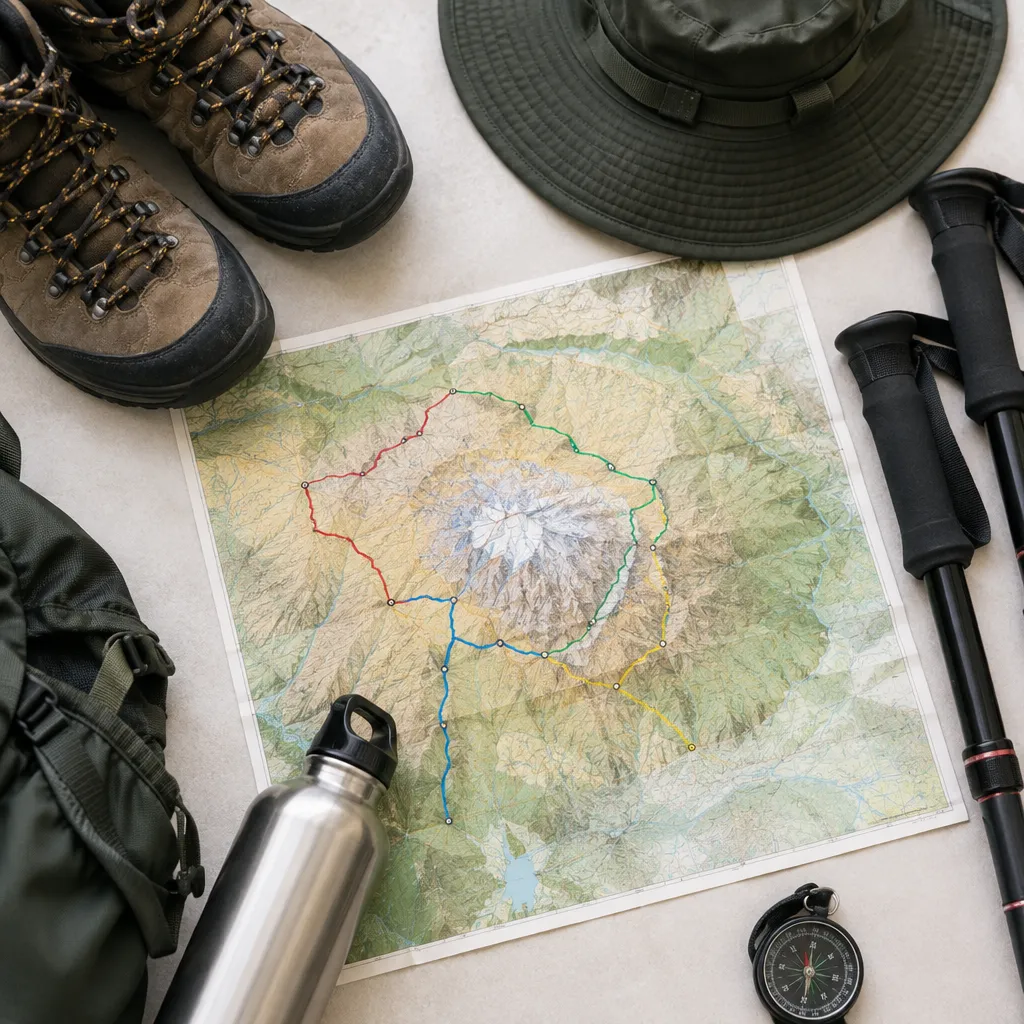
1. What the Lemosho route success rate actually measures
A route success rate is the proportion of climbers on a route who reach the summit. To compare figures, check whether the operator counts every booked climber, only those who start, or each summit attempt; those methods can produce different rates.
A rate also does not tell you how a particular climb is supported. Ask what the itinerary includes and how the operator records summit attempts before treating a percentage as a useful comparison.
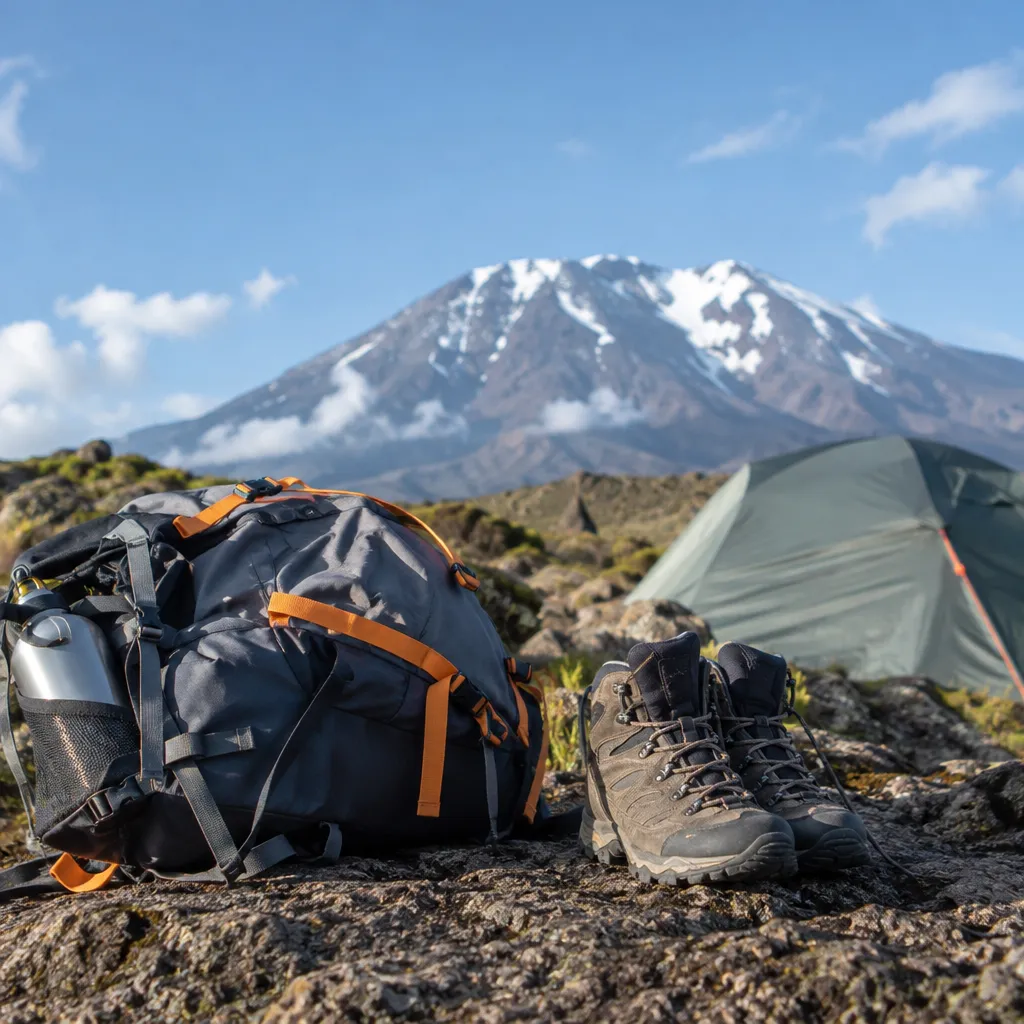
2. Why Lemosho success-rate figures vary
Lemosho success-rate estimates vary with itinerary length, the climbers included in the count, and how an operator defines success. Without a consistent reporting method, a percentage should be treated as an estimate, not a guaranteed outcome.
For a meaningful comparison, ask how many days the itinerary spends on the mountain and whether the rate includes climbers who turn back before summit night. A headline figure without those details is hard to interpret.
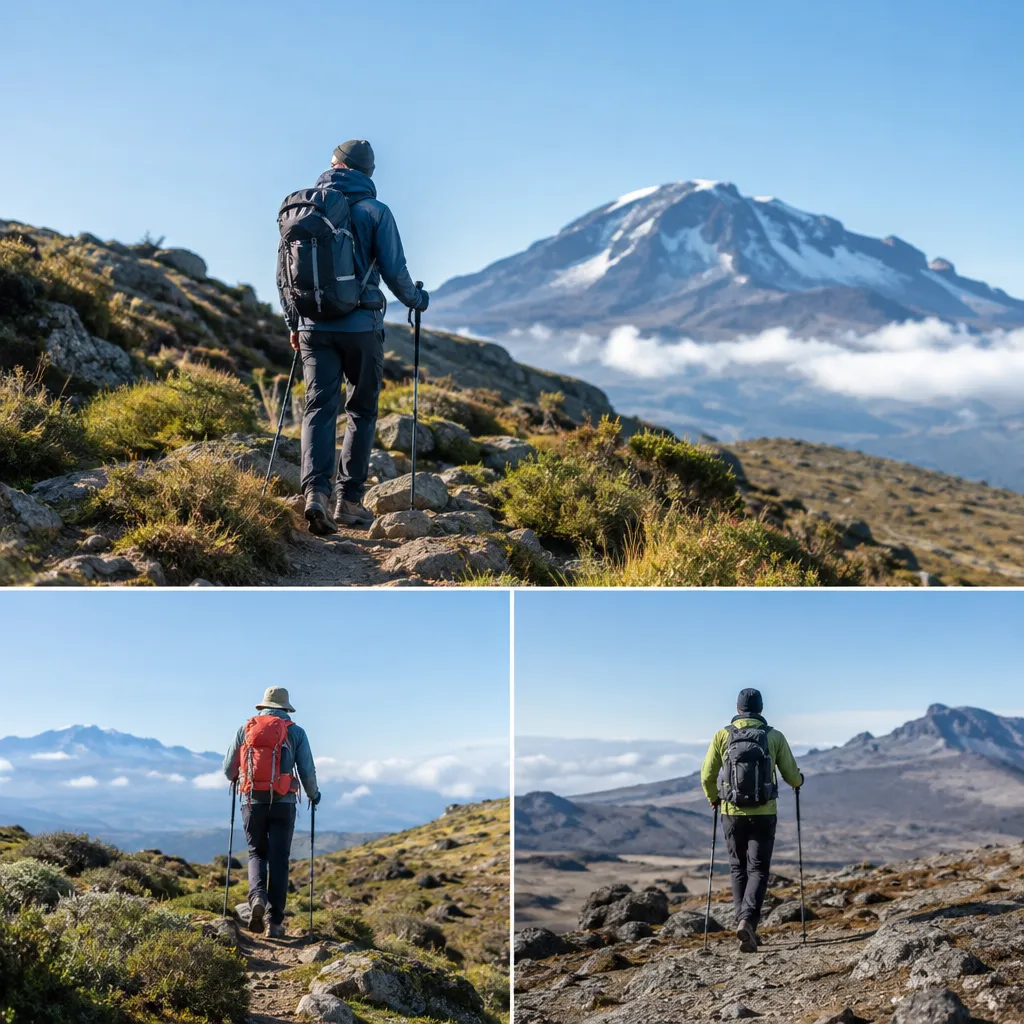
3. How a longer itinerary supports acclimatization
A longer itinerary can allow more time for the body to adjust to altitude, but it cannot guarantee a summit. Tanzania National Parks describes typical Kilimanjaro climbs as lasting five to eight days; the park’s climbing information provides context for that range.
When comparing Lemosho plans, look at the full schedule rather than the route name alone. More days may mean more time on the mountain, but also more time away and additional trip costs to account for.
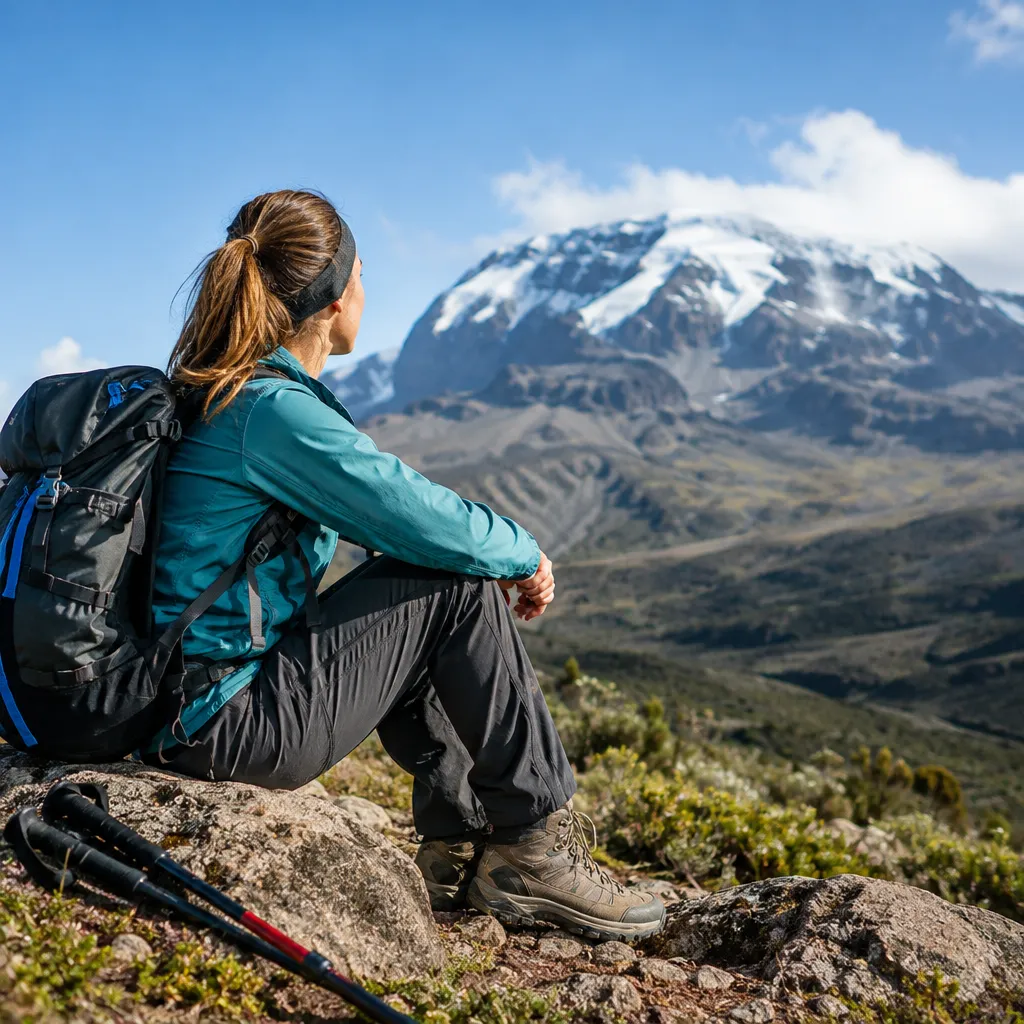
4. How fitness, health, and pacing affect summit chances
Preparation and steady pacing can help you manage the physical effort, while illness or altitude symptoms may affect whether you can continue. The CDC advises travelers to understand altitude illness and plan for gradual acclimatization when going to high elevations.
Ask an operator how guides monitor climbers and respond if someone feels unwell; do not treat support as a promise of reaching the summit. Consult a qualified medical professional about your own fitness and health before planning a high-altitude climb.
5. How route conditions and the climbing season matter
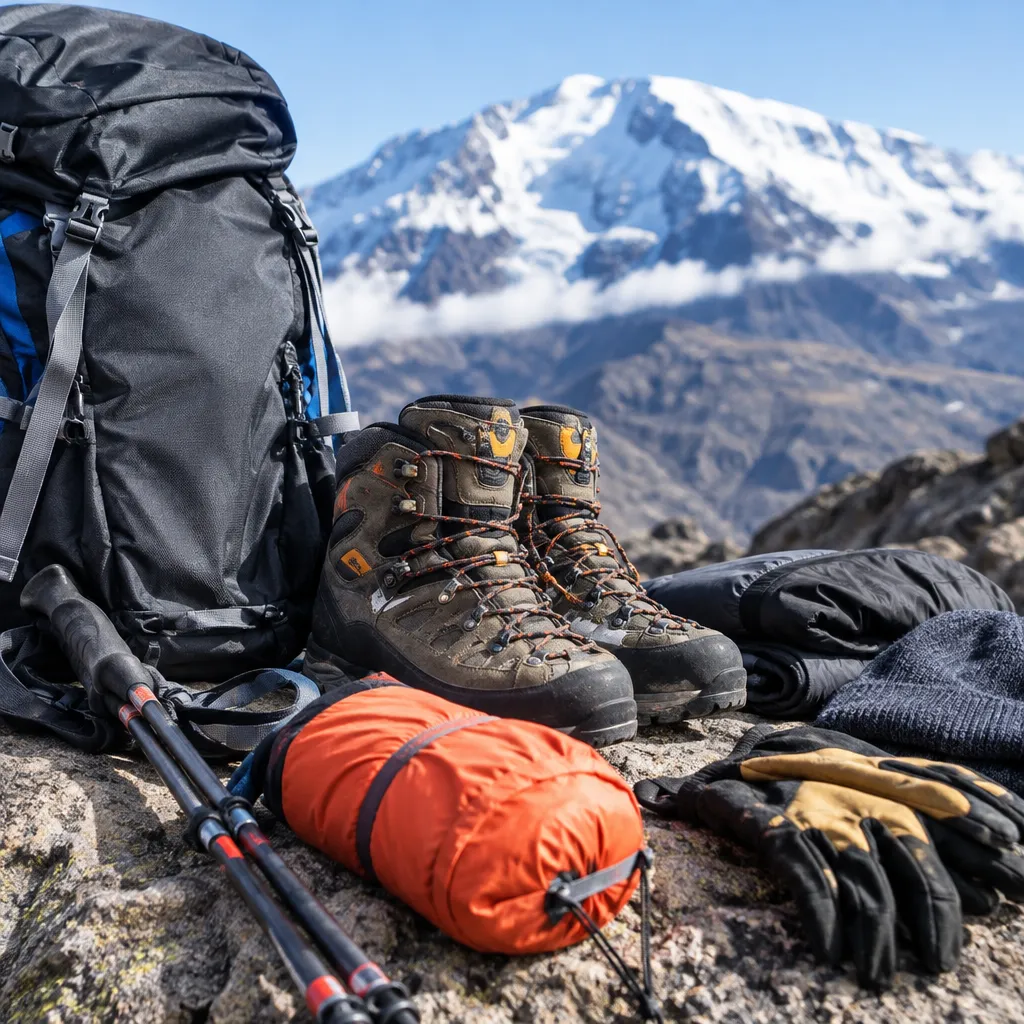
Weather and trail conditions can change the experience and make a climb more demanding, but conditions cannot be predicted from a route success rate alone. Choose dates with an understanding that mountain conditions may affect comfort, pace, and the summit attempt.
Before booking, ask what guidance the operator gives about seasonal conditions, clothing, and gear. The tradeoff is that even careful preparation cannot ensure favorable conditions throughout the climb.
6. How Lemosho compares with other Kilimanjaro routes
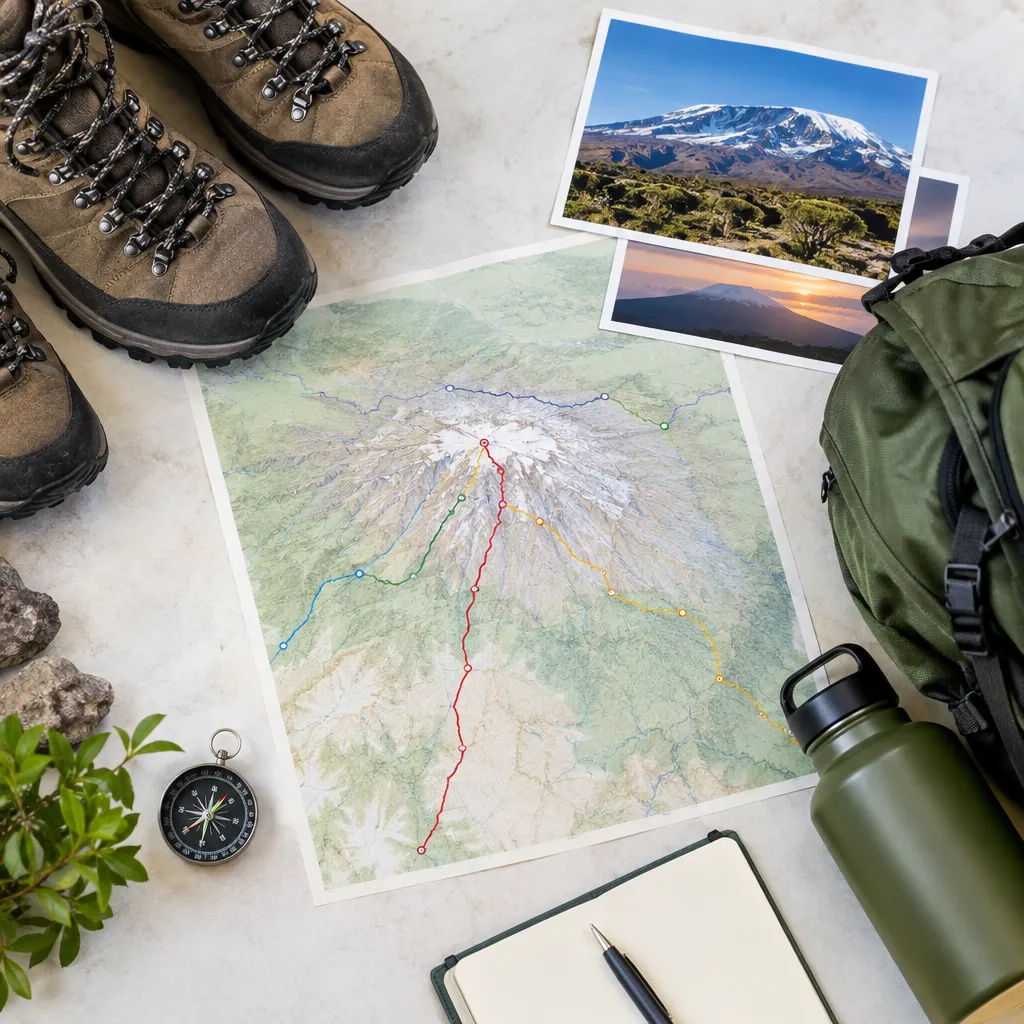
Lemosho, Machame, Northern Circuit, Marangu, and Rongai differ in their itineraries, but a reliable success-rate comparison requires figures collected and reported in the same way. TANAPA describes typical climbs as five to eight days overall; that range alone does not rank routes by summit outcomes.
Compare the actual days and acclimatization opportunities in each itinerary, not just route names or unsupported percentages. Eco Africa Climbing offers Kilimanjaro route options including Lemosho and the other listed routes; the limitation is that route choice alone cannot predict an individual result.
7. How to choose a Lemosho climb that fits your plans
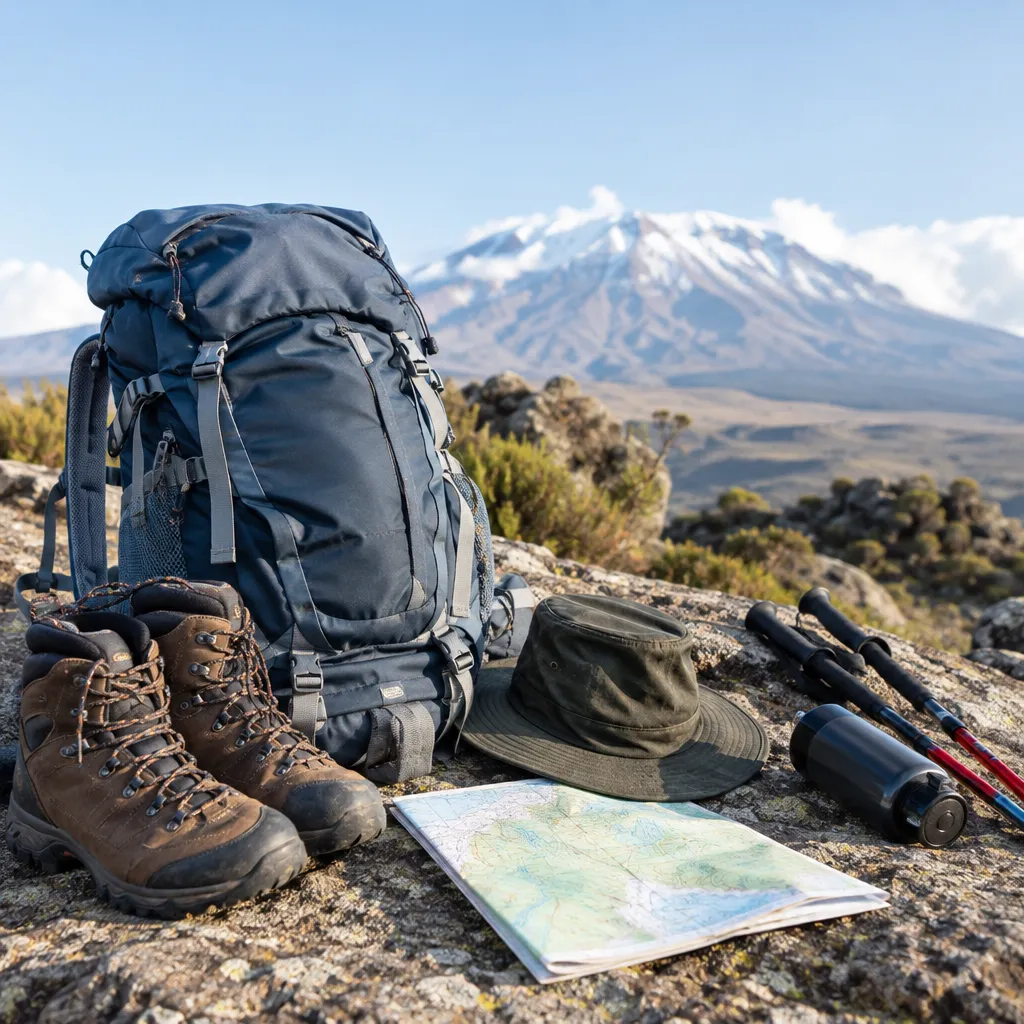
Choose an itinerary that fits your available time, readiness, and preferred group format, then ask how the operator approaches safety and summit decisions. Eco Africa Climbing offers Mount Kilimanjaro climbing tours, including private and group climbs, but specific departure dates and itinerary details should be confirmed before making plans.
For a solo traveler or small group, ask directly about group arrangements and what support is available on the route. Compare the full trip components—including flights, gear, and tips—rather than assuming a headline climb price covers them.
Frequently asked questions
How difficult is the Lemosho route?
Lemosho is a high-altitude mountain climb that requires sustained walking and adaptation to thinner air. Difficulty varies with itinerary, conditions, and individual health and fitness.
Which Kilimanjaro route has the highest success rate?
There is no dependable route ranking without comparable data and consistent reporting methods. Compare itinerary length and acclimatization opportunities, and treat any operator’s percentage as an estimate rather than a personal forecast.
Recommended next steps
- Compare Lemosho itineraries by total days on the mountain and the time available for acclimatization.
- Check the operator’s explanation of what its success-rate figure counts and how summit attempts are recorded.
- List flights, gear, tips, and other trip components so you can compare the full cost.
- Choose a private or group format that fits your plans, then confirm the specific itinerary and support arrangements before booking.