 28 Oct 2026
 6 min read
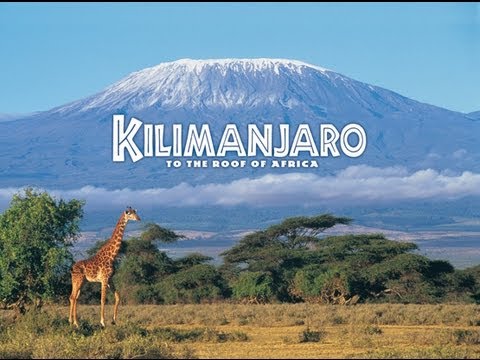
Mount Kilimanjaro is Africa’s highest mountain, a volcanic massif in northern Tanzania whose summit rises above the surrounding plains. For a first climb, the main decisions are route, itinerary length, arrival rest, altitude preparation, and the full cost—not just the advertised package price.
A guided climb can also be part of a longer Tanzania trip. If you are comparing tours and safaris in Tanzania, plan the climb and any Tanzania safari as separate itinerary components, with time to recover between them. A Serengeti National Park Tanzania safari is a different kind of travel experience from a high-altitude trek; an Agafay Desert outing near Marrakech, such as Oasis Sky’s packaged day and evening experiences, is another distinct option for a wider international itinerary, not a Tanzania safari.
Choose a Mount Kilimanjaro route that fits your goals
Compare routes by more than scenery. Consider how many days you have, whether you prefer camping or hut accommodation, how the route approaches the mountain, and whether the itinerary allows time for gradual acclimatization. A longer climb takes more vacation days and usually adds trip costs, but gives the itinerary more room for ascent and rest.
How the main routes differ
| Route | General character | Practical tradeoff |
|---|---|---|
| Lemosho | A scenic western approach, often chosen for a gradual itinerary | A longer itinerary can require more time away and more budget |
| Machame | A popular camping route with varied terrain | Some days involve steep or challenging trail sections |
| Northern Circuit | A longer approach that traverses the mountain’s quieter northern side | Its additional days may not fit a tight schedule |
| Rongai | Approaches from the north, near the Kenya border | The route’s scenery and trail experience differ from southern approaches |
| Marangu | Uses hut accommodation rather than camping | The hut option may appeal to those who prefer not to sleep in tents, but it does not remove altitude demands |
Descriptions are broad; exact daily schedules depend on the itinerary. Ask for the route map and day-by-day plan before choosing. The right fit is the route whose duration, accommodation, trail character, and acclimatization schedule match your priorities—not simply the one with the most appealing name.
If you are pairing a climb with a safari tour in Tanzania, check how transfers, rest days, and park visits fit together. A safari can add wildlife viewing, vehicle time, and further travel days; do not assume it is included in a climbing package.
Why itinerary length matters
The number of days on the mountain affects pacing, rest, and the amount of time available to adjust to altitude. A shorter itinerary may suit a limited vacation window, but leaves less flexibility for a gradual ascent. An extended itinerary takes longer and adds expenses, but may offer more time for acclimatization.
Compare the full trip calendar, not only the days listed for climbing. Allow for international flights, arrival and sleep before the trek, the climb itself, and departure logistics. If adding a Tanzania safari, include travel between destinations and recovery time rather than scheduling a long drive immediately after summit night.
Plan for altitude, weather, and the demands of the climb
Kilimanjaro is a high-altitude trek, not a technical climb requiring mountaineering skills on every route. That does not make it easy: long walking days, changing conditions, cold at higher elevations, and altitude effects can all make the ascent demanding.
Build general fitness with regular walking or hiking, including uphill practice where possible, and work on strength and endurance at a manageable pace. Training cannot eliminate altitude risk. If you have a health condition or concerns about your ability to trek at altitude, consult a qualified medical professional about your own situation before booking.
When to climb Mount Kilimanjaro
Conditions change through the year, and no season guarantees clear weather or an easy climb. Travelers often compare the drier periods with wetter months, weighing trail conditions and visibility against their available dates and tolerance for rain or cloud.
Ask an operator what conditions are typical for your proposed dates and what clothing and gear the itinerary requires. Check current forecasts and travel guidance closer to departure, too. Pack for layers and changing conditions rather than relying on a single daytime temperature.
What to expect from altitude and daily trekking
The climb gains height over multiple days, and the pace is generally intended to be steady. Move at the pace set by the guide, drink and eat as instructed, and tell the guide promptly about symptoms or changes in how you feel. Altitude response varies between individuals, and fitness alone does not predict how someone will adapt.
Ask how the operator monitors health each day, what happens if a climber becomes unwell, and how the group handles a descent or change of plan. Daily monitoring and an acclimatization itinerary are risk-management measures, not a promise of reaching the summit.
Compare climb costs and what your booking includes
A quoted climb price is only one part of the trip budget. Compare operators using the same checklist, and request an itemized explanation before paying a deposit.
| Cost or detail | What to confirm |
|---|---|
| Park and conservation fees | Which fees are included, and whether any charges are payable separately |
| Crew and guiding | The guide, cook, and porter arrangements included in the itinerary |
| Meals and drinking water | What is provided on the mountain and what you should bring |
| Accommodation | Whether nights are in tents, huts, or accommodation before and after the climb |
| Transport | Which airport transfers and road transfers are included |
| Equipment | Whether shared equipment is provided and what personal gear remains your responsibility |
| Tips | Whether gratuities are included; if not, ask about customary guidance and how tips are distributed |
| Flights and baggage | International airfare, checked baggage, and airport connection costs are usually separate trip-budget questions |
| Deposit and balance | Payment schedule, cancellation terms, and the conditions attached to each payment |
A lower headline price may leave more items outside the package; a higher one is not automatically better value. Compare the actual inclusions, crew support, itinerary, and payment terms. Keep a separate budget for airfare, personal gear, travel insurance, tips, and any safari extension.
Questions to ask about inclusions and safety
Before booking, ask for clear answers in writing:
- Is the operator a KPAP Partner Company, and how can I confirm its current status?
- How are porters selected, equipped, paid, and supported on the route?
- What guide qualifications and first-aid training do the guides have?
- How often does the team check climbers’ health, and what is the response plan if someone becomes unwell?
- What are the group size and departure arrangements? Is a departure guaranteed, and under what terms?
- Which meals, transfers, park fees, accommodation, and equipment are included?
- What is not included, and how are tips handled?
- What support is available to solo travelers and women traveling alone?
Eco Africa Climbing is a KPAP Partner Company. That is a relevant point to check when researching porter welfare, but it is still sensible to ask how crew treatment is handled on the specific itinerary you are considering. For a solo traveler, also clarify whether the trip is a group departure or private climb, who will be in the group, and how communication and support work on the mountain.
Kilimanjaro Climbing FAQ
What are 10 interesting facts about Mount Kilimanjaro?
Kilimanjaro is in Tanzania, is Africa’s highest mountain, and has three volcanic cones: Kibo, Mawenzi, and Shira. Uhuru Peak is its highest point; the mountain is not part of a range, and routes approach it from different sides.
Is Mount Kilimanjaro a difficult climb?
Yes. It is a strenuous, high-altitude trek involving long walking days, cold conditions near the summit, and possible altitude effects, even though most routes do not require technical climbing skills.
Choose a guided climb and prepare to book
Start by narrowing your route and available days, then compare complete itineraries and itemized costs. Build in arrival rest before the climb, confirm your flight and baggage arrangements, and leave room for recovery before any safari extension. If you are considering a Tanzania safari, compare park choices, vehicle and guide arrangements, trip length, and transfers as separate parts of the overall plan.
Before committing, review the deposit and cancellation terms, what gear you must bring, how tips are handled, and how the operator supports climbers and crew. A clear written itinerary and direct answers to practical questions make it easier to judge whether the trip fits your schedule, priorities, and budget.