
 27 Sep 2026
 8 min read
A kilimanjaro climb trip is not only a choice between two trails. It is a decision about acclimatization, time away, camping preferences, traffic, preparation, and the level of support you expect from your operator. The Northern Circuit route and Machame route can both suit a first kilimanjaro mount, but they serve different priorities.
Quick answer: how kilimanjaro climb trip options compare
Choose the Northern Circuit if acclimatization, a quieter trail experience, and having more time on the mountain matter most. Choose Machame if you want a well-known, scenic route with a more direct itinerary and are comfortable with a potentially busier trail and a demanding schedule.
Neither route guarantees a summit. Route choice can support acclimatization, but fitness, pacing, sleep, health, weather, and guide decisions all influence the experience. Before comparing quotes, review our Kilimanjaro route advice and ask how the proposed itinerary manages rest, altitude, and emergency decisions.
The key distinction is simple:
- Northern Circuit generally favors travelers with more time who want a gradual mountain experience.
- Machame generally favors travelers seeking a shorter, established camping route and who are ready for a more concentrated climb.
- Both require preparation for walking several hours on uneven ground, sleeping in tents, carrying personal essentials, and managing changing temperatures.
- Your full trip budget should include flights, airport transfers, accommodation before and after the climb, gear, park and government fees, guide and crew tips, and any safari extension.
Kilimanjaro climb trip compared at a glance
| Criterion | Northern Circuit route | Machame route |
|---|---|---|
| Best fit | Travelers prioritizing acclimatization time and a quieter experience | Travelers wanting a scenic, established route with a more direct schedule |
| Ideal use case | A longer itinerary with time to adjust to altitude | A focused climb for travelers working within a tighter schedule |
| Main strength | Gradual progression and broader mountain experience | Strong scenery and a clear, popular route structure |
| Main tradeoff | Requires more time, camping, and overall commitment | Can feel more concentrated and may involve greater trail traffic |
| Budget consideration | More days can mean a higher total itinerary cost | Fewer days may reduce some trip costs, but the quote must be checked carefully |
| Preparation priority | Endurance, sustained walking, and patience | Endurance, uphill training, and comfort with a demanding rhythm |
These are qualitative comparisons, not a promise that one route is easier or safer for every traveler. Our route preparation guide can help you connect the trail profile with your training and arrival plan.
Kilimanjaro climb trip compared by the criteria that matter
Fit and use case
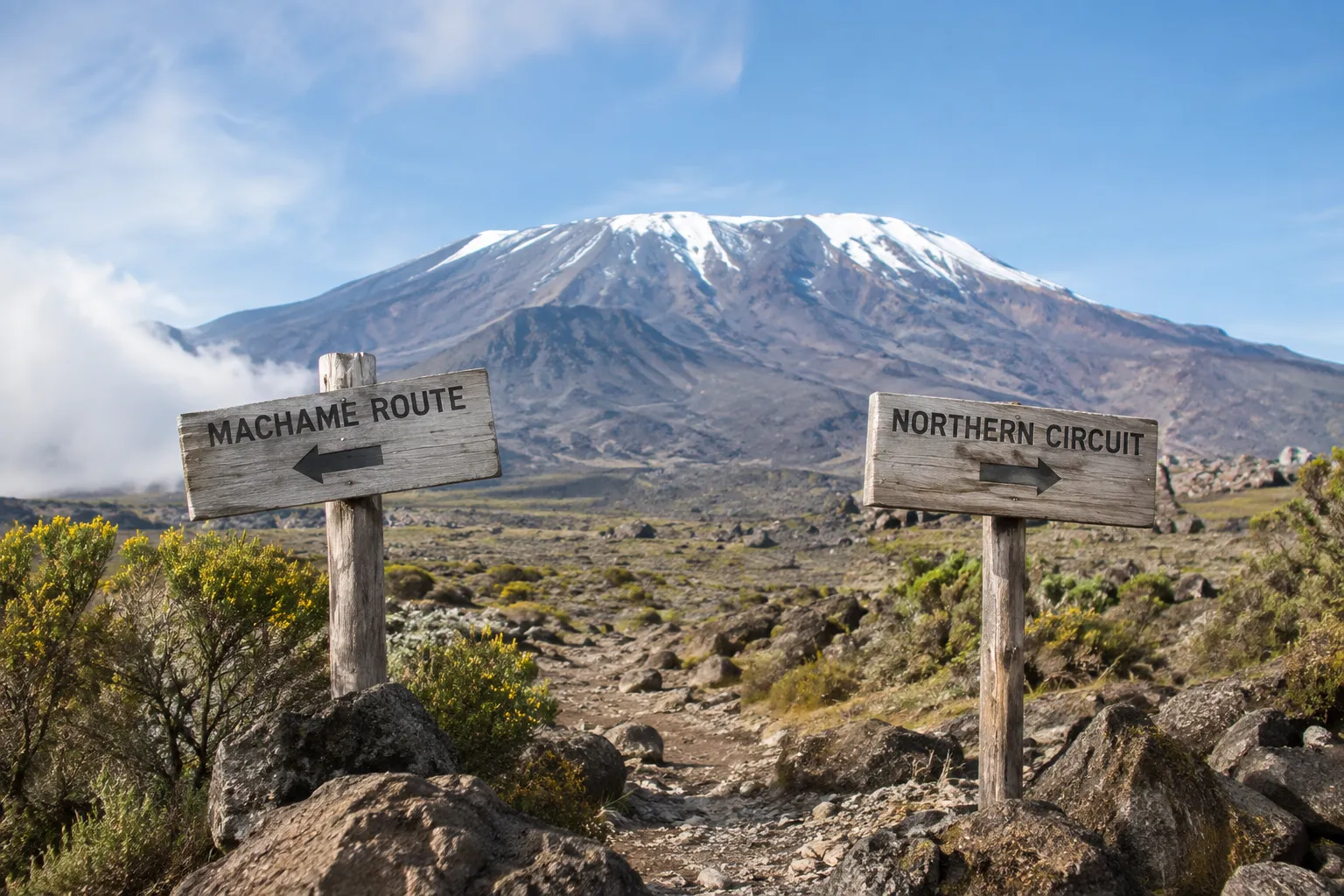
The Northern Circuit is often the better fit when your main concern is giving your body more opportunity to adjust. A traveler arriving from sea level may value a less rushed itinerary, particularly when the mountain is only one part of a longer Tanzania trip.
That does not make the Northern Circuit effortless. You still need to walk consistently, sleep at altitude, manage appetite and hydration, and accept that the mountain environment can be uncomfortable. More days also mean more nights camping and more time away from normal routines.
Machame can suit travelers who want a widely established route and a more concentrated climbing schedule. It is attractive when annual leave, flights, or a safari plan limit the amount of time available. However, a shorter itinerary should not be treated as a shortcut around acclimatization. Ask the operator exactly how the daily stages are arranged and what happens if you show signs of altitude illness.
For either route, arriving exhausted can make the first days harder. Build in a night of proper sleep after long-haul travel where your itinerary allows it, and avoid treating airport connections, baggage collection, and rechecking as minor details. A missed bag or disrupted sleep can affect gear, energy, and confidence before the climb begins.
Value and tradeoffs
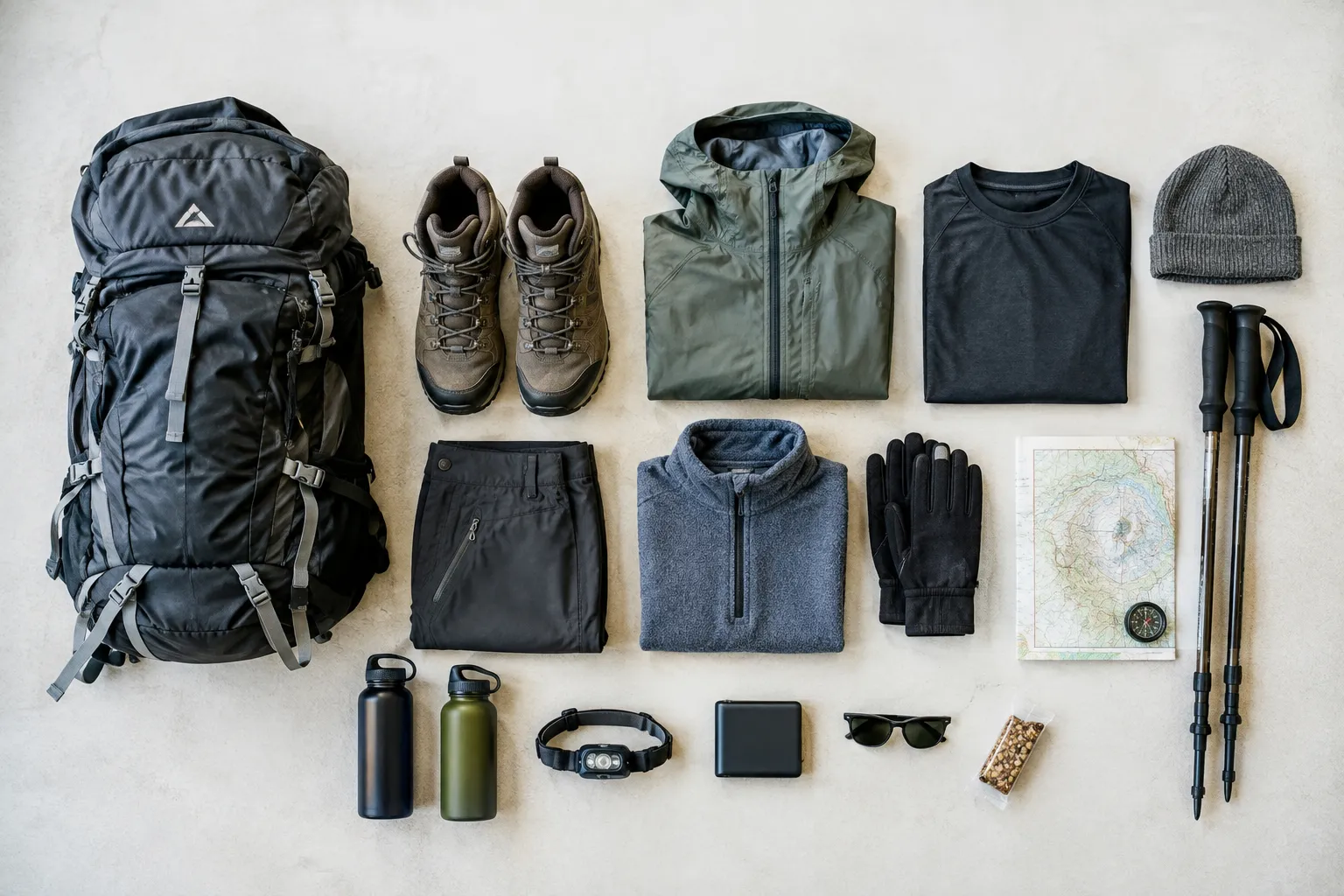
A lower headline price does not automatically represent better value. Compare what is included, including park and government fees, transfers, accommodation, meals, tents, crew support, emergency procedures, and the number of climbing days. Then budget separately for flights, personal equipment, insurance, visas where applicable, and tips.
The Northern Circuit may cost more overall when the itinerary includes additional mountain days. That extra cost can be worthwhile for a traveler who values a more gradual experience, but only if the itinerary and support justify it. More days should not be confused with luxury; camping conditions remain part of the mountain experience.
Machame may look more economical when the itinerary is shorter, but the correct comparison is total trip cost rather than the initial quote. Check whether the same essential services, government charges, crew arrangements, and pre- or post-climb accommodation are included.
Value also includes how an operator treats its crew. Eco Africa Climbing is a KPAP Partner Company and presents responsible tourism and porter welfare as part of its operating commitments. When comparing any company, verify its current KPAP status independently, ask how porter treatment is managed, and request a clear explanation of tipping expectations.
A trustworthy quote should be understandable rather than artificially vague. Ask for an itemized itinerary and clarification of deposit terms, cancellation conditions, excluded costs, equipment rental, and optional safari arrangements.
Limitations and deal-breakers
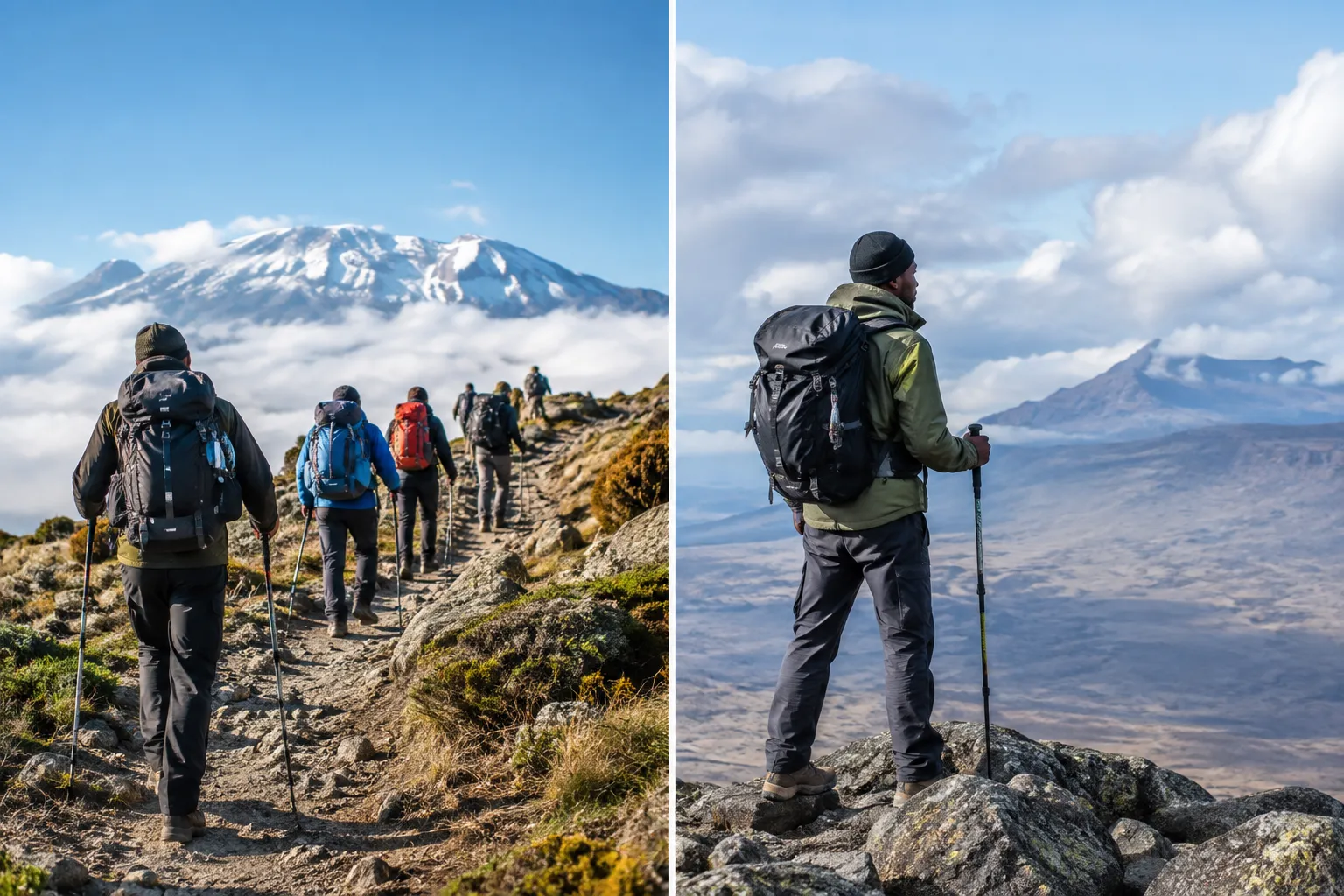
The Northern Circuit may be a poor fit if you have very limited vacation time, dislike extended camping, or want the most direct possible mountain schedule. It can also be frustrating if you choose it only because you assume additional days guarantee a summit.
Machame may be a poor fit if you are traveling from sea level with little hiking preparation, have no flexibility for rest, or are selecting it solely because the advertised price is lower. A compressed schedule can leave less room to respond comfortably to fatigue, poor sleep, or altitude symptoms.
For both routes, be cautious when an operator avoids specific answers about:
- Daily health monitoring and how symptoms are recorded
- The experience and training standards of mountain guides
- Whether guides hold relevant wilderness first-aid training
- The process for turning around or descending
- Porter numbers, porter welfare, wages, and working conditions
- Crew tipping guidance
- Included park fees, meals, camping equipment, and transfers
- Emergency communication and evacuation arrangements
- Group size, guaranteed departures, and private-climb options
No responsible operator should promise that you will summit or claim that one route removes altitude risk. Good planning reduces avoidable problems; it does not control weather, individual health, or how a body responds to elevation.
Kilimanjaro climb trip: the decision rule
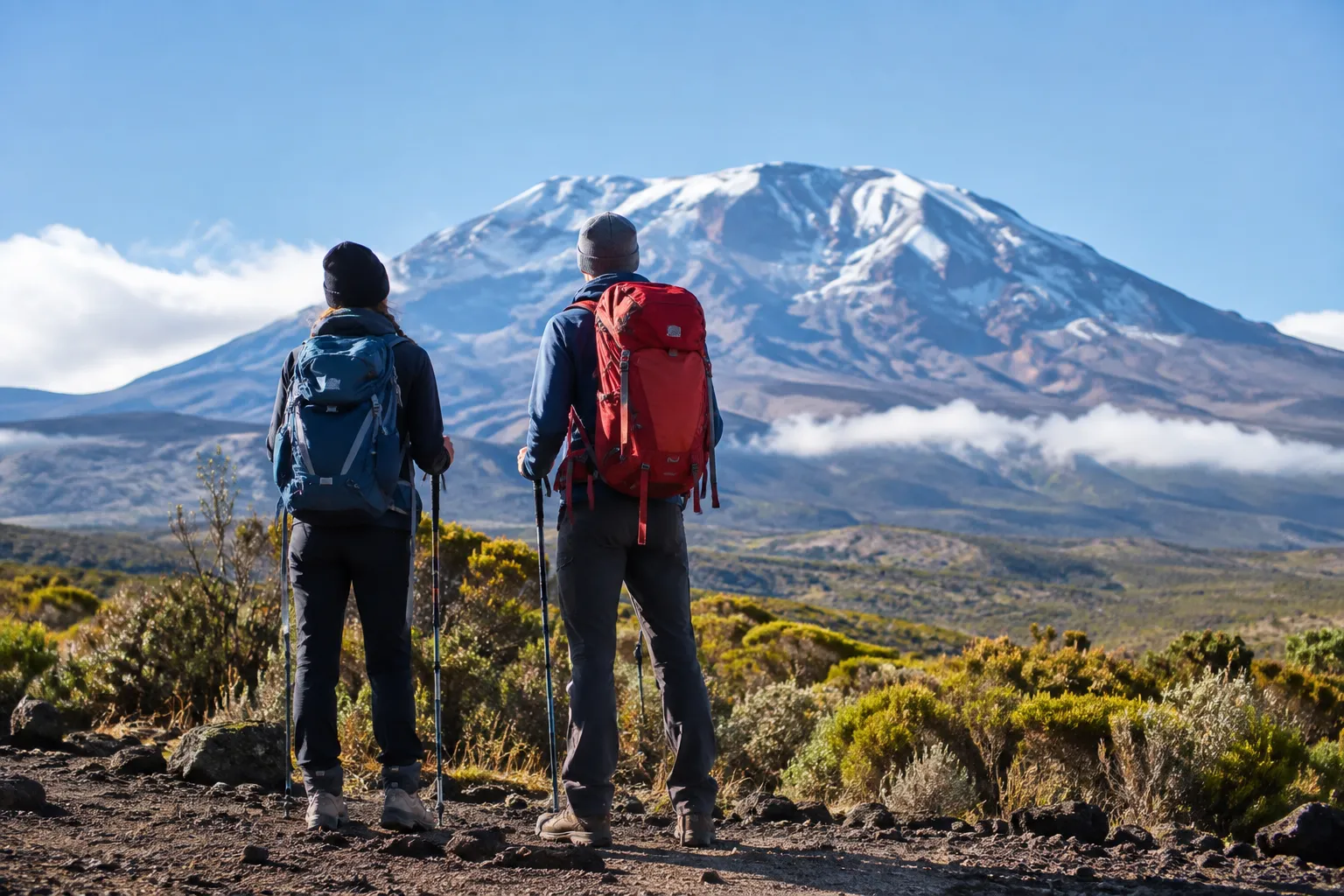
Use this decision rule:
- Choose Northern Circuit when your first priority is more time for acclimatization and a less rushed mountain experience.
- Choose Machame when your first priority is a more direct itinerary and you have enough preparation, time, and flexibility for its demands.
- Choose neither route yet if you are comparing prices without understanding inclusions, crew treatment, safety procedures, and the total cost of the trip.
Solo travelers should ask whether they can join a scheduled group or request a private climb, and whether a departure is guaranteed at the dates they need. Small groups may offer a more personal rhythm, while group climbs can provide shared logistics and companionship. The right choice depends on the itinerary, not simply the label.
Women traveling alone can ask the same practical questions as any traveler, while also discussing guide support, privacy at camp, communication, and what happens if plans change. These conversations should happen before booking.
For a wider look at tanzania climb kilimanjaro, compare route character with your available time, training, and broader Tanzania plans. A safari in Serengeti National Park, Ngorongoro Crater, or another Northern Tanzania destination may fit before or after the climb, but it should not leave you sleep-deprived at the trailhead.
The best route is the one whose duration, walking demands, camping arrangements, cost, and support match your actual situation.
Kilimanjaro climb trip FAQ
How much does a trip to climb Kilimanjaro cost?
The total depends on route length, operator inclusions, park and government fees, flights, gear, accommodation, tips, insurance, and optional safari plans. Request an itemized quote rather than comparing headline prices alone.
Can a beginner climb Kilimanjaro?
A beginner can prepare for climbing Mt Kilimanjaro, but the climb still demands endurance, steady training, suitable gear, and realistic pacing. A guide should explain route demands and altitude procedures before booking.
Where do you sleep when you climb Kilimanjaro?
On the Northern Circuit and Machame routes, climbers generally sleep in mountain camps using tents arranged by the trekking team. Confirm tent arrangements, sleeping equipment, meals, and baggage limits with your operator.
Do you need oxygen to climb Kilimanjaro?
Supplemental oxygen should not be treated as a substitute for acclimatization or medical decision-making. Ask how the operator monitors altitude symptoms and manages descent if someone becomes unwell.
Kilimanjaro climb trip basics: what should you know first?
Plan for guided trekking, camping, changing temperatures, altitude, personal gear, crew tips, park fees, and recovery time after travel. Your itinerary should also explain transfers, accommodation, baggage, and exclusions.
Kilimanjaro climb trip options: how do you choose the right one?
Start with available time and acclimatization priorities, then compare scenery, camping, trail traffic, total cost, group size, and support. Northern Circuit suits a longer approach; Machame suits a more concentrated schedule.
Kilimanjaro climb trip mistakes: which ones should you avoid?
Avoid choosing only by price, arriving without rest, undertraining for hills, ignoring gear and baggage limits, or accepting vague answers about fees, tips, porter welfare, and altitude procedures.
Kilimanjaro climb trip in daily use: what should you expect?
Expect repeated walking, early starts or long mountain days, tented nights, simple routines, changing weather, and careful pacing. Guides should explain the day’s plan and respond to health concerns as they arise.
Recommended next steps
Write down your available travel dates, preferred group format, training background, camping expectations, and full budget before requesting an itinerary. Ask for Northern Circuit and Machame options presented with the same inclusions so the comparison is meaningful.
Then check:
- How many climbing days are proposed, and why?
- What is included or excluded from the quoted price?
- How are altitude symptoms monitored?
- What guide training and emergency procedures are in place?
- How are porters treated, paid, equipped, and tipped?
- Is the departure guaranteed, and what happens if you need a private climb?
- How much rest is planned after arrival and before any safari?
Those answers will tell you more about the quality of a kilimanjaro climb trip than a polished itinerary or a low starting price.
Sedrick Silayo is a Web Developer and Digital Marketing Expert at Eco-Africa Climbing, with over 10 years of experience in Tanzania’s adventure travel industry. He specializes in Kilimanjaro trekking and Northern Tanzania safaris, sharing practical expertise on trip planning, mountain preparation, safety, KPAP standards, and safari experiences.