
 24 Sep 2026
 4 min read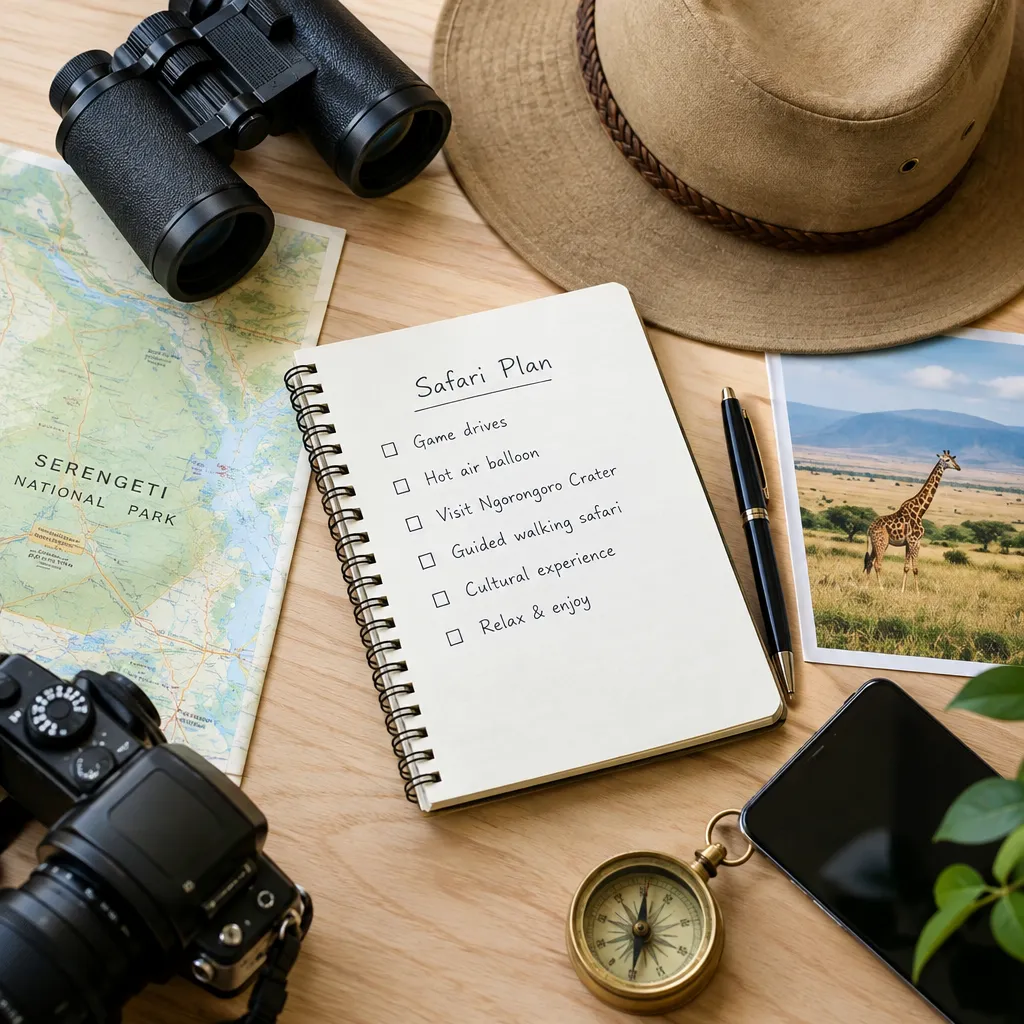
1. Match the choice to your real routine
Start with your available days, tolerance for long drives, and preferred pace. Northern Serengeti suits travelers focused on migration movement and remote camps, while central Serengeti offers a practical base for wildlife viewing and easier itinerary planning.
Southern and western areas can provide a different sense of space and seasonal focus, but may require more careful timing. If you are also considering a Ngorongoro Crater safari, avoid treating every destination as a quick stop.
2. Compare value over the full use period
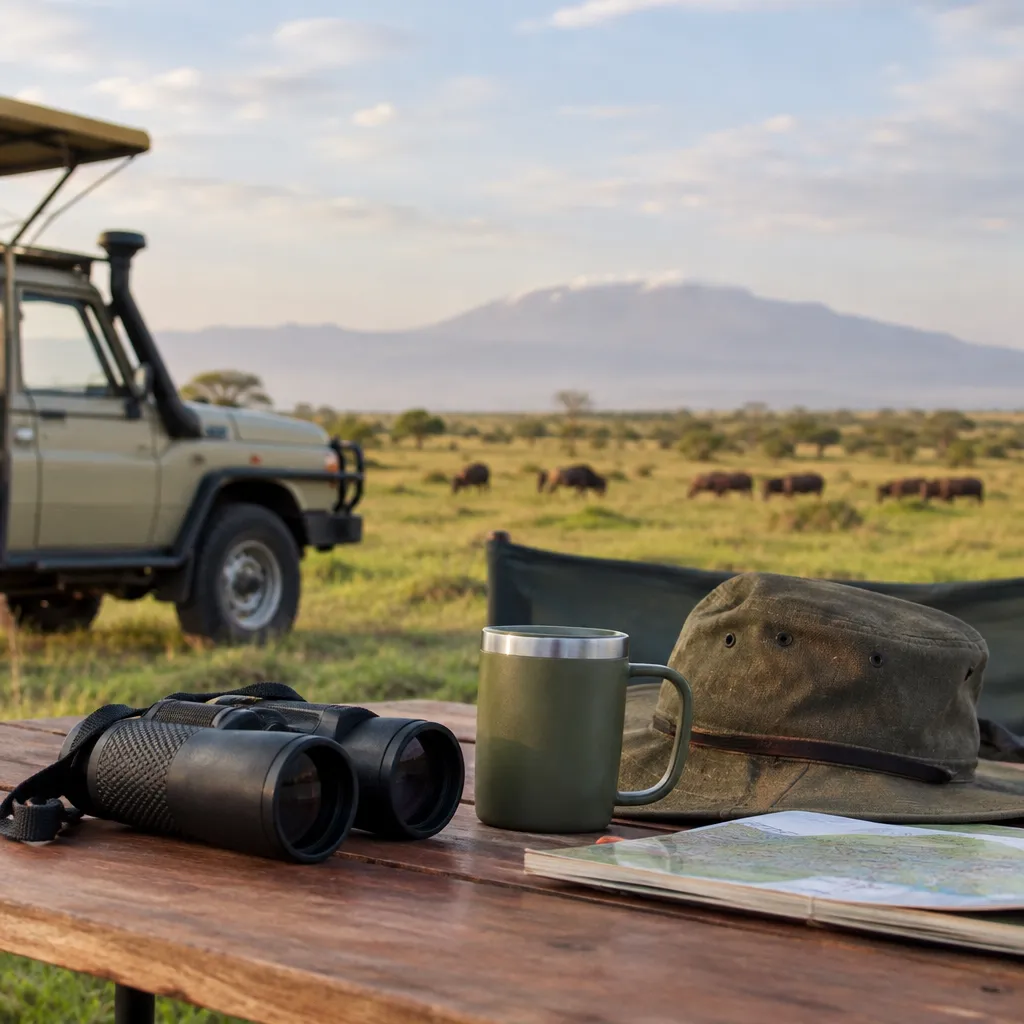
Compare the entire trip rather than a headline safari price. Ask what is included in transport, park fees, meals, accommodation, guiding, airport transfers, and any domestic flights. Also confirm what remains separate, such as international flights, travel insurance, drinks, and tips.
For a first-time visitor, a shorter route with fewer transfers may offer better value than adding several parks and spending much of the trip on the road. Discuss the full itinerary with Eco Africa Climbing before comparing quotations.
3. Separate must-have features from nice-to-haves
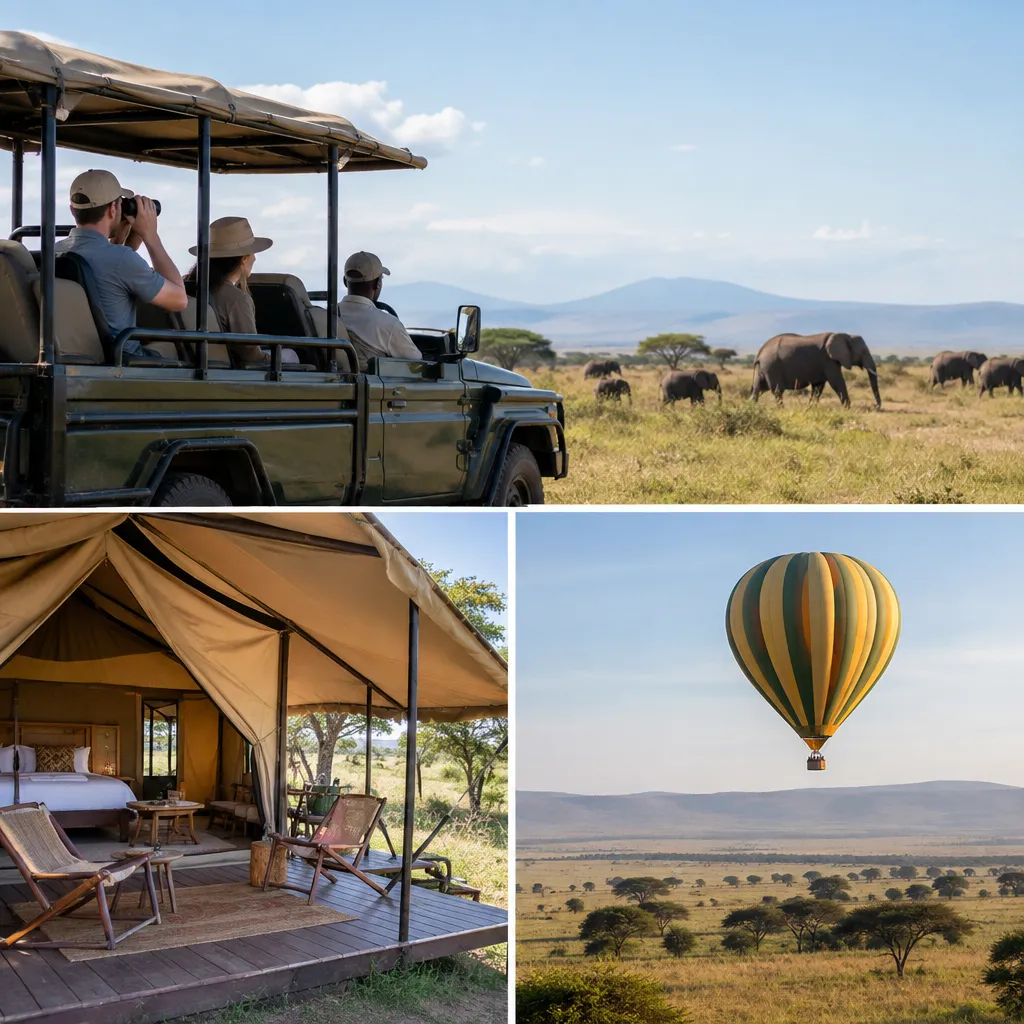
Must-haves usually include a clear route plan, experienced guides, reliable vehicle arrangements, suitable accommodation, and realistic daily driving times. Ask how the operator adapts the schedule if wildlife is concentrated in a different area than expected.
Nice-to-haves may include a particular camp style, extra cultural activities, or a private vehicle. A private Tanzania safari can offer more control, but a group format may suit travelers who prefer shared costs and company.
4. Check the tradeoffs before you commit
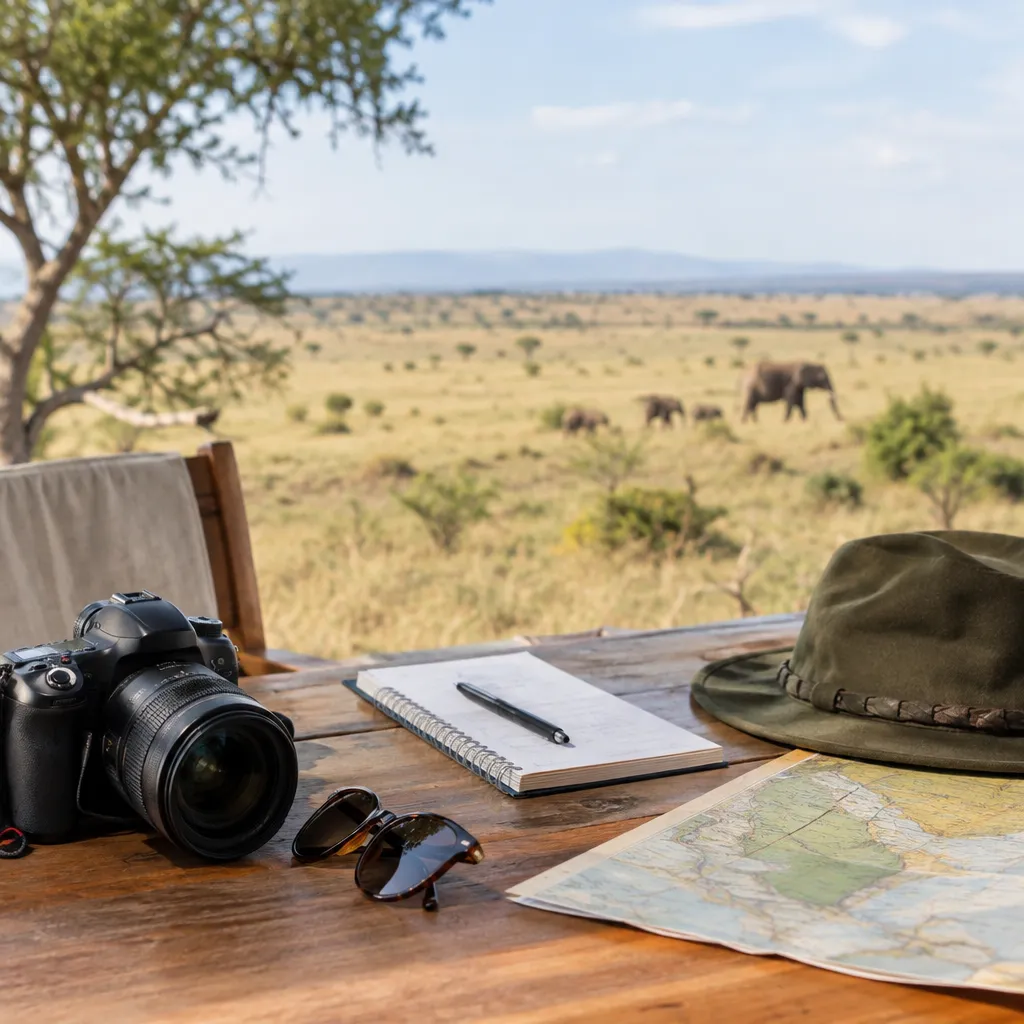
Every Serengeti route involves tradeoffs. Following migration areas can mean changing accommodation or accepting longer transfers. Staying in one region may create a calmer routine, but it can limit access to wildlife elsewhere in the park.
Adding Tarangire, Ngorongoro, and the Serengeti can create a rewarding northern Tanzania itinerary, yet too many destinations may make the trip tiring. Build in sensible overnight stops rather than assuming every drive is an easy connection.
5. Use a simple final decision rule
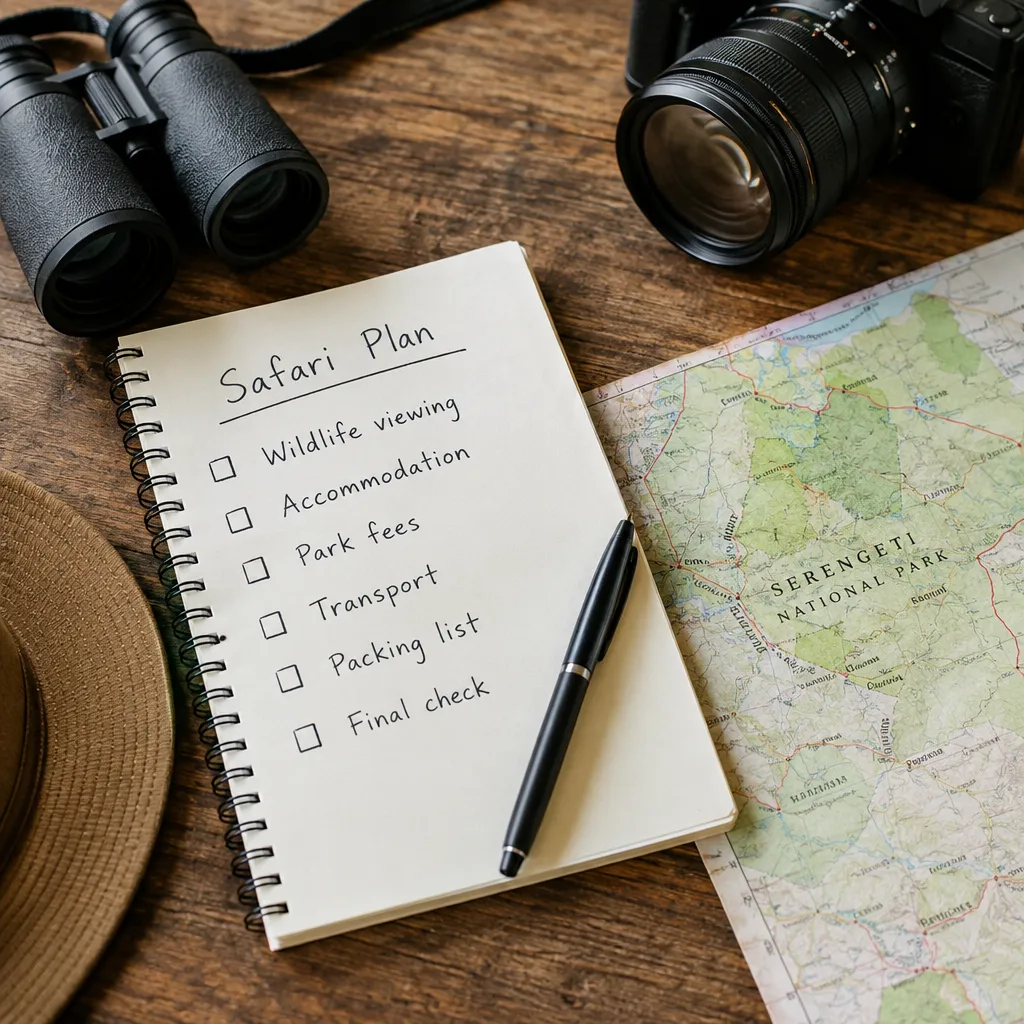
Choose the route that gives you the strongest match across three questions:
- Which wildlife or landscape priority matters most?
- How many full safari days do you genuinely have?
- How much driving and accommodation change feels comfortable?
If migration is the priority, plan around the relevant region and season rather than selecting a fixed route first. If flexibility and varied wildlife matter more, combine central Serengeti with Ngorongoro or Tarangire at a manageable pace.
6. One more thing that makes a difference
Accommodation location affects each day more than many travelers expect. A camp or lodge positioned near your chosen wildlife area can reduce unnecessary driving and give the itinerary a more relaxed rhythm.
Ask whether accommodation is permanent, seasonal, or mobile, and whether the location changes with migration planning. This does not make one style universally better; it helps you choose between convenience, remoteness, and flexibility.
7. Another angle worth knowing
Plan arrival and departure days as part of the safari, not as empty space around it. An international arrival followed immediately by a long transfer can make the first safari day feel rushed, while an early departure may require an overnight near an airport or town.
A practical plan connects the Serengeti to Ngorongoro or Tarangire in a logical sequence, with enough time to enjoy each stop. The best route is often the one that minimizes backtracking and protects your energy.
FAQ about serengeti national park tanzania safari
What is the average cost of a Serengeti safari?
There is no single reliable average because cost depends on trip length, group size, accommodation, transport, park fees, season, and inclusions. Request an itemized quotation rather than comparing headline prices alone.
What I wish I knew before visiting Tanzania for safari?
Driving distances can be substantial, and wildlife locations change with season and weather. Confirm the daily schedule, accommodation locations, included fees, and transfer arrangements before booking.
What should readers know first about serengeti national park tanzania safari?
The Serengeti is not one uniform viewing area. Northern, central, western, and southern planning can produce different travel distances, accommodation choices, and seasonal priorities.
How do you choose the right serengeti national park tanzania safari approach?
Start with your priorities, available days, preferred accommodation, and tolerance for driving. Then choose the region or combination of parks that supports those priorities.
What mistakes should you avoid with serengeti national park tanzania safari?
Avoid packing too many parks into too few days, assuming migration follows fixed dates, or accepting a quotation without checking inclusions. Also confirm whether tips, flights, drinks, and transfers are separate.
Is serengeti national park tanzania safari worth it for daily use?
A safari is not a daily-use product; its value comes from the overall travel experience. It is most suitable when the route, pace, budget, and wildlife priorities fit your holiday plans.
What should you compare before deciding on serengeti national park tanzania safari?
Compare route, travel time, accommodation style, group or private format, inclusions, guiding arrangements, and cancellation terms. A clear itinerary is more useful than a low price without detail.
Recommended next steps
Write down your preferred travel dates, number of safari days, wildlife priorities, accommodation expectations, and whether you want to include Ngorongoro or Tarangire. Then ask Eco Africa Climbing for a detailed route and cost breakdown that reflects those priorities.
Sedrick Silayo is a Web Developer and Digital Marketing Expert at Eco-Africa Climbing, with over 10 years of experience in Tanzania’s adventure travel industry. He specializes in Kilimanjaro trekking and Northern Tanzania safaris, sharing practical expertise on trip planning, mountain preparation, safety, KPAP standards, and safari experiences.